


Experience precision in thread and 1215 carbon steel machining with affordable services.
Hongsinn-512
Elevate Your Projects with Precision: Thread and 1215 Carbon Steel Machining Made Affordable!
Delivery
FOB
minimum order
1 piece
Supply Ability
5000piece / Week
Country of Origin
Shenzhen
Stock Time
7~15Day
Quantity:
US $0.59 - US $10.68 / piece
Experience precision in thread and 1215 carbon steel machining with affordable services.
specialized thread machining techniques, efficient 1215 carbon steel machining, and strategies for finding affordable machining services without compromising quality.
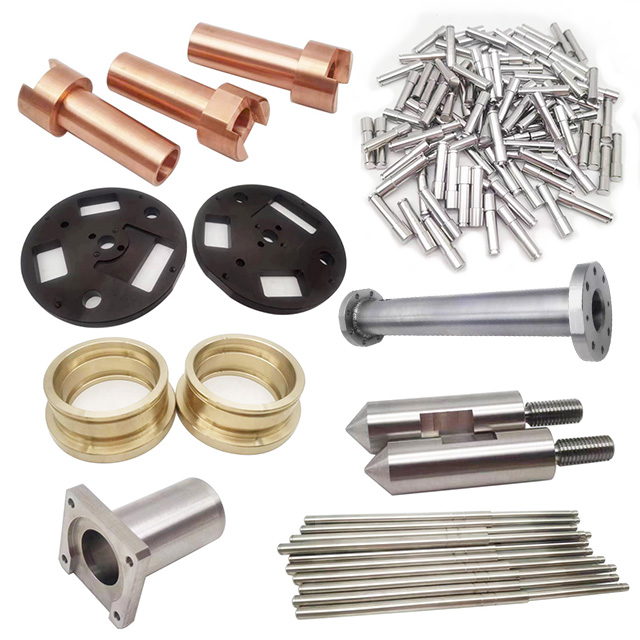
What is thread milling?
Thread milling is a machining technique used to create threads. Unlike traditional methods (such as using a tap), thread milling utilizes a specially designed cutting tool, called a thread milling cutter. This milling cutter is guided by a precision-controlled CNC machine. Its key feature is its ability to move the tool laterally along a circular path, creating the thread in a single complete rotation.
This means thread milling can produce very precise thread pitches. If you need a variety of thread sizes and fully customized threads to meet specific needs, you don't have to purchase expensive, rigid threading tools. For example, a 16-pitch thread mill can cut any 16-pitch thread, and you can easily switch to other thread sizes or pitches using the same tool simply by changing the machine program.
This flexibility makes thread milling an ideal choice for meeting diverse machining requirements, ensuring efficient response to changes in the production process. Whether you're producing small batches or custom requirements, thread milling provides an efficient and precise solution.
What is tapping?
Tapping is another method used to create threads, primarily within holes. It requires a tool called a tap, which resembles a common screw with slots and works similarly to a standard drill. The tap is screwed into the hole, removing material as it rotates, creating the threads.
Processing | CNC Turning, CNC Milling, Laser Cutting, Bending, Spinning, Wire Cutting, Stamping, Electric Discharge Machining (EDM), Injection Molding | |||
Materials | Aluminum: 2000 series, 6000 series, 7075, 5052, etc. | |||
Stainless steel: SUS303, SUS304, SS316, SS316L, 17-4PH, etc. | ||||
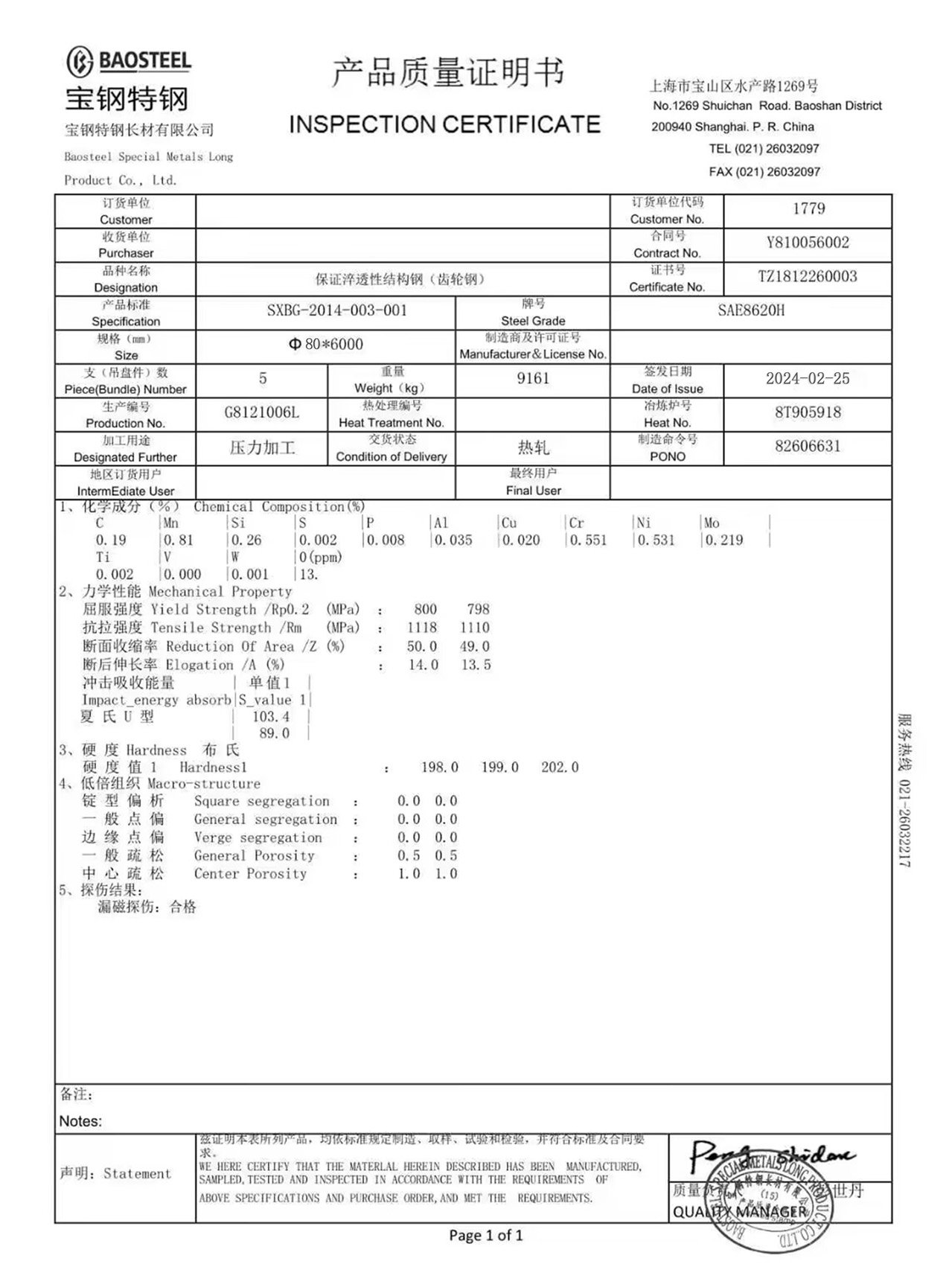
Steel: 1214L/1215/1045/4140/SCM440/40CrMo, etc. | ||||
Brass: 260, C360, H59, H60, H62, H63, H65, H68, H70, Bronze, Copper | ||||
Titanium: Grade F1-F5 | ||||
Plastic: Acetal/POM/PA/Nylon/PC/PMMA/PVC/PU/Acrylic/ABS/PTFE/PEEK etc. | ||||
Surface Treatment | Anodized, Bead Blasted, Silk Screen, PVD Plating, Zinc/Nickel/Chrome/Titanium Plating, Brushing, Painting, Powder Coated, Passivation, Electrophoresis, Electro Polishing, Knurl, Laser/Etch/Engrave etc. | |||
Tolerance | ±0.002 ~ ±0.005mm | |||
Surface Roughness | Min Ra 0.1~3.2 | |||
1.Direct OEM/0DM manufacturer, advanced produce technical,the highest tolerance we can reach to ±0.005mm;
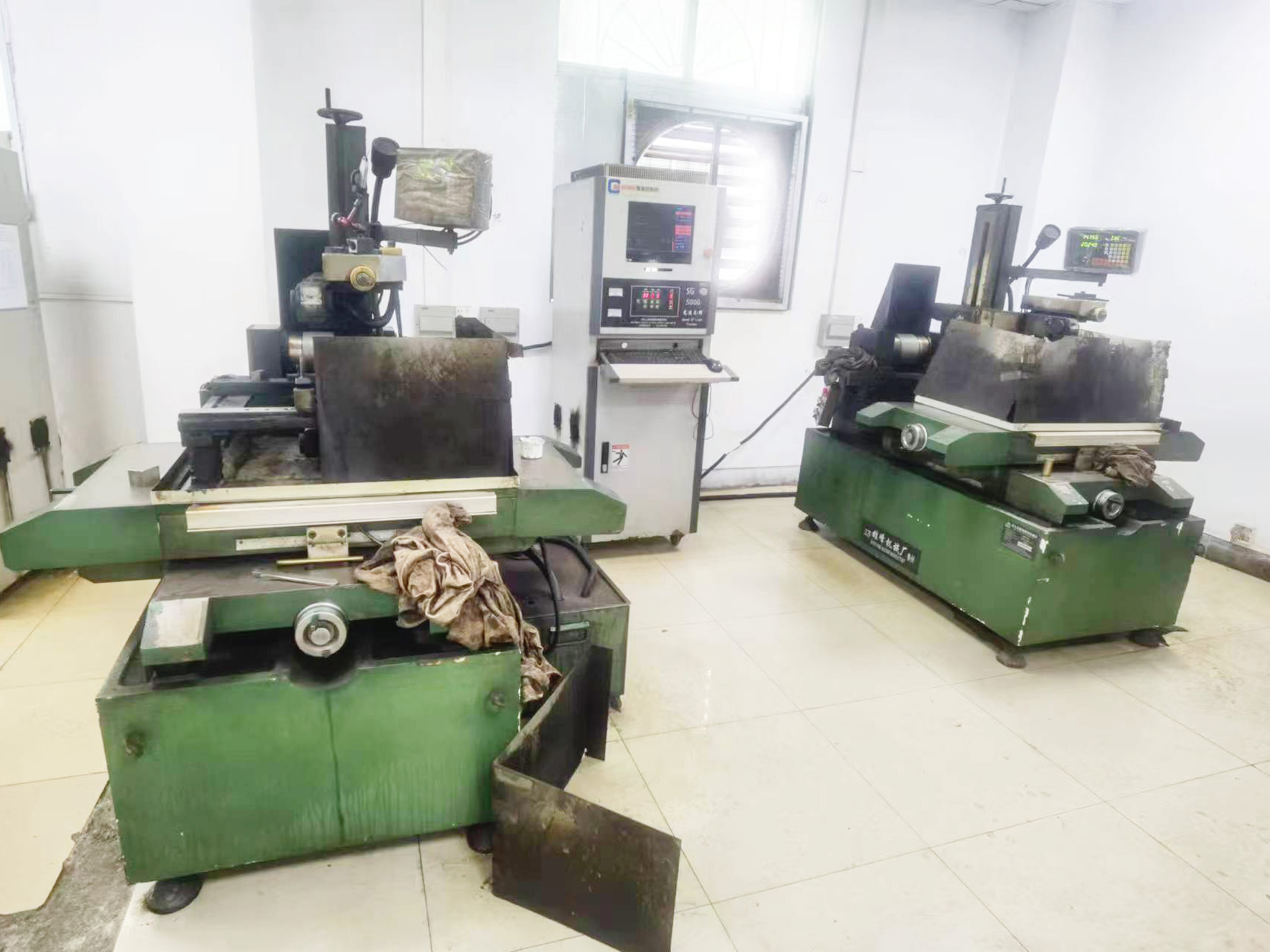
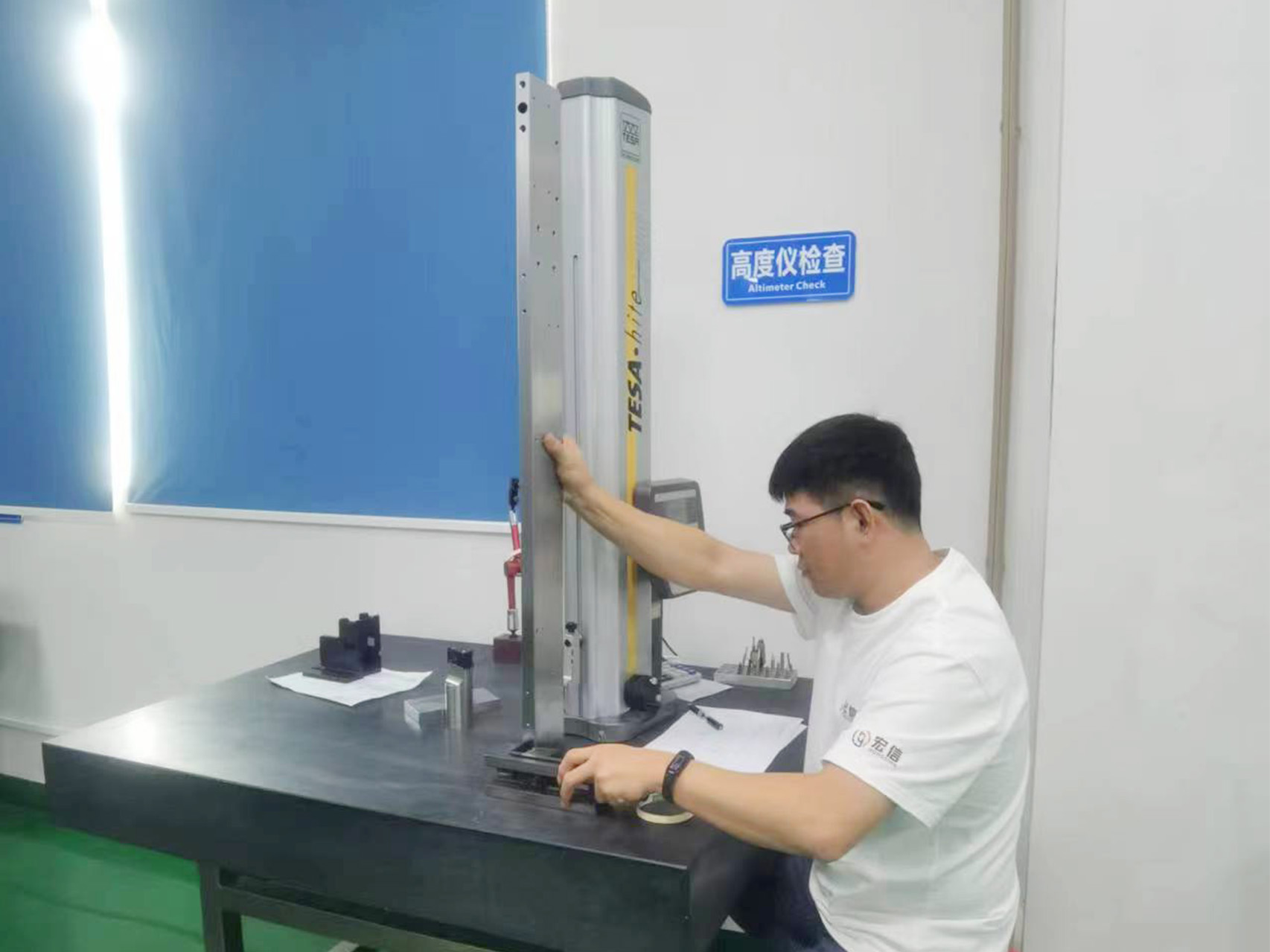
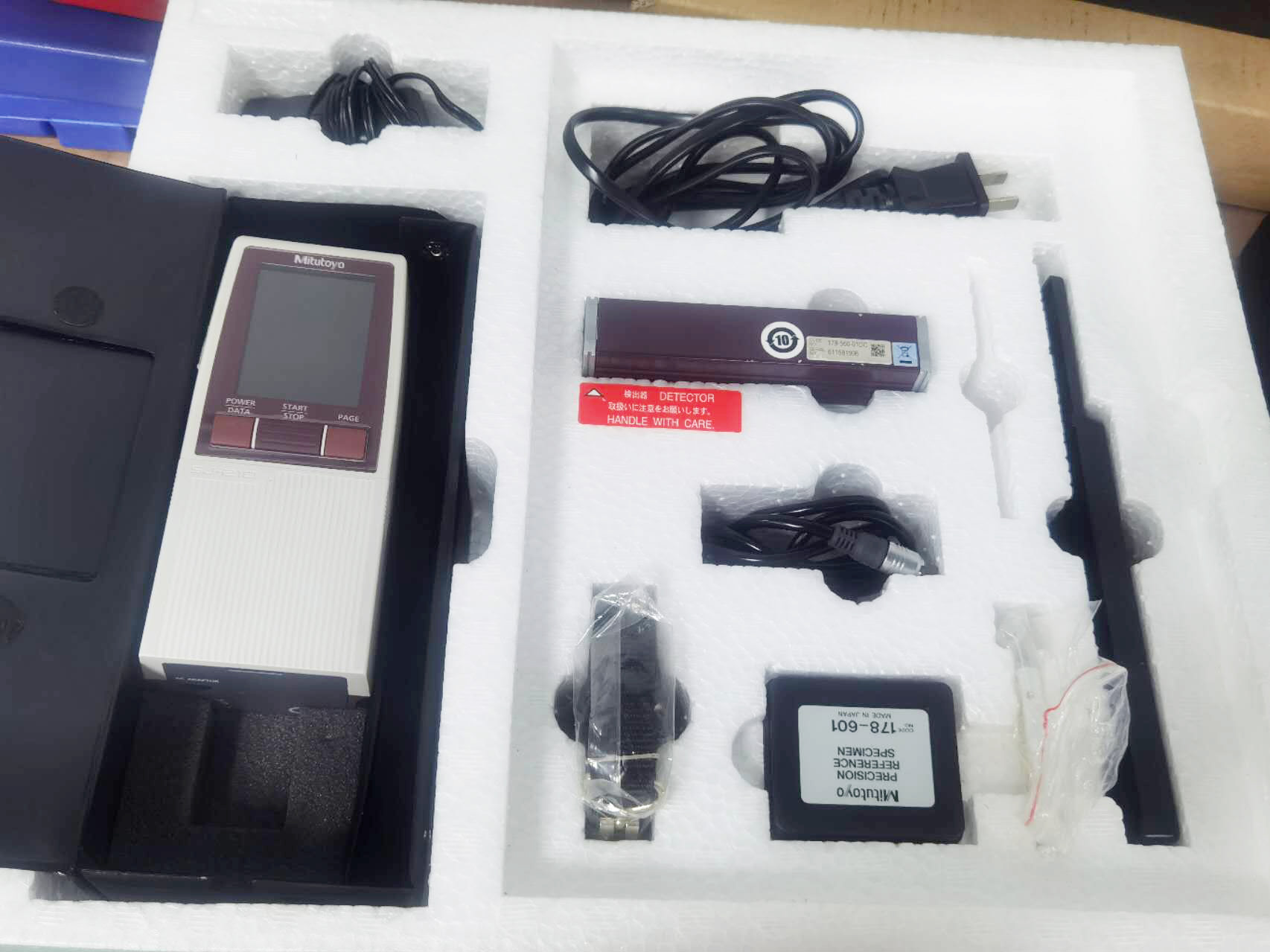
2.Complete produce equipment and test equipment. Independent Engineer team, to check drawings, provide quotation, write machining process, guide production.
3.Independent PMC department, to make production plan and manage delivery time.
4.Quick proofing, short delivery time, usually is 3-15 days
4.Quick proofing, short delivery time, usually is 3-15 days
5 .The company has gathered a rich group of technologicallyadvanced modern talents, which has laid a stable foundationfor the long-term development of the company.
6.Complex and difficult surface and functional structureof the hand plate model, We can all mold quickly.xxx
The tapping process begins by drilling a hole the size of the tap. This hole must be large enough for the tap to enter smoothly, yet small enough to allow space for the tap to form threads.
After drilling, align the tap with the hole and apply lubricant to help reduce friction and heat. Next, carefully thread the tap into the hole, cutting the threads as you go. Reversing the tap's direction may be necessary to remove any chips.
Once the threads are cut, clean any remaining debris or lubricant to ensure a clean and precise thread. Through this series of steps, tapping efficiently produces high-quality threads within a hole.
Pros and Cons of Tapping
Tapping is an efficient process, particularly suitable for producing large numbers of threads in a short period of time. It can create deep threads in hard materials like steel, making it ideal for applications requiring small thread sizes.
However, if different hole sizes are required, multiple tapping tools must be available. Furthermore, once the thread is cut, adjusting its size becomes difficult. While tapping excels at creating internal threads, it is not suitable for external threads.

Conclusion: Smart Manufacturing Choices
By combining specialized thread machining techniques with the economical 1215 carbon steel material and strategic affordable machining sourcing, manufacturers can achieve high-quality results while controlling costs.













Recommend Products
 Providing precision engineering machining services including CNC turning and milling services, CNC lathe components. cnc turning service
 Precision CNC parts for motorcycles and automotive machinery.
 CNC Machining Services in China for High Precision Parts
 Specializing in precision CNC machining for plastic components and tool steel.