


Offering aluminum parts machining, custom fabrication, and assembly services for comprehensive component solutions.
Aluminum Parts Machining
Item Name | Precision CNC machining part |
Machinging Material | Aluminum: AL 6061, 6063, 6082, 7075, etc |
Stainless Steel: 303, 304, 316, etc | |
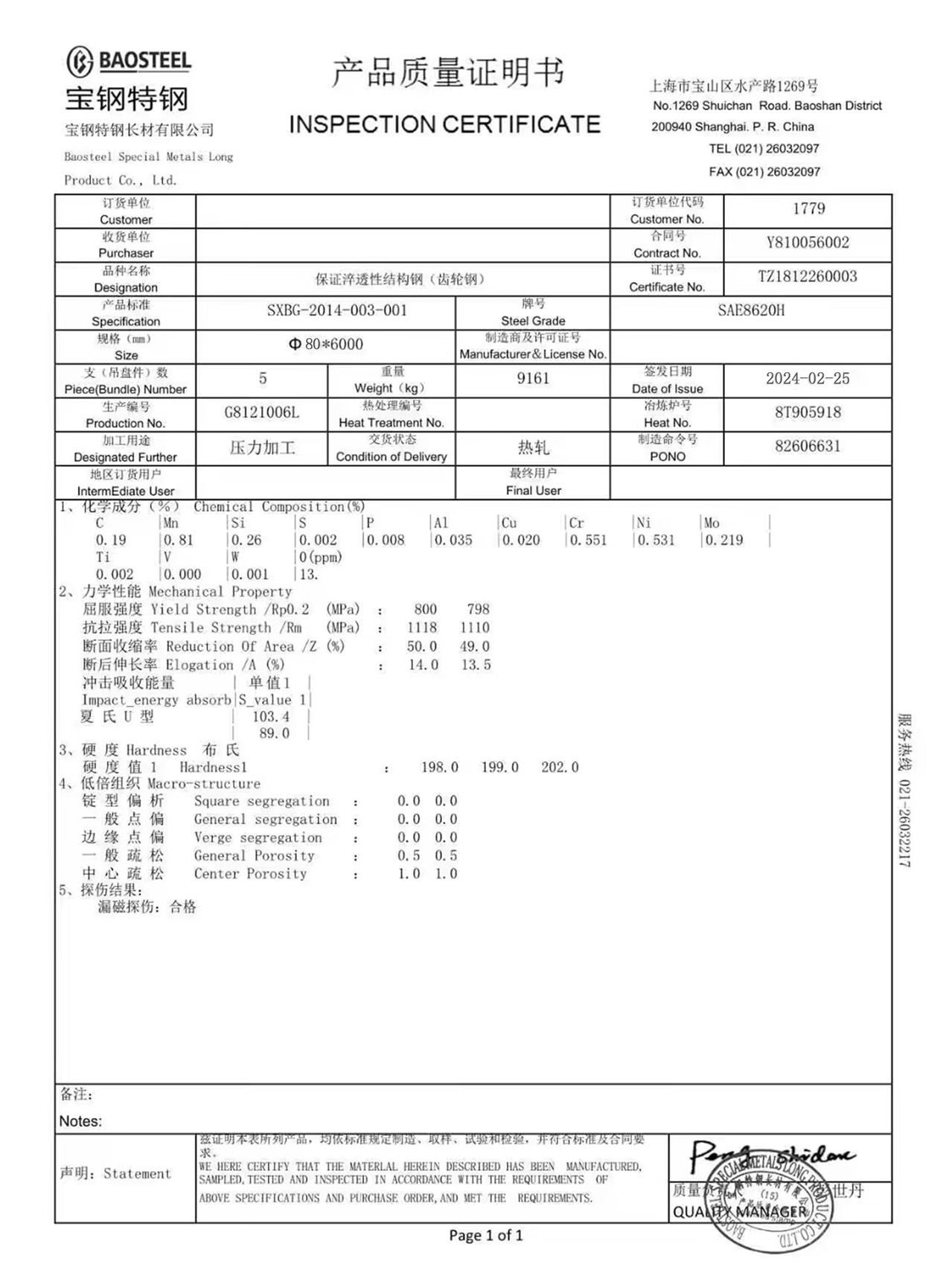
Steel: 4140, Q235, Q345B, 20#, 45#, etc | |
Brass: 3602, 2604, h59, h62, etc | |
Plastic: POM, PC, Acrylic, Nylon, etc | |
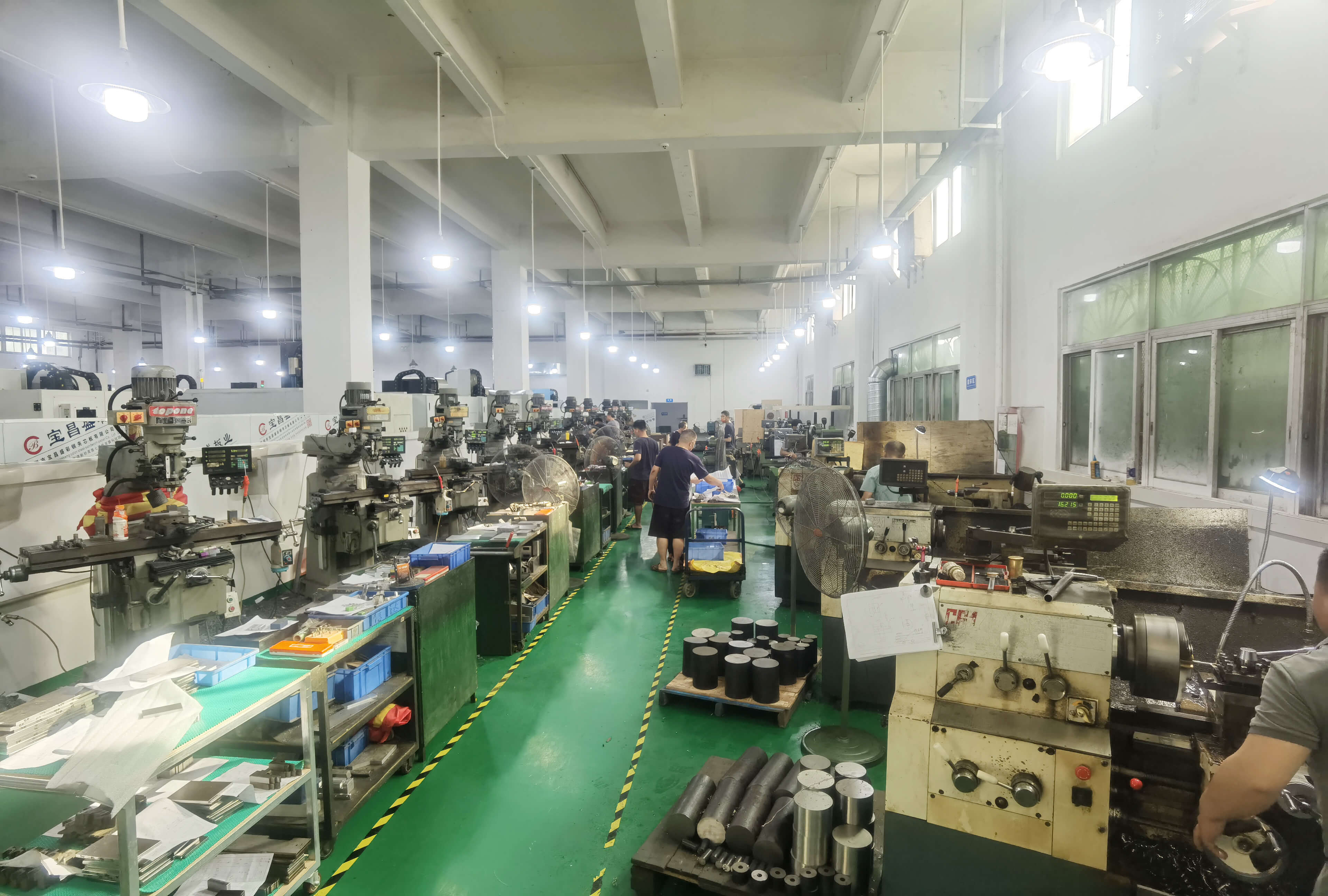
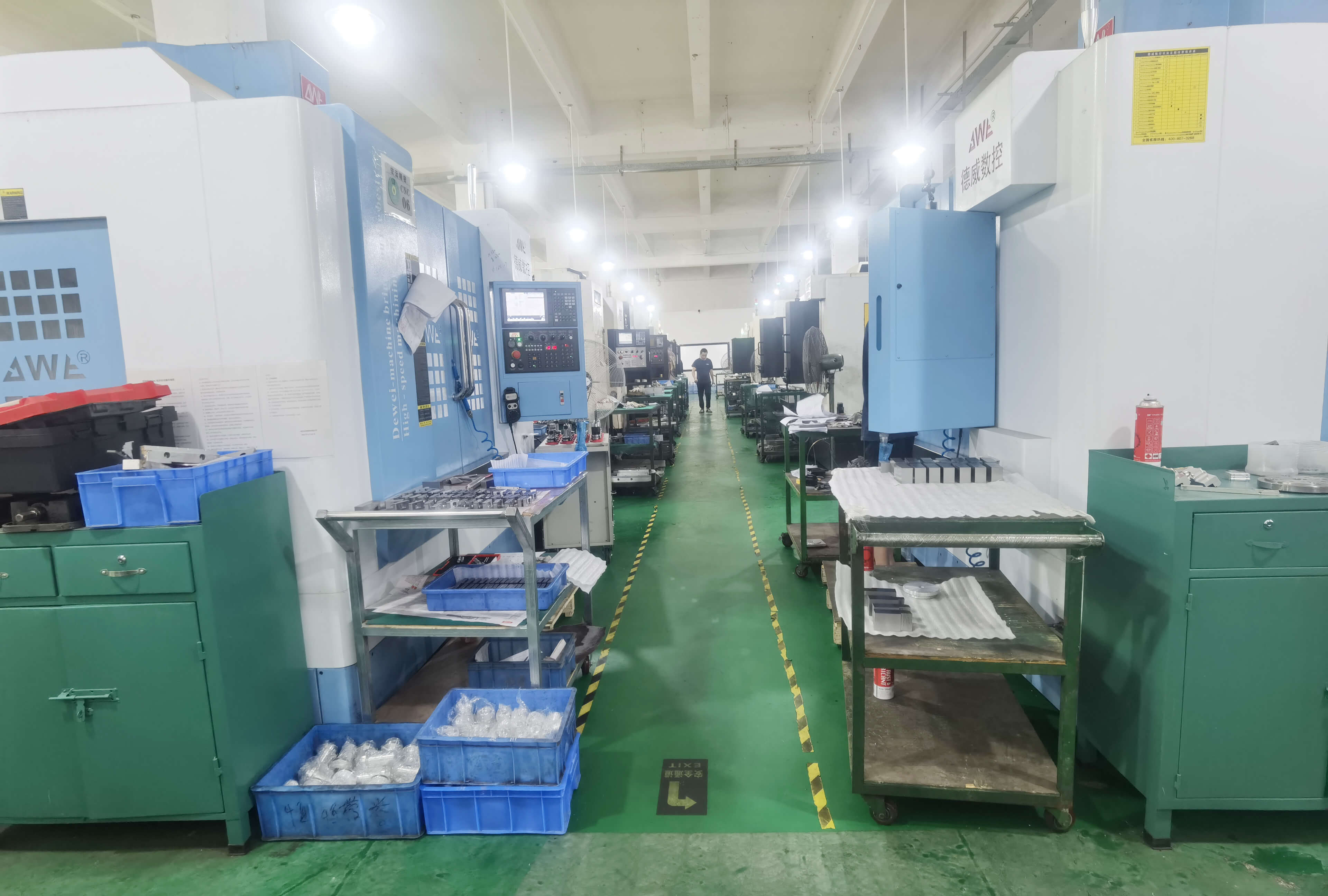
Machining Equipment | 3-5 axis cnc milling machines, CNC lathes, EDM machines, Grinding machines, laser cutting machine, bending machine, welding machine. |
Finish | Sand blasting, Color anodize, Brushing, Polishing, Plating, Painting |
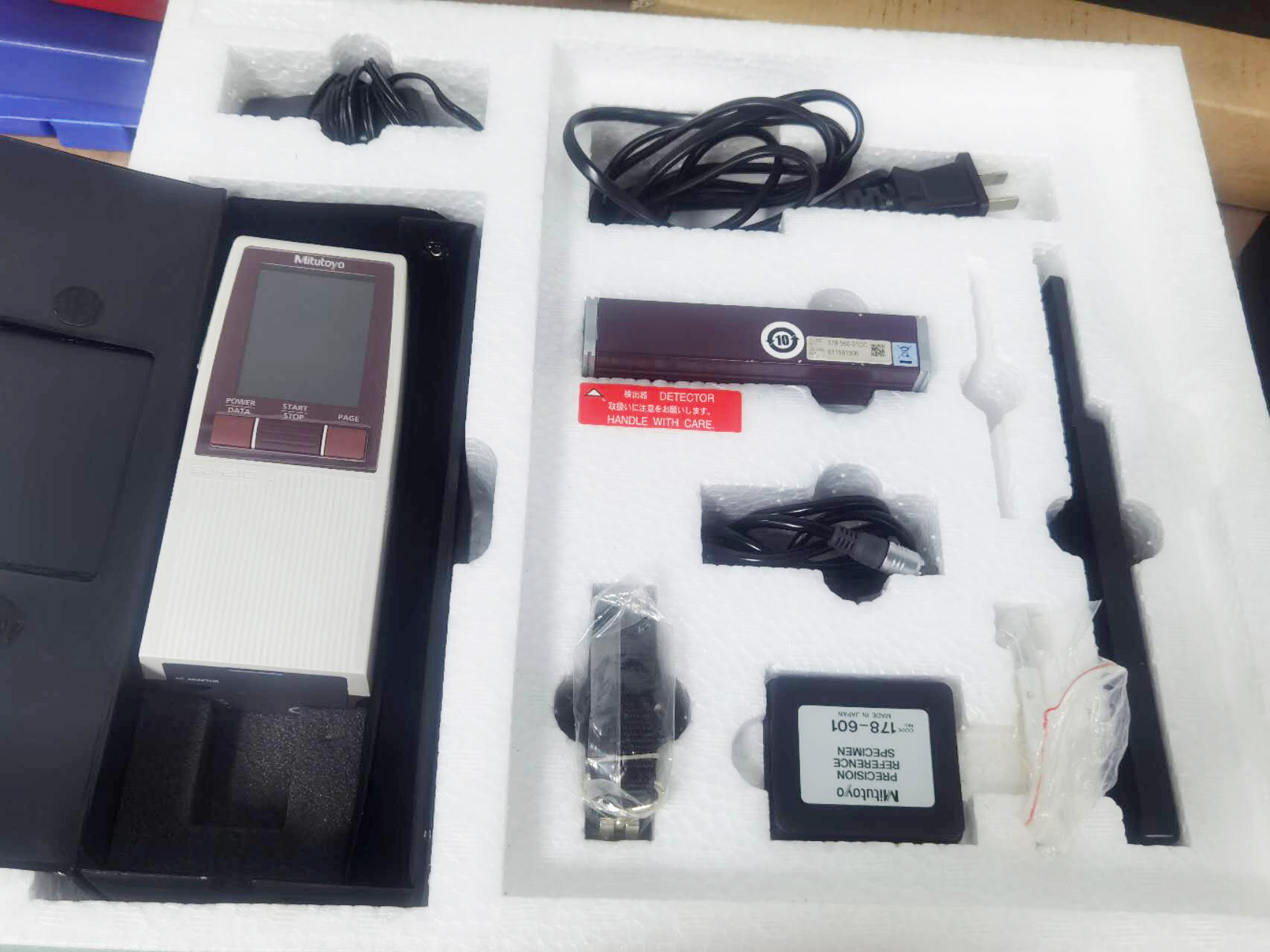
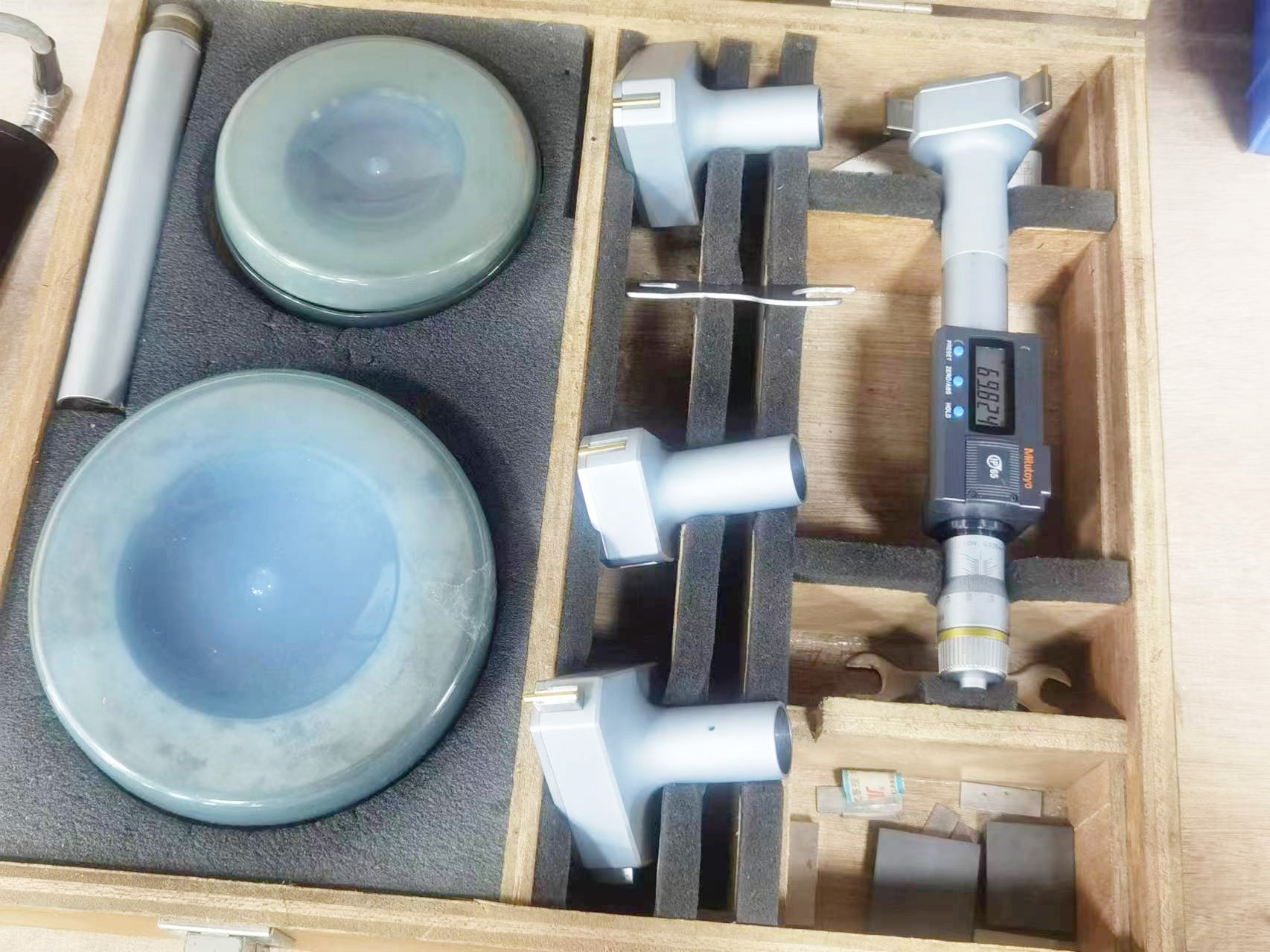
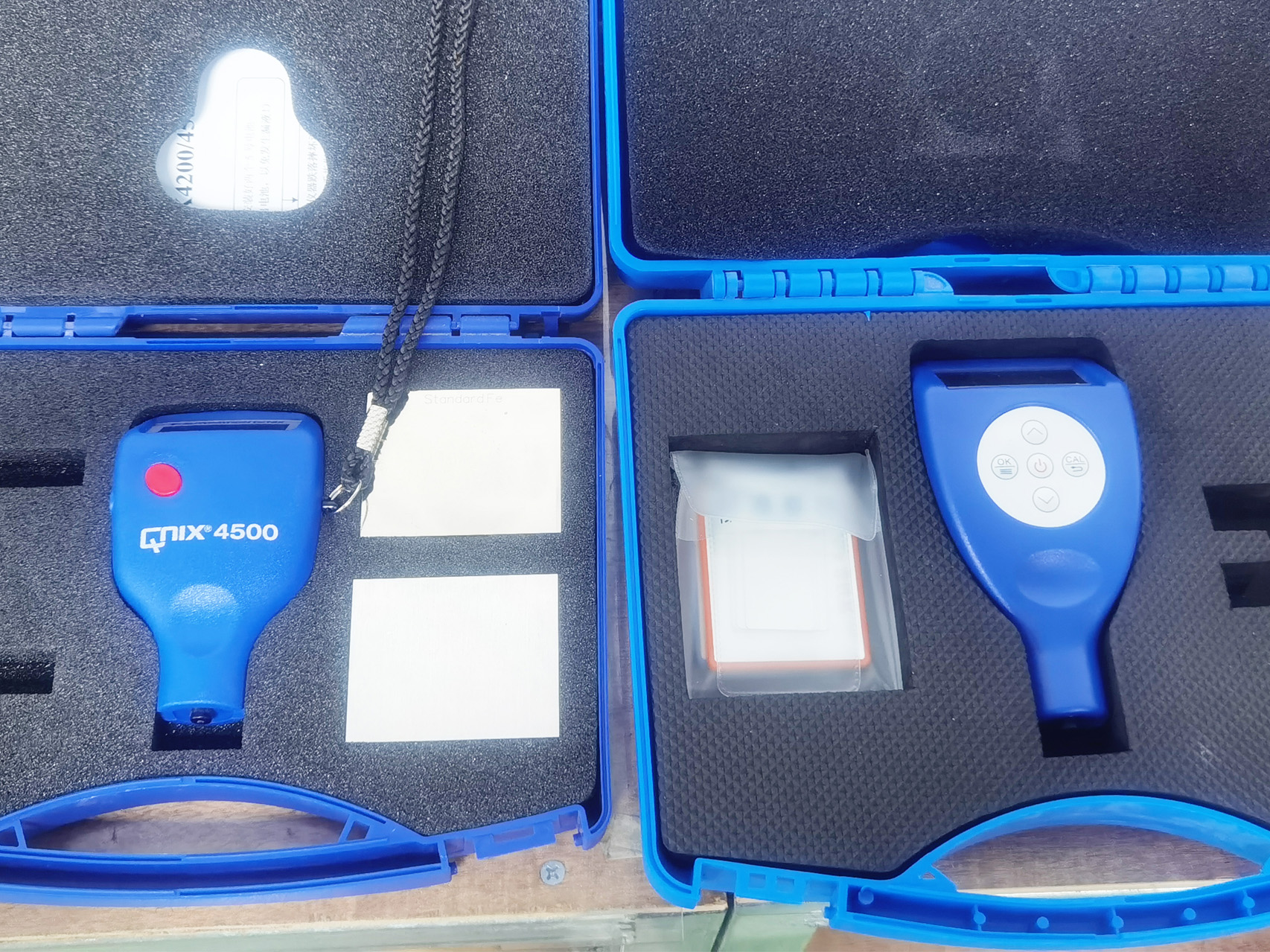
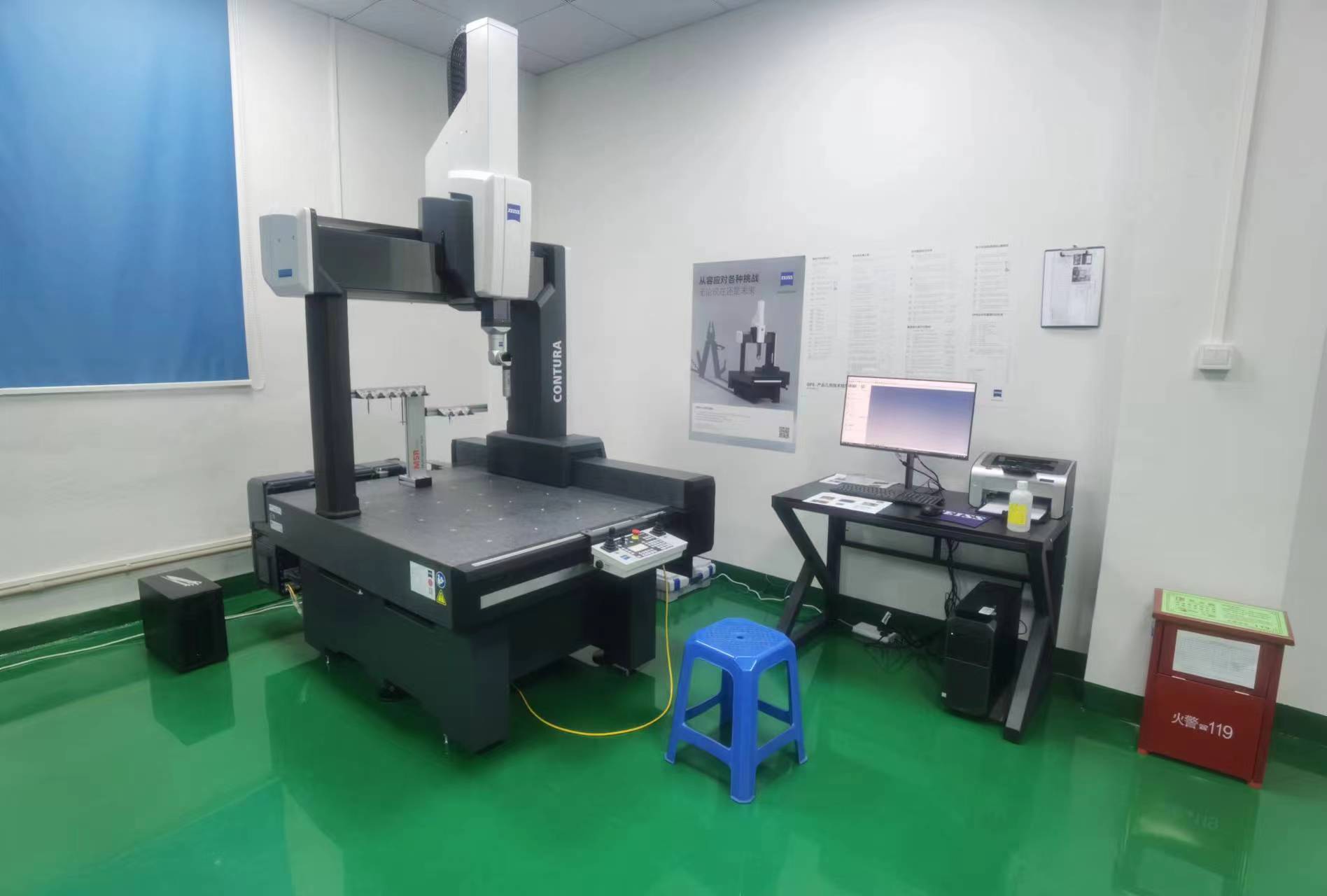
Inspection equipment | CMM, Tool microscope, multi-joint arm, Dial gauge, Marble platform, Roughness measurement, Digital height gauge, caliper, Projection machine, Hardness tester and so on. |
Drawing Formats | Solid Works,Pro/Engineer, AutoCAD(DXF,DWG), PDF,TIF etc. |
Packaging | 1.Standard strong carton package + Pallet/ Wooden case |
2. Per customer's requirements | |
Delivery | Sample: 5-10 days |
Mass Production: 15-30 days depends on quantities | |
Application | Aerospace, Aviation, Agriculture, Marine, Electronic, Automobile, Communication, Drone, Medical, Solar energy, Home Appliance, etc |
Understanding Aluminum Parts Machining
Precision Cutting: Aluminum parts machining involves the use of specialized cutting tools like drills, mills, and lathes to remove material from aluminum workpieces accurately and efficiently.
CNC Technology: Computer Numerical Control (CNC) machines are commonly employed in aluminum parts machining to automate processes and ensure consistent and precise operations.
Versatility: Aluminum parts machining caters to a wide range of industries, including aerospace, automotive, electronics, and more, where aluminum components are essential due to their lightweight and durable properties.


Techniques in Aluminum Parts Machining
Milling: Milling operations in aluminum parts machining use rotating cutting tools to shape aluminum workpieces, creating a variety of features, holes, and surface finishes.
Turning: Turning processes involve securing the aluminum part on a lathe and using cutting tools to remove material and create cylindrical shapes or profiles.
Drilling: Drilling is a common machining operation that involves creating precise holes in aluminum components using specialized drill bits.
Benefits of Aluminum Parts Machining
High Precision: Aluminum parts machining ensures tight tolerances and accurate dimensions, crucial for components that require exact specifications and seamless integration.
Efficiency: Utilizing CNC technology in aluminum parts machining enhances efficiency by reducing manual labor, improving accuracy, and optimizing production throughput.
Customization: Aluminum parts machining offers flexibility in creating customized components tailored to specific designs and functional requirements, enabling the production of unique and intricate parts.
Applications of Aluminum Parts Machining
Aerospace Components:Aluminum parts machining is essential for producing lightweight and high-strength components used in aircraft structures, engine parts, and aerospace systems.
Automotive Parts: The automotive industry relies on aluminum parts machining for manufacturing engine components, body parts, and other elements that benefit from aluminum's lightweight and corrosion-resistant properties.
Electronic Enclosures: Aluminum parts machining is utilized to fabricate precise enclosures and heat sinks for electronic devices, ensuring efficient heat dissipation and protection.







 Machined Parts Welding Company & Custom Machining
 Professional CNC Milling Service Manufacturer for 6061 Aluminum Machining
 Prototype Metal Fabrication Services | CNC Machining Bronze Part and Custom Aluminium Machining Solutions
 Rapid Prototyping Aluminum Services | Precision Aluminium CNC Cutting Service and Custom Prototyping Solutions