


Specializing in CNC machining anodized aluminum and medical components, with expertise in CNC machining and anodizing services.
Hongsinn-648
Elevate your projects with our precision CNC machining and anodizing services. Specializing in CNC machining anodized aluminum and medical components, we deliver excellence in every detail. Trust us to bring your concepts to life with precision and expertise, ensuring top-quality results that meet industry standards.
Delivery
FOB
minimum order
1 piece
Supply Ability
5000piece / Week
Country of Origin
Shenzhen
Stock Time
7~15Day
Quantity:
US $0.59 - US $10.68 / piece
Specializing in CNC machining anodized aluminum and medical components, with expertise in CNC machining and anodizing services.
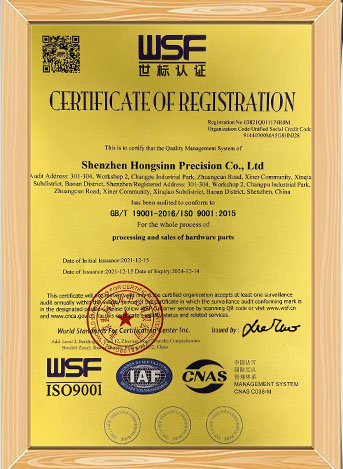
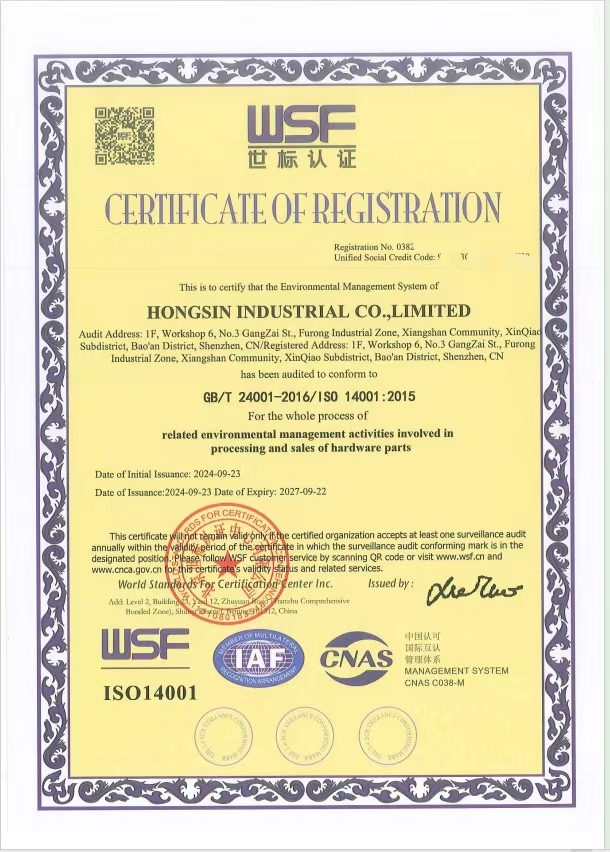
At Shenzhen Hongsinn Precision Co., Ltd. we specialize in three critical manufacturing services: CNC anodized aluminum components, integrated CNC machining and anodizing, and precision CNC machining medical components. Our AS9100 and ISO 13485 certified facility delivers superior quality parts that meet the most stringent requirements for medical, aerospace, and defense applications.

Anodizing is a process that creates a thin coating on non-ferrous metal parts, designed to improve mechanical properties such as strength, hardness, corrosion and wear resistance. This electrolytic process not only enhances the material's properties but also offers a wide range of color options, making it very popular in industries that demand both performance and aesthetics.
What is Anodizing?
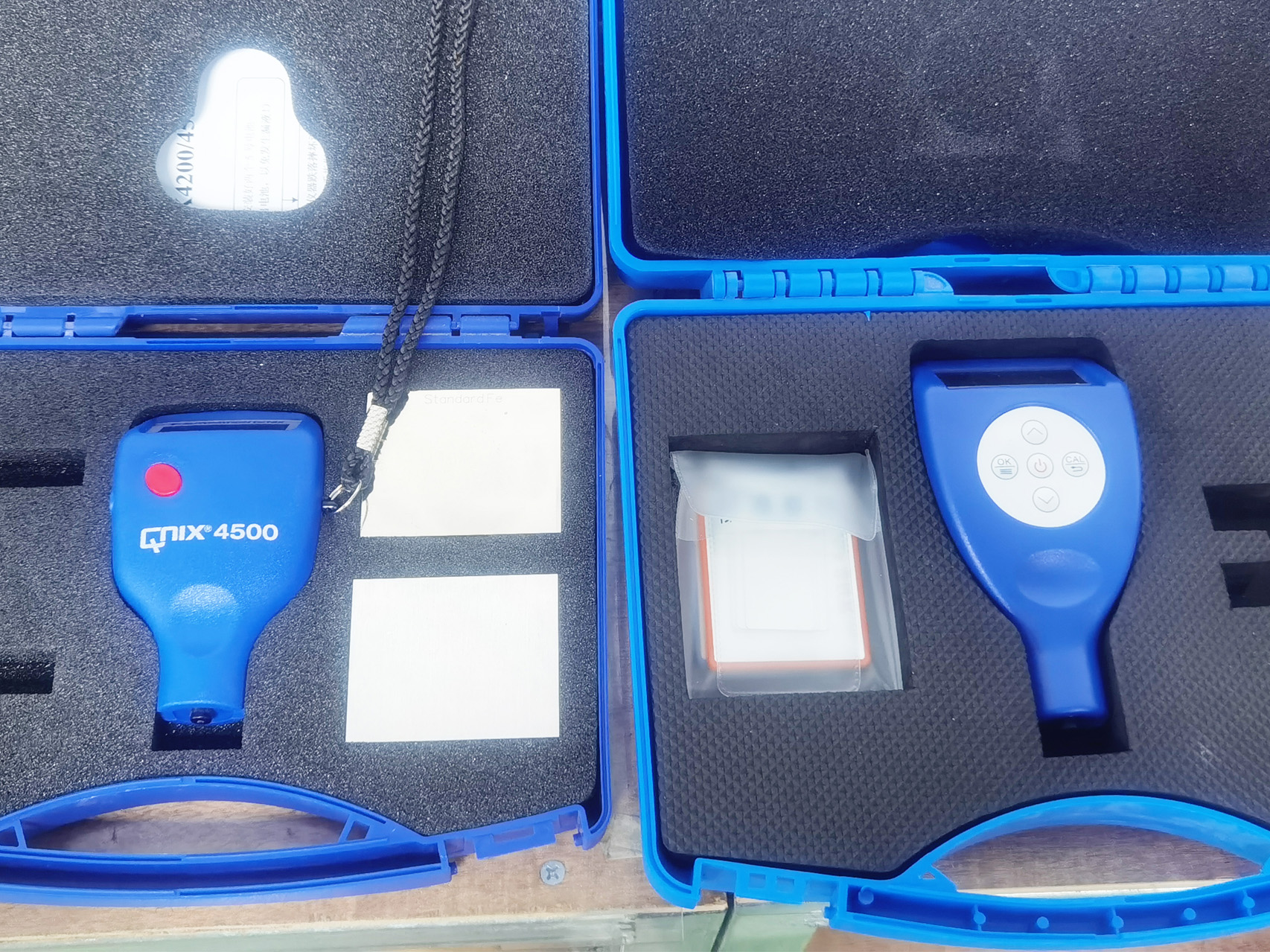
Anodizing is a surface treatment method that produces a film with a thickness ranging from 0.5 to 150 µm. This film significantly improves the corrosion resistance, wear resistance, strength and surface hardness of non-ferrous materials such as aluminum. This makes anodizing an important protective measure in a variety of industrial applications.
The anodized or oxide layer is formed through an electrolytic process. This is different from traditional electroplating, which deposits another metal onto a substrate. Anodizing, on the other hand, produces a thin coating that actually becomes part of the metal surface. This process enhances the metal's resistance to corrosion and wear while maintaining its original physical properties.
During the anodizing process, the thickness of the anodized layer gradually increases over time due to further oxidation reactions. Different types of anodizing, such as Type I, Type II and Type III, are able to produce different layer thicknesses. These types differ in process parameters and applications, affecting the performance and appearance of the final product.
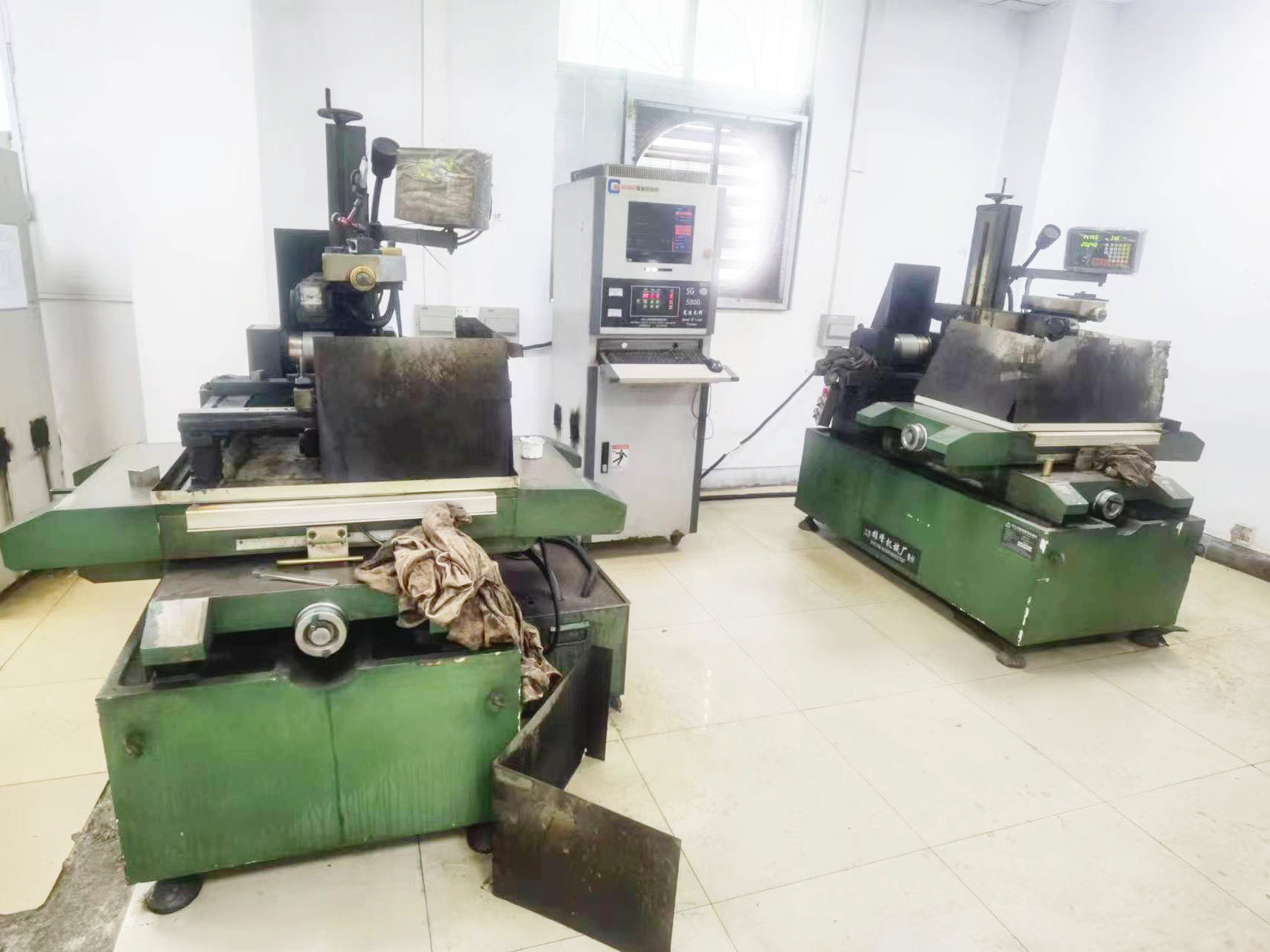
Processing | CNC Turning, CNC Milling, Laser Cutting, Bending, Spinning, Wire Cutting, Stamping, Electric Discharge Machining (EDM), Injection Molding | |||
Materials | Aluminum: 2000 series, 6000 series, 7075, 5052, etc. | |||
Stainless steel: SUS303, SUS304, SS316, SS316L, 17-4PH, etc. | ||||
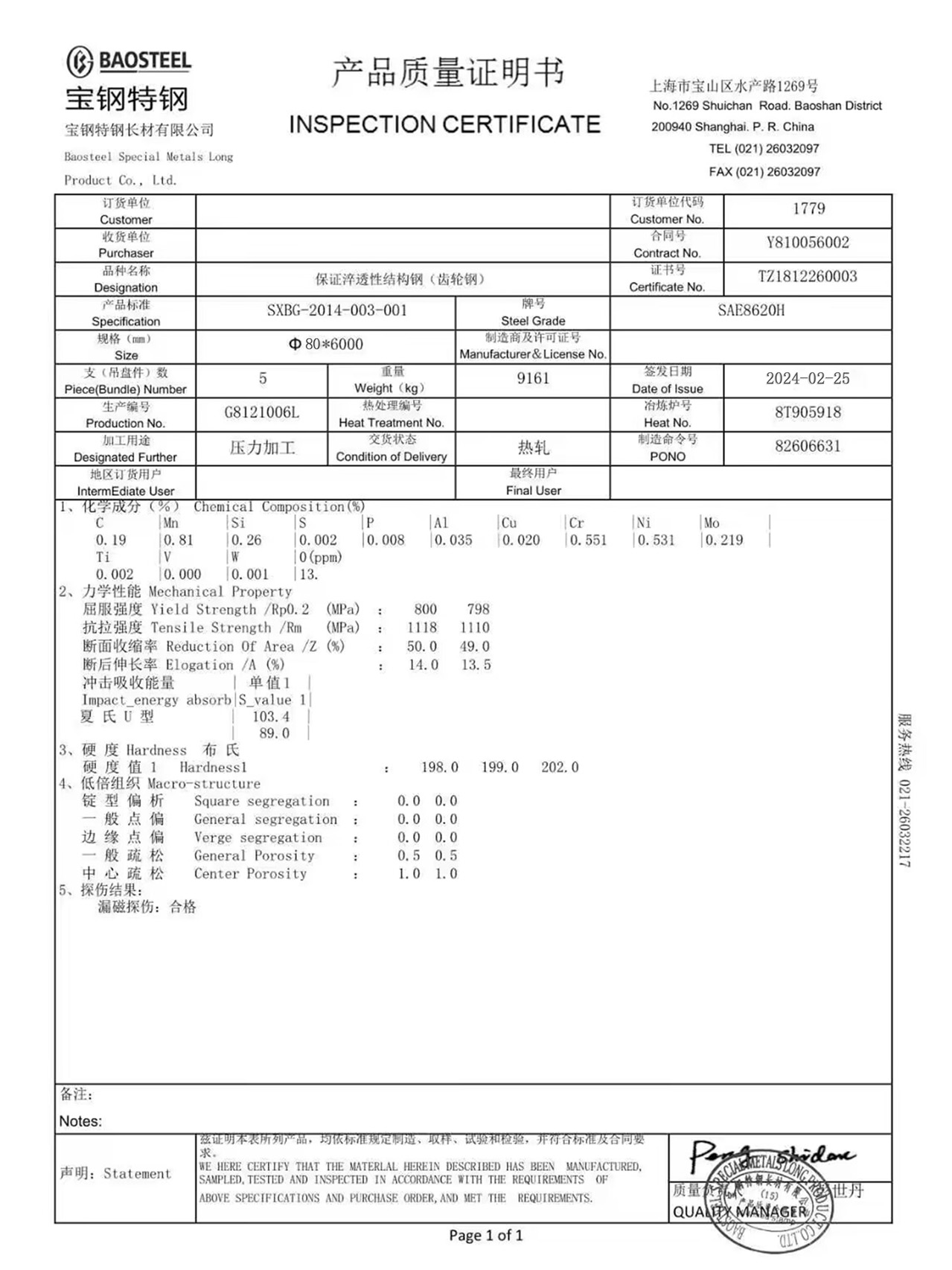
Steel: 1214L/1215/1045/4140/SCM440/40CrMo, etc. | ||||
Brass: 260, C360, H59, H60, H62, H63, H65, H68, H70, Bronze, Copper | ||||
Titanium: Grade F1-F5 | ||||
Plastic: Acetal/POM/PA/Nylon/PC/PMMA/PVC/PU/Acrylic/ABS/PTFE/PEEK etc. | ||||
Surface Treatment | Anodized, Bead Blasted, Silk Screen, PVD Plating, Zinc/Nickel/Chrome/Titanium Plating, Brushing, Painting, Powder Coated, Passivation, Electrophoresis, Electro Polishing, Knurl, Laser/Etch/Engrave etc. | |||
Tolerance | ±0.002 ~ ±0.005mm | |||
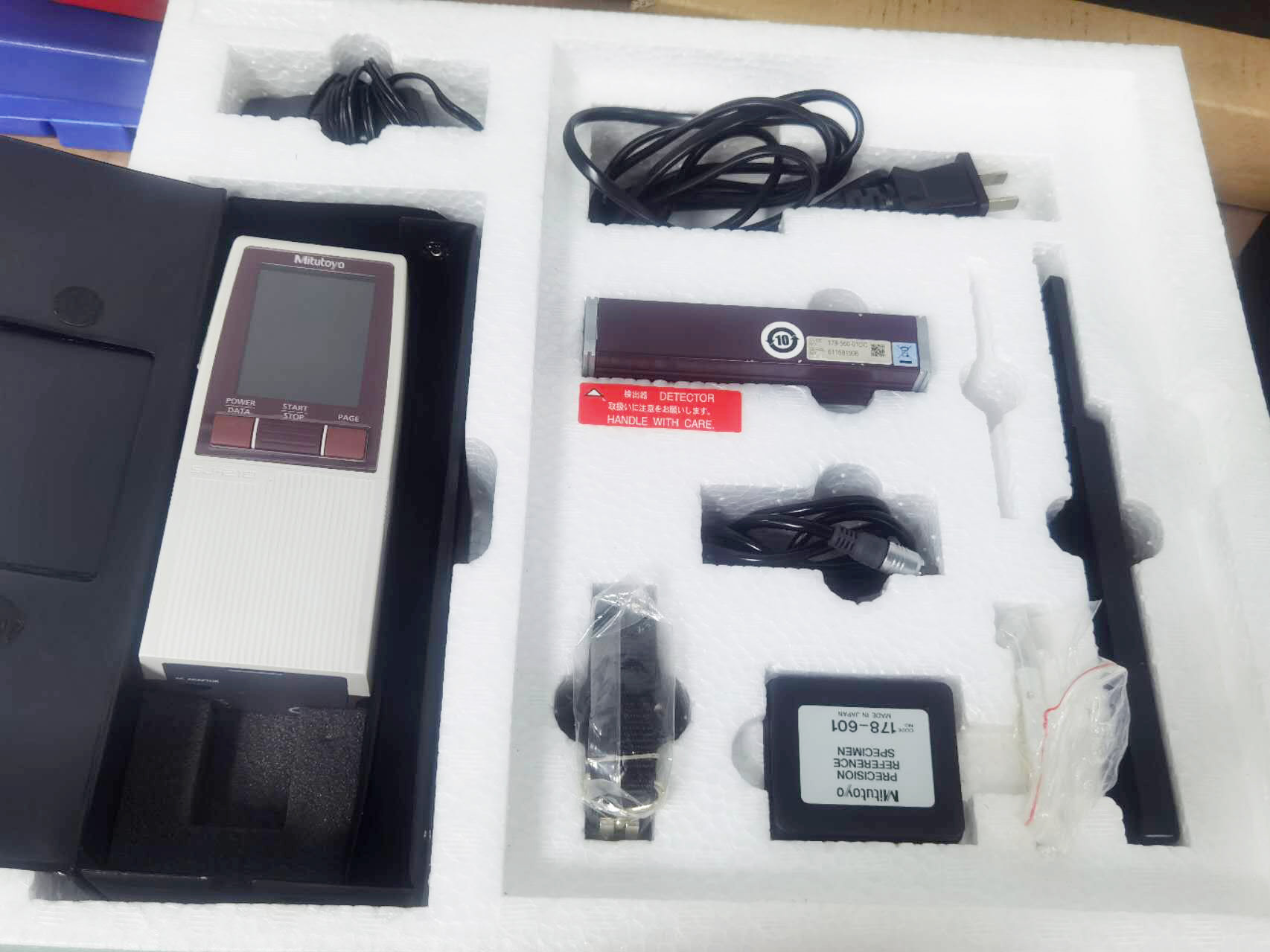
Surface Roughness | Min Ra 0.1~3.2 | |||
1.Direct OEM/0DM manufacturer, advanced produce technical,the highest tolerance we can reach to ±0.005mm;
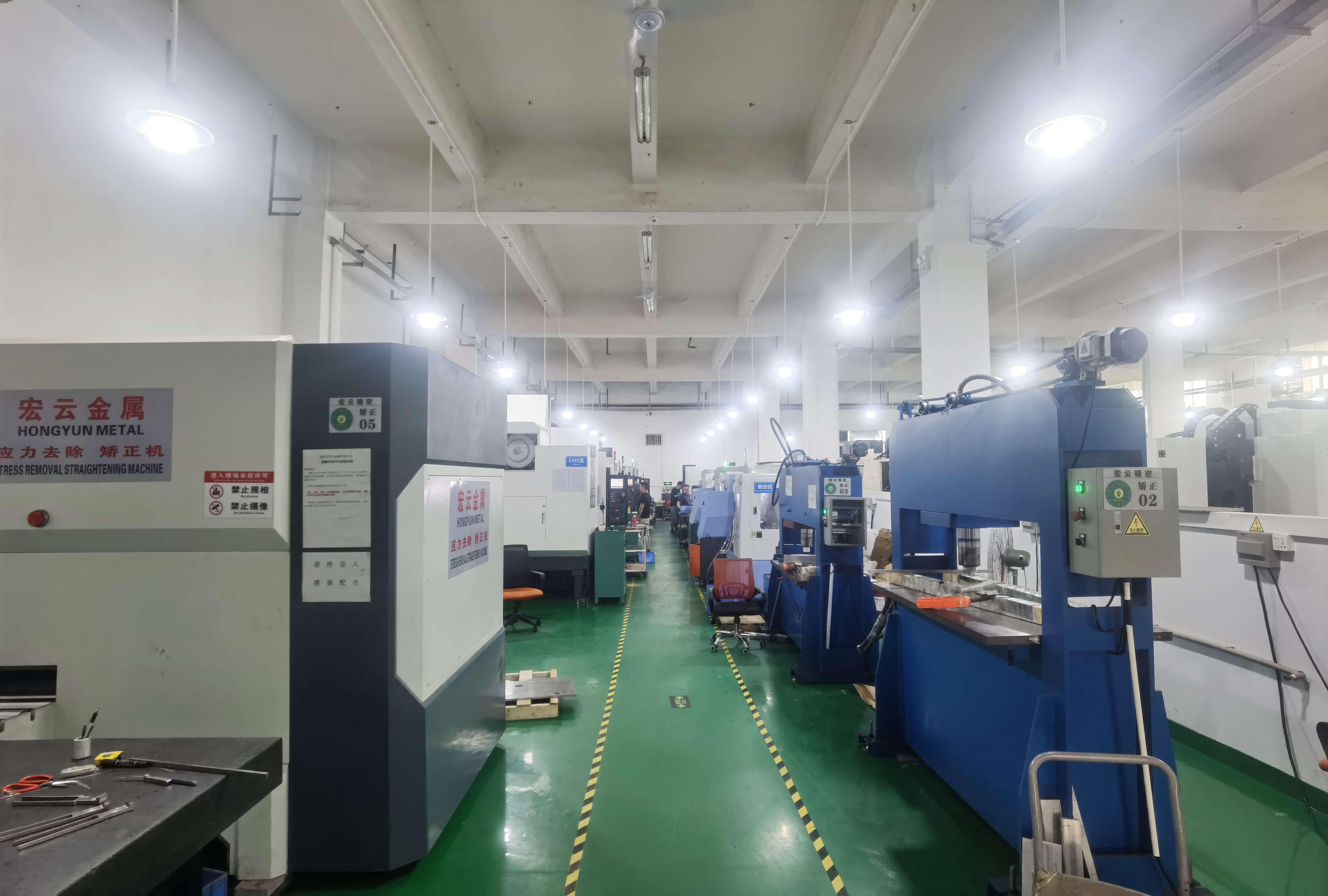
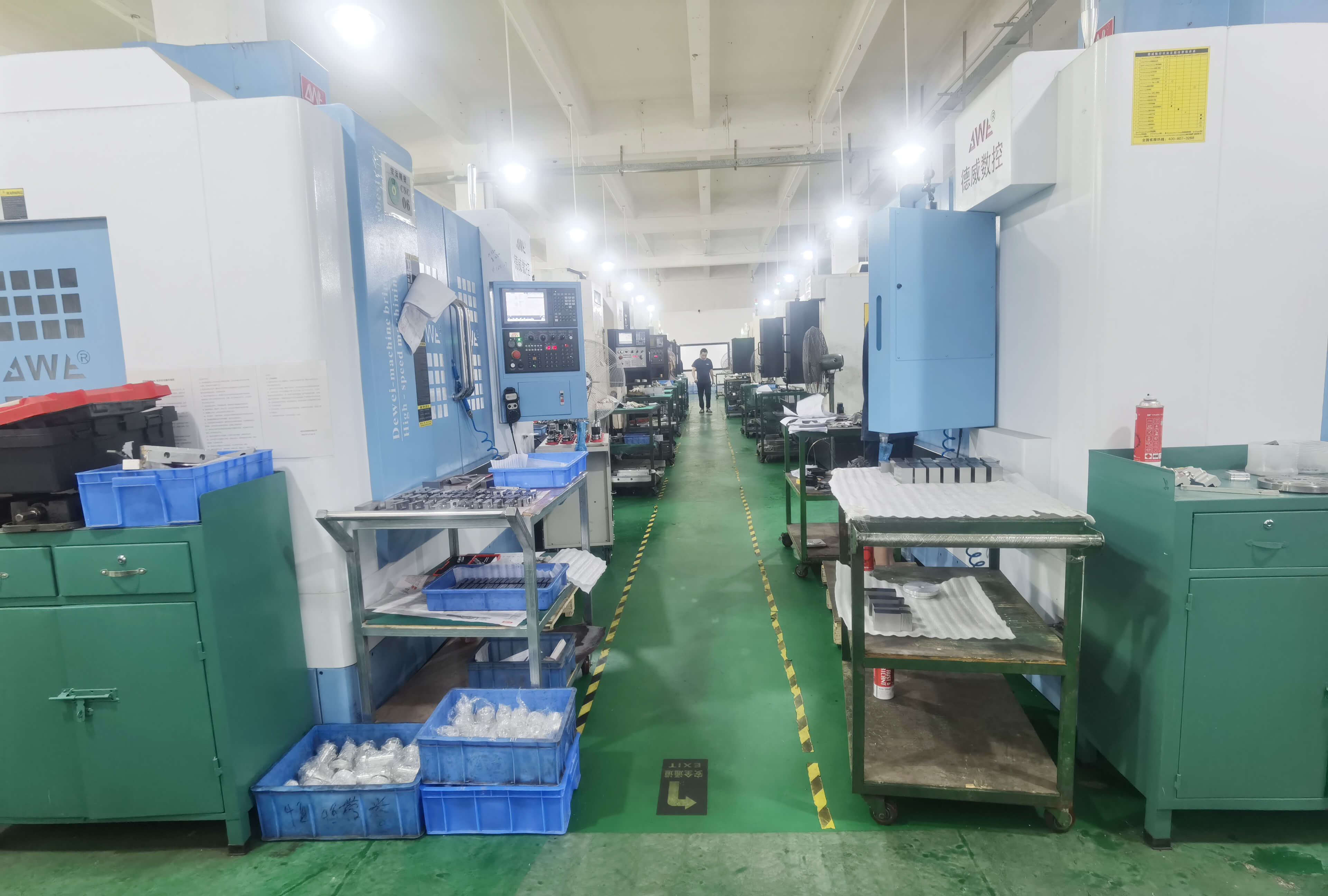
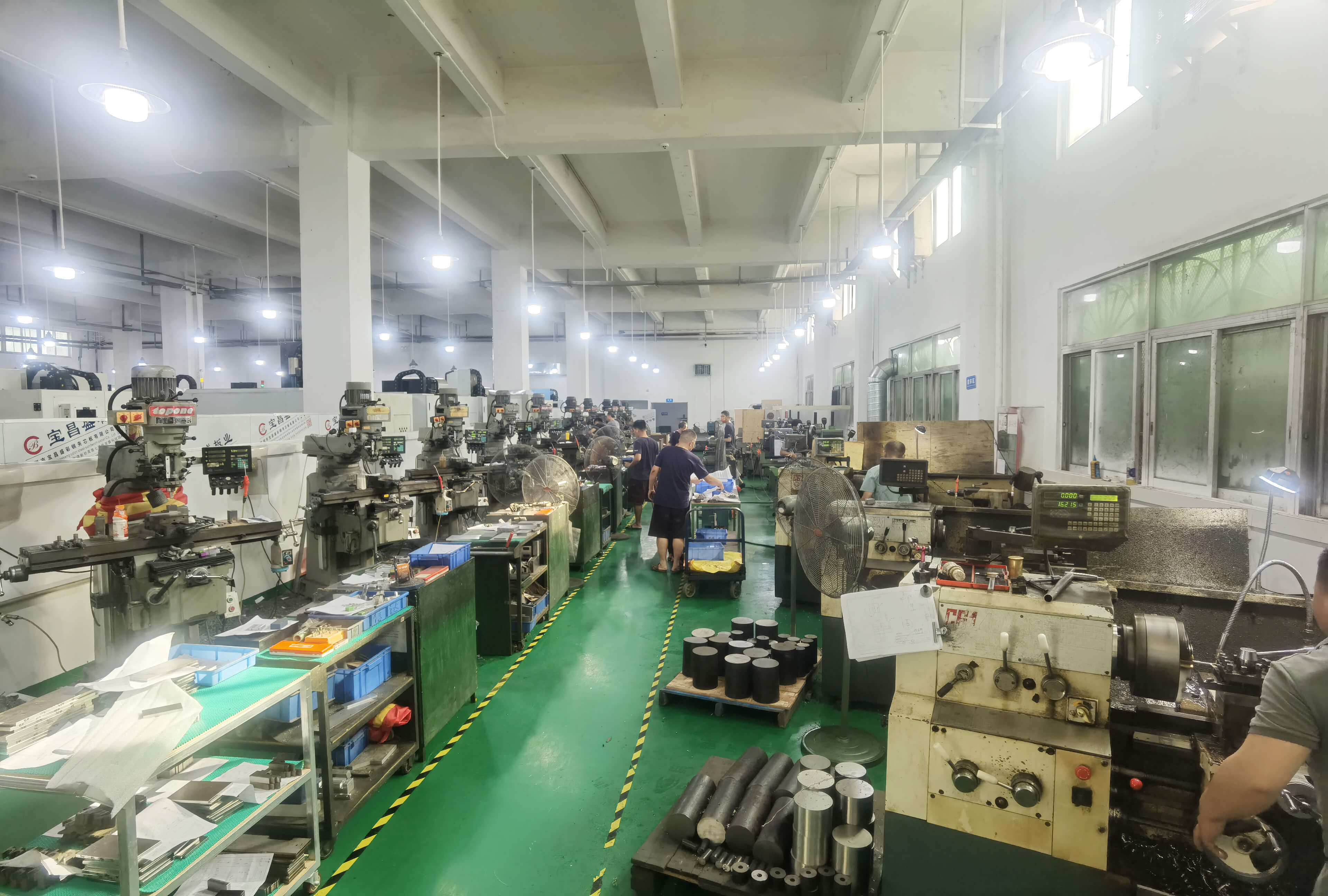
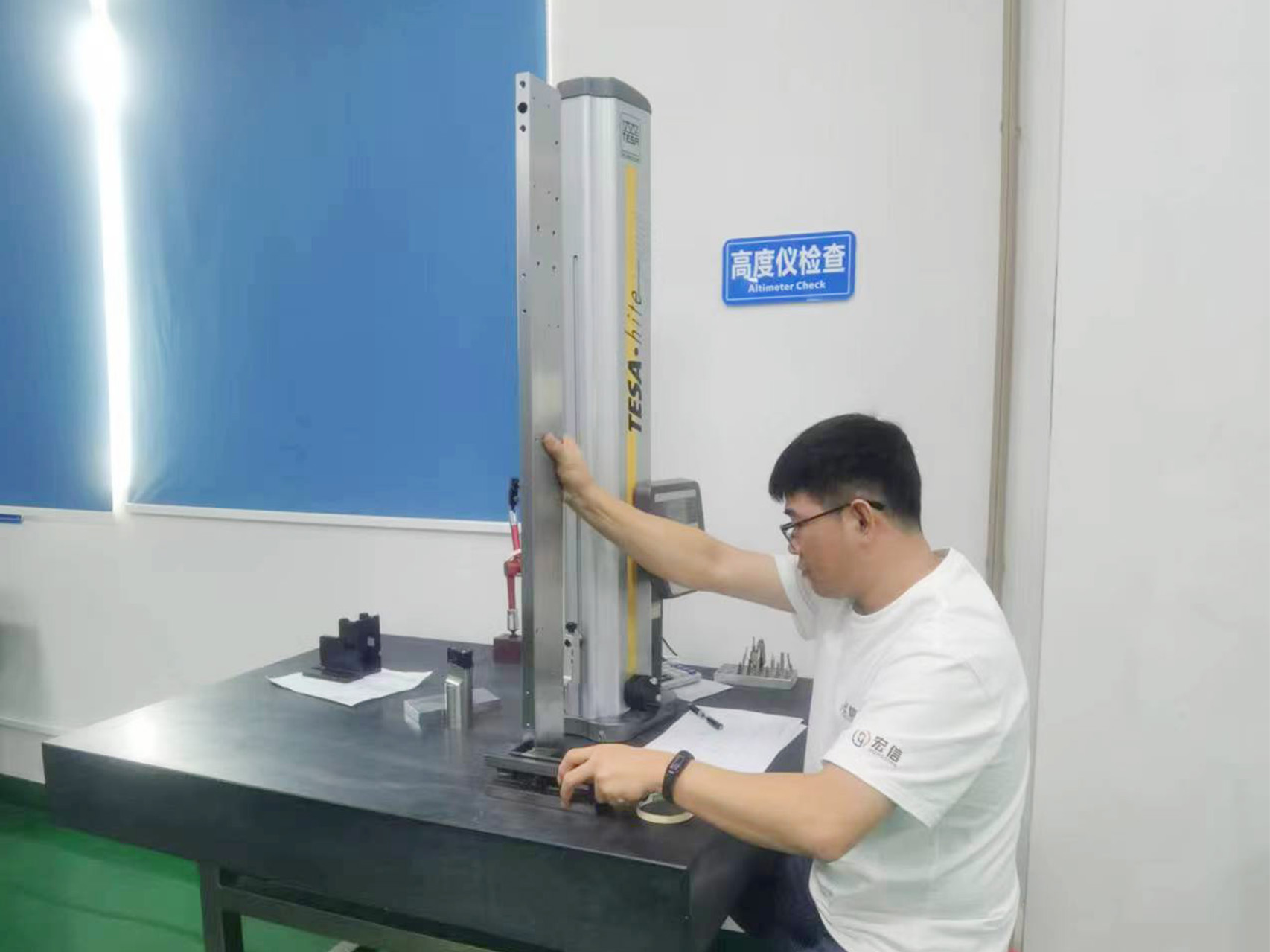
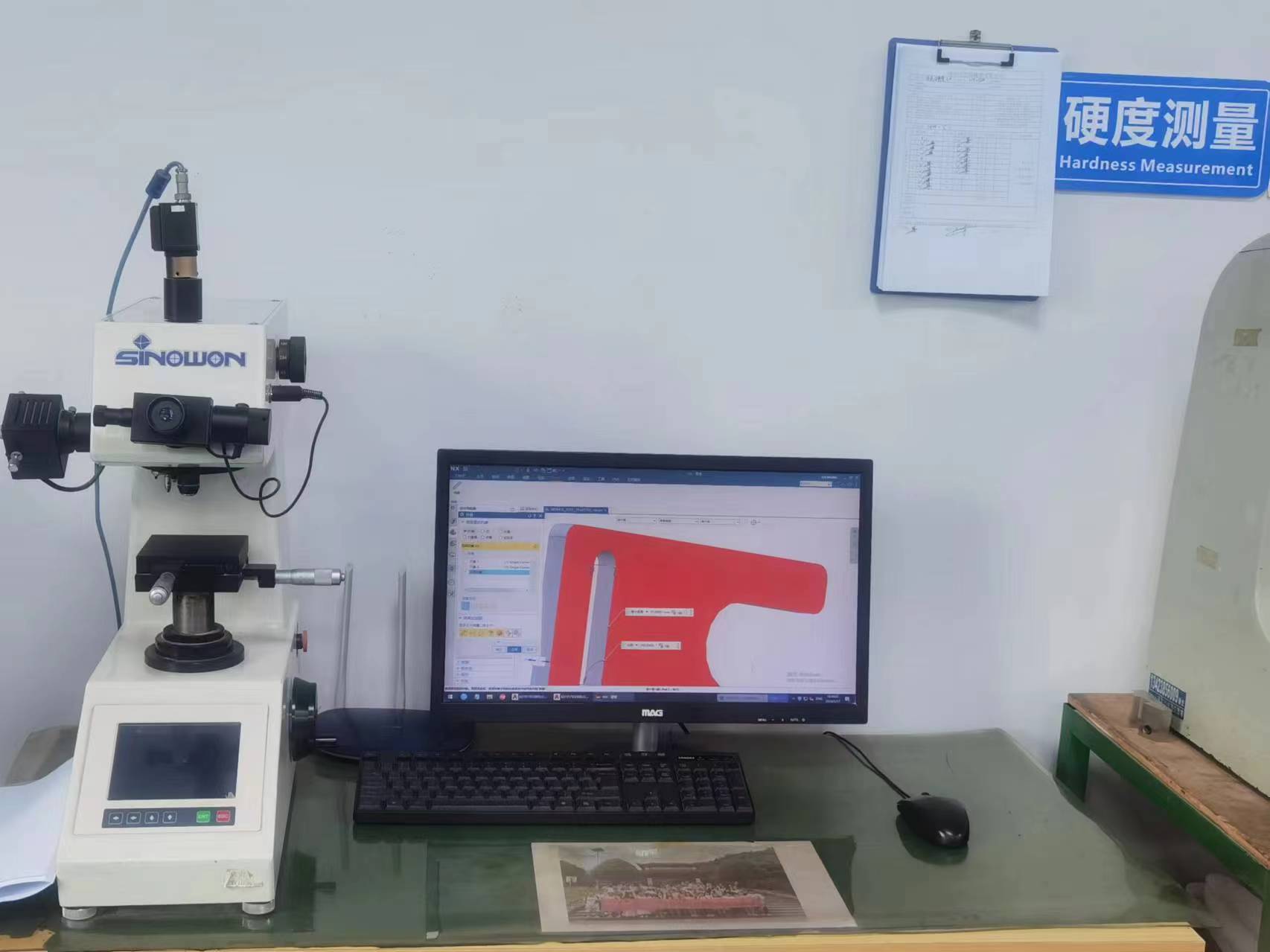
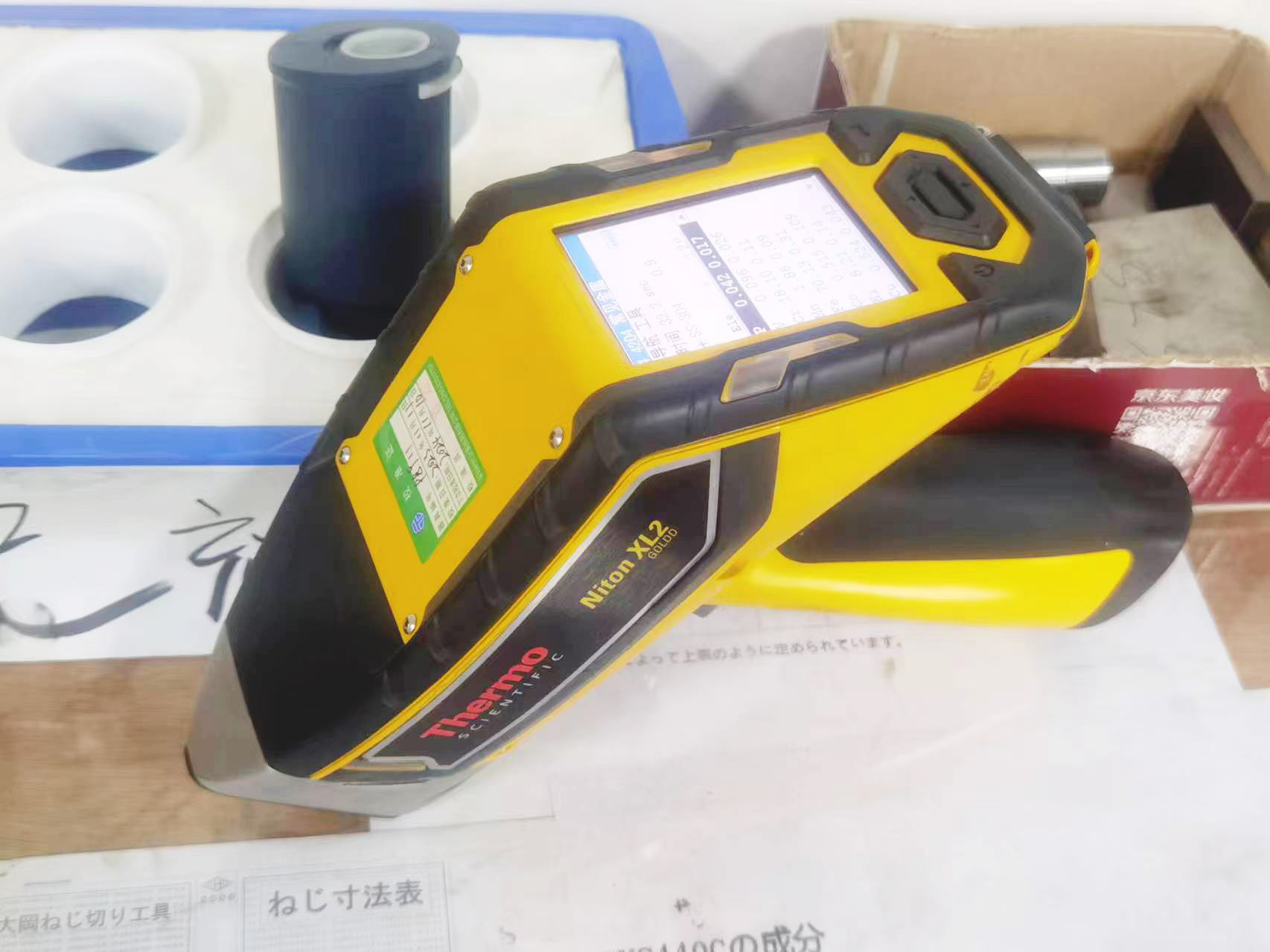
2.Complete produce equipment and test equipment. Independent Engineer team, to check drawings, provide quotation, write machining process, guide production.
3.Independent PMC department, to make production plan and manage delivery time.
4.Quick proofing, short delivery time, usually is 3-15 days
4.Quick proofing, short delivery time, usually is 3-15 days
5 .The company has gathered a rich group of technologicallyadvanced modern talents, which has laid a stable foundationfor the long-term development of the company.
6.Complex and difficult surface and functional structureof the hand plate model, We can all mold quickly.xxx
Which Materials Can Be Anodized?
The anodizing process is mainly used for metals, but not all metals are compatible with it. Aluminum is the most common anodized material, so the process is often called aluminum anodizing. In addition, titanium and magnesium are also popular in some industrial applications due to their excellent properties and corrosion resistance, which has led to an increase in the use of anodizing on these metals.
Metals like copper and iron are not compatible with anodizing because the unstable oxides they form during the oxidation process tend to flake off. This flake off not only reduces the protective effect of the coating, but can also cause further corrosion on the substrate surface. For this reason, anodizing is mainly applied to metals such as aluminum, titanium and magnesium, but not to copper and iron.
In addition, plastics are not compatible with the anodizing process. Although some surface treatment enthusiasts claim that conductive plastics such as polyetheretherketone, polyaniline and polypyrrole with conductive fillers are compatible with anodizing, this is not the case. These materials are usually affected by surface coating technologies that are different from the true anodizing process and cannot achieve the same oxidation effect as metals. Therefore, anodizing is mainly suitable for metallic materials.













Recommend Products
 Providing precision engineering machining services including CNC turning and milling services, CNC lathe components. cnc turning service
 Precision CNC parts for motorcycles and automotive machinery.
 CNC Machining Services in China for High Precision Parts
 Specializing in precision CNC machining for plastic components and tool steel.