


Specializing in custom CNC car parts and automotive components manufacturing.
Hongsinn-663
Precision Crafted Custom CNC Automotive Parts - Elevate Your Vehicles with Bespoke Manufacturing Excellence. Drive Innovation, Drive Performance!
Delivery
FOB
minimum order
1 piece
Supply Ability
5000piece / Week
Country of Origin
Shenzhen
Stock Time
7~15Day
Quantity:
US $0.59 - US $10.68 / piece
Specializing in custom CNC car parts and automotive components manufacturing.
At Shenzhen Hongsinn Precision Co., Ltd. we specialize in manufacturing high-performance custom CNC car parts, producing custom CNC parts automotive applications, and delivering comprehensive CNC custom parts manufacturing services. Our advanced machining capabilities meet the exacting standards of automotive OEMs, racing teams, and aftermarket manufacturers.

Metal components are unique across industries and applications. Engineers and designers must understand the material, manufacturing process, and actual use of a part to determine the most appropriate method of fabrication.
There are many different ways to make metal parts. Each process offers unique advantages, materials, and trade-offs. Gaining a deeper understanding of these production methods will help you optimize your decision-making process. Here is an overview of 8 different manufacturing processes you can use to create custom metal parts.These are:
- CNC milling and CNC turning
- Extrusion
- Metal casting
- Die casting
- Metal injection molding
- Forging
- Sheet metal and stamping
- Metal 3D printing
Processing | CNC Turning, CNC Milling, Laser Cutting, Bending, Spinning, Wire Cutting, Stamping, Electric Discharge Machining (EDM), Injection Molding | |||
Materials | Aluminum: 2000 series, 6000 series, 7075, 5052, etc. | |||
Stainless steel: SUS303, SUS304, SS316, SS316L, 17-4PH, etc. | ||||
Steel: 1214L/1215/1045/4140/SCM440/40CrMo, etc. | ||||
Brass: 260, C360, H59, H60, H62, H63, H65, H68, H70, Bronze, Copper | ||||
Titanium: Grade F1-F5 | ||||
Plastic: Acetal/POM/PA/Nylon/PC/PMMA/PVC/PU/Acrylic/ABS/PTFE/PEEK etc. | ||||
Surface Treatment | Anodized, Bead Blasted, Silk Screen, PVD Plating, Zinc/Nickel/Chrome/Titanium Plating, Brushing, Painting, Powder Coated, Passivation, Electrophoresis, Electro Polishing, Knurl, Laser/Etch/Engrave etc. | |||
Tolerance | ±0.002 ~ ±0.005mm | |||
Surface Roughness | Min Ra 0.1~3.2 | |||
1.Direct OEM/0DM manufacturer, advanced produce technical,the highest tolerance we can reach to ±0.005mm;
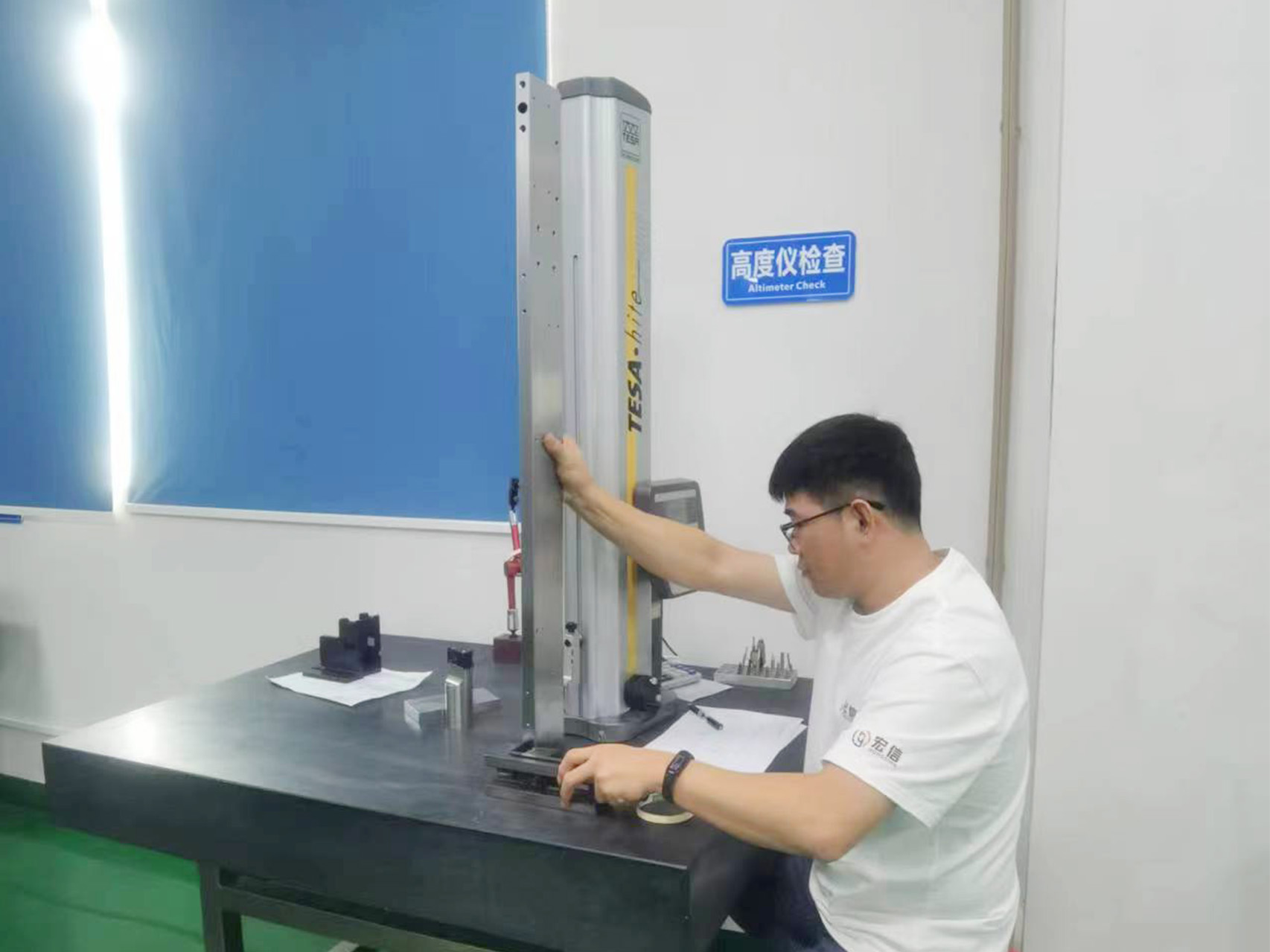
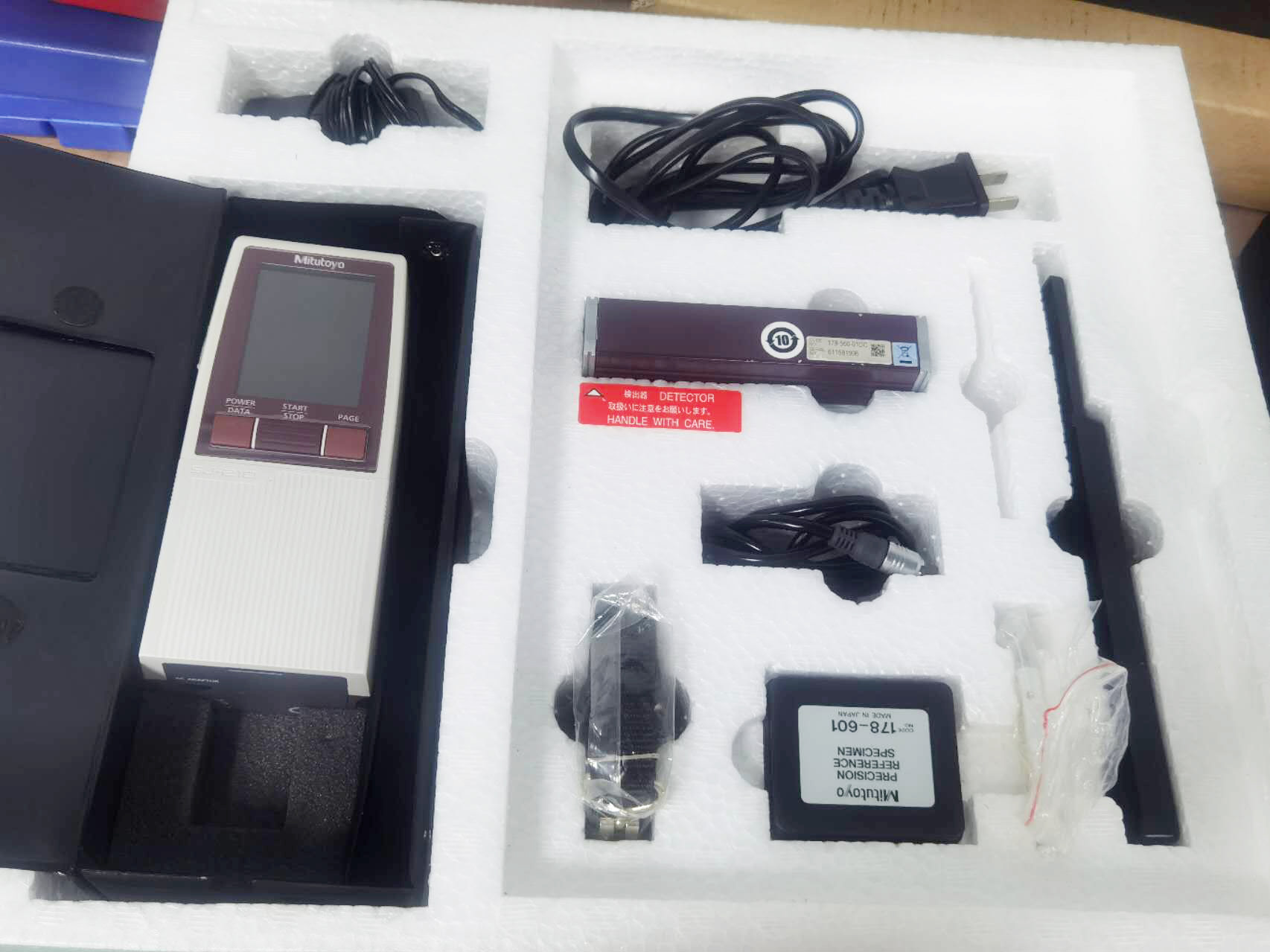
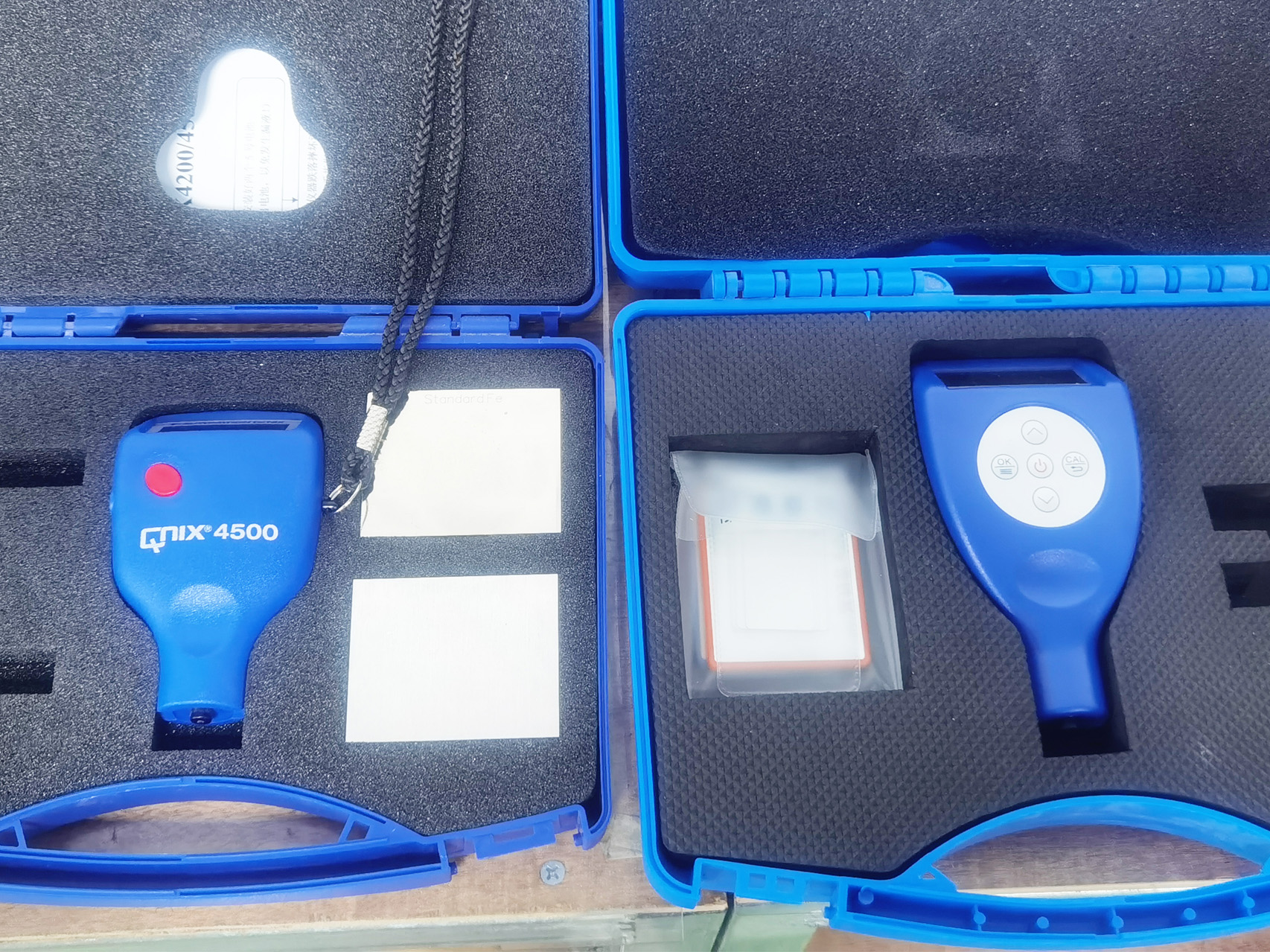
2.Complete produce equipment and test equipment. Independent Engineer team, to check drawings, provide quotation, write machining process, guide production.
3.Independent PMC department, to make production plan and manage delivery time.
4.Quick proofing, short delivery time, usually is 3-15 days
4.Quick proofing, short delivery time, usually is 3-15 days
5 .The company has gathered a rich group of technologicallyadvanced modern talents, which has laid a stable foundationfor the long-term development of the company.
6.Complex and difficult surface and functional structureof the hand plate model, We can all mold quickly.xxx
CNC Milling vs Turning
There are two main types of CNC machining technology. A CNC milling machine is an automated cutting device that removes excess material by rotating a spindle head. The rotating workpiece is machined into the desired shape on a fixed tool. These machines are able to effectively process a wide range of materials, including plastics, aluminum, stainless steel, and titanium alloys.
How CNC Machining and Turning Works
CNC turning utilizes CNC lathes or multi-axis CNC turning centers to perform operations. Manufacturers utilize CNC lathes to machine materials for cylindrical and concentric features on parts. Live die lathes incorporate end mills and drills to produce off-axis features without changing platforms. Specialized CNC lathes, often called Swiss machines, are designed to quickly produce small parts with complex features by incorporating multiple tools and spindles inside the machine.
A lathe removes features by rotating a part on a central axis and using rigid cutting tools. Other functions a lathe can perform include creating internal and external threads, flange features, O-ring grooves, and knurled textures.、
CNC lathes and CNC milling machines have different axis configurations. CNC lathes are usually single-axis, 3-axis or 4-axis machines. 3-axis CNC machining processes material in the X, Y, and Z axes, removing shavings along all three directions. 4-axis machines include lathes and tilt mills for machining concentric features. Lathes are well suited for machining round parts, while milling machines are more suitable for more complex irregular shapes and sharp edges.

More modern CNC technology supports up to 5-axis machining. These tools add tilt and rotation capabilities to the traditional X, Y, and Z axes, allowing for the precise cutting of more complex parts. Five-axis machining is also more efficient because it can create more part features in a single operation. Milling machines are typically available in a variety of configurations, with 3-axis, 4-axis, and 5-axis being the most common.
CNC stands for Computer Numerical Control, and operators control CNC mills and lathes through G-code, a programming language that provides instructions for machine movement. Modern programming instructions are usually generated through computer-aided manufacturing (CAM) software. G-code tells the machine where to move the tool head, while controlling its speed and feed, including rotation, depth of cut, and workpiece movement. The complexity of the G-code depends on the number of axes of the machine and the tool set used.












Recommend Products
 Providing precision engineering machining services including CNC turning and milling services, CNC lathe components. cnc turning service
 Precision CNC parts for motorcycles and automotive machinery.
 CNC Machining Services in China for High Precision Parts
 Specializing in precision CNC machining for plastic components and tool steel.