0
image
image
image
precision automotive machining

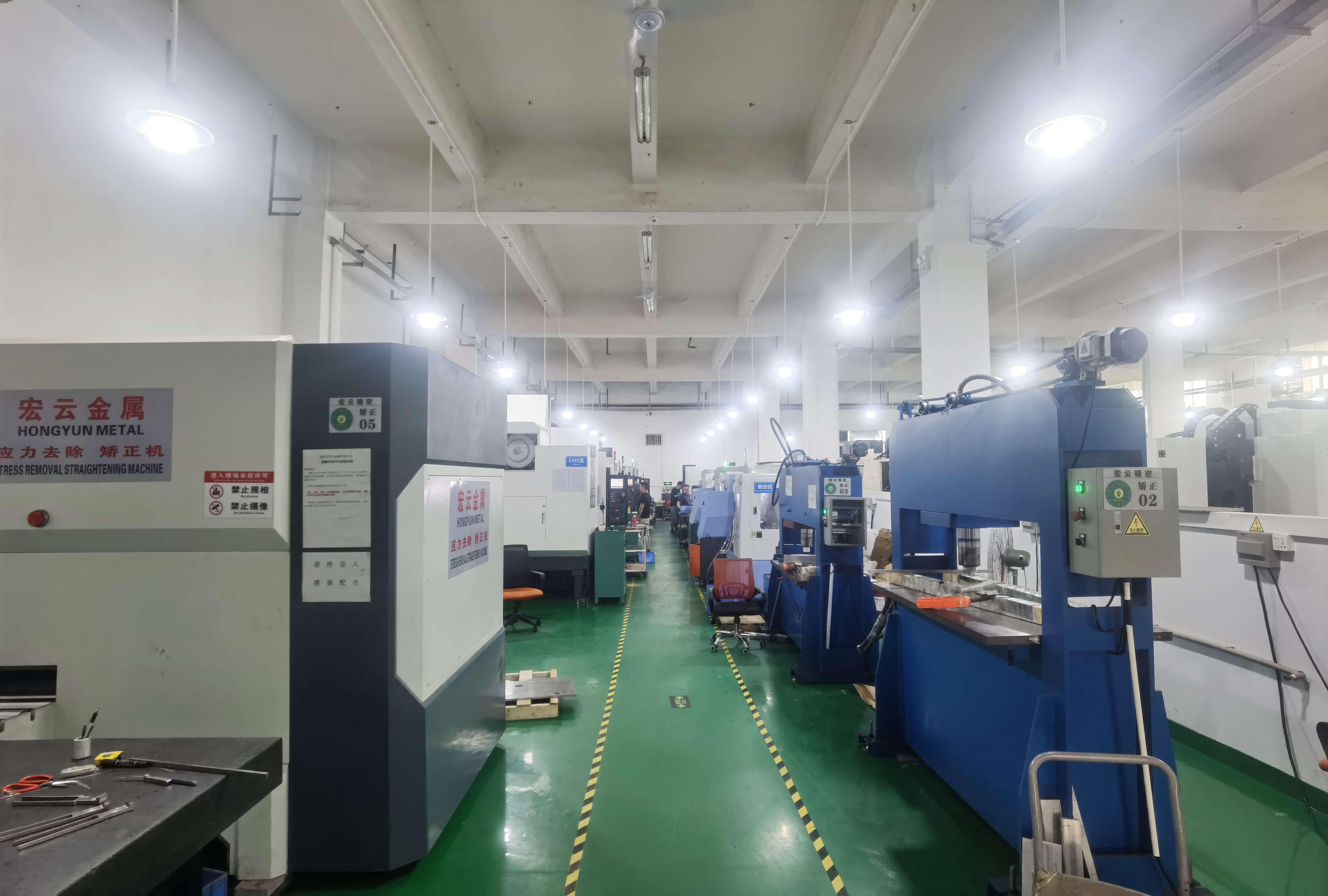
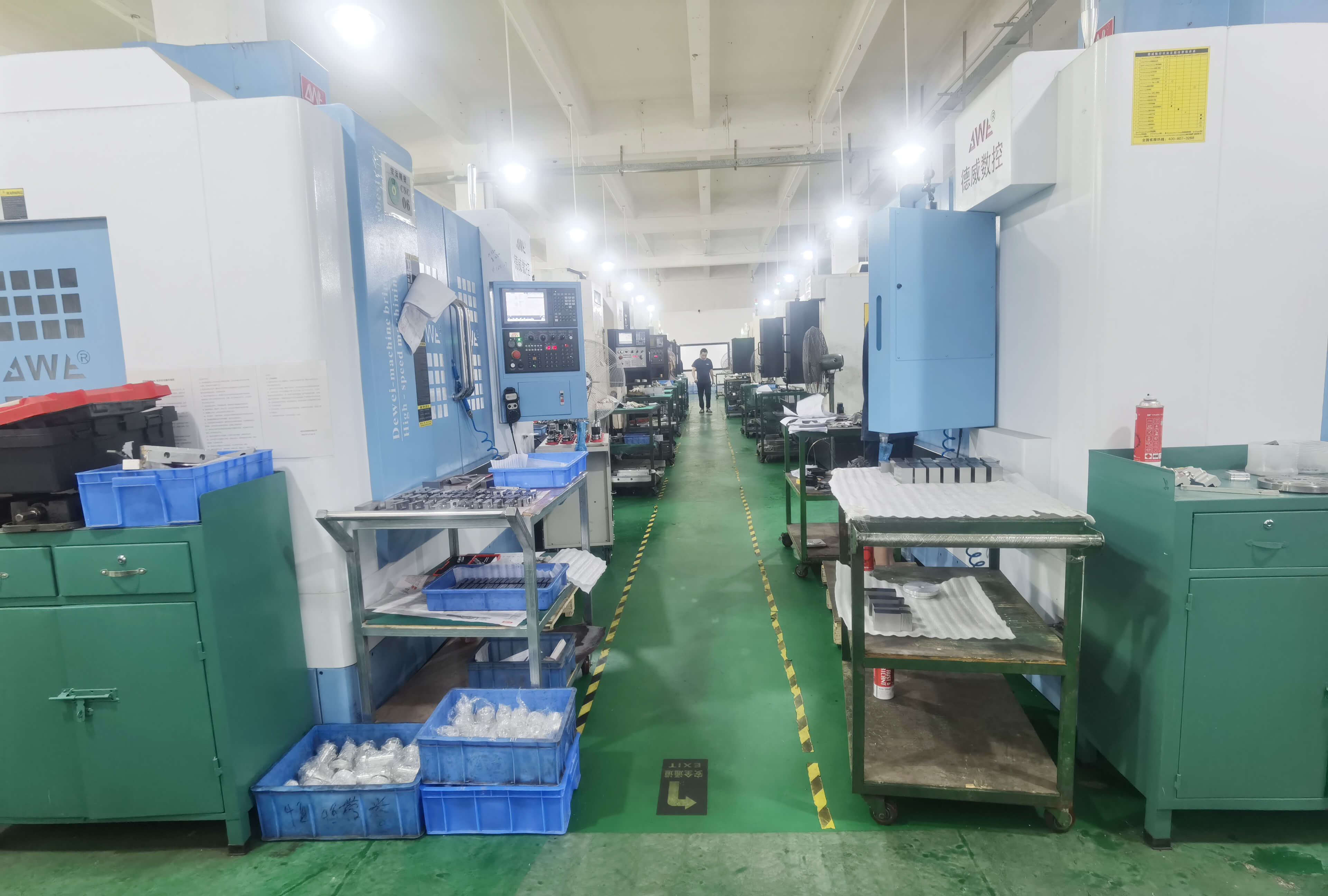
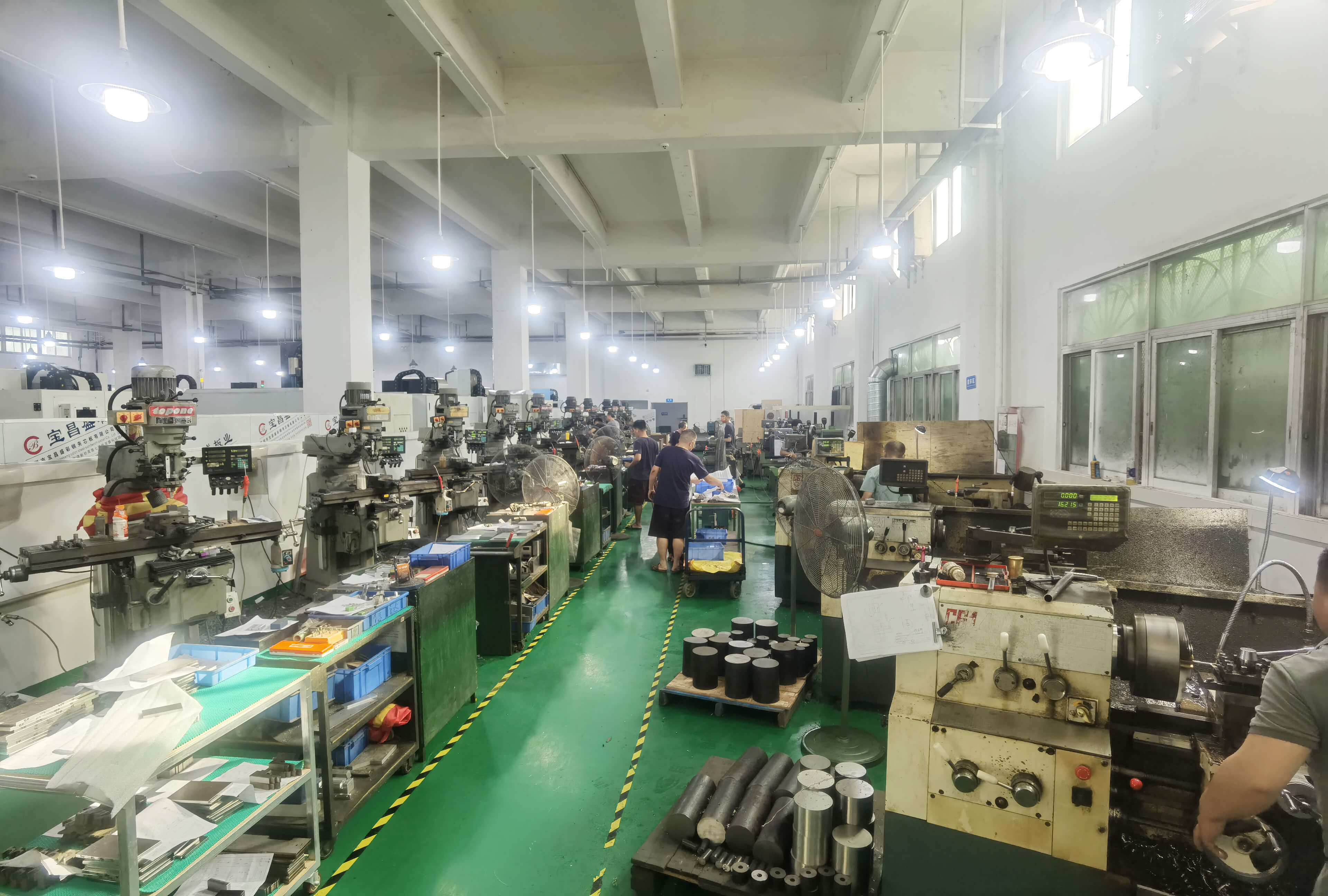
At our specialized facility, we offer custom metal fabrication and precision automotive machining services.

Hongsinn-469
Crafting excellence in custom metal fabrication and precision automotive machining at our specialized facility. Elevate your projects with our expert services tailored to perfection.
Delivery
FOB
minimum order
1 piece
Supply Ability
5000piece / Week
Country of Origin
Shenzhen
Stock Time
7~15Day
Quantity:
US $0.59 - US $10.68 / piece
Contact Now
add to cart

At our specialized facility, we offer custom metal fabrication and precision automotive machining services.

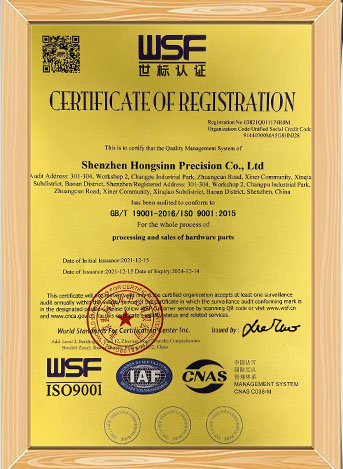
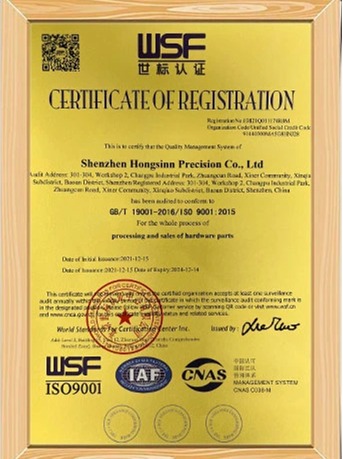
In today's competitive automotive industry, manufacturers require custom metal fabricators who combine precision engineering with flexible manufacturing capabilities. At Shenzhen Hongsinn Precision Co., Ltd., we specialize in metal and fabrication services with a strong focus on precision automotive machining - delivering high-quality components that meet the industry's most demanding specifications.
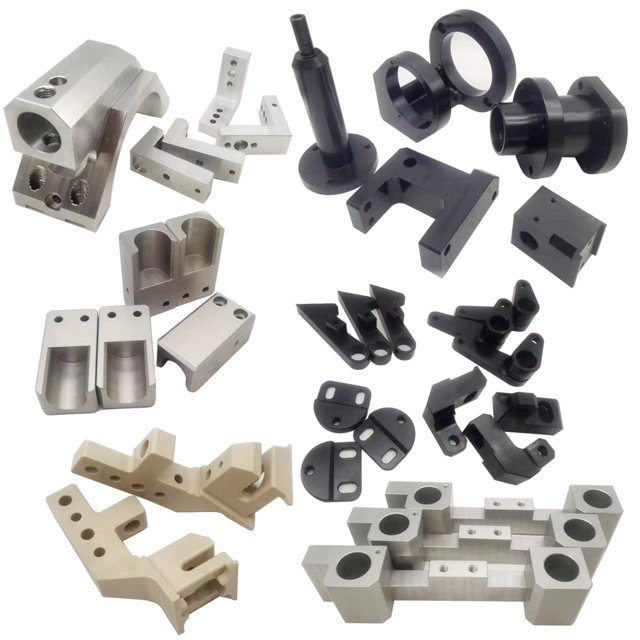
metal and fabrication
CNC Plastics

Plastics are lightweight materials with varying physical properties, often used for chemical resistance and electrical insulation. The following are some common CNC plastics and their applications:
 
ABS is often used for prototyping before mass production through injection molding due to its good formability and strength.
 
Nylon (polyamide, PA) is primarily used in technical applications due to its excellent mechanical properties, impact strength, chemical resistance, and abrasion resistance.
 
Polycarbonate is often optically clear, making it ideal for applications such as fluidics and automotive glazing.
 
POM (Delrin) is a preferred material for CNC machining, suitable for applications requiring:
High precision
High rigidity
Low friction
Excellent dimensional stability at high temperatures
Extremely low water absorption

Polytetrafluoroethylene (Teflon) can withstand operating temperatures exceeding 200°C, making it an excellent electrical insulator.
 
High-density polyethylene (HDPE) is suitable for outdoor use and piping due to its corrosion resistance and strength.
 
PEEK is primarily used to replace metal components due to its high strength-to-weight ratio. Medical-grade versions are also suitable for biomedical applications.
 
Processing
CNC Turning, CNC Milling, Laser Cutting, Bending, Spinning, Wire Cutting, Stamping, Electric Discharge Machining (EDM), Injection Molding


Materials
Aluminum: 2000 series, 6000 series, 7075, 5052, etc.
Stainless steel: SUS303, SUS304, SS316, SS316L, 17-4PH, etc.
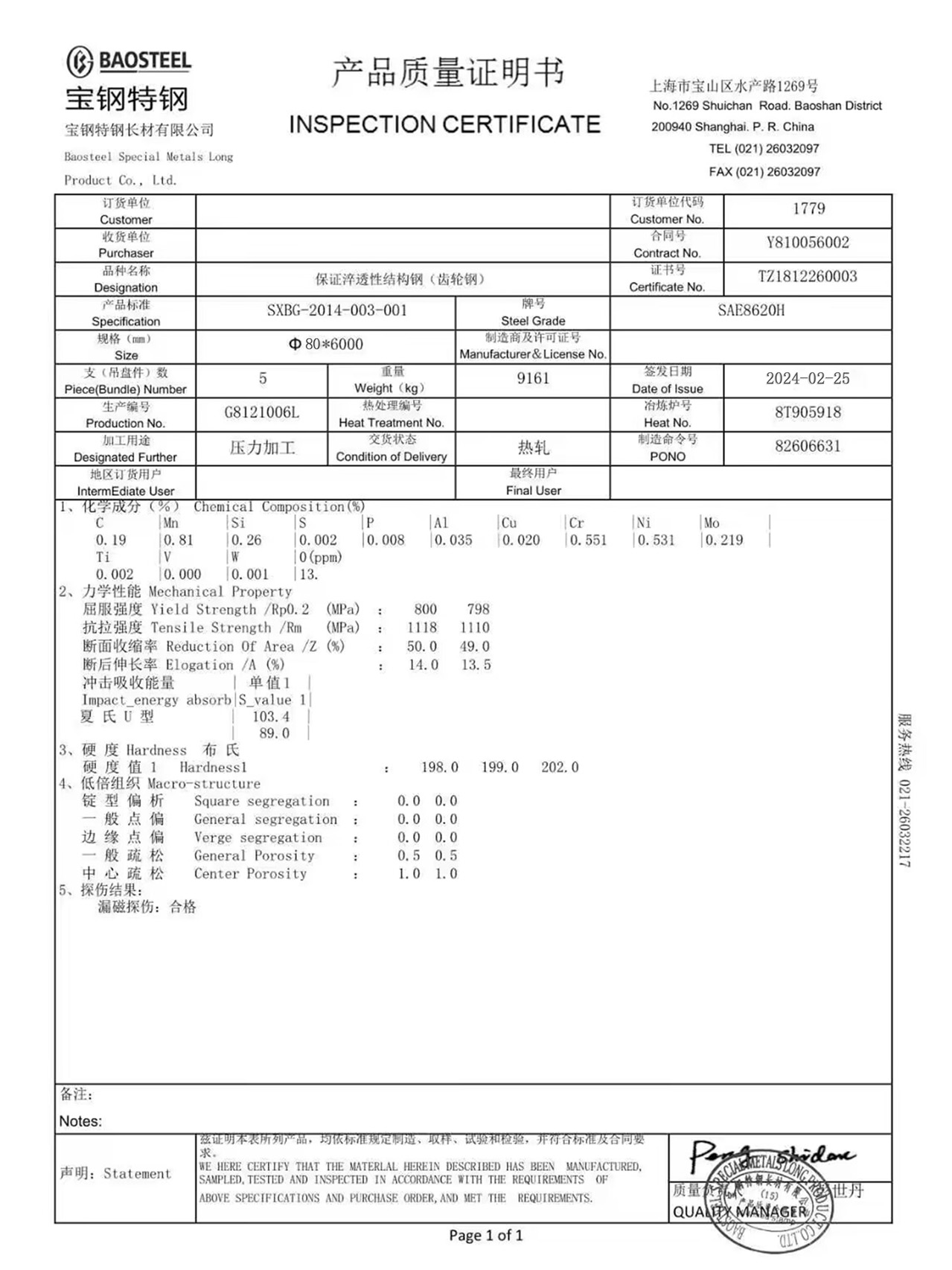
Steel: 1214L/1215/1045/4140/SCM440/40CrMo, etc.
Brass: 260, C360, H59, H60, H62, H63, H65, H68, H70, Bronze, Copper
Titanium: Grade F1-F5
Plastic: Acetal/POM/PA/Nylon/PC/PMMA/PVC/PU/Acrylic/ABS/PTFE/PEEK etc.
 
Surface Treatment
Anodized, Bead Blasted, Silk Screen, PVD Plating, Zinc/Nickel/Chrome/Titanium Plating, Brushing, Painting, Powder Coated, Passivation, Electrophoresis, Electro Polishing, Knurl, Laser/Etch/Engrave etc.
Tolerance
±0.002 ~ ±0.005mm
Surface Roughness
Min Ra 0.1~3.2
 
1.Direct OEM/0DM manufacturer, advanced produce technical,the highest tolerance we can reach to ±0.005mm;
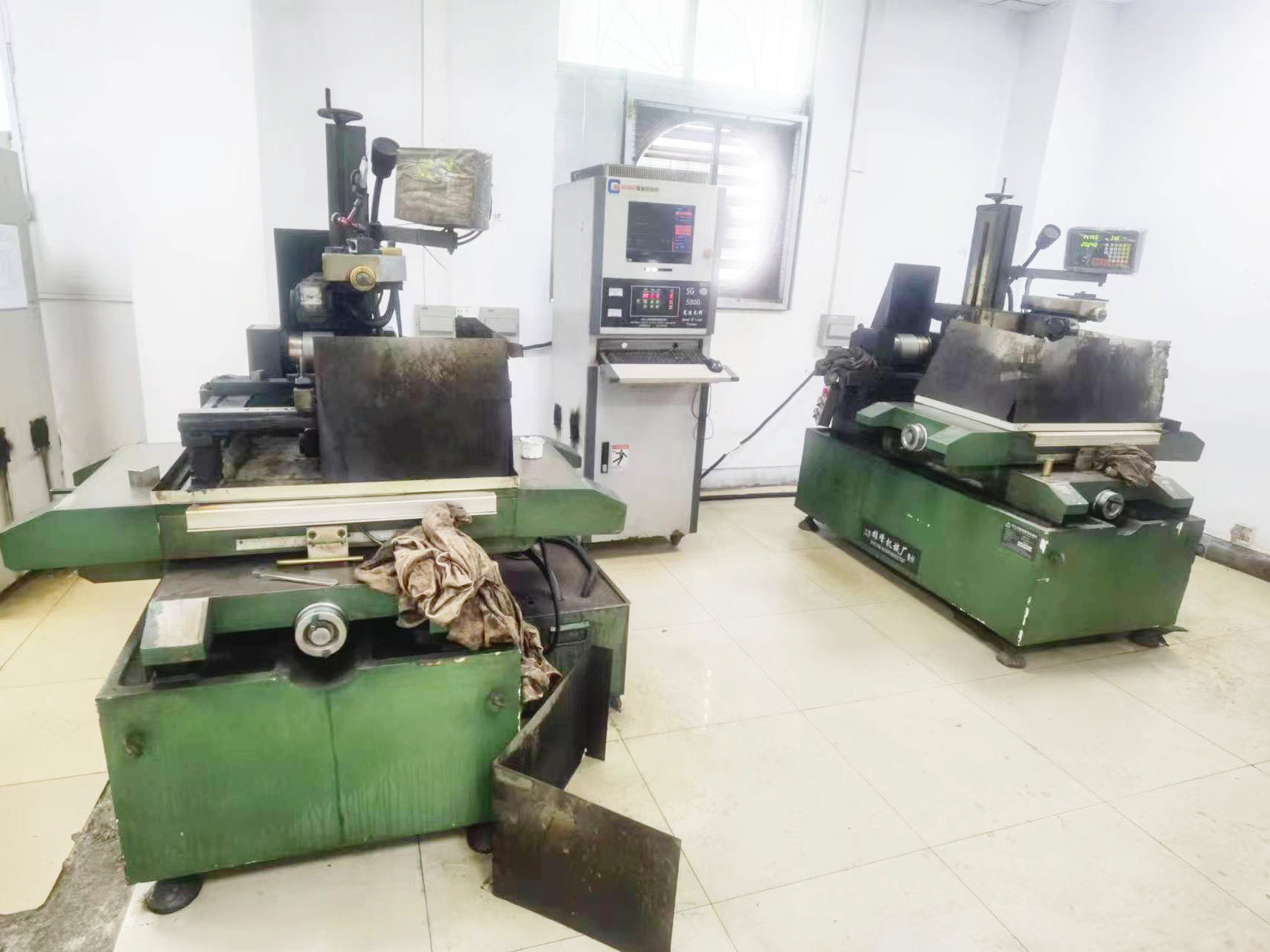
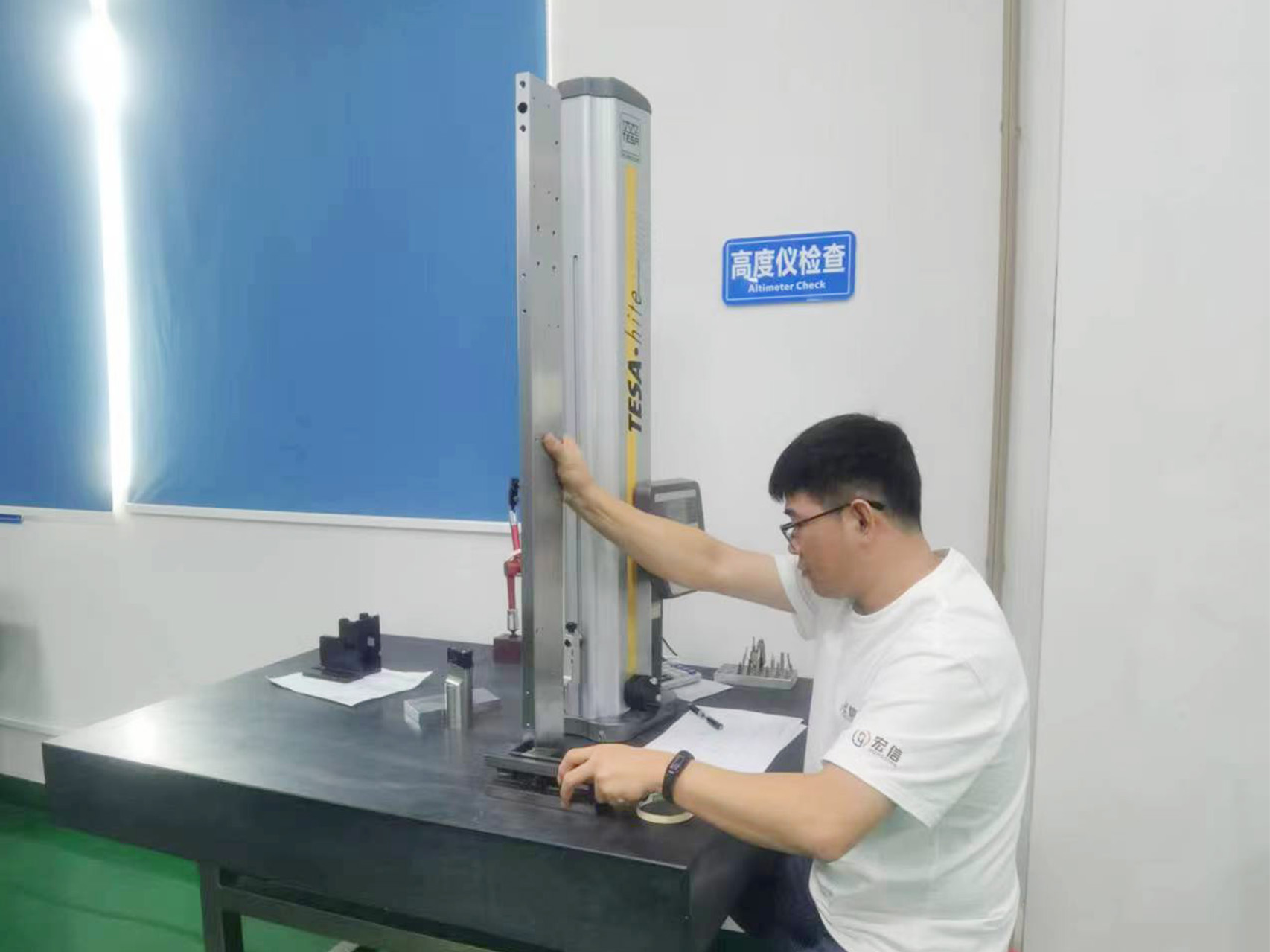
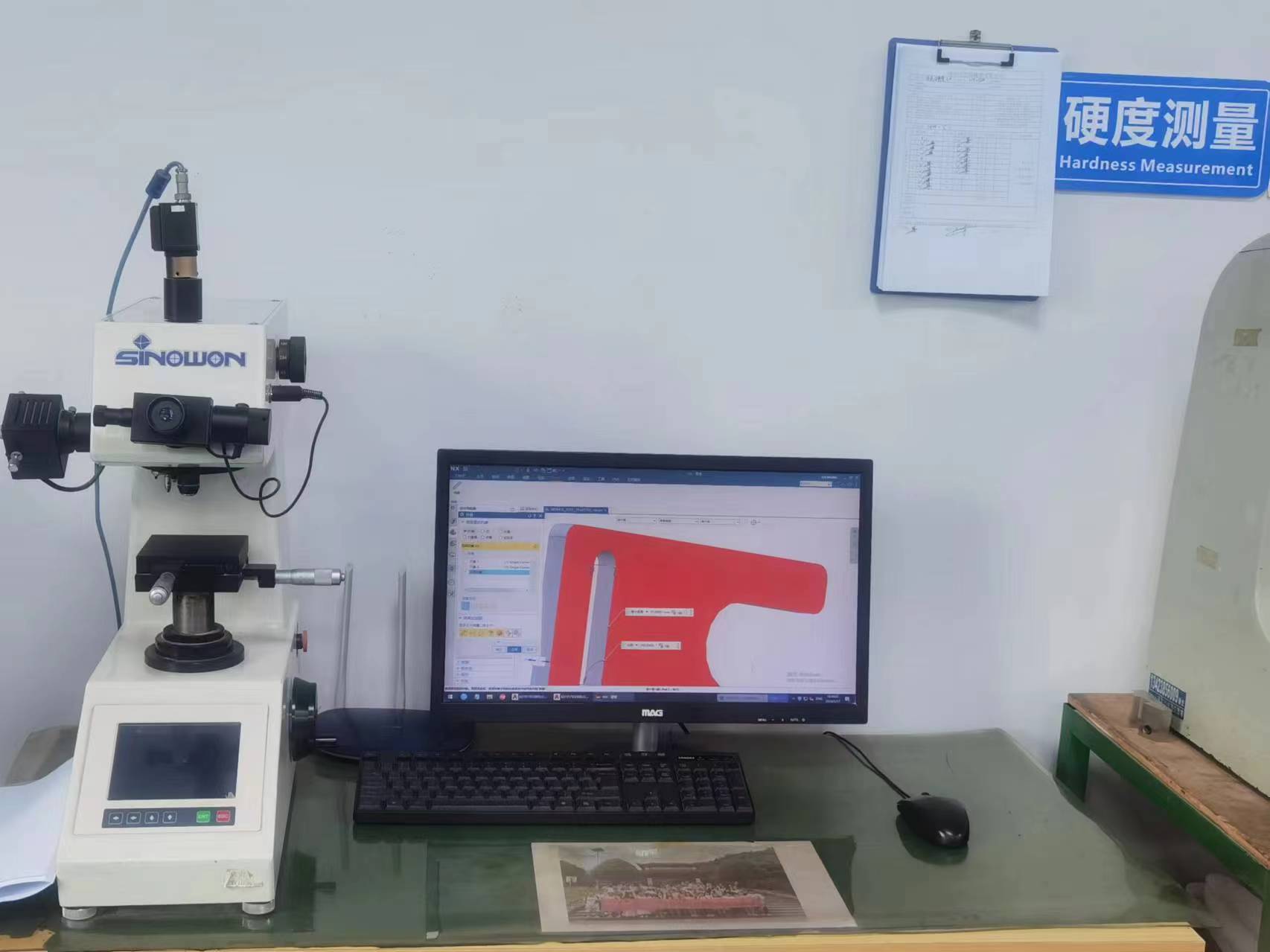
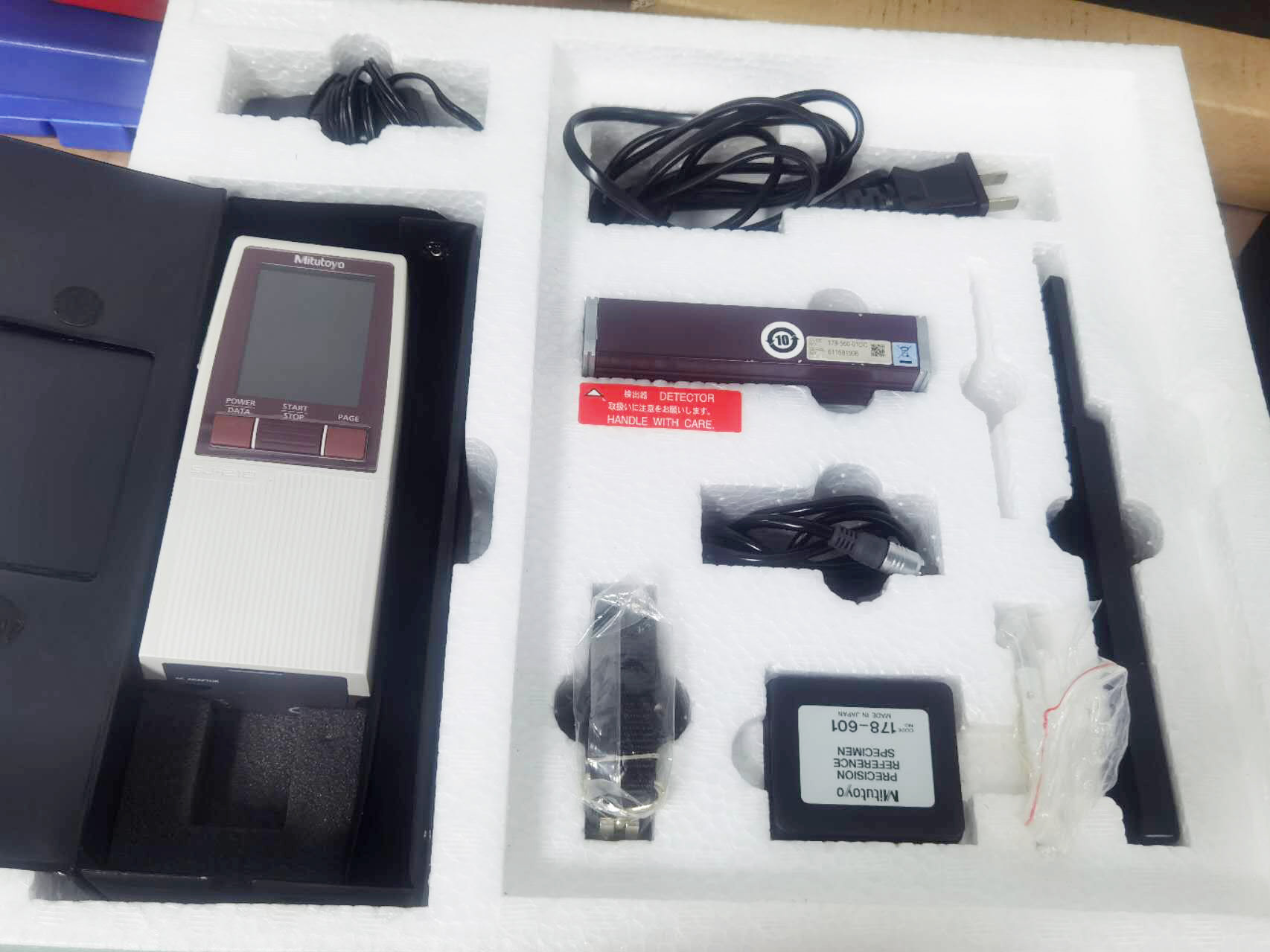
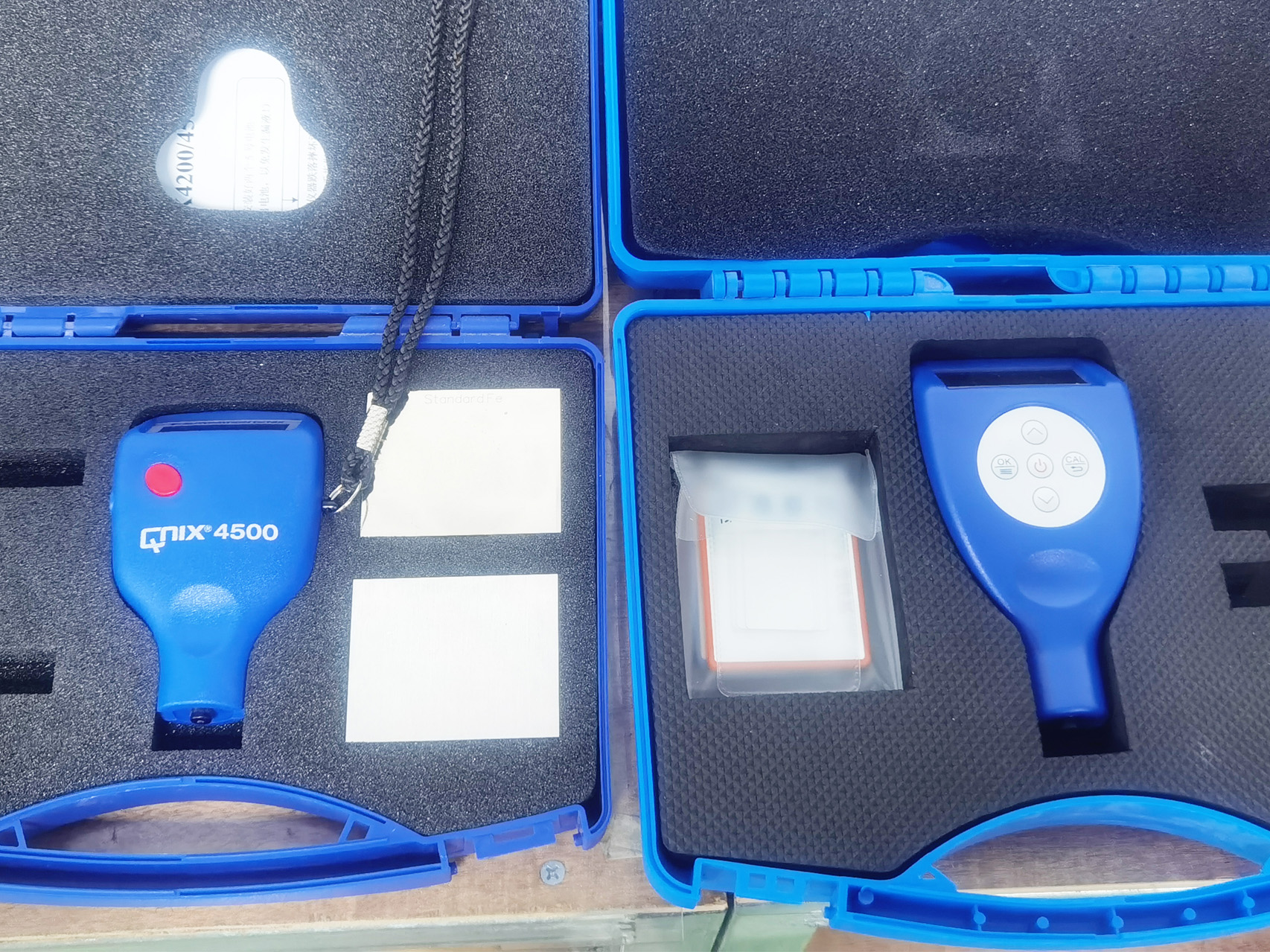
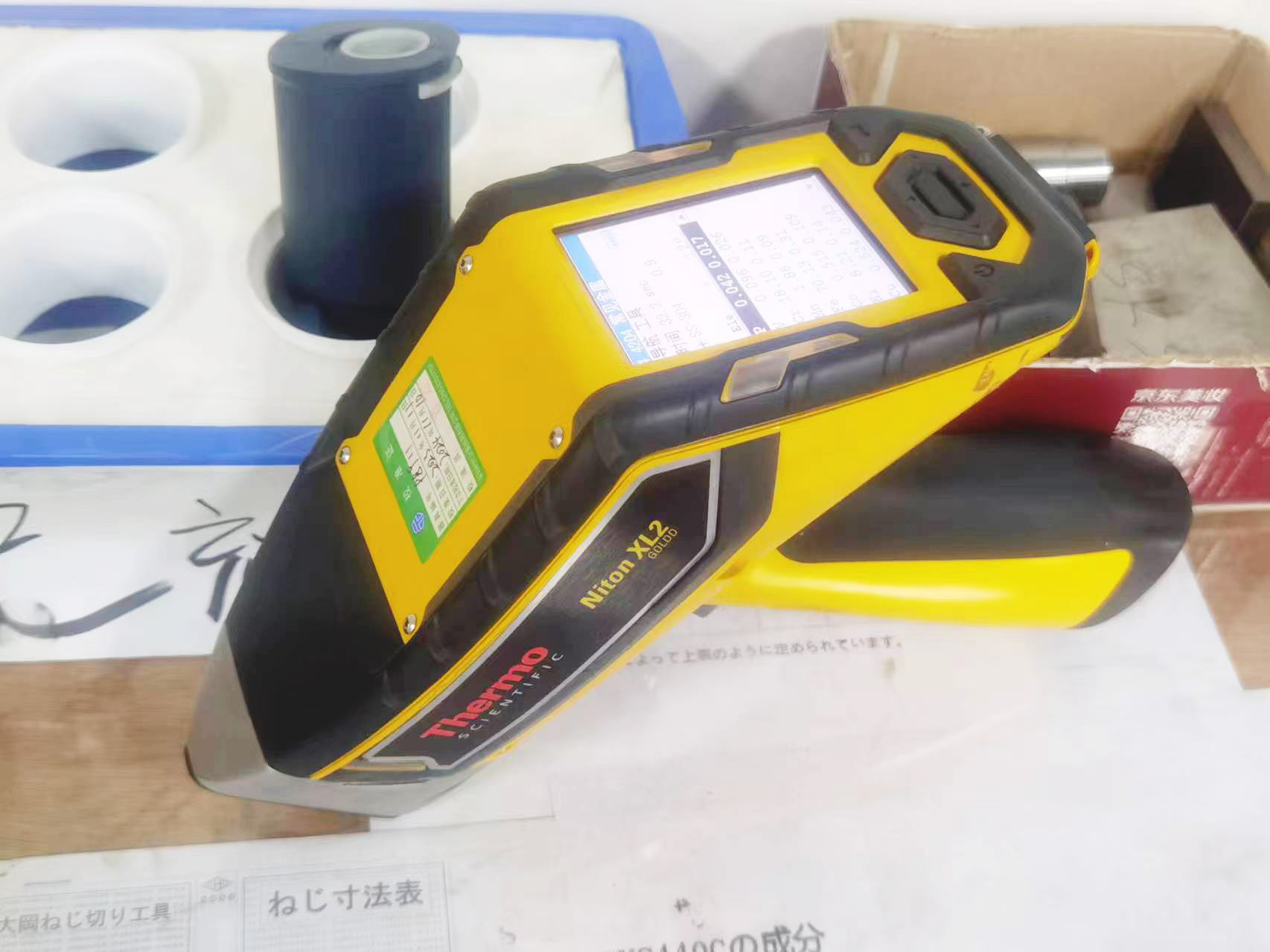
2.Complete produce equipment and test equipment. Independent Engineer team, to check drawings, provide quotation, write machining process, guide production. 
3.Independent PMC department, to make production plan and manage delivery time.
4.Quick proofing, short delivery time, usually is 3-15 days
5 .The company has gathered a rich group of technologicallyadvanced modern talents, which has laid a stable foundationfor the long-term development of the company.
6.Complex and difficult surface and functional structureof the hand plate model, We can all mold quickly.xxx

CNC Composites


Simply put, composites are made by combining multiple materials with different physical and chemical properties to create stronger, lighter, or more flexible products. One of the best-known composite materials on the market is reinforced plastic. Today, plastic is widely used in its pure form in products like toys and water bottles. However, it can be reinforced by incorporating fibers from other materials. This technique has led to some of the strongest, lightest, and most versatile composites.
 
A common use of composites is to reinforce a purer material with fibers from other pure materials or composites. Manufacturers often add carbon fiber or graphite fiber to composites. Carbon fiber is conductive and exhibits a remarkable combination of high modulus and tensile strength, along with a very low (slightly negative) coefficient of thermal expansion (CTE) and good high-temperature resistance. These properties make carbon fiber an excellent choice for a wide range of industries and easily bonded to a variety of materials.
 
In addition to carbon fiber, glass fiber is also a common fiber reinforcement material. While not as strong or stiff as carbon fiber, glass fiber has unique properties that make it desirable in many applications. Glass fiber is non-conductive (i.e., an insulator) and is generally invisible to most types of transmission, making it ideal for electrical or broadcasting applications.
 
Resin is an important component of composite materials, acting as a matrix to bind different materials together without completely fusing them into a single pure material.
metal and fabrication

Conclusion: Your Automotive Manufacturing Partner

From precision automotive machining of critical components to complete metal and fabrication solutions, Shenzhen Hongsinn Precision Co., Ltd. delivers the quality, technical expertise, and manufacturing flexibility that automotive suppliers require.

Contact us today to discuss your project requirements and discover how we can optimize your automotive component supply chain.