


Offering CNC Milling & Machining Services Alongside Engineering Prototype Solutions.
Offering CNC Milling & Machining Services Alongside Engineering Prototype Solutions.
Modern manufacturing demands the highest levels of precision and efficiency, making CNC milling & machining services essential for industries ranging from aerospace to medical devices. Whether you need CNC milling machining service for production parts or engineering prototype services for product development, understanding these capabilities ensures optimal results for your projects.

What is CNC machining?
CNC machining is a manufacturing process that removes material using computer-generated instructions (called G-code). There are two basic types of CNC machines: one in which the workpiece is stationary and the tool rotates to make the cut; the other in which the tool is stationary and the workpiece rotates to make the cut. Building on these basic principles, many more complex machines have been developed.
Converting the CAD File: Once the CAD file is complete, it is converted into a computer-aided manufacturing (CAM) software package, which generates G-code for the CNC machine to read.
Processing | CNC Turning, CNC Milling, Laser Cutting, Bending, Spinning, Wire Cutting, Stamping, Electric Discharge Machining (EDM), Injection Molding | |||
Materials | Aluminum: 2000 series, 6000 series, 7075, 5052, etc. | |||
Stainless steel: SUS303, SUS304, SS316, SS316L, 17-4PH, etc. | ||||
Steel: 1214L/1215/1045/4140/SCM440/40CrMo, etc. | ||||
Brass: 260, C360, H59, H60, H62, H63, H65, H68, H70, Bronze, Copper | ||||
Titanium: Grade F1-F5 | ||||
Plastic: Acetal/POM/PA/Nylon/PC/PMMA/PVC/PU/Acrylic/ABS/PTFE/PEEK etc. | ||||
Surface Treatment | Anodized, Bead Blasted, Silk Screen, PVD Plating, Zinc/Nickel/Chrome/Titanium Plating, Brushing, Painting, Powder Coated, Passivation, Electrophoresis, Electro Polishing, Knurl, Laser/Etch/Engrave etc. | |||
Tolerance | ±0.002 ~ ±0.005mm | |||
Surface Roughness | Min Ra 0.1~3.2 | |||
4.Quick proofing, short delivery time, usually is 3-15 days
There are about a dozen types of CNC machines on the market, but when you break it down to its most basic level, there are two main technologies:
Comprised of a spindle and toolholder, CNC lathes work by rotating cylindrical material against a moving cutting tool. More complex models, such as Swiss-type lathes, are capable of machining non-cylindrical materials. Typically, this type of machine is used to manufacture products with a consistent design along their long axis. The following illustration illustrates the appearance of a lathe.
CNC machines are equipped with a tool spindle and a worktable with a vise to stabilize and secure the material. Machines with more automated features often have pneumatic vises and robotic arms to automatically move the workpiece. Manually configured machines require an operator to perform this work. Once the tool is mounted on the spindle, it moves along the X, Y, and Z axes to perform the machining, depending on the machine's level of sophistication.
CNC machining is an excellent manufacturing technology that can process a wide variety of materials, such as:

Wood: CNC routers are often used to carve and shape wood, primarily for decorative purposes rather than practical functionality.
Foam: Closed-cell or open-cell polyurethane foam can be cut into various shapes using CNC machines, such as packaging for tool box liners.
Conclusion: Precision Machining for Every Need
From CNC milling & machining services for production runs to engineering prototype services for product development, partnering with an experienced manufacturer ensures high-quality, precision-machined components tailored to your specifications.
Call to Action
Need expert CNC milling services or rapid prototyping solutions?
Submit your CAD files today for a free quote and design-for-manufacturability review!


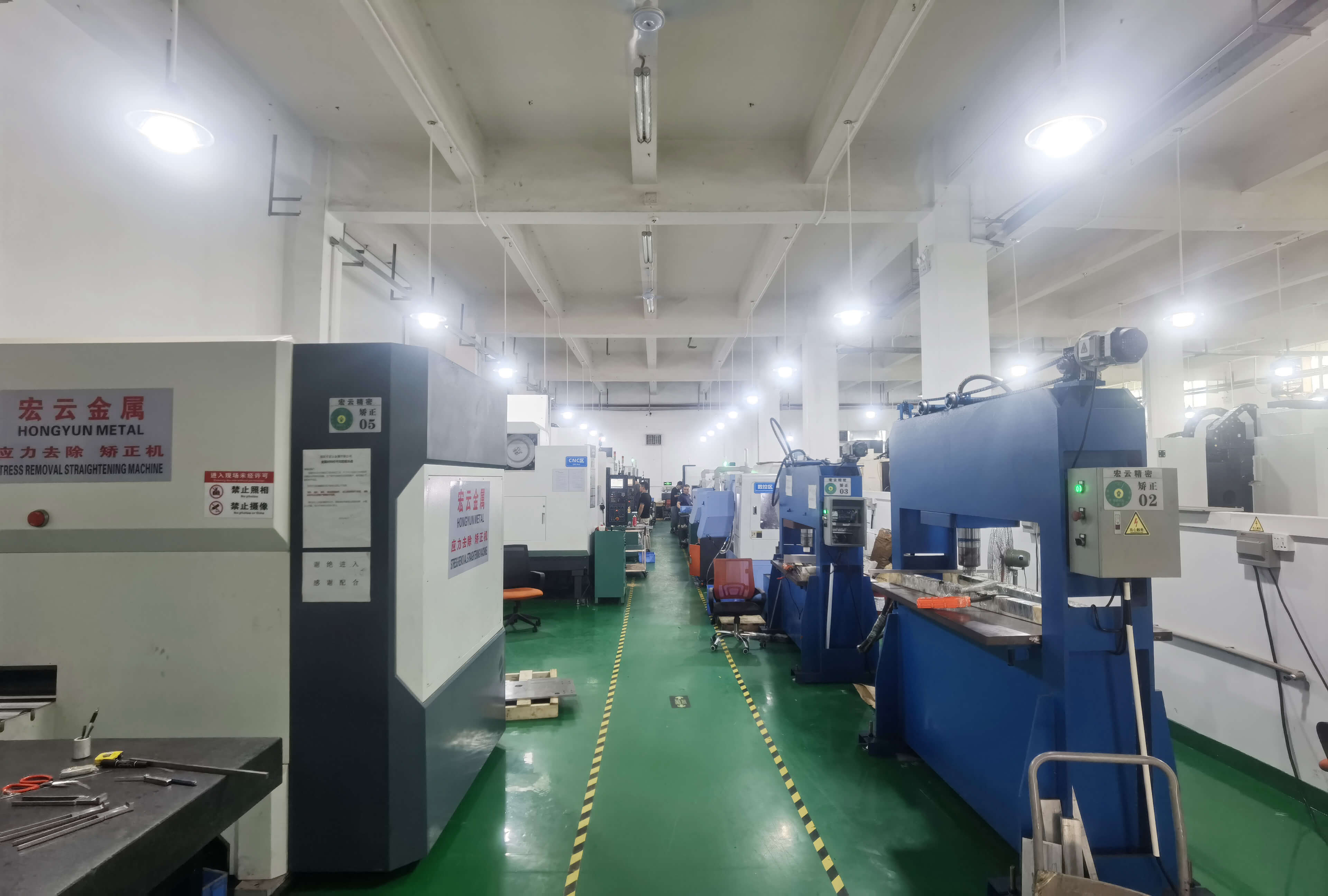
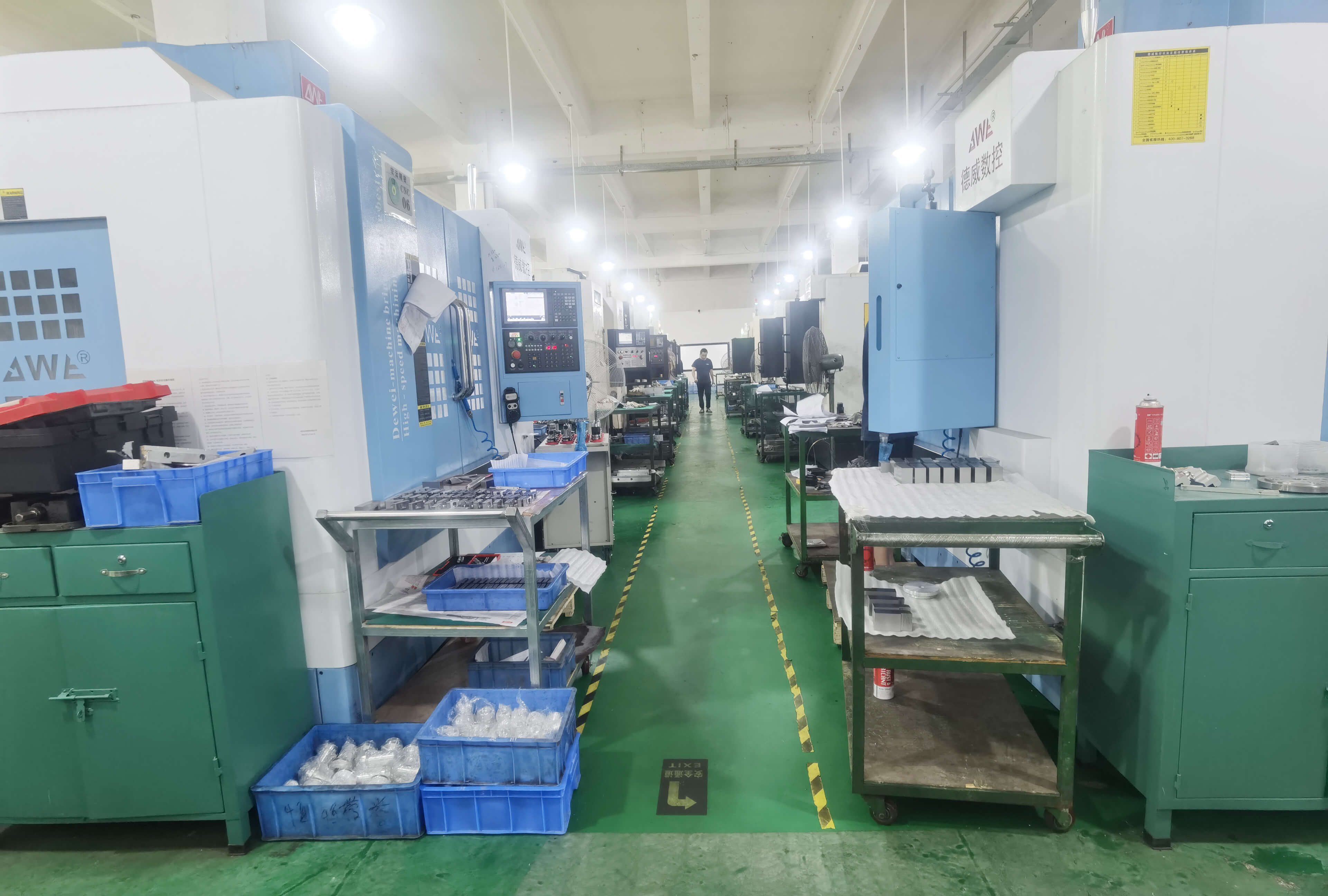


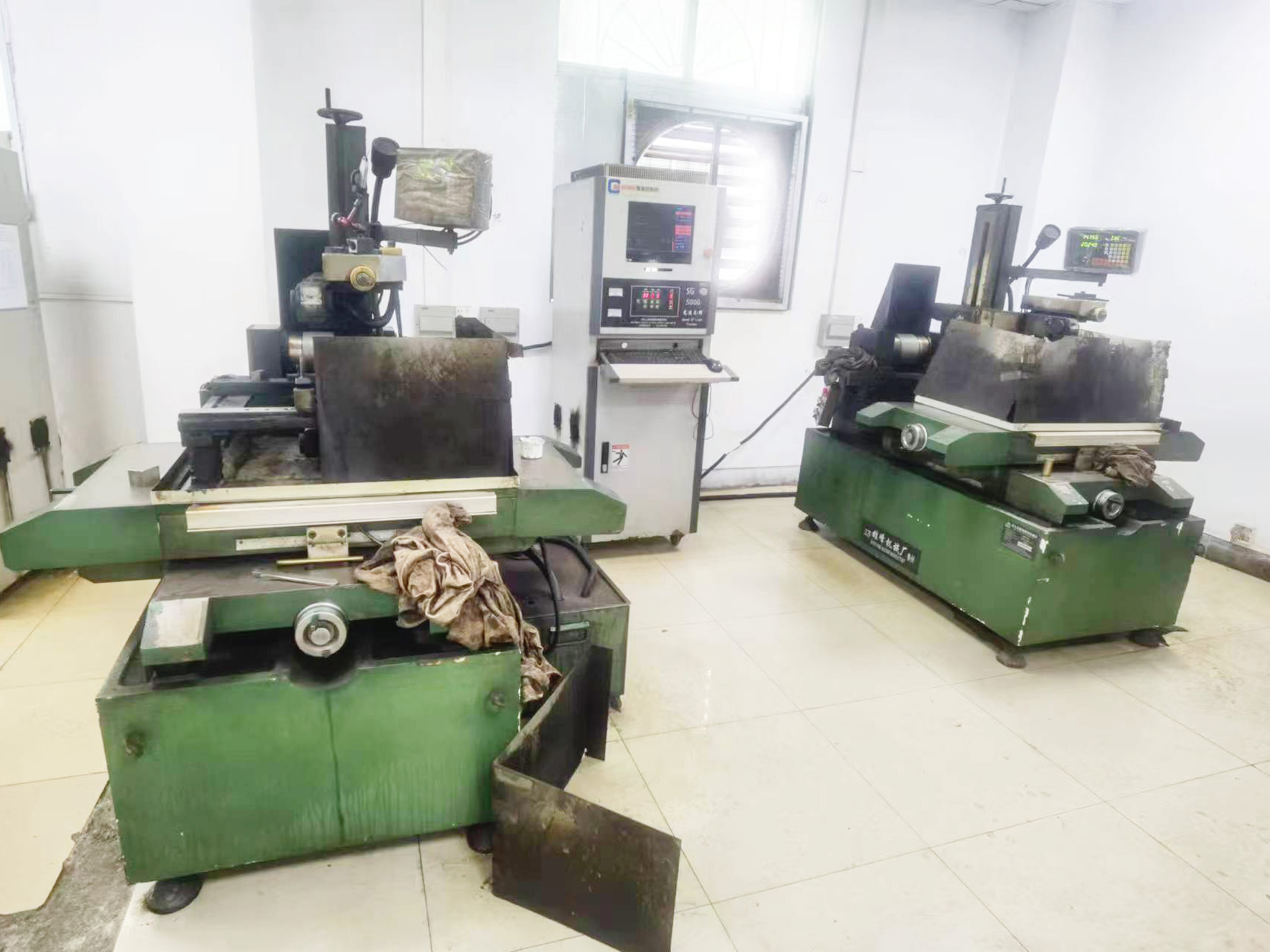


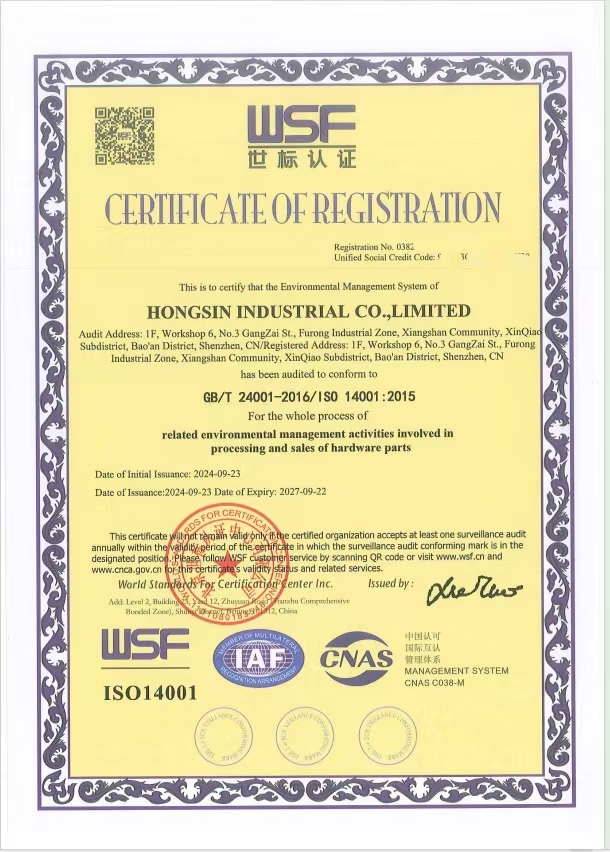

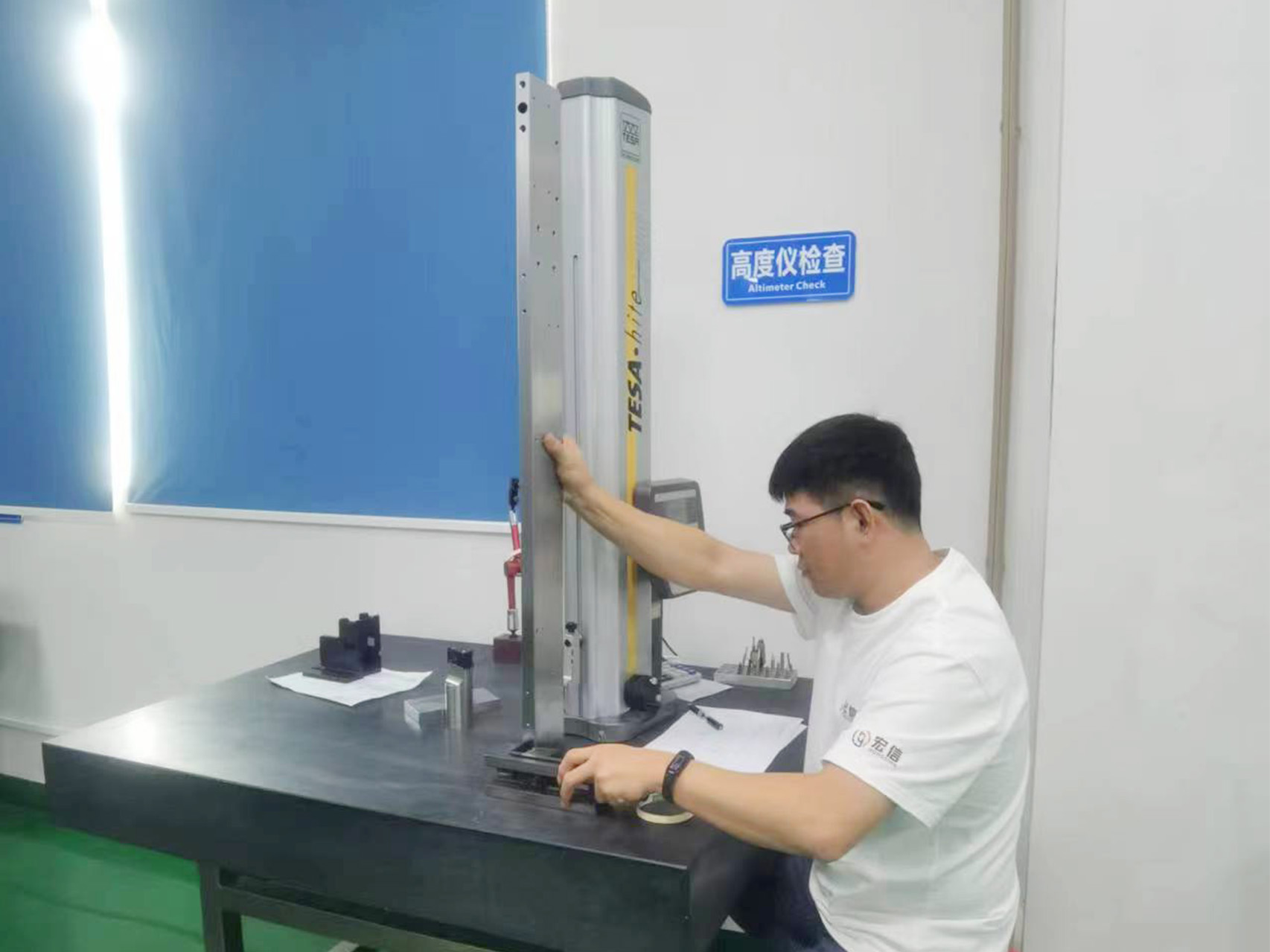


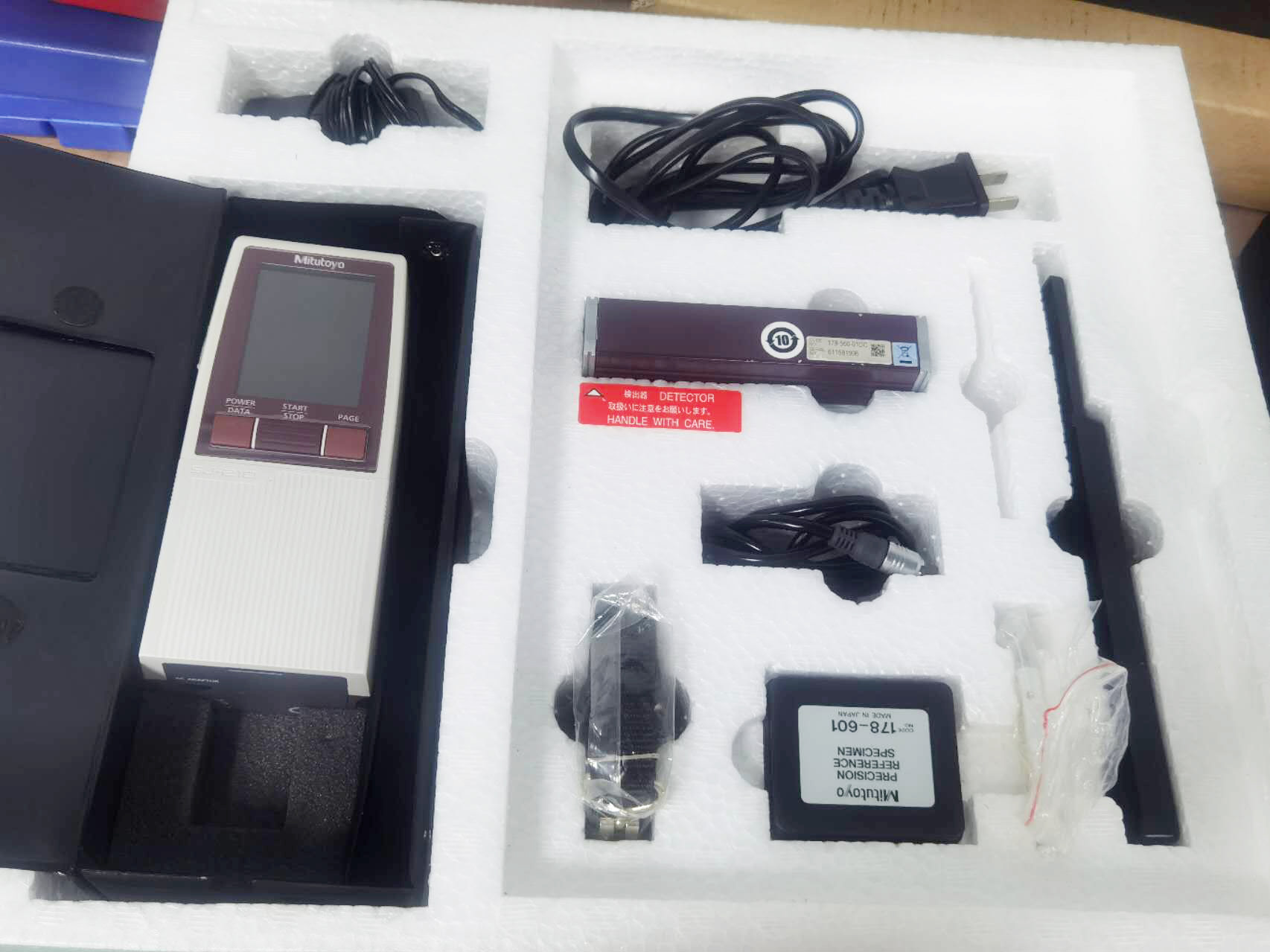
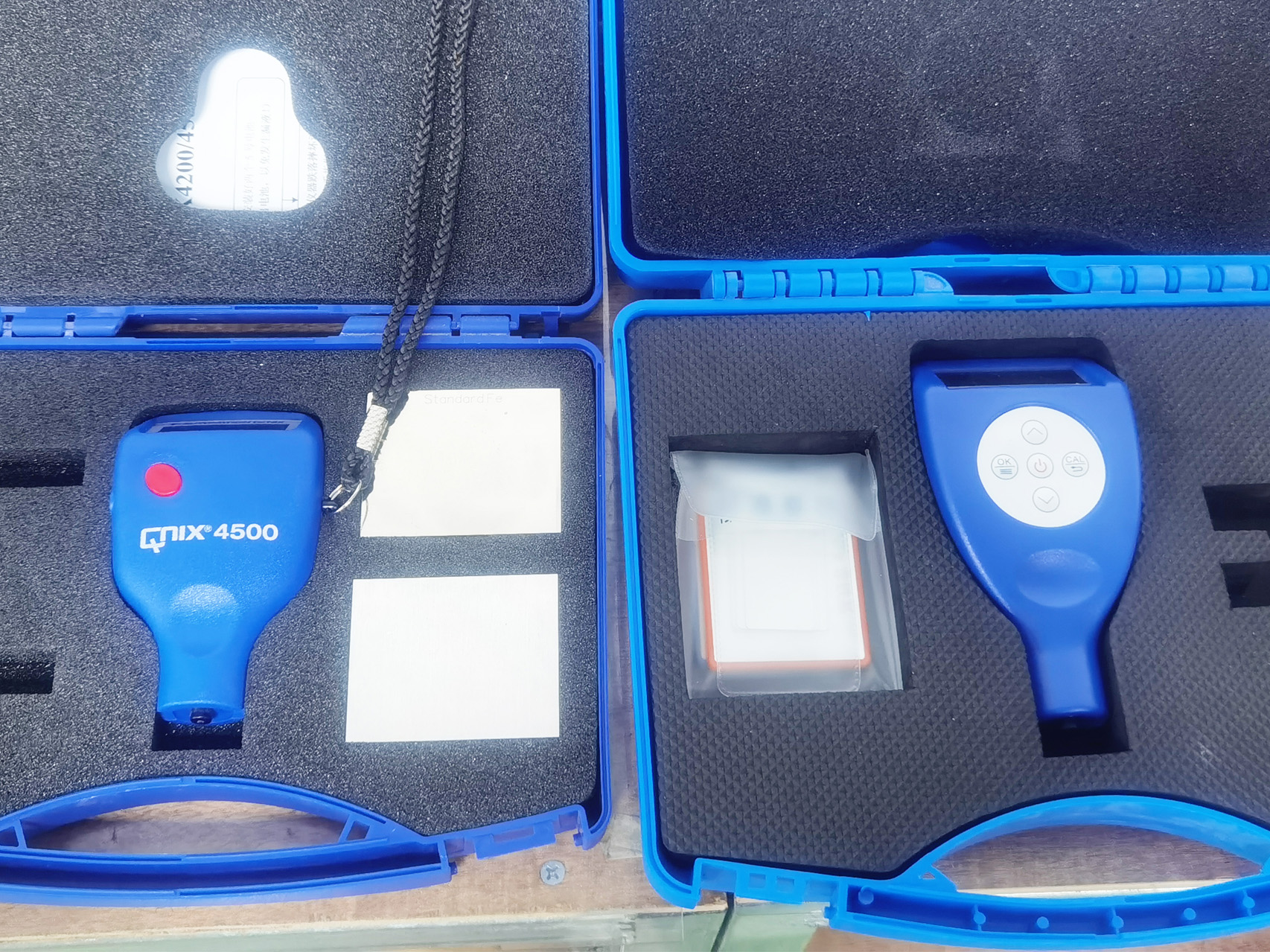
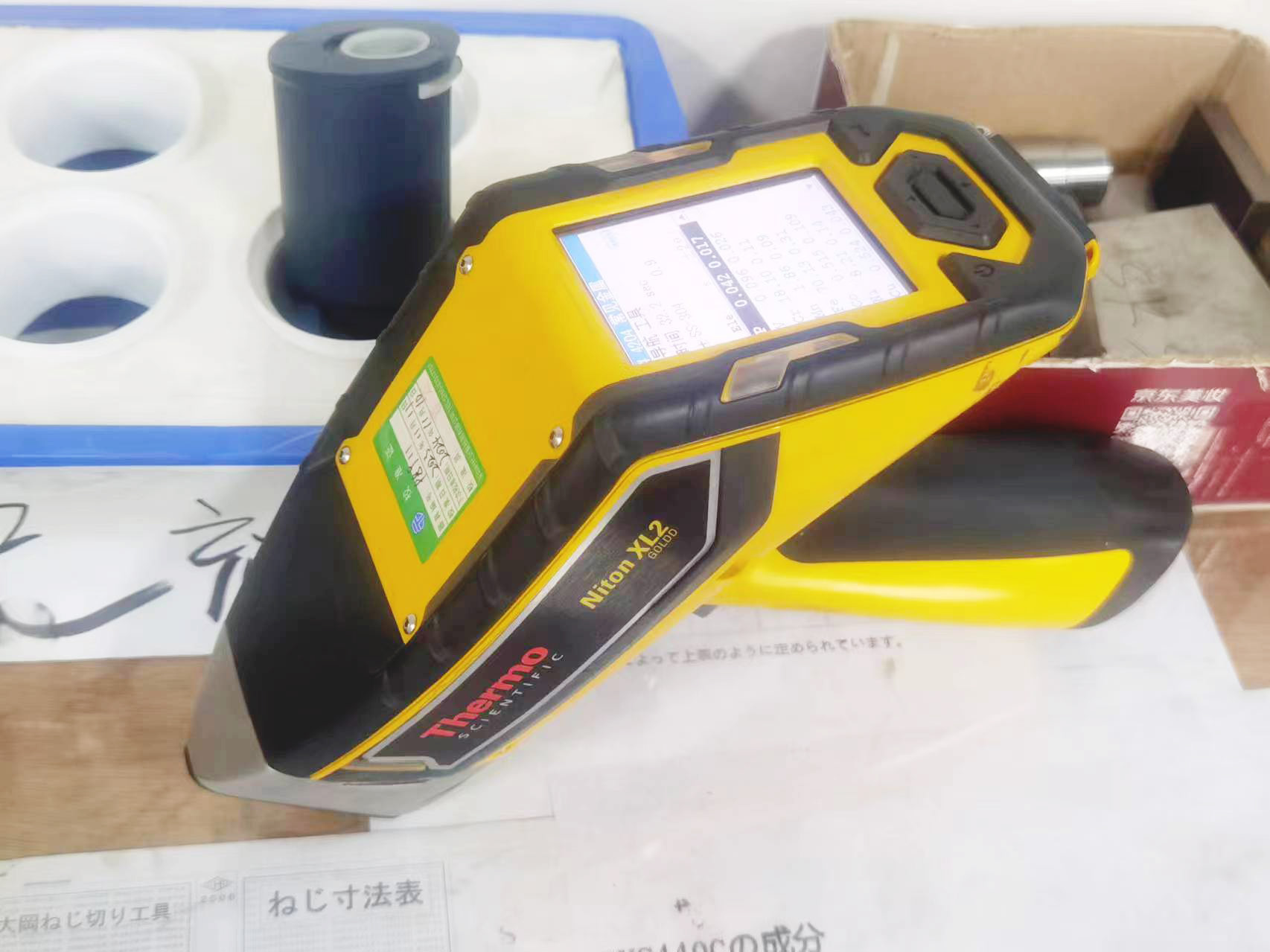
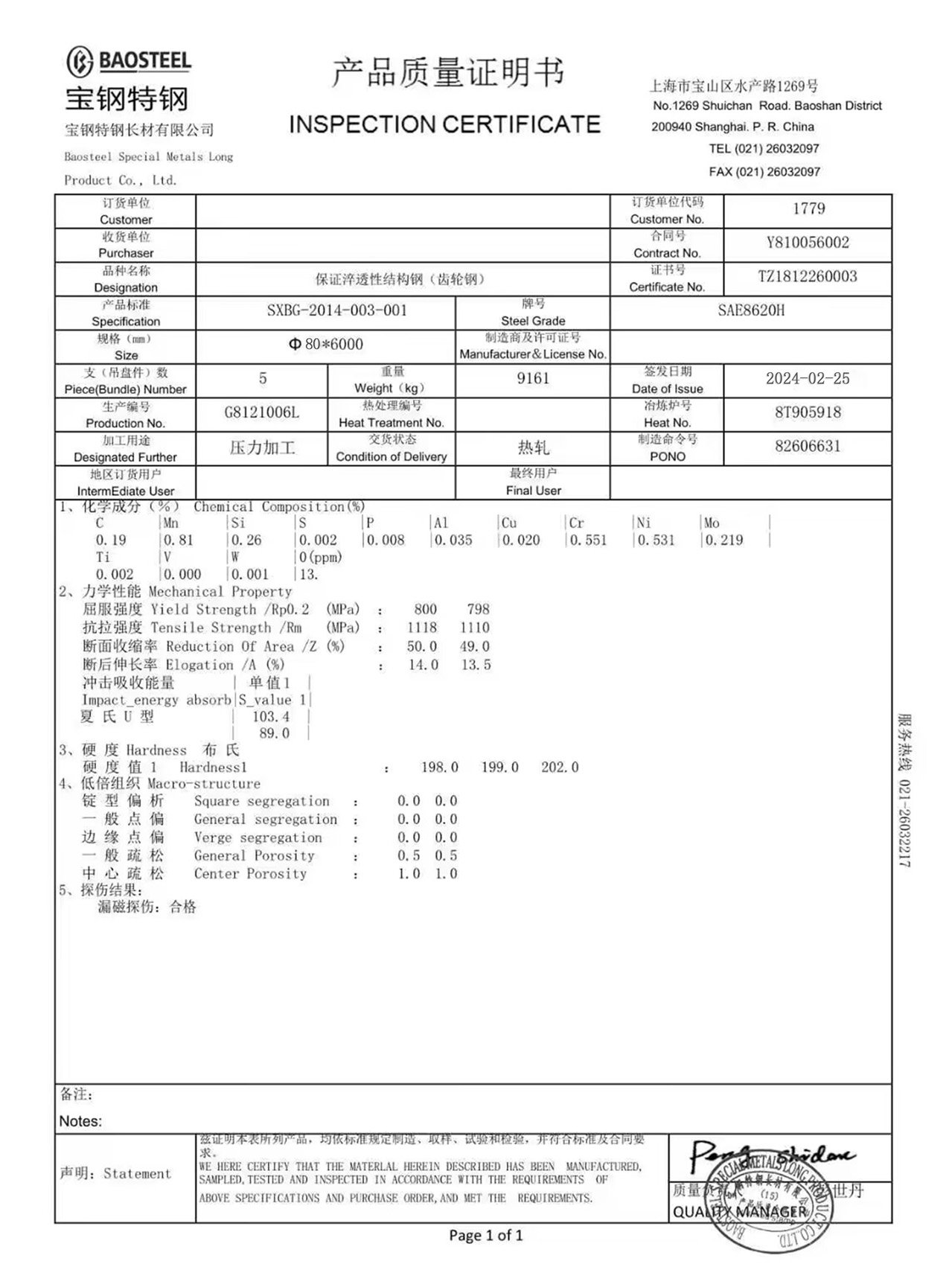


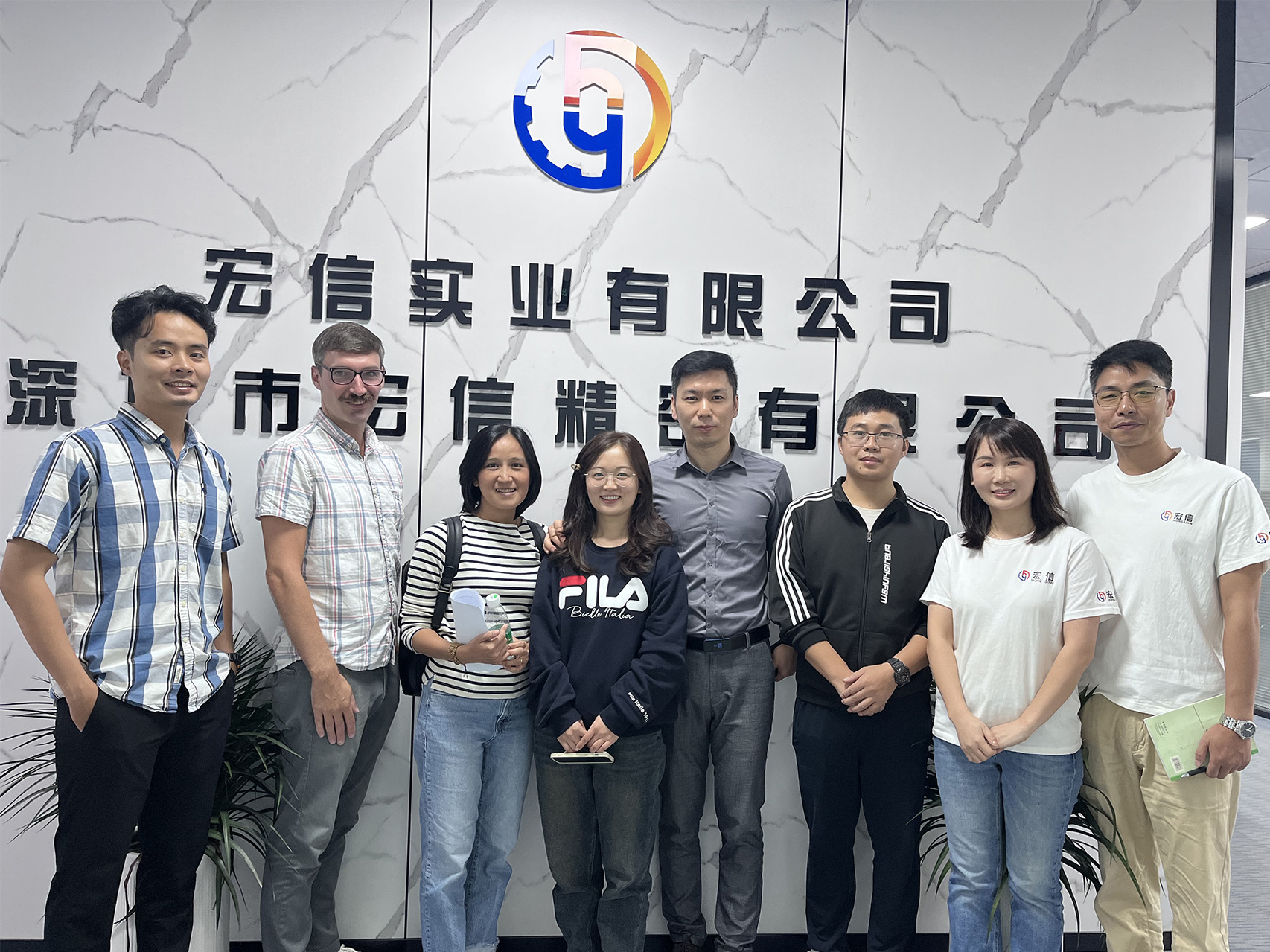

 Providing precision engineering machining services including CNC turning and milling services, CNC lathe components. cnc turning service
 Precision CNC parts for motorcycles and automotive machinery.
 CNC Machining Services in China for High Precision Parts
 Specializing in precision CNC machining for plastic components and tool steel.