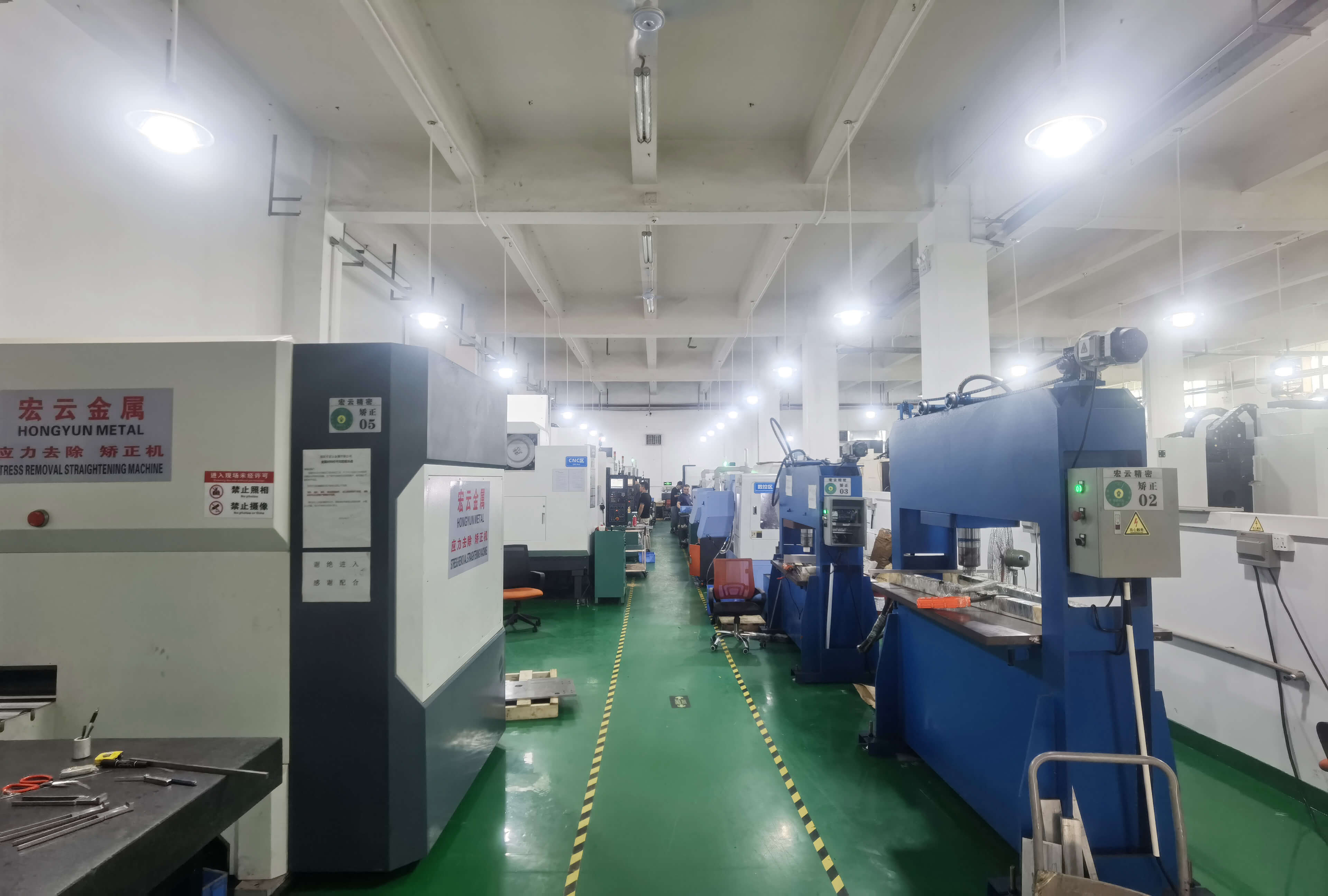
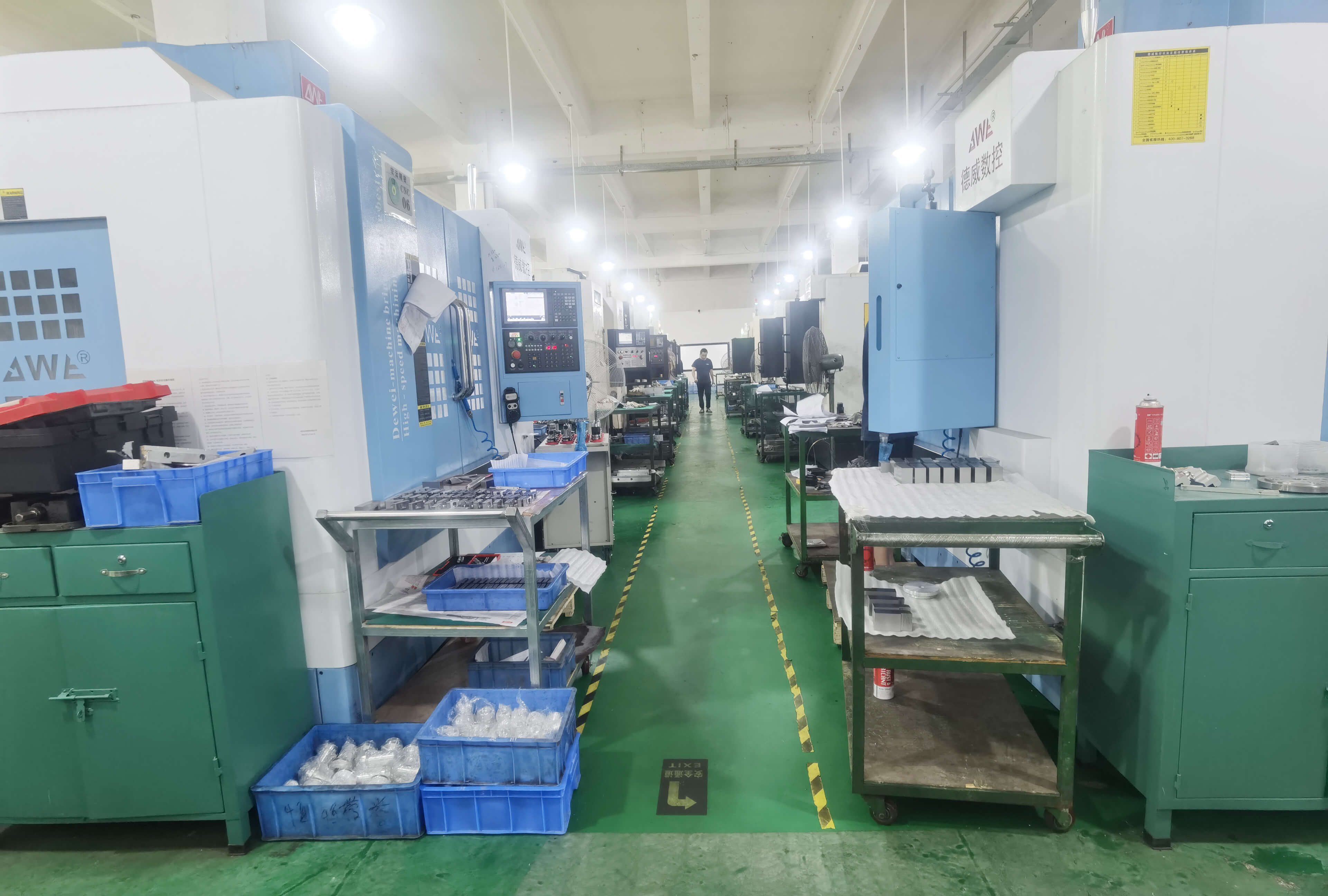
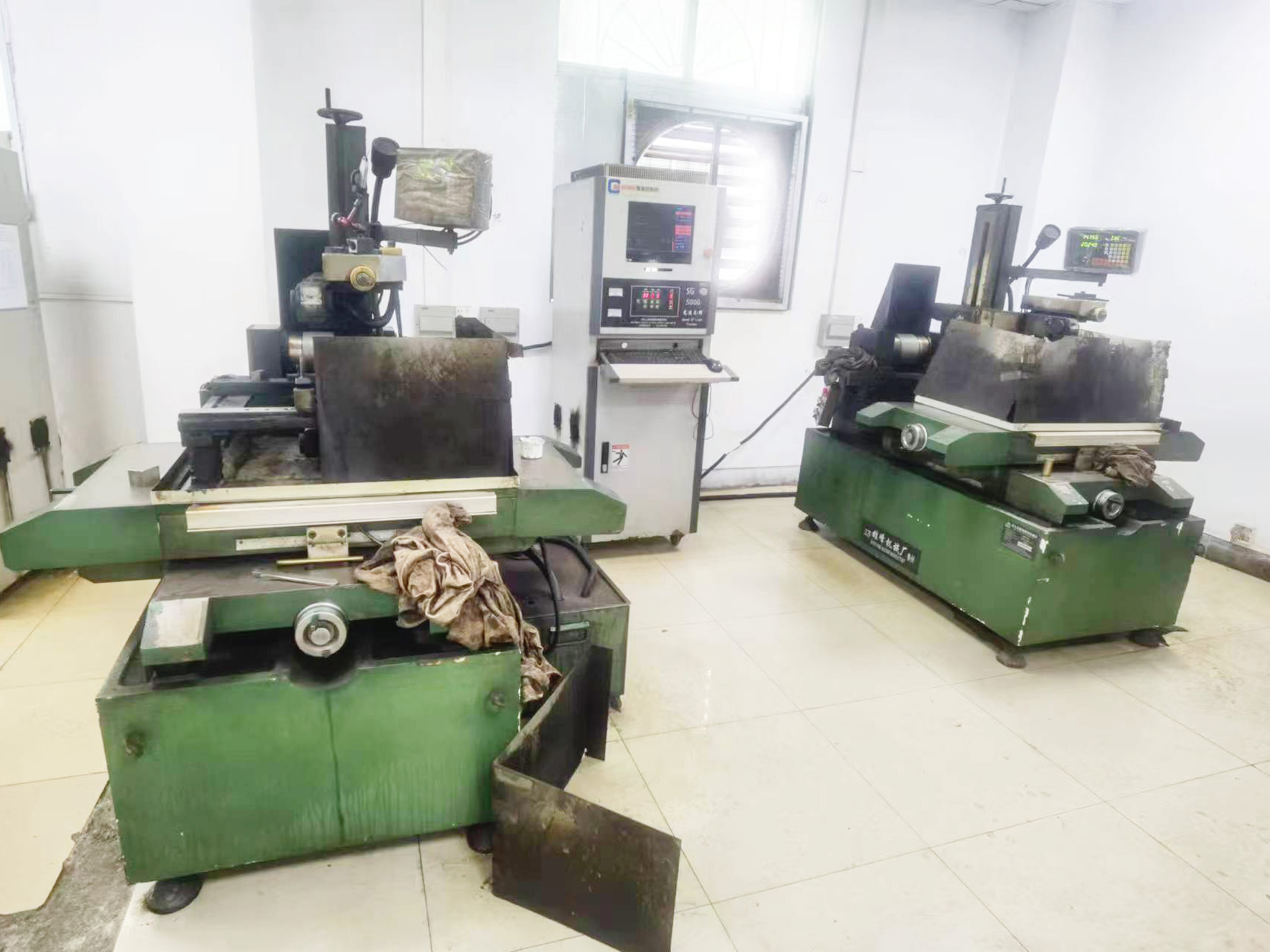
Specializing in electronic discharge machining (EDM) for large component precision machining services.
Specializing in electronic discharge machining (EDM) for large component precision machining services.
Electrical discharge machining (EDM), also known as spark machining, is a non-traditional manufacturing process that utilizes electrical discharges (sparks) to remove material from a workpiece. This method is very effective for machining hard metals and complex geometries, making it ideal for machining large components in industries such as aerospace, automotive, and tool and die manufacturing.
Features | CNC Milling Parts | CNC Turning Parts |
Maximum Part Size | 236"x 118"x 24" (6,000 x 3,000 x 610 mm) | 62"Length x 32"Diameter (1,575 mm Length x 813 mm Diameter) |
Minimum Feature Size | 0.020″ (0.50 mm) | 0.020″ (0.50 mm) |
Estimated Delivery Time | 3-7 working days | 3-7 working days |
Standard Tolerance | ISO 2768 MK | ISO 2768 MK |
Precision Tolerance | ±0.0002"(±0.005mm) | ±0.0002"(±0.005mm) |
Threads and Threaded Hole | Standard threads and holes available, also customizable. | Standard threads and holes available, also customizable. |
Edge Conditions | Deburring by default. | Deburring by default. |
Surface Smooth | Ra 0.4 - 1.6μm | Ra 0.4 - 1.6μm |
1. Working Principle Electrospark machining is a method of machining metal materials using electrical corrosion generated by spark discharge. When the power plug has poor contact or the circuit fuse box is closed, the spark discharge generated at the contact will form pits and irregular gaps on the surface of the metal material. This phenomenon is called electrical corrosion or simply corrosion. The basic principle of electrospark machining is one of the most widely used special machining methods, involving the combined effects of electric heat and medium fluid power. In this process, the workpiece and the tool electrode are connected to the two ends of the pulse power supply respectively, and the discharge gap between the electrodes is adjusted by the servo system. When the pulse voltage is applied to the two poles, the dielectric breaks down, generating ionized electrons and positive ions, which move to the opposite electrode under the action of the electric field to form a local spark discharge. This discharge process forms tiny pits on the surface of the workpiece. As the tool electrode is fed, countless small electro-erosion pits overlap on the surface of the workpiece, thereby accurately replicating the contour shape of the tool electrode and realizing forming processing. If the tool electrode continues to feed to the perforation, the perforation processing is performed.