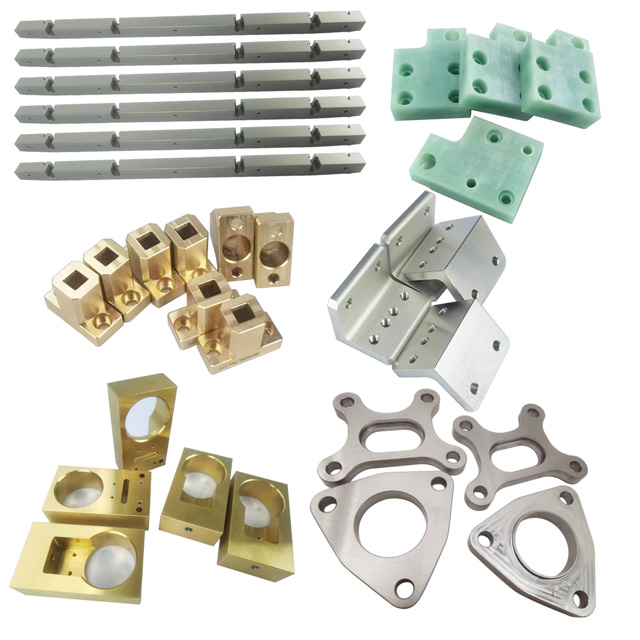
Specialized workshop offering machining services for G10 and PEEK materials.
Hongsinn-524
Unlock Precision: G10 and PEEK Material Machining Excellence at Your Service!
Delivery
FOB
minimum order
1 piece
Supply Ability
5000piece / Week
Country of Origin
Shenzhen
Stock Time
7~15Day
Quantity:
US $0.59 - US $10.68 / piece
Specialized workshop offering machining services for G10 and PEEK materials.
Modern manufacturing requires specialized knowledge of materials and processes. This guide explores three critical aspects of advanced machining: setting up an efficient machining workshop, techniques for G10 material machining, and best practices for PEEK machining - helping manufacturers optimize their operations for these demanding applications.

Polyetheretherketone (PEEK)
Polyetheretherketone (PEEK) is a colorless, organic thermoplastic polymer widely used in engineering applications. It is a semi-crystalline thermoplastic with excellent mechanical properties, chemical resistance, and stability in high-temperature environments. PEEK also exhibits excellent resistance to hydrolysis by steam, water, and seawater.
CNC Machining of PEEK
PEEK is a high-performance thermoplastic with exceptional strength, heat resistance, and chemical resistance. This engineering plastic exhibits excellent mechanical properties and chemical stability over a wide temperature range, making it an ideal material for CNC machining. Due to its exceptional properties, PEEK provides reliable performance in a wide range of applications.
CNC Machining of PEEK Materials
CNC machining (CNC) can produce parts from metals and plastics with excellent mechanical properties, precision, and repeatability. For PEEK, both 3-axis and 5-axis CNC milling are available. This machining method ensures the efficient production of complex parts while maintaining tight dimensional tolerances and surface quality, making it suitable for a variety of engineering applications.
Processing | CNC Turning, CNC Milling, Laser Cutting, Bending, Spinning, Wire Cutting, Stamping, Electric Discharge Machining (EDM), Injection Molding | |||
Materials | Aluminum: 2000 series, 6000 series, 7075, 5052, etc. | |||
Stainless steel: SUS303, SUS304, SS316, SS316L, 17-4PH, etc. | ||||
Steel: 1214L/1215/1045/4140/SCM440/40CrMo, etc. | ||||
Brass: 260, C360, H59, H60, H62, H63, H65, H68, H70, Bronze, Copper | ||||
Titanium: Grade F1-F5 | ||||
Plastic: Acetal/POM/PA/Nylon/PC/PMMA/PVC/PU/Acrylic/ABS/PTFE/PEEK etc. | ||||
Surface Treatment | Anodized, Bead Blasted, Silk Screen, PVD Plating, Zinc/Nickel/Chrome/Titanium Plating, Brushing, Painting, Powder Coated, Passivation, Electrophoresis, Electro Polishing, Knurl, Laser/Etch/Engrave etc. | |||
Tolerance | ±0.002 ~ ±0.005mm | |||
Surface Roughness | Min Ra 0.1~3.2 | |||
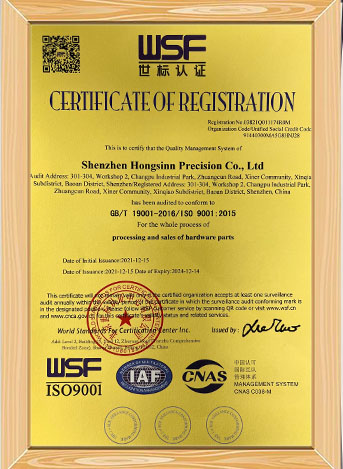
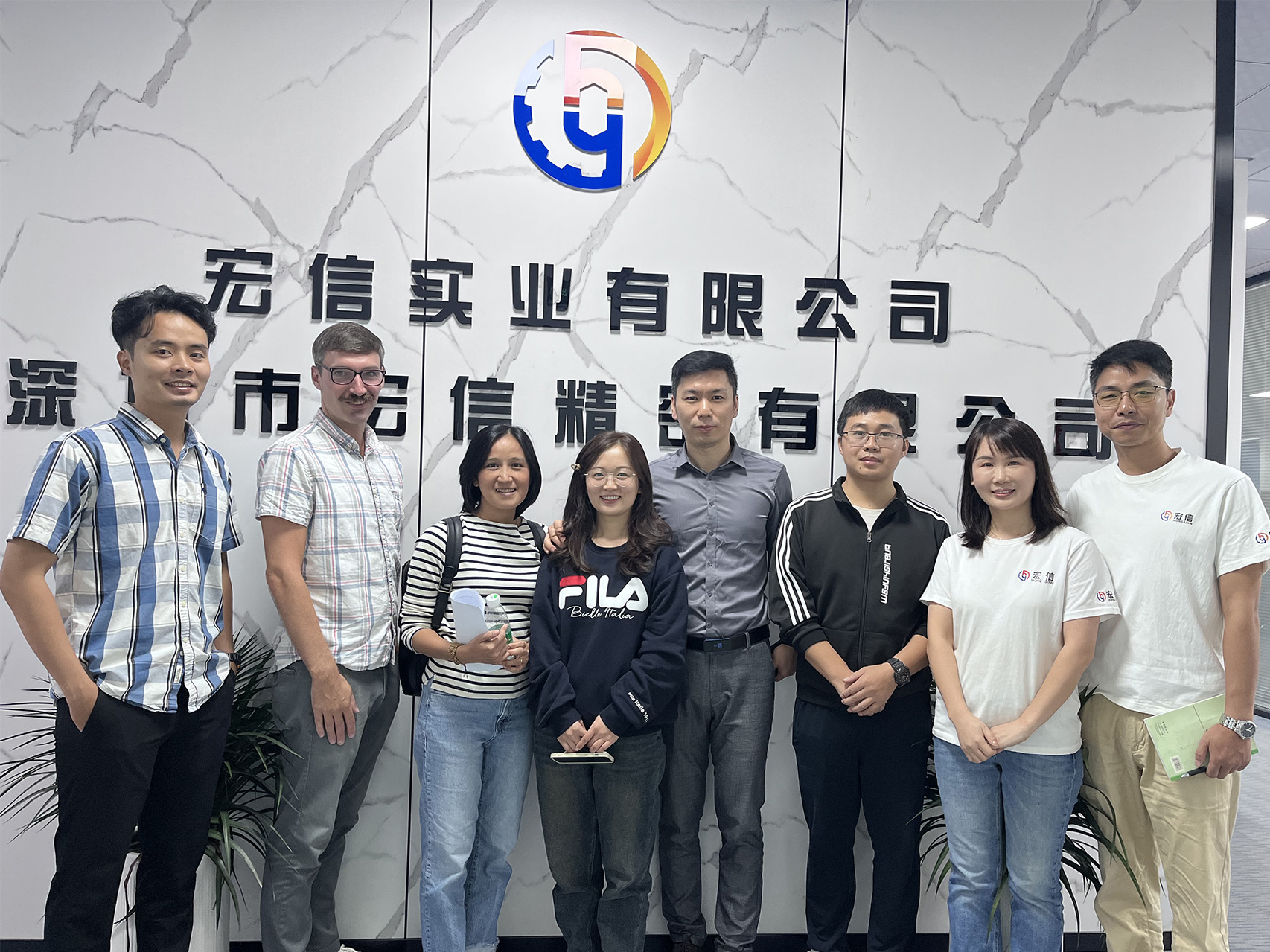
1.Direct OEM/0DM manufacturer, advanced produce technical,the highest tolerance we can reach to ±0.005mm;
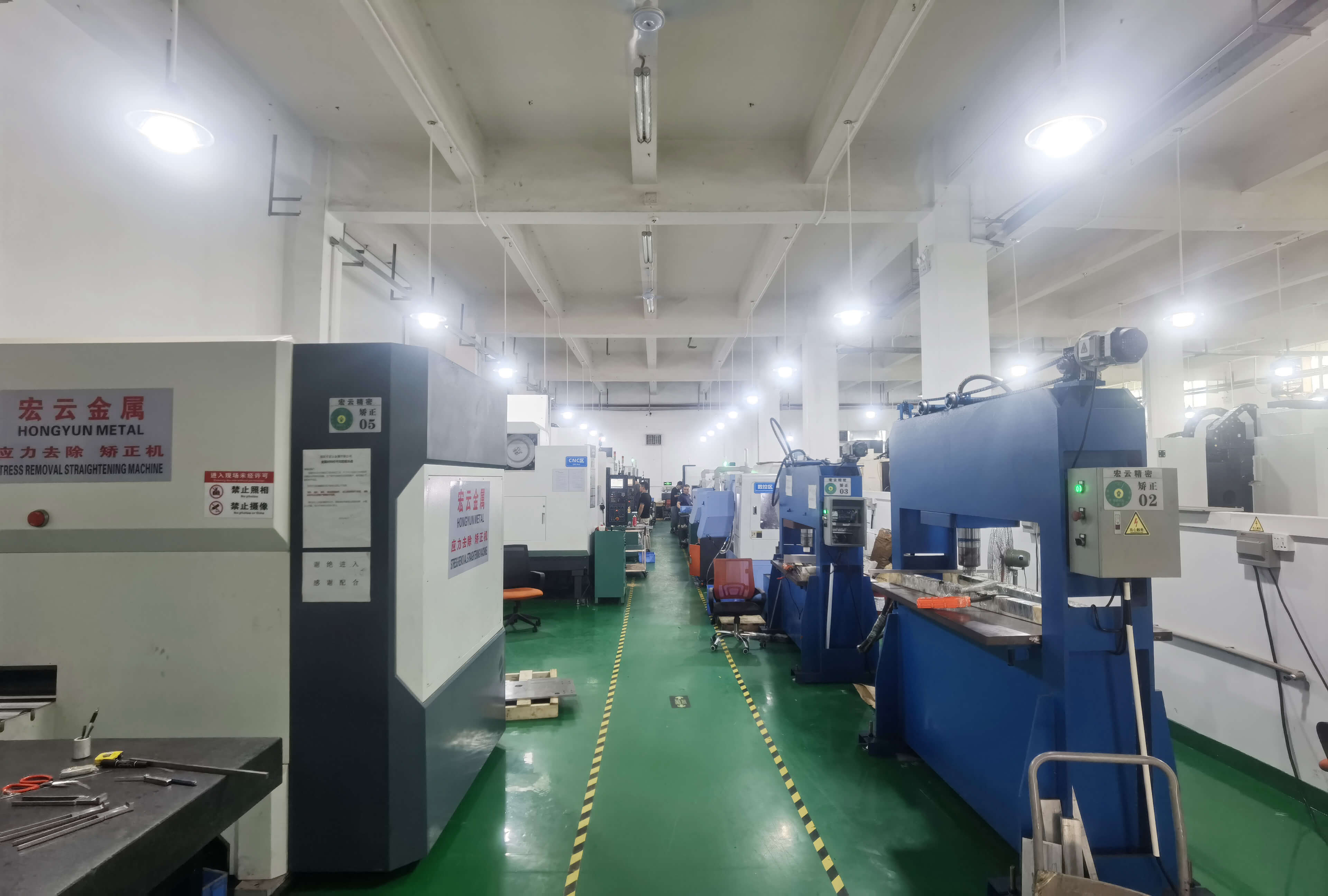
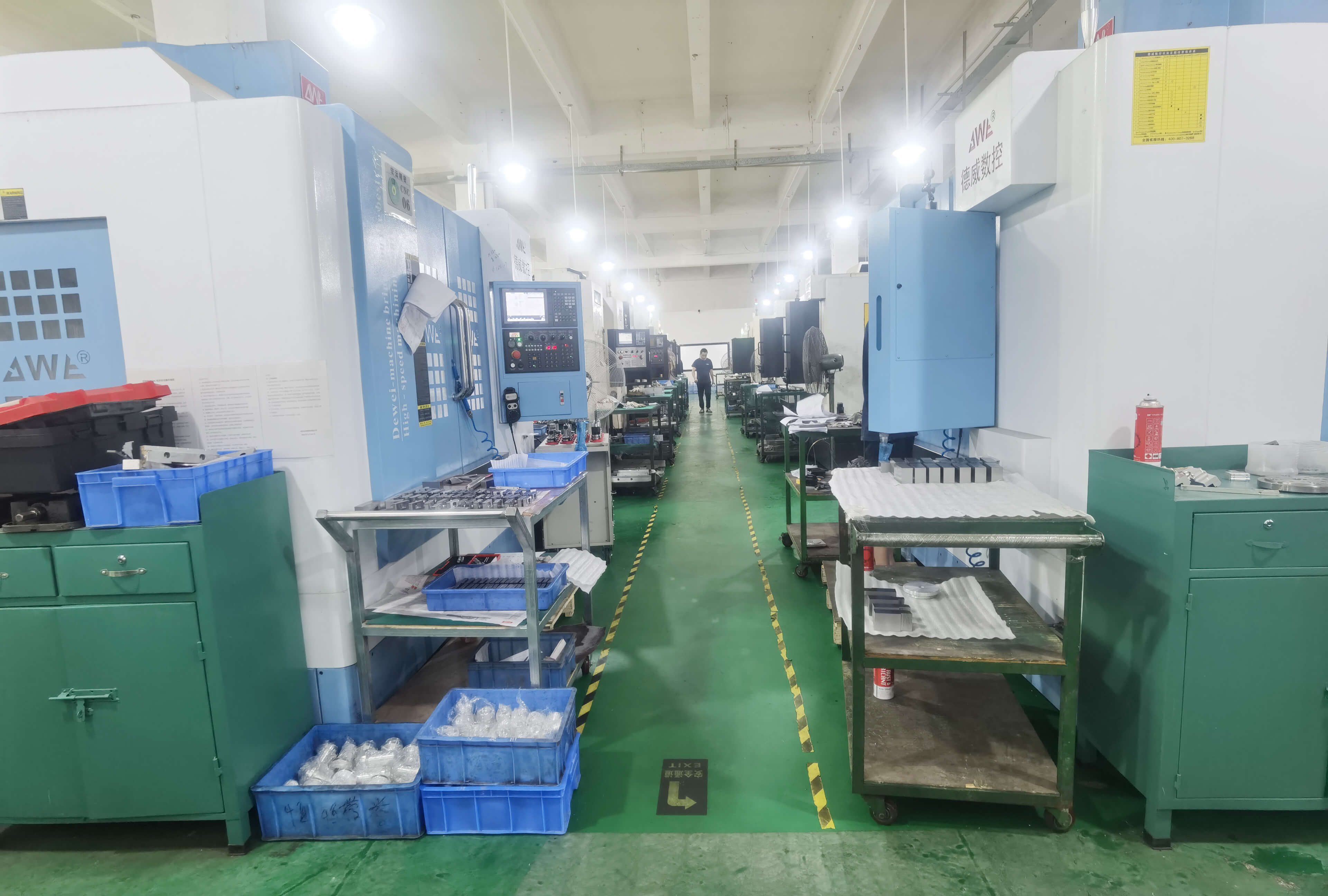
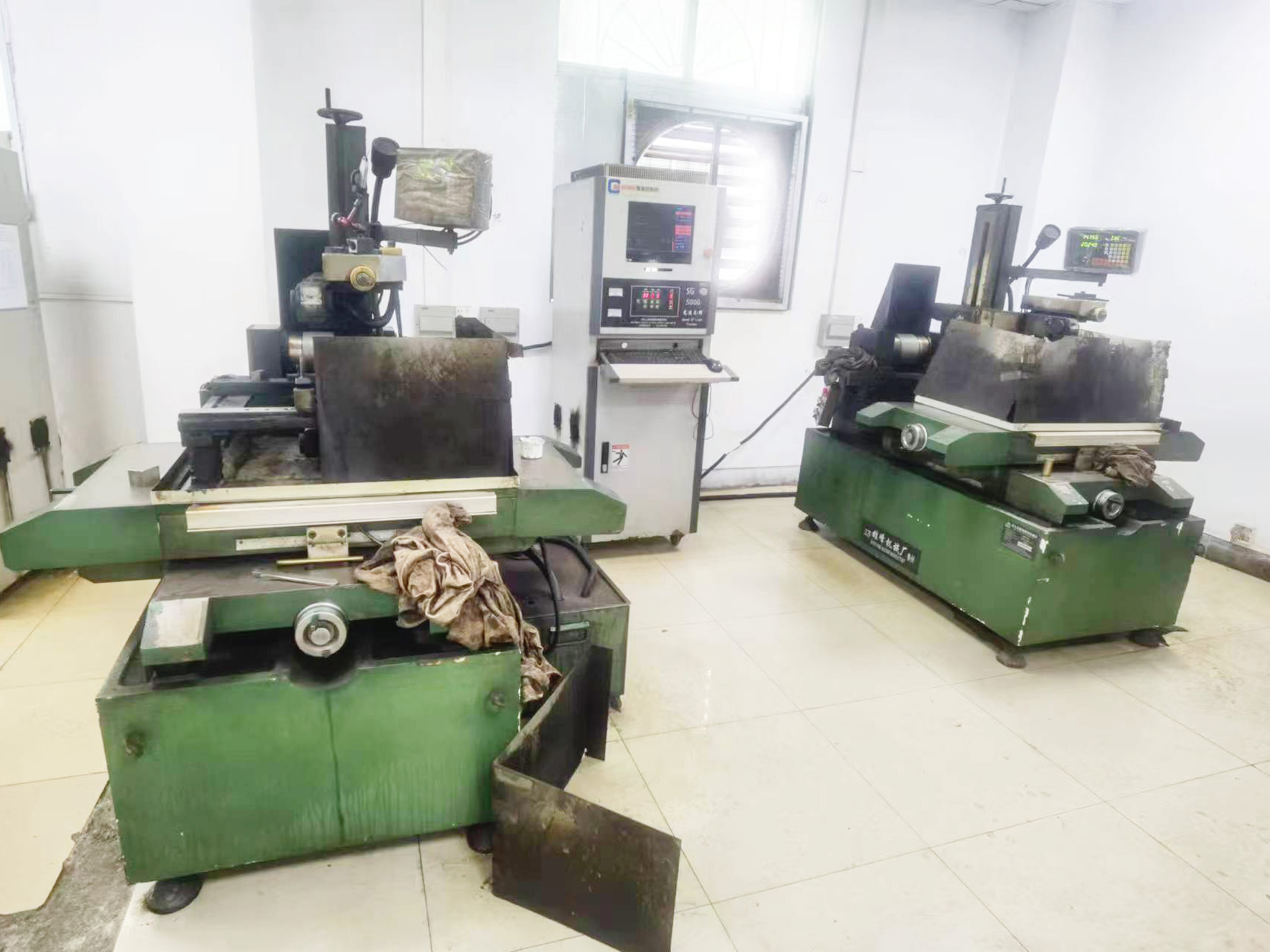
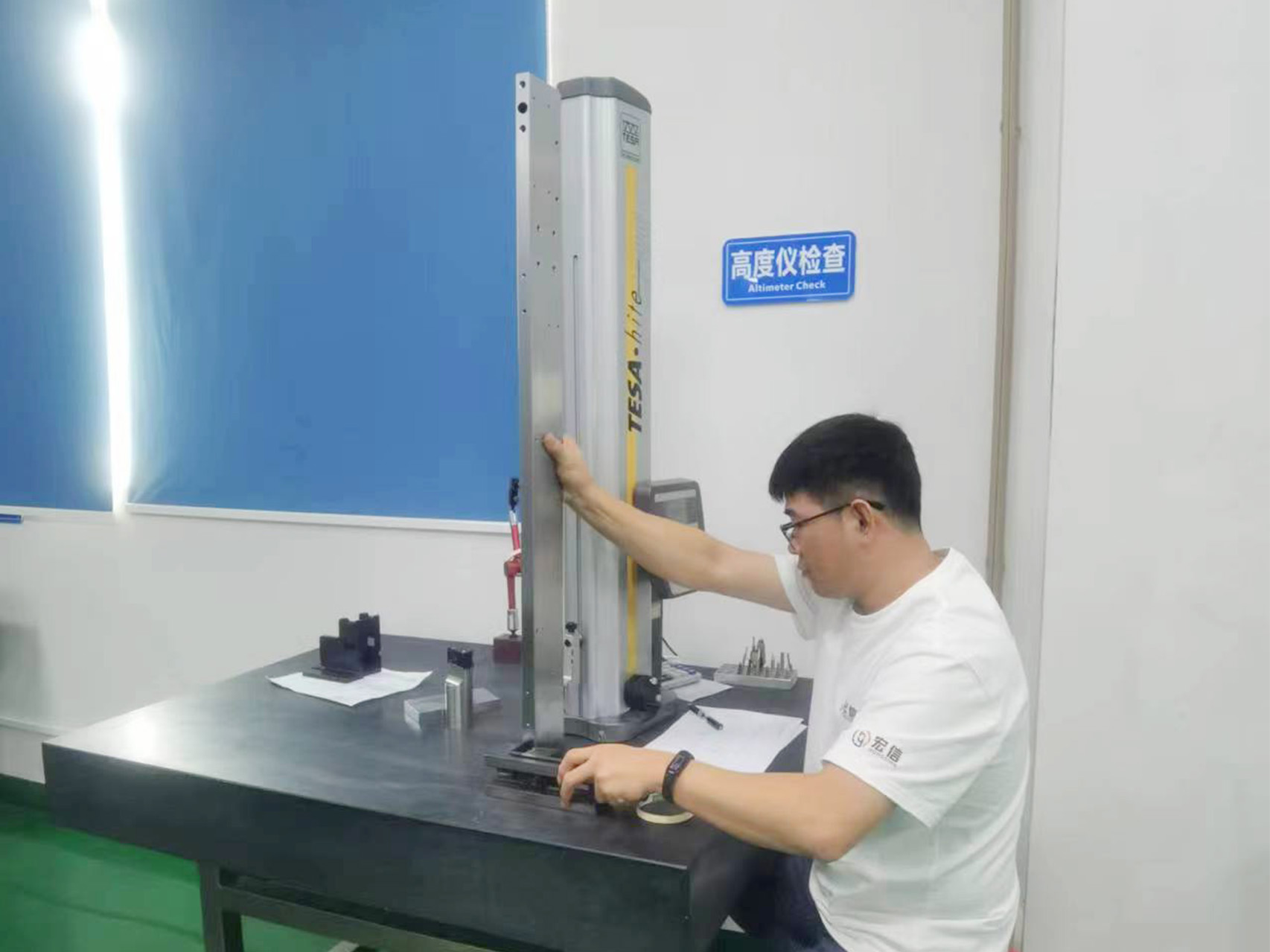
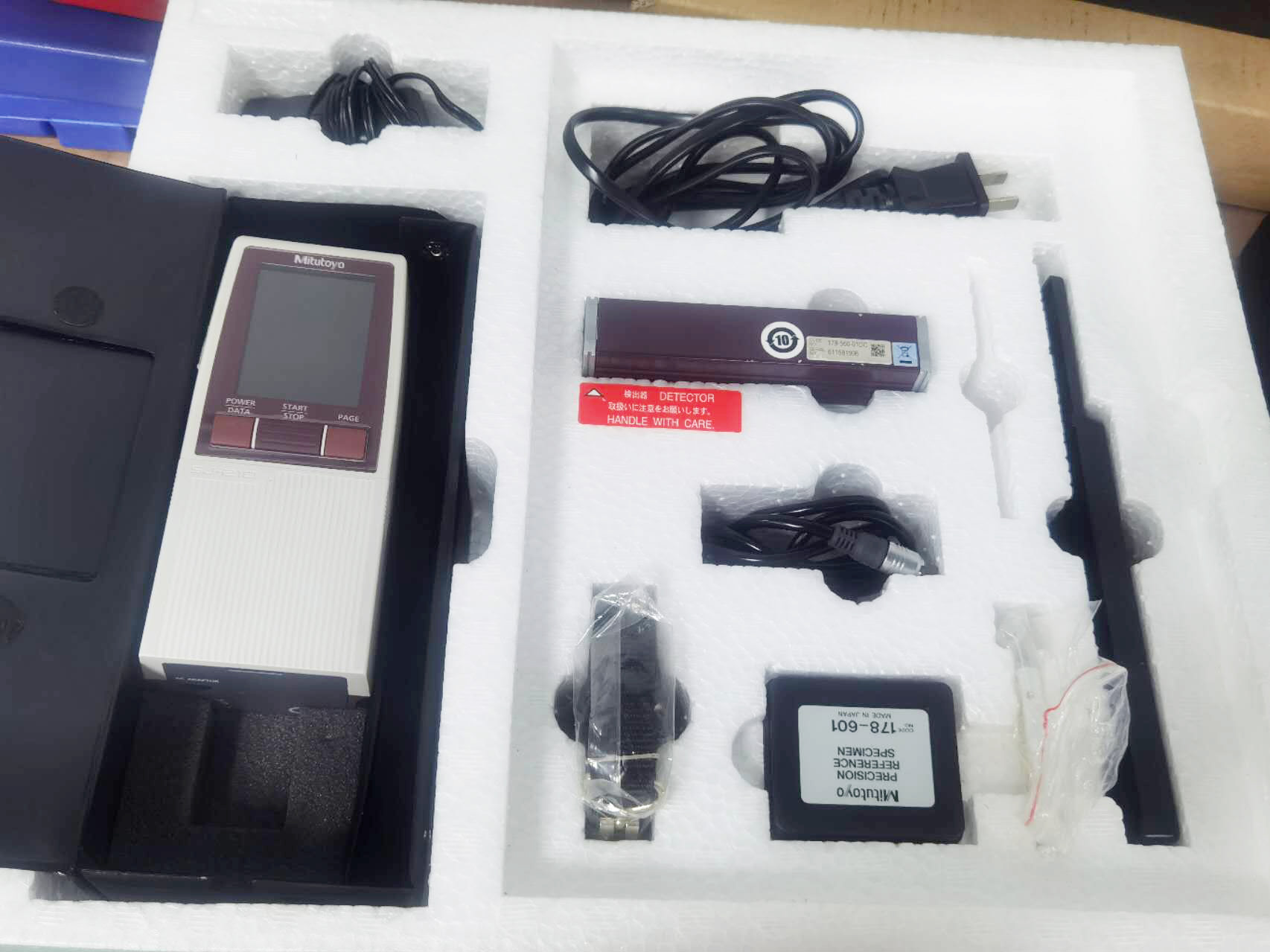
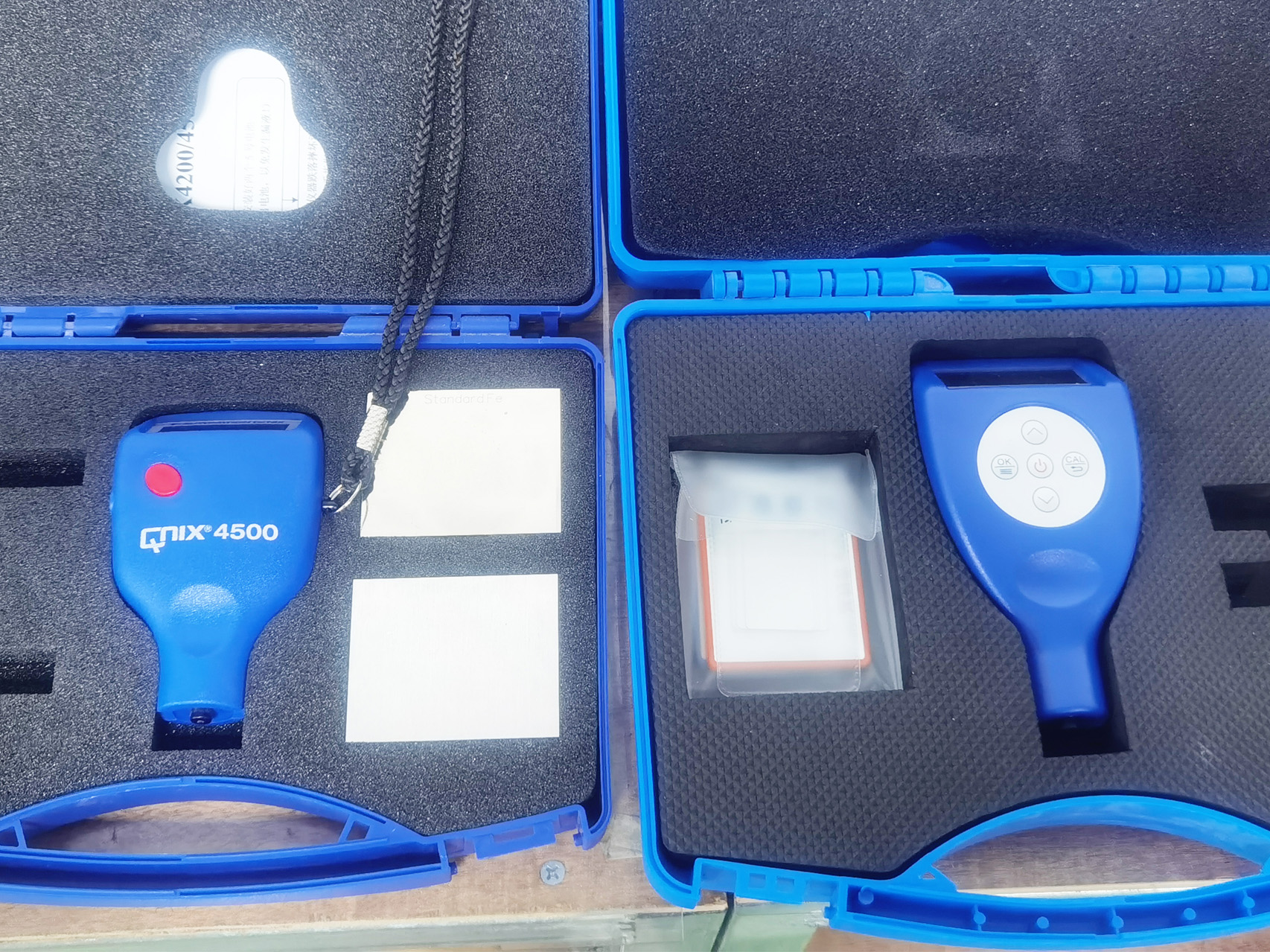
2.Complete produce equipment and test equipment. Independent Engineer team, to check drawings, provide quotation, write machining process, guide production.
3.Independent PMC department, to make production plan and manage delivery time.
4.Quick proofing, short delivery time, usually is 3-15 days
4.Quick proofing, short delivery time, usually is 3-15 days
5 .The company has gathered a rich group of technologicallyadvanced modern talents, which has laid a stable foundationfor the long-term development of the company.
6.Complex and difficult surface and functional structureof the hand plate model, We can all mold quickly.xxx
G-10 Material
G-10 is a composite material composed of glass fiber and electrical-grade epoxy resin. This material is extremely strong and possesses excellent electrical properties. Due to its excellent strength and insulation properties, G-10 is widely used in the electrical and electronics industries to manufacture a variety of high-performance components.
G-10 CNC Machining
G-10 is a high-pressure fiberglass laminate that offers high strength, low moisture absorption, excellent electrical insulation, and chemical resistance. These properties make G-10 highly suitable for CNC machining, enabling it to be used in the manufacture of a variety of high-performance components. Through precise CNC machining, G-10 can meet stringent dimensional requirements and complex design demands, making it widely used in the electrical and electronics industries.
CNC Machining G-10 Material
CNC machining (CNC) can produce parts from metals and plastics with excellent mechanical properties, precision, and repeatability. For G-10 material, both 3-axis and 5-axis CNC milling are available. This machining method ensures that G-10, with its high strength, low moisture absorption, and excellent electrical insulation properties, can be precisely machined into a variety of complex components for a wide range of applications in the electrical and electronics industries.
Conclusion: Mastering Specialty Machining
A well-equipped machining workshop with expertise in both G10 material machining and PEEK machining can serve diverse industries from aerospace to medical devices. By understanding each material's unique requirements and implementing proper workshop practices, manufacturers can achieve consistent, high-quality results for these advanced engineering materials.