


Specializing in aluminum profile machining, anodized aluminum machining, and mechanical precision machining.
Hongsinn-673
Aluminum Alchemy: Mastering the Art of Machining Aluminum Profiles, Anodized Aluminum, and Mechanical Precision. Elevate Your Projects with Unmatched Expertise and Quality. Your Precision Machining Partner for Excellence!
Delivery
FOB
minimum order
1 piece
Supply Ability
5000piece / Week
Country of Origin
Shenzhen
Stock Time
7~15Day
Quantity:
US $0.59 - US $10.68 / piece
Specializing in aluminum profile machining, anodized aluminum machining, and mechanical precision machining.
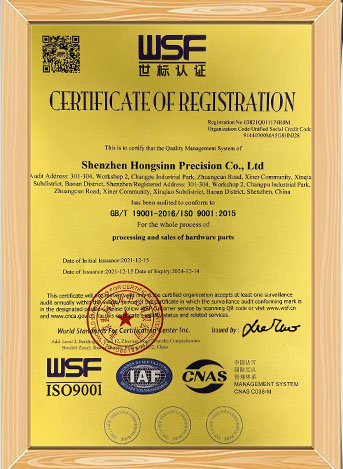
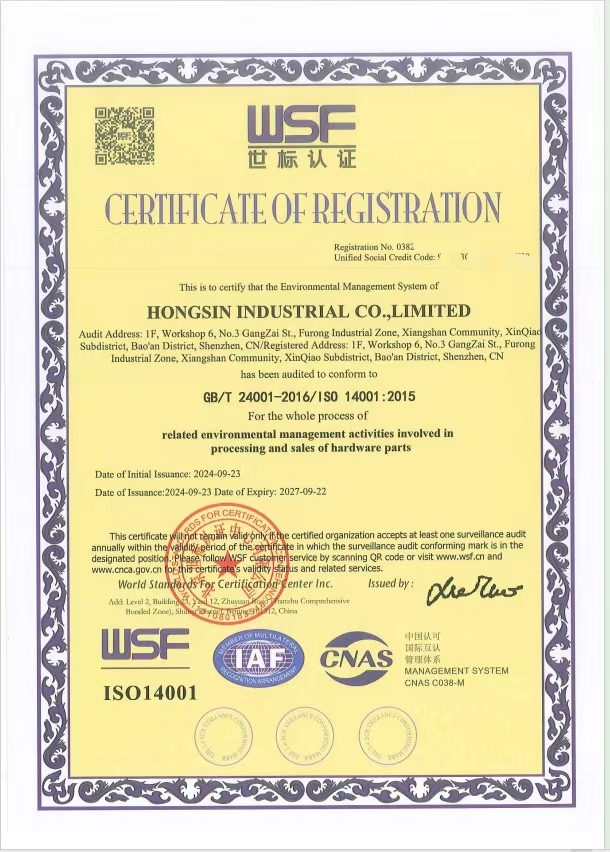
At Shenzhen Hongsinn Precision Co., Ltd. we specialize in high-precision aluminum profile machining, professional machining anodized aluminum, and advanced mechanical precision machining services. Our AS9100-certified facility delivers superior components for aerospace, automotive, and industrial applications.

What is anodizing?
Anodizing is an important step in the production of aluminum CNC machined parts. It is an electrochemical process that enhances the strength and appearance of the component by forming an oxide film on the metal surface. Although aluminum is the main material for anodizing, other metals such as magnesium and titanium can also be anodized.
Anodizing enables parts to resist corrosion and the wear of long-term use while maintaining their appearance in a variety of environmental conditions. To achieve this, many manufacturers send parts to third-party companies that specialize in anodizing services, similar to what is done when heat treating, tempering or electroplating is required.
The most common types of anodizing include Type I (chromic acid anodizing), Type II (sulfuric acid anodizing), and Type III (hard coating). Each type is suitable for different materials and has its own unique manufacturing parameters. Although each type has its own advantages and disadvantages, their working principles are relatively similar.
Processing | CNC Turning, CNC Milling, Laser Cutting, Bending, Spinning, Wire Cutting, Stamping, Electric Discharge Machining (EDM), Injection Molding | |||
Materials | Aluminum: 2000 series, 6000 series, 7075, 5052, etc. | |||
Stainless steel: SUS303, SUS304, SS316, SS316L, 17-4PH, etc. | ||||
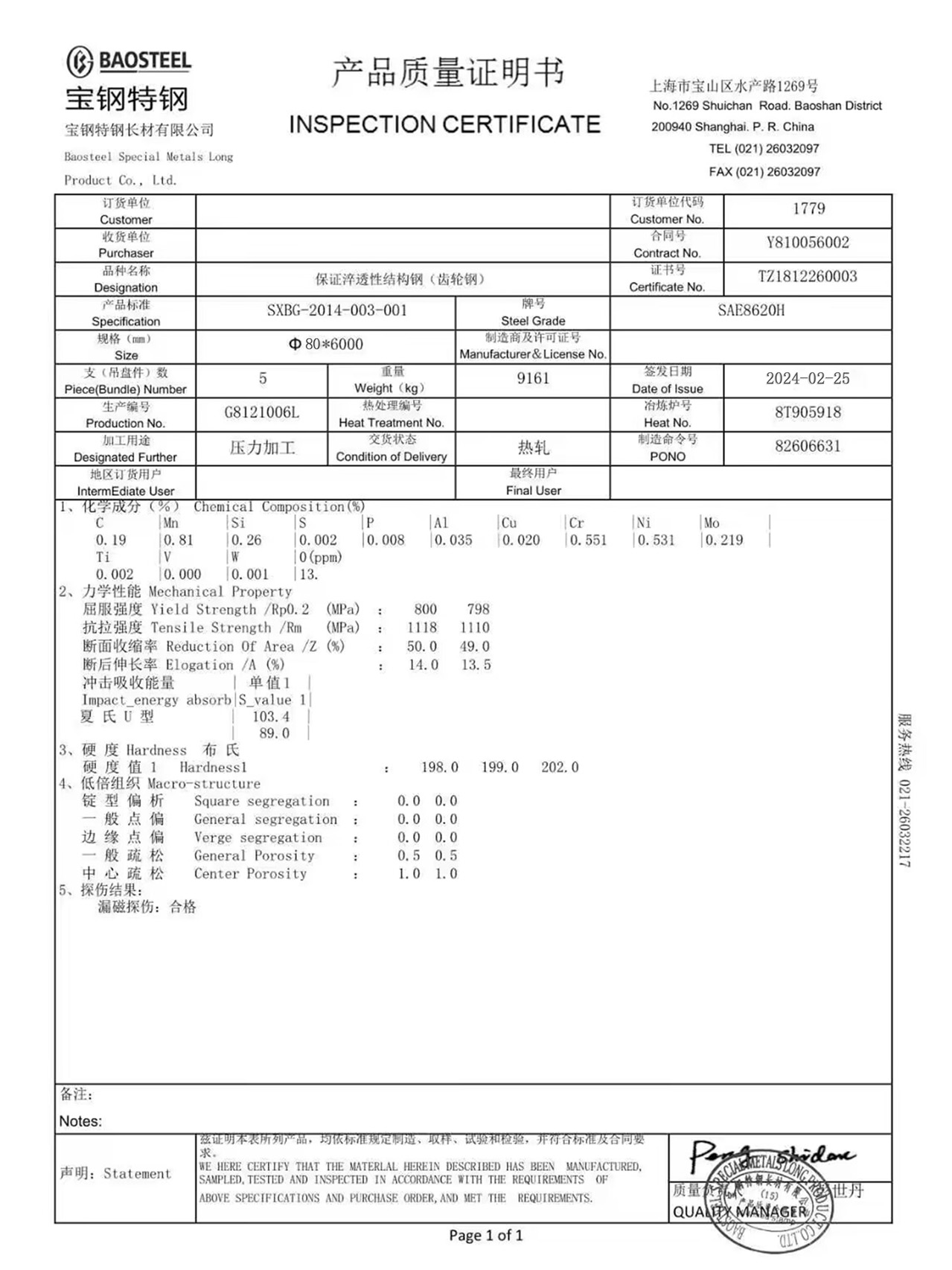
Steel: 1214L/1215/1045/4140/SCM440/40CrMo, etc. | ||||
Brass: 260, C360, H59, H60, H62, H63, H65, H68, H70, Bronze, Copper | ||||
Titanium: Grade F1-F5 | ||||
Plastic: Acetal/POM/PA/Nylon/PC/PMMA/PVC/PU/Acrylic/ABS/PTFE/PEEK etc. | ||||
Surface Treatment | Anodized, Bead Blasted, Silk Screen, PVD Plating, Zinc/Nickel/Chrome/Titanium Plating, Brushing, Painting, Powder Coated, Passivation, Electrophoresis, Electro Polishing, Knurl, Laser/Etch/Engrave etc. | |||
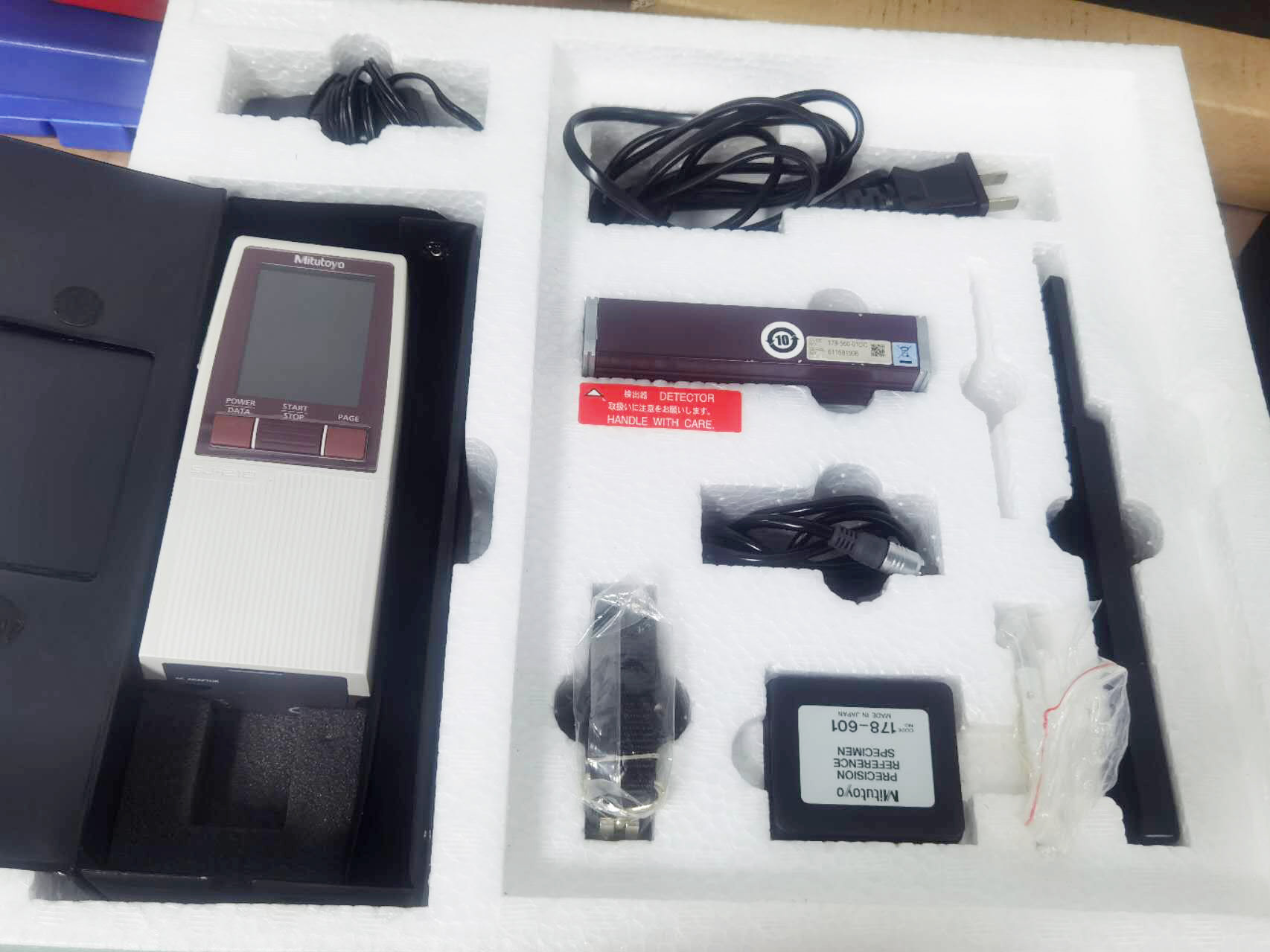
Tolerance | ±0.002 ~ ±0.005mm | |||
Surface Roughness | Min Ra 0.1~3.2 | |||
1.Direct OEM/0DM manufacturer, advanced produce technical,the highest tolerance we can reach to ±0.005mm;
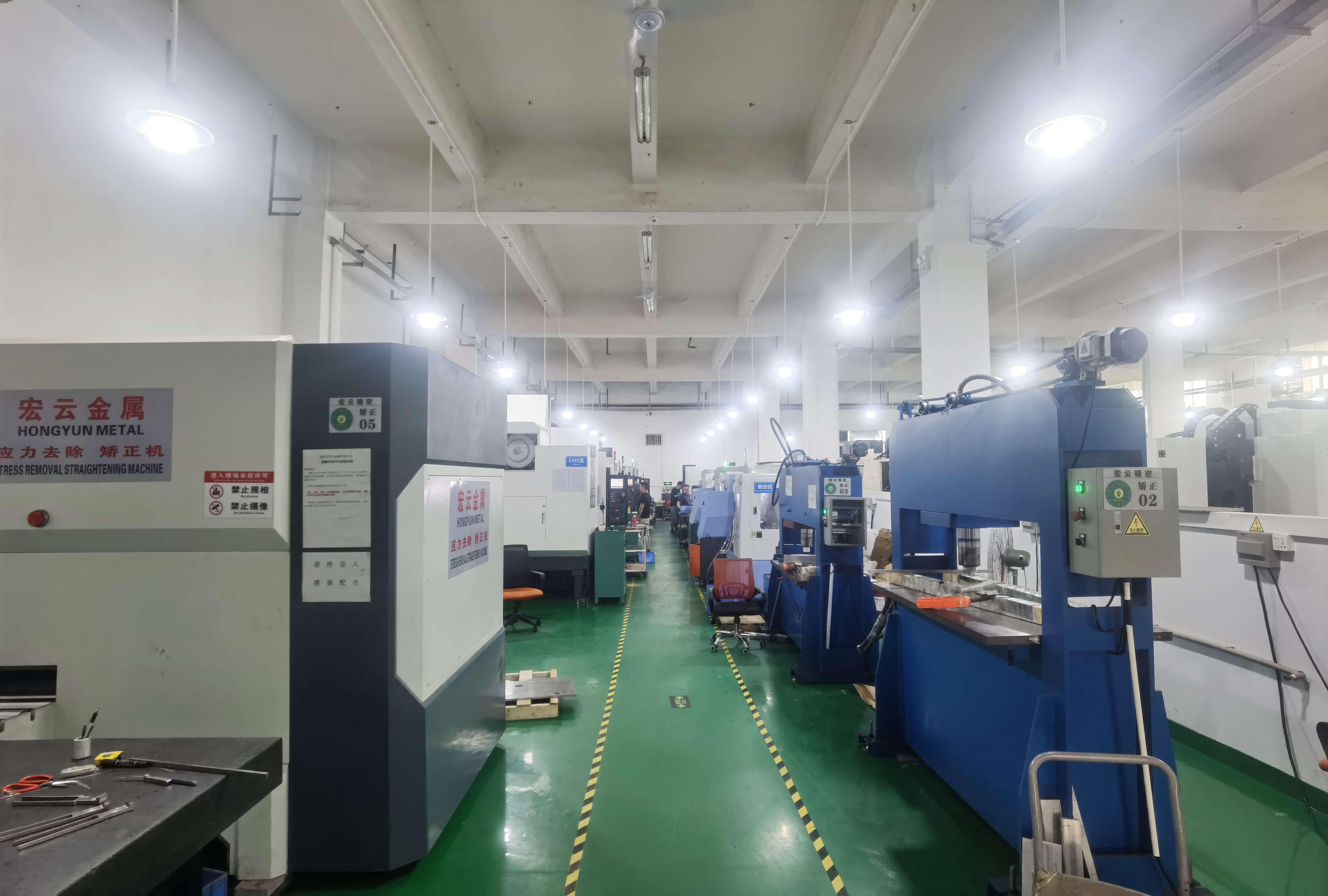
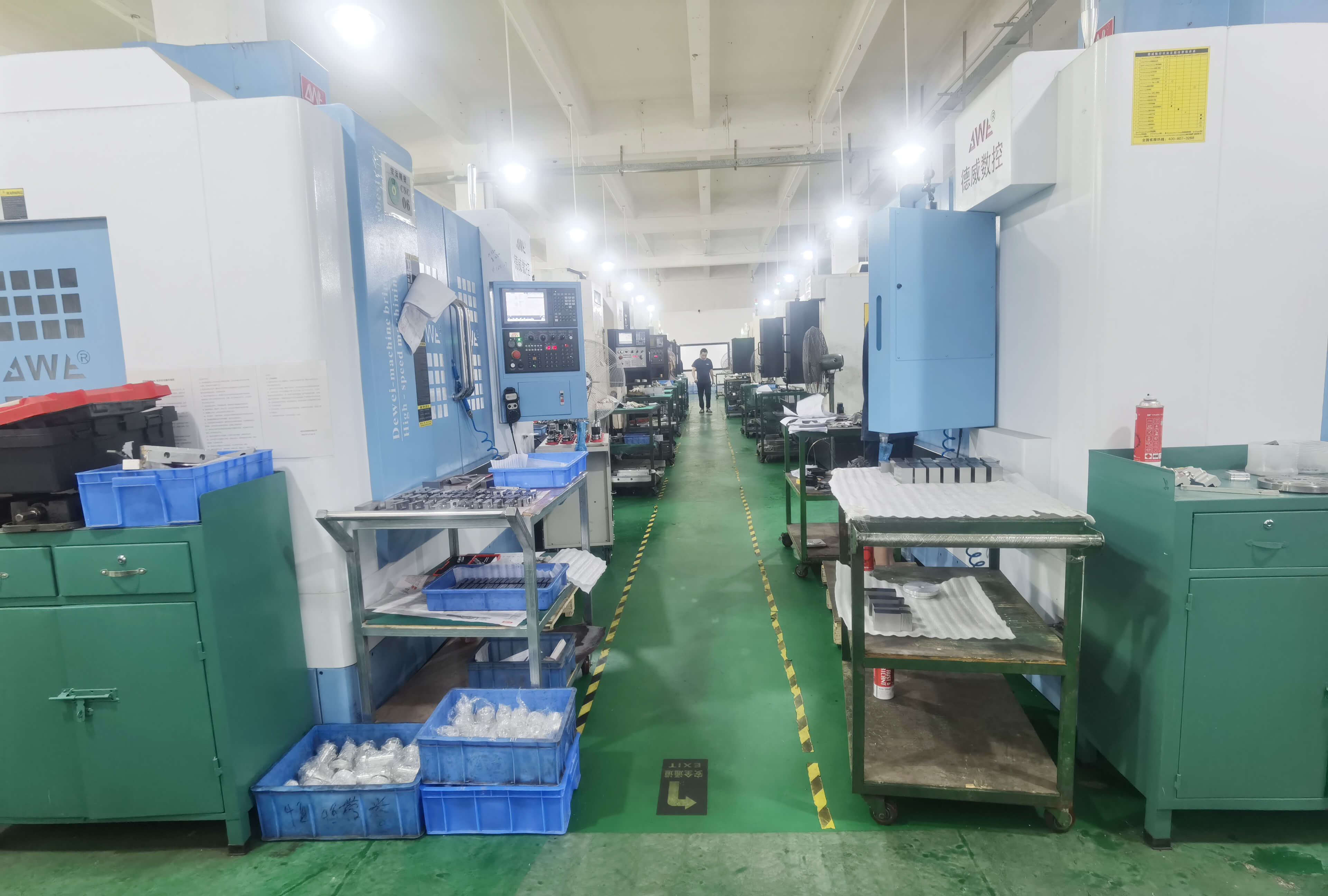
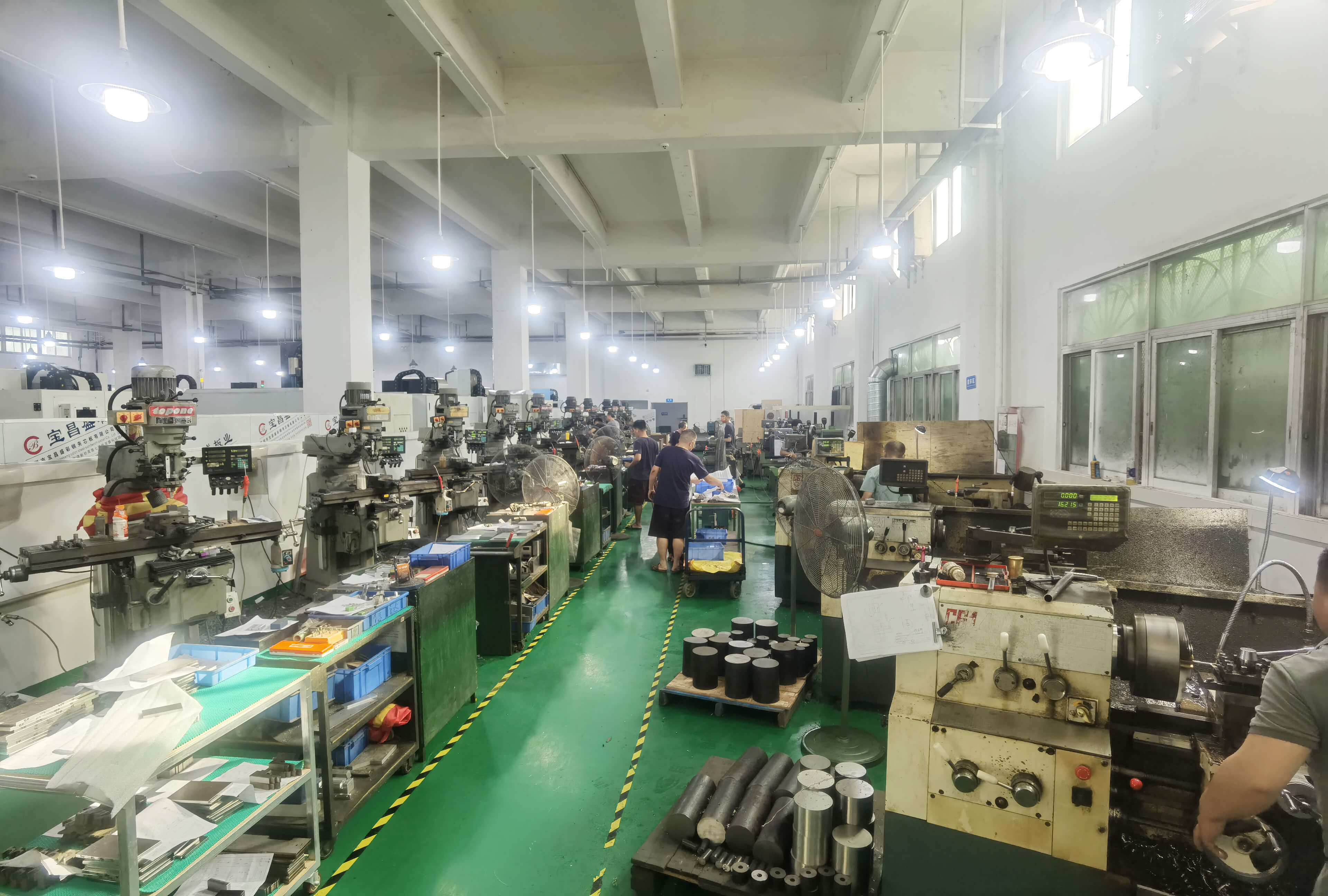
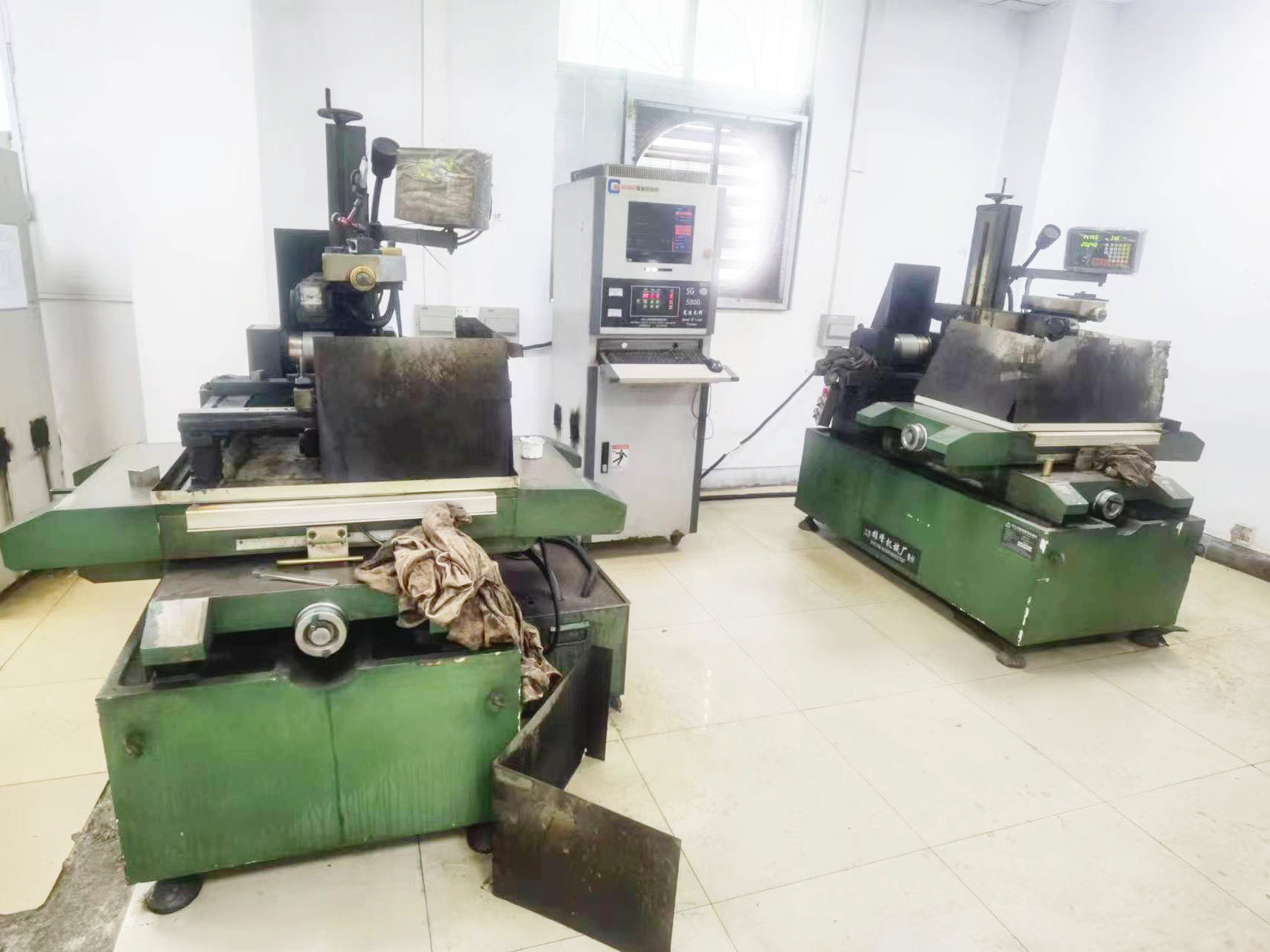
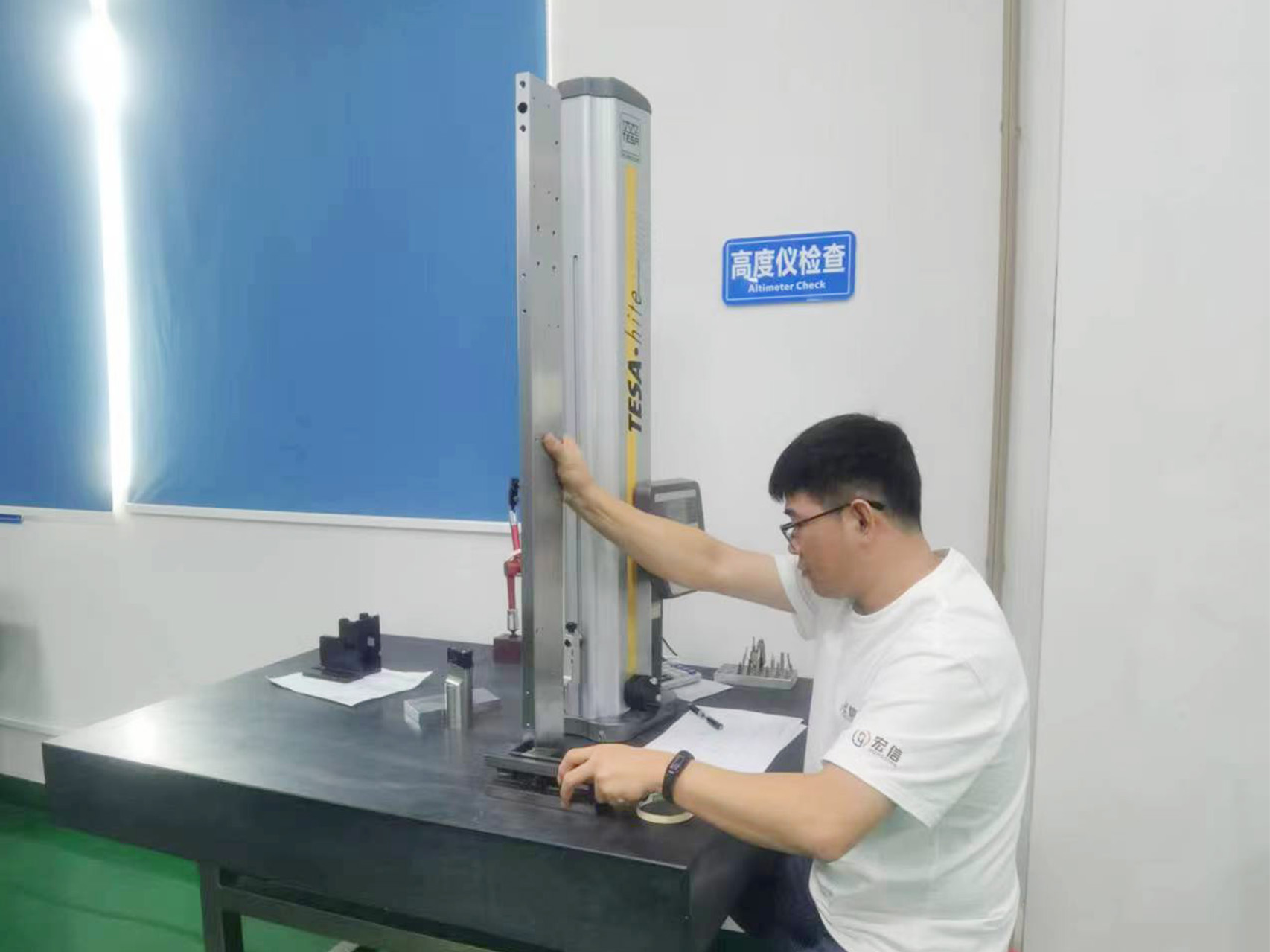
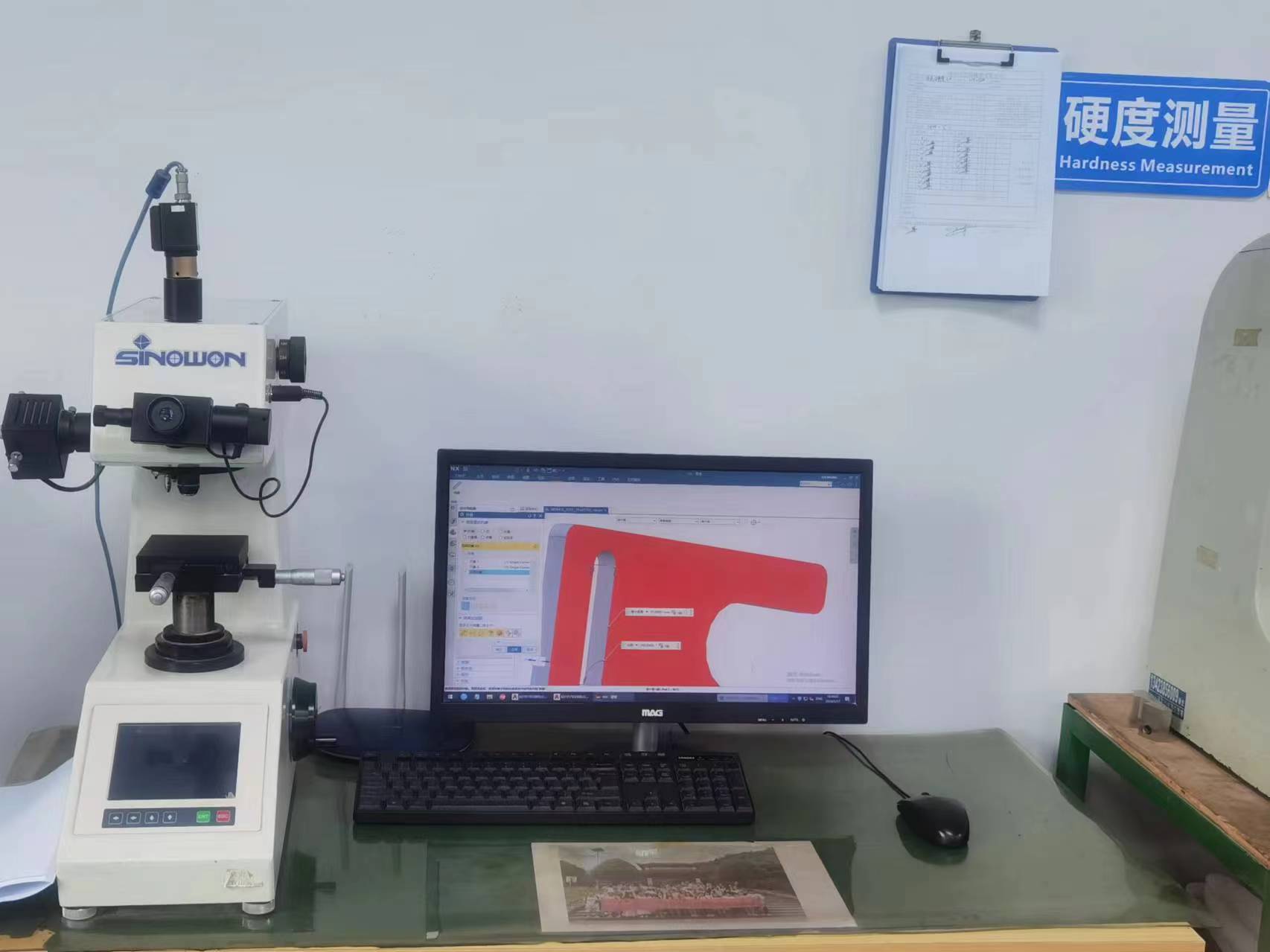
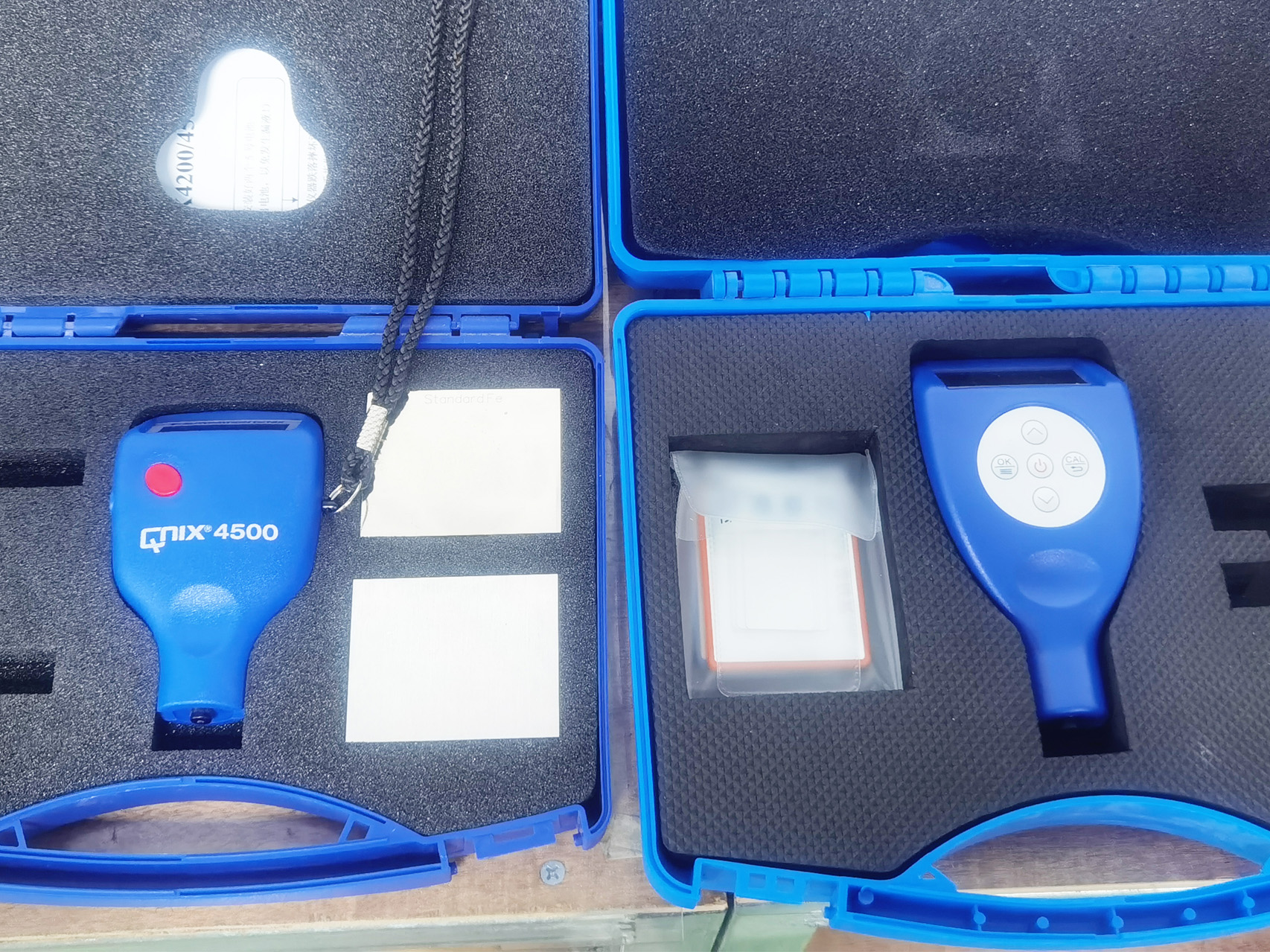
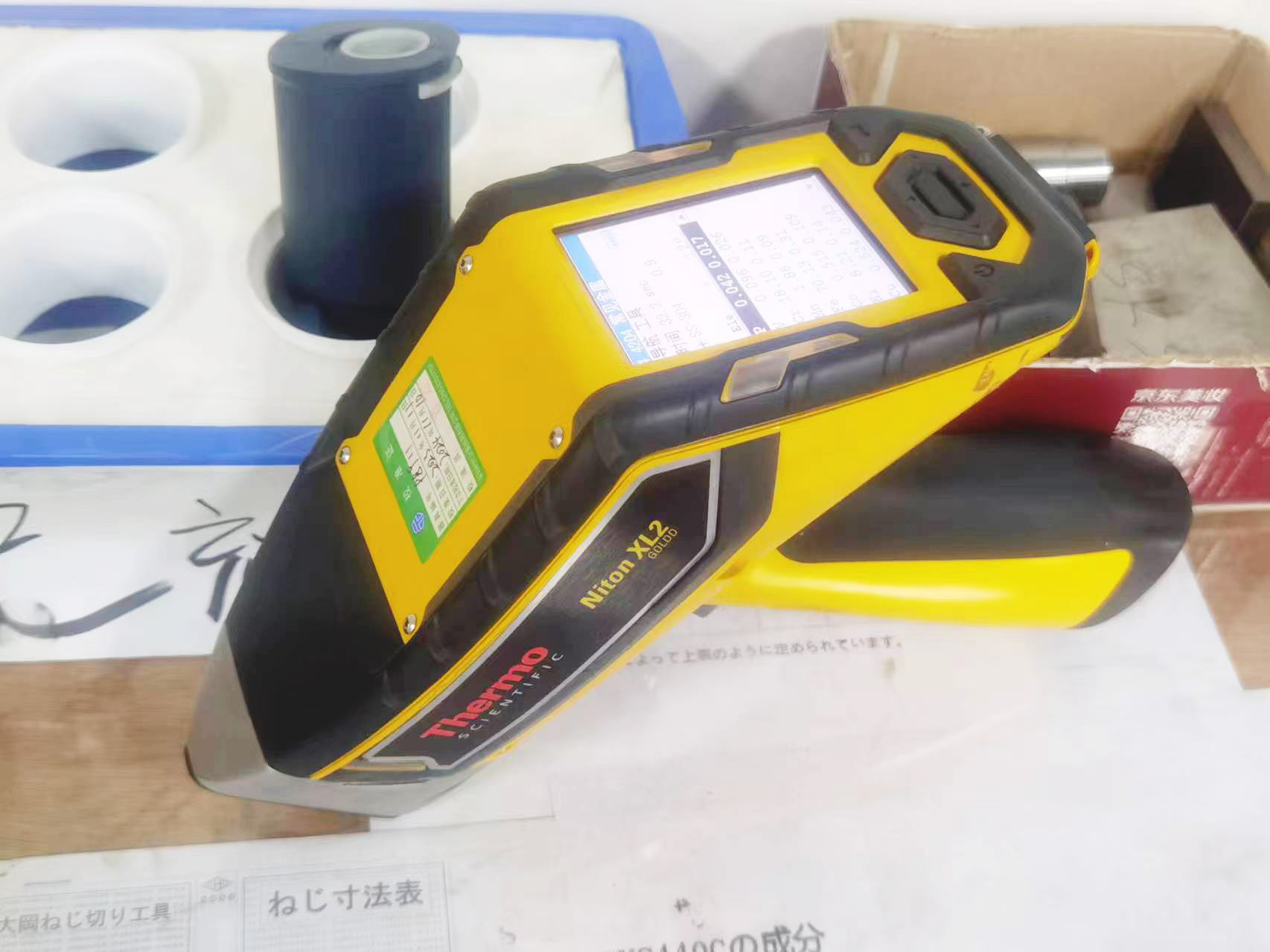
2.Complete produce equipment and test equipment. Independent Engineer team, to check drawings, provide quotation, write machining process, guide production.
3.Independent PMC department, to make production plan and manage delivery time.
4.Quick proofing, short delivery time, usually is 3-15 days
4.Quick proofing, short delivery time, usually is 3-15 days
5 .The company has gathered a rich group of technologicallyadvanced modern talents, which has laid a stable foundationfor the long-term development of the company.
6.Complex and difficult surface and functional structureof the hand plate model, We can all mold quickly.xxx
How does anodizing work?
The easiest way to understand how anodizing works is to start with its name. To anodize, you connect the part to the positive terminal of a circuit, also known as the anode. Next, the part is immersed in a bath containing an acidic electrolyte. This solution usually contains compounds such as sodium phosphate, which fills the bath with positive and negative ions.
Once the parts are immersed and secured on hangers to prevent movement, the negative side of the circuit (cathode) can be connected to the metal electrode in the bath. When voltage is passed through the circuit, the negative electrode attracts positive ions (cations) from the aluminum parts, and the aluminum parts attract negative ions (anions) from the solution.
When the positively charged aluminum ions leave the surface of the part, it becomes porous and reacts with the negatively charged oxygen ions to form a layer of aluminum oxide.
Let’s break the process down into a few simple steps:
• Turn the part into a positively charged anode
• Turn the metal plate into a negatively charged cathode
• Immerse both in an acid bath
• Apply voltage
• Subtract aluminum ions from the part, creating pores
• Attract oxygen ions to the surface of the part
• React to form a hard, corrosion-resistant aluminum oxide layer













Recommend Products
 Providing precision engineering machining services including CNC turning and milling services, CNC lathe components. cnc turning service
 Precision CNC parts for motorcycles and automotive machinery.
 CNC Machining Services in China for High Precision Parts
 Specializing in precision CNC machining for plastic components and tool steel.