CNC Machined Metal | Custom Metal Parts Manufacturing
Hongsinn-944
Looking for CNC machined metal parts? We offer custom solutions using top metals for all industrial applications.
Delivery
FOB
minimum order
1 piece
Supply Ability
5000piece / Week
Country of Origin
Shenzhen
Stock Time
7~15Day
Quantity:
US $0.59 - US $10.68 / piece
Looking for CNC machined metal parts? We offer custom solutions using top metals for all industrial applications.
|

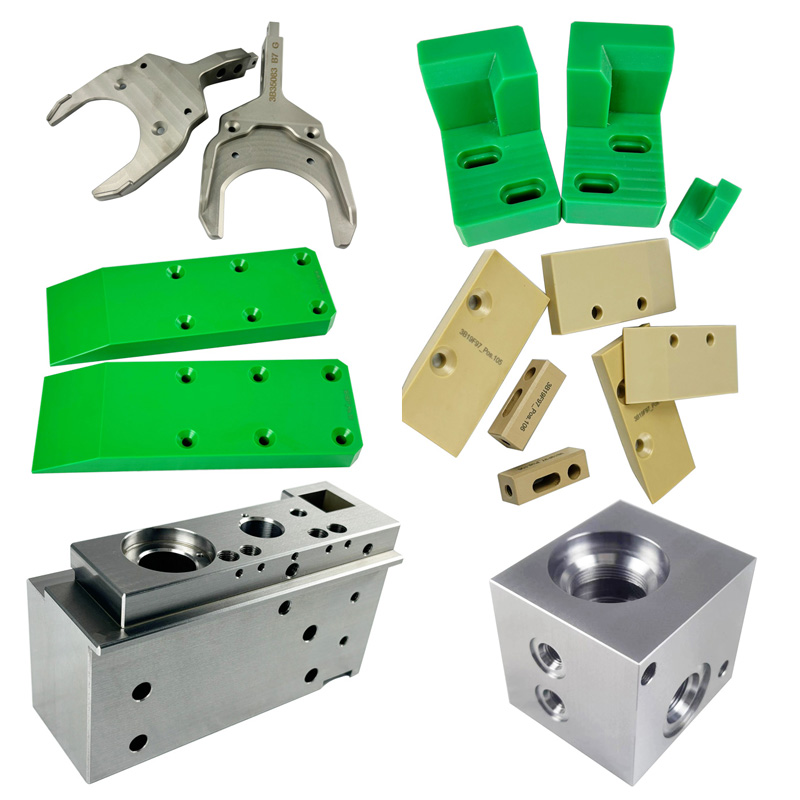
In the CNC machining process, the selection of metal materials is paramount; however, one of the greatest challenges lies in the fact that not all metals are suitable for every specific machining technique. Certain materials—such as hardened steel—present significant machining difficulties due to their high hardness, often necessitating longer processing times and higher cost investments. Conversely, materials like cast iron exhibit poor machinability and typically require specialized cutting tools and unique processing methods to complete the operation. This not only has a substantial impact on production efficiency and cost control but may also increase process complexity and, in some cases, result in a final machined quality that falls short of expectations.
When material selection is inappropriate, the repercussions are often multifaceted and severe. Unsuitable materials can lead to elevated scrap rates, delayed delivery schedules, and a significant increase in overall production costs. Furthermore, such choices may result in machined components that fail to meet design specifications and performance requirements—triggering quality issues, compromising product reliability, and ultimately damaging customer satisfaction and brand reputation.
Metal Materials Suitable for CNC Machining
Due to their exceptional strength, durability, and broad versatility, metals rank among the most frequently utilized material types in CNC machining. A thorough understanding of the distinct performance characteristics of various metals is crucial for selecting the material best suited to a specific application scenario.
Aluminum
Aluminum is a lightweight metal material that boasts excellent corrosion resistance, alongside superior mechanical and machining properties. It is available in a wide array of varieties; different grades of aluminum alloys offer distinct advantages in terms of strength, hardness, and heat resistance, thereby satisfying the diverse requirements of applications ranging from aerospace to consumer electronics. Moreover, aluminum is easy to machine and possesses excellent thermal conductivity, making it an ideal choice for achieving both high efficiency and high quality in the machining process.
When material selection is inappropriate, the repercussions are often multifaceted and severe. Unsuitable materials can lead to elevated scrap rates, delayed delivery schedules, and a significant increase in overall production costs. Furthermore, such choices may result in machined components that fail to meet design specifications and performance requirements—triggering quality issues, compromising product reliability, and ultimately damaging customer satisfaction and brand reputation.
Metal Materials Suitable for CNC Machining
Due to their exceptional strength, durability, and broad versatility, metals rank among the most frequently utilized material types in CNC machining. A thorough understanding of the distinct performance characteristics of various metals is crucial for selecting the material best suited to a specific application scenario.
Aluminum
Aluminum is a lightweight metal material that boasts excellent corrosion resistance, alongside superior mechanical and machining properties. It is available in a wide array of varieties; different grades of aluminum alloys offer distinct advantages in terms of strength, hardness, and heat resistance, thereby satisfying the diverse requirements of applications ranging from aerospace to consumer electronics. Moreover, aluminum is easy to machine and possesses excellent thermal conductivity, making it an ideal choice for achieving both high efficiency and high quality in the machining process.
How to Select the Right Metal Materials for CNC Machining
Selecting the correct metal material for CNC machining is a critical factor in determining a product's performance, manufacturing costs, and final quality. A scientific and systematic material selection process can effectively mitigate risks and enhance overall manufacturing efficiency. The following are key points to consider:
1. Define the Part Type
First, identify the basic type of the component—for example: bushings, housings, shafts, or gears.
Different types of parts impose varying requirements on materials; for instance:
Different types of parts impose varying requirements on materials; for instance:
Is a low coefficient of friction required to enhance motion performance?
Is there a greater emphasis on strength and wear resistance?
Is a high-quality surface finish required?
2. Define the Part's Function
Based on actual usage requirements, define the key technical specifications, including:
Mechanical properties (strength, hardness, toughness, etc.)
Dimensional tolerance requirements
Surface roughness and aesthetic quality
These factors will directly influence the range of suitable materials.
3. Analyze the Application Environment
The operating environment in which the part functions is equally critical; key considerations should include:
Are special properties—such as electrical conductivity or magnetic properties—required?
Will the part be exposed to highly corrosive environments (e.g., chemical media, seawater)?
Will it be subject to prolonged exposure to UV radiation, weathering, or high temperatures?
Are there specific industry standards or certification requirements involved (e.g., medical, automotive, aerospace)?
4. Establish Selection Criteria
By combining the product's functional requirements with its operating environment, establish clear criteria for material selection, including:
Metal type and alloy grade
Material machinability
Cost and supply stability
Compatibility with the specific application environment
5. Screen and Evaluate Material Options
Once a preliminary direction has been established, conduct a systematic evaluation of the candidate materials:
Performance Comparison: Analyze the differences between various materials in terms of strength, corrosion resistance, thermal conductivity, etc.
Reference Materials: Consult material handbooks, databases, and selection guides to verify their suitability for machining.
Cost Analysis: Conduct a comprehensive assessment of raw material costs, machining complexity, and post-processing expenses (e.g., surface treatments).
6. Finalize Material Selection
After carefully weighing performance, cost, and manufacturing feasibility, select the metal material that best meets the specific requirements of the CNC machining process, thereby ensuring an optimal balance between product quality, manufacturing efficiency, and cost-effectiveness.