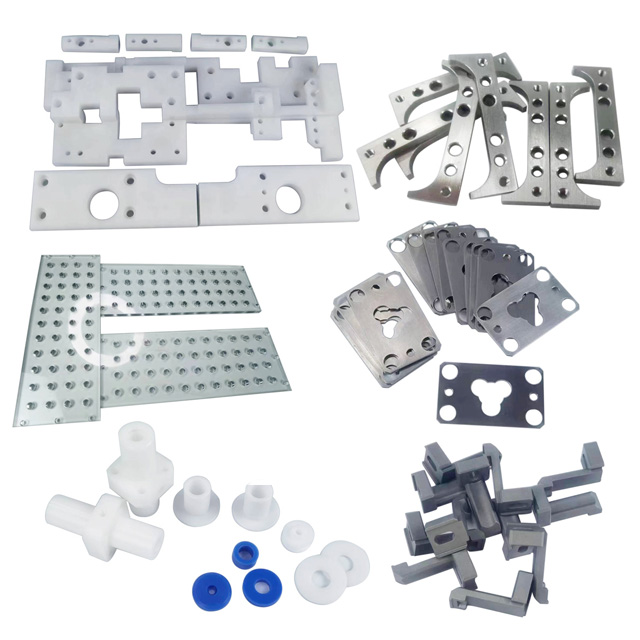
Explore online CNC ordering for PTFE components from leading metal fabrication companies.
Hongsinn-475
Revolutionize your manufacturing process with precision PTFE components! Order online through leading metal fabricators for top-quality results.
Delivery
FOB
minimum order
1 piece
Supply Ability
5000piece / Week
Country of Origin
Shenzhen
Stock Time
7~15Day
Quantity:
US $0.59 - US $10.68 / piece
Explore online CNC ordering for PTFE components from leading metal fabrication companies.
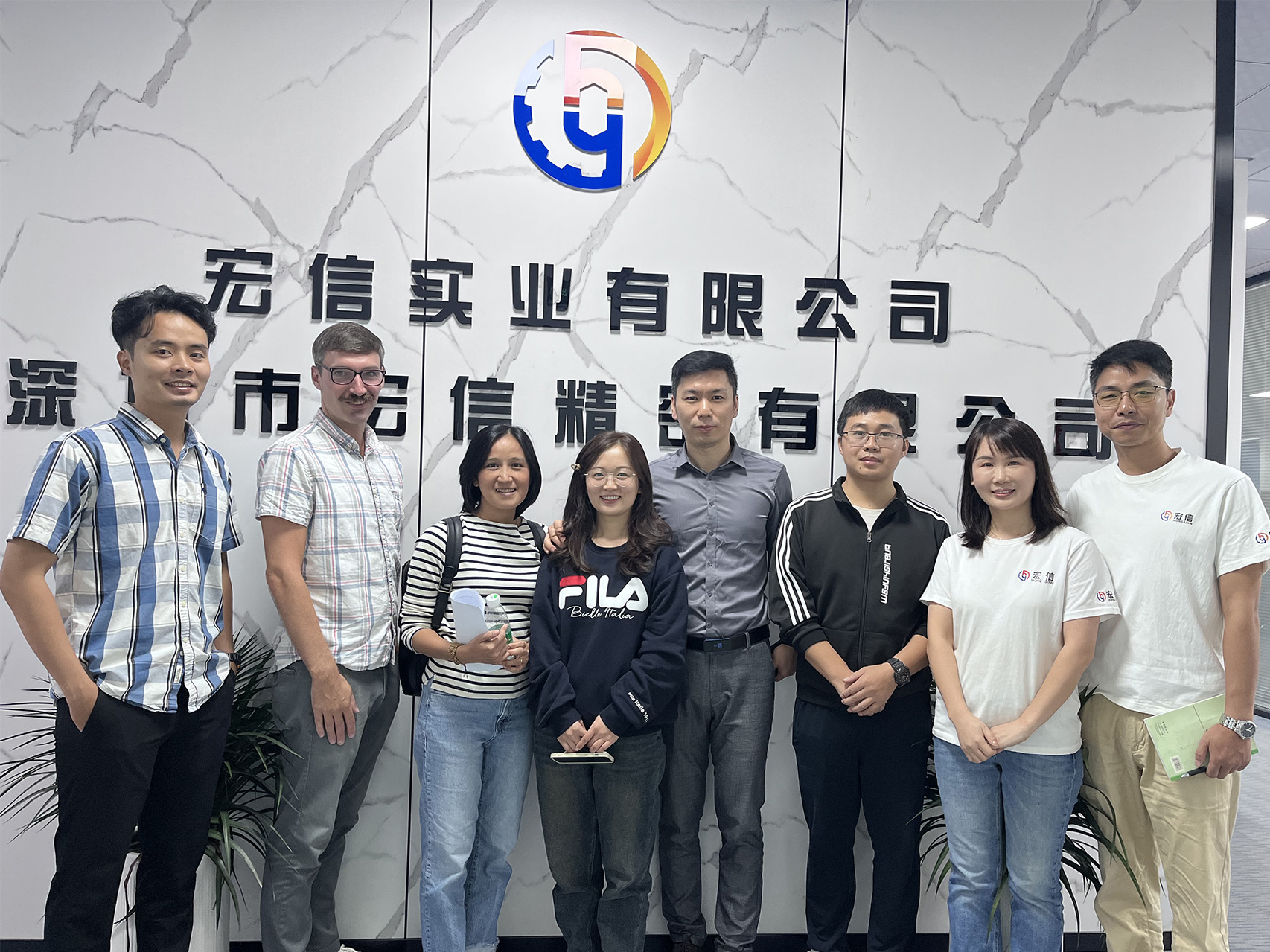
At Shenzhen Hongsinn Precision Co., Ltd., we specialize in high-precision PTFE CNC machining for critical components across aerospace, medical, chemical, and food processing industries. As one of the leading metal fabrication companies, we combine advanced manufacturing technologies with our proprietary online ordering platform to deliver exceptional quality with unmatched convenience.

What is CNC machining?
CNC (Computer Numerical Control) machining is a technology that combines traditional manufacturing processes with computer-controlled systems. This makes it possible to cut and shape stock materials into complex or time-consuming and costly shapes that would be impossible to achieve with manual machining.
Computer-controlled machining offers exceptional precision, resulting in greater accuracy, consistency, productivity, design freedom, and control, while reducing material waste. The first CNC machine tools were developed in the late 1940s by adding electric motors to existing equipment. The advent of computers in the 1960s further advanced the development of modern CNC machine tools.
The most commonly used CNC machine tools include milling machines, drill presses, lathes, plasma cutters, laser cutters, and water jet cutters. These machines typically employ a"subtractive"manufacturing method, where material is removed (subtracted) from the workpiece during the machining process.
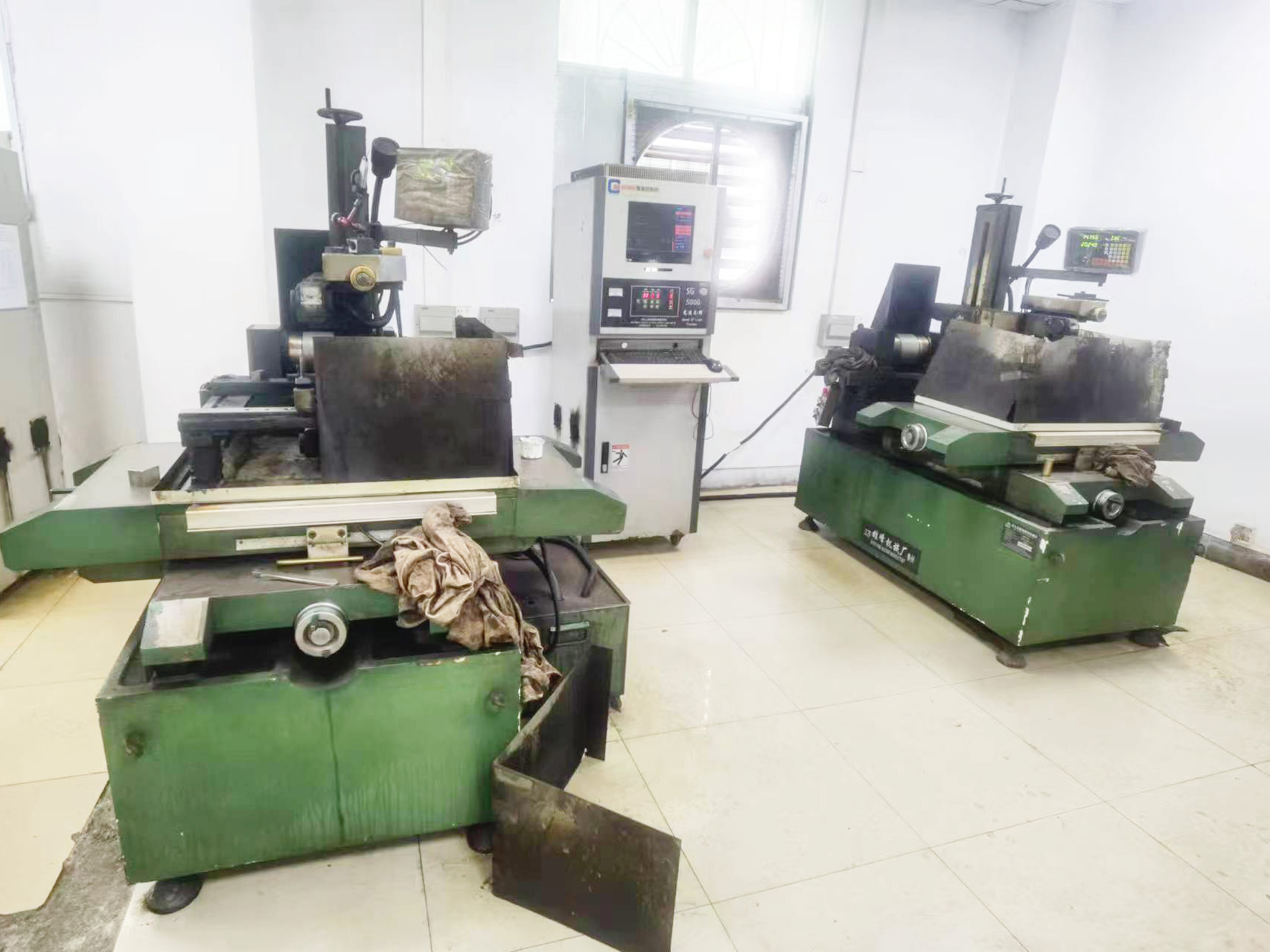
Processing | CNC Turning, CNC Milling, Laser Cutting, Bending, Spinning, Wire Cutting, Stamping, Electric Discharge Machining (EDM), Injection Molding | |||
Materials | Aluminum: 2000 series, 6000 series, 7075, 5052, etc. | |||
Stainless steel: SUS303, SUS304, SS316, SS316L, 17-4PH, etc. | ||||
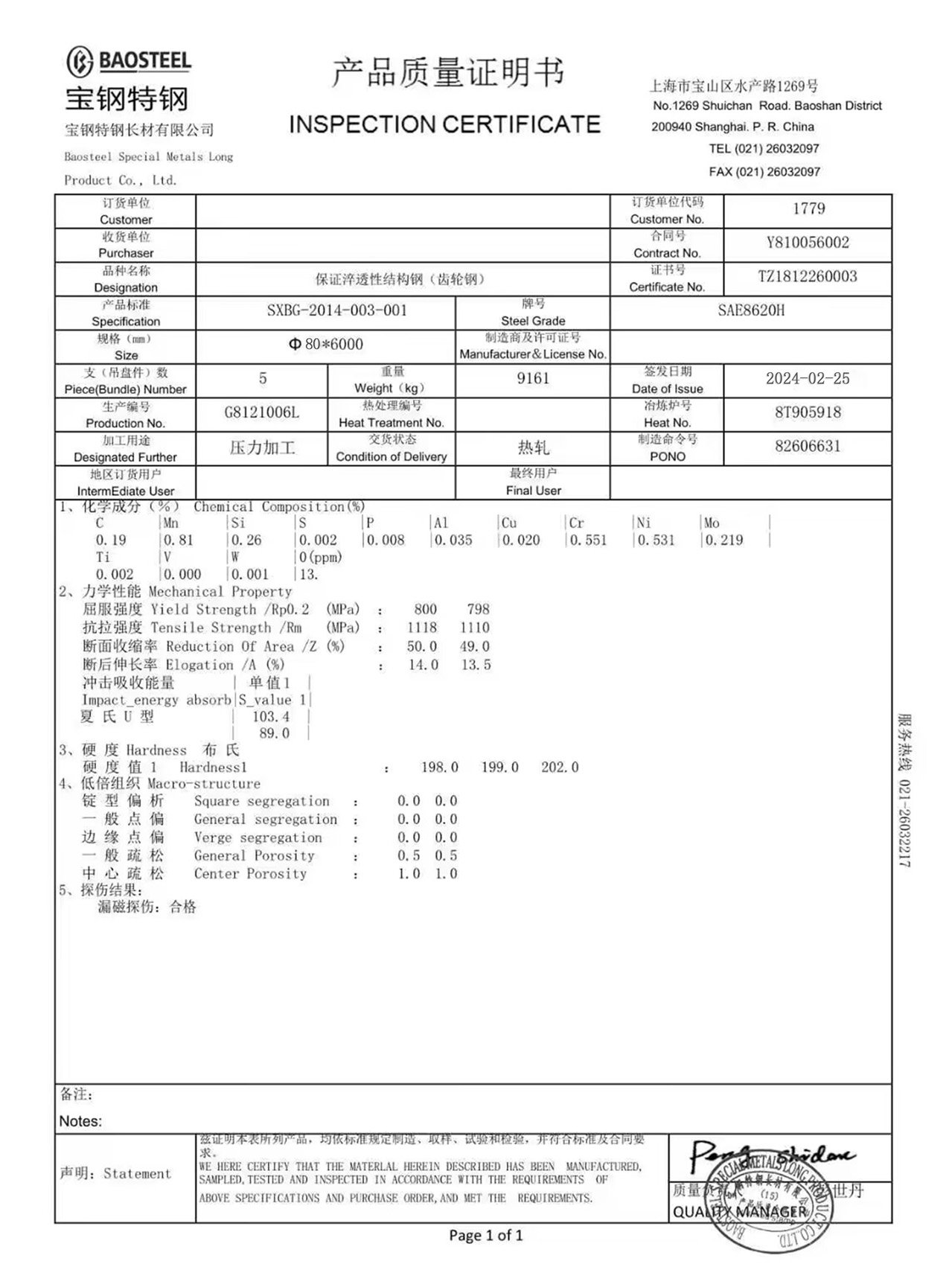
Steel: 1214L/1215/1045/4140/SCM440/40CrMo, etc. | ||||
Brass: 260, C360, H59, H60, H62, H63, H65, H68, H70, Bronze, Copper | ||||
Titanium: Grade F1-F5 | ||||
Plastic: Acetal/POM/PA/Nylon/PC/PMMA/PVC/PU/Acrylic/ABS/PTFE/PEEK etc. | ||||
Surface Treatment | Anodized, Bead Blasted, Silk Screen, PVD Plating, Zinc/Nickel/Chrome/Titanium Plating, Brushing, Painting, Powder Coated, Passivation, Electrophoresis, Electro Polishing, Knurl, Laser/Etch/Engrave etc. | |||
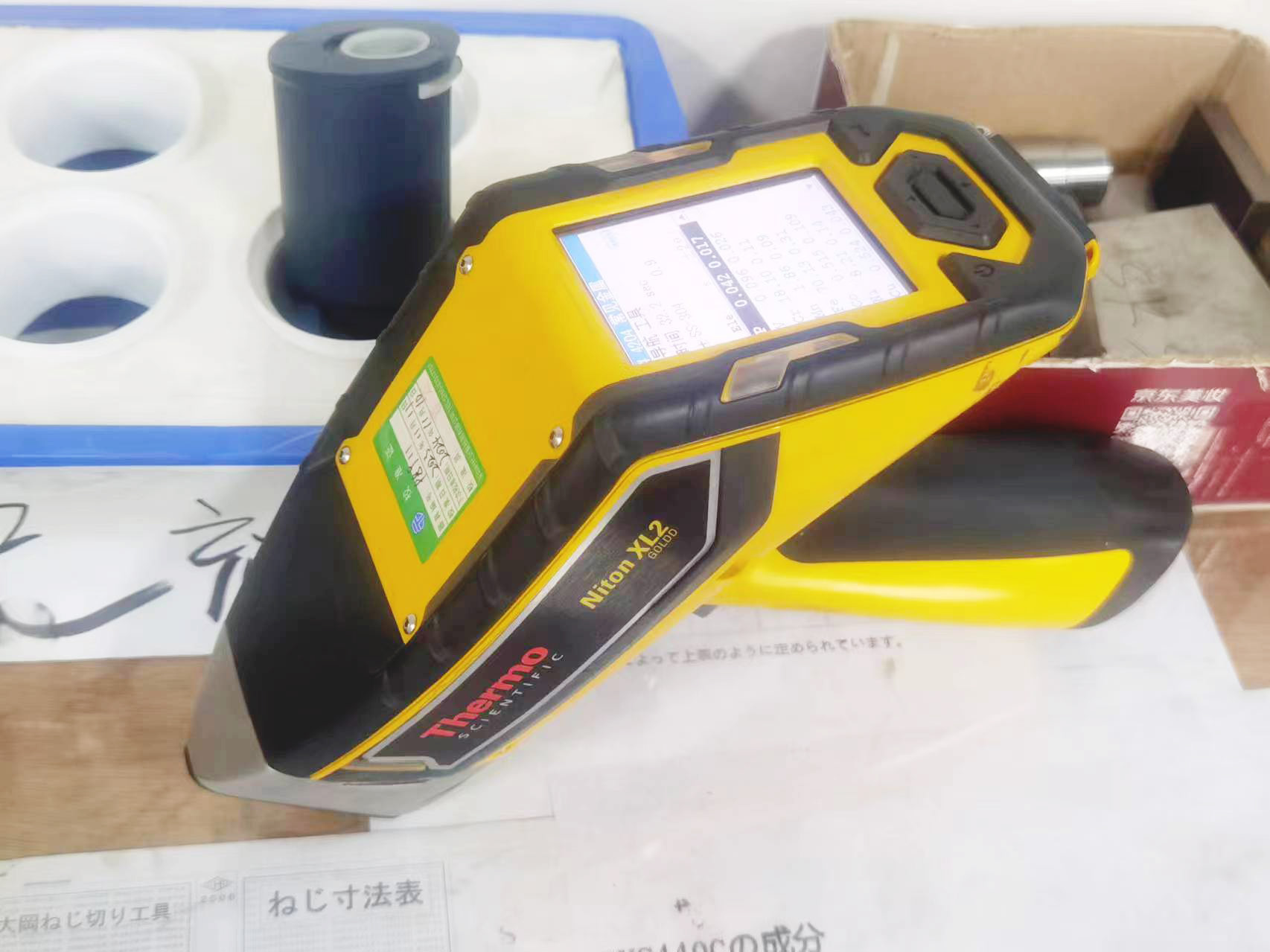
Tolerance | ±0.002 ~ ±0.005mm | |||
Surface Roughness | Min Ra 0.1~3.2 | |||
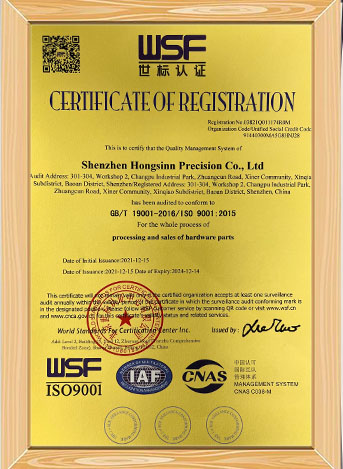
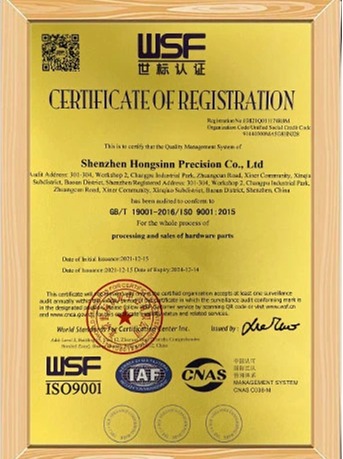
1.Direct OEM/0DM manufacturer, advanced produce technical,the highest tolerance we can reach to ±0.005mm;
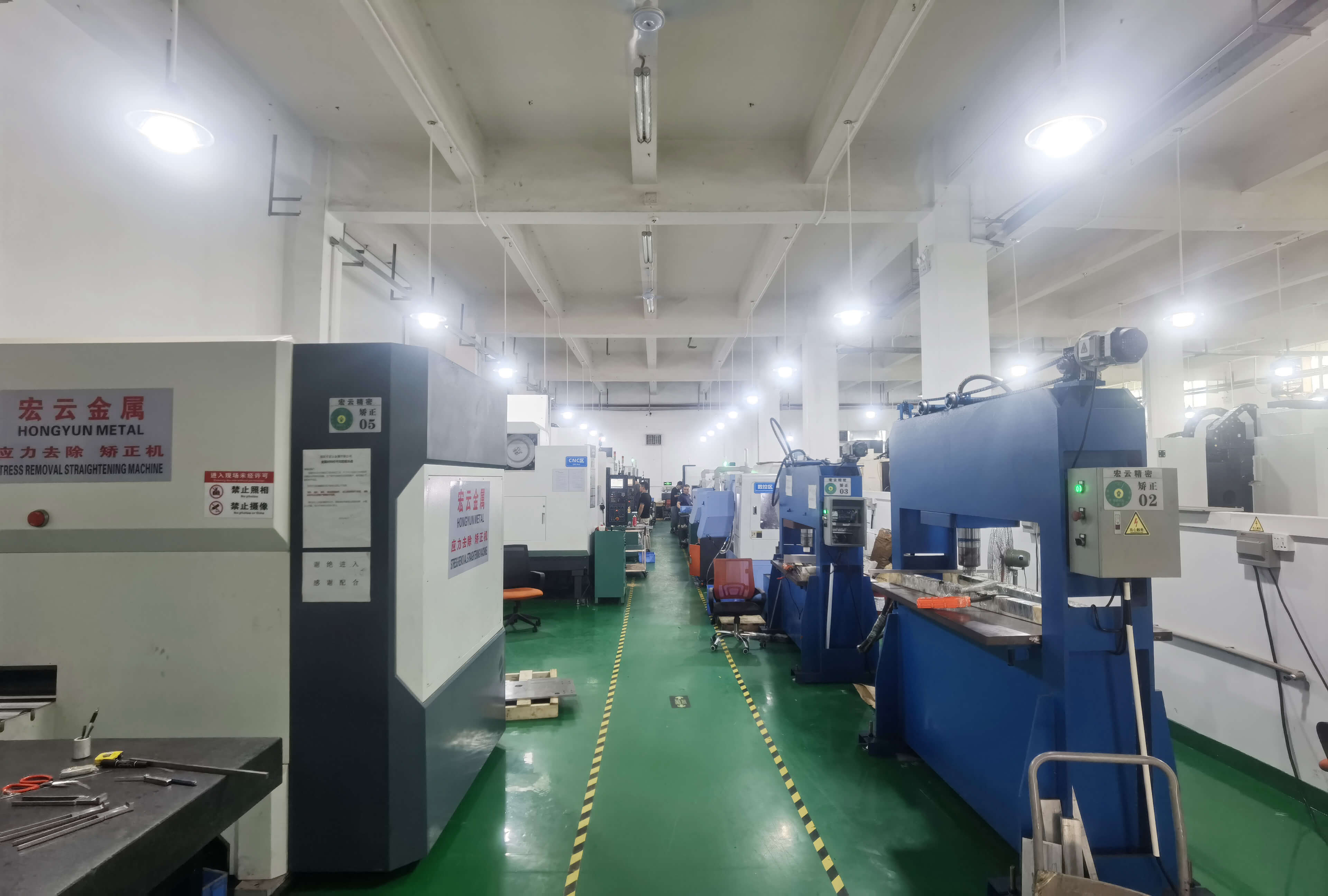
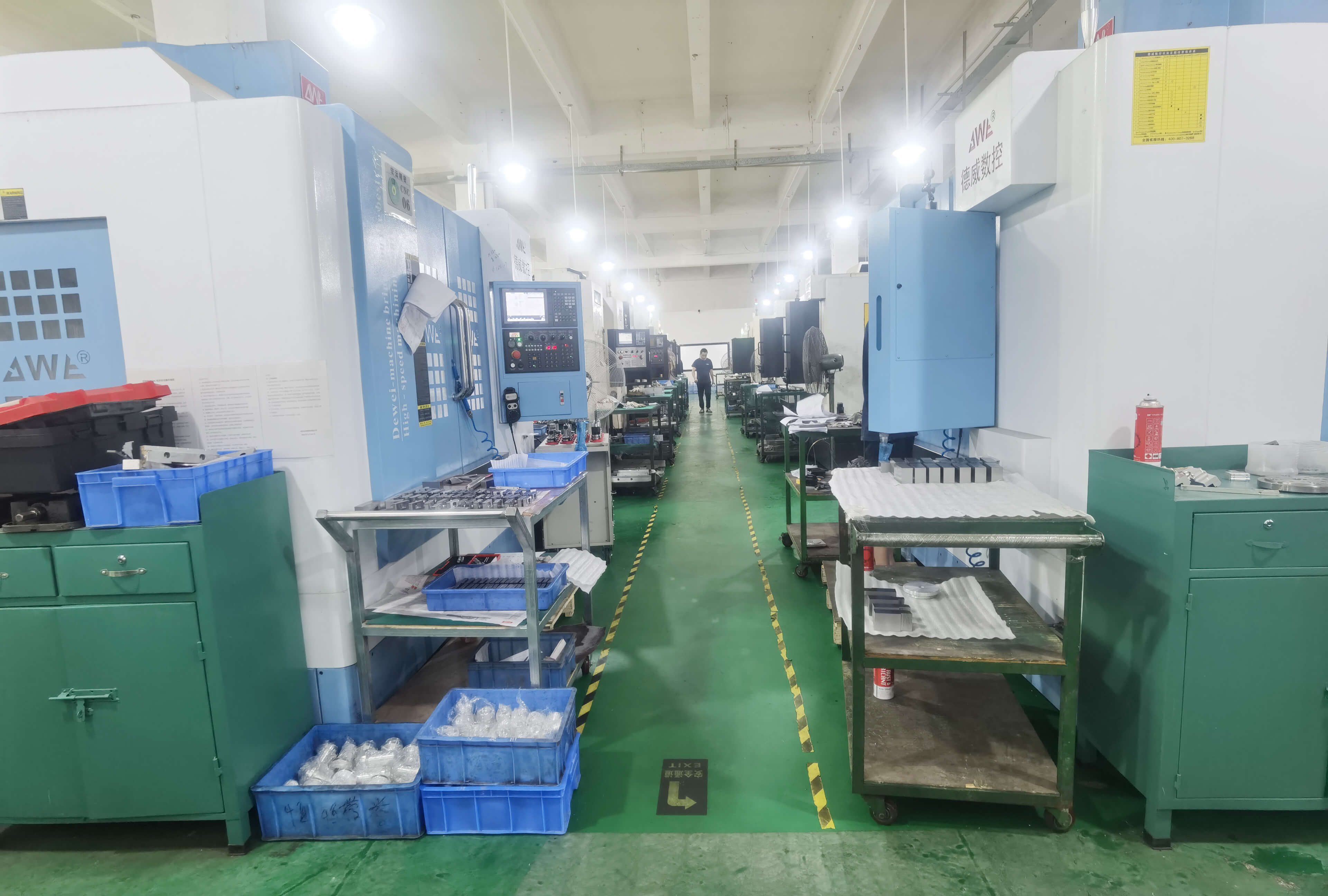
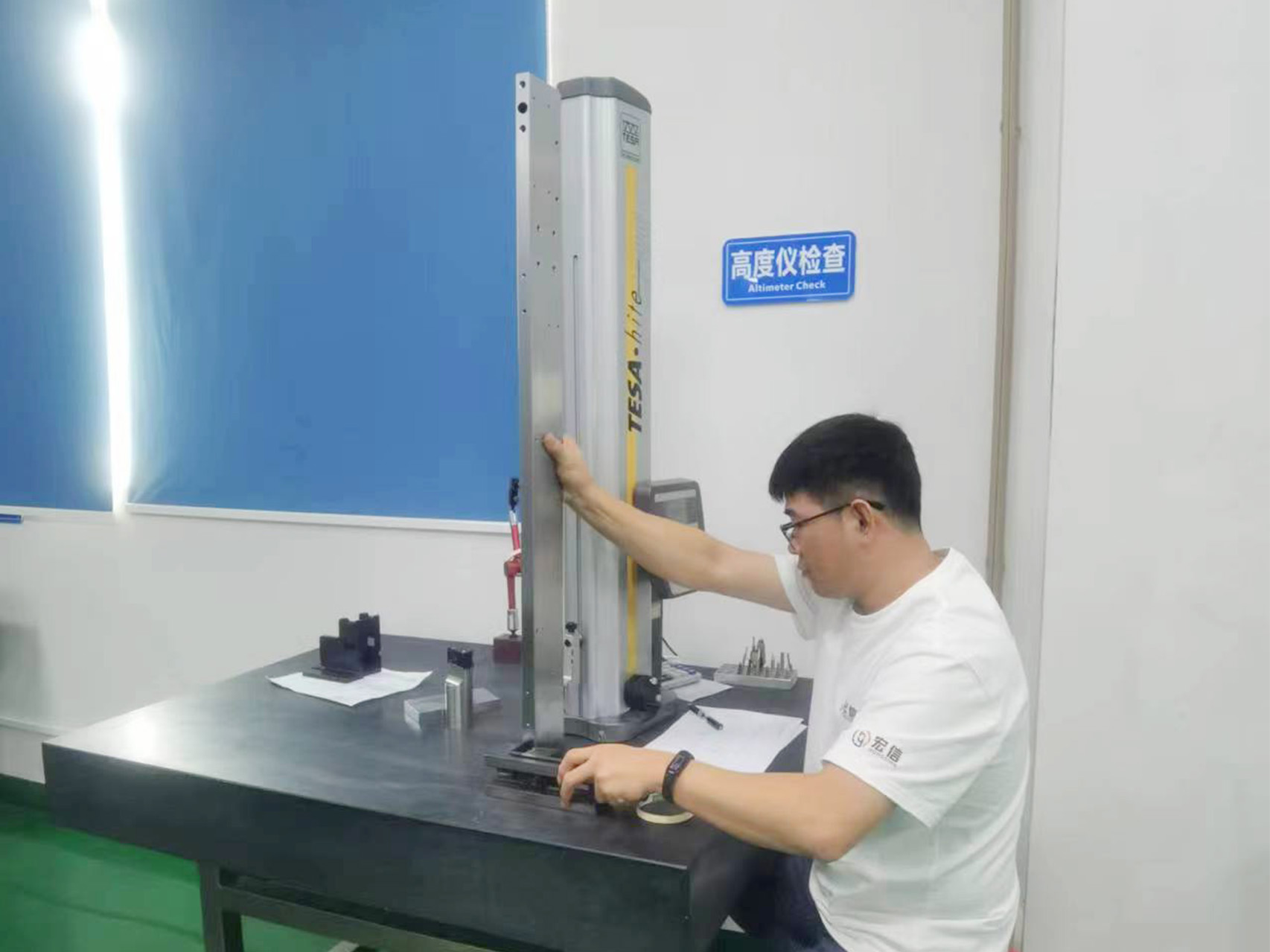
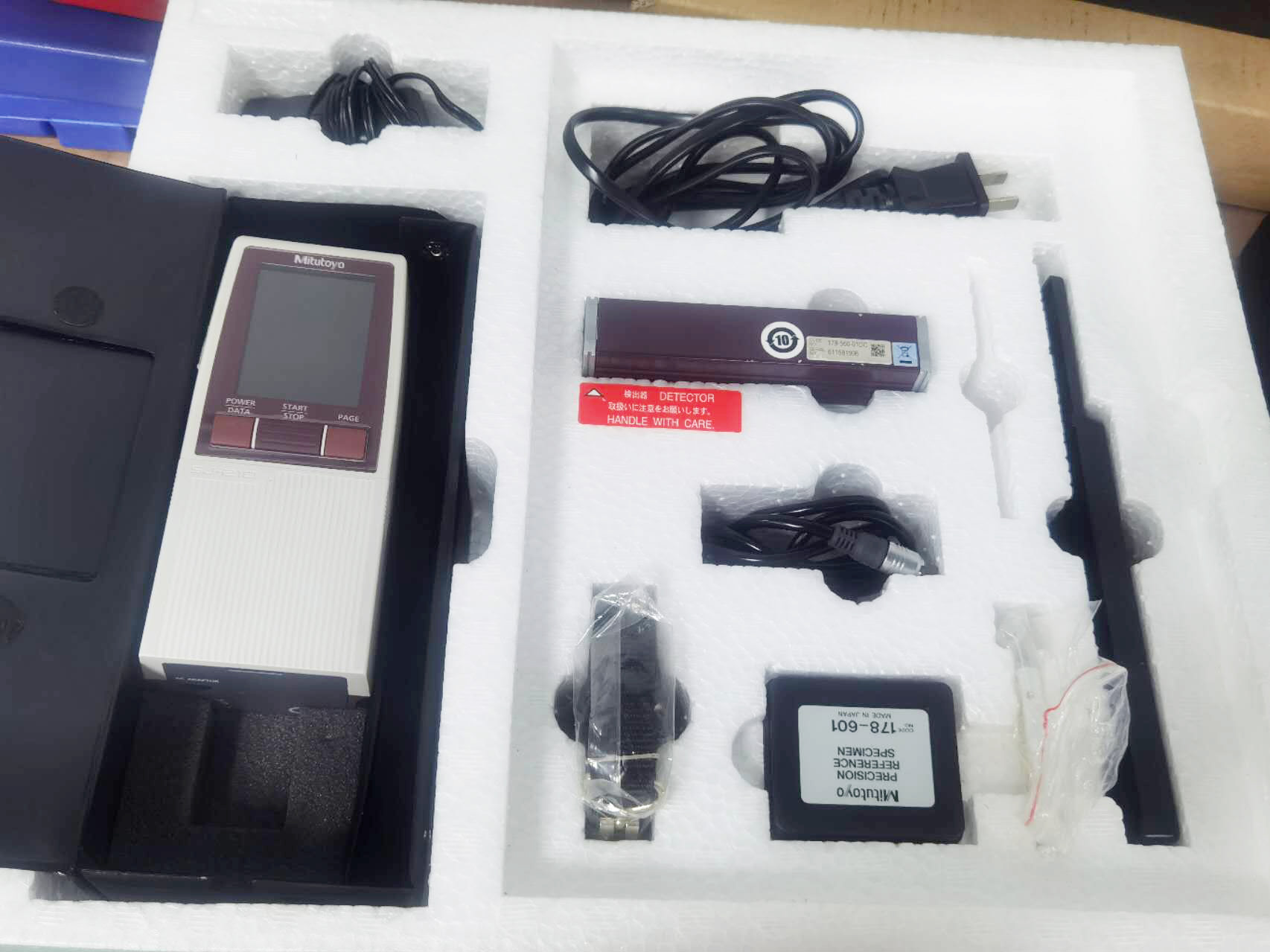
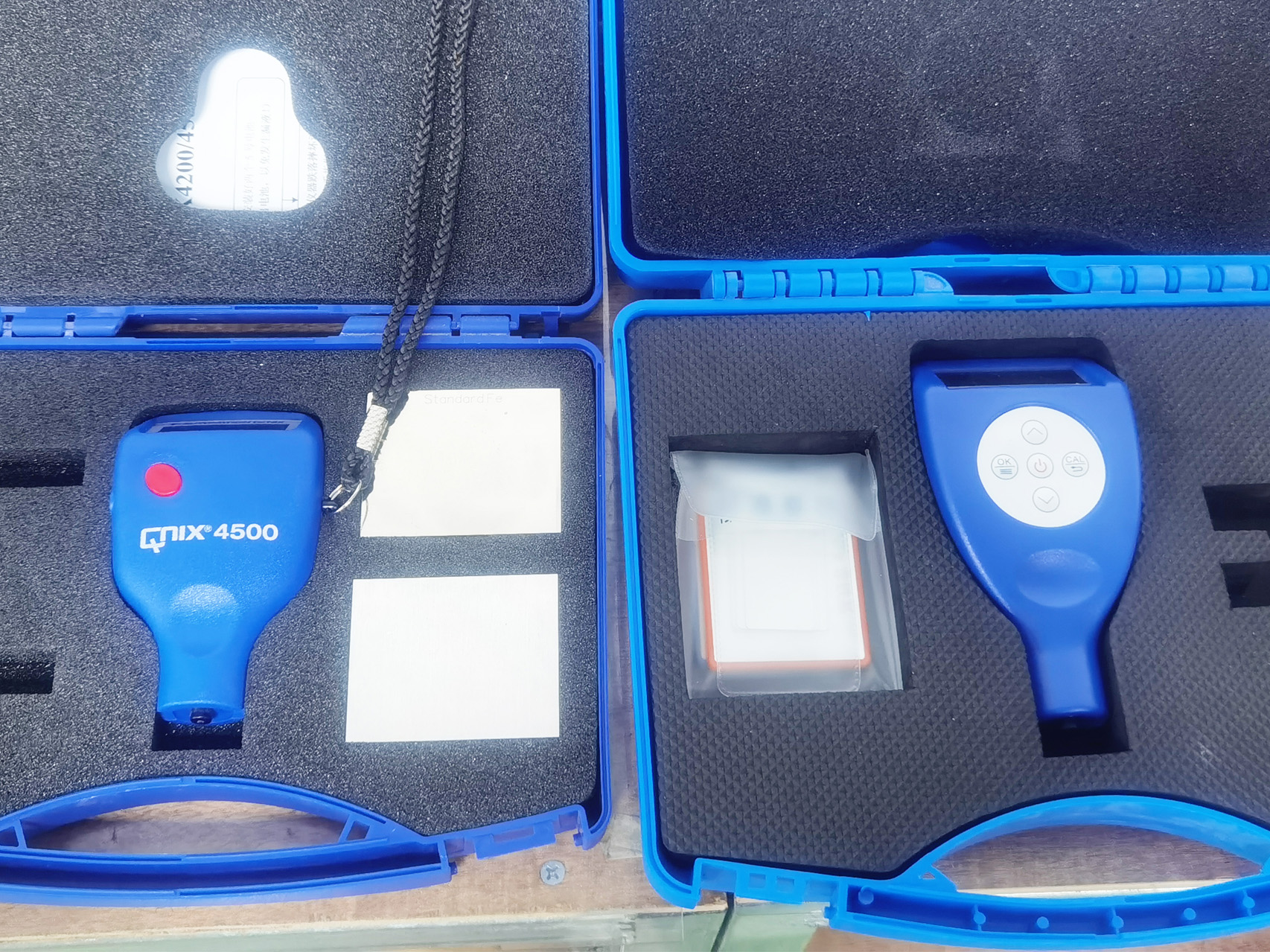
2.Complete produce equipment and test equipment. Independent Engineer team, to check drawings, provide quotation, write machining process, guide production.
3.Independent PMC department, to make production plan and manage delivery time.
4.Quick proofing, short delivery time, usually is 3-15 days
4.Quick proofing, short delivery time, usually is 3-15 days
5 .The company has gathered a rich group of technologicallyadvanced modern talents, which has laid a stable foundationfor the long-term development of the company.
6.Complex and difficult surface and functional structureof the hand plate model, We can all mold quickly.xxx
Where does aluminum come from?
Aluminum is the most abundant metallic element in the Earth's crust. The metal industry smelts over 40 million tons of aluminum annually for a wide range of applications.
Aluminum exists in the form of ore in rocks within the Earth's crust. Almost all aluminum metal is extracted from bauxite. Bauxite typically contains 30% to 60% aluminum oxide (Al₂O₃), with the remainder being a mixture of silicon dioxide, various iron oxides, and titanium dioxide.
Converting aluminum oxide to aluminum metal involves a two-step process:
Extracting Aluminum Oxide from Bauxite
Almost all of the world's alumina supply is produced using the Bayer process, a technique developed by Austrian chemist Karl Joseph Bayer in the late 19th century. This process involves crushing bauxite into a fine powder, mixing it with water, and heating the mixture with caustic soda. The caustic soda dissolves the aluminum oxide, forcing it through a filter. Producers then add aluminum hydroxide crystals to the alumina solution, heating and drying it to produce alumina.
Smelting Alumina to Produce Aluminum Metal
To smelt aluminum, refineries dissolve alumina in a fluorine-containing bath and use an electric current in a process called electrolysis to break it down into metallic aluminum and oxygen. The collected aluminum is then fed into a furnace, mixed with recycled aluminum, and heated until it melts. Ultimately, the aluminum is poured into molds or mechanically extruded into a variety of forms, including sheets, billets, bars, and tubes. These products are then cut into various shapes and sizes and shipped to other companies or manufacturers for further processing into a myriad of products.
Get an instant quote through our platform or speak with our engineering team about your specific requirements.