


Specializing in OEM CNC machining services, including CNC production of 316 stainless steel parts in batch quantities.
Hongsinn-643
Elevate your production with our premier OEM CNC machining services. Our expertise shines in the precision CNC production of 316 stainless steel parts, offering batch quantities that meet your exact specifications. Trust us to deliver quality, reliability, and efficiency to every project, ensuring unparalleled results that exceed expectations.
Delivery
FOB
minimum order
1 piece
Supply Ability
5000piece / Week
Country of Origin
Shenzhen
Stock Time
7~15Day
Quantity:
US $0.59 - US $10.68 / piece
Specializing in OEM CNC machining services, including CNC production of 316 stainless steel parts in batch quantities.
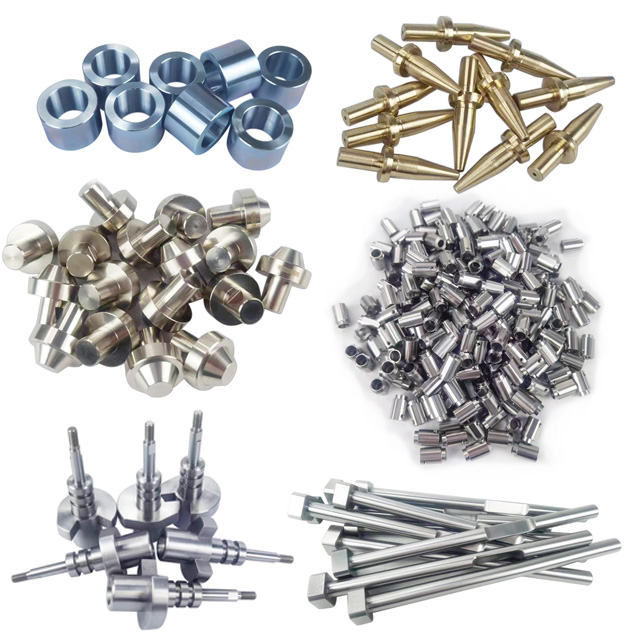
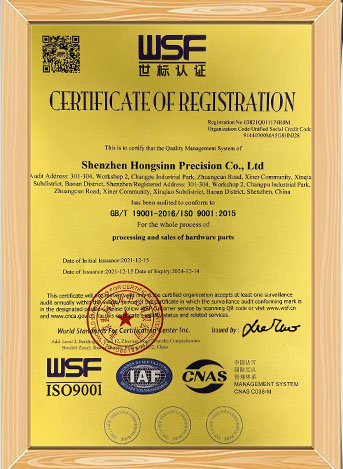
At Shenzhen Hongsinn Precision Co., Ltd. we specialize in OEM CNC machining, CNC machining 316 stainless steel components, and high-efficiency CNC batch production services. As an experienced manufacturing partner, we deliver precision-machined parts that meet the strictest quality standards for industries ranging from medical to marine applications.
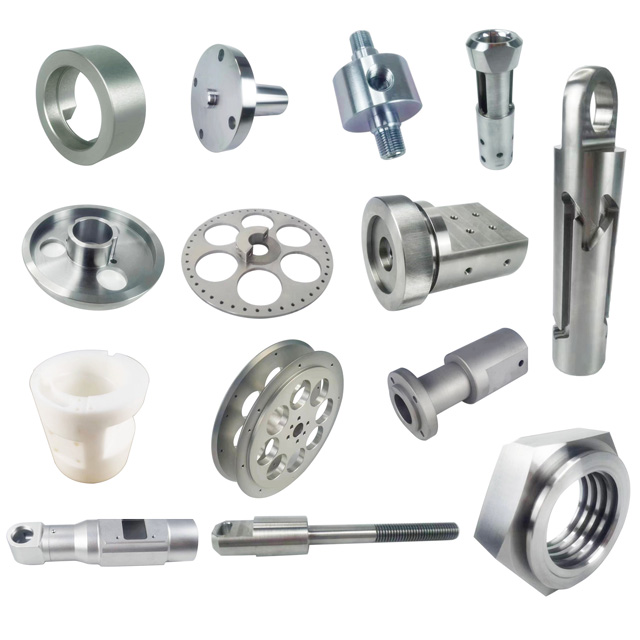
What is Stainless Steel?
Stainless steel is an alloy of iron and chromium, with a chromium content of at least 11%. Other elements such as carbon may be added to obtain specific properties. Iron itself has excellent physical properties such as strength and durability, but is susceptible to corrosion and wear. By adding chromium, the corrosion and wear resistance of iron can be significantly enhanced.
Processing of stainless steel
Yes, stainless steel can be processed. In fact, there are many different ways to process stainless steel. After understanding the characteristics of stainless steel and the appropriate processing techniques, processing stainless steel will become relatively easy. Common processing methods include cutting, welding, stamping and bending, etc.
Types of Stainless Steel
Stainless steel is a large class of materials, not a single special alloy. In fact, there are more than 150 grades of stainless steel, which are divided into multiple categories based on composition and performance. Common classifications include austenitic stainless steel, ferritic stainless steel, martensitic stainless steel, etc.
Processing | CNC Turning, CNC Milling, Laser Cutting, Bending, Spinning, Wire Cutting, Stamping, Electric Discharge Machining (EDM), Injection Molding | |||
Materials | Aluminum: 2000 series, 6000 series, 7075, 5052, etc. | |||
Stainless steel: SUS303, SUS304, SS316, SS316L, 17-4PH, etc. | ||||
Steel: 1214L/1215/1045/4140/SCM440/40CrMo, etc. | ||||
Brass: 260, C360, H59, H60, H62, H63, H65, H68, H70, Bronze, Copper | ||||
Titanium: Grade F1-F5 | ||||
Plastic: Acetal/POM/PA/Nylon/PC/PMMA/PVC/PU/Acrylic/ABS/PTFE/PEEK etc. | ||||
Surface Treatment | Anodized, Bead Blasted, Silk Screen, PVD Plating, Zinc/Nickel/Chrome/Titanium Plating, Brushing, Painting, Powder Coated, Passivation, Electrophoresis, Electro Polishing, Knurl, Laser/Etch/Engrave etc. | |||
Tolerance | ±0.002 ~ ±0.005mm | |||
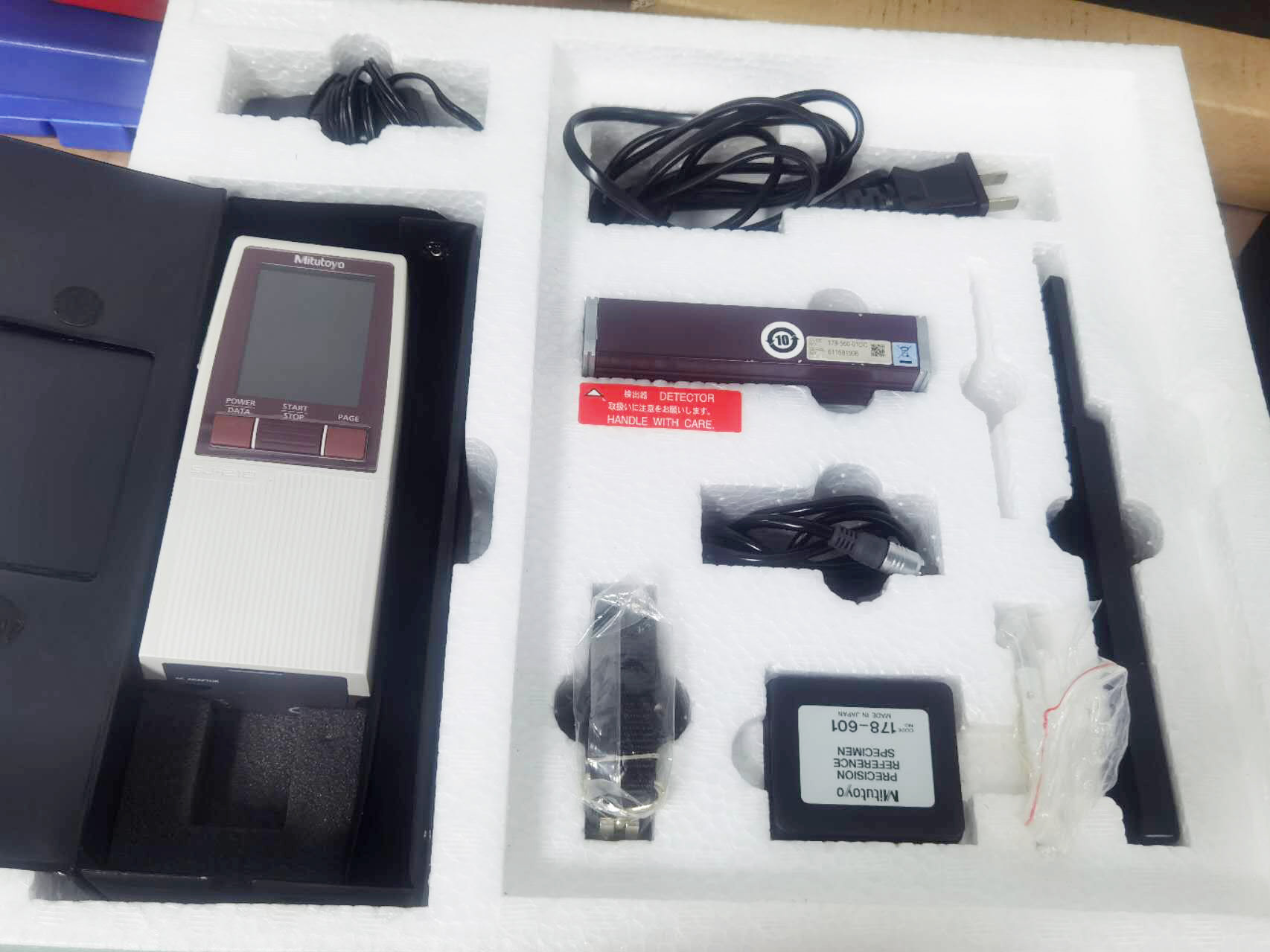
Surface Roughness | Min Ra 0.1~3.2 | |||
1.Direct OEM/0DM manufacturer, advanced produce technical,the highest tolerance we can reach to ±0.005mm;
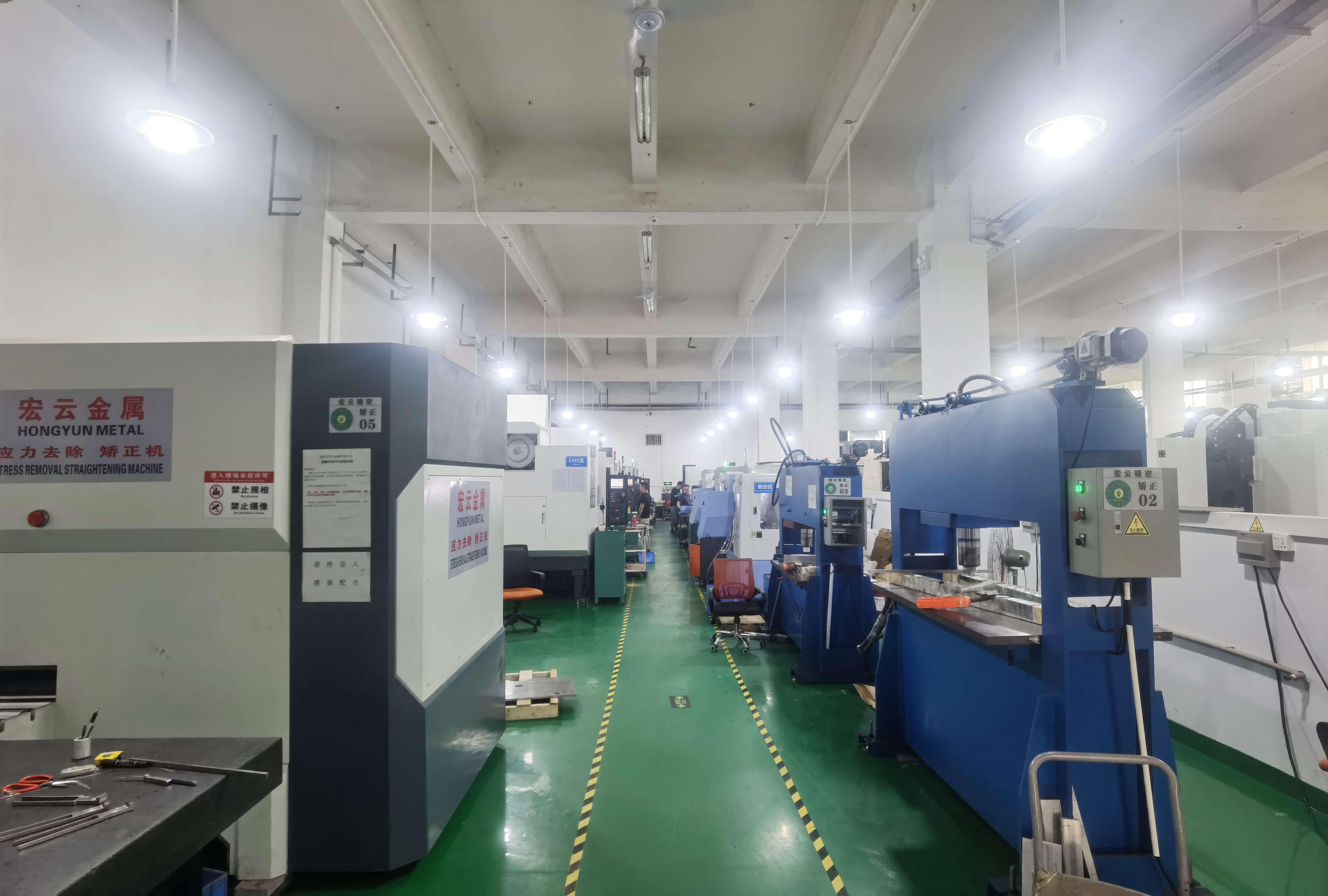
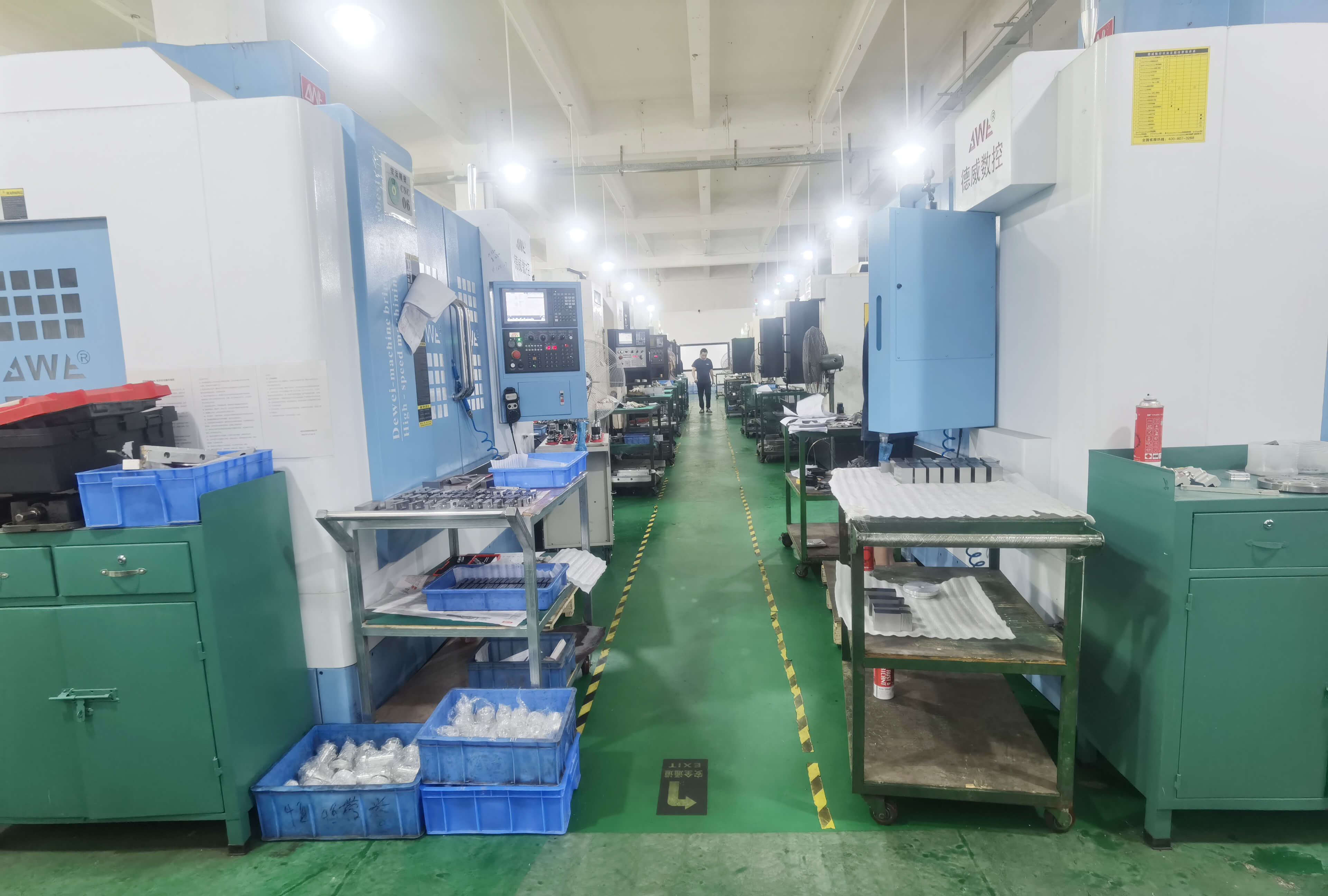
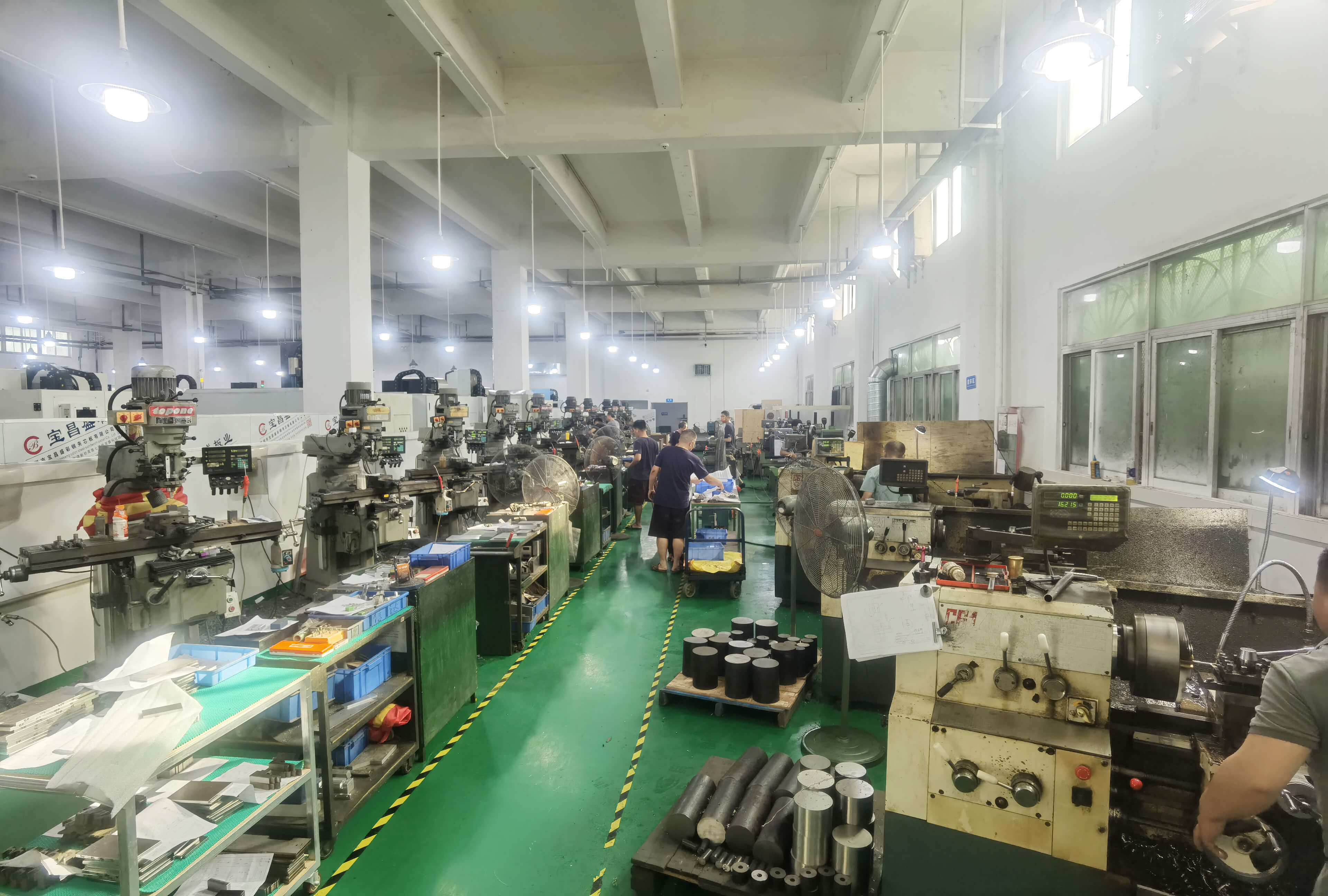
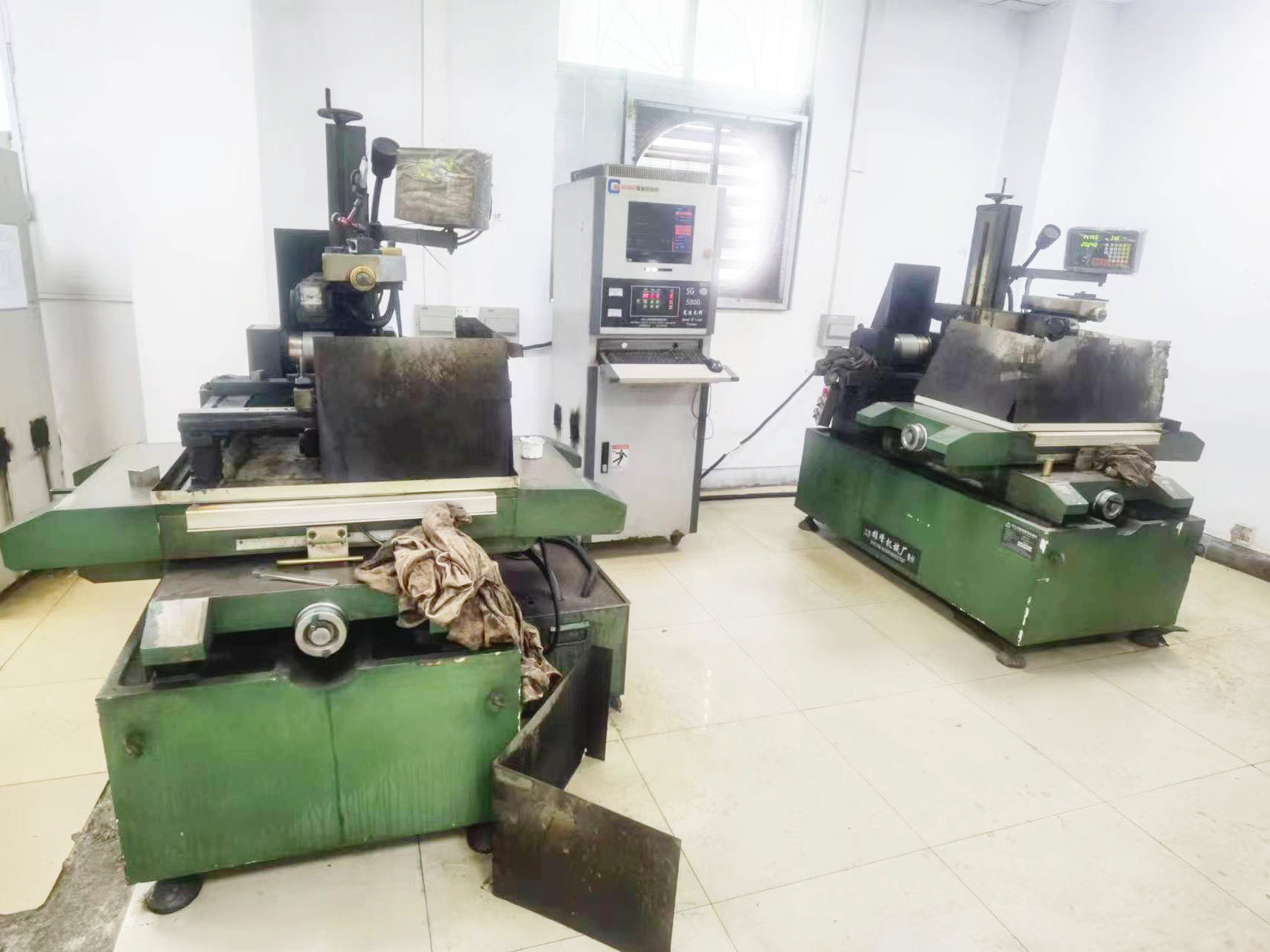
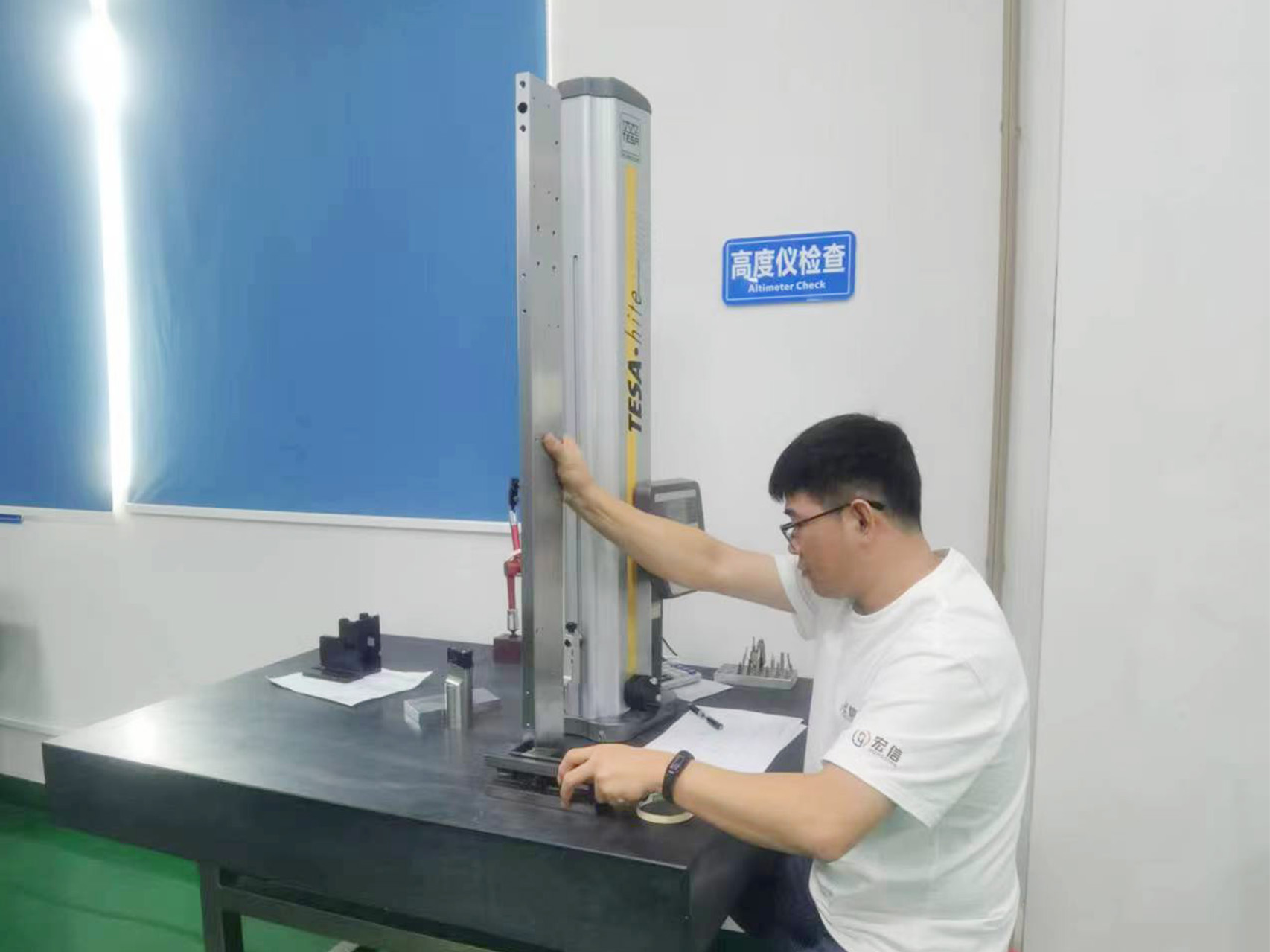
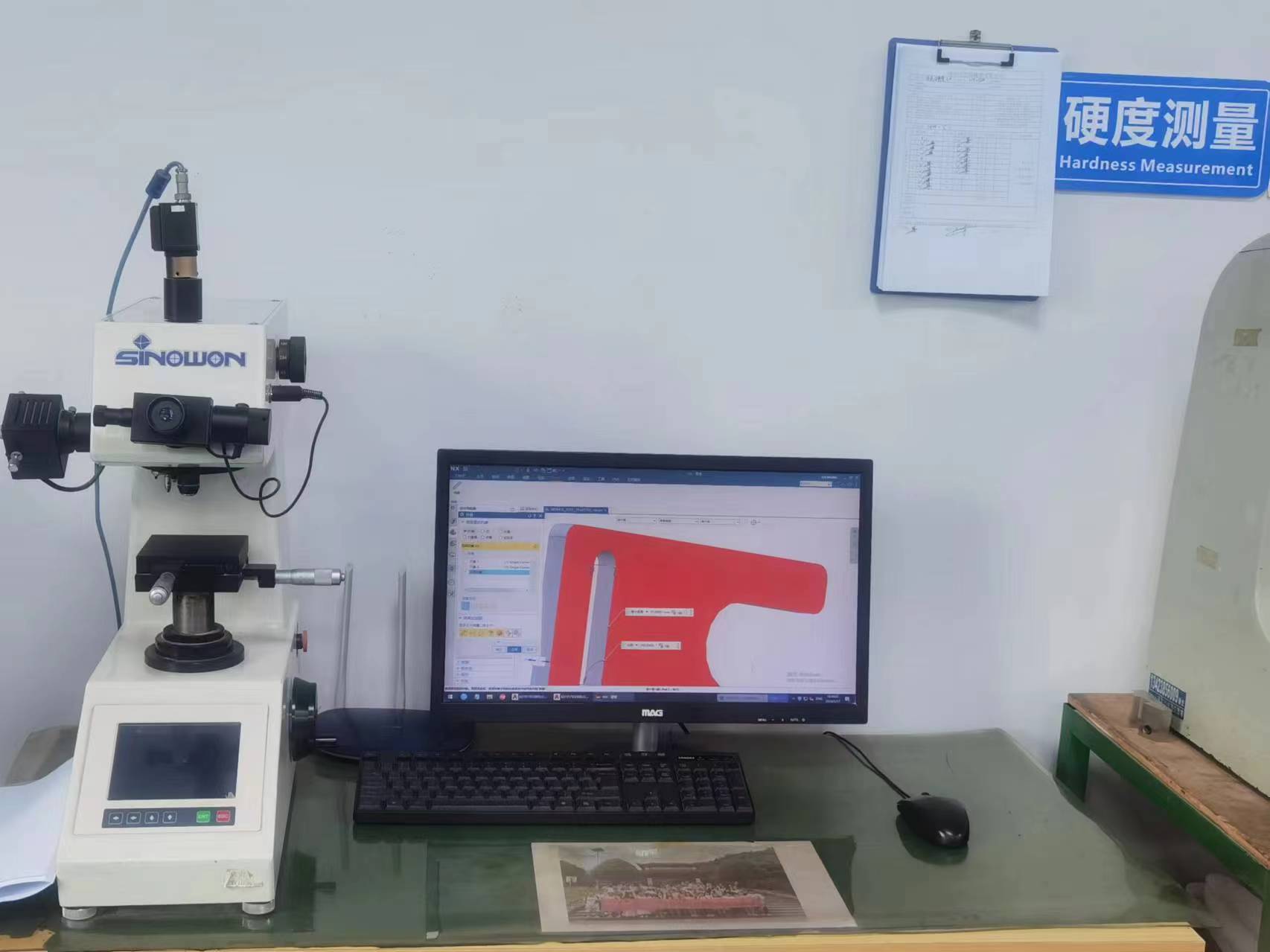
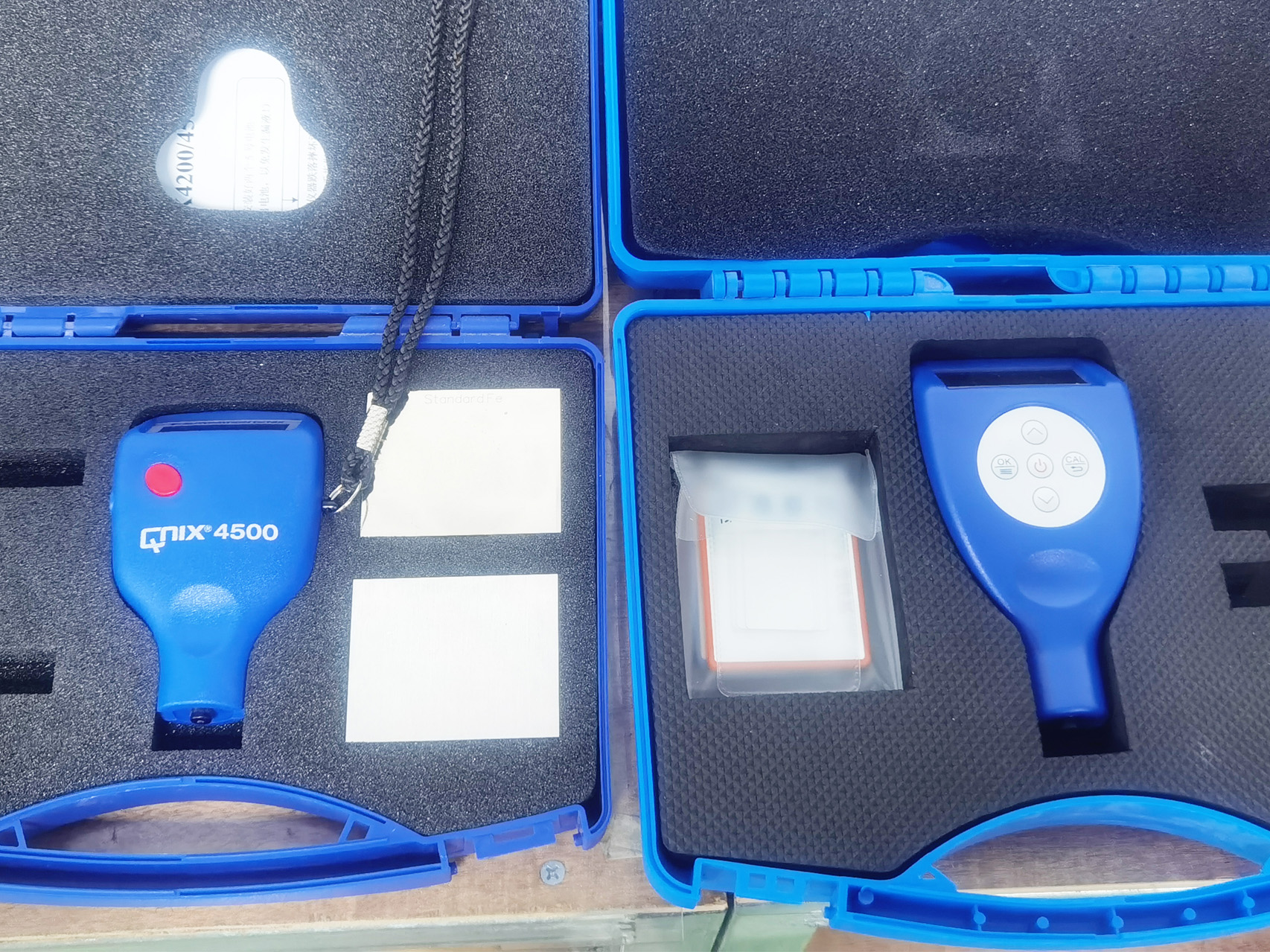
2.Complete produce equipment and test equipment. Independent Engineer team, to check drawings, provide quotation, write machining process, guide production.
3.Independent PMC department, to make production plan and manage delivery time.
4.Quick proofing, short delivery time, usually is 3-15 days
4.Quick proofing, short delivery time, usually is 3-15 days
5 .The company has gathered a rich group of technologicallyadvanced modern talents, which has laid a stable foundationfor the long-term development of the company.
6.Complex and difficult surface and functional structureof the hand plate model, We can all mold quickly.xxx
Austenitic Stainless Steels
Austenitic stainless steel is the most popular of all stainless steels and is named for its austenitic structure. This type of stainless steel is non-magnetic in nature and cannot be hardened by heat treatment. These properties are derived from the addition of elements such as nickel, manganese and nitrogen.
Austenitic stainless steels are mainly divided into two subgroups: AISI 200 and AISI 300. Sometimes, molybdenum is added to these steels to further enhance their corrosion resistance.
Austenitic stainless steels are mainly divided into two subgroups: AISI 200 and AISI 300. Sometimes, molybdenum is added to these steels to further enhance their corrosion resistance.
Ferritic stainless steel
Ferritic stainless steel was discovered as early as 1912, but it did not become popular until the 1980s. This type of stainless steel belongs to the AISI 400 series.
In terms of physical properties, ferritic stainless steel is not outstanding among other steels, but it excels in magnetic properties and chemical resistance. Its strength is mainly reflected in its ability to resist stress corrosion cracking, making it very reliable in specific applications.
Martensitic stainless steel
Martensitic stainless steel is named after Adolf Martens and is known for its extremely high hardness. This type of stainless steel is suitable for aging and heat treatment to achieve high hardness and tempering.
Martensitic stainless steel can be divided into high carbon and low carbon grades and is widely used in areas that require high strength and wear resistance, such as knives and cutting tools.
Duplex stainless steel
Duplex stainless steel incorporates two structural components in its design, combining the characteristics of austenitic stainless steel and ferritic stainless steel. This combination enhances the advantages of each, making duplex stainless steel excellent in both strength and corrosion resistance.
There are three main grades of duplex stainless steel: standard duplex, super duplex and low duplex alloys, which are widely used in chemical, marine and construction fields.
Precipitation Hardening Stainless Steel
Precipitation hardening stainless steel, also known as PH stainless steel alloys, these alloys contain small amounts of elements such as titanium, copper, phosphorus or aluminum. After the alloy is formed, these steels are age hardened to improve their properties.
Precipitation hardening stainless steel has a yield strength 3 to 4 times that of austenitic stainless steel, making it an excellent performer in applications where high strength and corrosion resistance are extremely important.












Recommend Products
 Providing precision engineering machining services including CNC turning and milling services, CNC lathe components. cnc turning service
 Precision CNC parts for motorcycles and automotive machinery.
 CNC Machining Services in China for High Precision Parts
 Specializing in precision CNC machining for plastic components and tool steel.