Explore precise engine and carbon steel machining alongside online metal fabrication services.
Hongsinn-470
Elevate your projects with our precision engine and carbon steel machining expertise, complemented by convenient online metal fabrication services. Experience excellence at your fingertips.
Delivery
FOB
minimum order
1 piece
Supply Ability
5000piece / Week
Country of Origin
Shenzhen
Stock Time
7~15Day
Quantity:
US $0.59 - US $10.68 / piece
Explore precise engine and carbon steel machining alongside online metal fabrication services.
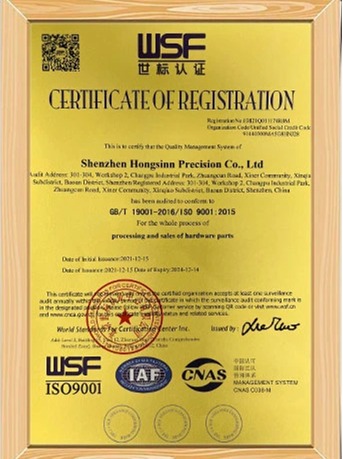
In the world of high-performance manufacturing, precision engine machining and precision carbon steel machining represent the pinnacle of mechanical engineering excellence. At Shenzhen Hongsinn Precision Co., Ltd., we combine decades of machining expertise with modern online metal fabrication services to deliver unmatched quality for critical applications.

Different CNC Machining Processes
1. CNC Drilling
During CNC drilling, a CNC machine typically advances a rotating drill perpendicular to the workpiece surface. This technique produces vertically aligned holes with a diameter equal to that of the drill bit used. Drilling operations include boring, milling, counterboring, and tapping.
2. CNC Milling
During CNC milling, the CNC machine feeds the workpiece into the cutter in the same direction as the cutter's rotation, rather than the opposite direction as in manual milling.
During CNC milling, the CNC machine feeds the workpiece into the cutter in the same direction as the cutter's rotation, rather than the opposite direction as in manual milling.
Milling operations include:
Face milling: Cuts flat surfaces, shallow surfaces, and cavities in the bottom of the workpiece.
Peripheral milling: Cuts deep cavities within the workpiece, such as grooves and threads.
3. CNC Turning
In CNC turning, the CNC machine moves linearly along the surface of the rotating workpiece, feeding the cutter. This removes material around the circumference until the desired diameter is reached. This technique can create cylindrical parts with external and internal features, such as grooves, tapers, and threads. Turning operations include boring, facing, grooving, and threading.
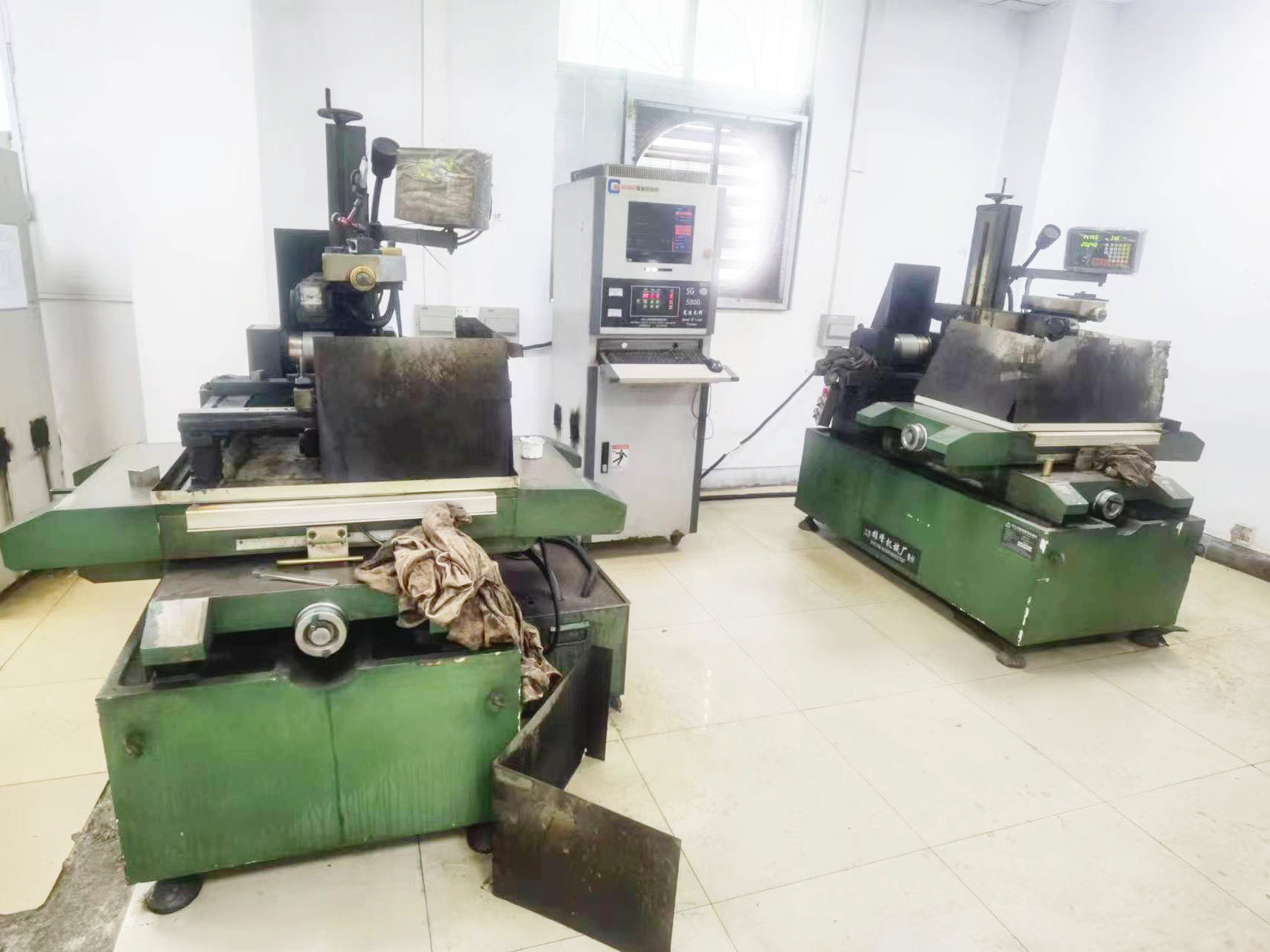
4. Electrical Discharge Machining
Electrical discharge machining (EDM) is a process that uses electric sparks to create a specific shape on a part. During this process, an electric current discharge occurs between two electrodes, allowing for the partial removal of material from the workpiece. When the gap between the electrodes decreases, the electric field strength exceeds that of the dielectric, causing current to flow between the two electrodes. As a result, each electrode removes a portion of material from the workpiece. During the"flushing"process, when the current is stopped, a liquid dielectric is introduced to remove debris from the finished part.
Electrical discharge machining (EDM) is a process that uses electric sparks to create a specific shape on a part. During this process, an electric current discharge occurs between two electrodes, allowing for the partial removal of material from the workpiece. When the gap between the electrodes decreases, the electric field strength exceeds that of the dielectric, causing current to flow between the two electrodes. As a result, each electrode removes a portion of material from the workpiece. During the"flushing"process, when the current is stopped, a liquid dielectric is introduced to remove debris from the finished part.
Processing | CNC Turning, CNC Milling, Laser Cutting, Bending, Spinning, Wire Cutting, Stamping, Electric Discharge Machining (EDM), Injection Molding | |||
Materials | Aluminum: 2000 series, 6000 series, 7075, 5052, etc. | |||
Stainless steel: SUS303, SUS304, SS316, SS316L, 17-4PH, etc. | ||||
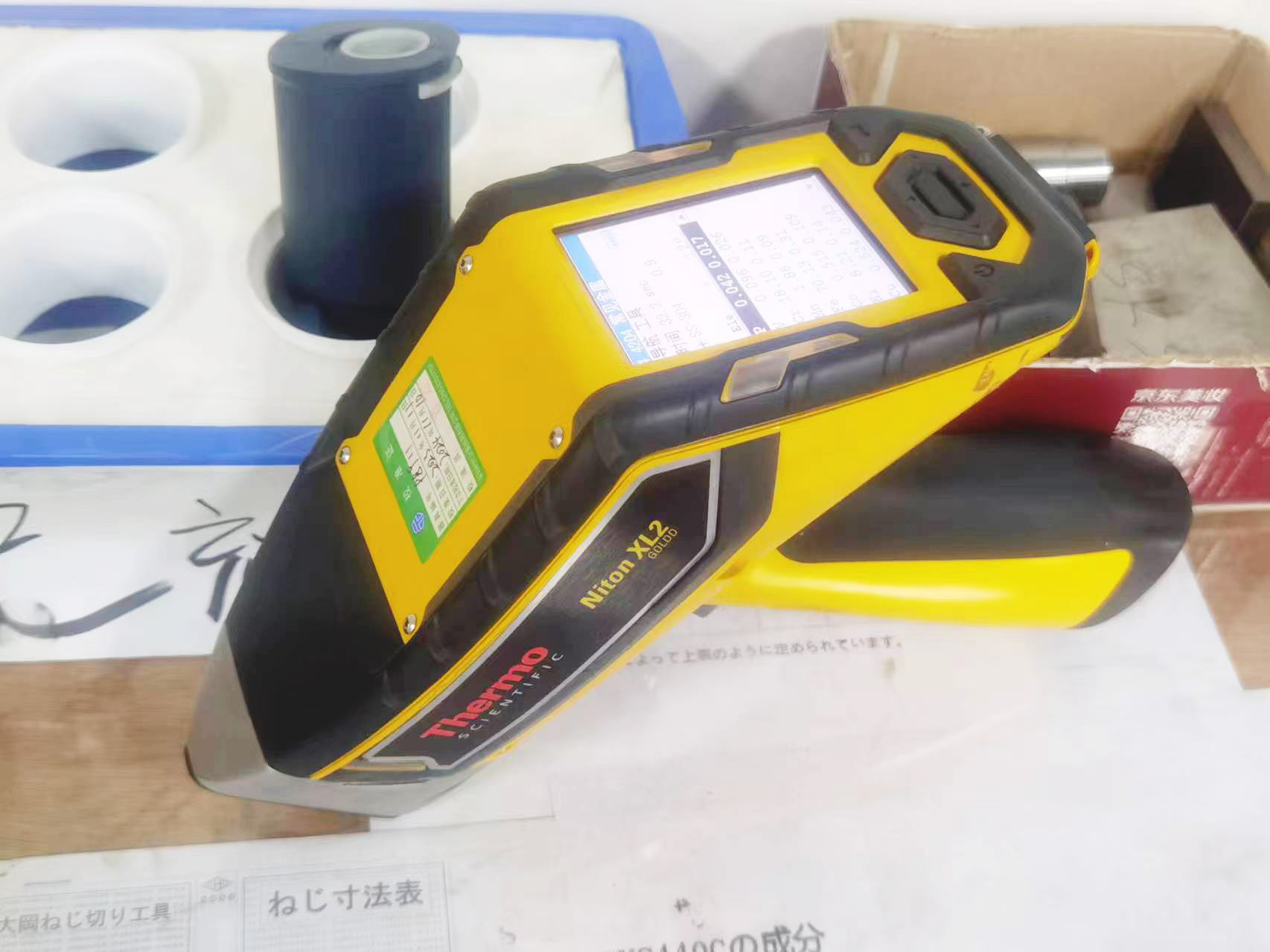
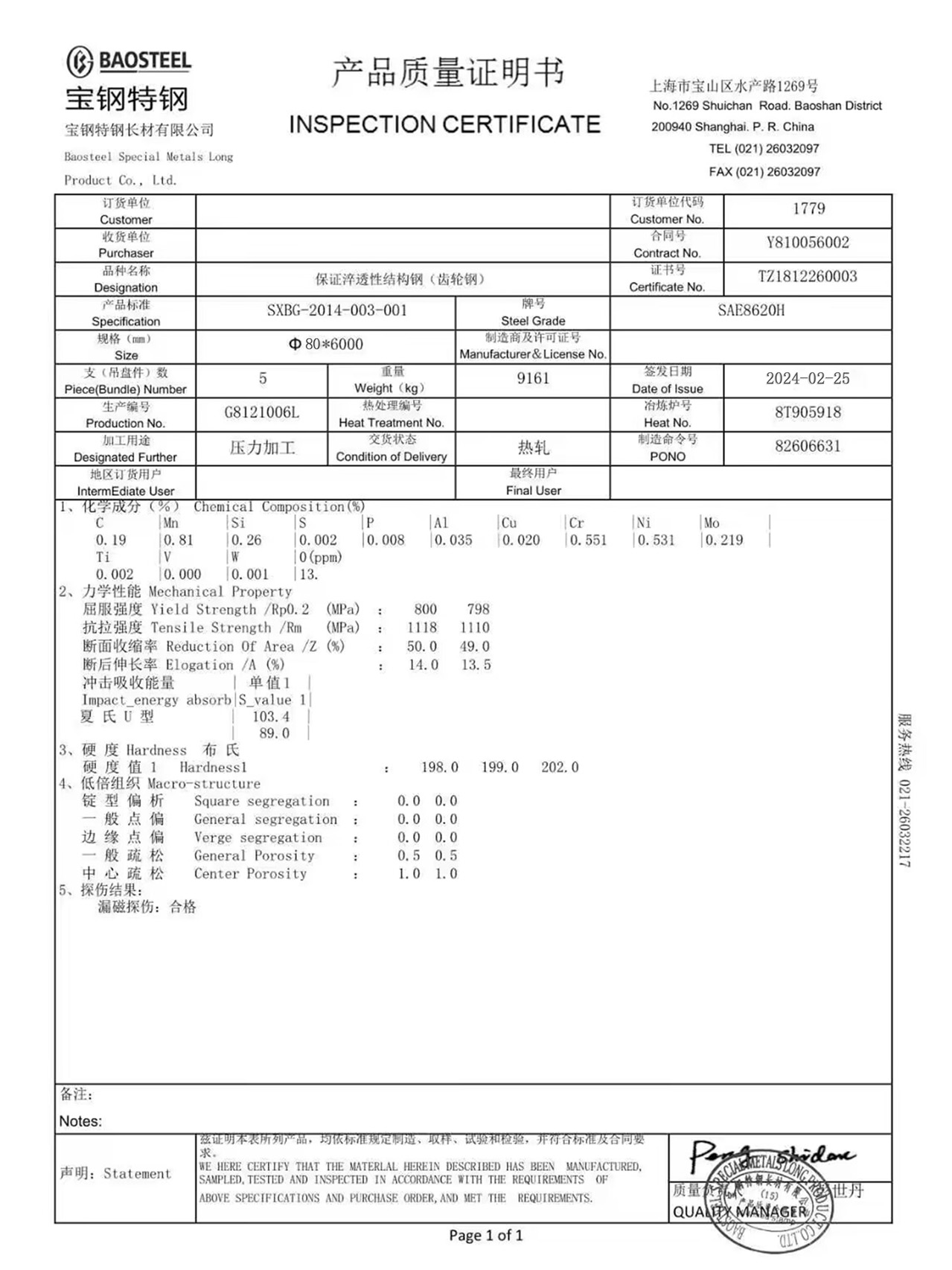
Steel: 1214L/1215/1045/4140/SCM440/40CrMo, etc. | ||||
Brass: 260, C360, H59, H60, H62, H63, H65, H68, H70, Bronze, Copper | ||||
Titanium: Grade F1-F5 | ||||
Plastic: Acetal/POM/PA/Nylon/PC/PMMA/PVC/PU/Acrylic/ABS/PTFE/PEEK etc. | ||||
Surface Treatment | Anodized, Bead Blasted, Silk Screen, PVD Plating, Zinc/Nickel/Chrome/Titanium Plating, Brushing, Painting, Powder Coated, Passivation, Electrophoresis, Electro Polishing, Knurl, Laser/Etch/Engrave etc. | |||
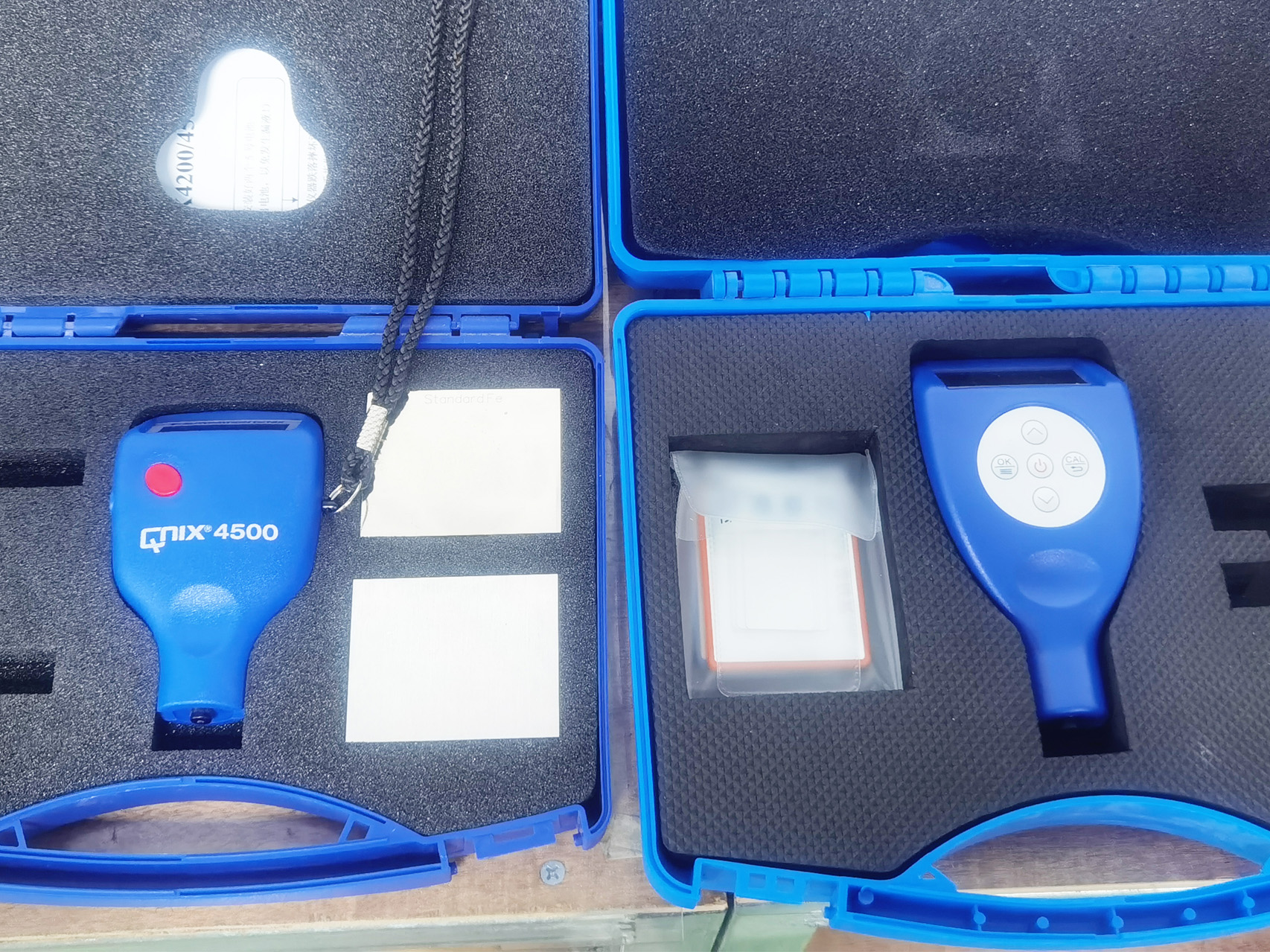
Tolerance | ±0.002 ~ ±0.005mm | |||
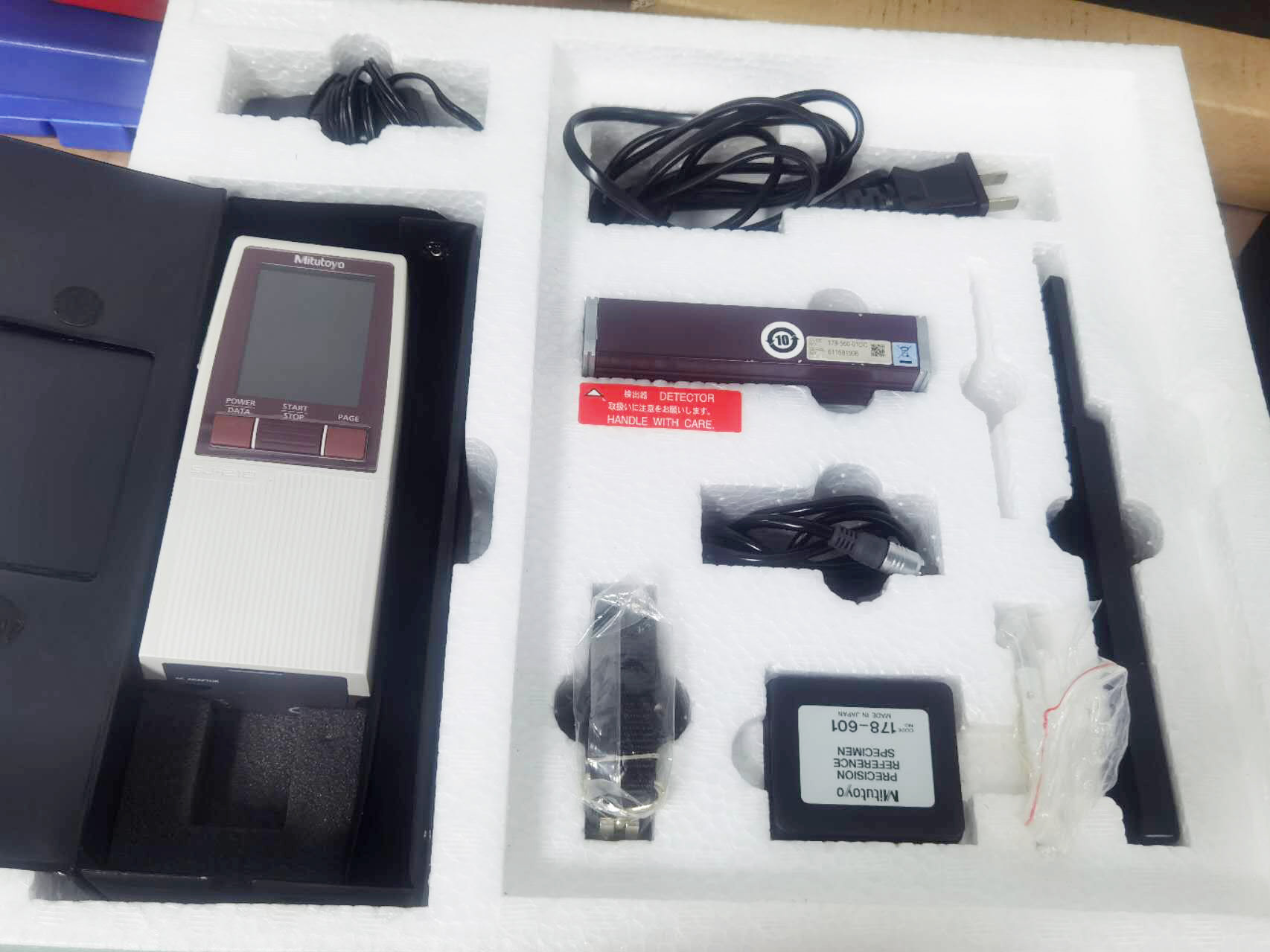
Surface Roughness | Min Ra 0.1~3.2 | |||
1.Direct OEM/0DM manufacturer, advanced produce technical,the highest tolerance we can reach to ±0.005mm;
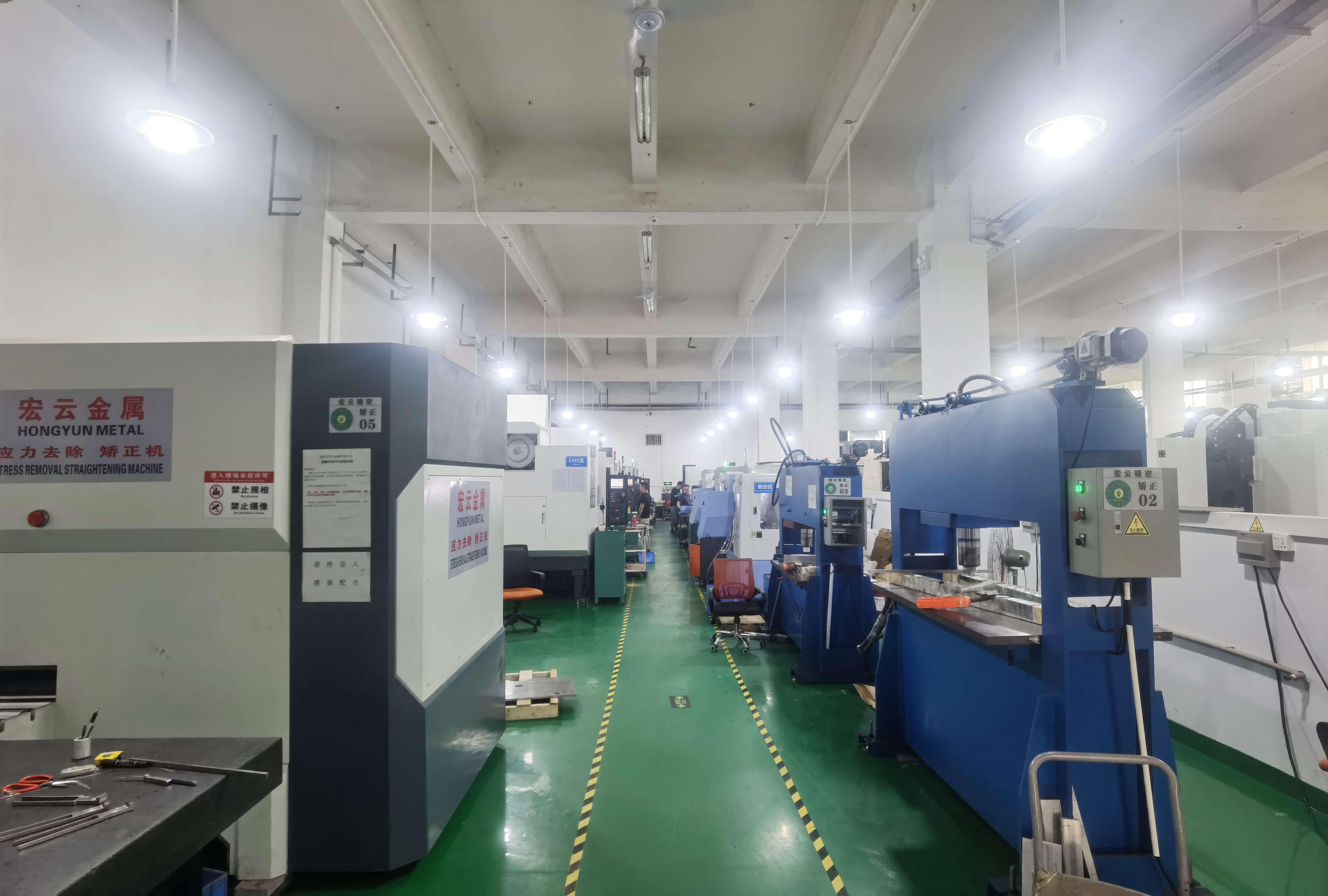
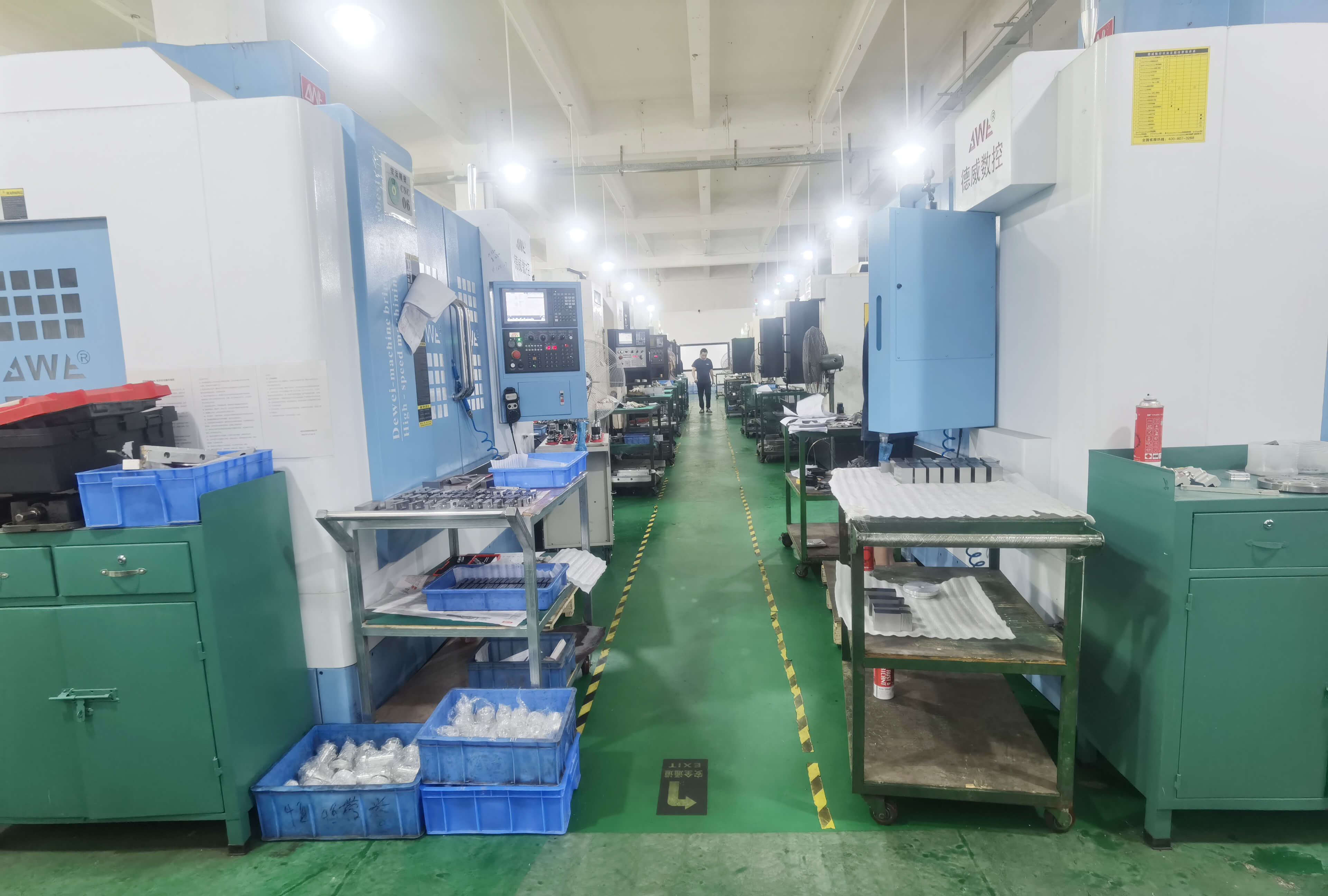
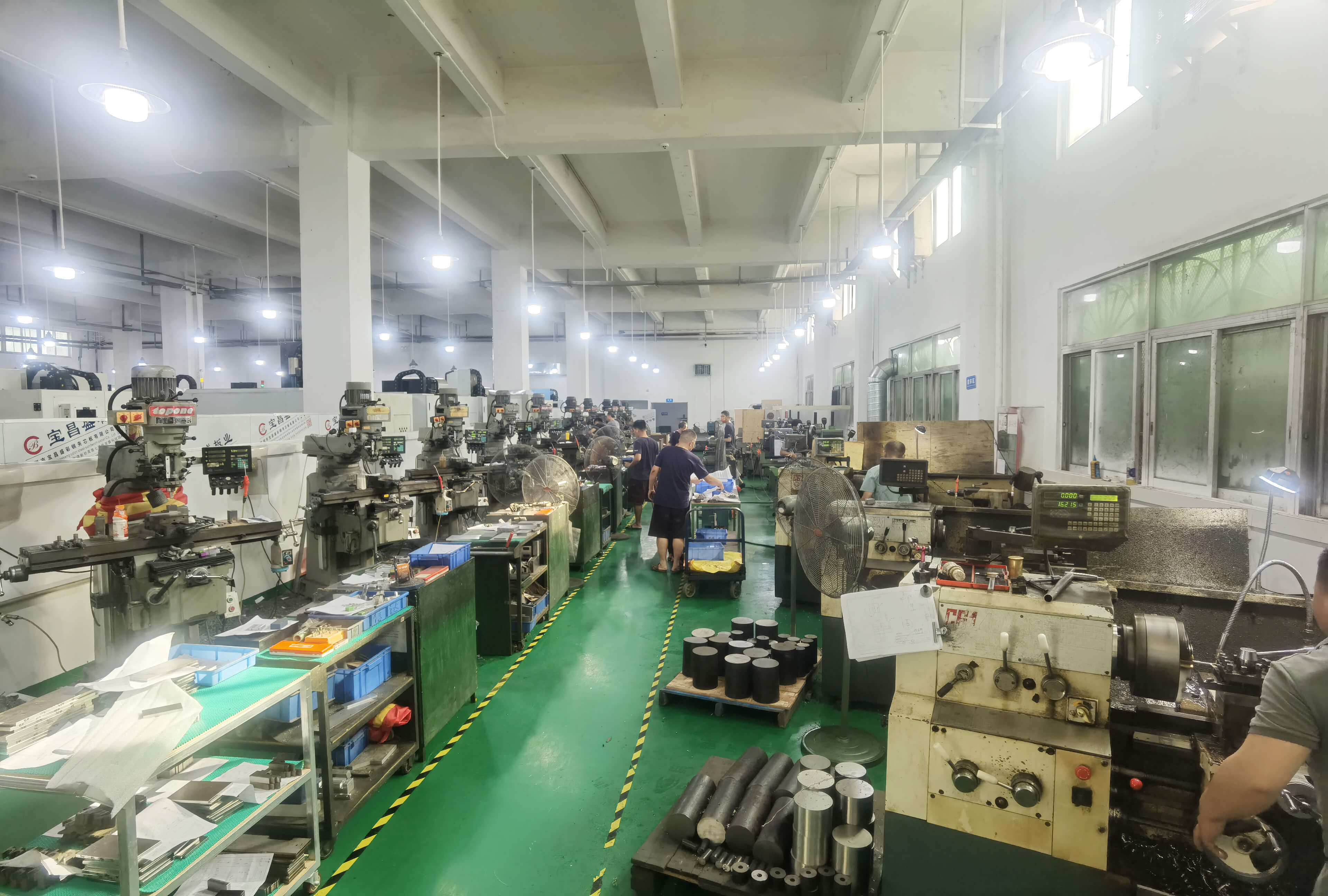
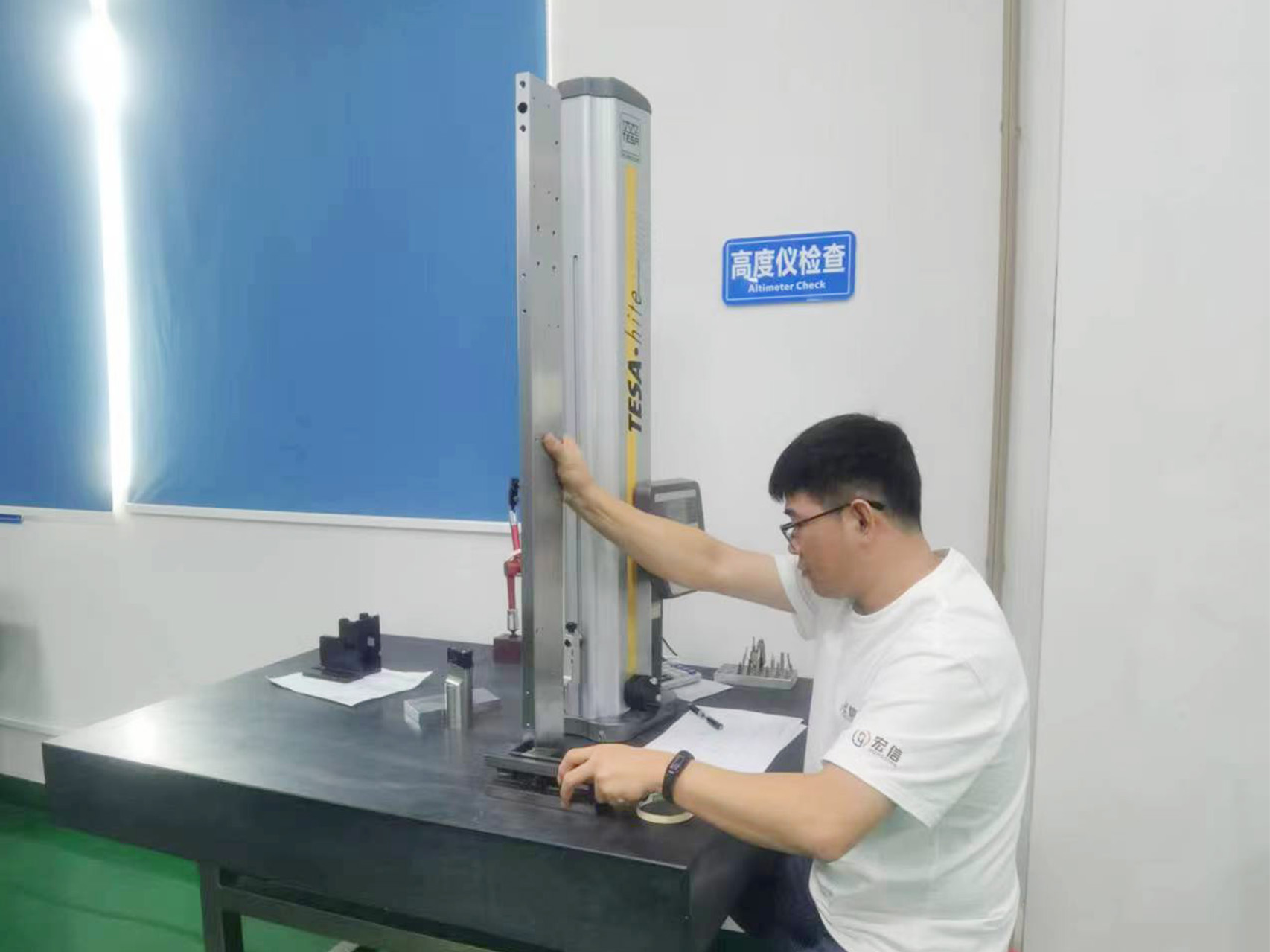
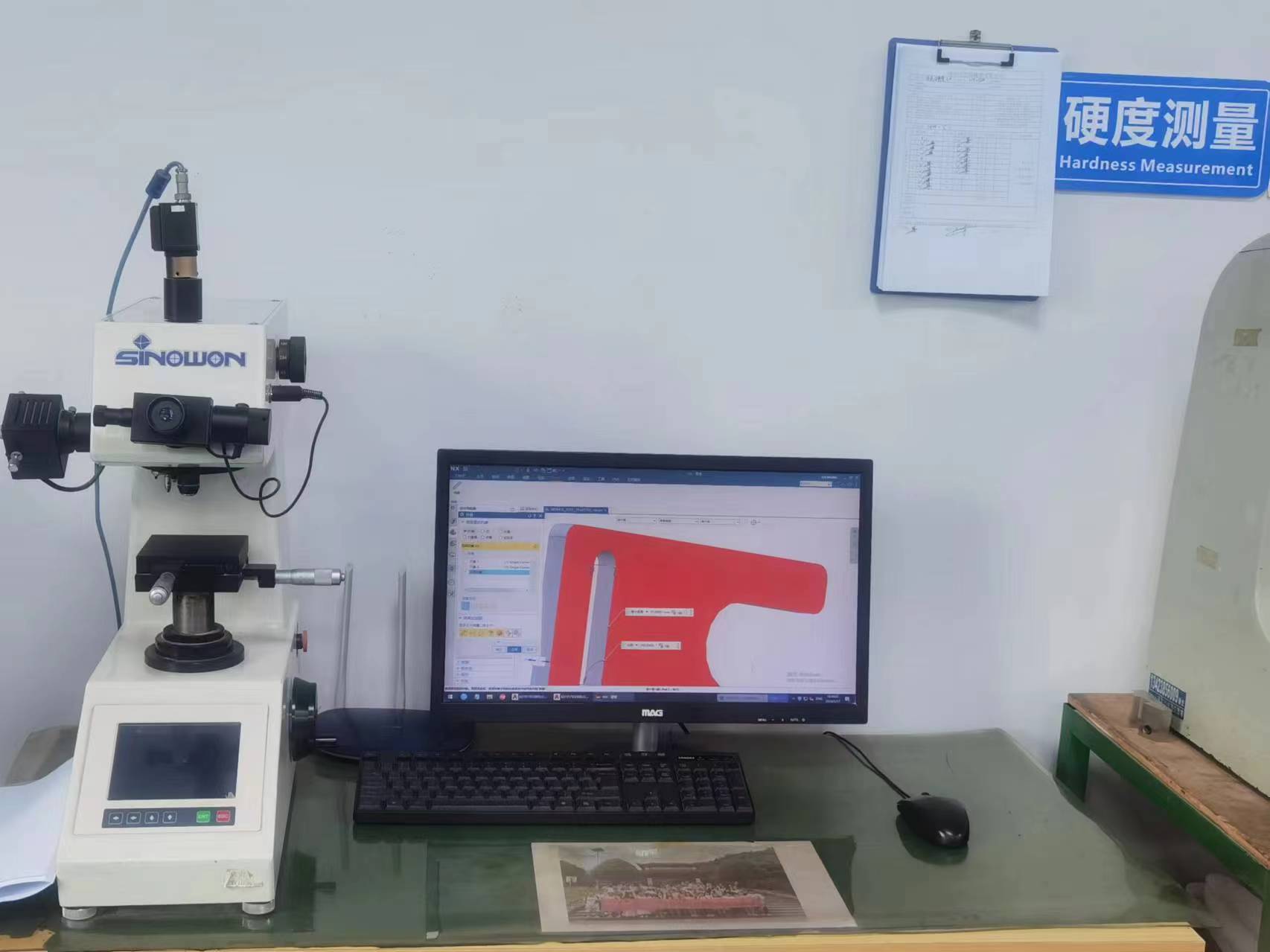
2.Complete produce equipment and test equipment. Independent Engineer team, to check drawings, provide quotation, write machining process, guide production.
3.Independent PMC department, to make production plan and manage delivery time.
4.Quick proofing, short delivery time, usually is 3-15 days
4.Quick proofing, short delivery time, usually is 3-15 days
5 .The company has gathered a rich group of technologicallyadvanced modern talents, which has laid a stable foundationfor the long-term development of the company.
6.Complex and difficult surface and functional structureof the hand plate model, We can all mold quickly.xxx
CNC Metals
Metals or metal alloys are often used in applications requiring high strength, hardness, and heat resistance. The following are some common CNC metals and their applications:
Aluminum is used to create custom metal parts and prototypes because it is lightweight and easy to machine.
Stainless steel is easily welded, machined, and polished, making it suitable for applications requiring corrosion resistance and aesthetics.
Mild carbon steel is suitable for machine parts, jigs, and fixtures due to its weldability and strength.
Alloy steels contain alloying elements other than carbon to improve hardness, toughness, fatigue, and wear resistance, and are widely used in mechanical and structural parts.
Tool steels are beneficial for making molds, stamps, and cutting tools due to their wear and deformation resistance.
Brass is ideal for parts requiring low friction and an aesthetically pleasing design and is often used in architectural design and decorative applications.