


Specializing in precise CNC machining and engineering for precision CNC machined components.
Precision CNC Engineering
Quotation | According to your drawing(size, material, required technology, etc) | |||
Tolerance | +/-0.001 mm - 0.01 mm (Customized avaiable) | |||
Surface Roughness | Ra0.2 - Ra3.2(Customized avaiable) | |||
Processing | Turning, Milling , drilling, auto lathe, tapping, surface treatment, etc. | |||
Drawing Formats | PRO/E, Auto CAD, Solid Works , UG, CAD / CAM / CAE, PDF | |||
Our Advantages | 1. 24 hours online service . 2. Quickly Quote/Delivery. 3. 100% QC quality inspection before delivery 4. Can provide quality inspection form. 5. 14+ years of experience in the CNC machining area 6. Have a senior design team to offer perfect modification suggestions. | |||
Understanding Precision CNC Engineering
Advanced Technology: Precision CNC engineering utilizes state-of-the-art CNC machines to manufacture components with tight tolerances and complex geometries.
Design Optimization: Engineers in precision CNC engineering focus on optimizing designs for manufacturability, ensuring that parts can be efficiently produced with minimal waste.
Quality Control: Rigorous quality control measures are implemented throughout the engineering process to maintain high standards of precision and accuracy.
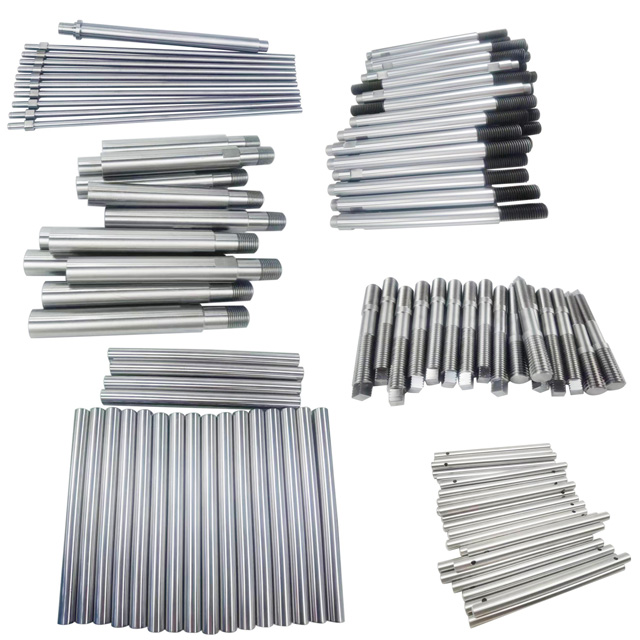

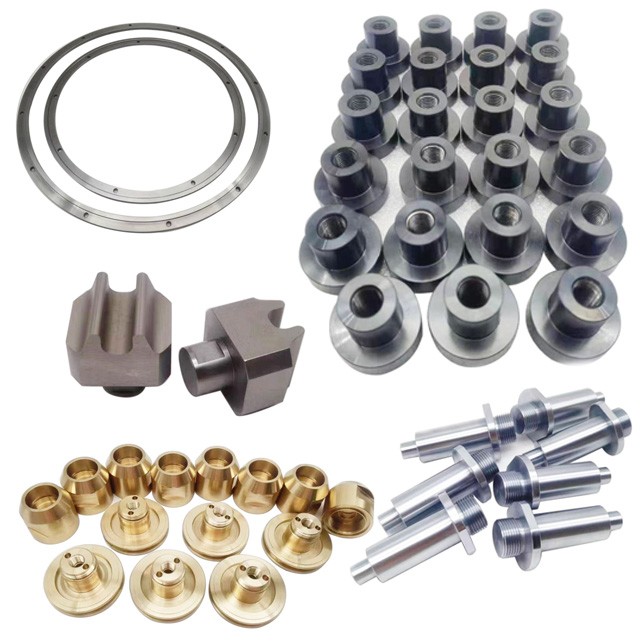
Key Aspects of Precision CNC Engineering
CAD/CAM Software: Computer-aided design (CAD) and computer-aided manufacturing (CAM) software are essential tools in precision CNC engineering for designing parts and generating toolpaths for CNC machines.
Material Selection: Engineers carefully select materials based on the component's requirements for strength, durability, and other properties crucial to its function.
Process Optimization: Optimization of machining parameters such as cutting speeds, feeds, and toolpaths is vital in achieving high precision and efficiency in CNC machining.
Applications of Precision CNC Engineering
Aerospace Industry: Precision CNC engineering is widely used in the aerospace sector for manufacturing critical components like turbine blades, aircraft structures, and avionics parts.
Medical Device Manufacturing: The medical industry relies on precision CNC engineering to produce intricate and precise components for devices such as implants, surgical instruments, and diagnostic equipment.
Automotive Sector: Precision CNC engineering plays a crucial role in the automotive industry for manufacturing engine components, transmission parts, and precision chassis components.
Advantages of Precision CNC Engineering
High Precision: Precision CNC engineering ensures that components meet exact specifications and tolerances, crucial for industries where precision is paramount.
Efficiency: CNC technology allows for efficient production processes, reducing lead times and increasing overall productivity.
Quality Assurance: Rigorous quality control measures in precision CNC engineering guarantee the reliability and consistency of machined components.
 Providing precision engineering machining services including CNC turning and milling services, CNC lathe components. cnc turning service
 Precision CNC parts for motorcycles and automotive machinery.
 CNC Machining Services in China for High Precision Parts
 Specializing in precision CNC machining for plastic components and tool steel.