High Precision CNC Manufacturing & Metal Parts Production Services
Hongsinn-912
Precision CNC routing services for custom metal parts production. Complex designs in aluminum, steel, & more. Aerospace & automotive quality. Contact us now!
Delivery
FOB
minimum order
1 piece
Supply Ability
5000piece / Week
Country of Origin
Shenzhen
Stock Time
7~15Day
Quantity:
US $0.59 - US $10.68 / piece
Precision CNC routing services for custom metal parts production. Complex designs in aluminum, steel, & more. Aerospace & automotive quality. Contact us now!
|

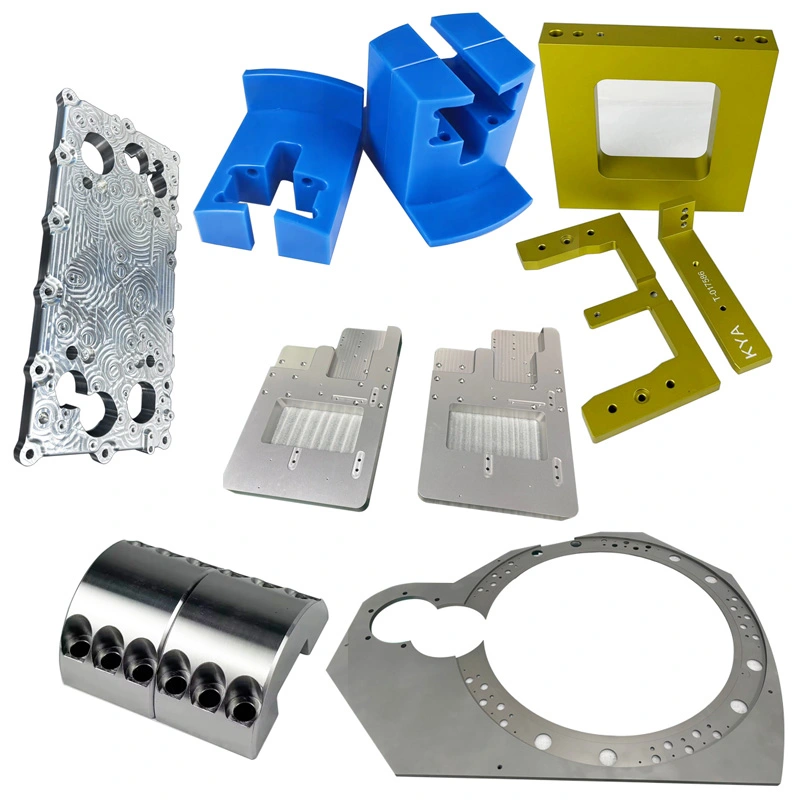
Selection of production parts materials
Commonly used materials for production parts include metals (such as steel and aluminum), engineering plastics (such as ABS, polycarbonate, and nylon), composite materials (such as carbon fiber and glass fiber), and some ceramic materials.
Commonly used materials for production parts include metals (such as steel and aluminum), engineering plastics (such as ABS, polycarbonate, and nylon), composite materials (such as carbon fiber and glass fiber), and some ceramic materials.
Application performance requirements, cost and availability should be considered when selecting materials for end-use parts. The following are properties to consider when selecting materials for production parts:
intensity
The material should be able to withstand the operating loads the part will encounter. Metals usually have high strength and are suitable for withstanding heavy workloads.
The material should be able to withstand the operating loads the part will encounter. Metals usually have high strength and are suitable for withstanding heavy workloads.
Durability
Materials should be able to withstand long-term wear without degradation or damage. Composite materials such as carbon fiber combine durability and strength, making them suitable for demanding applications.
Materials should be able to withstand long-term wear without degradation or damage. Composite materials such as carbon fiber combine durability and strength, making them suitable for demanding applications.
Flexibility
Depending on the application, the material may need to be somewhat flexible to accommodate movement or deformation. Engineering plastics, such as polycarbonate and nylon, are generally flexible and can be used in a variety of dynamic environments.
Depending on the application, the material may need to be somewhat flexible to accommodate movement or deformation. Engineering plastics, such as polycarbonate and nylon, are generally flexible and can be used in a variety of dynamic environments.
Temperature resistance
If the part will be exposed to high temperatures, the material must be able to withstand the high temperatures without melting or deforming. Materials such as steel, ABS and ceramics have good temperature resistance and are suitable for use in extreme temperature conditions.
If the part will be exposed to high temperatures, the material must be able to withstand the high temperatures without melting or deforming. Materials such as steel, ABS and ceramics have good temperature resistance and are suitable for use in extreme temperature conditions.
By considering these properties, the material best suited for a specific application and environmental conditions can be selected, ensuring optimal performance and longevity of the part.
metal forming
Metal forming is the shaping of metals by mechanical or thermal deformation using hot or cold processes depending on the alloy and required geometry. Parts made with this molding method are typically high in strength and durability, and it produces less material waste than many other manufacturing methods.
Metal forming is the shaping of metals by mechanical or thermal deformation using hot or cold processes depending on the alloy and required geometry. Parts made with this molding method are typically high in strength and durability, and it produces less material waste than many other manufacturing methods.
Common types of metal forming include:
forging
The metal is heated to a plastic state by applying pressure, allowing it to be formed into the desired shape.
forging
The metal is heated to a plastic state by applying pressure, allowing it to be formed into the desired shape.
squeeze
Forcing metal through a mold to produce a specific shape or profile is widely used to make long parts.
Forcing metal through a mold to produce a specific shape or profile is widely used to make long parts.
stretch
Commonly used to create thin-walled parts by pulling metal through a mold to create the desired cross-section.
Commonly used to create thin-walled parts by pulling metal through a mold to create the desired cross-section.
bend
The metal is bent into the desired geometric shape by applying force, suitable for the production of various straight or curved profiles.
The metal is bent into the desired geometric shape by applying force, suitable for the production of various straight or curved profiles.