Leading the precision manufacturing industry with rapid prototype services.
Leading the precision manufacturing industry with rapid prototype services.
The precision manufacturing industry is at the forefront of technological innovation, enabling industries like aerospace, medical, and automotive to produce high-quality components with tight tolerances. Key advancements such as rapid prototype manufacturing and precision manufacturing techniques have revolutionized production efficiency and product development.
What Are the Pros and Cons of Rapid Prototyping?
The advantages and disadvantages of rapid prototyping are primarily related to the speed and cost of part production. A significant advantage is that users can experience the final design's appearance and functionality in advance, enabling improvements and adjustments before the final product is completed. However, a disadvantage of rapid prototyping is that product developers can sometimes become overly reliant on limited prototypes and invest too much effort in these preliminary models.This approach can limit the ability to fully analyze a product and effectively assess its strengths and weaknesses, thus impacting product quality. Another significant advantage of this process is its cost-effectiveness. Using 3D printing technology to create plastic prototypes (or small batches) is often much more economical than sourcing injection molded parts suitable for final production.
Rapid prototyping is primarily used to reduce production costs and lead times for new products. Prototypes begin as concepts before physical verification (also known as proof of concept) is performed. This process allows teams to identify the next steps in the iterative process. To maximize the effectiveness of rapid prototyping, consider the following:
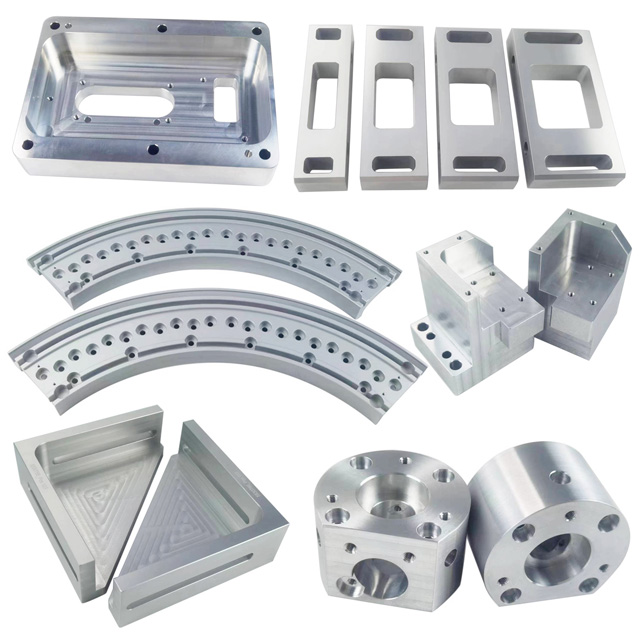
Processing | CNC Turning, CNC Milling, Laser Cutting, Bending, Spinning, Wire Cutting, Stamping, Electric Discharge Machining (EDM), Injection Molding | |||
Materials | Aluminum: 2000 series, 6000 series, 7075, 5052, etc. | |||
Stainless steel: SUS303, SUS304, SS316, SS316L, 17-4PH, etc. | ||||
Steel: 1214L/1215/1045/4140/SCM440/40CrMo, etc. | ||||
Brass: 260, C360, H59, H60, H62, H63, H65, H68, H70, Bronze, Copper | ||||
Titanium: Grade F1-F5 | ||||
Plastic: Acetal/POM/PA/Nylon/PC/PMMA/PVC/PU/Acrylic/ABS/PTFE/PEEK etc. | ||||
Surface Treatment | Anodized, Bead Blasted, Silk Screen, PVD Plating, Zinc/Nickel/Chrome/Titanium Plating, Brushing, Painting, Powder Coated, Passivation, Electrophoresis, Electro Polishing, Knurl, Laser/Etch/Engrave etc. | |||
Tolerance | ±0.002 ~ ±0.005mm | |||
Surface Roughness | Min Ra 0.1~3.2 | |||
4.Quick proofing, short delivery time, usually is 3-15 days
Rapid prototyping refers to the process of rapidly producing physical parts using a variety of technologies. These technologies include:
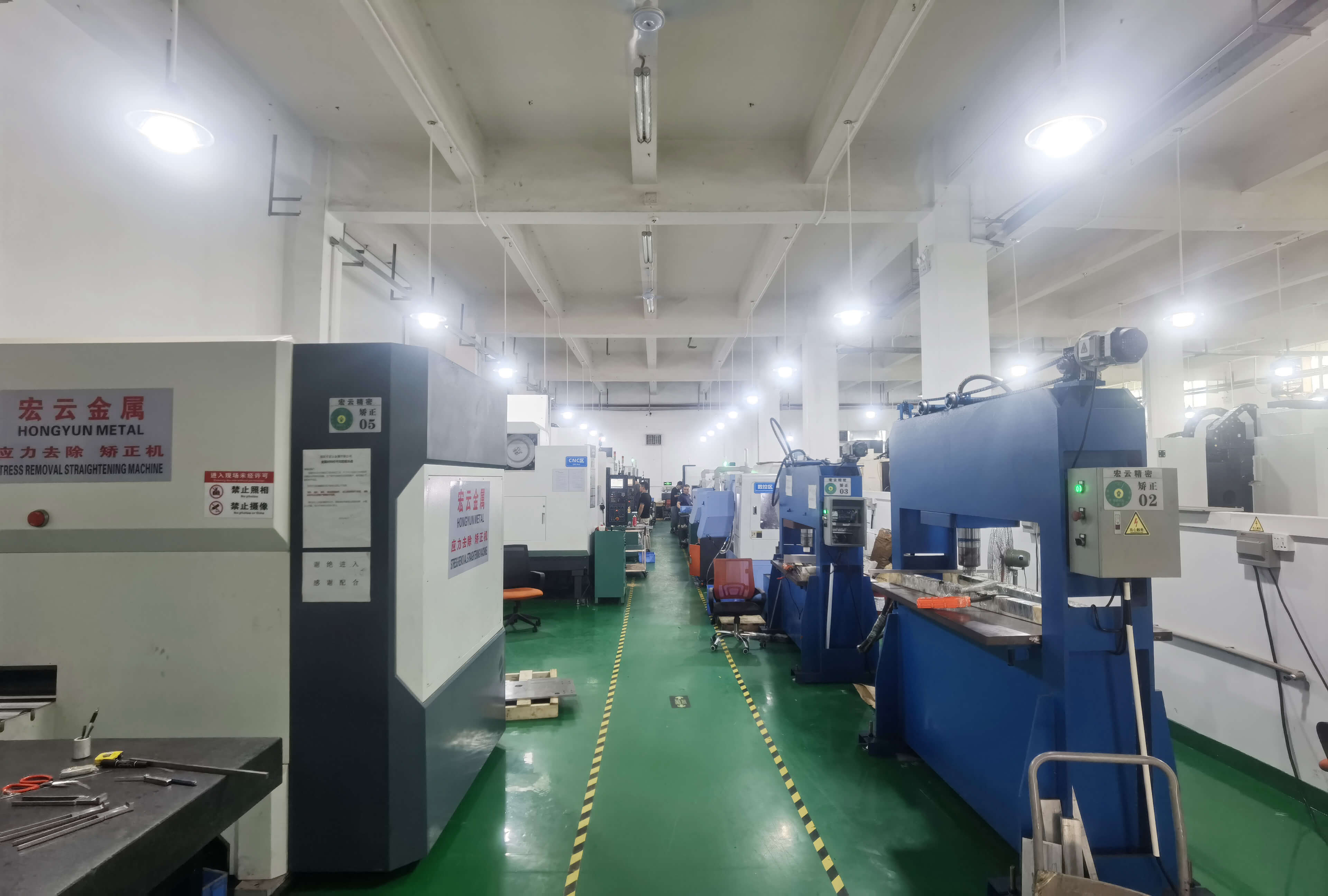
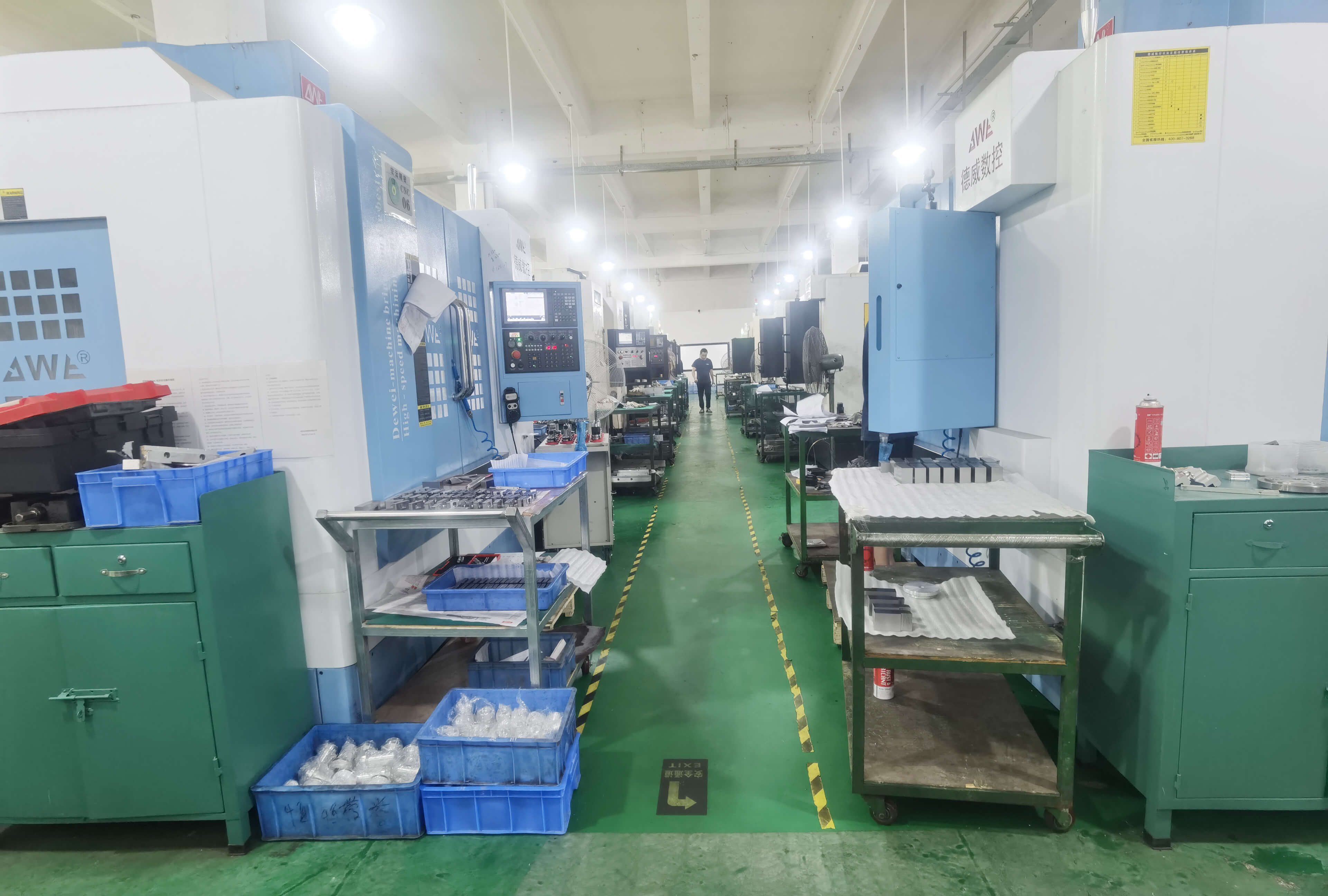
High-speed machining: A subtractive manufacturing process that creates the desired shape by removing excess material.
Laser cutting: Uses a laser beam to precisely cut materials to create complex shapes and designs.
These methods share the goal of accelerating prototyping, reducing costs, and increasing design flexibility.
Rapid prototyping is primarily used to create physical and digital models. This process is fast and efficient, greatly facilitating prototype production. Rapid prototyping helps identify potential part failures or issues that need to be addressed before final iteration.

The precision manufacturing industry continues to evolve with advancements in rapid prototype manufacturing and precision manufacturing techniques. These innovations enable faster production cycles, higher accuracy, and cost-effective solutions across multiple sectors.
By leveraging cutting-edge technologies, manufacturers can stay competitive and meet the growing demand for high-quality, customized components.