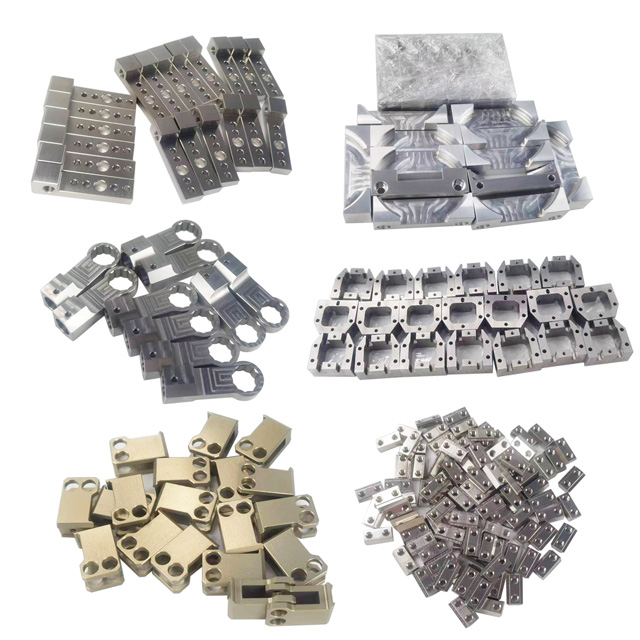
Offering titanium CNC machining services for prototyping and a wide range of CNC machining capabilities.
Hongsinn-634
Unlock precision with our titanium CNC machining and prototyping services. Explore a world of possibilities with our extensive CNC machining capabilities. Elevate your projects with unparalleled quality and expertise.
Delivery
FOB
minimum order
1 piece
Supply Ability
5000piece / Week
Country of Origin
Shenzhen
Stock Time
7~15Day
Quantity:
US $0.59 - US $10.68 / piece
Offering titanium CNC machining services for prototyping and a wide range of CNC machining capabilities.
In today's high-tech manufacturing landscape, titanium CNC machining services provide unparalleled strength-to-weight ratios for critical applications, while prototyping CNC machining enables rapid product development.

What is rapid prototyping?
Rapid prototyping is a product development method that aims to use advanced manufacturing technology to quickly create iterative versions of multiple components for testing and evaluation. In simple terms, it is a method of quickly manufacturing parts designed to support evaluation in real operations.
3D printing is the most commonly used technology in rapid prototyping because it is cost-effective, with prototype costs typically ranging from $5 to $50, and has a short turnaround time of only 1-3 working days. In addition to 3D printing, other common rapid prototyping processes include CNC machining, sheet metal manufacturing, and rapid injection molding. The combination of these technologies makes the design and development process more efficient and flexible.
Speed and affordability are core principles of rapid prototyping. These principles make it possible to manufacture multiple prototypes at once, or to quickly modify and iterate on a single prototype.
Prototypes provide critical information during the design process, helping engineers make informed design decisions before moving to functional testing and production. By quickly getting feedback and making necessary adjustments, teams can more effectively optimize products, ensuring that the final design meets requirements and standards.
Rapid prototyping services allow for testing of various designs and materials as it eliminates the usual financial and time risks. This flexibility reduces the risk of moving forward with a project without sufficient information.
Rapid prototyping allows teams to quickly validate design concepts and conduct hands-on evaluations to more effectively identify potential issues. This approach not only speeds up development cycles, but also improves the quality and adaptability of the final product.
Processing | CNC Turning, CNC Milling, Laser Cutting, Bending, Spinning, Wire Cutting, Stamping, Electric Discharge Machining (EDM), Injection Molding | |||
Materials | Aluminum: 2000 series, 6000 series, 7075, 5052, etc. | |||
Stainless steel: SUS303, SUS304, SS316, SS316L, 17-4PH, etc. | ||||
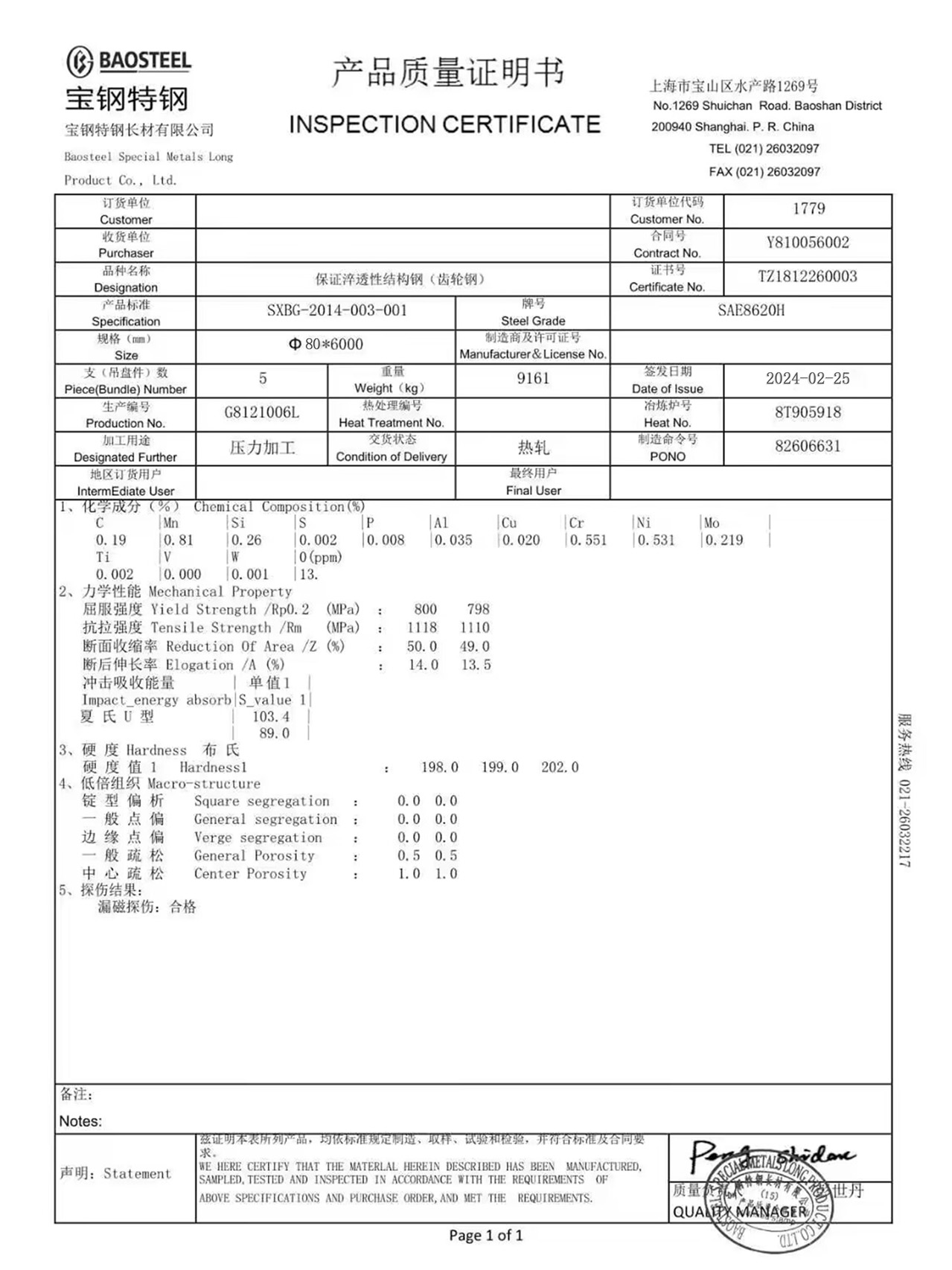
Steel: 1214L/1215/1045/4140/SCM440/40CrMo, etc. | ||||
Brass: 260, C360, H59, H60, H62, H63, H65, H68, H70, Bronze, Copper | ||||
Titanium: Grade F1-F5 | ||||
Plastic: Acetal/POM/PA/Nylon/PC/PMMA/PVC/PU/Acrylic/ABS/PTFE/PEEK etc. | ||||
Surface Treatment | Anodized, Bead Blasted, Silk Screen, PVD Plating, Zinc/Nickel/Chrome/Titanium Plating, Brushing, Painting, Powder Coated, Passivation, Electrophoresis, Electro Polishing, Knurl, Laser/Etch/Engrave etc. | |||
Tolerance | ±0.002 ~ ±0.005mm | |||
Surface Roughness | Min Ra 0.1~3.2 | |||
1.Direct OEM/0DM manufacturer, advanced produce technical,the highest tolerance we can reach to ±0.005mm;
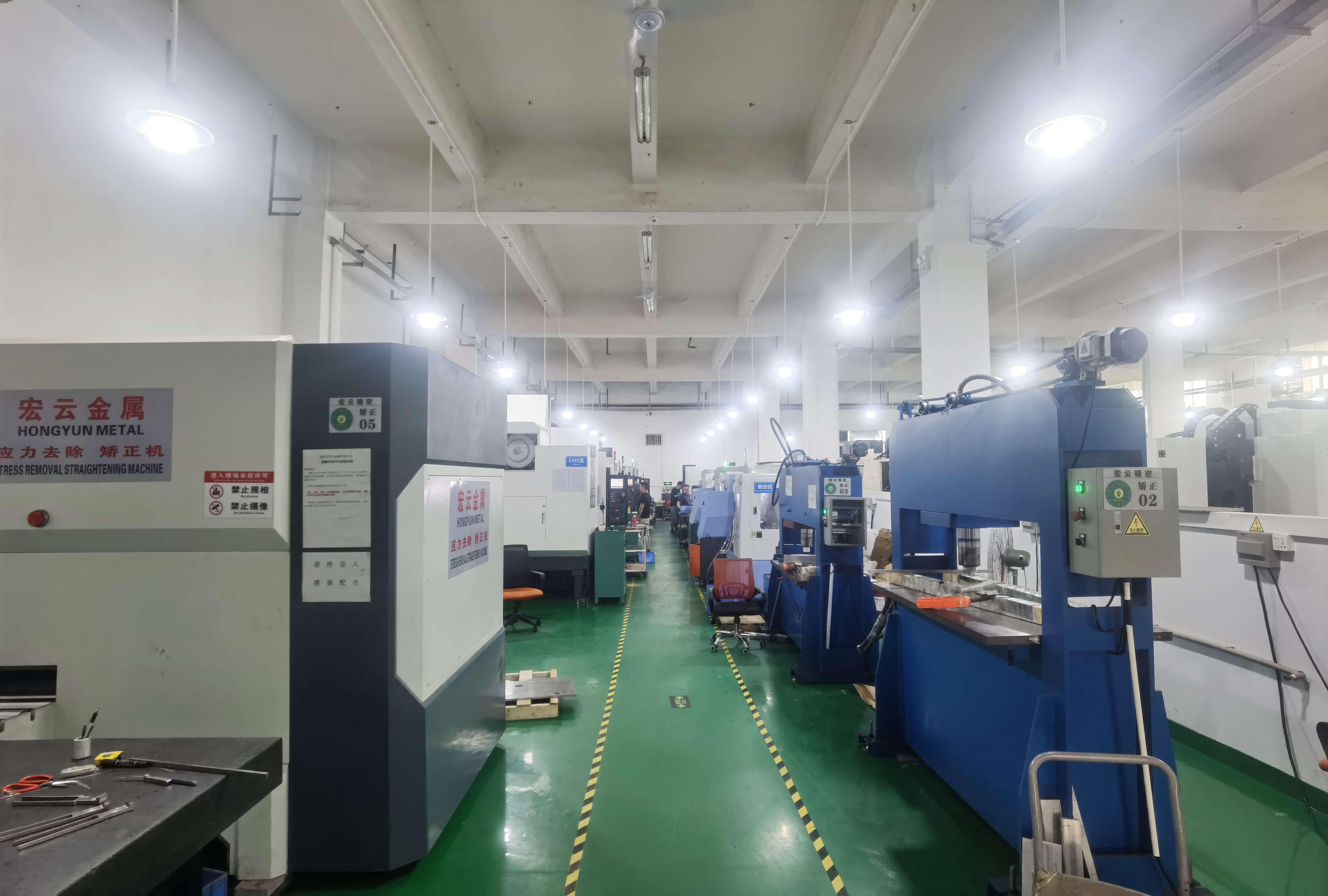
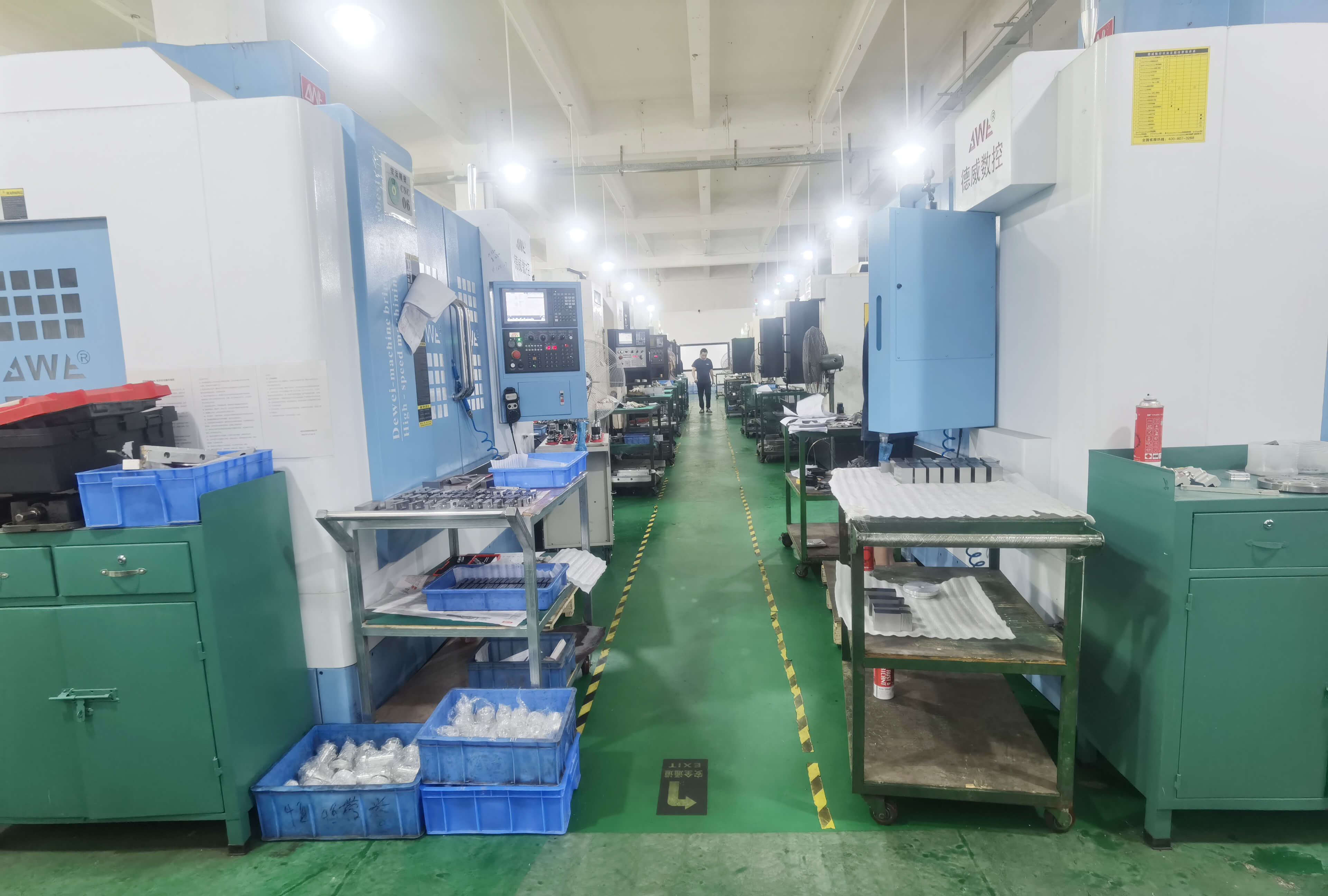
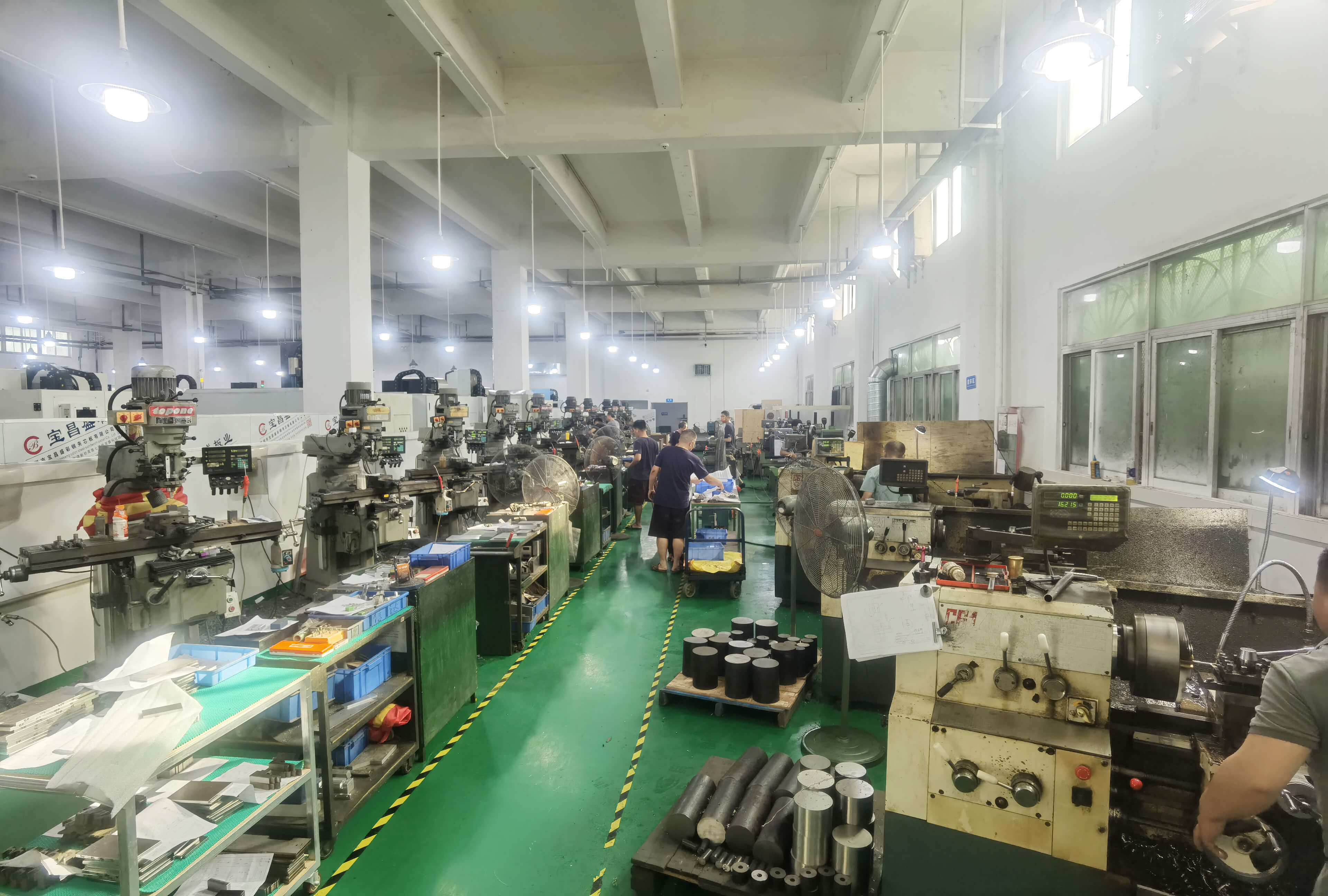
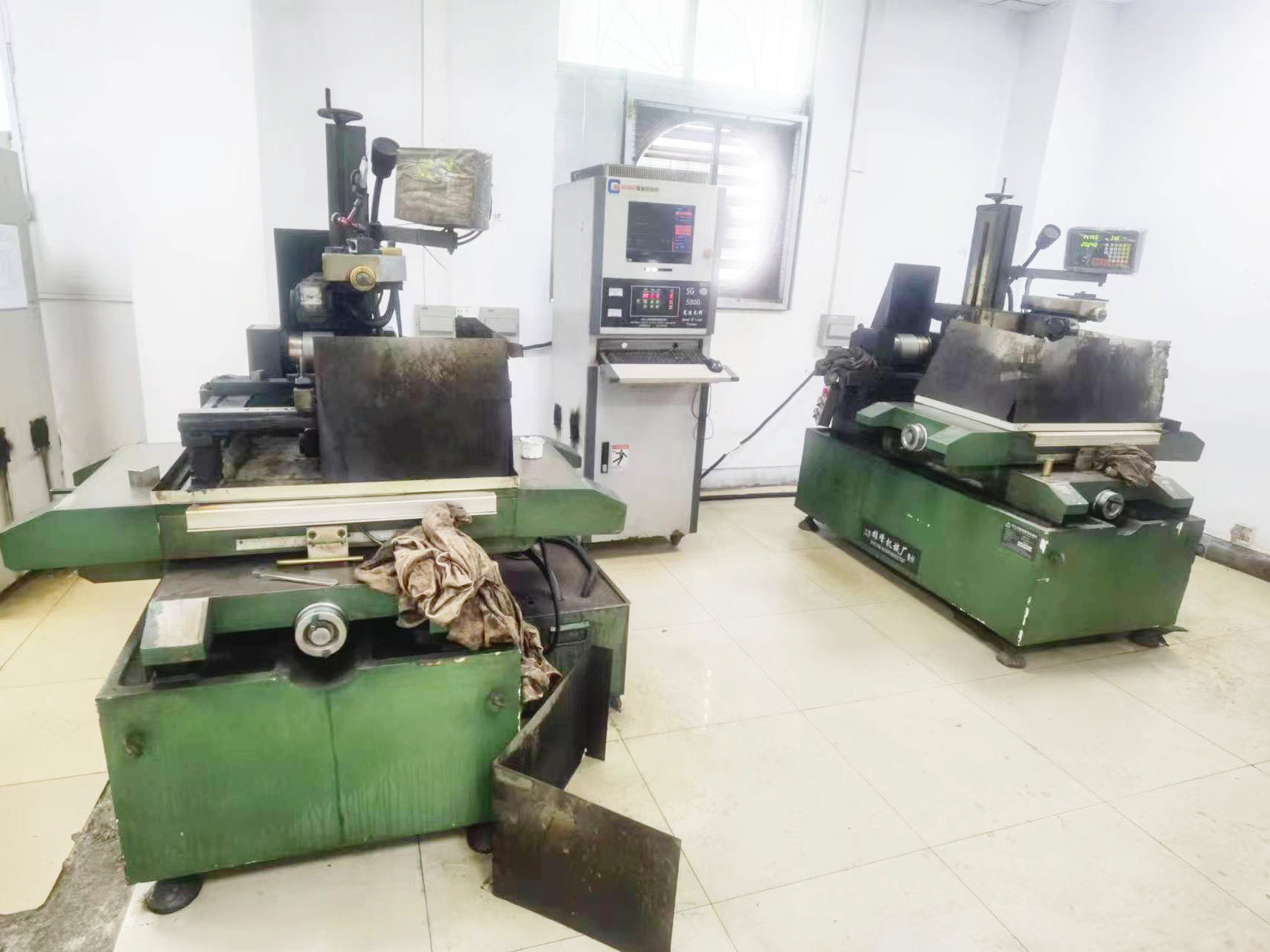
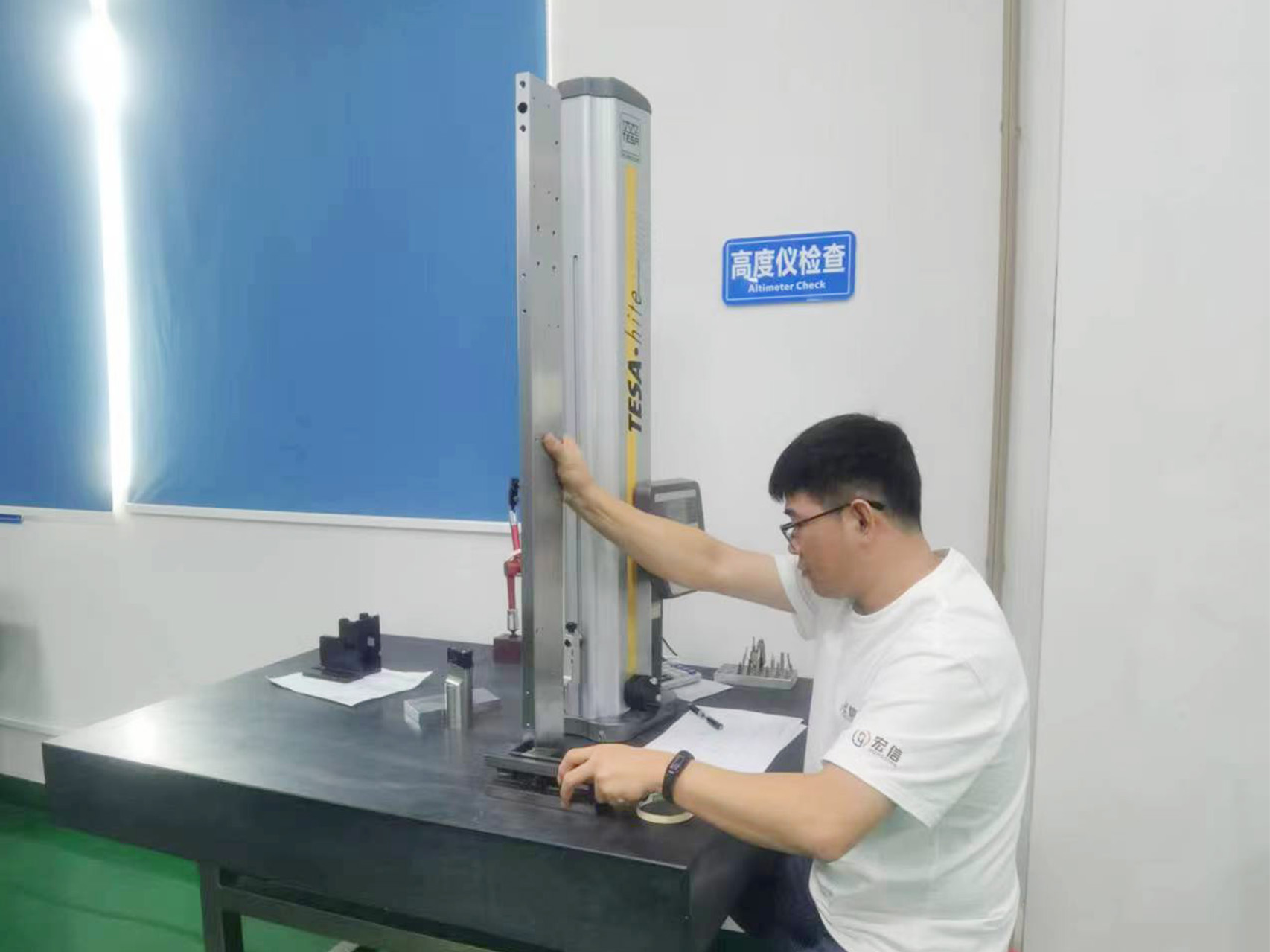
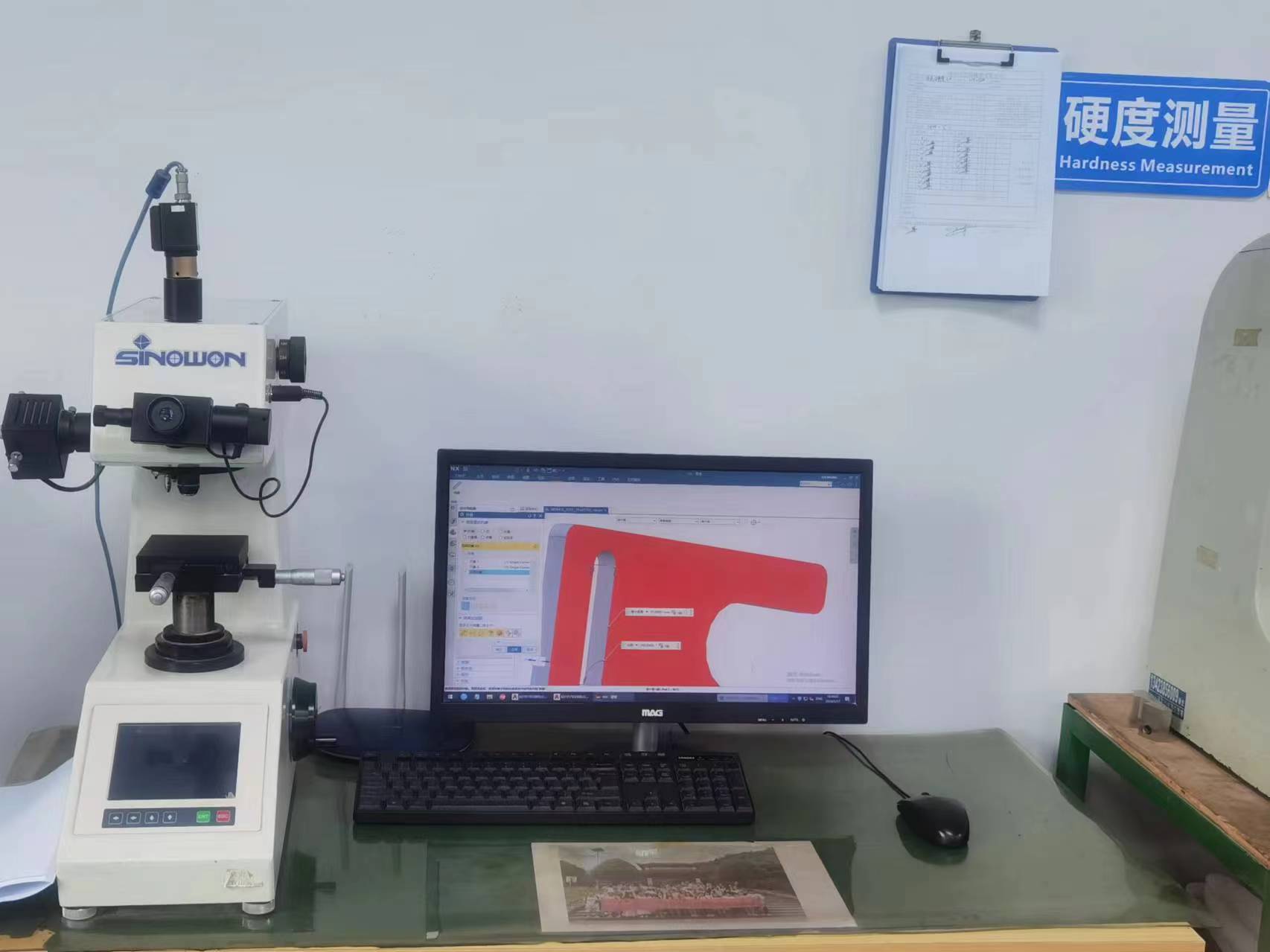
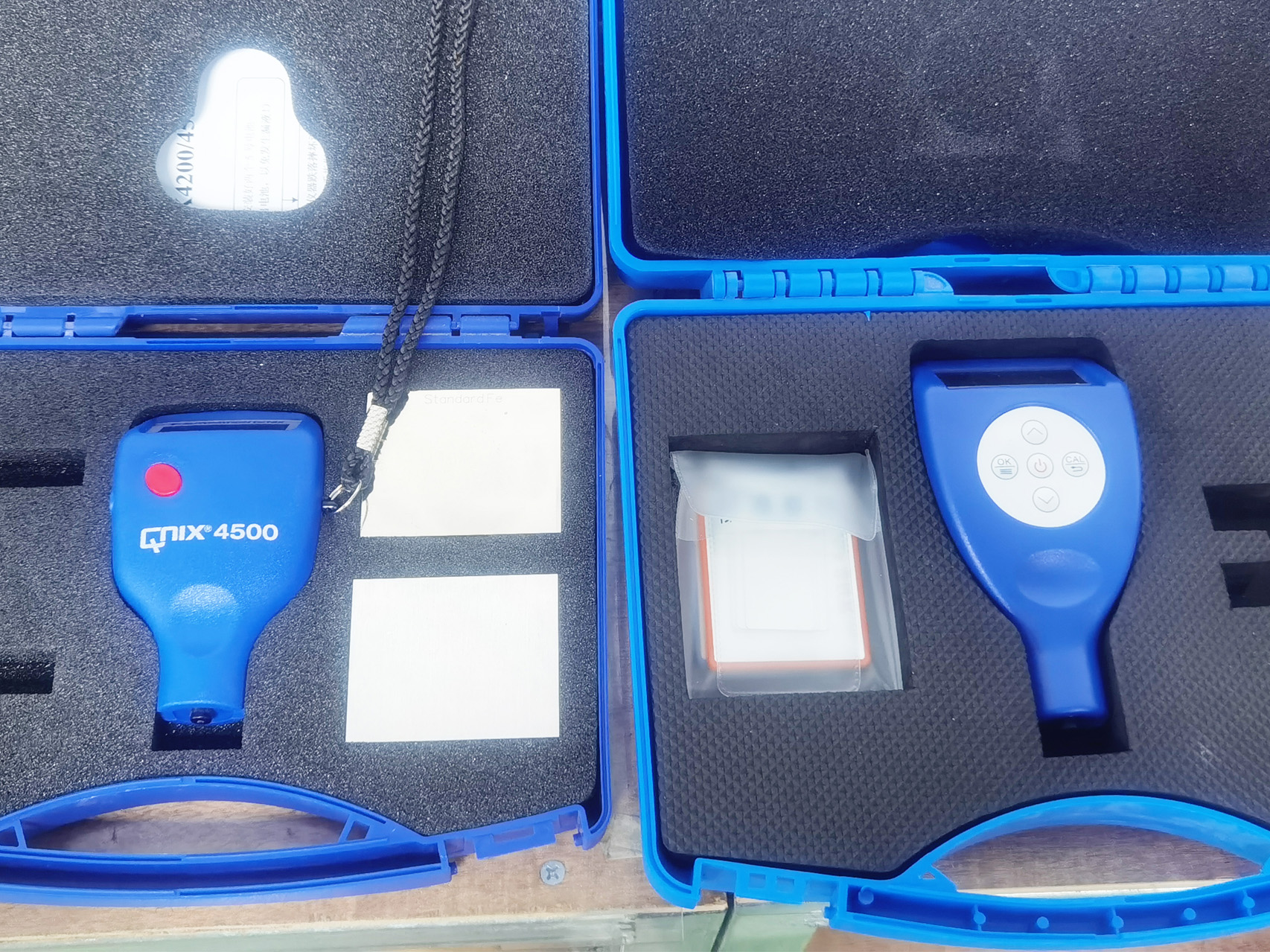
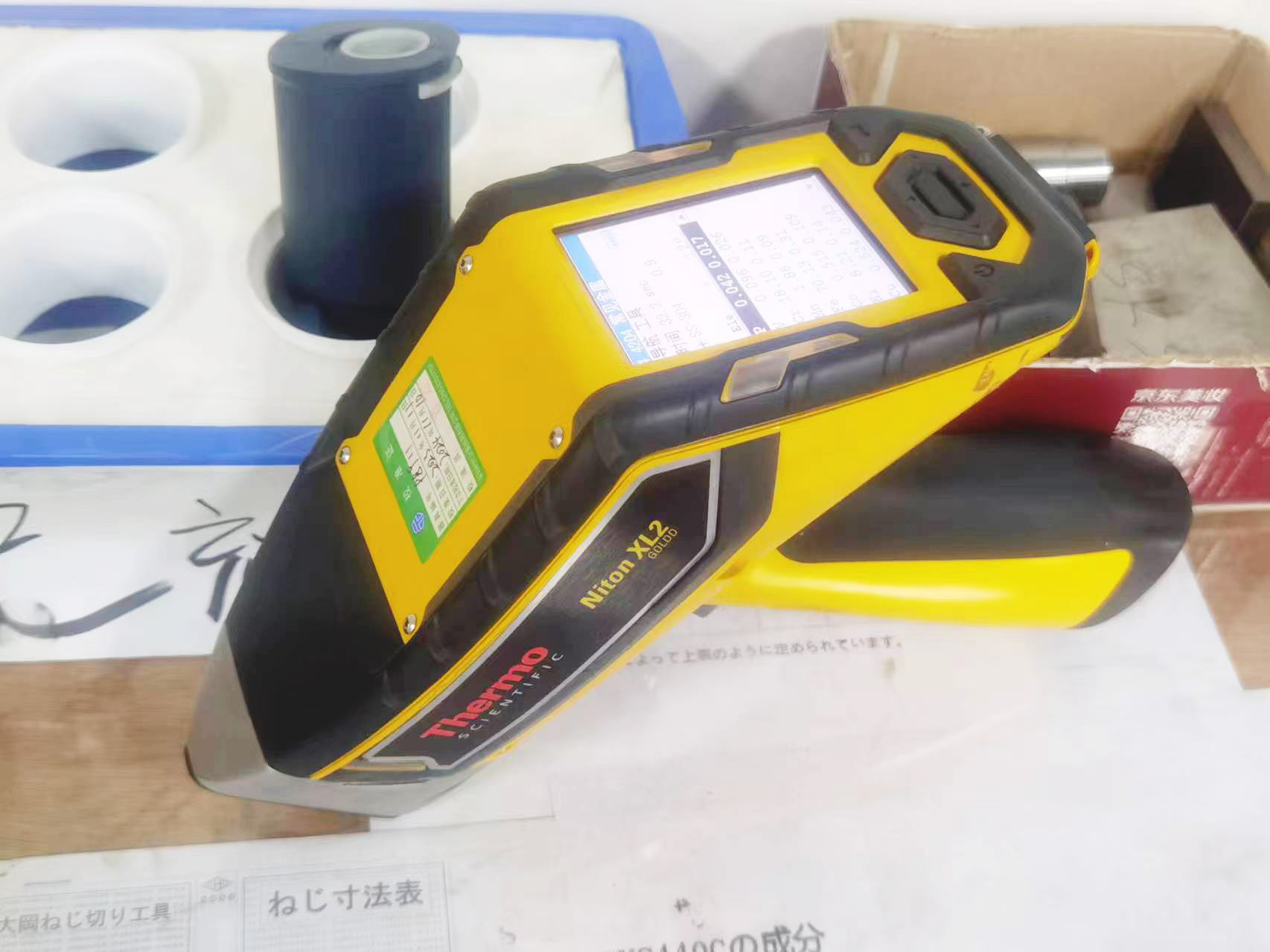
2.Complete produce equipment and test equipment. Independent Engineer team, to check drawings, provide quotation, write machining process, guide production.
3.Independent PMC department, to make production plan and manage delivery time.
4.Quick proofing, short delivery time, usually is 3-15 days
4.Quick proofing, short delivery time, usually is 3-15 days
5 .The company has gathered a rich group of technologicallyadvanced modern talents, which has laid a stable foundationfor the long-term development of the company.
6.Complex and difficult surface and functional structureof the hand plate model, We can all mold quickly.xxx
Selection of Rapid Prototyping Processes
For engineers and product designers seeking rapid prototyping online services to speed up their product development cycles, Hongsinn offers a variety of rapid manufacturing processes that can create prototypes quickly and affordably. Although the production method of each prototype may vary, the final process and material selection is determined by the engineer based on product requirements.
In recent years, advances in additive manufacturing technology have made 3D printing the first choice for engineers seeking rapid prototyping solutions. This method can quickly and economically print a variety of parts made of metals and plastics to meet diverse design needs. By choosing the appropriate process, engineers are able to optimize the performance and cost-effectiveness of the prototype.
Rapid 3D Printing Processes
3D printing is the most common rapid prototyping process, with the main advantages being speed and affordability. At Xometry, some 3D printed parts can be manufactured and shipped in as little as one day, which is relatively inexpensive.
Common 3D printing processes for rapid prototyping include:
Selective Laser Sintering (SLS): SLS is a widely used method that combines fast speed, highly functional mechanical properties, good detail resolution, and low cost.
HP Multi Jet Fusion (MJF): MJF is also a popular choice for rapid prototyping, offering excellent speed and mechanical properties for a variety of applications.
Stereolithography (SLA): SLA has the best surface finish and highest detail accuracy of all 3D printing processes. It is ideal for prototyping transparent parts, especially when using QuickClear coating materials.
Fused Deposition Modeling (FDM): FDM can use a variety of engineering thermoplastics such as ABS, ASA, PC, PC-ABS, and ULTEM. It can quickly produce larger and heavier parts, with individual parts up to 36 inches.