


Specializing in PTFE machining for high volume production, utilizing the best steel for precision results.
Hongsinn-522
Elevate your production with precision PTFE machining services tailored for high volume needs. Discover the best steel for optimal results today!
Delivery
FOB
minimum order
1 piece
Supply Ability
5000piece / Week
Country of Origin
Shenzhen
Stock Time
7~15Day
Quantity:
US $0.59 - US $10.68 / piece
Specializing in PTFE machining for high volume production, utilizing the best steel for precision results.
In modern manufacturing, understanding specialized processes like PTFE machining alongside high volume production machining requirements is crucial for operational success. Equally important is selecting the best steel for machining when metal components are required.

What is Teflon?
Teflon is the brand name for polytetrafluoroethylene (PTFE), a thermoplastic and fluoropolymer. Teflon is produced by the American chemical company Chemours, a spinoff of the chemical giant DuPont (now DowDuPont).
Interestingly, PTFE was originally discovered by accident. Its excellent heat resistance, chemical stability, and low friction properties make it an ideal material for many applications, including anti-stick coatings, seals, and electrical insulation.
PTFE is a white solid at room temperature, composed of the elements carbon and fluorine. It is hydrophobic, has very low friction, and is chemically inactive due to the strong bond between carbon and fluorine, one of the strongest in organic chemistry. Due to its low friction, PTFE is known as the only surface that geckos won't adhere to! Polytetrafluoroethylene is widely used as a lubricant.
PTFE has a melting point of 327°C. Other material properties include strength, toughness, and self-lubricity at low temperatures.
Advantages of Processing PTFE
PTFE processing offers several advantages, including inherent material properties and those created during processing.
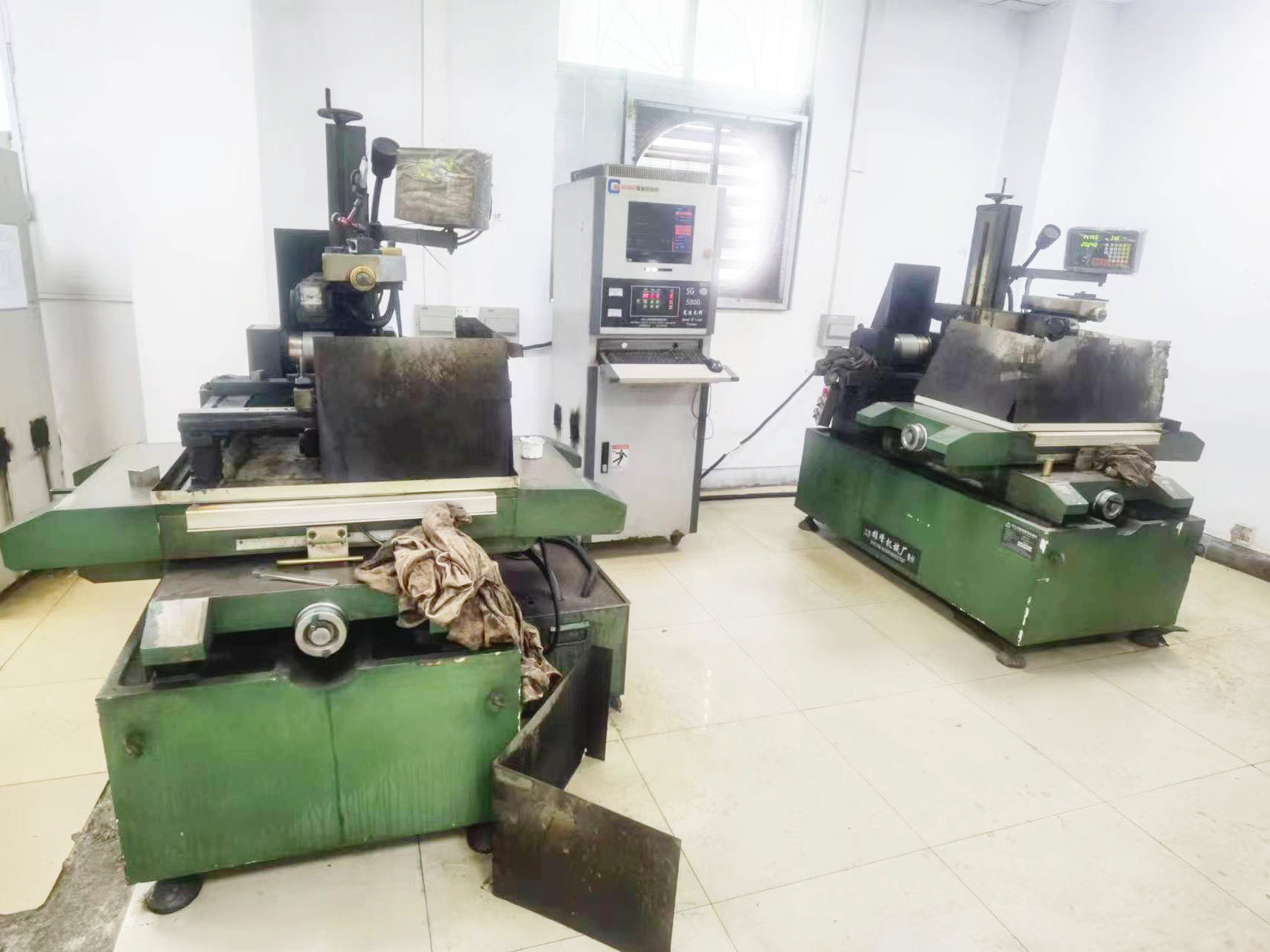
Processing | CNC Turning, CNC Milling, Laser Cutting, Bending, Spinning, Wire Cutting, Stamping, Electric Discharge Machining (EDM), Injection Molding | |||
Materials | Aluminum: 2000 series, 6000 series, 7075, 5052, etc. | |||
Stainless steel: SUS303, SUS304, SS316, SS316L, 17-4PH, etc. | ||||
Steel: 1214L/1215/1045/4140/SCM440/40CrMo, etc. | ||||
Brass: 260, C360, H59, H60, H62, H63, H65, H68, H70, Bronze, Copper | ||||
Titanium: Grade F1-F5 | ||||
Plastic: Acetal/POM/PA/Nylon/PC/PMMA/PVC/PU/Acrylic/ABS/PTFE/PEEK etc. | ||||
Surface Treatment | Anodized, Bead Blasted, Silk Screen, PVD Plating, Zinc/Nickel/Chrome/Titanium Plating, Brushing, Painting, Powder Coated, Passivation, Electrophoresis, Electro Polishing, Knurl, Laser/Etch/Engrave etc. | |||
Tolerance | ±0.002 ~ ±0.005mm | |||
Surface Roughness | Min Ra 0.1~3.2 | |||
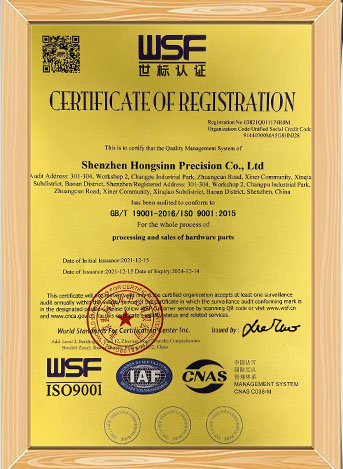
1.Direct OEM/0DM manufacturer, advanced produce technical,the highest tolerance we can reach to ±0.005mm;
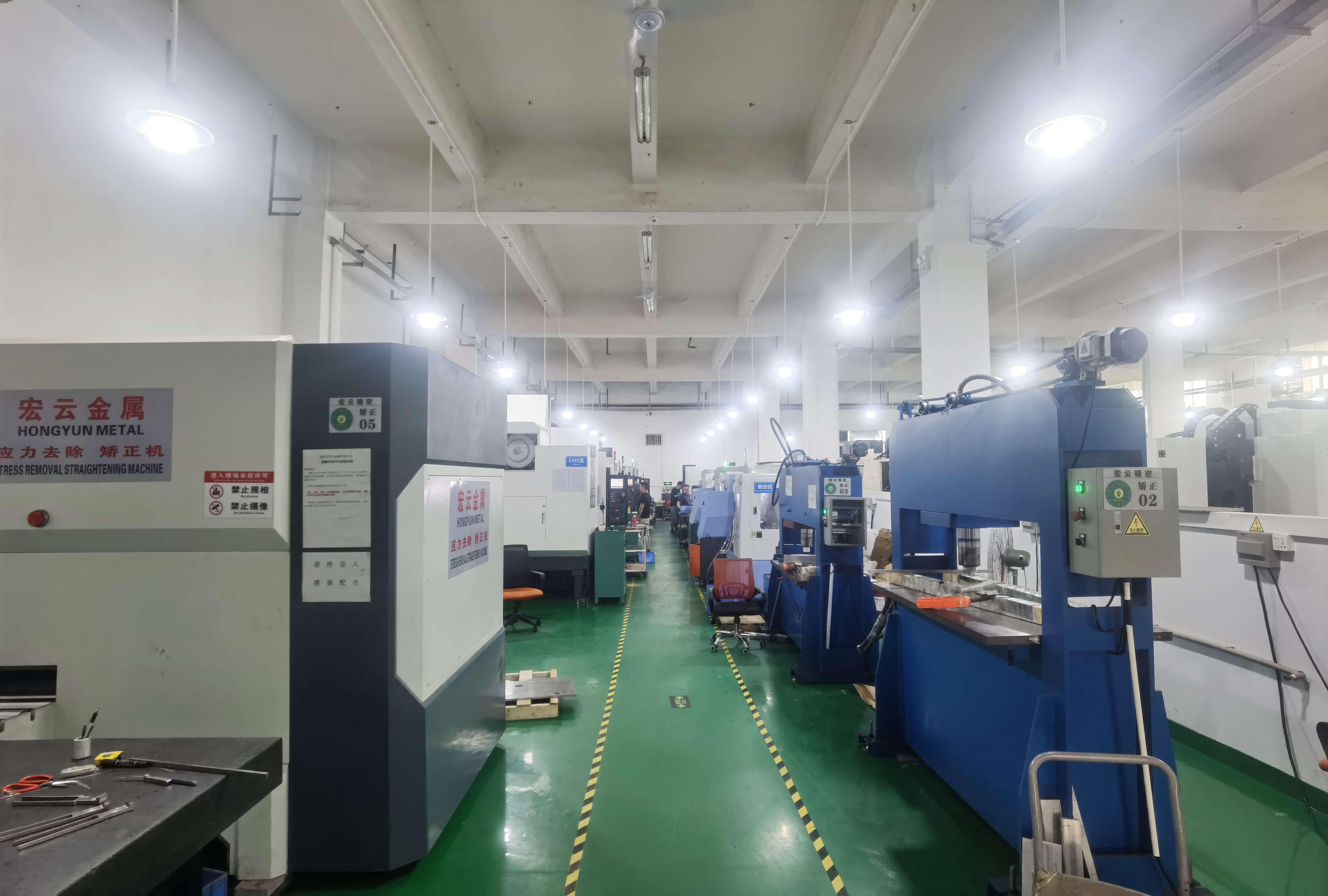
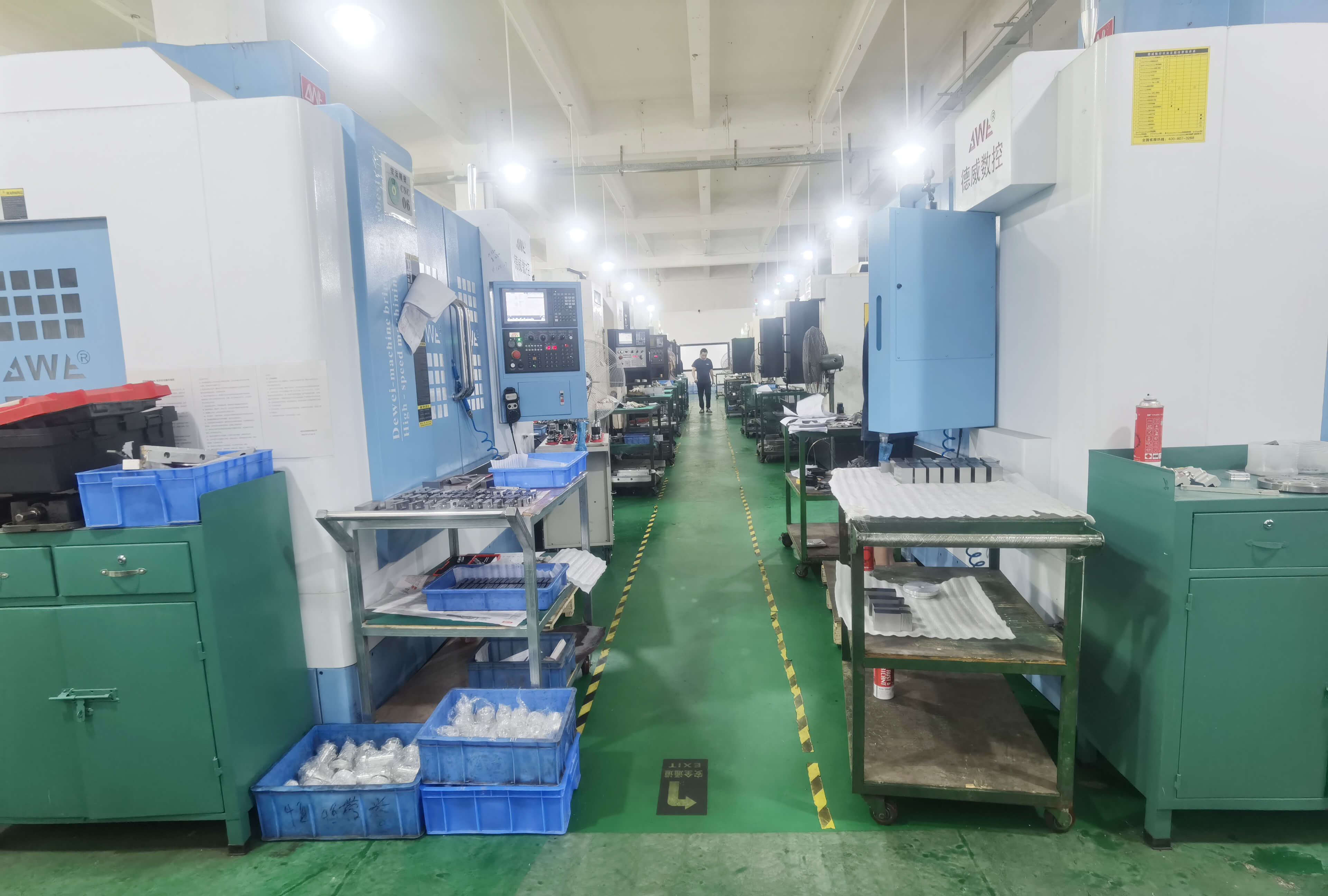
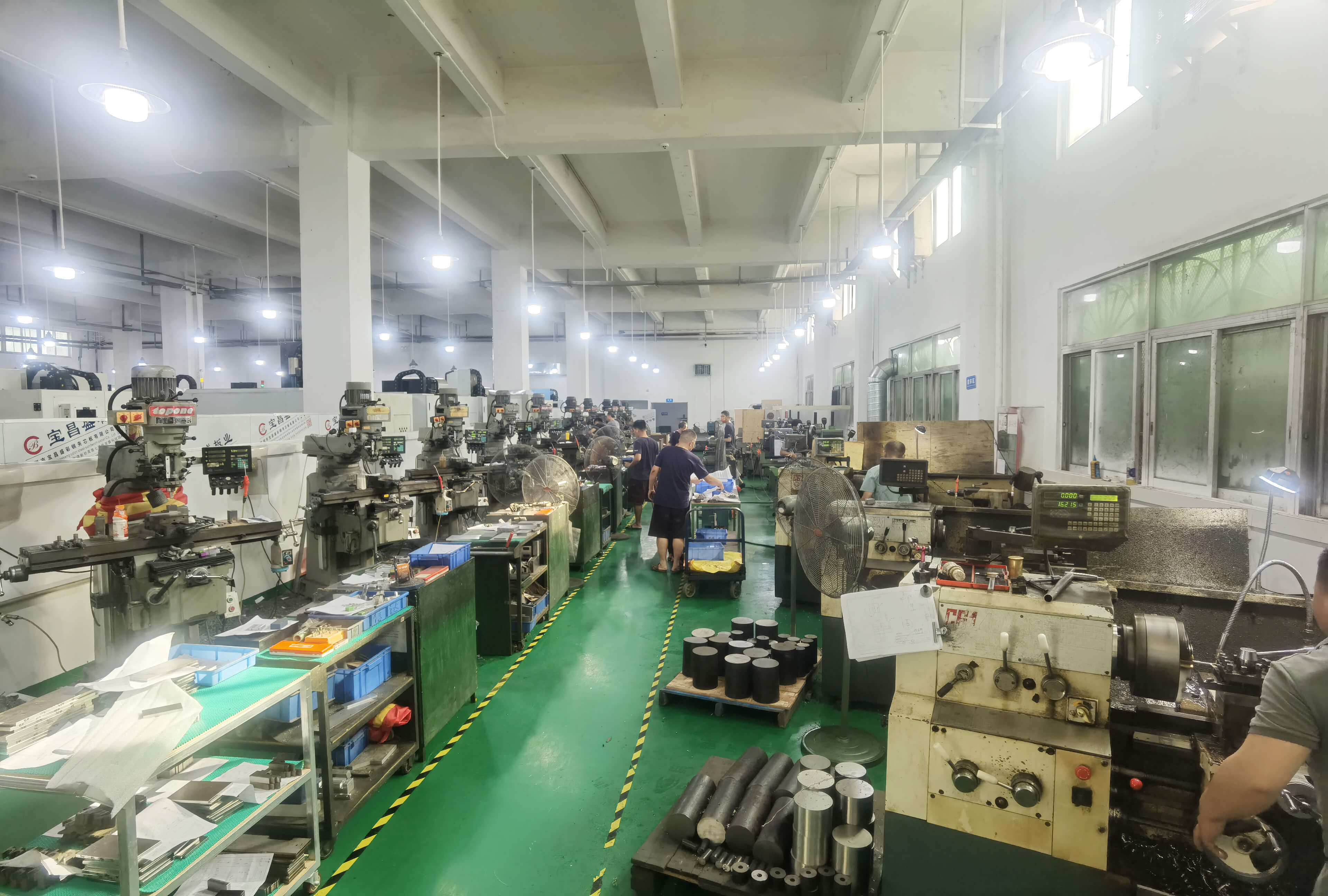
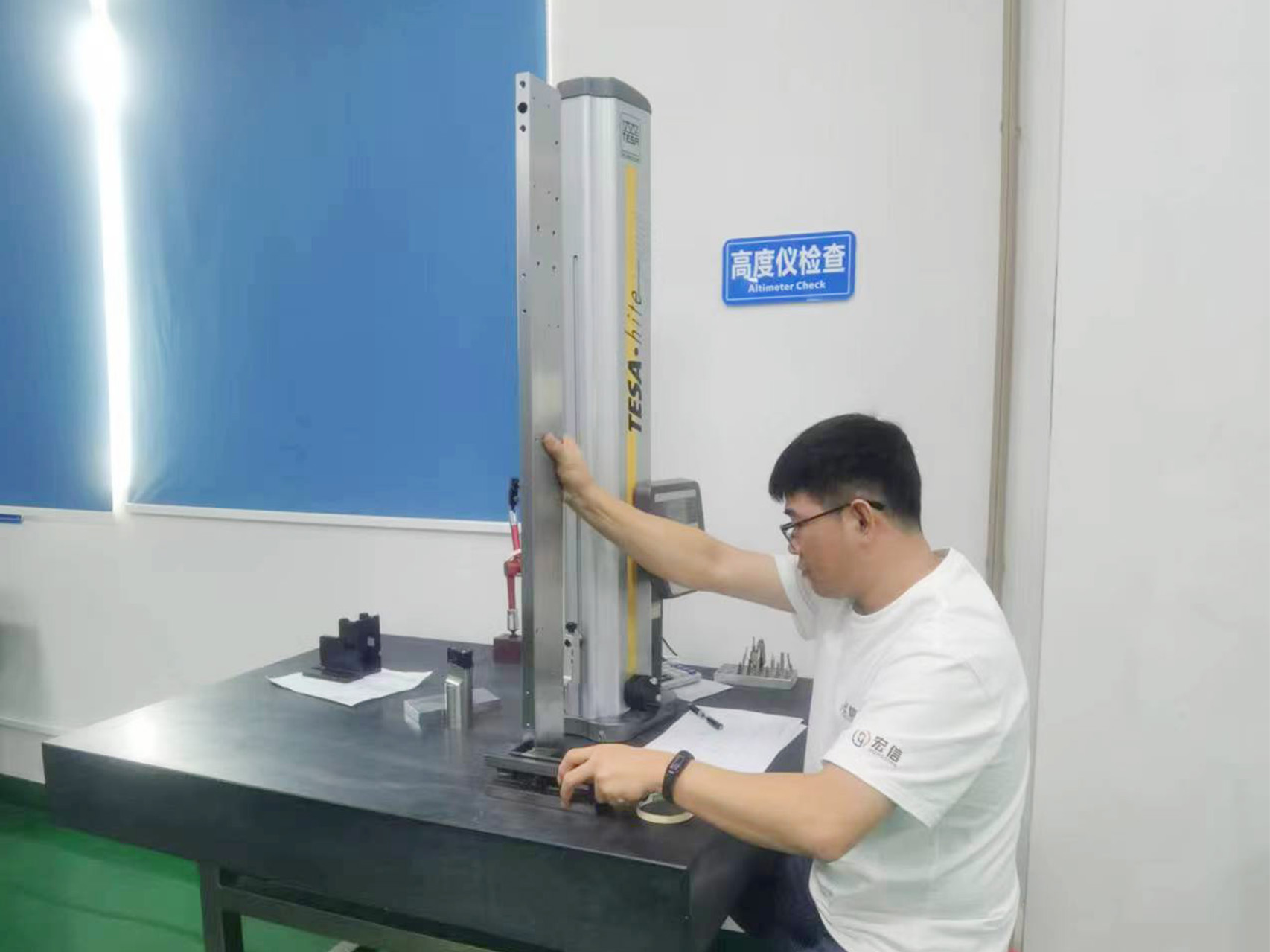
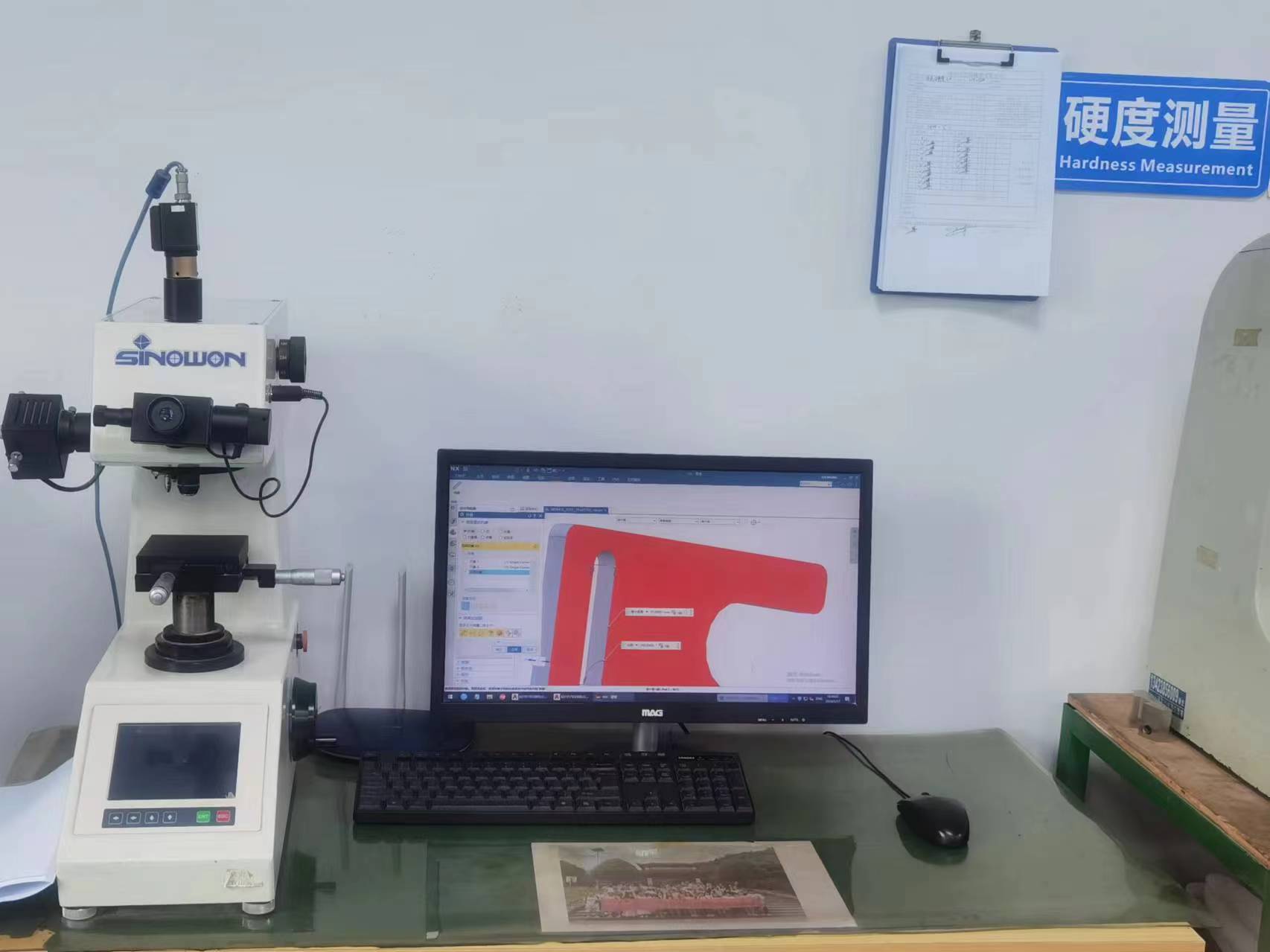
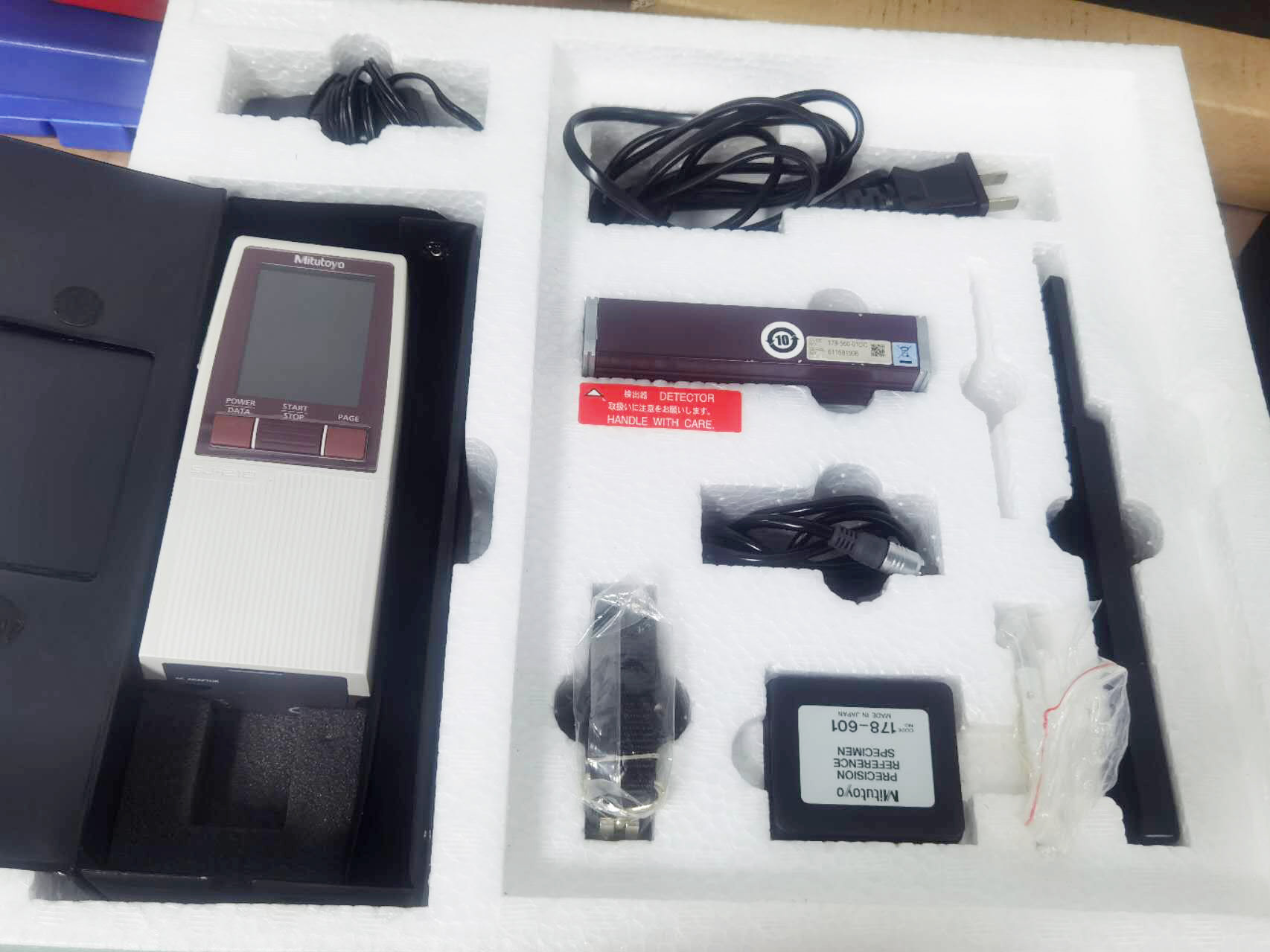
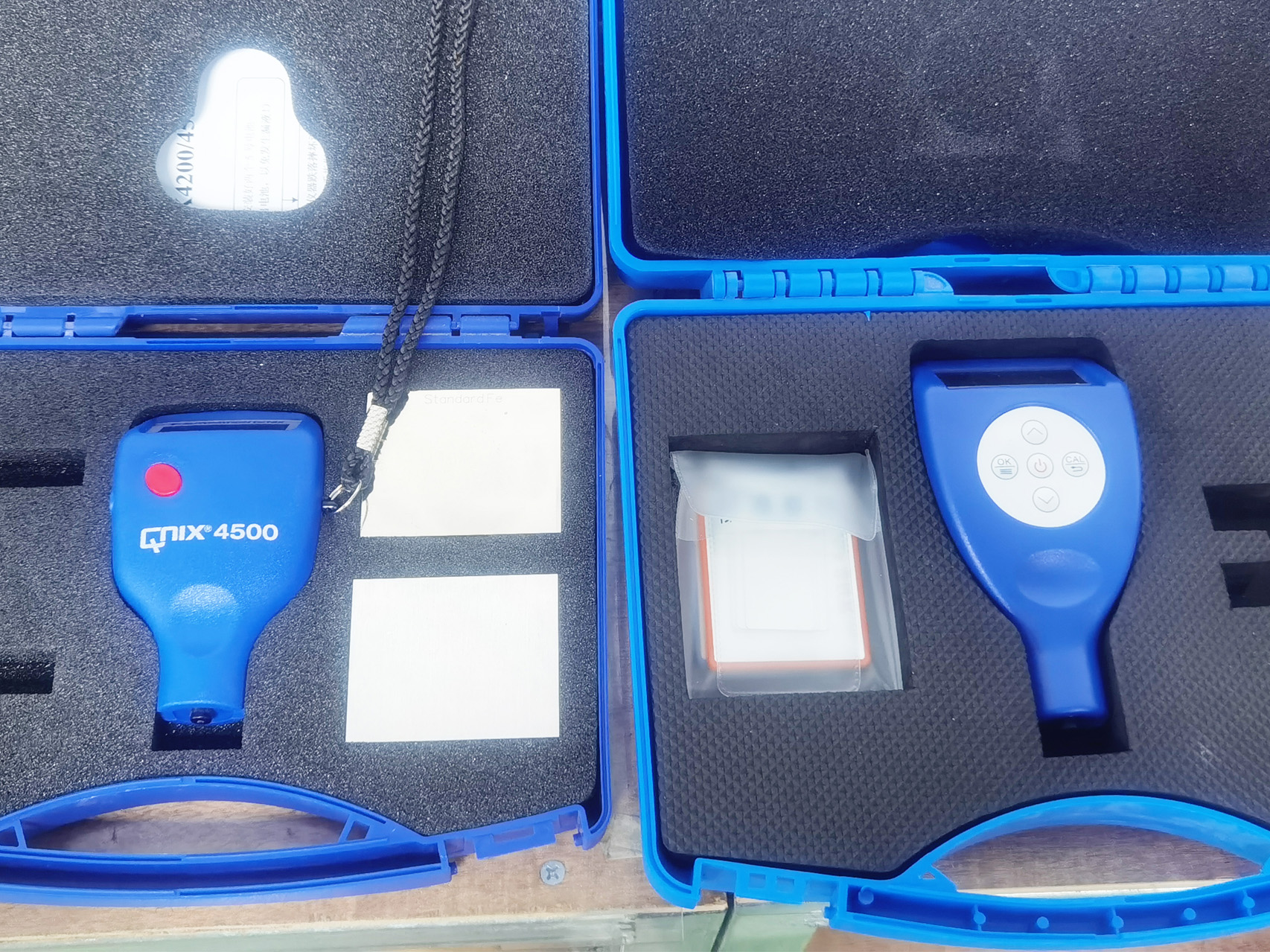
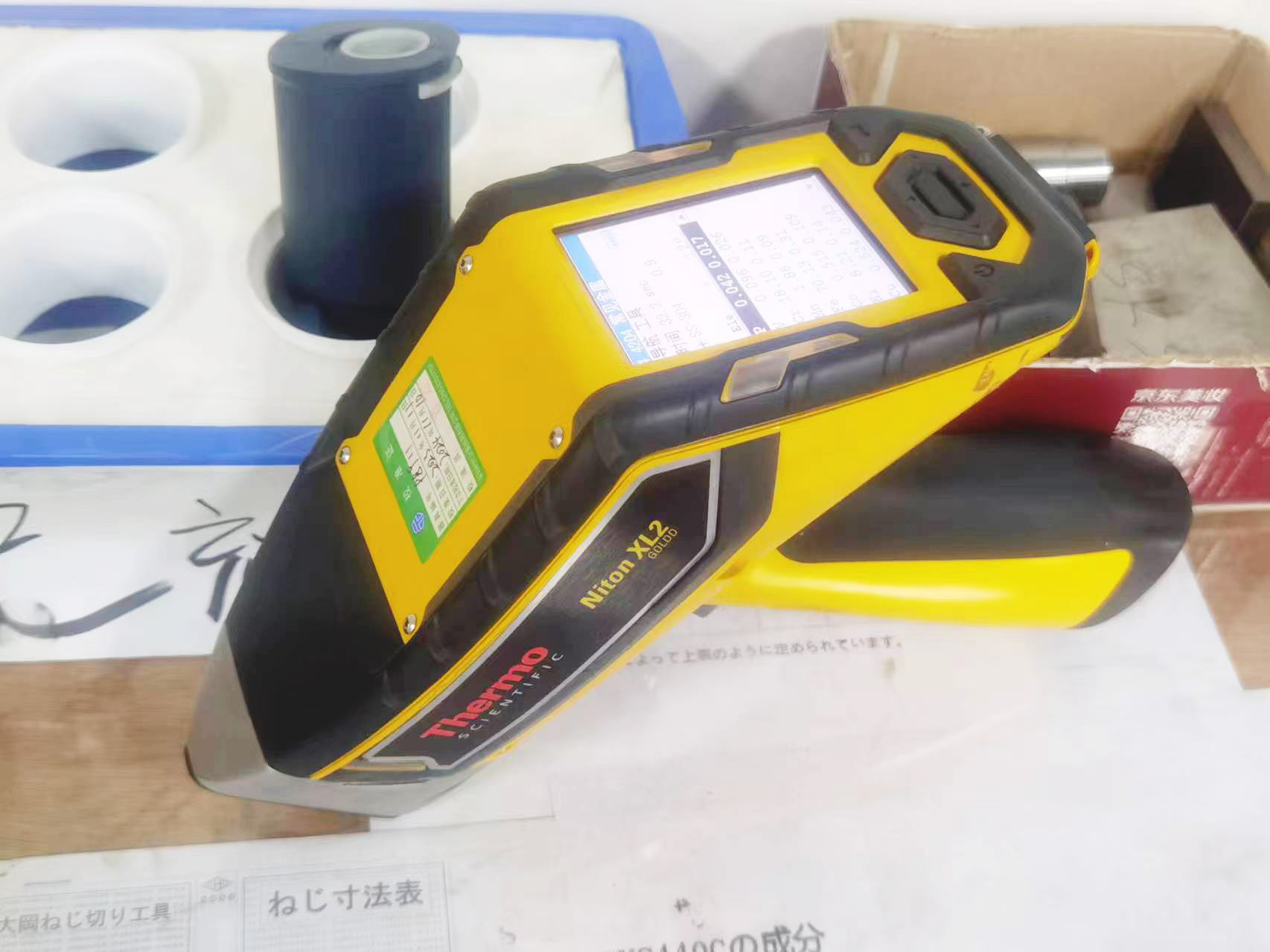
2.Complete produce equipment and test equipment. Independent Engineer team, to check drawings, provide quotation, write machining process, guide production.
3.Independent PMC department, to make production plan and manage delivery time.
4.Quick proofing, short delivery time, usually is 3-15 days
4.Quick proofing, short delivery time, usually is 3-15 days
5 .The company has gathered a rich group of technologicallyadvanced modern talents, which has laid a stable foundationfor the long-term development of the company.
6.Complex and difficult surface and functional structureof the hand plate model, We can all mold quickly.xxx
Material advantages for processing PTFE include:
• Chemical resistance
• UV/weather resistance
• Water-repellent; hydrophobic
• High impact strength
• Good electrical insulator
• Flexible even at low temperatures
• Thermal stability between -260°C and 260°C
• Very low coefficient of friction
Applications of PTFE Machining
While polytetrafluoroethylene (PTFE) isn't the most commonly used material in CNC machining, its excellent properties, such as thermal stability and low coefficient of friction, make it useful in some important niche applications.
Approximately half of the world's PTFE is used for wire insulation, but this wire and its insulation are not manufactured using CNC machines. A well-known use of Teflon is as a nonstick coating on aluminum cookware; in this case, liquid PTFE is sprayed or rolled onto an etched metal surface. Typically, Teflon-lined cookware requires no machining.
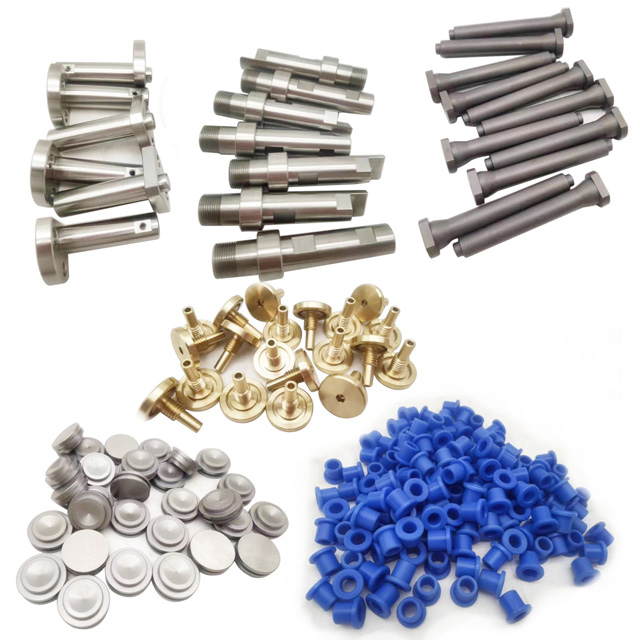
Nevertheless, CNC machining remains very useful when working with solid Teflon. Teflon parts suitable for machining include industrial components such as gears, bushings, fittings, and valves.
Conclusion
Successful manufacturing operations require expertise in diverse areas:
PTFE machining demands specialized approaches to overcome material challenges
High volume production machining requires optimized systems for quality and efficiency
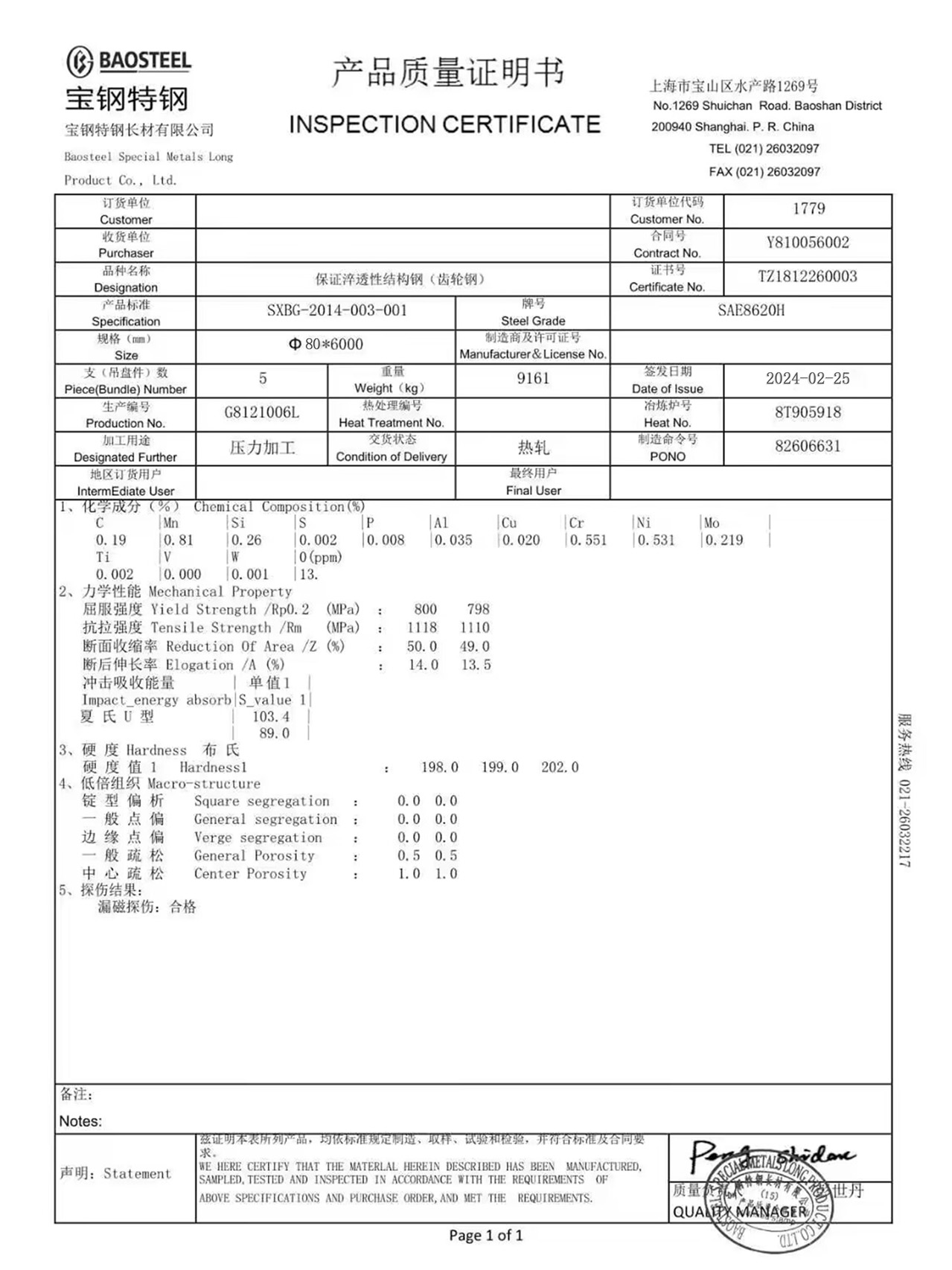
Selecting the best steel for machining impacts both cost and performance












Recommend Products
 Providing precision engineering machining services including CNC turning and milling services, CNC lathe components. cnc turning service
 Precision CNC parts for motorcycles and automotive machinery.
 CNC Machining Services in China for High Precision Parts
 Specializing in precision CNC machining for plastic components and tool steel.