Explore Swiss machining, 5th axis machining, and electrical discharge machining (EDM) for precision engineering solutions.
Hongsinn-593
Unlock precision perfection with our advanced machining solutions. From Swiss machining to 5th axis precision and electrical discharge machining (EDM), elevate your projects with unparalleled accuracy and excellence.
Delivery
FOB
minimum order
1 piece
Supply Ability
5000piece / Week
Country of Origin
Shenzhen
Stock Time
7~15Day
Quantity:
US $0.59 - US $10.68 / piece
Explore Swiss machining, 5th axis machining, and electrical discharge machining (EDM) for precision engineering solutions.
Modern precision manufacturing relies on three transformative technologies: Swiss machining, 5-axis machining, and Electrical Discharge Machining (EDM).
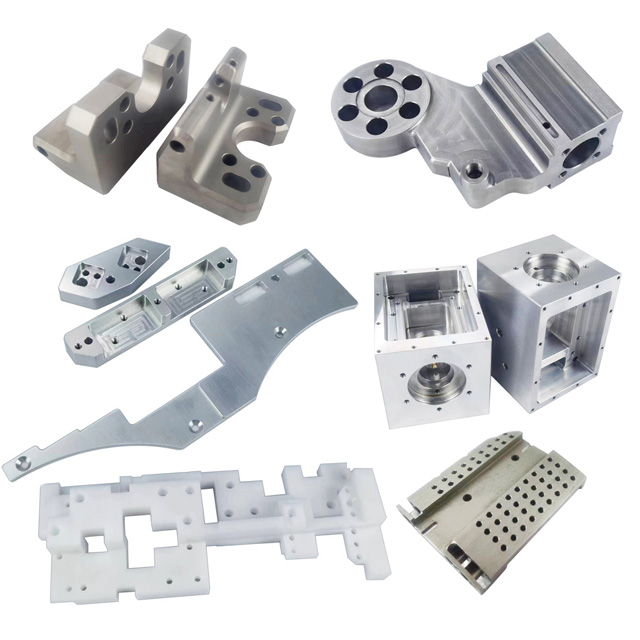
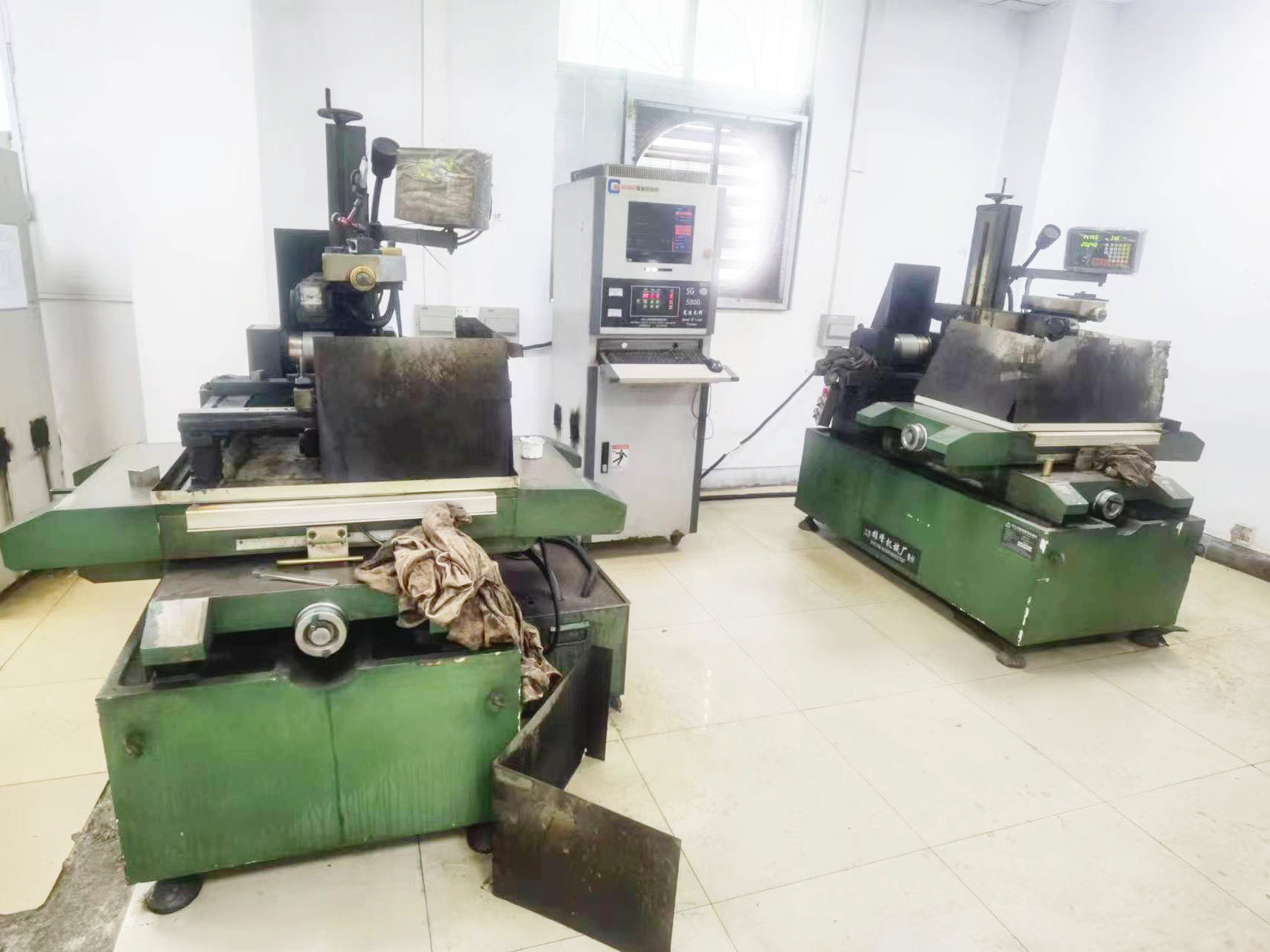
Electrical discharge machining (EDM) is one of the newer metalworking technologies compared to traditional methods such as rotary tools, shearing, and forging. This technique removes material from a workpiece by erosion, generating rapidly pulsed, high-voltage discharges (sparks) between an electrode and a grounded workpiece. As long as the material is conductive, even the hardest and most difficult materials can be cut and machined with minimal heating and virtually no applied macroscopic forces. This results in minimal deformation of the workpiece and virtually no significant buildup of residual stresses.
The first EDM method was drill EDM, developed by Stark, Harding, and Beaver, as well as Lazarenko in the Soviet Union. This technique was first used in the mid-1940s to remove shear bolts and taps from high-value aluminum castings. From this relatively simple drilling method, a second branch of EDM developed: punch EDM or sinker EDM. This technique is similar to EDM drilling, but complex shapes can be added to the end of the"drill"electrode, allowing for the creation of delicate and precise cavity bottom shapes in a single operation.
The third type of EDM is wire EDM, which uses a long, thin electrode wire to cut vertical or angled grooves (slightly wider than the wire). During this process, the wire is slowly advanced through the cut, preserving the"fresh"electrode and achieving highly accurate cuts.
Processing | CNC Turning, CNC Milling, Laser Cutting, Bending, Spinning, Wire Cutting, Stamping, Electric Discharge Machining (EDM), Injection Molding | |||
Materials | Aluminum: 2000 series, 6000 series, 7075, 5052, etc. | |||
Stainless steel: SUS303, SUS304, SS316, SS316L, 17-4PH, etc. | ||||
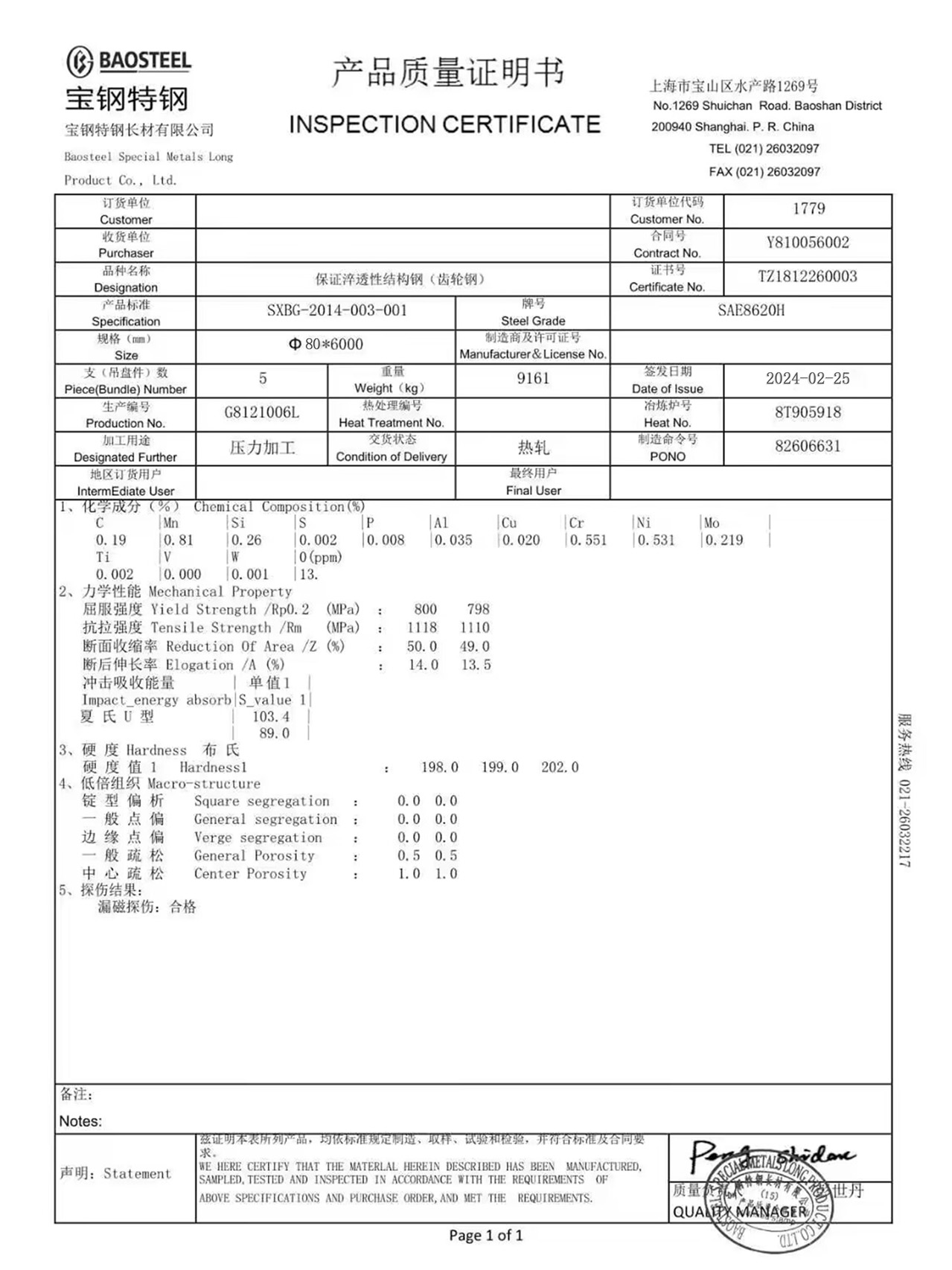
Steel: 1214L/1215/1045/4140/SCM440/40CrMo, etc. | ||||
Brass: 260, C360, H59, H60, H62, H63, H65, H68, H70, Bronze, Copper | ||||
Titanium: Grade F1-F5 | ||||
Plastic: Acetal/POM/PA/Nylon/PC/PMMA/PVC/PU/Acrylic/ABS/PTFE/PEEK etc. | ||||
Surface Treatment | Anodized, Bead Blasted, Silk Screen, PVD Plating, Zinc/Nickel/Chrome/Titanium Plating, Brushing, Painting, Powder Coated, Passivation, Electrophoresis, Electro Polishing, Knurl, Laser/Etch/Engrave etc. | |||
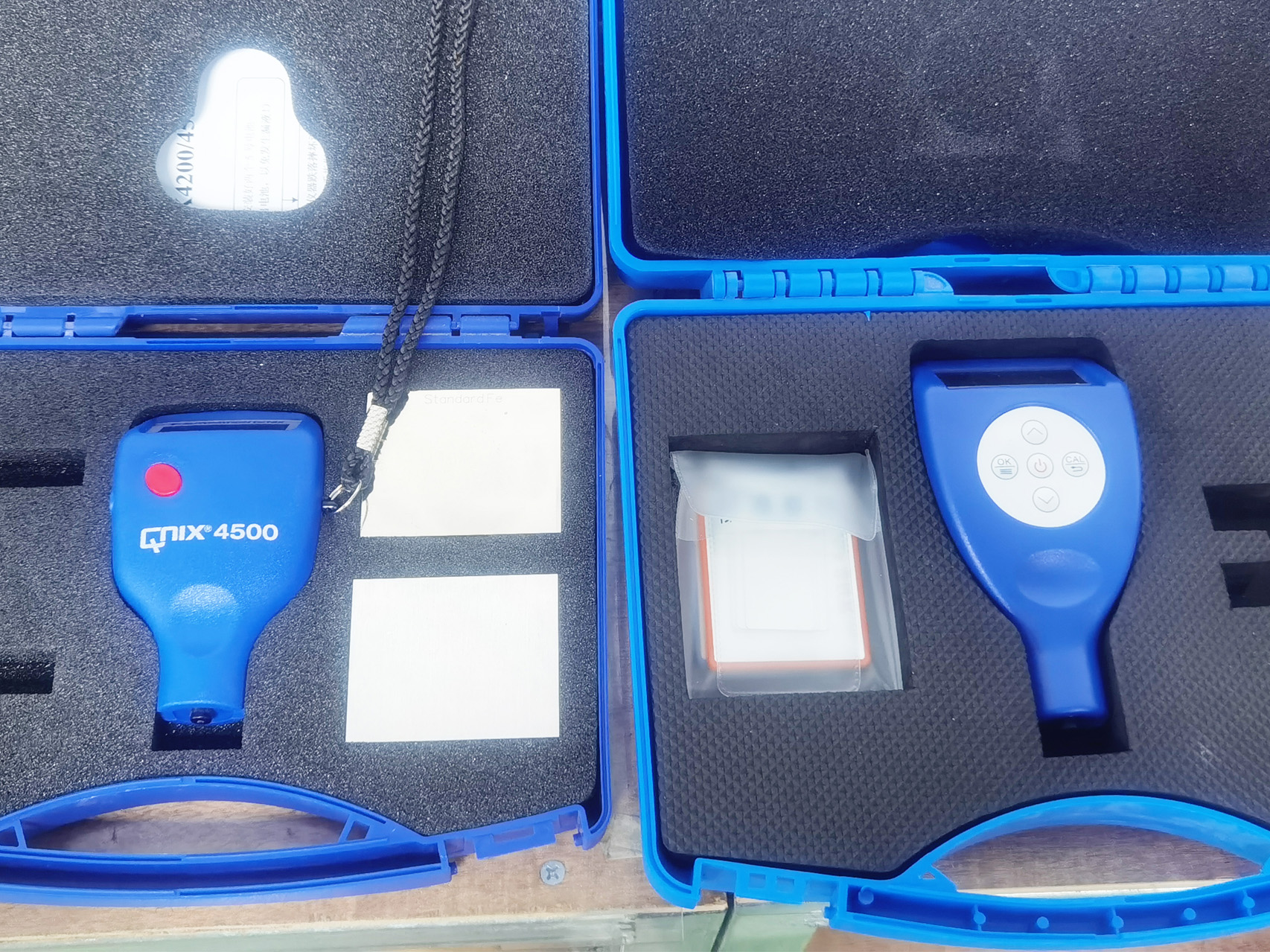
Tolerance | ±0.002 ~ ±0.005mm | |||
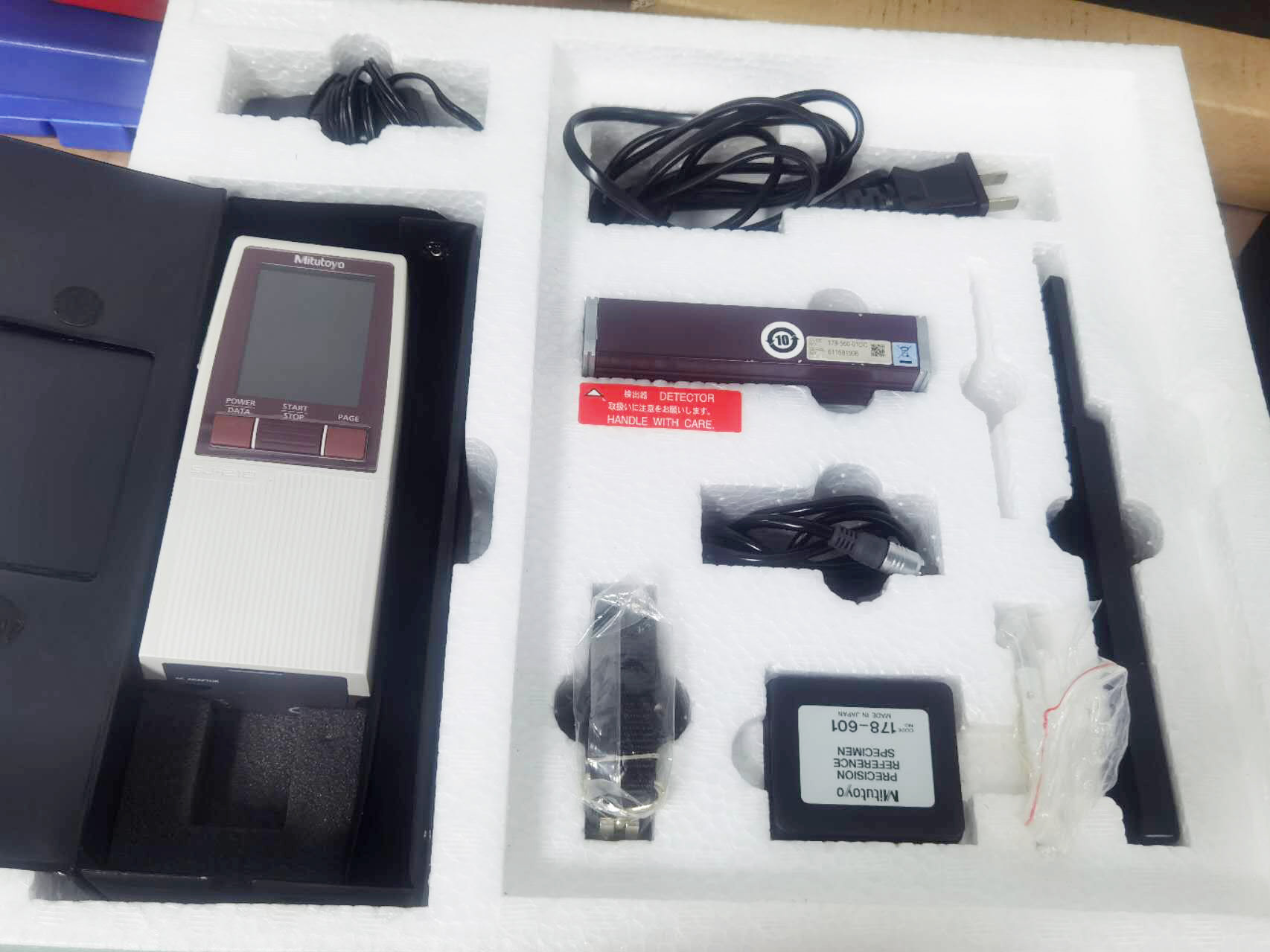
Surface Roughness | Min Ra 0.1~3.2 | |||
1.Direct OEM/0DM manufacturer, advanced produce technical,the highest tolerance we can reach to ±0.005mm;
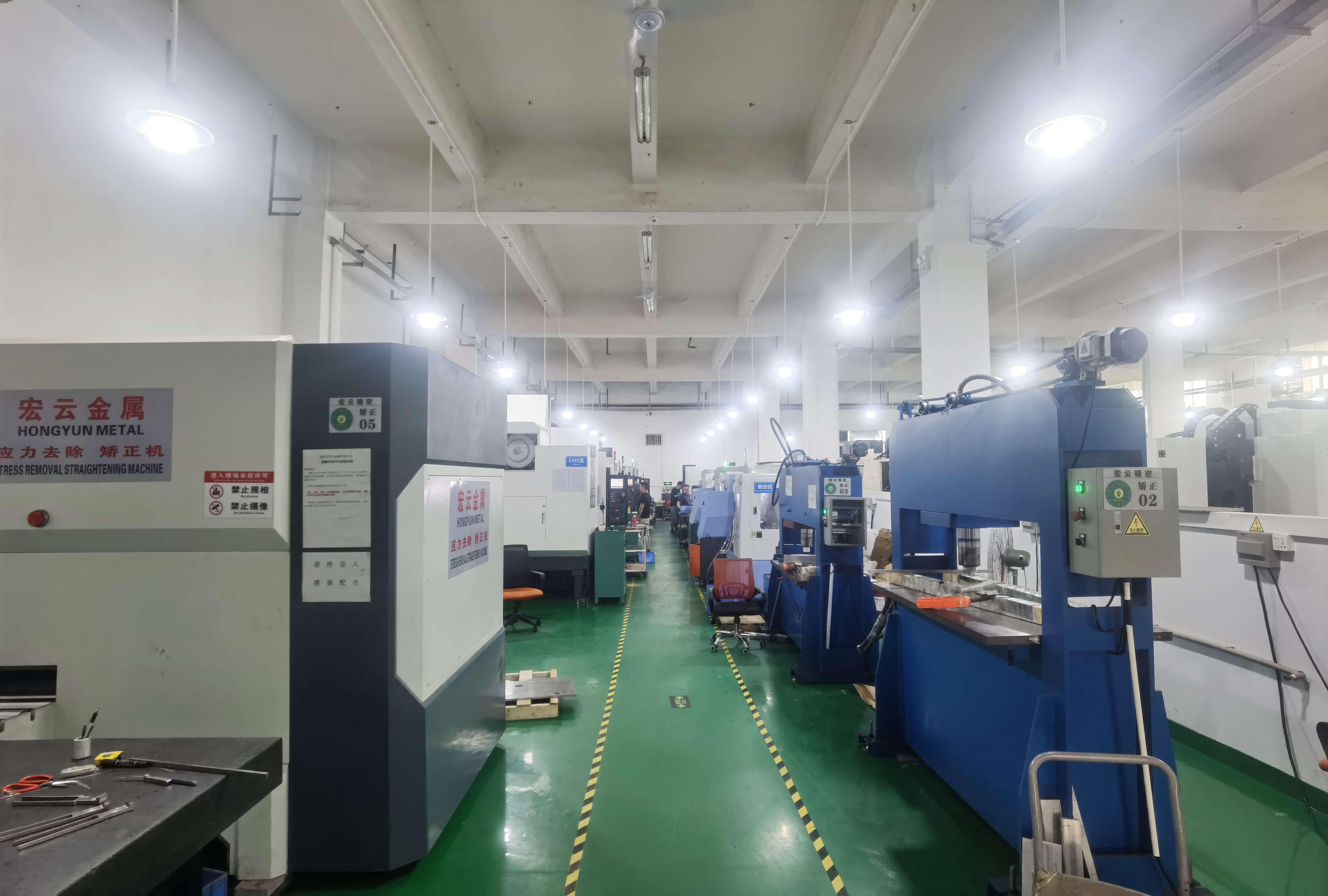
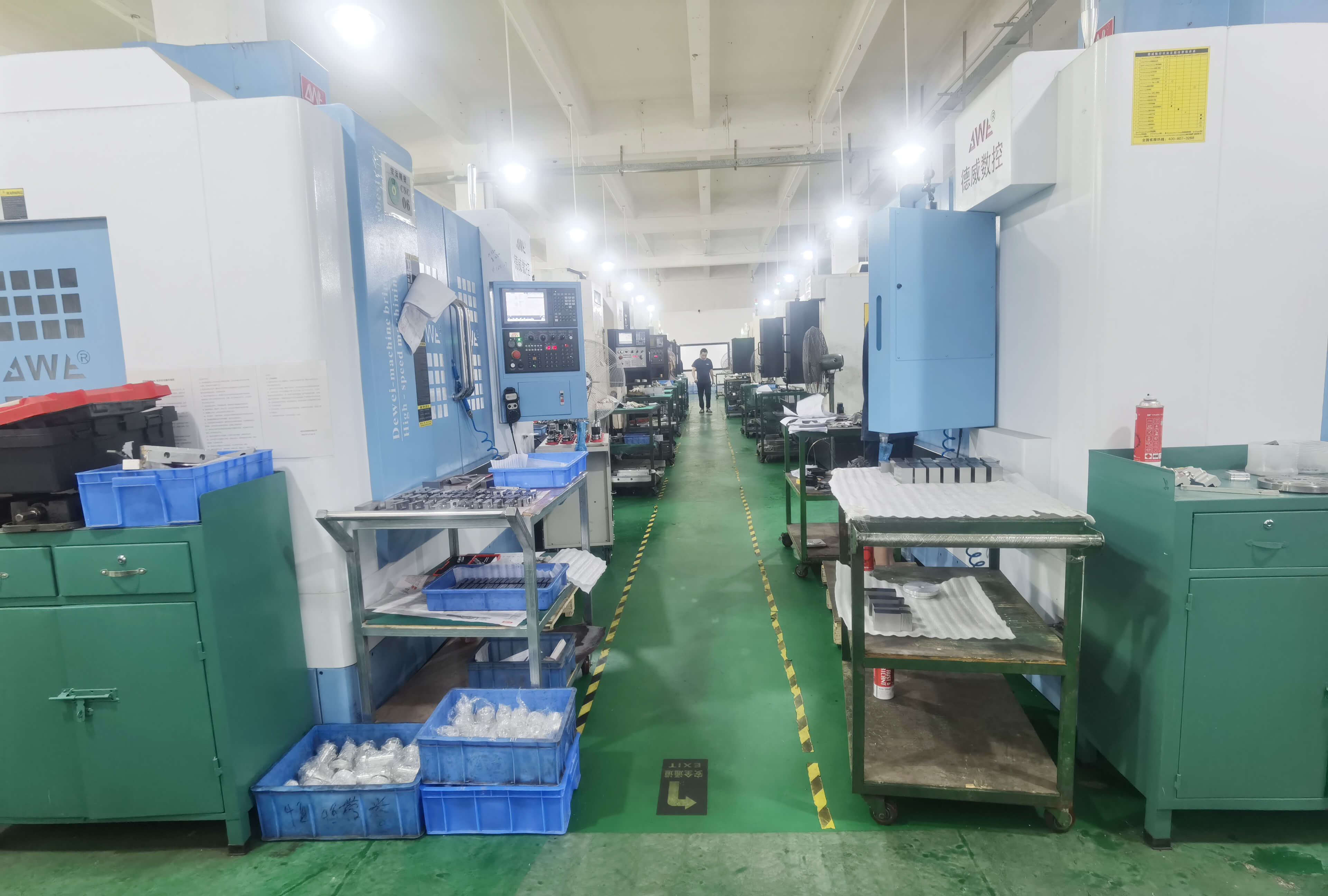
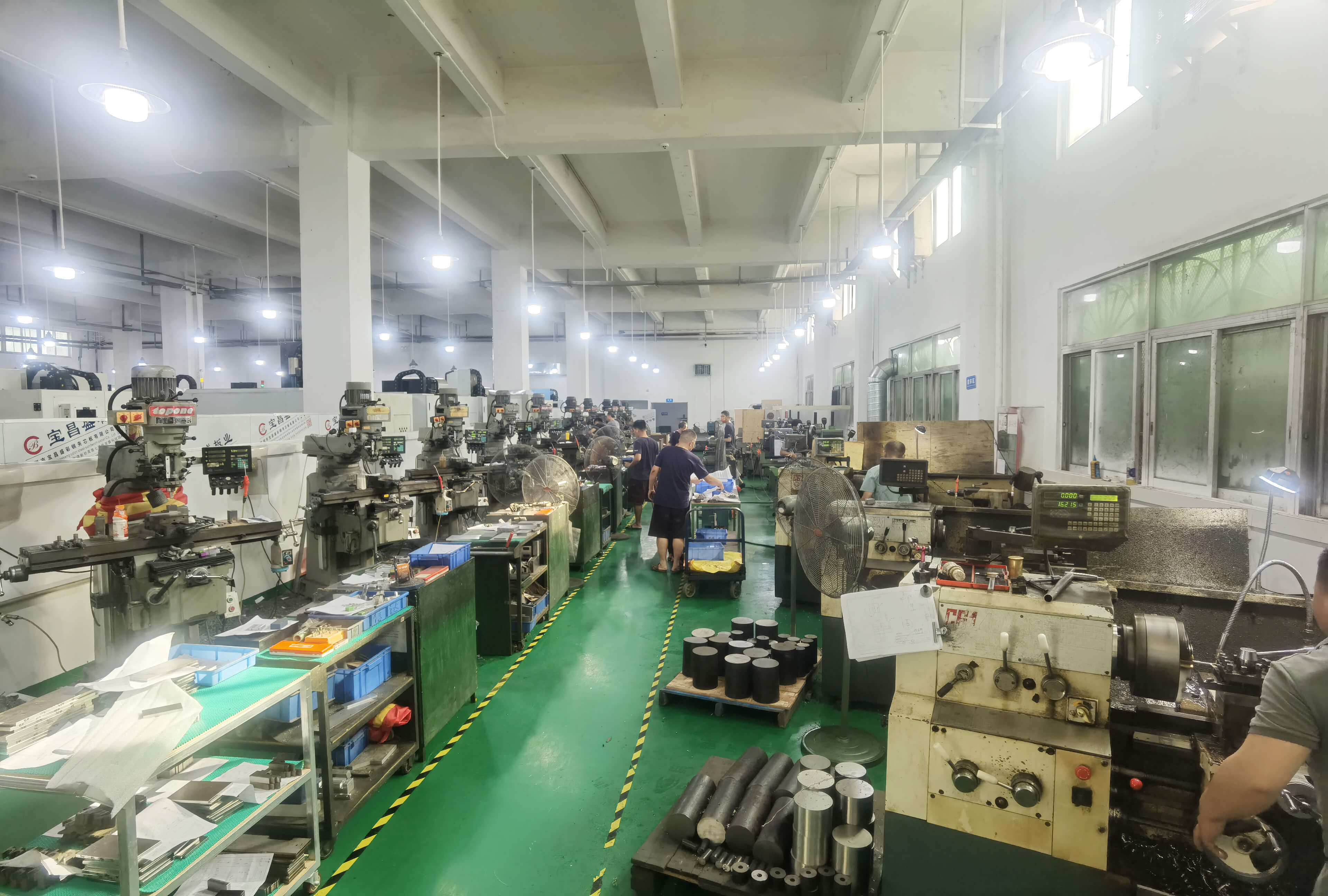
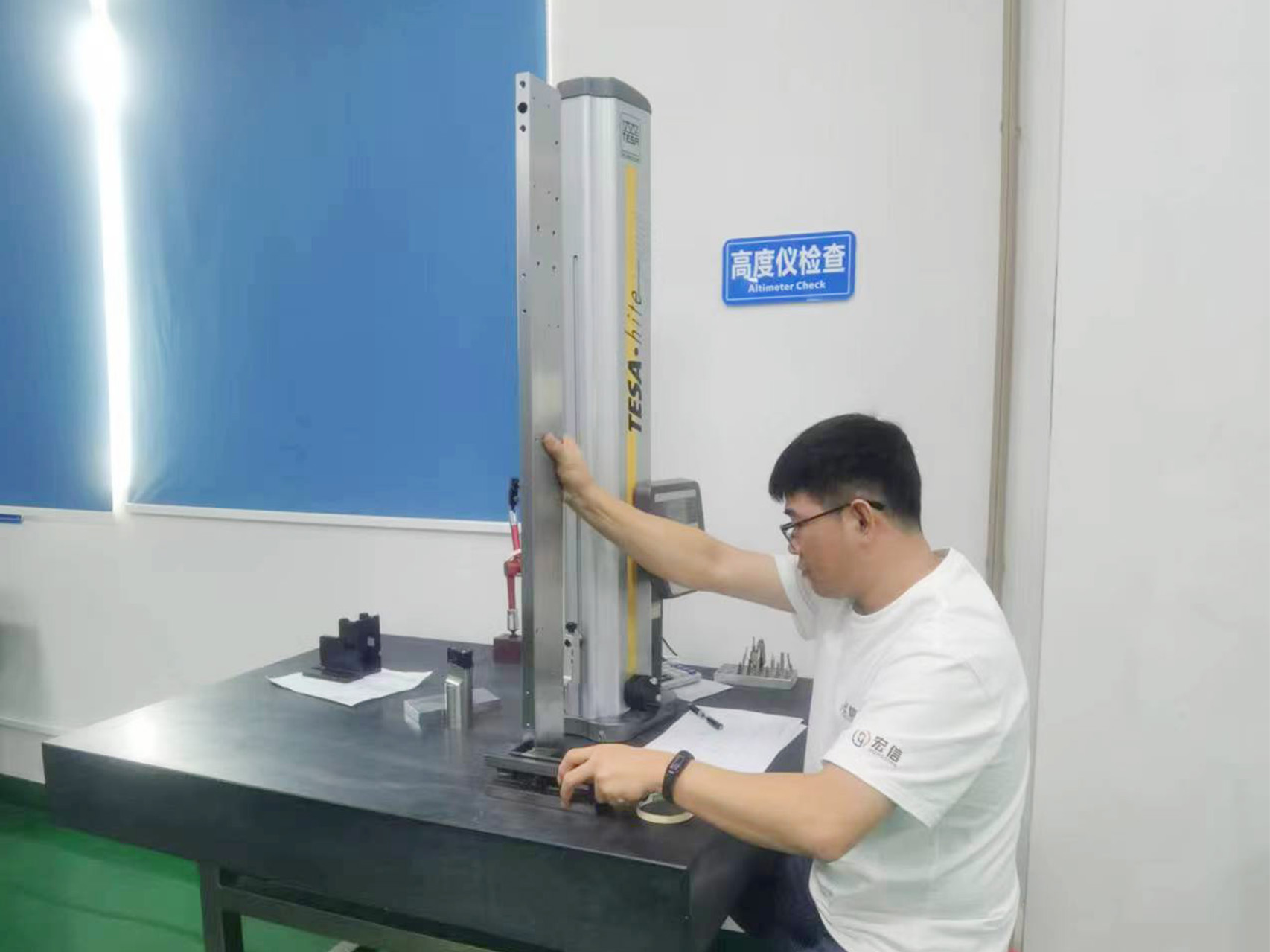
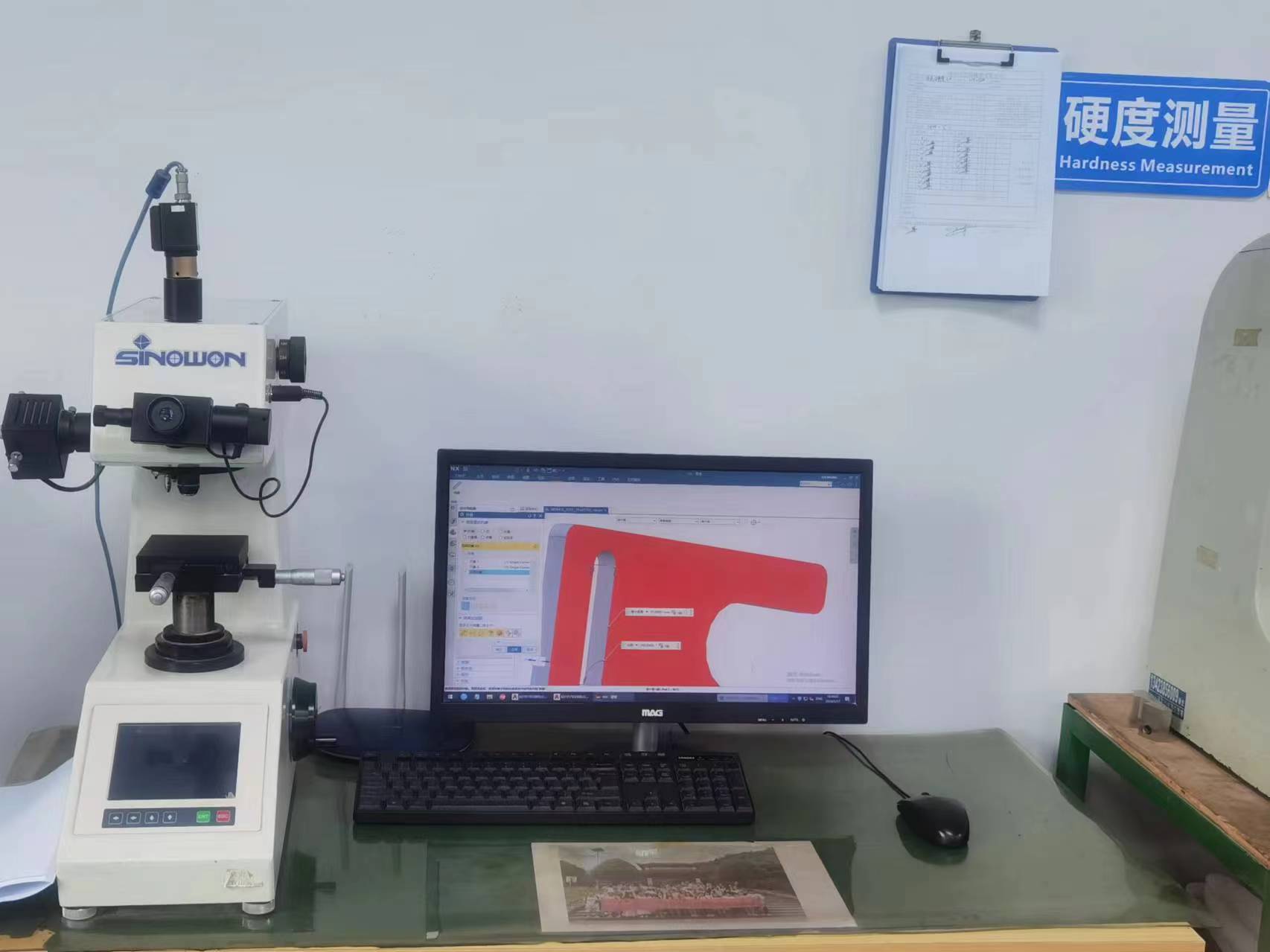
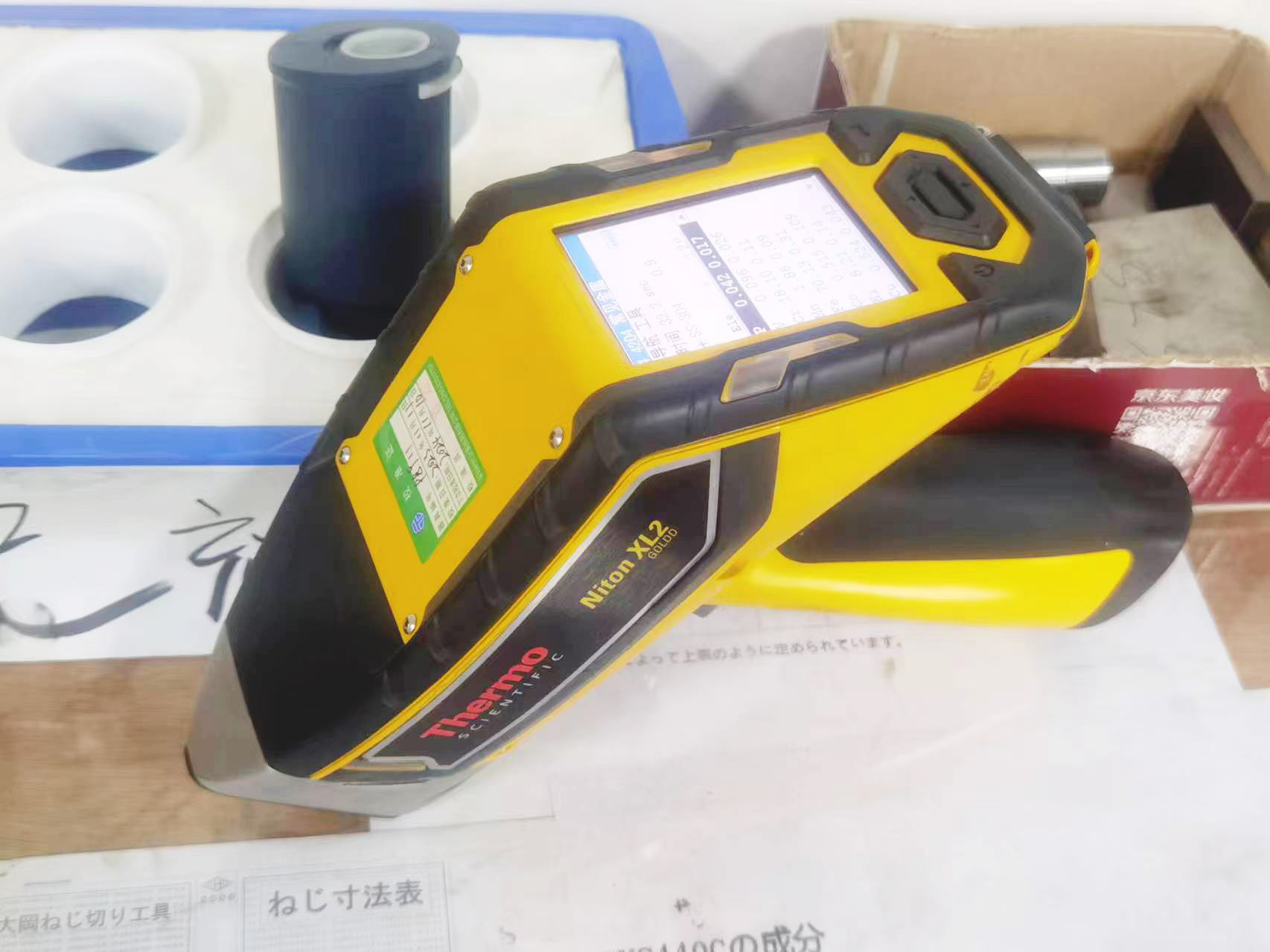
2.Complete produce equipment and test equipment. Independent Engineer team, to check drawings, provide quotation, write machining process, guide production.
3.Independent PMC department, to make production plan and manage delivery time.
4.Quick proofing, short delivery time, usually is 3-15 days
4.Quick proofing, short delivery time, usually is 3-15 days
5 .The company has gathered a rich group of technologicallyadvanced modern talents, which has laid a stable foundationfor the long-term development of the company.
6.Complex and difficult surface and functional structureof the hand plate model, We can all mold quickly.xxx
1. Wire Cut Electrical Discharge Machining
Wire-cut EDM, commonly known as wire-cutting EDM, uses a wire as a"cutting tool,"eroding the material through sparks between the electrode and the workpiece. The wire electrode discharges along the entire length of the cut, aiding in chip removal.
Originally, this technology developed as a two-dimensional cutting method for hard materials, limited to cutting along the part's x- and y-axes, with the z-axis representing the material's thickness. However, technological advancements enabled the offsetting of the wire rollers, allowing for control of the cutting angle and z-axis. Later, the introduction of a rotary axis into the wire EDM process led to the development of high-performance five-axis wire EDM centers, further increasing machining complexity and flexibility.
This method achieves start-free cutting. It is most commonly used in the manufacture of extrusion tools and punch/die sets when combined with EDM drilling (using a lace electrode). Brass, zinc-coated brass, and zinc-diffused copper (layered wire), running on sapphire or diamond guides, are used as electrodes in wire EDM. The varying electrical conductivity, hardness, and tensile strength of the wire electrodes provide different machining characteristics. For more information, see our guide to wire EDM.

Conclusion
The synergy between Swiss machining, 5-axis machining, and Electrical Discharge Machining enables manufacturers to solve virtually any precision manufacturing challenge. Swiss machining excels at high-volume small components, 5-axis handles complex geometries, while EDM conquers the hardest materials with micron-level precision.
As these technologies continue evolving with smart manufacturing integration, they'll further transform industries requiring extreme precision and complex part geometries.