


Specializing in CNC machining aerospace parts from 3003 and 7075 aluminum.
Hongsinn-660
Precision Aerospace CNC Aluminum Machining - Elevate Your Projects with Expert Manufacturing Solutions!
Delivery
FOB
minimum order
1 piece
Supply Ability
5000piece / Week
Country of Origin
Shenzhen
Stock Time
7~15Day
Quantity:
US $0.59 - US $10.68 / piece
Specializing in CNC machining aerospace parts from 3003 and 7075 aluminum.
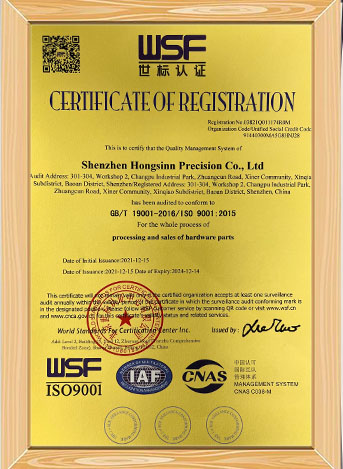
At Shenzhen Hongsinn Precision Co., Ltd. we specialize in high-precision machining 3003 aluminum, 7075 aluminum CNC fabrication, and machining aerospace parts that meet the most demanding industry standards. Our AS9100-certified facility combines advanced CNC technologies with aerospace-grade material expertise to deliver superior components for critical applications.

What Is Aluminum Alloy?
This is an aluminum alloy that was produced in Japan in 1935. Initially, it was a popular choice for manufacturing military aircraft, but its application has expanded significantly, and today it can be found in a variety of products such as bicycles and rock climbing equipment.
While 7075 is primarily made of aluminum, it is an alloy, which means it contains a variety of other elements. Among its ingredients are silicon, copper, magnesium, tin, and manganese (which we’ll cover in more detail later). Due to the unique way its structure is formed, 7075 aluminum alloy has modified properties, exhibiting excellent strength and durability.
Composition
Here’s the breakdown of 7075’s composition:
- Aluminum: 87.1–91.4%
- Zinc: 5.1–6.1%
- Copper: 1.2–2.0%
- Manganese: 0.0–0.3%
- Silicon: 0.0–0.4%
- Iron: 0–0.5%
- Magnesium: 2.1–2.9%
- Chromium: 0.18–2.0%
- Titanium: 0–0.2%
- Other elements: 0.05–0.15%
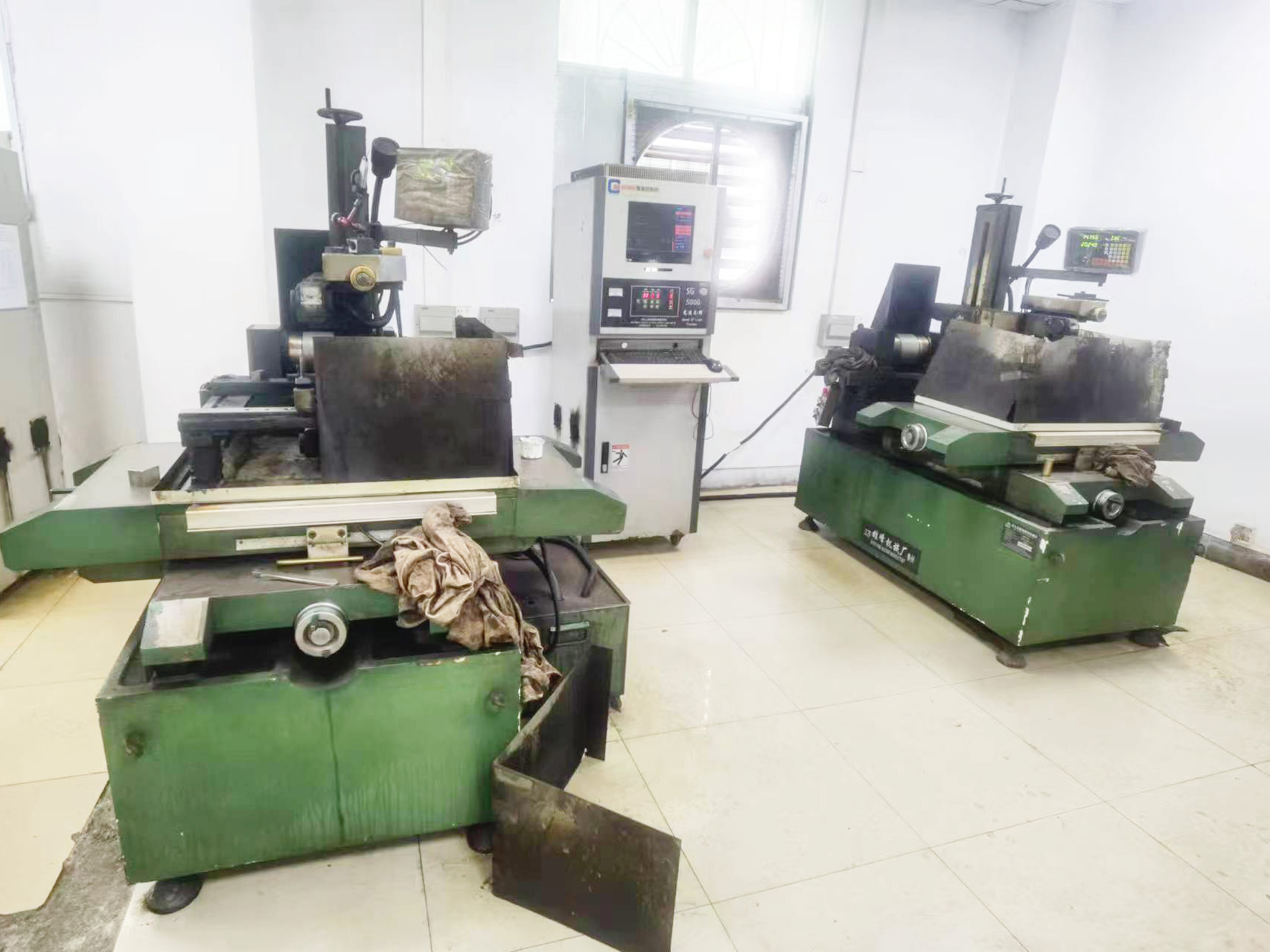
Processing | CNC Turning, CNC Milling, Laser Cutting, Bending, Spinning, Wire Cutting, Stamping, Electric Discharge Machining (EDM), Injection Molding | |||
Materials | Aluminum: 2000 series, 6000 series, 7075, 5052, etc. | |||
Stainless steel: SUS303, SUS304, SS316, SS316L, 17-4PH, etc. | ||||
Steel: 1214L/1215/1045/4140/SCM440/40CrMo, etc. | ||||
Brass: 260, C360, H59, H60, H62, H63, H65, H68, H70, Bronze, Copper | ||||
Titanium: Grade F1-F5 | ||||
Plastic: Acetal/POM/PA/Nylon/PC/PMMA/PVC/PU/Acrylic/ABS/PTFE/PEEK etc. | ||||
Surface Treatment | Anodized, Bead Blasted, Silk Screen, PVD Plating, Zinc/Nickel/Chrome/Titanium Plating, Brushing, Painting, Powder Coated, Passivation, Electrophoresis, Electro Polishing, Knurl, Laser/Etch/Engrave etc. | |||
Tolerance | ±0.002 ~ ±0.005mm | |||
Surface Roughness | Min Ra 0.1~3.2 | |||
1.Direct OEM/0DM manufacturer, advanced produce technical,the highest tolerance we can reach to ±0.005mm;
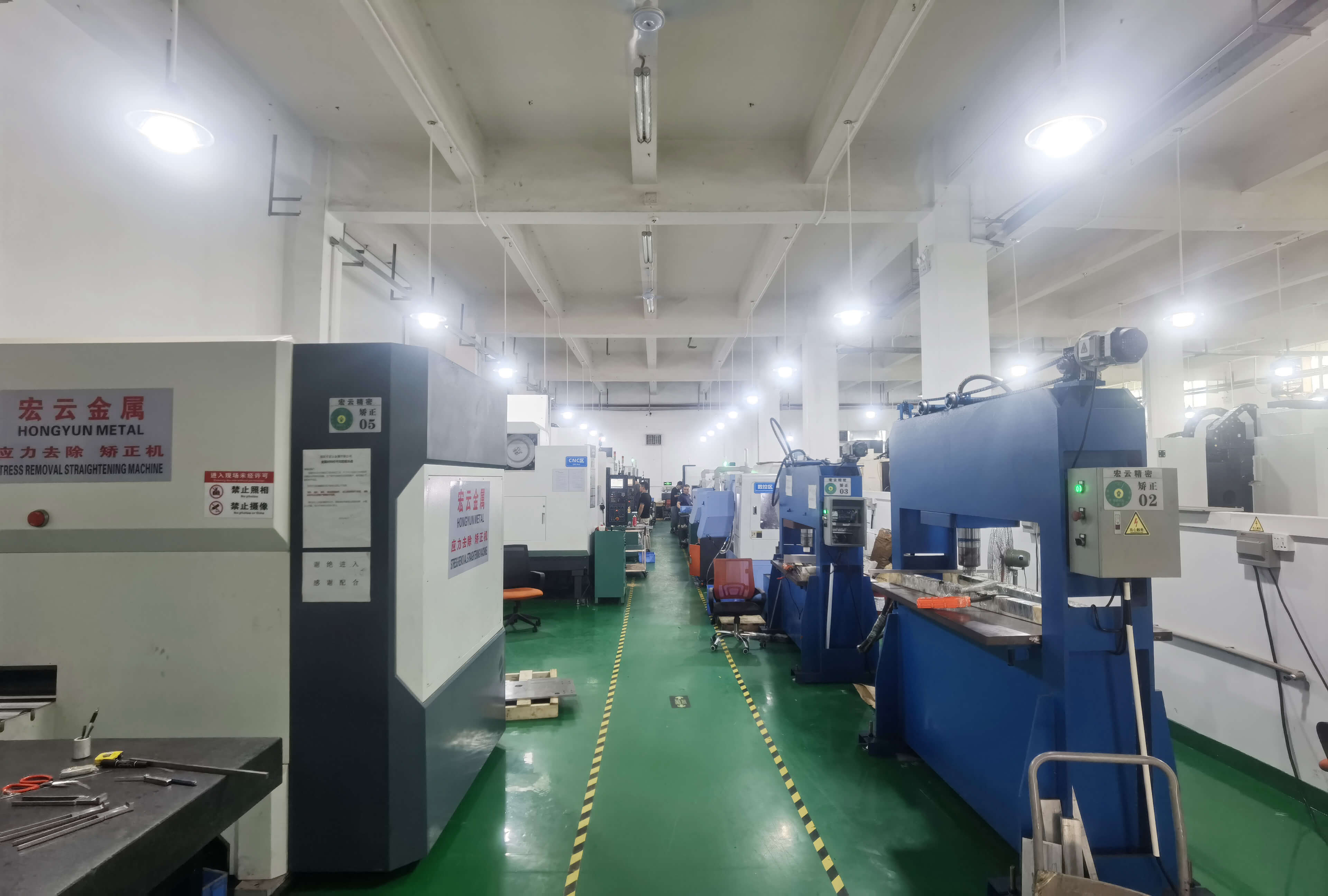
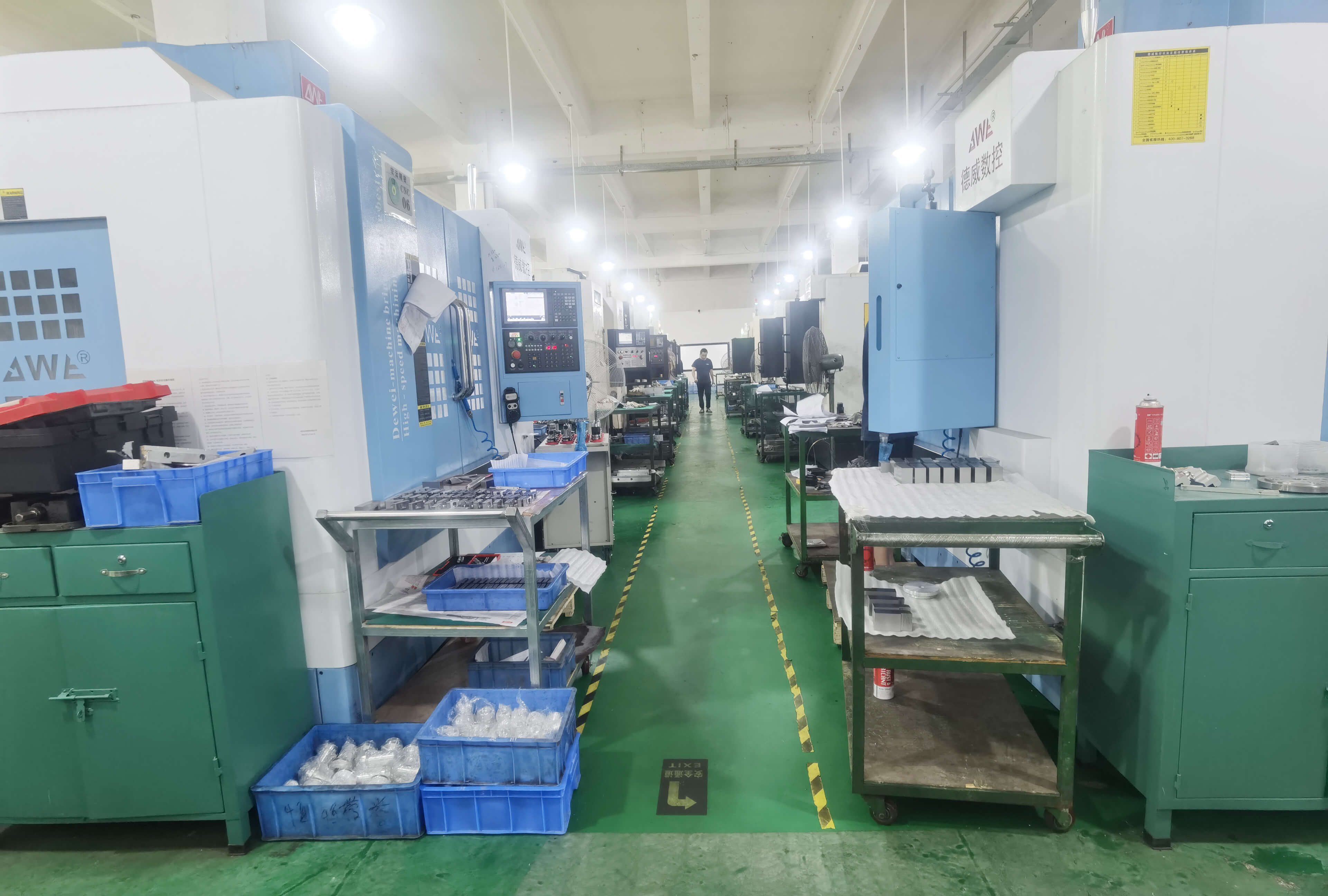
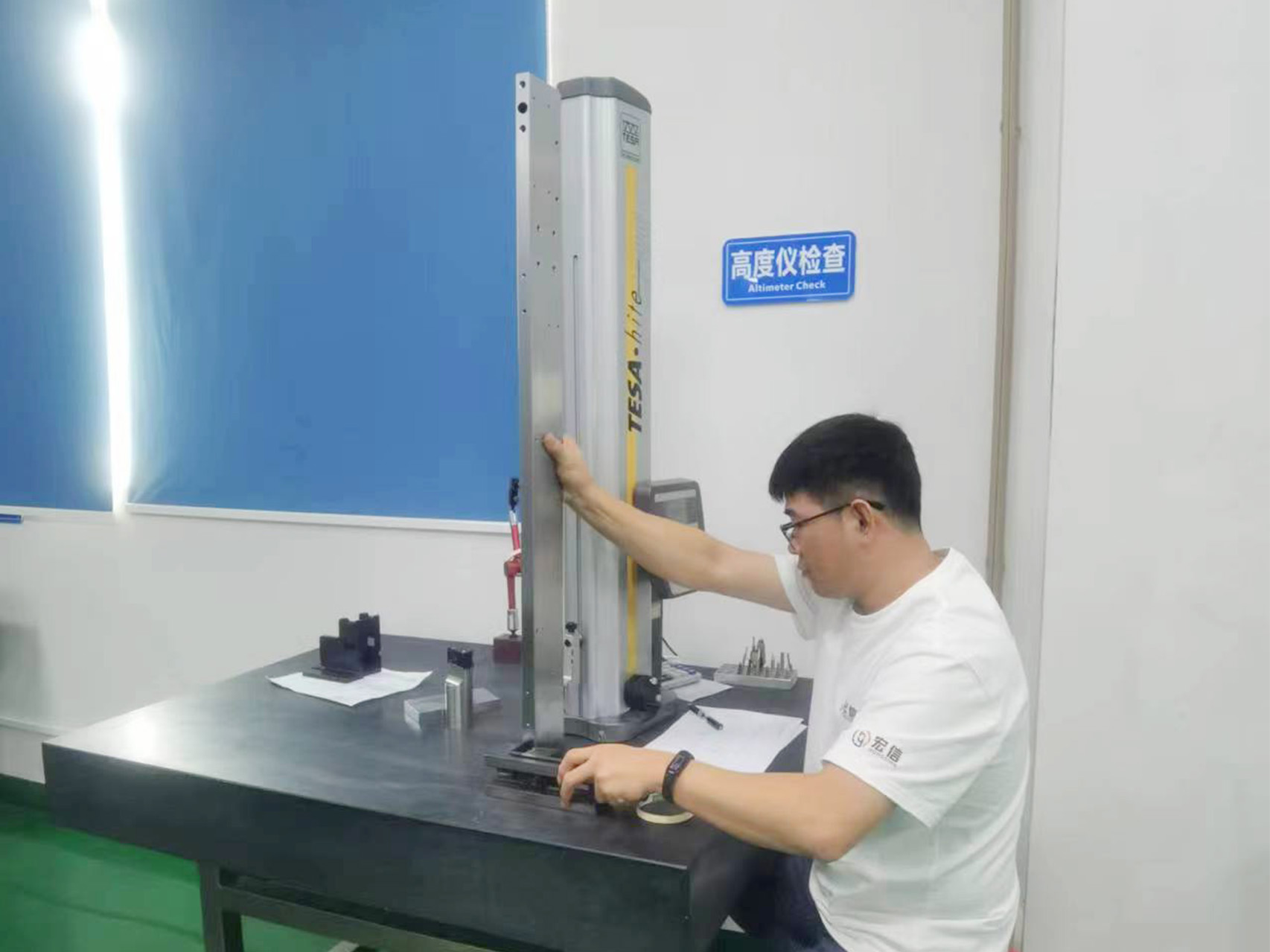
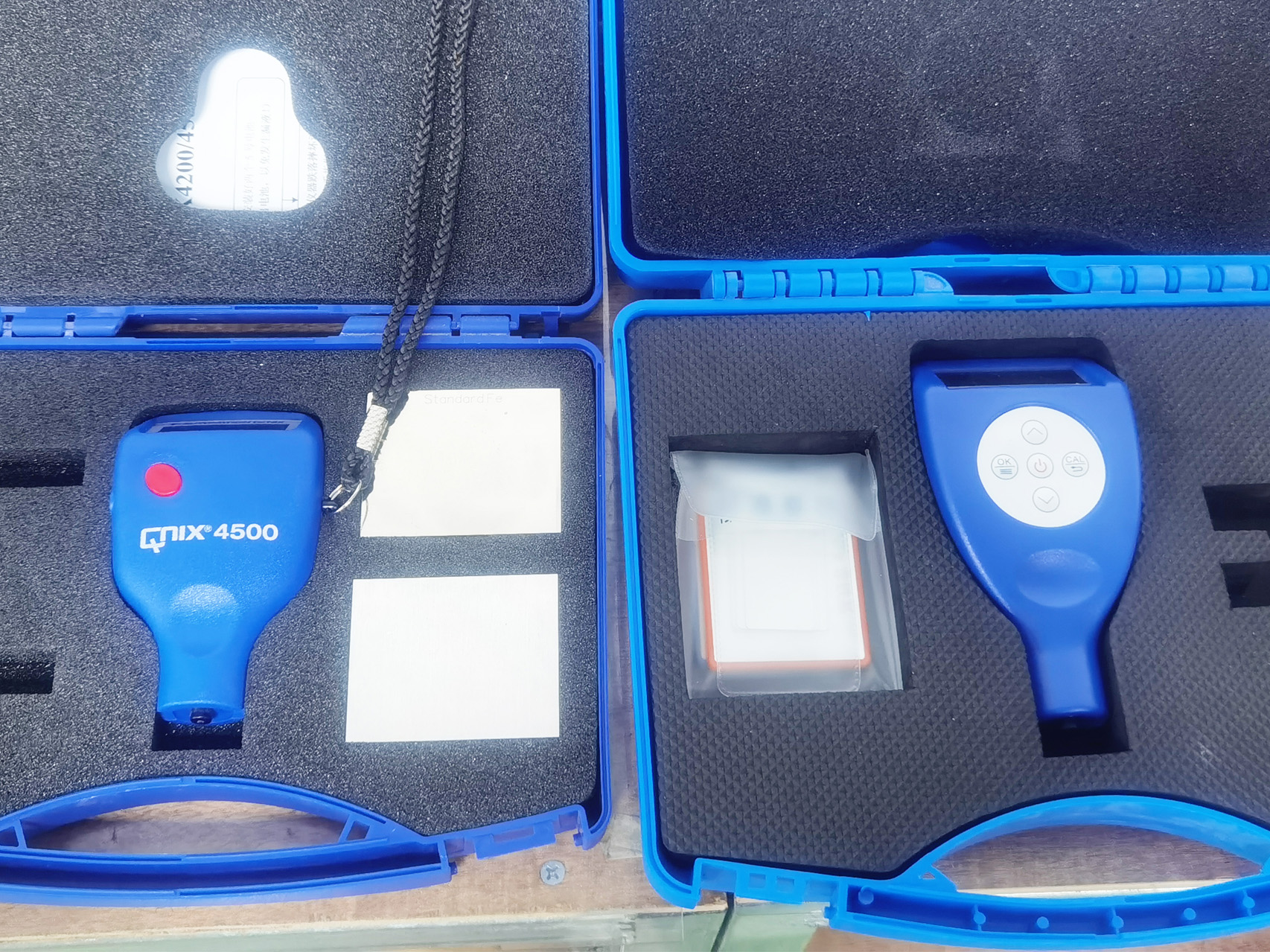
2.Complete produce equipment and test equipment. Independent Engineer team, to check drawings, provide quotation, write machining process, guide production.
3.Independent PMC department, to make production plan and manage delivery time.
4.Quick proofing, short delivery time, usually is 3-15 days
4.Quick proofing, short delivery time, usually is 3-15 days
5 .The company has gathered a rich group of technologicallyadvanced modern talents, which has laid a stable foundationfor the long-term development of the company.
6.Complex and difficult surface and functional structureof the hand plate model, We can all mold quickly.xxx
Properties and Characteristics
If you want to understand how 7075 compares to other aluminum alloys, you'll find that it has high strength, moderate corrosion resistance, and relatively poor weldability. Its high zinc and chromium content also gives it good ductility and toughness. The following table shows several variations of 7075 and how their properties compare:
Variant Strength Corrosion Resistance Weldability Ductility
7075-O Low Medium Good High
7075-T6 High Average Poor Medium
7075-T73 High Good Poor High
These properties make 7075 aluminum alloy popular in demanding applications such as aerospace.
7075-O Low Medium Good High
7075-T6 High Average Poor Medium
7075-T73 High Good Poor High
These properties make 7075 aluminum alloy popular in demanding applications such as aerospace.
Choosing an Aluminum Grade
When you are weighing the different aluminum grades, there are several factors to consider that will help you choose the best aluminum for the job:
1. Strength: Consider, can your design accommodate the volume of material needed to achieve the strength level you’re after?
2. Fatigue resistance: There are more fatigue-resistant aluminum grades than others, but there are also materials that are more fatigue-resistant in general than aluminum as a whole. Understand the grade you need, and start there.
3. Machining: Not every alloy can handle all types of machining methods, so be sure to check that the grade you choose can handle forging and other processes.
2. Fatigue resistance: There are more fatigue-resistant aluminum grades than others, but there are also materials that are more fatigue-resistant in general than aluminum as a whole. Understand the grade you need, and start there.
3. Machining: Not every alloy can handle all types of machining methods, so be sure to check that the grade you choose can handle forging and other processes.
4. Structure: If you plan on building or assembling parts, be aware that some grades of aluminum alloy are not suitable for welding (other grades are better).
5. Corrosion: Some aluminum grades have poor corrosion resistance, while others are quite resistant and can withstand long-term exposure to moisture and corrosive environments.
6. Damage resilience: Some aluminum profiles have a higher elongation at the breaking point than others, which is critical for life-critical structures
5. Corrosion: Some aluminum grades have poor corrosion resistance, while others are quite resistant and can withstand long-term exposure to moisture and corrosive environments.
6. Damage resilience: Some aluminum profiles have a higher elongation at the breaking point than others, which is critical for life-critical structures
7.Cosmetics: If aesthetics are important, take a look at the quality of surface finish you can get with different grades.
















Recommend Products
 Providing precision engineering machining services including CNC turning and milling services, CNC lathe components. cnc turning service
 Precision CNC parts for motorcycles and automotive machinery.
 CNC Machining Services in China for High Precision Parts
 Specializing in precision CNC machining for plastic components and tool steel.