Manufacturing medical precision components using CNC tooling with ABS transparent plastic
Manufacturing medical precision components using CNC tooling with ABS transparent plastic
In the medical industry, precision and reliability are critical. Manufacturers rely on high-quality materials and advanced machining techniques to produce components that meet stringent standards. ABS transparent plastic, combined with CNC tooling, plays a vital role in creating medical precision components with accuracy, durability, and clarity.
What is PC-ABS?
Polycarbonate (PC) and acrylonitrile butadiene styrene (ABS) are two common thermoplastics. PC is known for its toughness and heat resistance, while ABS is renowned for its flexibility and processability. So, what do you get when you combine PC and ABS? This hybrid plastic, called PC-ABS, offers the advantages of both materials and more. So, what makes PC-ABS so special? We can list six key properties below.
A material's weight is typically measured by its density, which is its weight given its dimensions. The density of PC-ABS varies depending on the ratio of PC to ABS, but is generally around 1.15 g/cm³. To better understand this, here are the densities of some other thermoplastics for reference:
- Polyethylene terephthalate (PET): 1.35g/cm³
- Polyvinyl chloride (PVC): 1.16–1.45g/cm³
- Polylactide (PLA): 1.25g/cm³
- Polyetherimide (PEI): 1.3g/cm³
- Polypropylene (PP): 0.9g/cm³
PC-ABS is not quite the lightest of them all, but given its strength and resistance to various elements, it’s pretty impressive.
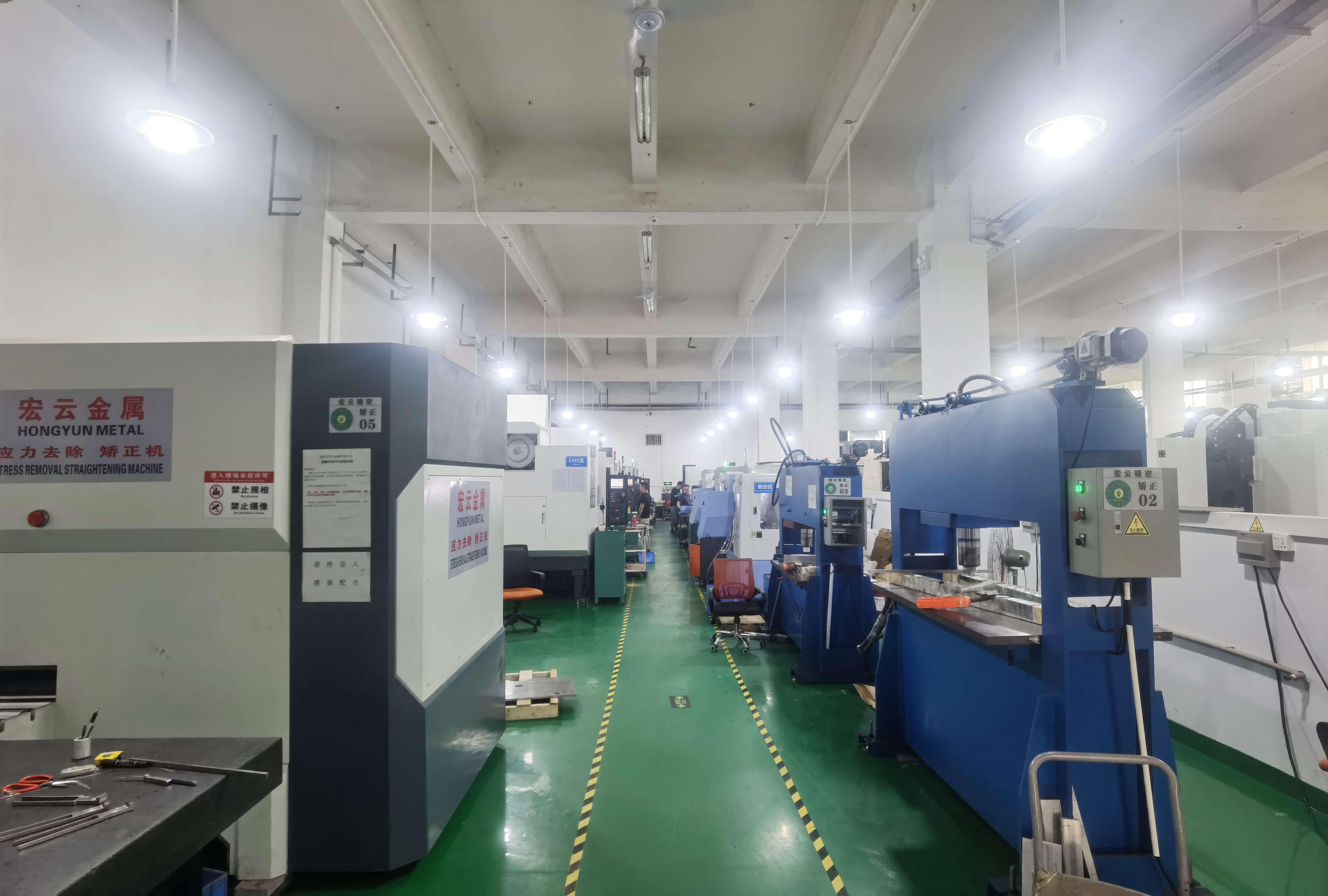
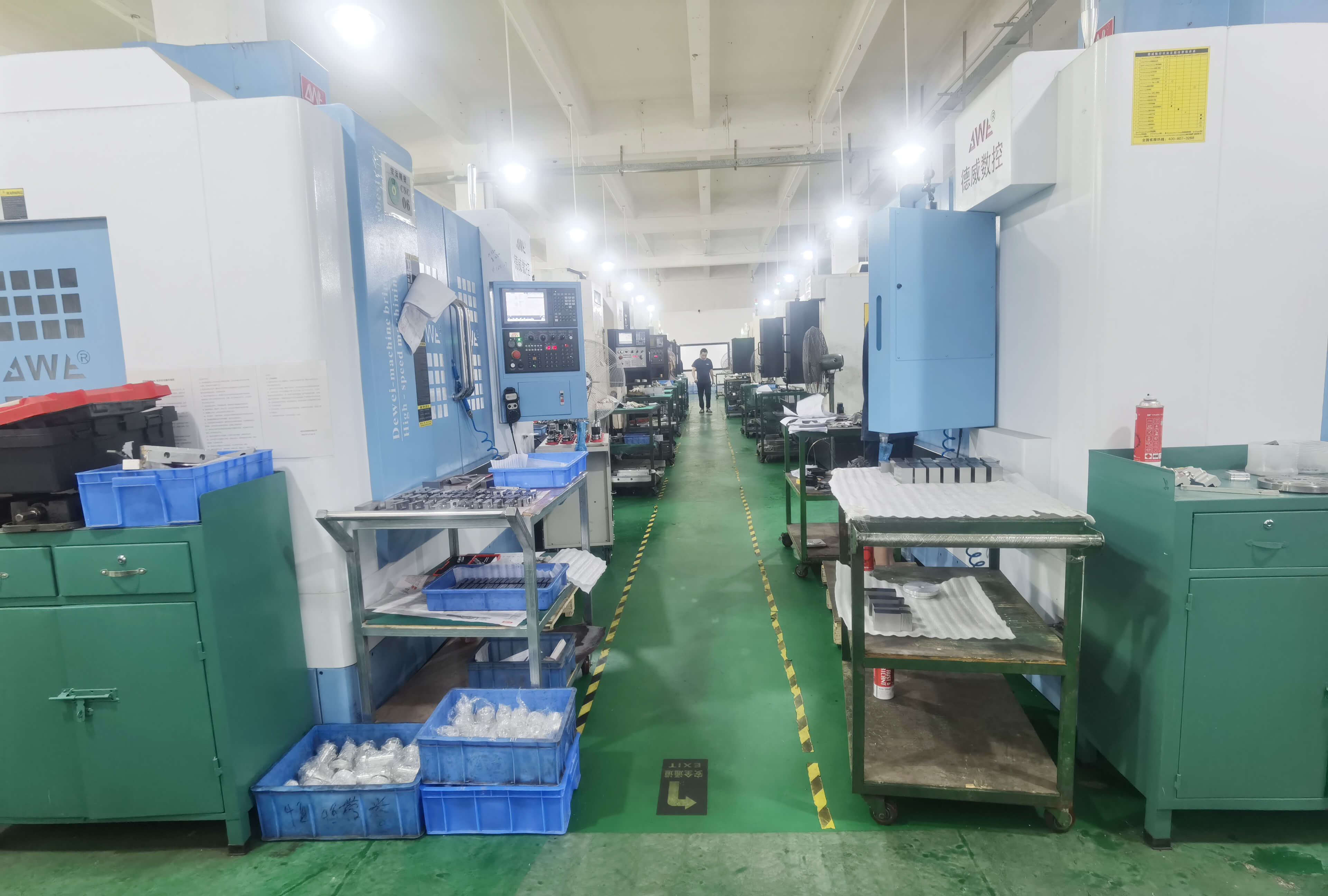
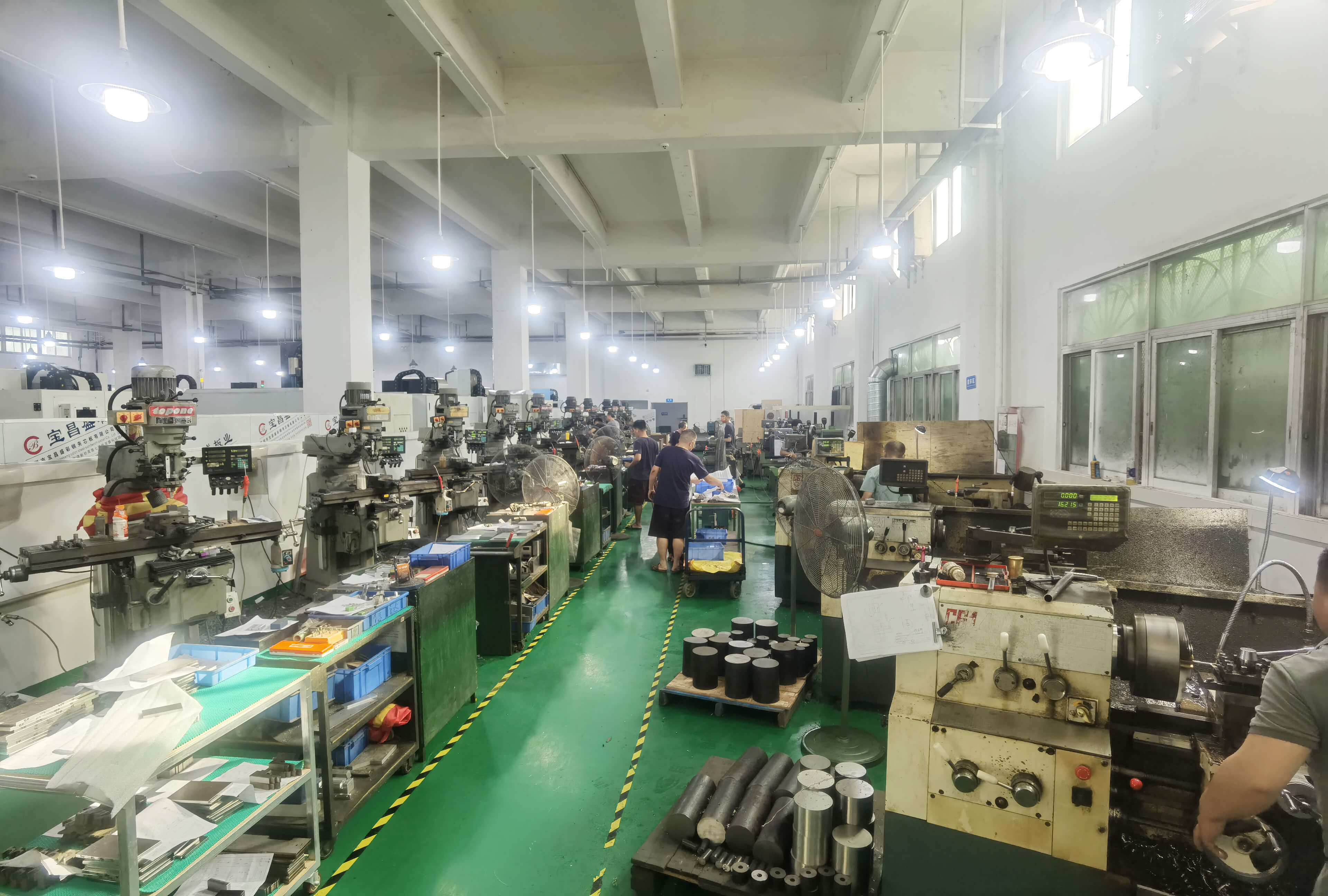
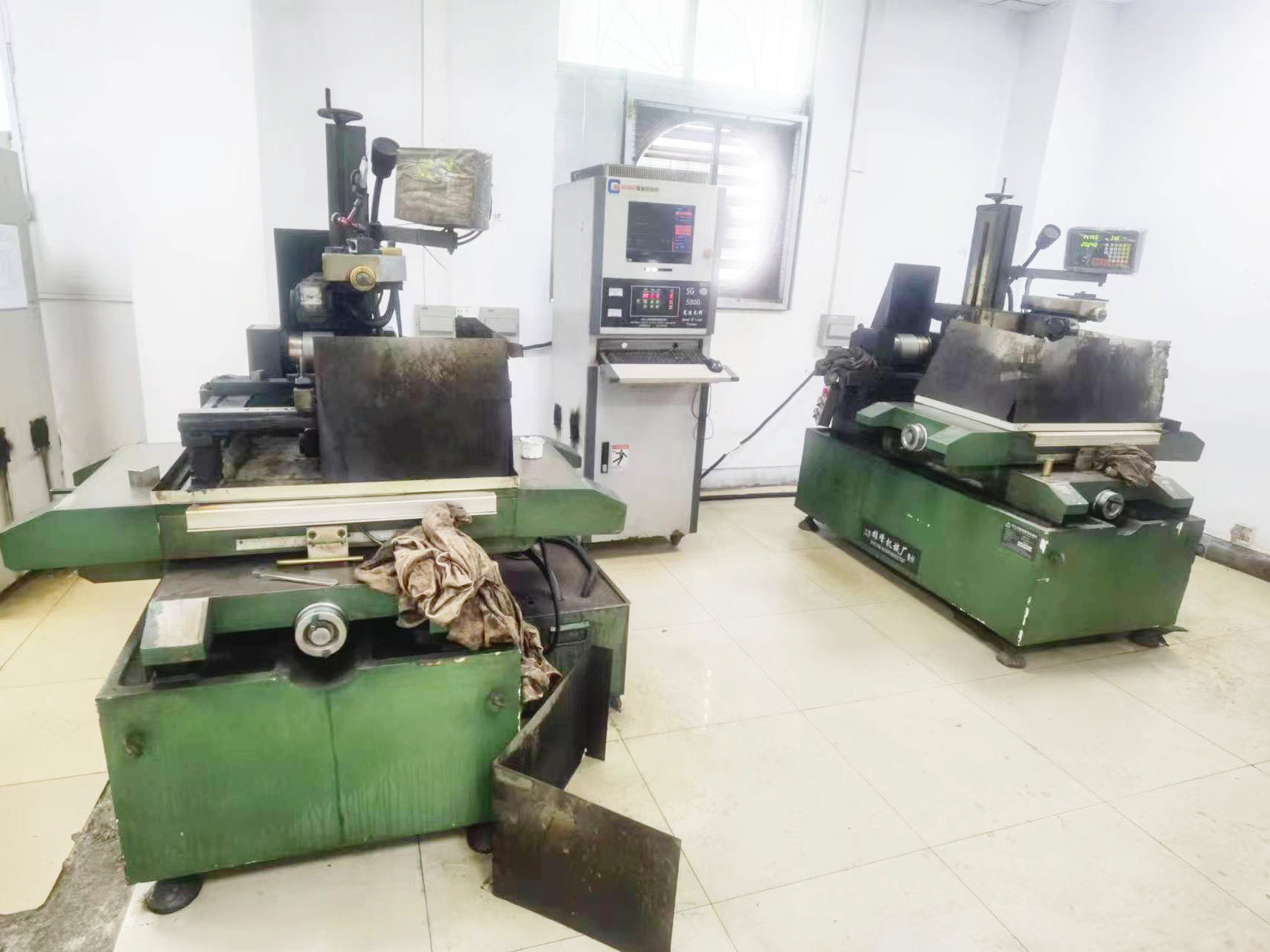
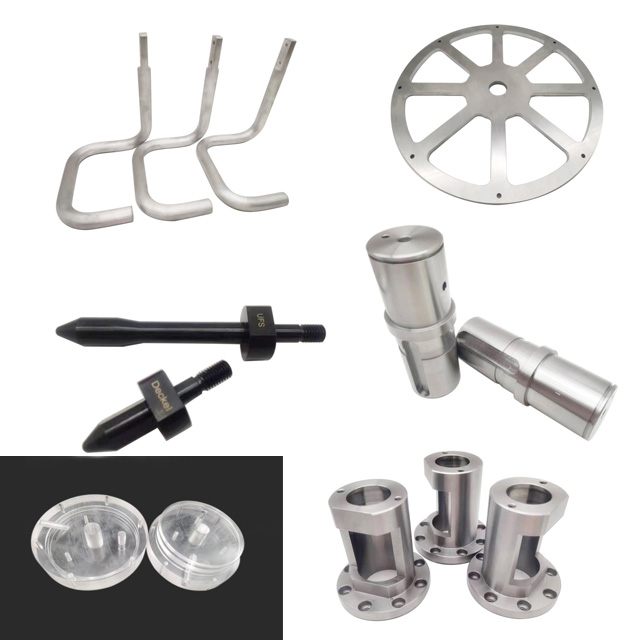
Processing | CNC Turning, CNC Milling, Laser Cutting, Bending, Spinning, Wire Cutting, Stamping, Electric Discharge Machining (EDM), Injection Molding | |||
Materials | Aluminum: 2000 series, 6000 series, 7075, 5052, etc. | |||
Stainless steel: SUS303, SUS304, SS316, SS316L, 17-4PH, etc. | ||||
Steel: 1214L/1215/1045/4140/SCM440/40CrMo, etc. | ||||
Brass: 260, C360, H59, H60, H62, H63, H65, H68, H70, Bronze, Copper | ||||
Titanium: Grade F1-F5 | ||||
Plastic: Acetal/POM/PA/Nylon/PC/PMMA/PVC/PU/Acrylic/ABS/PTFE/PEEK etc. | ||||
Surface Treatment | Anodized, Bead Blasted, Silk Screen, PVD Plating, Zinc/Nickel/Chrome/Titanium Plating, Brushing, Painting, Powder Coated, Passivation, Electrophoresis, Electro Polishing, Knurl, Laser/Etch/Engrave etc. | |||
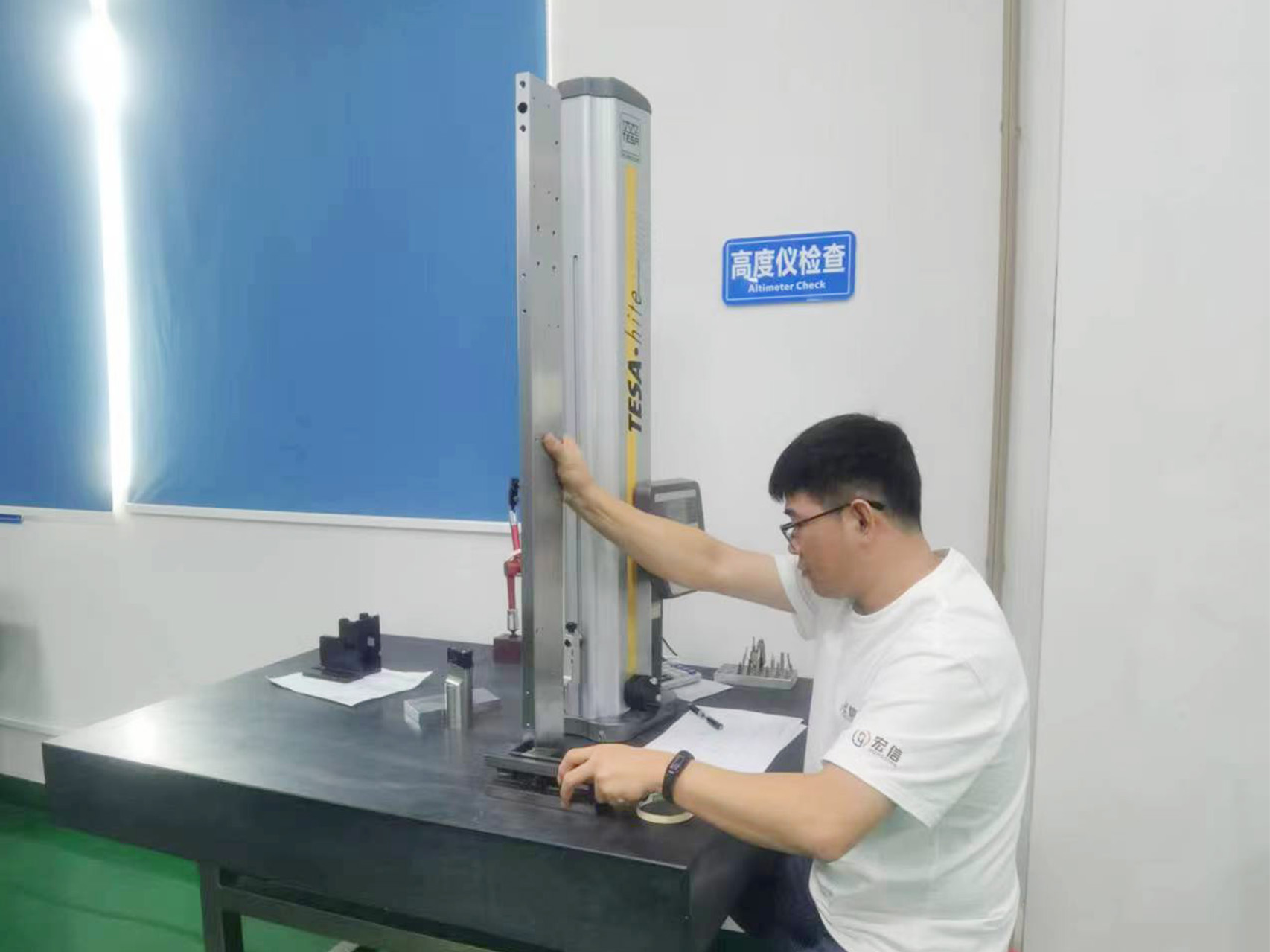
Tolerance | ±0.002 ~ ±0.005mm | |||
Surface Roughness | Min Ra 0.1~3.2 | |||
4.Quick proofing, short delivery time, usually is 3-15 days
Polycarbonate (PC) is transparent, while acrylonitrile butadiene styrene (ABS) is opaque, giving PC-ABS a cloudy appearance. A material's light transmittance is the ratio of the amount of light that passes through it to the amount of light that strikes it. For example, concrete has almost zero light transmittance, while glass has near-perfect optical properties. While PC-ABS isn't completely transparent, its glossiness and colorability offer considerable design flexibility.While PC-ABS cannot completely replace PC in many optical applications, it retains the smooth surface of ABS and reflects light well. If properly polished, PC-ABS can even shine like a mirror. Furthermore, this material is easily colorable and can be painted or sprayed, providing a wide range of design options.
Heat resistance refers to a material's ability to withstand heat without losing its essential properties. PC-ABS, thanks to the presence of PC, exhibits quite good heat resistance. More notably, while ABS itself has relatively weak heat resistance, the addition of PC allows for the aesthetic appeal of ABS without the worry of burning. This heat resistance applies to most PC-ABS variants, but varying the ratio of PC to ABS will also affect heat resistance, flow properties, and processability.
Conclusion
The combination of ABS transparent plastic and CNC tooling provides an optimal solution for manufacturing medical precision components. With excellent clarity, durability, and machining precision, this material is ideal for surgical instruments, diagnostic devices, and drug delivery systems.
For medical device manufacturers seeking reliable, high-performance materials, ABS transparent plastic CNC machining offers a perfect balance of functionality and cost efficiency.

PC-ABS exhibits good toughness and impact resistance, which have different definitions. Toughness refers to how much energy a material can absorb without cracking when subjected to an external force, while impact resistance refers to its ability to withstand sudden impacts. Therefore, just because a material is hard doesn't necessarily mean it's tough. Prime examples are ceramics and glass, which are hard but lack toughness. The combination of PC-ABS makes it excel in the face of impact, making it suitable for applications requiring high impact strength.
PC-ABS is particularly adept at maintaining its toughness at low temperatures, where some metals might crack. Thanks to the ABS system, PC-ABS is not only strong but also flexible, allowing it to bend under pressure without breaking. This property makes PC-ABS ideal for applications requiring both strength and toughness, such as automotive interiors and electronic device components.