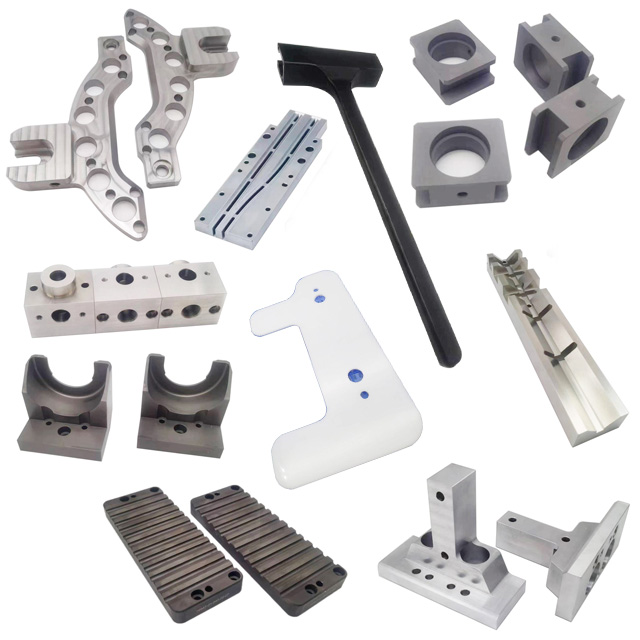
Explore advanced metal fabrication for high-performance car parts by skilled fabricators.
Hongsinn-453
Unleash the power of precision with our advanced metal fabricators, crafting high-performance parts for your vehicle. Elevate your driving experience with cutting-edge metal fabrication expertise.
Delivery
FOB
minimum order
1 piece
Supply Ability
5000piece / Week
Country of Origin
Shenzhen
Stock Time
7~15Day
Quantity:
US $0.59 - US $10.68 / piece
Explore advanced metal fabrication for high-performance car parts by skilled fabricators.
The automotive industry is constantly evolving, demanding high-performance parts for cars that enhance speed, durability, and efficiency. To meet these needs, advanced metal fabricators utilize cutting-edge techniques in advance metal fabrication, pushing the boundaries of material science and engineering.
Manufacturing Types
After the initial design process, the steps involved in creating the product itself involve a variety of manufacturing methods, including the following:
Welding:Welding is one of the most common manufacturing methods. It joins dissimilar metal parts together through a combination of heat and pressure. Depending on the project's needs, several different welding techniques can be used.
Cutting:This metal manufacturing process involves cutting a sheet of metal into smaller pieces. The metal can sometimes be pre-shaped before cutting, but most cutting is performed on unformed surfaces.
Machining:This process involves removing material from a piece of metal, typically performed using a lathe. The metal is rotated, and corners and edges are trimmed to meet a set of required measurements.
Casting: In the casting process, molten metal is poured into a mold and then cooled to form a shape or object. Casting is one of the most flexible types of manufacturing, suitable for creating complex shapes or eliminating extra steps in a project.
Stamping: Stamping involves using a press to bulge metal without piercing it, thereby creating specific shapes and patterns. This method is often used to create letters or images on metal sheets or panels.
Punching:Punching creates holes in a piece of metal by placing it between a punch and a die. In most cases, the purpose of punching is to create holes for fastening.
Processing | CNC Turning, CNC Milling, Laser Cutting, Bending, Spinning, Wire Cutting, Stamping, Electric Discharge Machining (EDM), Injection Molding | |||
Materials | Aluminum: 2000 series, 6000 series, 7075, 5052, etc. | |||
Stainless steel: SUS303, SUS304, SS316, SS316L, 17-4PH, etc. | ||||
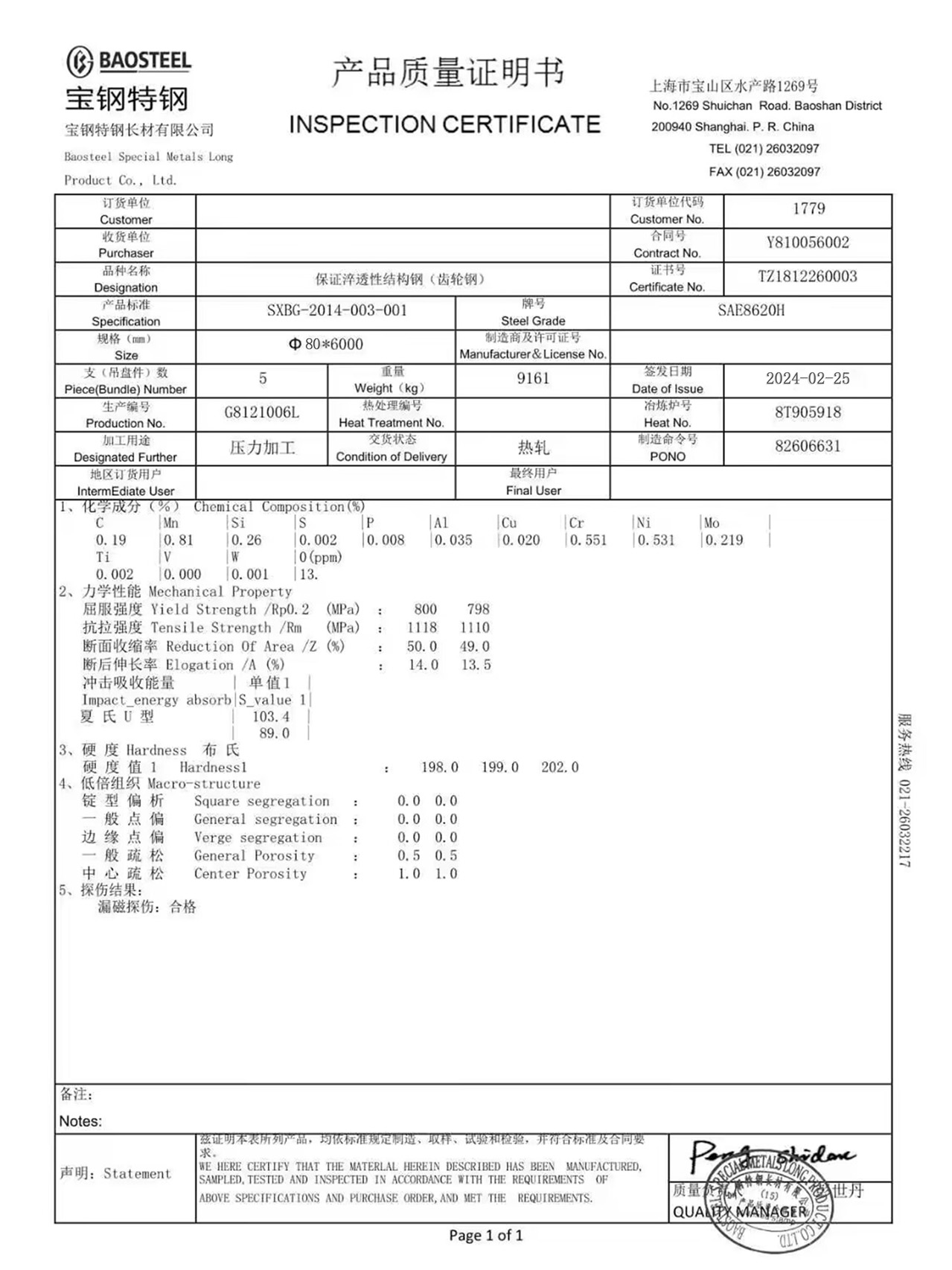
Steel: 1214L/1215/1045/4140/SCM440/40CrMo, etc. | ||||
Brass: 260, C360, H59, H60, H62, H63, H65, H68, H70, Bronze, Copper | ||||
Titanium: Grade F1-F5 | ||||
Plastic: Acetal/POM/PA/Nylon/PC/PMMA/PVC/PU/Acrylic/ABS/PTFE/PEEK etc. | ||||
Surface Treatment | Anodized, Bead Blasted, Silk Screen, PVD Plating, Zinc/Nickel/Chrome/Titanium Plating, Brushing, Painting, Powder Coated, Passivation, Electrophoresis, Electro Polishing, Knurl, Laser/Etch/Engrave etc. | |||
Tolerance | ±0.002 ~ ±0.005mm | |||
Surface Roughness | Min Ra 0.1~3.2 | |||
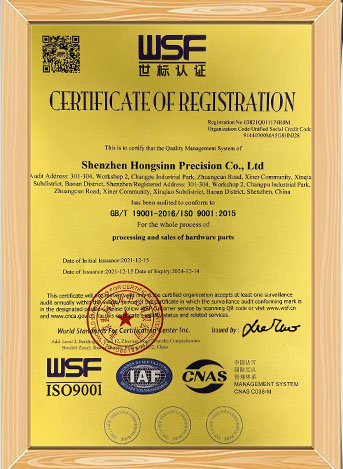
1.Direct OEM/0DM manufacturer, advanced produce technical,the highest tolerance we can reach to ±0.005mm;
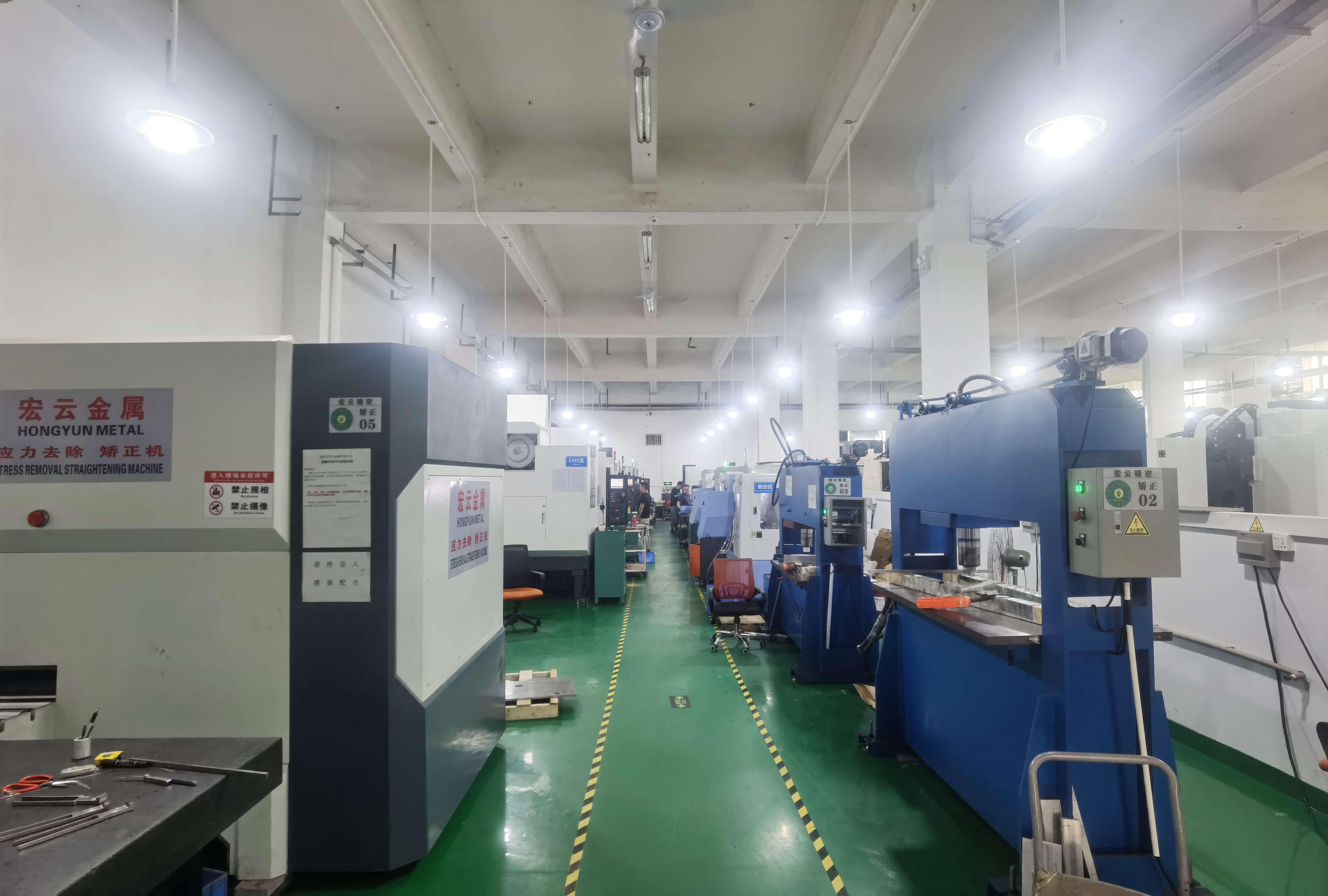
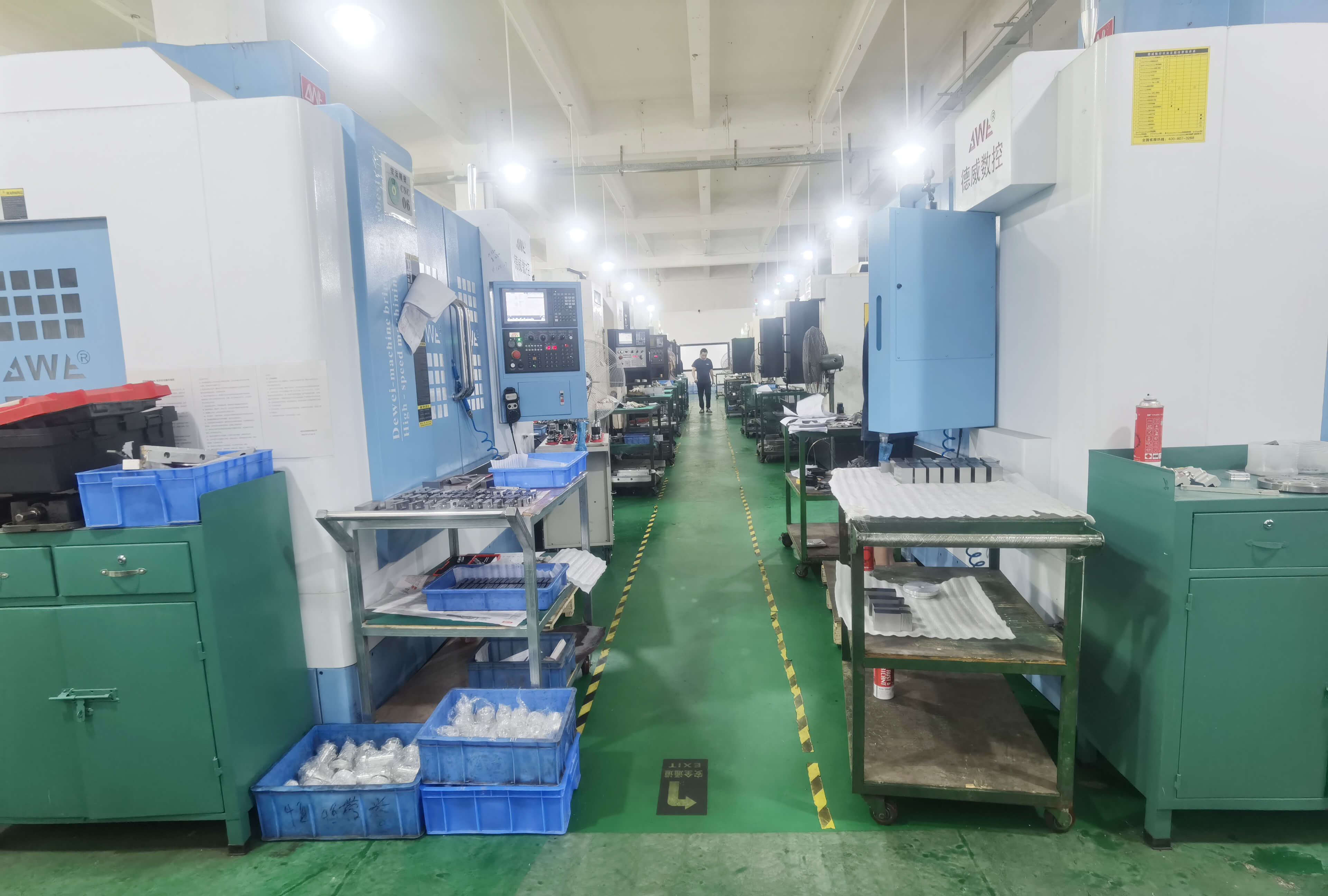
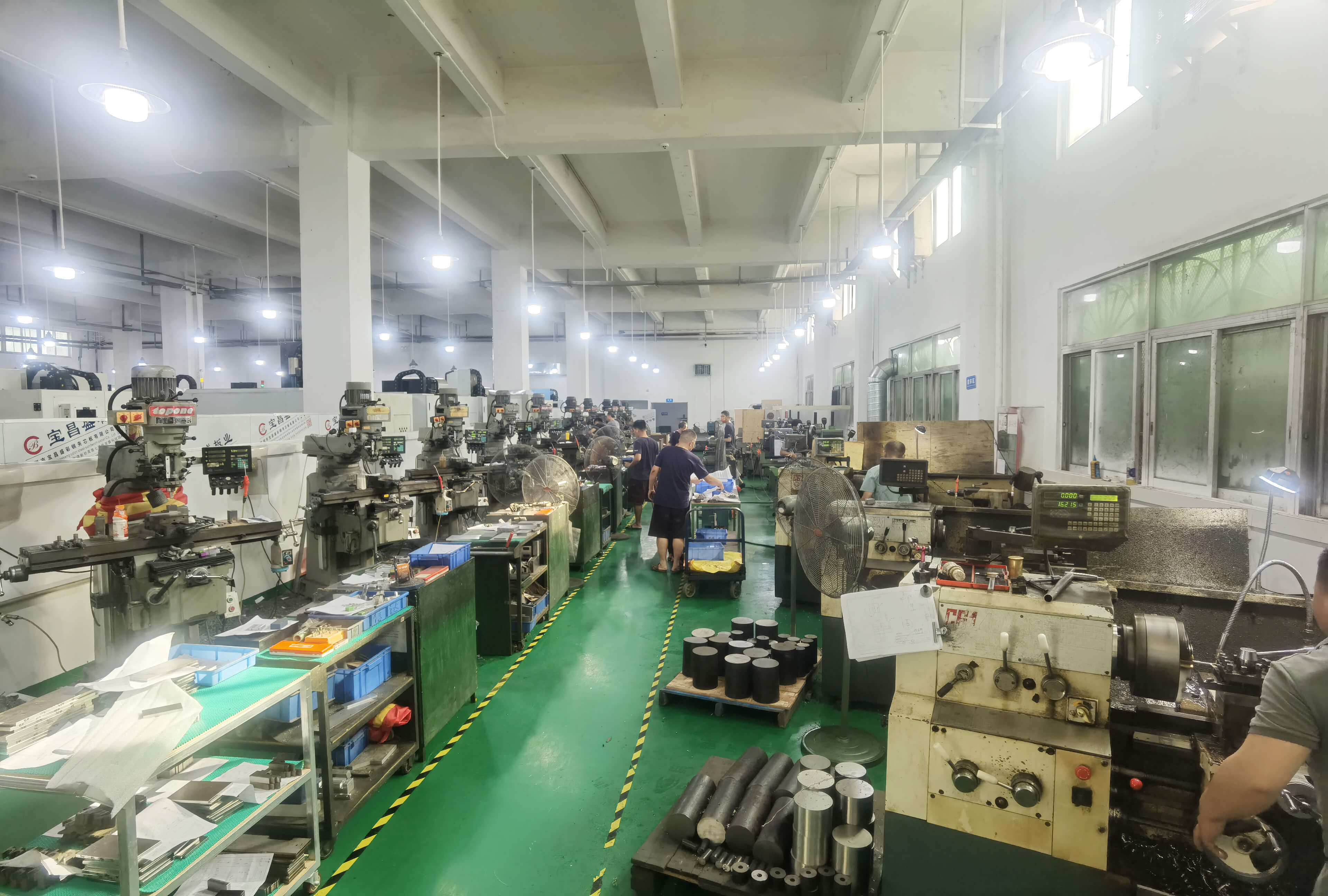
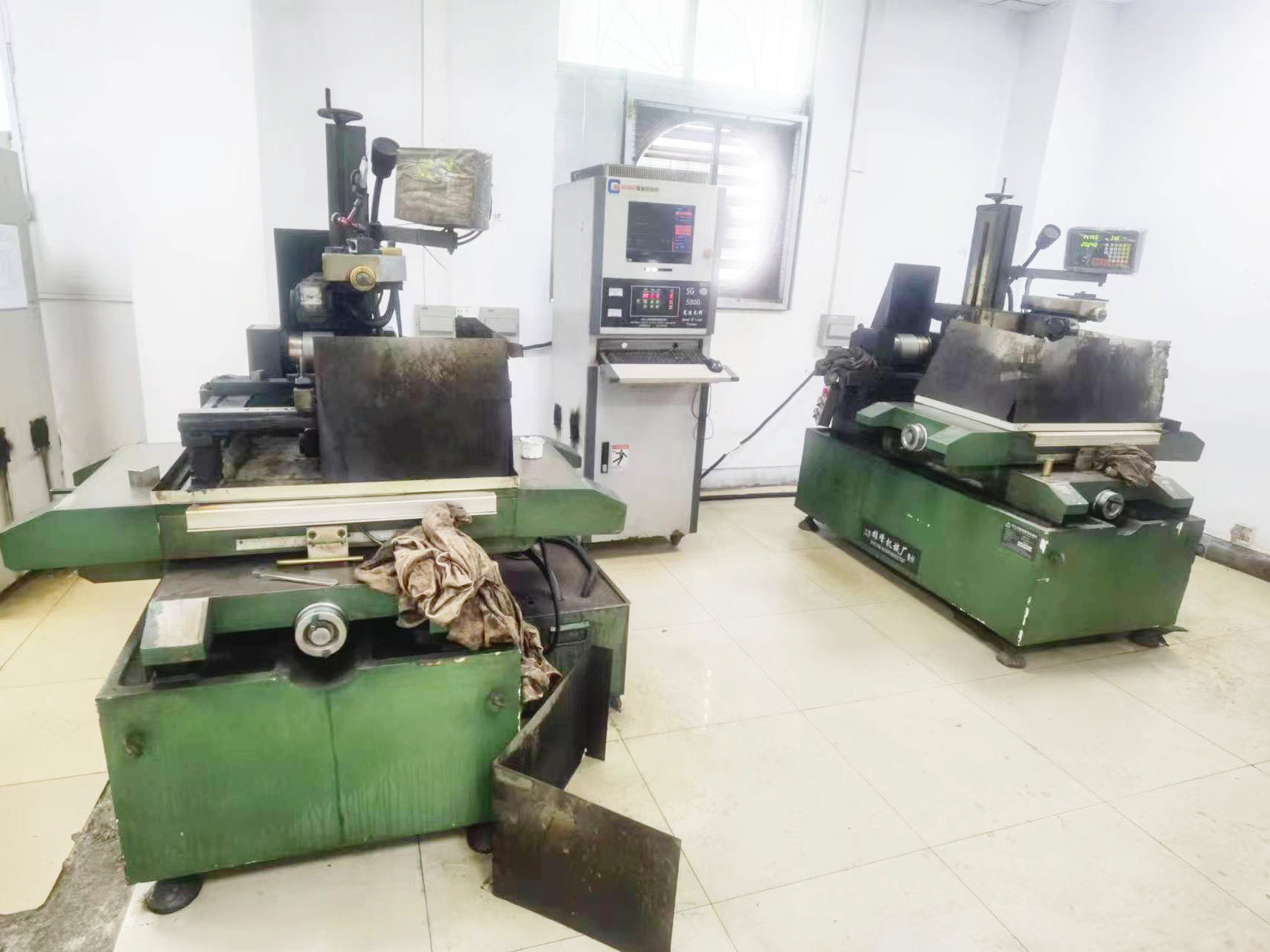
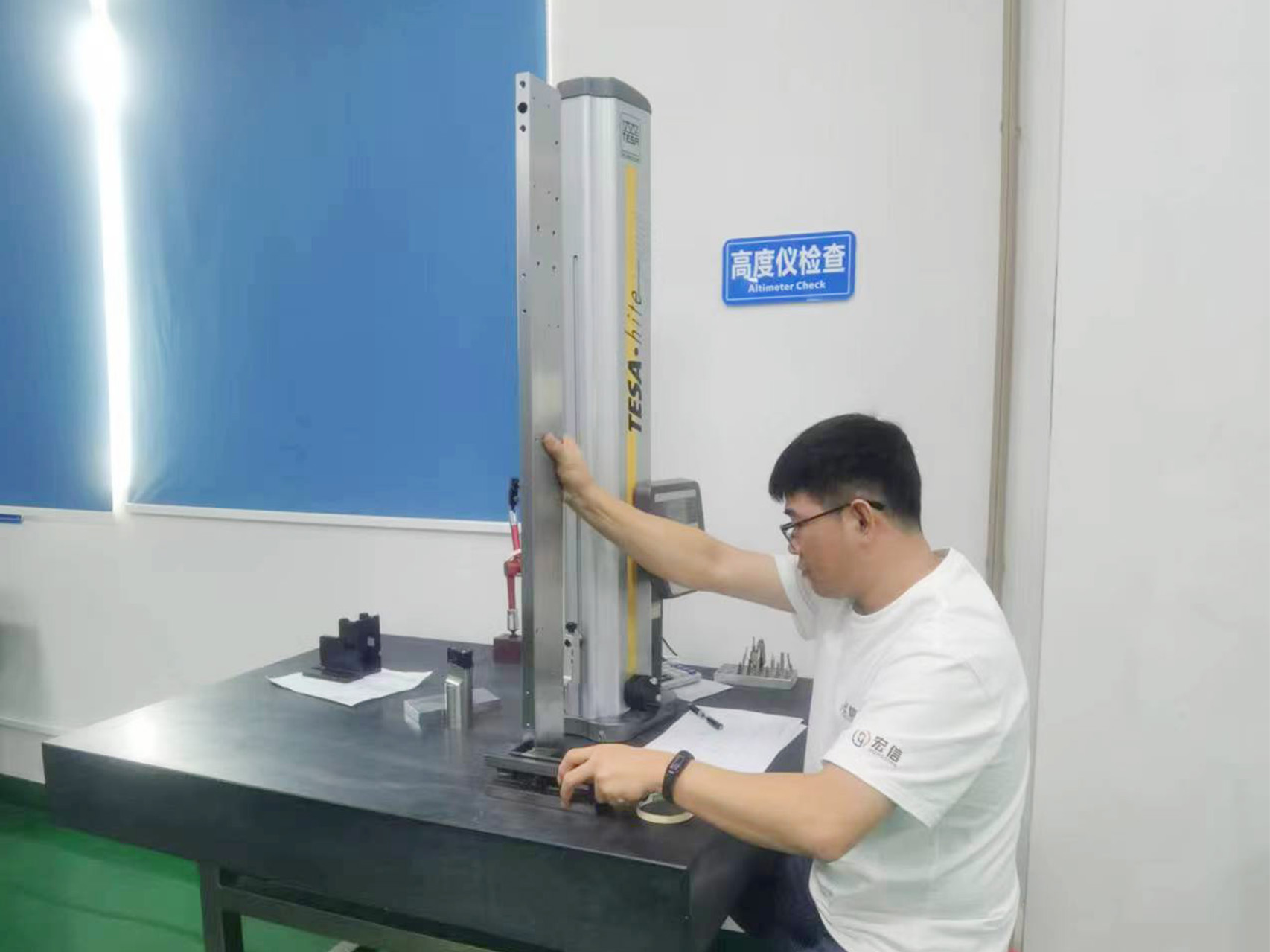
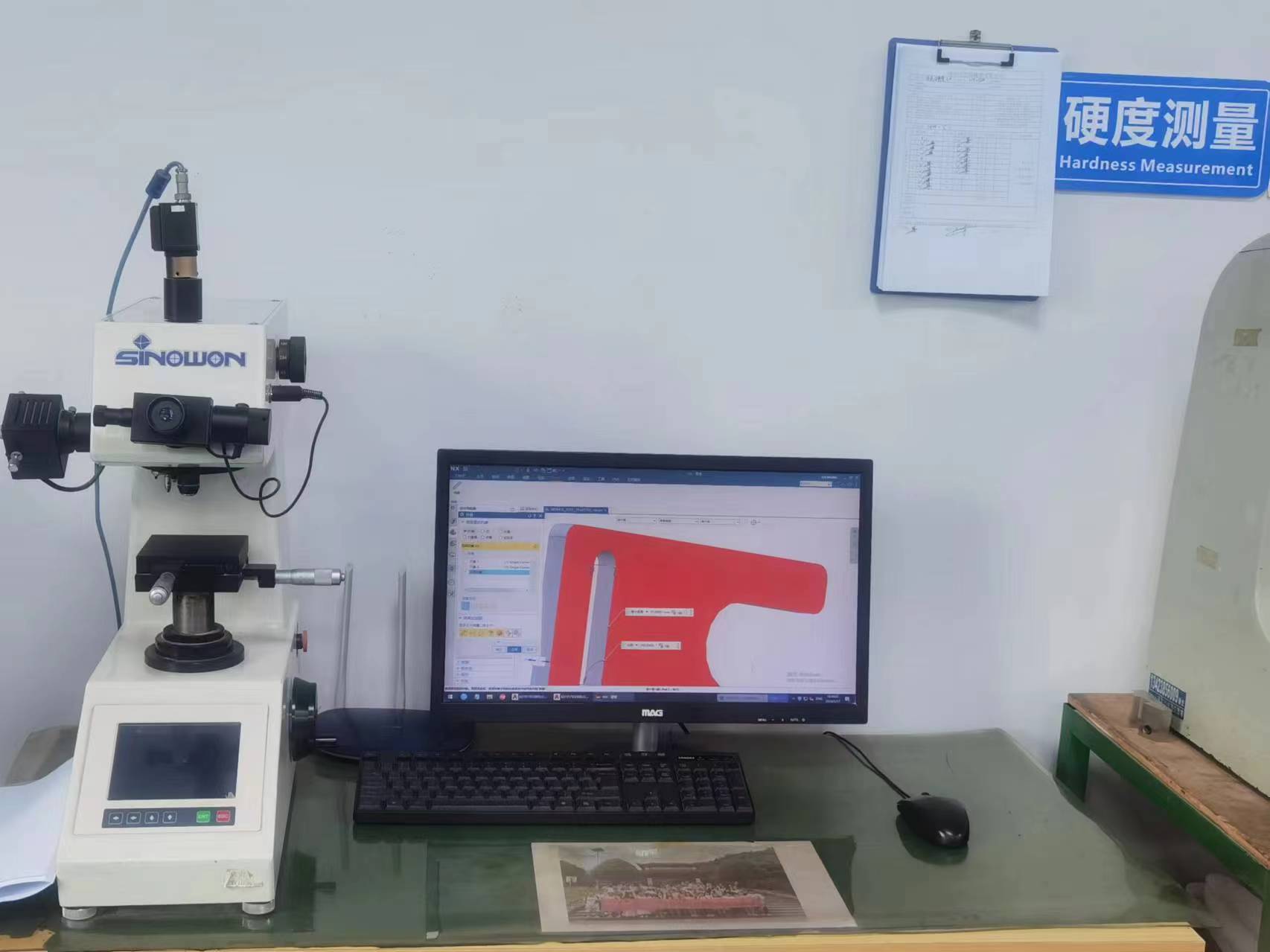
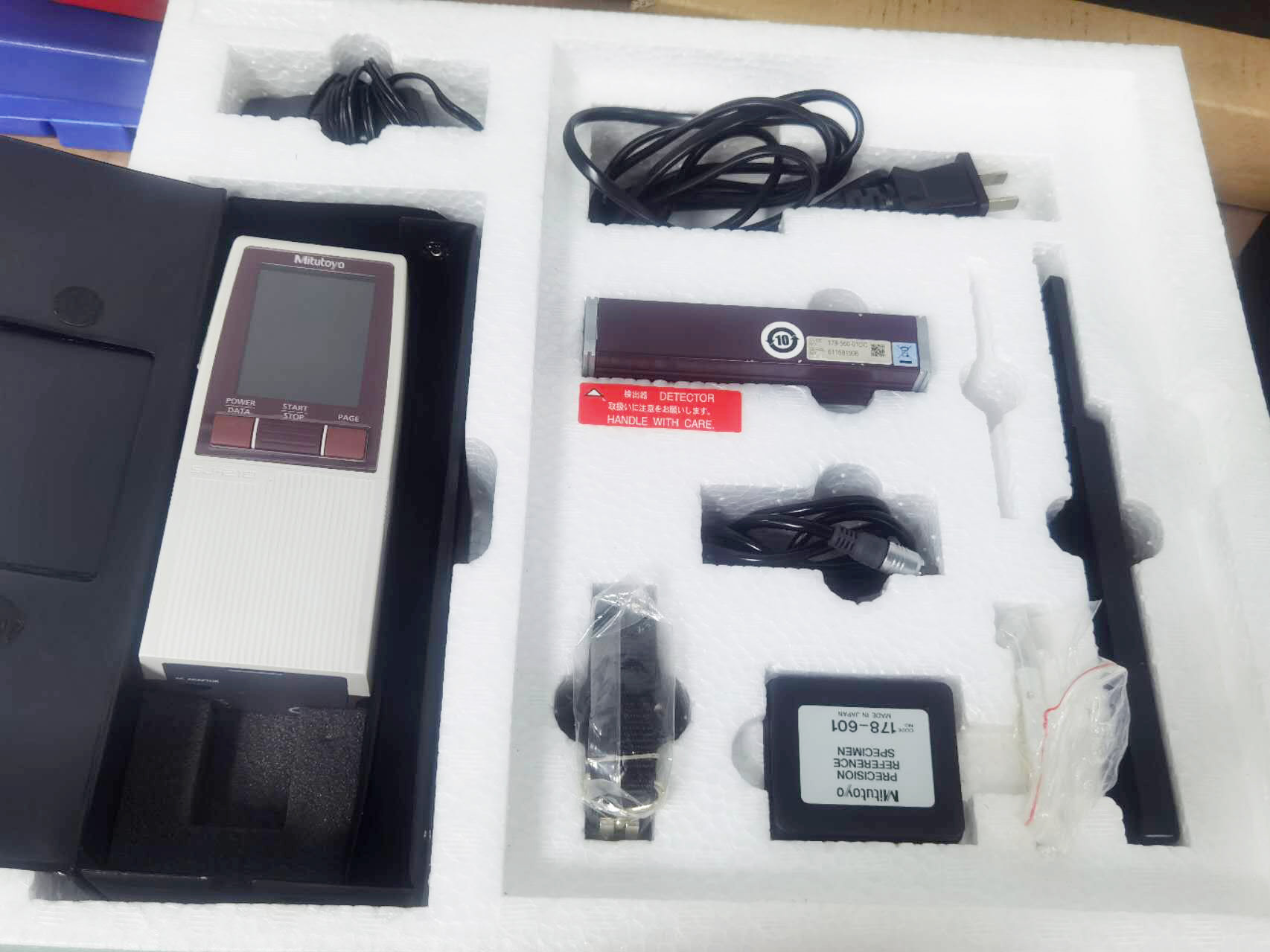
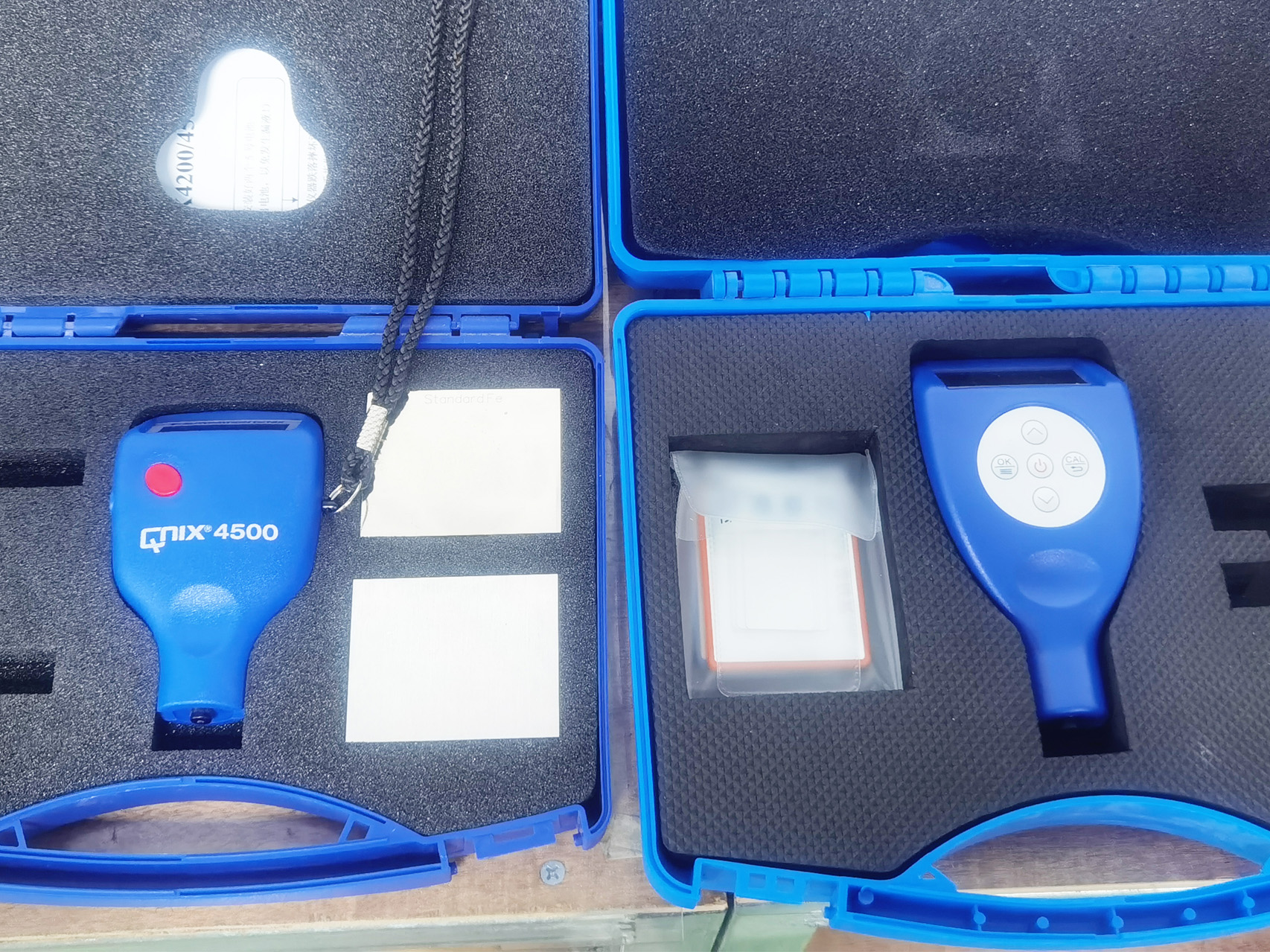
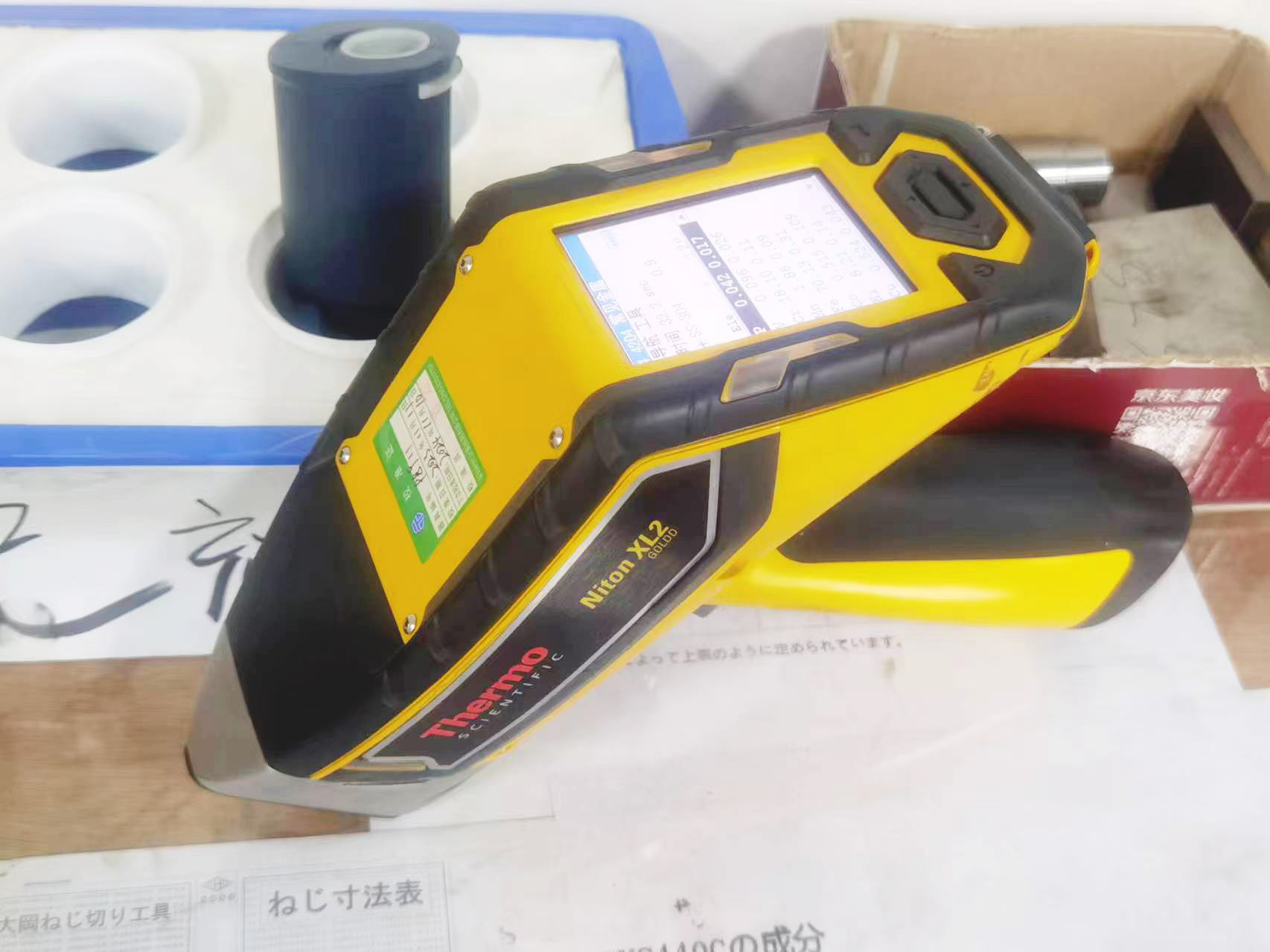
2.Complete produce equipment and test equipment. Independent Engineer team, to check drawings, provide quotation, write machining process, guide production.
3.Independent PMC department, to make production plan and manage delivery time.
4.Quick proofing, short delivery time, usually is 3-15 days
4.Quick proofing, short delivery time, usually is 3-15 days
5 .The company has gathered a rich group of technologicallyadvanced modern talents, which has laid a stable foundationfor the long-term development of the company.
6.Complex and difficult surface and functional structureof the hand plate model, We can all mold quickly.xxx
Different Types of CNC Machining Operations
CNC machining encompasses a variety of techniques that involve subtractively removing parts from a workpiece to create the desired product. The method of removal depends on the specific machining process. The following are several common CNC machining operations used in part manufacturing:
CNC Drilling:
CNC drilling involves using a rotating cutting tool to create a cylindrical hole in a stationary workpiece. This is an important CNC machining operation widely used in manufacturing products that require assembly.
CNC Milling:
CNC milling, one of the most common machining operations, uses a cutting tool that can rotate and move along an axis to remove material from a workpiece. The difficulty of the cut depends on the complexity and configuration of the CNC machine.
CNC Turning:
CNC turning is a machining operation that involves rotating the workpiece while feeding it through the cutting tool. This method is used to create parts with circular or symmetrical shapes.
Materials Compatible with CNC Machining
-Metals: Copper, stainless steel alloys, titanium, brass, aluminum alloys, steel, magnesium, etc.
-Plastics: Acetal, PEEK, polycarbonate, nylon, acrylic, PVC, polypropylene, etc.
-Composites: Epoxy, phenolic, fiberglass, and carbon fiber.
-Wood: Hardwood and plywood.
-Foam: Rigid and sculpted foam.