On-Demand Parts Fabrication with Aluminum Anodizing Service Available.
Hongsinn-554
Rapid Parts Fabrication: Instantly Elevate Your Projects with On-Demand Services and Aluminum Anodizing for a Flawless Finish!
Delivery
FOB
minimum order
1 piece
Supply Ability
5000piece / Week
Country of Origin
Shenzhen
Stock Time
7~15Day
Quantity:
US $0.59 - US $10.68 / piece
On-Demand Parts Fabrication with Aluminum Anodizing Service Available.
Modern manufacturing thrives on three essential services: parts fabrication for custom components, parts on demand for rapid production, and aluminum anodizing service for enhanced durability.

What is anodizing?
Anodizing is a key process in the manufacture of aluminum CNC machined parts. This electrochemical process creates an oxide layer on the surface of the metal component, enhancing its durability while providing an attractive finish.
While anodizing is most commonly used on aluminum, other metals, such as magnesium and titanium, can also undergo this treatment. This process not only enhances the material's durability but also offers a wider range of aesthetic options for the product.
The anodizing process provides improved resistance to corrosion and wear, ensuring parts retain their appearance over time. Manufacturers often outsource anodizing to specialized third-party suppliers, similar to services such as heat treating, tempering, or electroplating.
There are three common types of anodizing: Type I (chromic acid anodizing), Type II (sulfuric acid anodizing), and Type III (hard coating). Each type is suitable for different materials and has its own manufacturing parameters. While each type has specific advantages and potential disadvantages, their basic function is similar: to enhance the durability and aesthetics of metals.
The Difference Between Anodizing and Electroplating
Anodizing and electroplating do share some similarities. If you're familiar with electroplating, you might find that a comparison between the two processes highlights the unique and critical nature of anodizing in the manufacturing of CNC aluminum parts. By analyzing both, we can better understand the important role anodizing plays in enhancing part performance and appearance.
Similar to anodizing, electroplating involves immersing a part in an electrolyte and applying an electrical charge. However, a key difference is that in electroplating, the part becomes negatively charged, acting as the cathode, while in anodizing, it becomes the anode.
In electroplating, the anode is made of the material to be plated onto the part, such as gold. This electrical circuit allows positively charged ions to migrate toward the cathode (the part), coating the cathode surface with a thin, even layer of plating material. In this way, electroplating can improve the appearance and performance of parts.
Processing | CNC Turning, CNC Milling, Laser Cutting, Bending, Spinning, Wire Cutting, Stamping, Electric Discharge Machining (EDM), Injection Molding | |||
Materials | Aluminum: 2000 series, 6000 series, 7075, 5052, etc. | |||
Stainless steel: SUS303, SUS304, SS316, SS316L, 17-4PH, etc. | ||||
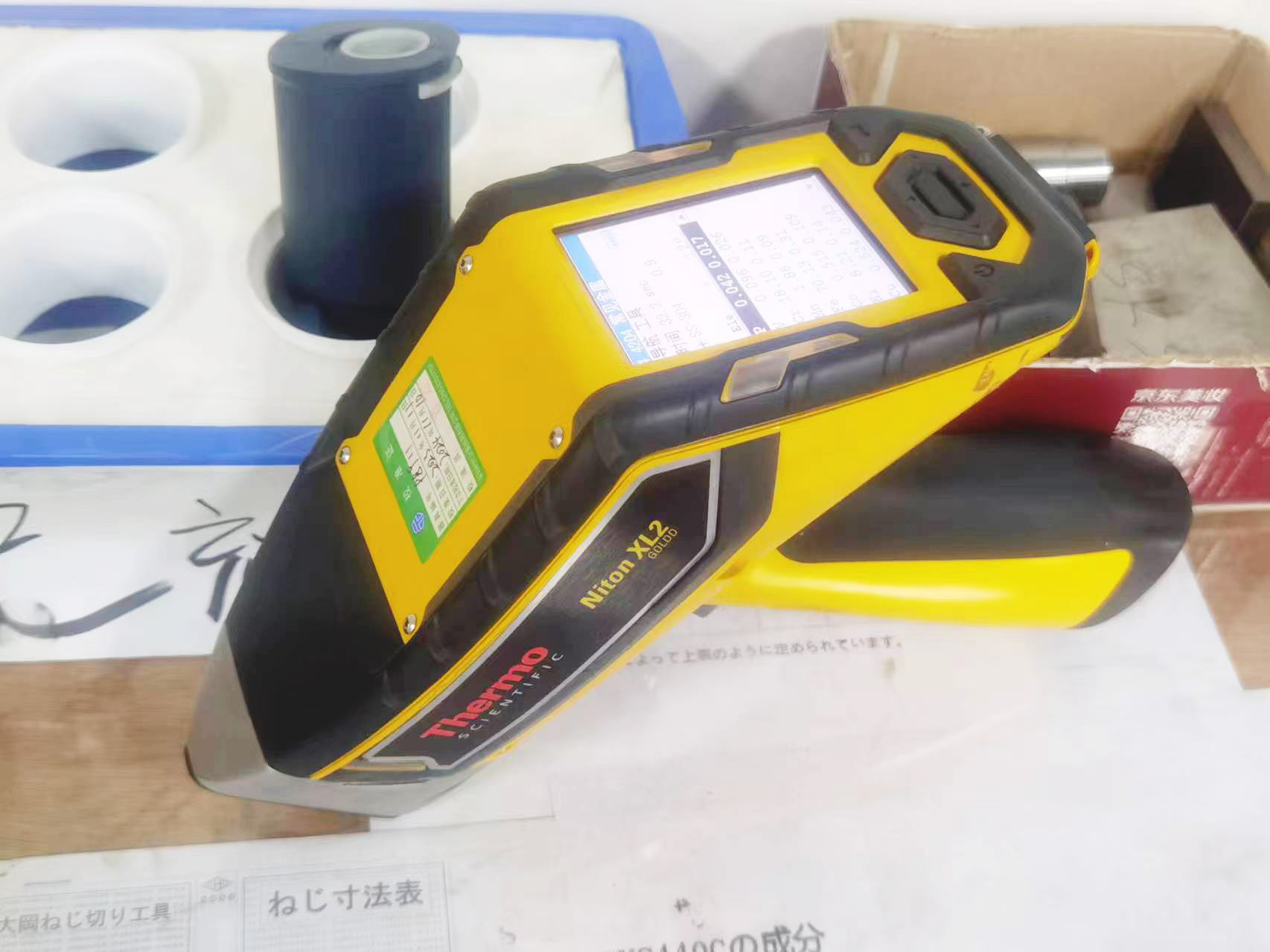
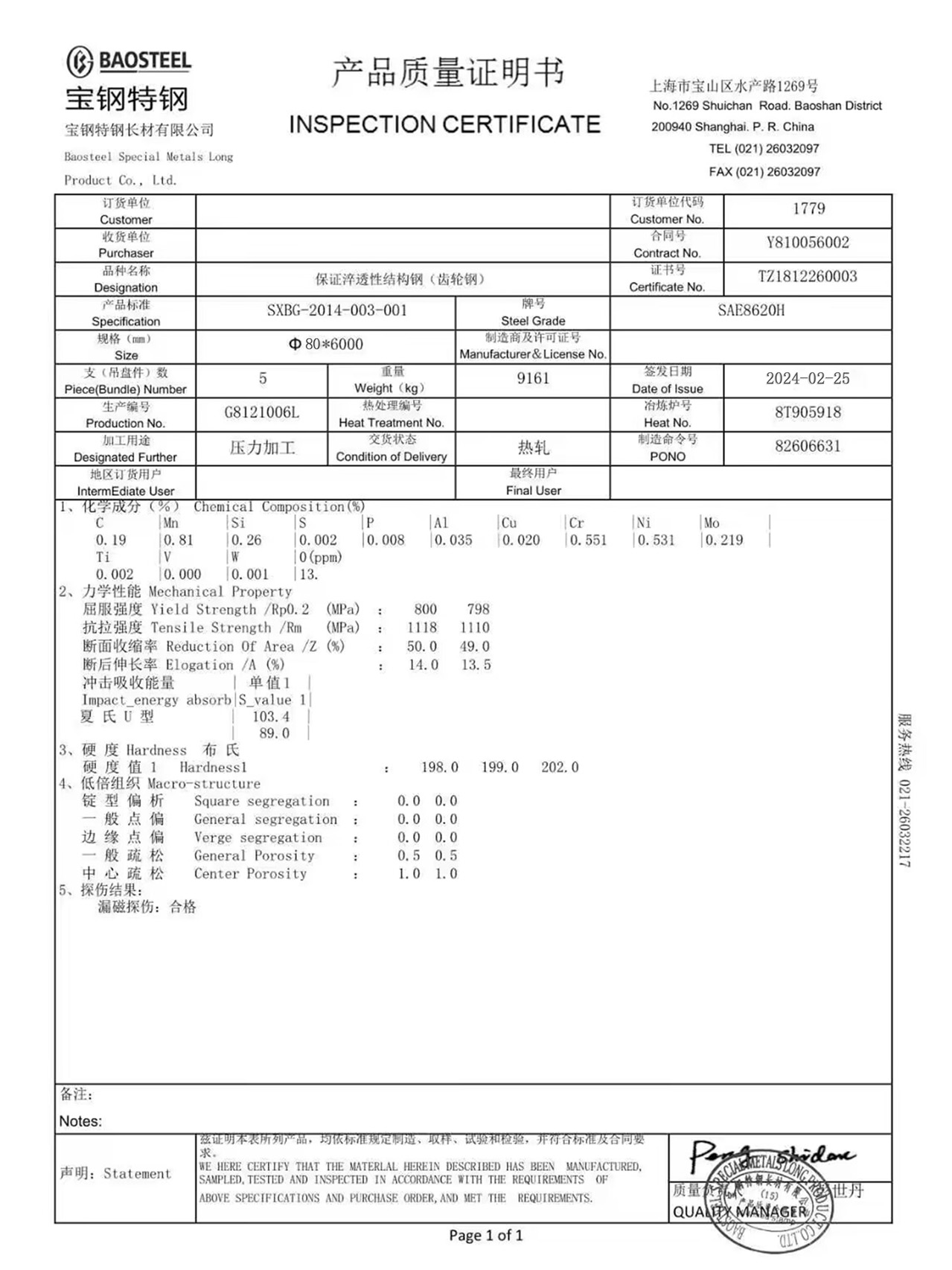
Steel: 1214L/1215/1045/4140/SCM440/40CrMo, etc. | ||||
Brass: 260, C360, H59, H60, H62, H63, H65, H68, H70, Bronze, Copper | ||||
Titanium: Grade F1-F5 | ||||
Plastic: Acetal/POM/PA/Nylon/PC/PMMA/PVC/PU/Acrylic/ABS/PTFE/PEEK etc. | ||||
Surface Treatment | Anodized, Bead Blasted, Silk Screen, PVD Plating, Zinc/Nickel/Chrome/Titanium Plating, Brushing, Painting, Powder Coated, Passivation, Electrophoresis, Electro Polishing, Knurl, Laser/Etch/Engrave etc. | |||
Tolerance | ±0.002 ~ ±0.005mm | |||
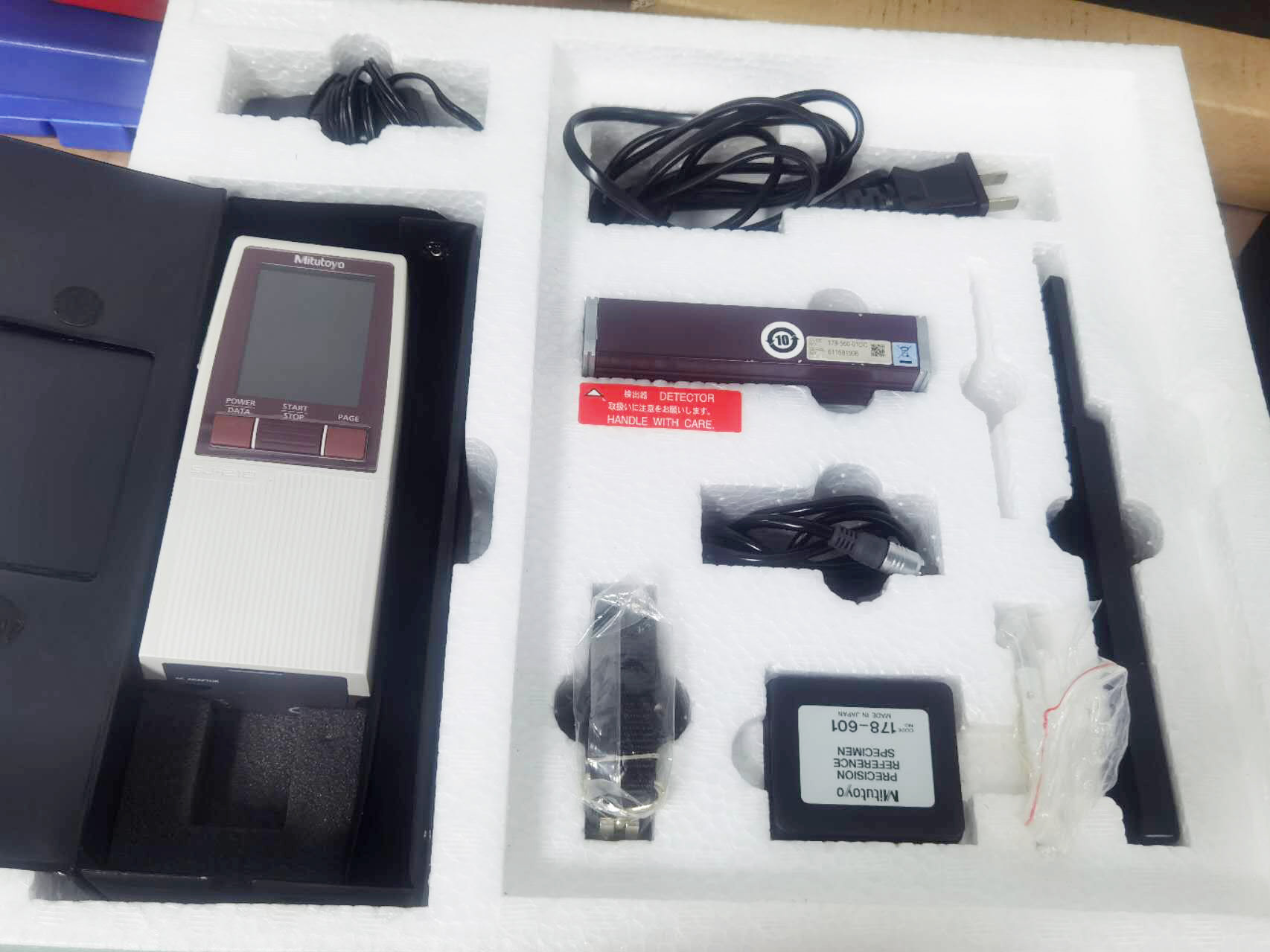
Surface Roughness | Min Ra 0.1~3.2 | |||
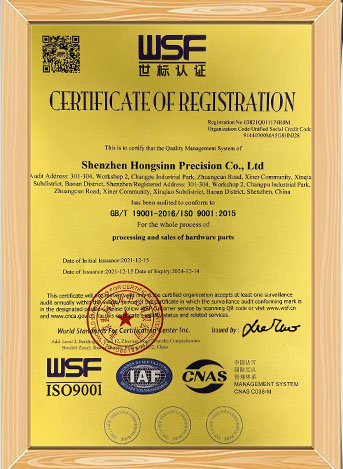
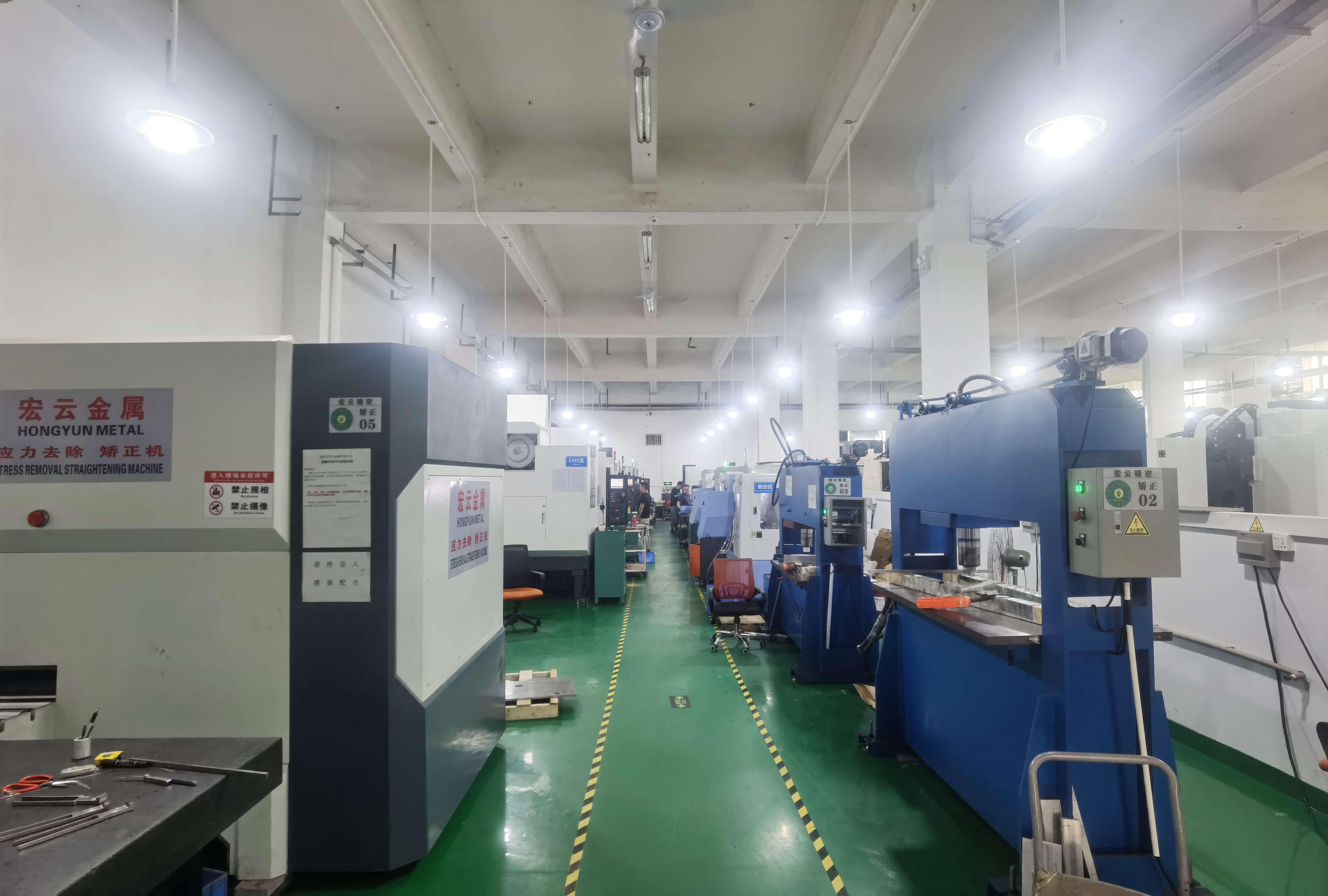
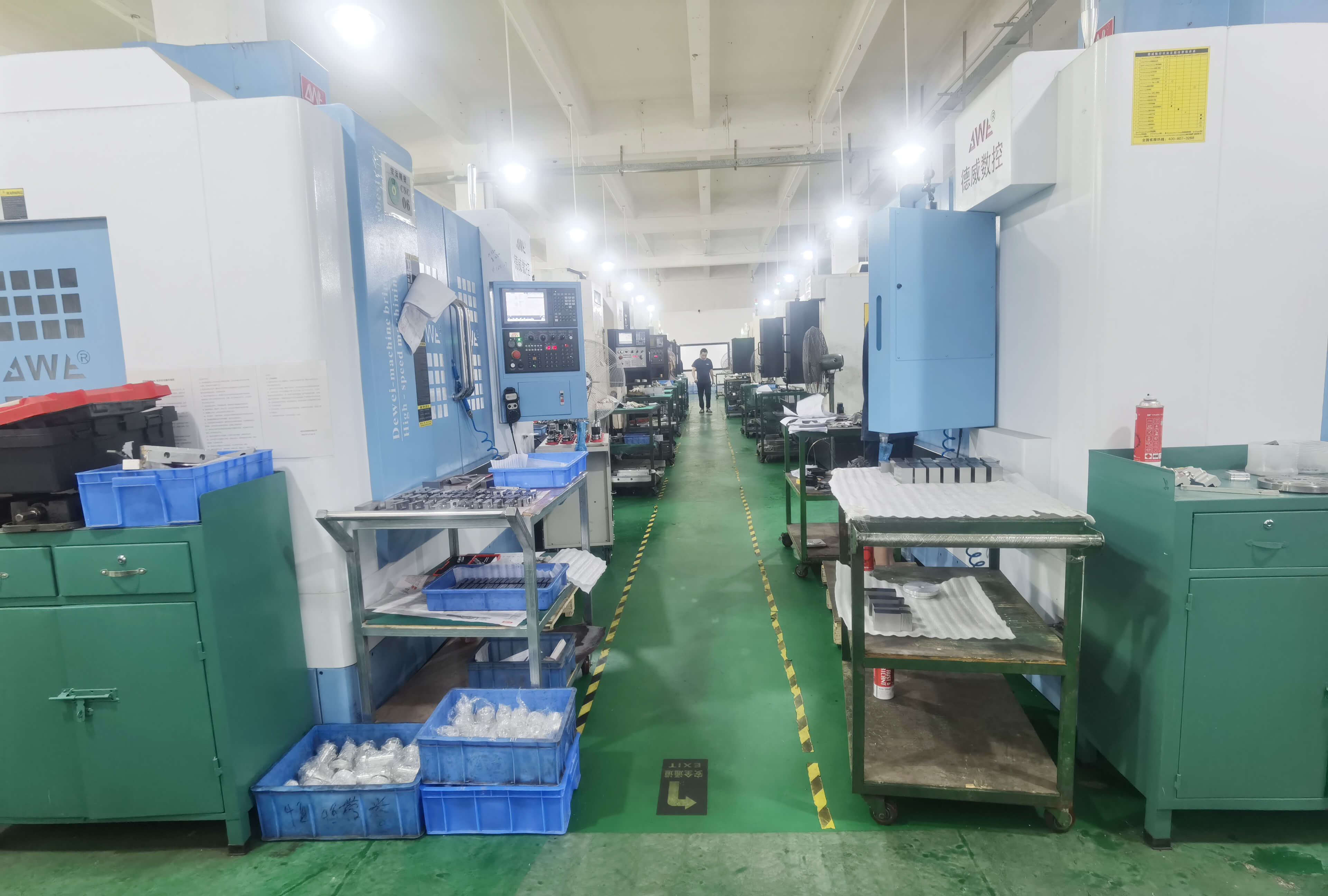
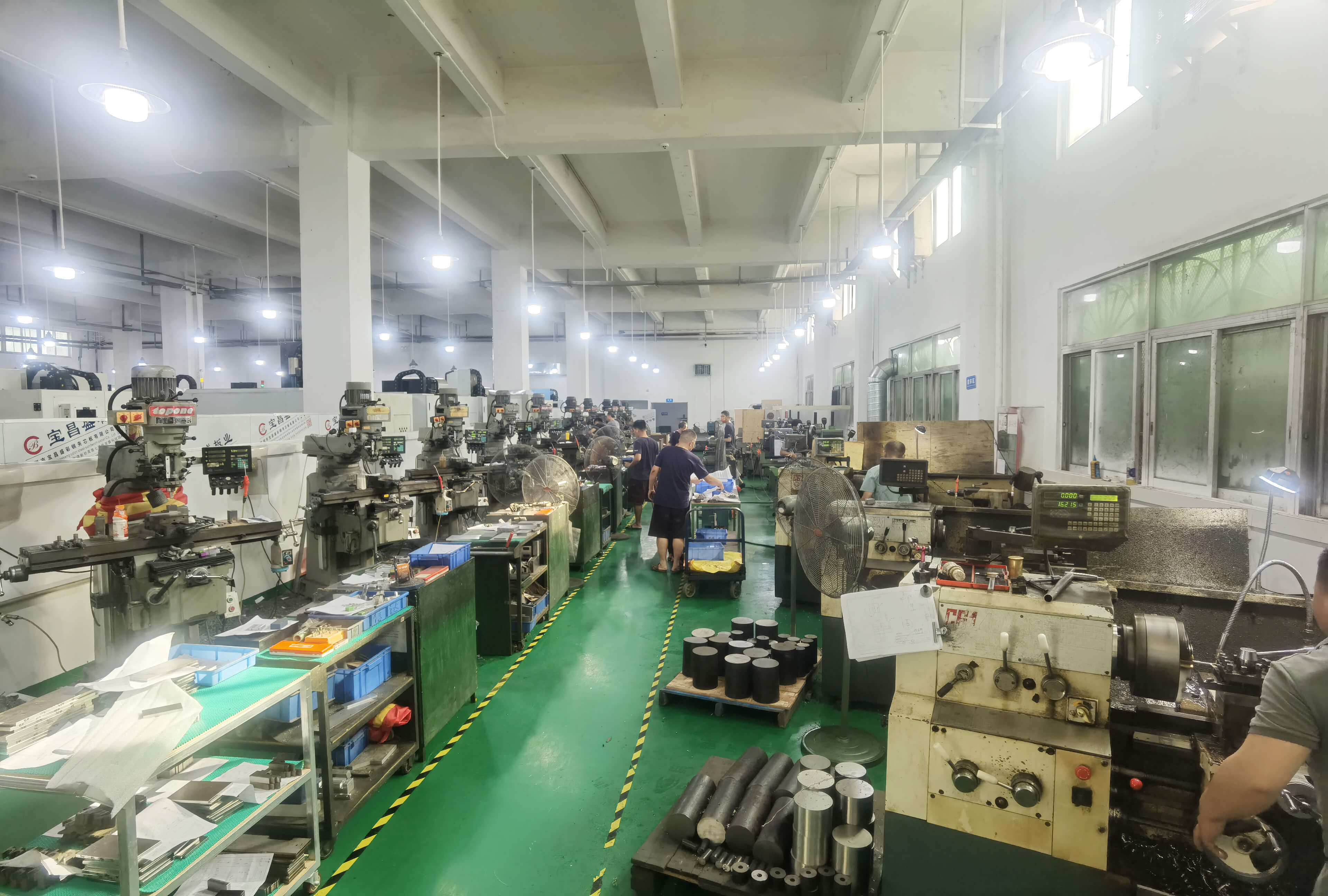
1.Direct OEM/0DM manufacturer, advanced produce technical,the highest tolerance we can reach to ±0.005mm;
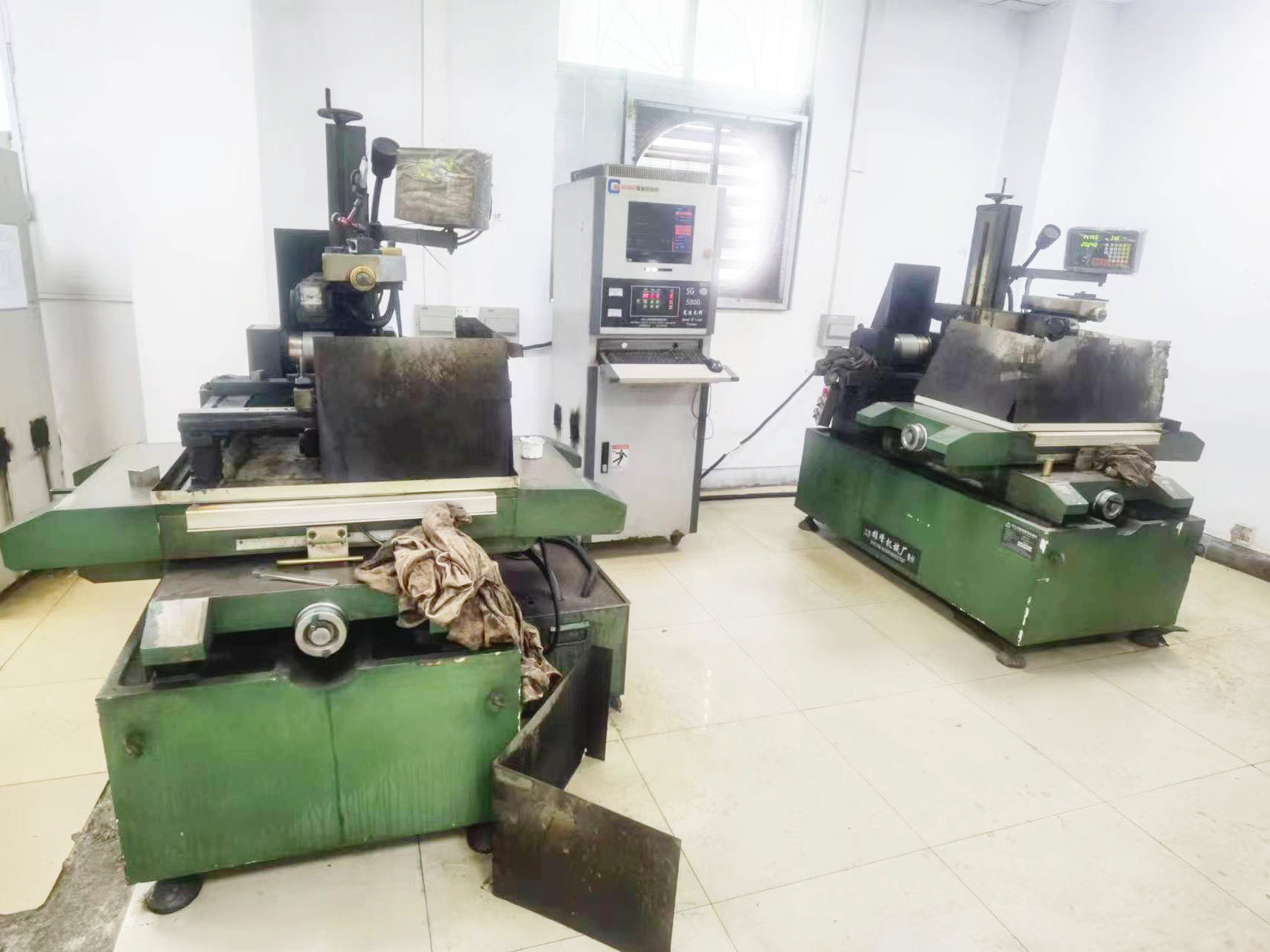
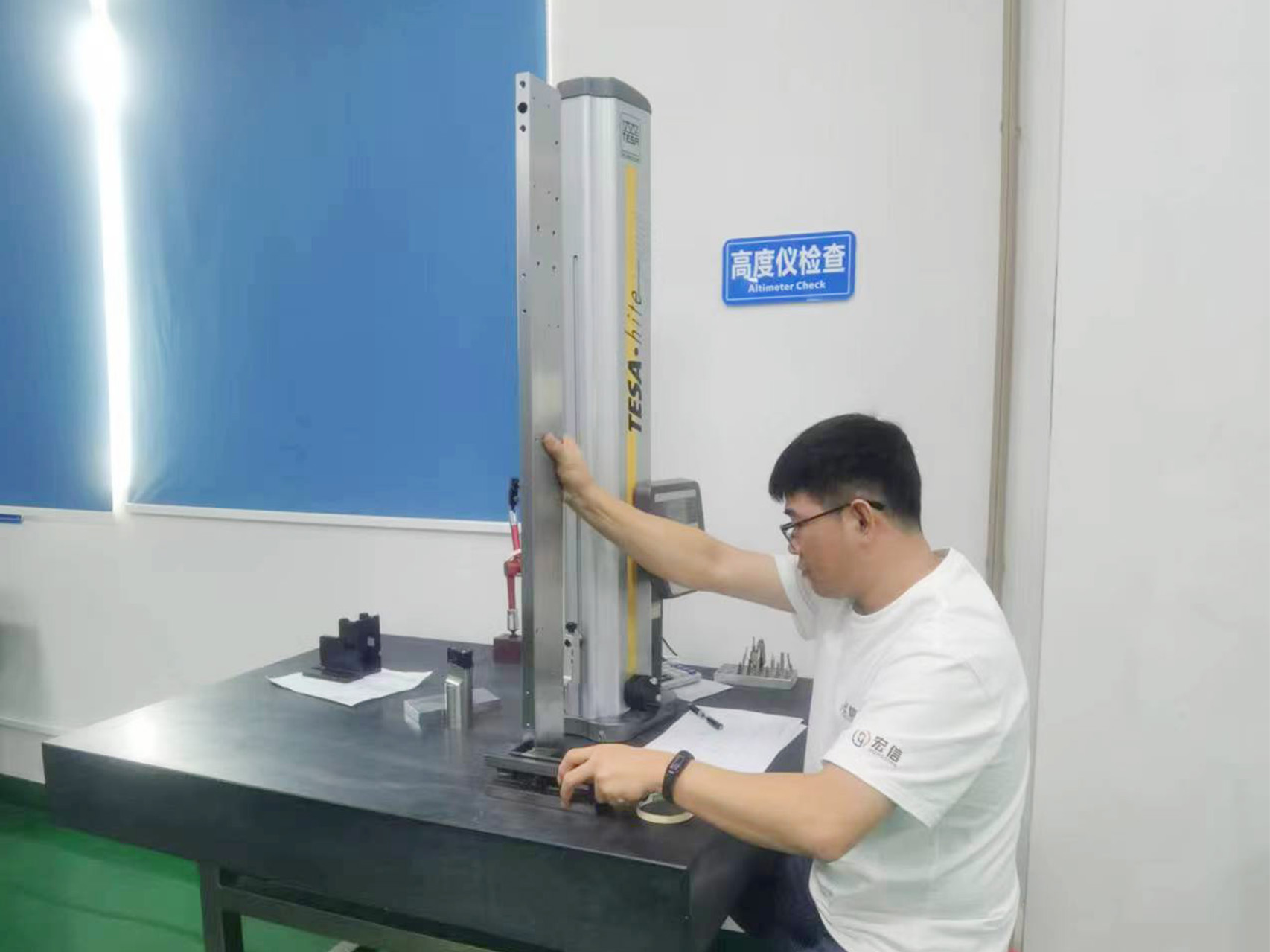
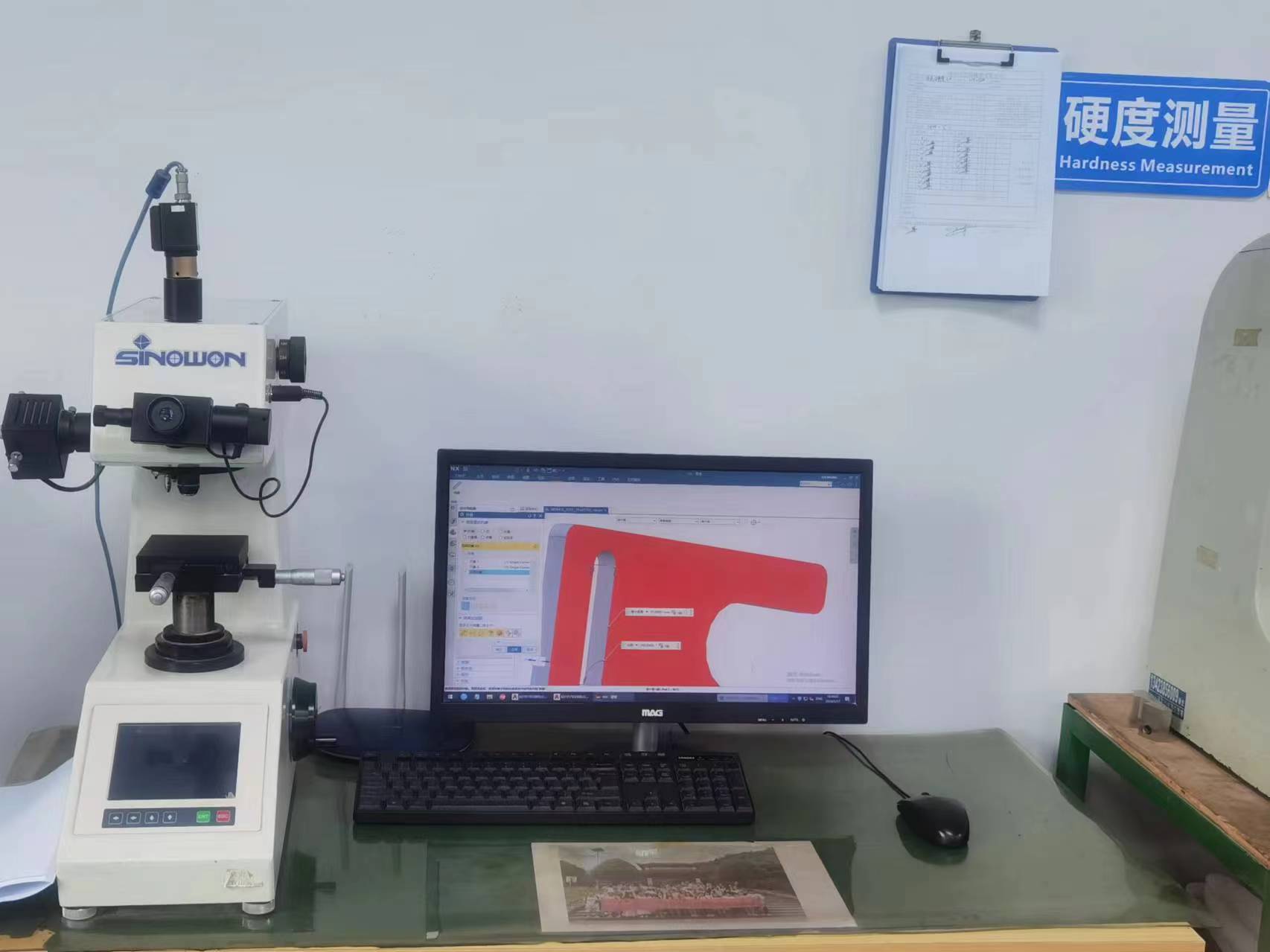
2.Complete produce equipment and test equipment. Independent Engineer team, to check drawings, provide quotation, write machining process, guide production.
3.Independent PMC department, to make production plan and manage delivery time.
4.Quick proofing, short delivery time, usually is 3-15 days
4.Quick proofing, short delivery time, usually is 3-15 days
5 .The company has gathered a rich group of technologicallyadvanced modern talents, which has laid a stable foundationfor the long-term development of the company.
6.Complex and difficult surface and functional structureof the hand plate model, We can all mold quickly.xxx
Things to Know Before Anodizing
Before anodizing a part, there are some important considerations to keep in mind. Anodizing is essential for producing high-quality aluminum parts, but not all materials are suitable for this process. While aluminum is a prime candidate, other metals such as titanium, zinc, tantalum, and niobium can also be anodized.
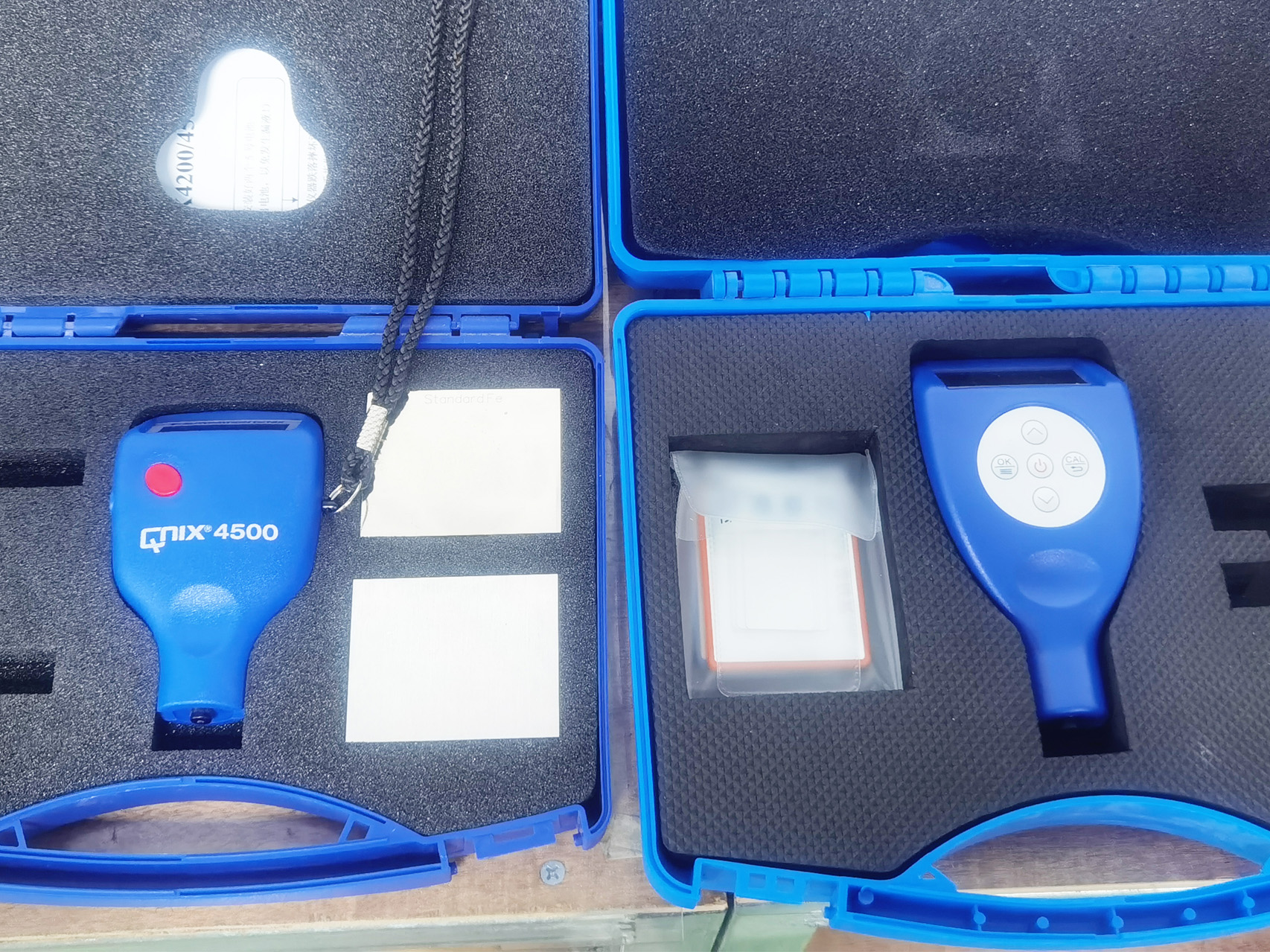
To anodize, the component must be completely immersed in the electrolyte, typically mounted on a hanger. This requirement means that certain design features may not be exposed to the solution, resulting in portions of the surface not being anodized. Therefore, achieving 100% surface coverage is not possible. This must be considered during design to maximize the anodizing effect.
Furthermore, the anodizing process can alter part geometry and tolerances due to the formation of an oxide film on the surface. This is important to consider during the design process to ensure that the final part meets specifications.
Anodizing also affects the surface roughness of the part. The thickness and uniformity of the oxide layer can alter the surface characteristics of the raw material, so these factors should be carefully considered during design and processing to ensure the desired performance and appearance.

Conclusion
Combining parts fabrication, parts on demand, and aluminum anodizing service creates a seamless manufacturing process—from prototype to production. Whether you need one custom part or thousands, these services ensure high quality, fast delivery, and superior performance.
Start Your Project Today:
Get an instant quote or speak with an engineer.