


Explore a machining marketplace for businesses specializing in carbon fiber machining.
Hongsinn-526
Unlock Precision: Carbon Fiber Machining Business Hub for Your Projects!
Delivery
FOB
minimum order
1 piece
Supply Ability
5000piece / Week
Country of Origin
Shenzhen
Stock Time
7~15Day
Quantity:
US $0.59 - US $10.68 / piece
Explore a machining marketplace for businesses specializing in carbon fiber machining.
Modern manufacturing increasingly relies on specialized plastic machining processes. machining polypropylene components, optimizing high volume machining operations, and precision machining acetal (POM) parts - providing essential knowledge for manufacturers and engineers.

Carbon Fiber Reinforced Polymer (CFRP)
Carbon Fiber Reinforced Polymer (CFRP), a composite material composed of carbon fibers bonded together with a resin, shows promise for a wide range of applications. Its strength, durability, and corrosion resistance make it a popular material in several advanced industries, particularly in the aerospace and automotive sectors. However, despite CFRP's unique properties, its processing presents several challenges that machinists must address to ensure the desired results.
Comparison of Metalworking and Composite Machining
When machining CFRP, the recommended operating parameters are generally high RPM and low feed rate. Feed rate needs to be adjusted to minimize heat generation, while RPM may need to be reduced to prevent excessive wear, tearing, or splitting of the fibers during the cutting process.
Unlike metal machining, where the tool forms chips by cutting through the material, this is because metal has natural fracture and stress lines that can be wedged into by the cutting tool, forming chips. However, when machining carbon fiber, the cutting process does not strip the material as it does in metal, but rather fractures the fibers and resin.
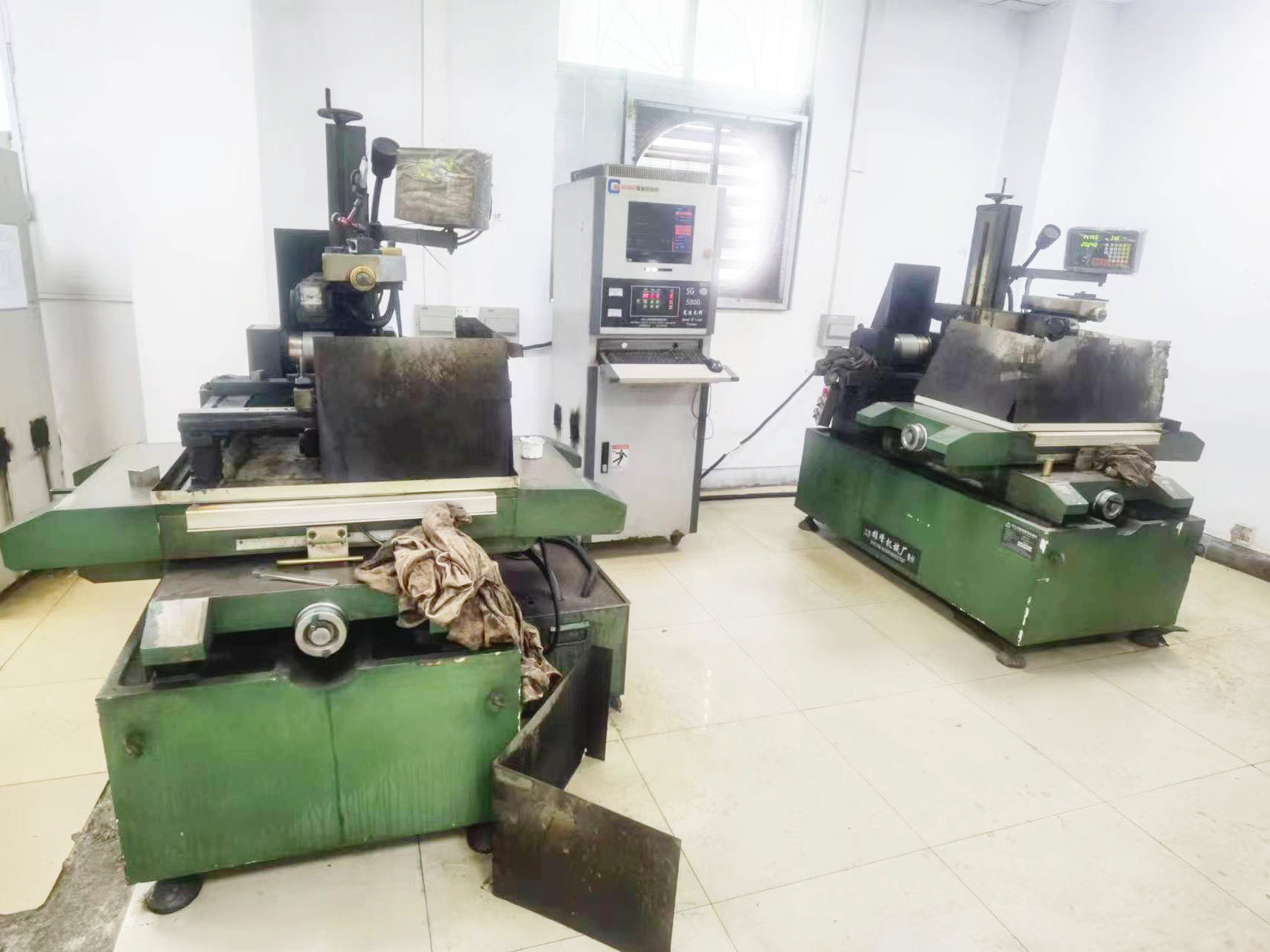
Processing | CNC Turning, CNC Milling, Laser Cutting, Bending, Spinning, Wire Cutting, Stamping, Electric Discharge Machining (EDM), Injection Molding | |||
Materials | Aluminum: 2000 series, 6000 series, 7075, 5052, etc. | |||
Stainless steel: SUS303, SUS304, SS316, SS316L, 17-4PH, etc. | ||||
Steel: 1214L/1215/1045/4140/SCM440/40CrMo, etc. | ||||
Brass: 260, C360, H59, H60, H62, H63, H65, H68, H70, Bronze, Copper | ||||
Titanium: Grade F1-F5 | ||||
Plastic: Acetal/POM/PA/Nylon/PC/PMMA/PVC/PU/Acrylic/ABS/PTFE/PEEK etc. | ||||
Surface Treatment | Anodized, Bead Blasted, Silk Screen, PVD Plating, Zinc/Nickel/Chrome/Titanium Plating, Brushing, Painting, Powder Coated, Passivation, Electrophoresis, Electro Polishing, Knurl, Laser/Etch/Engrave etc. | |||
Tolerance | ±0.002 ~ ±0.005mm | |||
Surface Roughness | Min Ra 0.1~3.2 | |||
1.Direct OEM/0DM manufacturer, advanced produce technical,the highest tolerance we can reach to ±0.005mm;
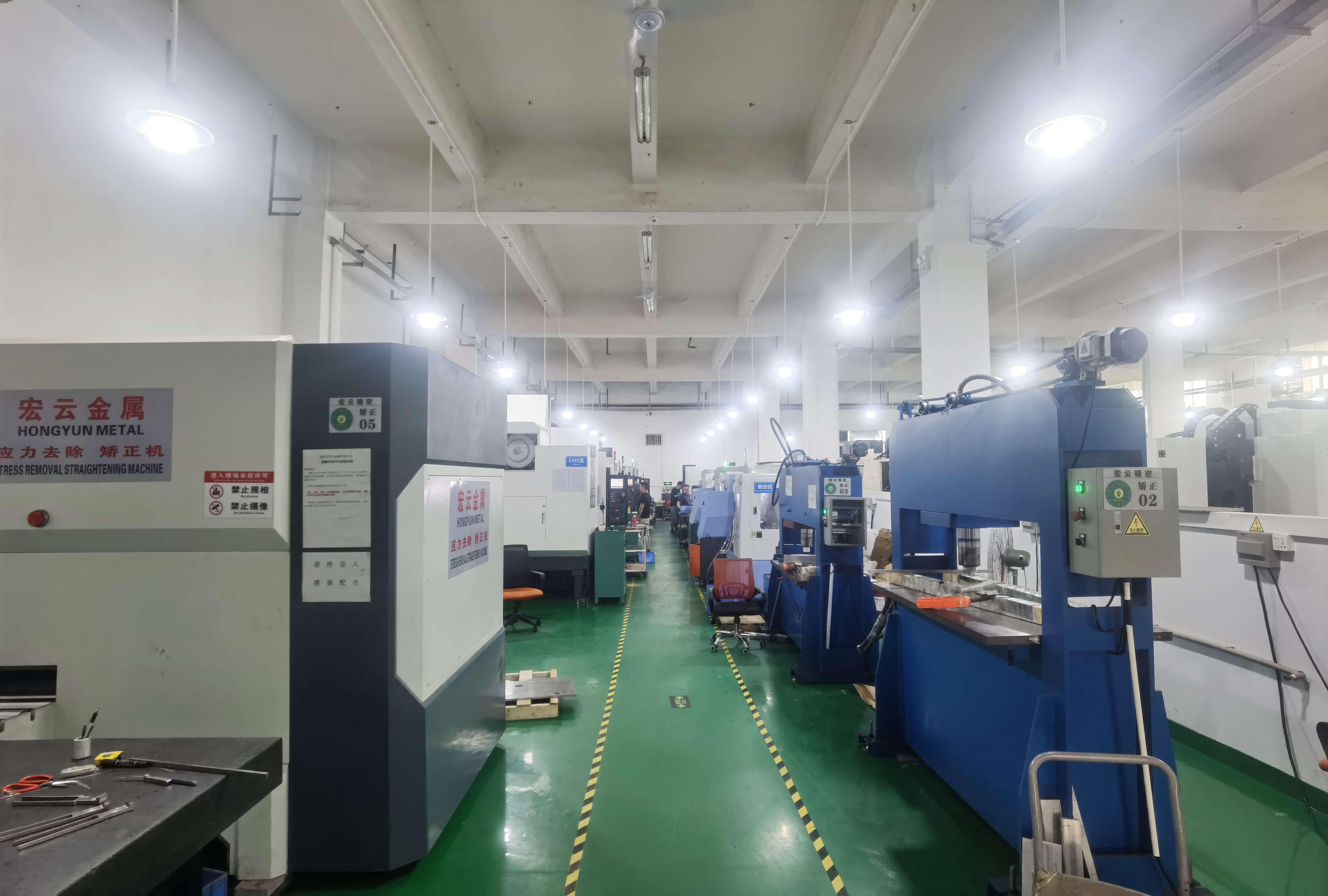
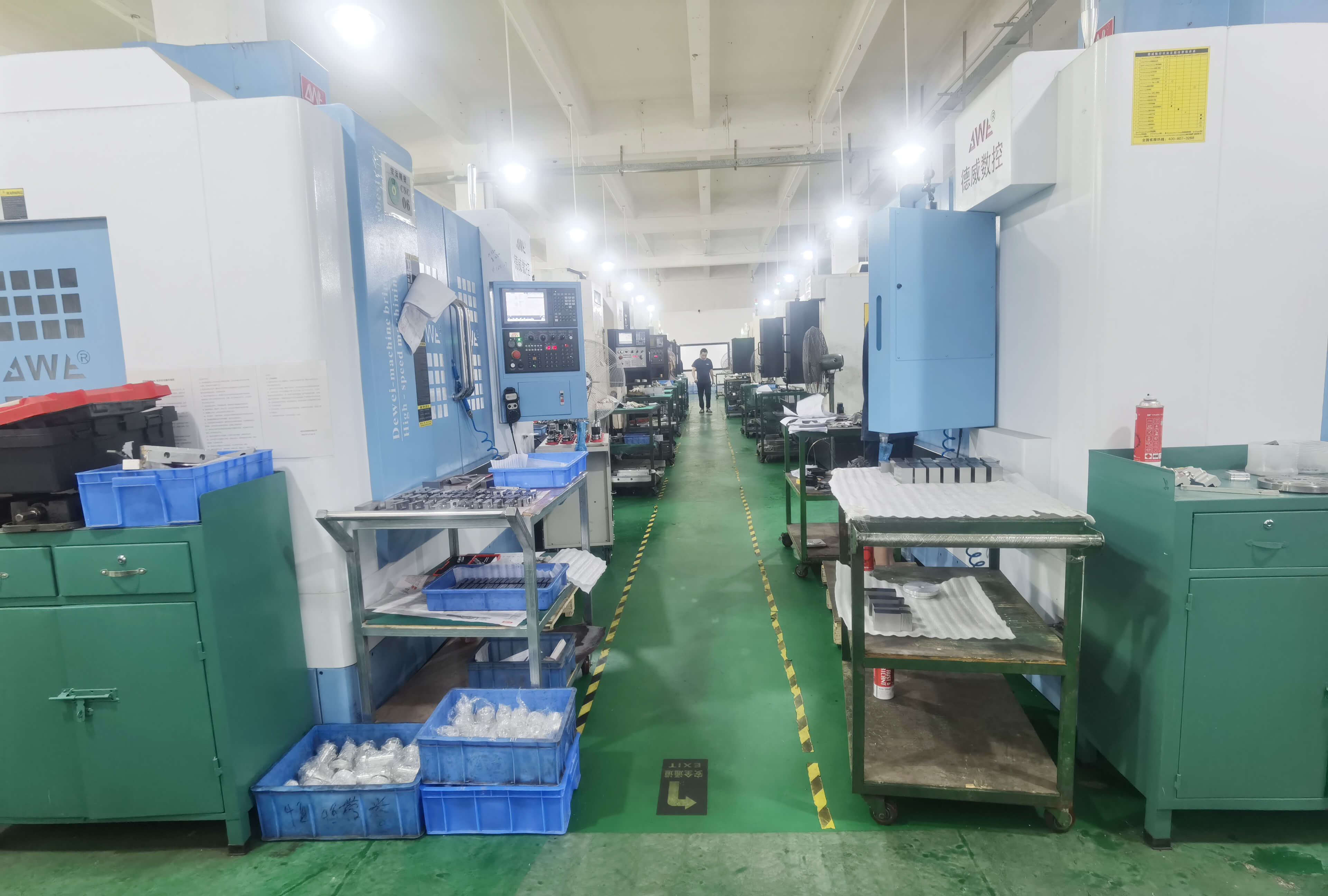
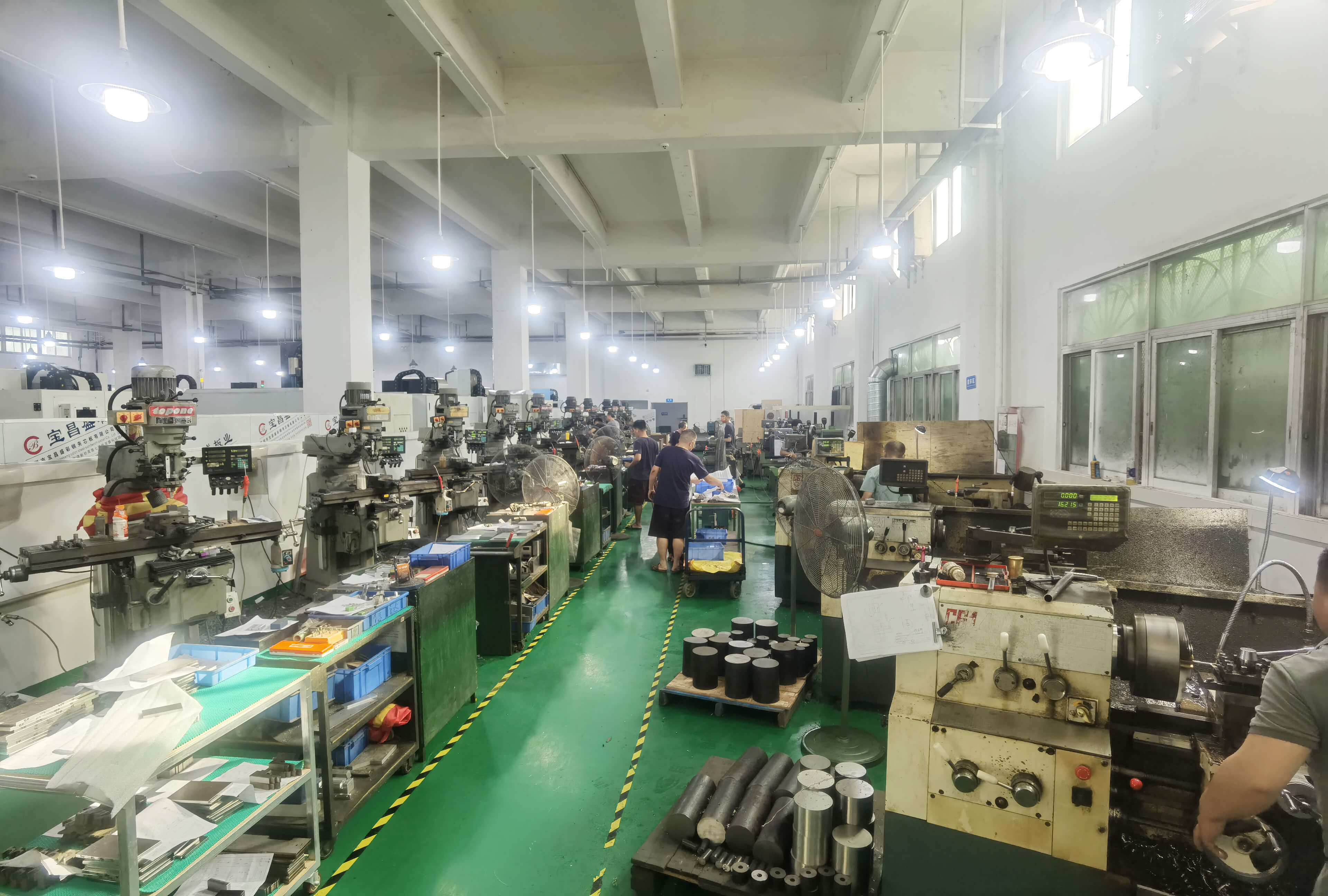
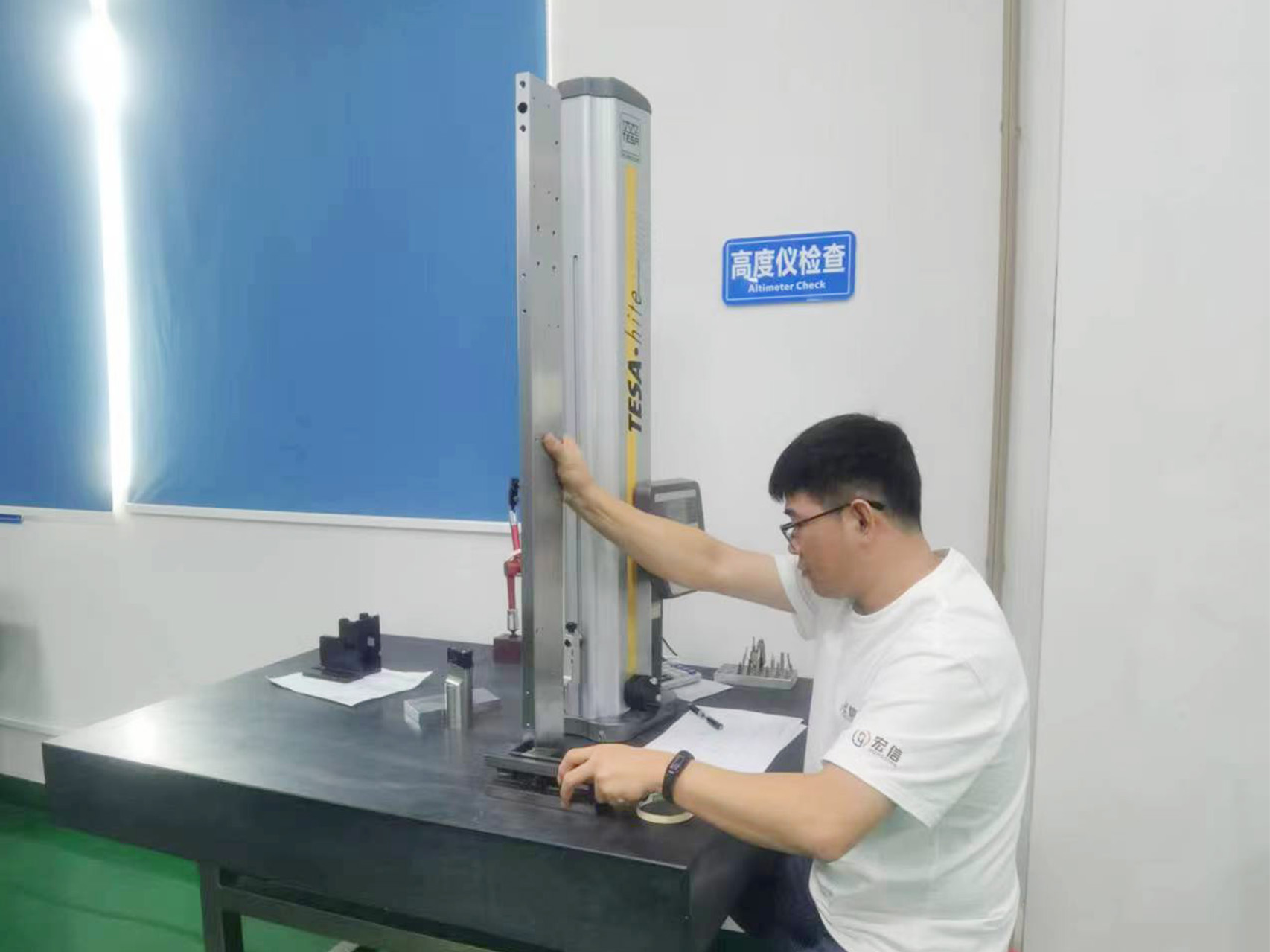
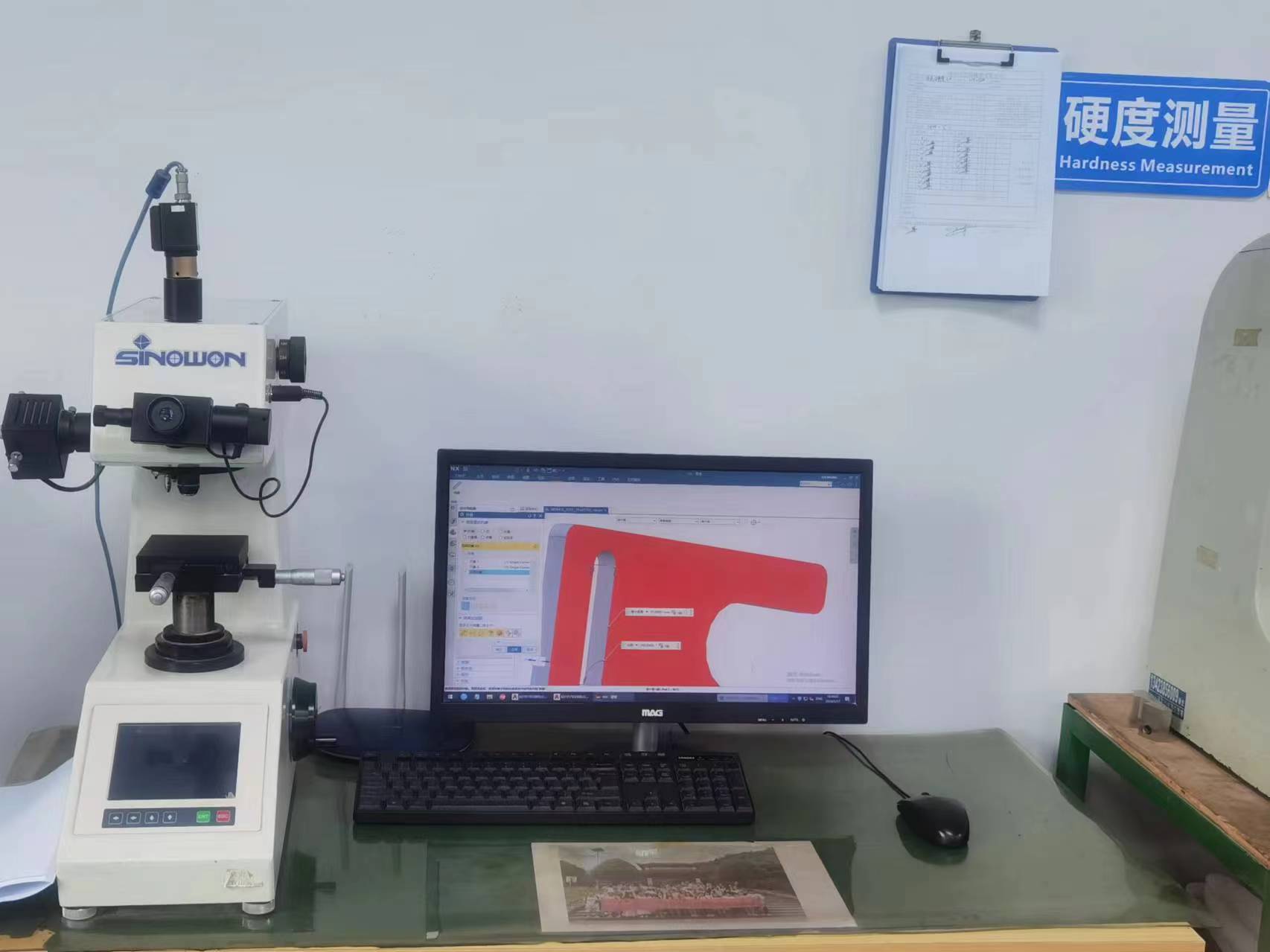
2.Complete produce equipment and test equipment. Independent Engineer team, to check drawings, provide quotation, write machining process, guide production.
3.Independent PMC department, to make production plan and manage delivery time.
4.Quick proofing, short delivery time, usually is 3-15 days
4.Quick proofing, short delivery time, usually is 3-15 days
5 .The company has gathered a rich group of technologicallyadvanced modern talents, which has laid a stable foundationfor the long-term development of the company.
6.Complex and difficult surface and functional structureof the hand plate model, We can all mold quickly.xxx
Milling vs. Drilling Carbon Fiber
When machining carbon fiber composites, drilling is often more challenging than milling. This is due to the higher drilling speeds and the resulting higher dust production. Therefore, using tools specifically designed for composites is key to effective drilling.
During the drilling process, the carbon fibers may relax, resulting in smaller hole dimensions and requiring extensive adjustments. To improve efficiency, automated solutions are ideal for addressing these challenges.
In the aerospace industry, drilling is one of the most common machining applications. Similar to milling, even if it increases cycle time, performing operations such as chipping may be preferred if it reduces the chance of errors that lead to part scrapping. This strategy can help improve overall productivity and part quality, although it may increase machining time.

Conclusion: Selecting the Right Approach
Understanding the nuances of machining polypropylene versus machining acetal, along with implementing efficient high volume machining strategies, enables manufacturers to produce high-quality plastic components competitively. Each material and production scenario requires specific considerations to optimize quality, cost, and throughput.













Recommend Products
 Providing precision engineering machining services including CNC turning and milling services, CNC lathe components. cnc turning service
 Precision CNC parts for motorcycles and automotive machinery.
 CNC Machining Services in China for High Precision Parts
 Specializing in precision CNC machining for plastic components and tool steel.