


Specializing in CNC machined aluminum parts for precise and customized aluminum components.
CNC Aluminum Machining
Business Type | Factory & Manufacturer | ||
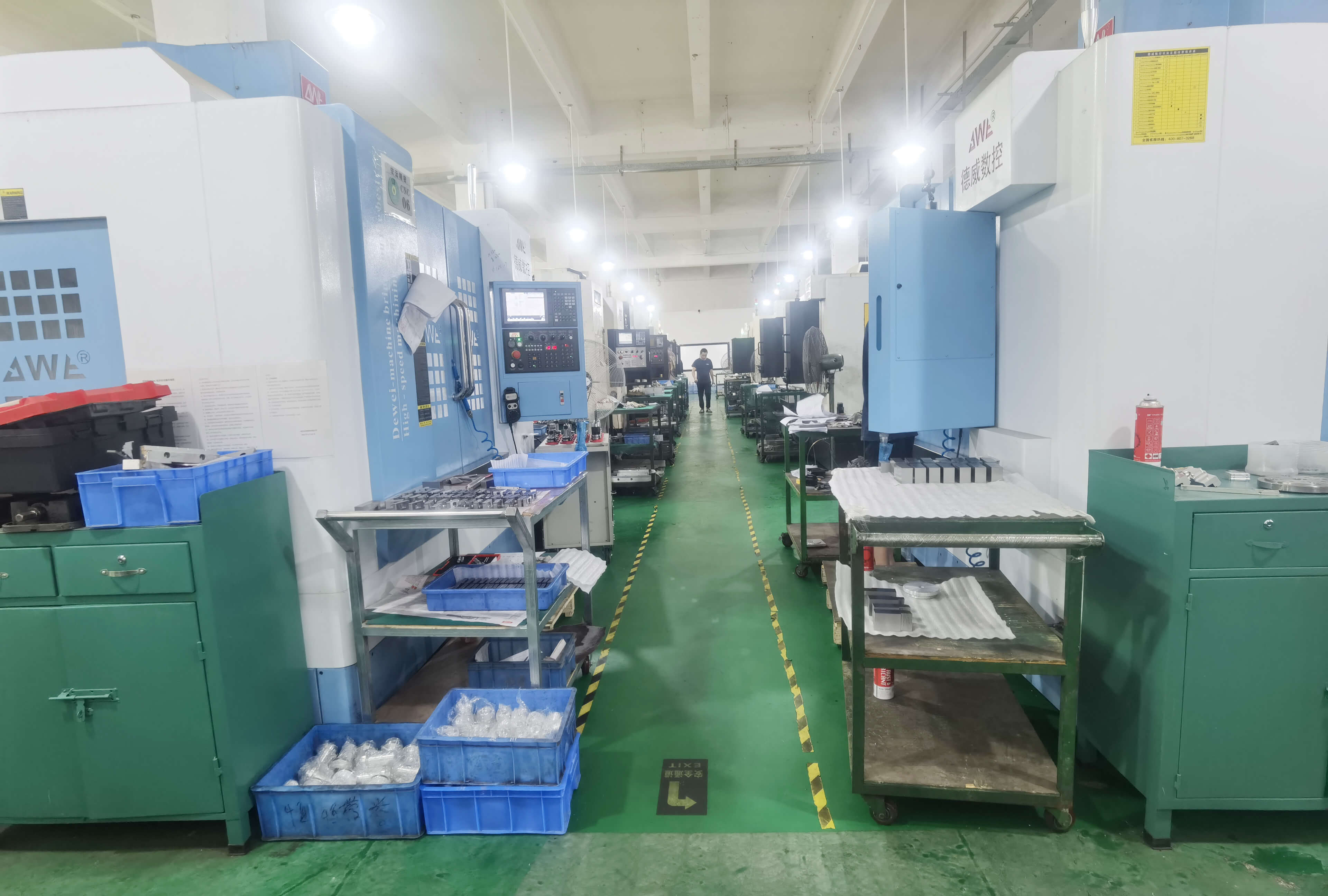
Processing Services | CNC turning, CNC milling, wire cutting, stamping, electroplating, oxidation, sandblasting, laser and other one-stop services | ||
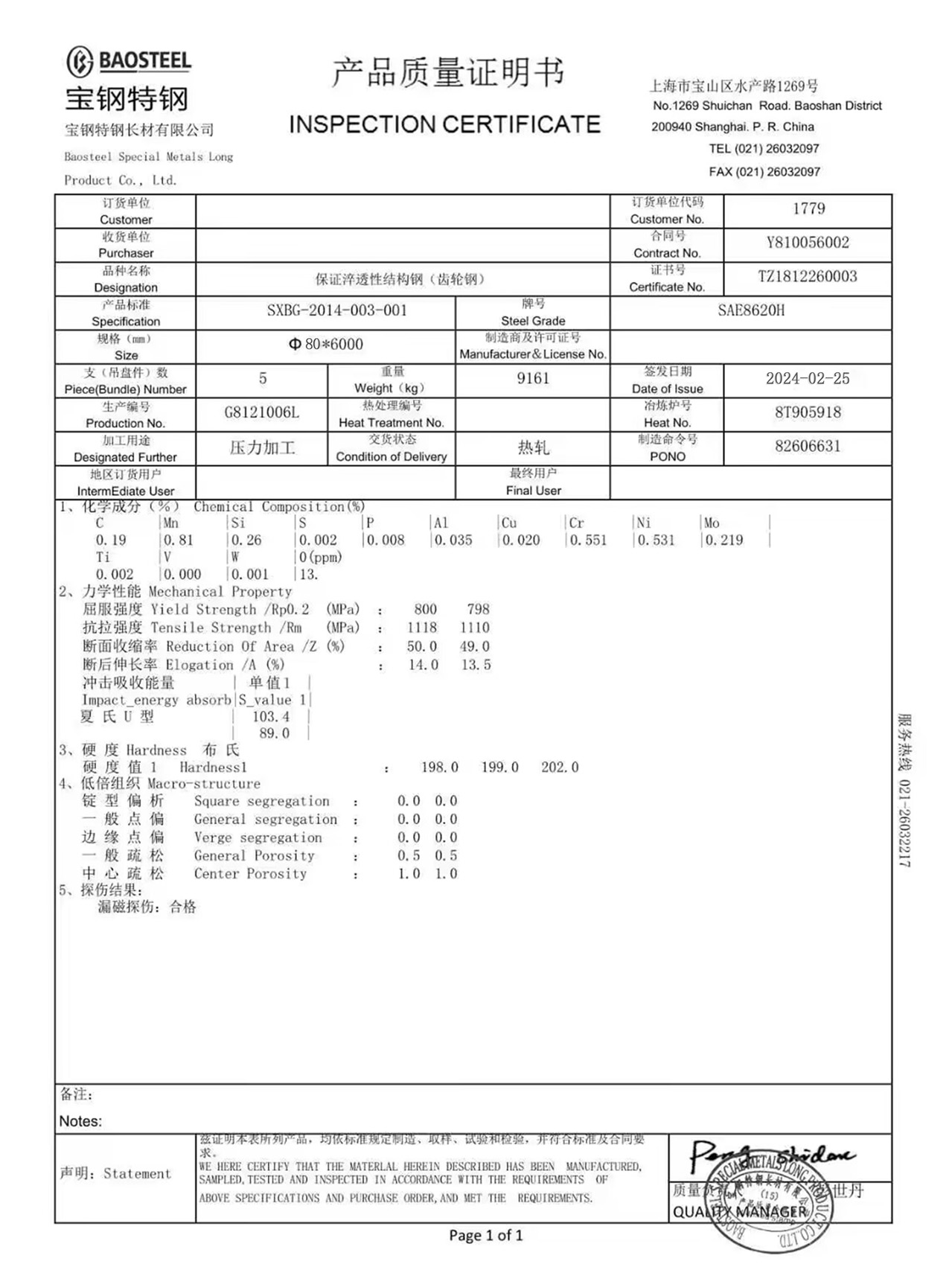
Material | Stainless Steel: 303 , 304 , 316, 420 etc... Aluminum: 5052 , 6061, 6063 , 7075 ... Steel: 1018, 12L14, 1215 , Q235... Brass: C3602, C3604, H59 , H62 ... Plastic: Pom , Peek , Pa66 , PP ... Titanium and more ... | ||
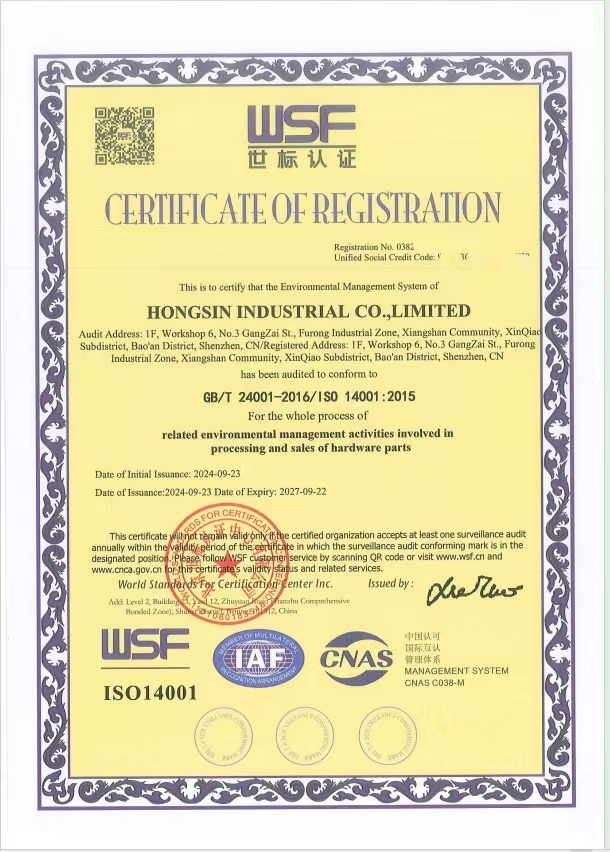
Certificate | ISO9001 ISO14001 | ||
Tolerance | ±0.01-0.005mm | ||
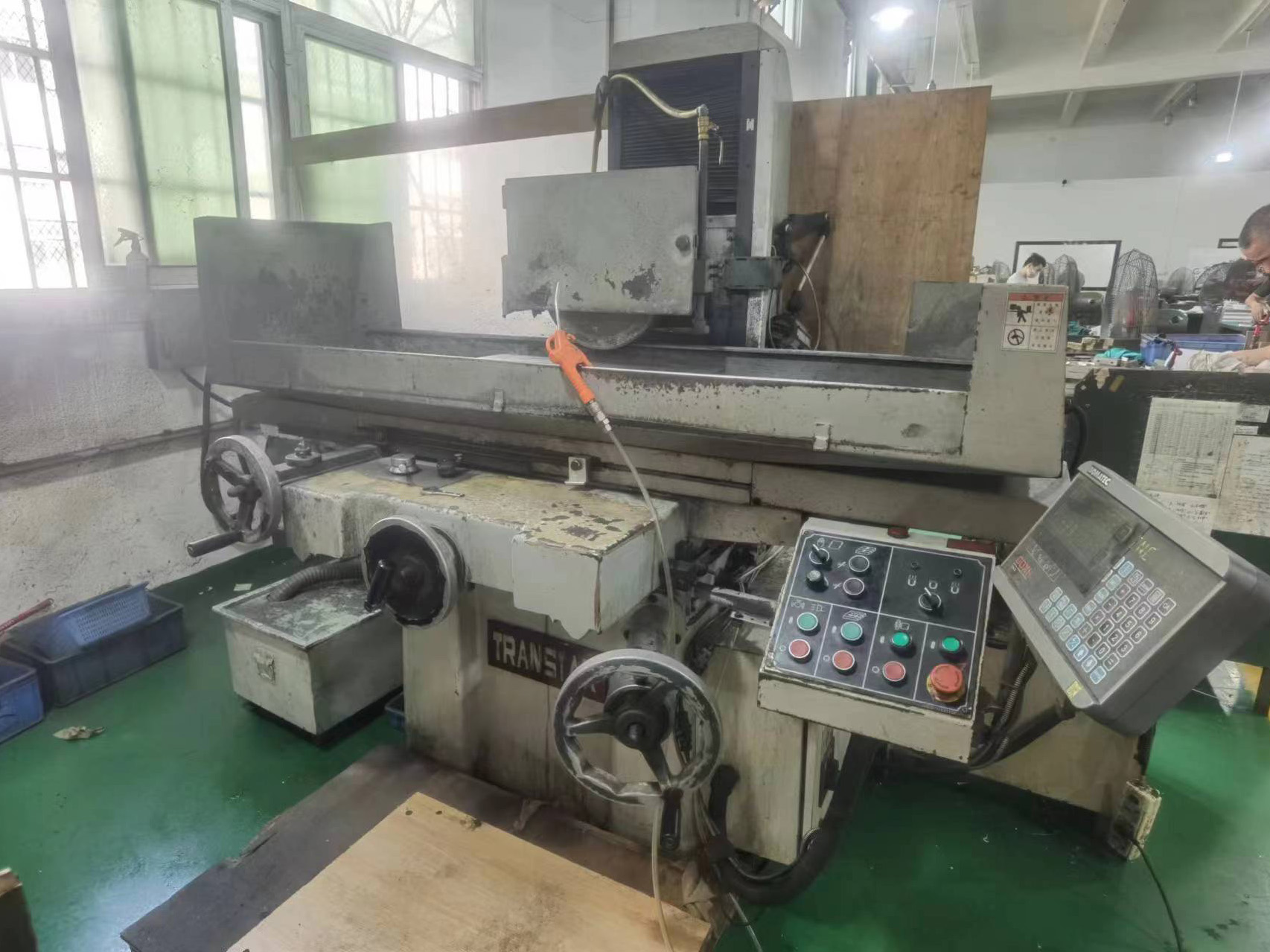
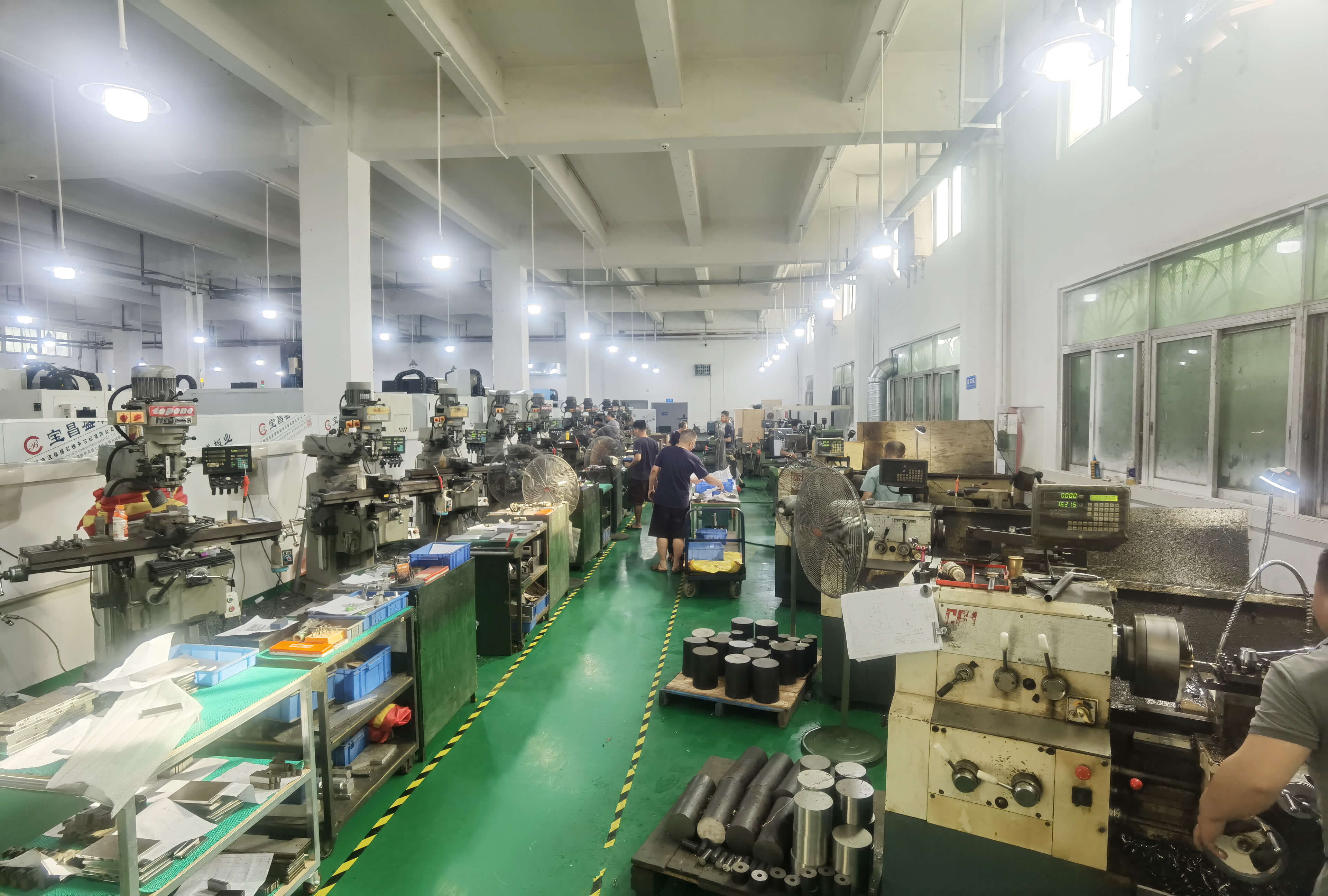
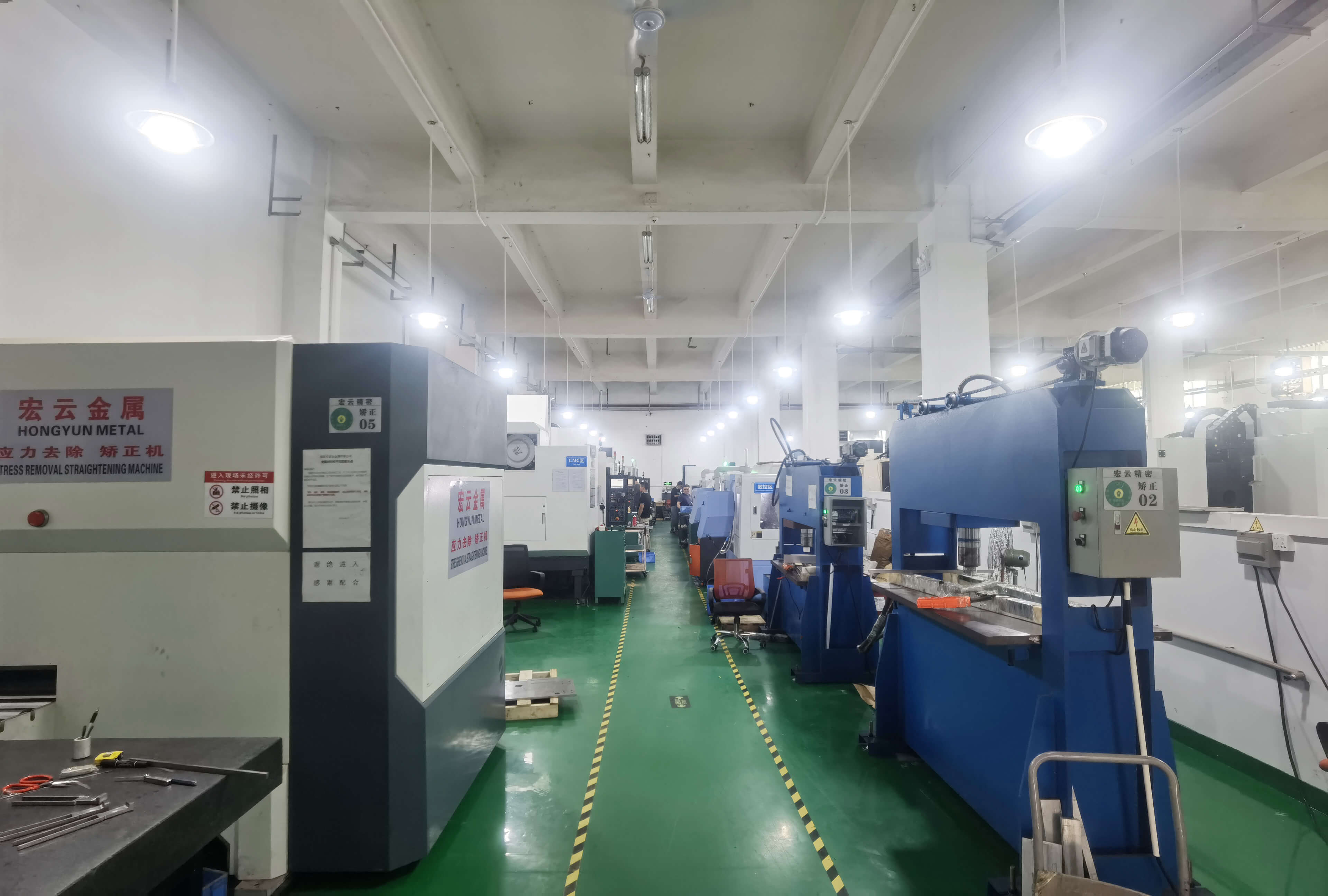
Equipment | CNC 4-axis machining center,Automatic lathe,Turning and milling compound lathe;CNC lathe,Automatic feeder,Automatic milling machine | ||
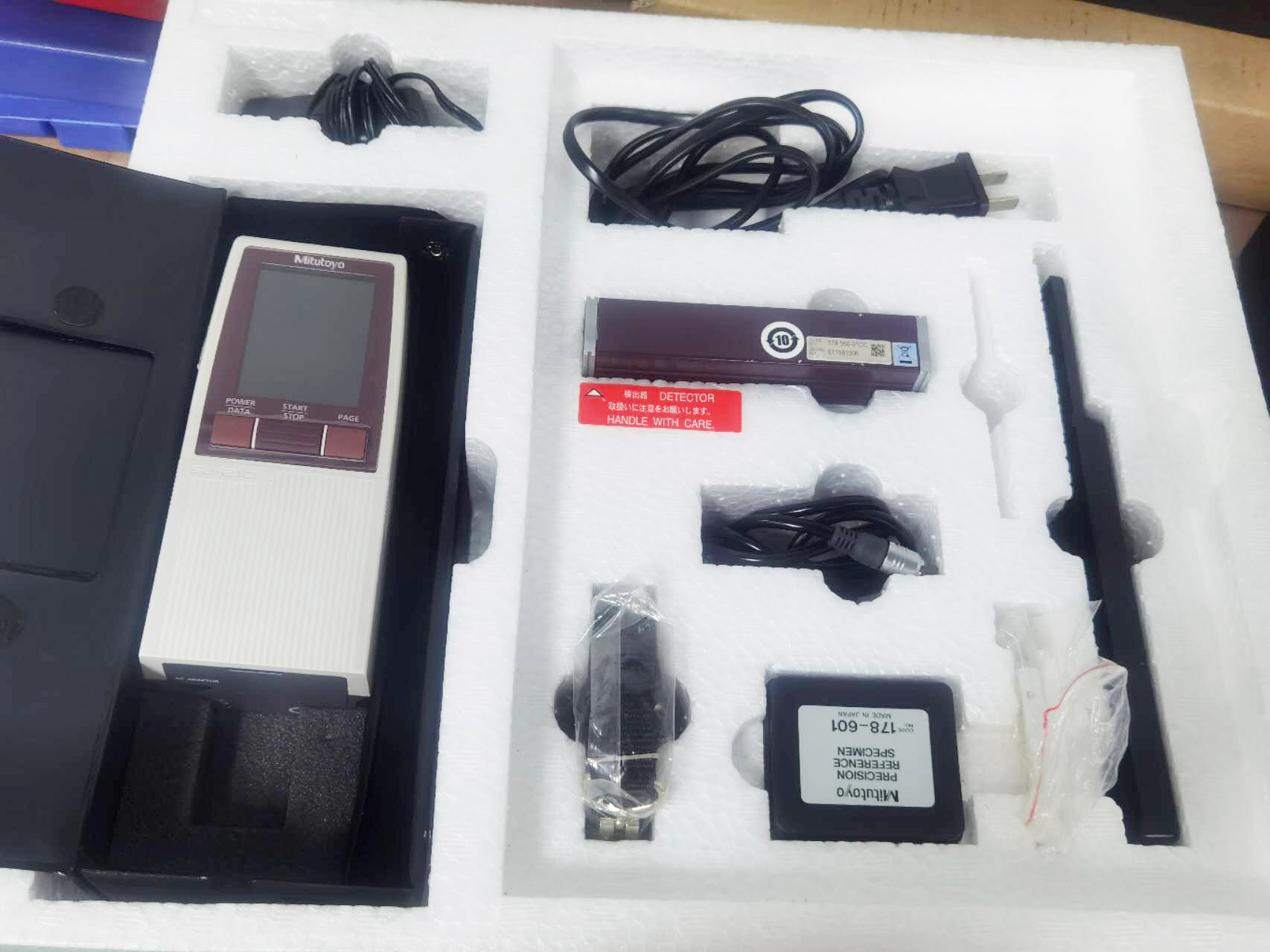
Surface Roughness | Ra 0.8-3.2 | ||
Surface Treatment | Zinc plating, Anodization, Chemical fim, Powder, Passivation, Sand blasting, Brushing & ploshing etc. | ||
Export experience | 15 years | ||
DRW format | PDF/DWG/STEP/JPG/GIS etc | ||
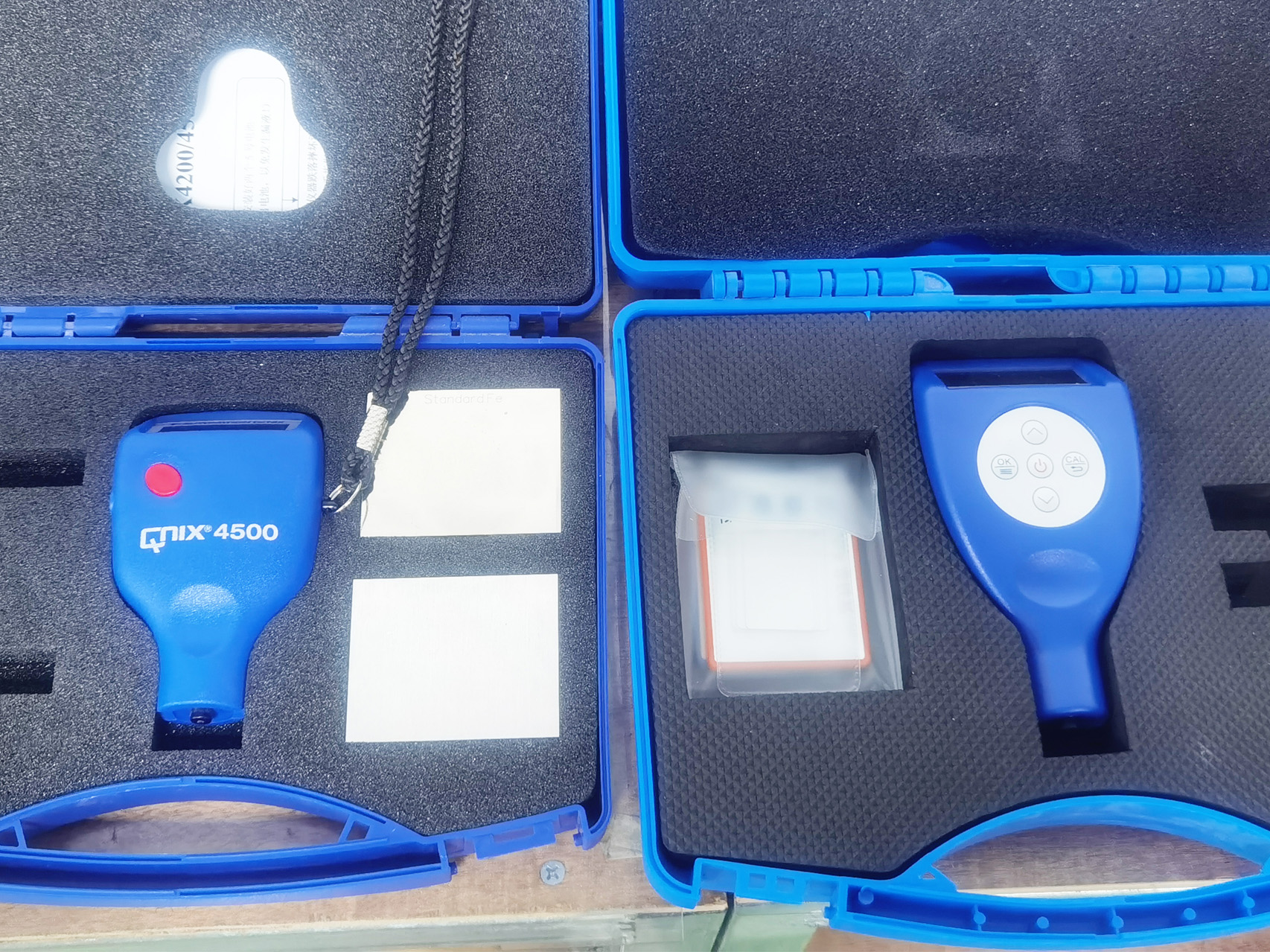
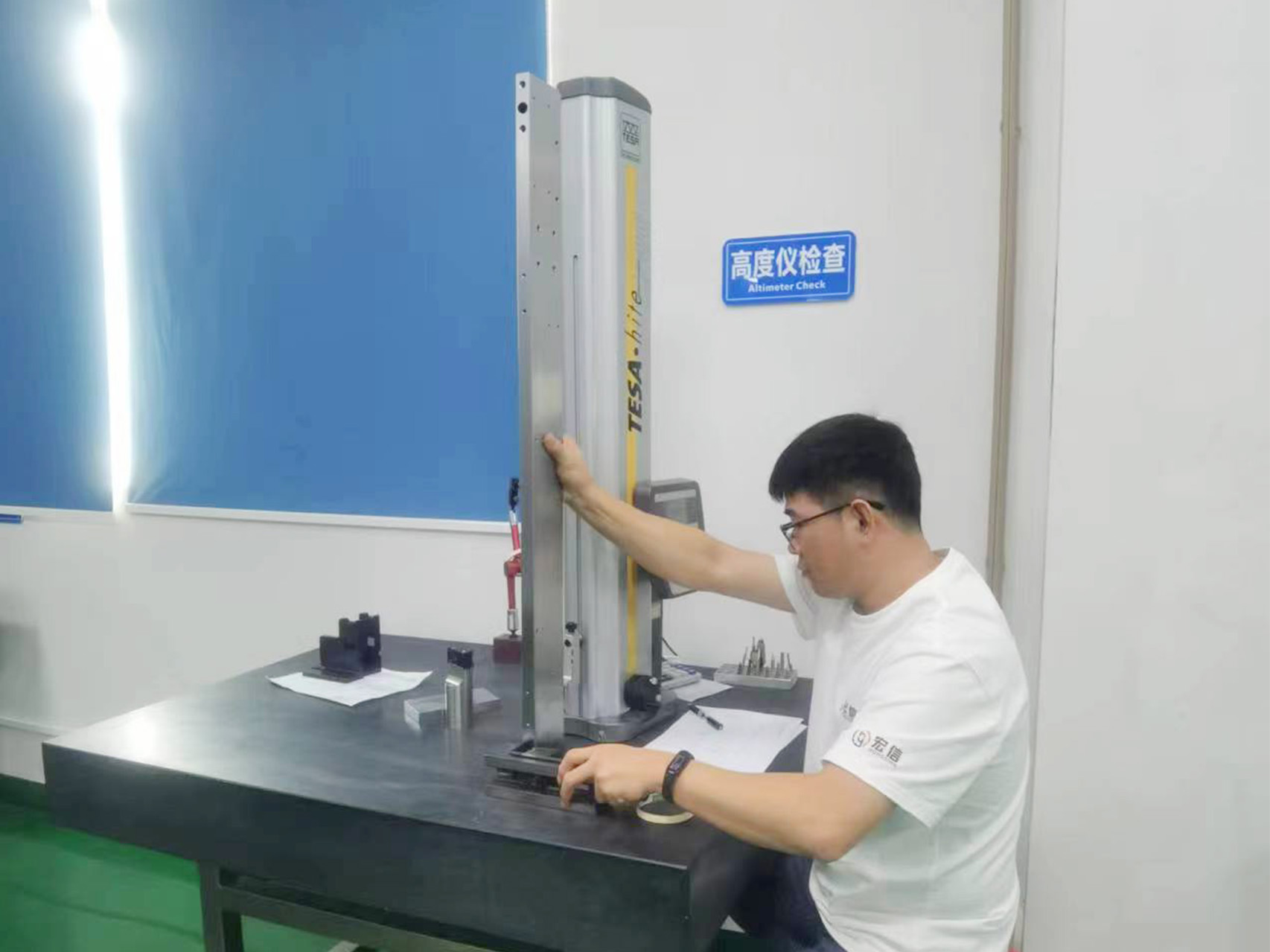
Quality control | 100% quality insepected | ||
MOQ | 1-100 piece | ||
Lead Time | 1-5 days for samples, 7-15 days for large shipments | ||
Understanding CNC Aluminum Machining
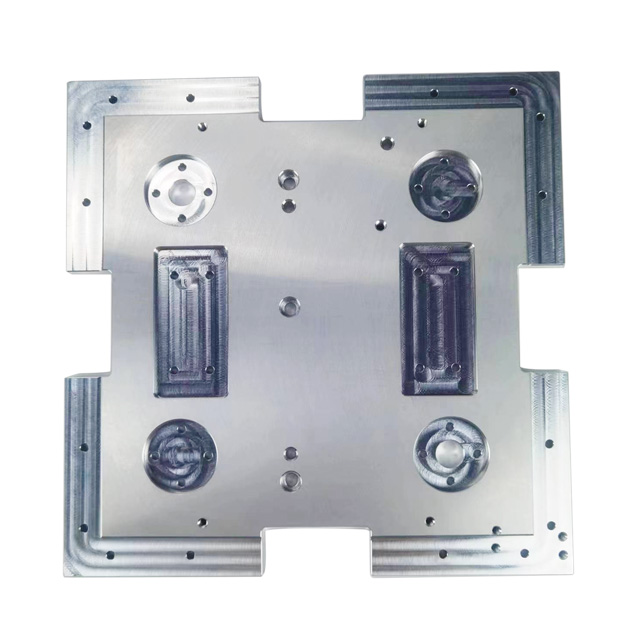
Advanced Technology: CNC aluminum machining involves the use of Computer Numerical Control (CNC) machines equipped with precise cutting tools to execute intricate machining operations on aluminum workpieces.
Precision Engineering: The CNC technology allows for high levels of precision and repeatability in aluminum machining processes, ensuring that each component meets exact design specifications.
Efficiency and Automation: CNC aluminum machining streamlines production workflows by automating the machining process, reducing manual labor, minimizing errors, and enhancing production efficiency.


Techniques in CNC Aluminum Machining
Milling: CNC milling is a common technique used in aluminum machining to remove material from the workpiece and create intricate shapes, contours, and surface finishes.
Turning: CNC turning operations involve rotating the aluminum workpiece on a lathe while cutting tools remove material to produce cylindrical or contoured parts.
Drilling: CNC drilling is utilized to create precise holes in aluminum components, with the CNC machine controlling the depth, diameter, and position of each hole.
Benefits of CNC Aluminum Machining
High Precision: CNC technology ensures exceptional accuracy and consistency in the production of aluminum parts, meeting tight tolerances and intricate design requirements.
Versatility: CNC aluminum machining can accommodate a wide range of part sizes, shapes, and complexities, making it suitable for diverse industries such as aerospace, automotive, and electronics.
Quality Finishes: CNC machining delivers superior surface finishes on aluminum parts, enhancing their appearance and performance in various applications.
Applications of CNC Machined Aluminum Parts
Aerospace Industry: CNC machined aluminum parts are integral to aerospace applications, including aircraft components, structural elements, and precision instruments.
Automotive Sector: CNC aluminum machining is crucial for producing automotive parts like engine components, chassis elements, and intricate assemblies with tight tolerances.
Electronics and Technology: CNC machined aluminum parts are essential in the electronics industry for manufacturing enclosures, heat sinks, connectors, and other precision components.








 Machined Parts Welding Company & Custom Machining
 Professional CNC Milling Service Manufacturer for 6061 Aluminum Machining
 Prototype Metal Fabrication Services | CNC Machining Bronze Part and Custom Aluminium Machining Solutions
 Rapid Prototyping Aluminum Services | Precision Aluminium CNC Cutting Service and Custom Prototyping Solutions