Metal Fabricator specializing in 3-axis CNC Aluminum Projects
Hongsinn-488
Elevate Your Projects with Precision: Explore Our 3-Axis CNC Aluminum Fabrication Services. Your Trusted Metal Fabricator for High-Quality Results. Contact Us Today!
Delivery
FOB
minimum order
1 piece
Supply Ability
5000piece / Week
Country of Origin
Shenzhen
Stock Time
7~15Day
Quantity:
US $0.59 - US $10.68 / piece
Accurate Specialty Metal Fabricators for CNC Fabrications and Routing Plastic Parts
As leaders in CNC fabrications, we specialize in CNC routing plastic parts and serve as accurate specialty metal fabricators for industries demanding micron-level precision. Our advanced manufacturing capabilities deliver custom solutions for aerospace, medical, automotive, and industrial applications.

Three-Axis CNC Machining
Three-axis CNC machine tools (such as lathes, milling machines, or machine centers) perform machining by moving a tool (such as a cutter, drill, or milling cutter) along the X-axis (left to right), Y-axis (front to back), and Z-axis (up and down). Specifically, they can move horizontally (X-Y axes) or vertically (Z-axis) to precisely control cutting depth. This flexible motion enables three-axis CNC machining to achieve high-precision cutting of complex shapes, making it widely used in various manufacturing applications.
This type of machine can cut and plane to a specific depth, depending on the tooling used and the material being machined. Due to their limited range of motion and inability to automatically rotate the workpiece, three-axis CNC machines are best suited for producing parts with simple shapes, straightforward designs, and minimal detail.
These machines are particularly well-suited for producing 2D and 2.5D parts, offering short production times and reasonable pricing, making them ideal for startups or small and medium-sized businesses. They provide users with efficient machining solutions while keeping costs under control.
Processing | CNC Turning, CNC Milling, Laser Cutting, Bending, Spinning, Wire Cutting, Stamping, Electric Discharge Machining (EDM), Injection Molding | |||
Materials | Aluminum: 2000 series, 6000 series, 7075, 5052, etc. | |||
Stainless steel: SUS303, SUS304, SS316, SS316L, 17-4PH, etc. | ||||
Steel: 1214L/1215/1045/4140/SCM440/40CrMo, etc. | ||||
Brass: 260, C360, H59, H60, H62, H63, H65, H68, H70, Bronze, Copper | ||||
Titanium: Grade F1-F5 | ||||
Plastic: Acetal/POM/PA/Nylon/PC/PMMA/PVC/PU/Acrylic/ABS/PTFE/PEEK etc. | ||||
Surface Treatment | Anodized, Bead Blasted, Silk Screen, PVD Plating, Zinc/Nickel/Chrome/Titanium Plating, Brushing, Painting, Powder Coated, Passivation, Electrophoresis, Electro Polishing, Knurl, Laser/Etch/Engrave etc. | |||
Tolerance | ±0.002 ~ ±0.005mm | |||
Surface Roughness | Min Ra 0.1~3.2 | |||
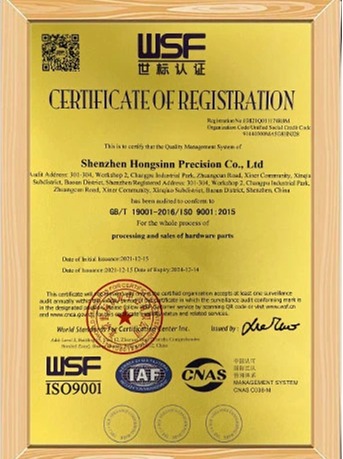
1.Direct OEM/0DM manufacturer, advanced produce technical,the highest tolerance we can reach to ±0.005mm;
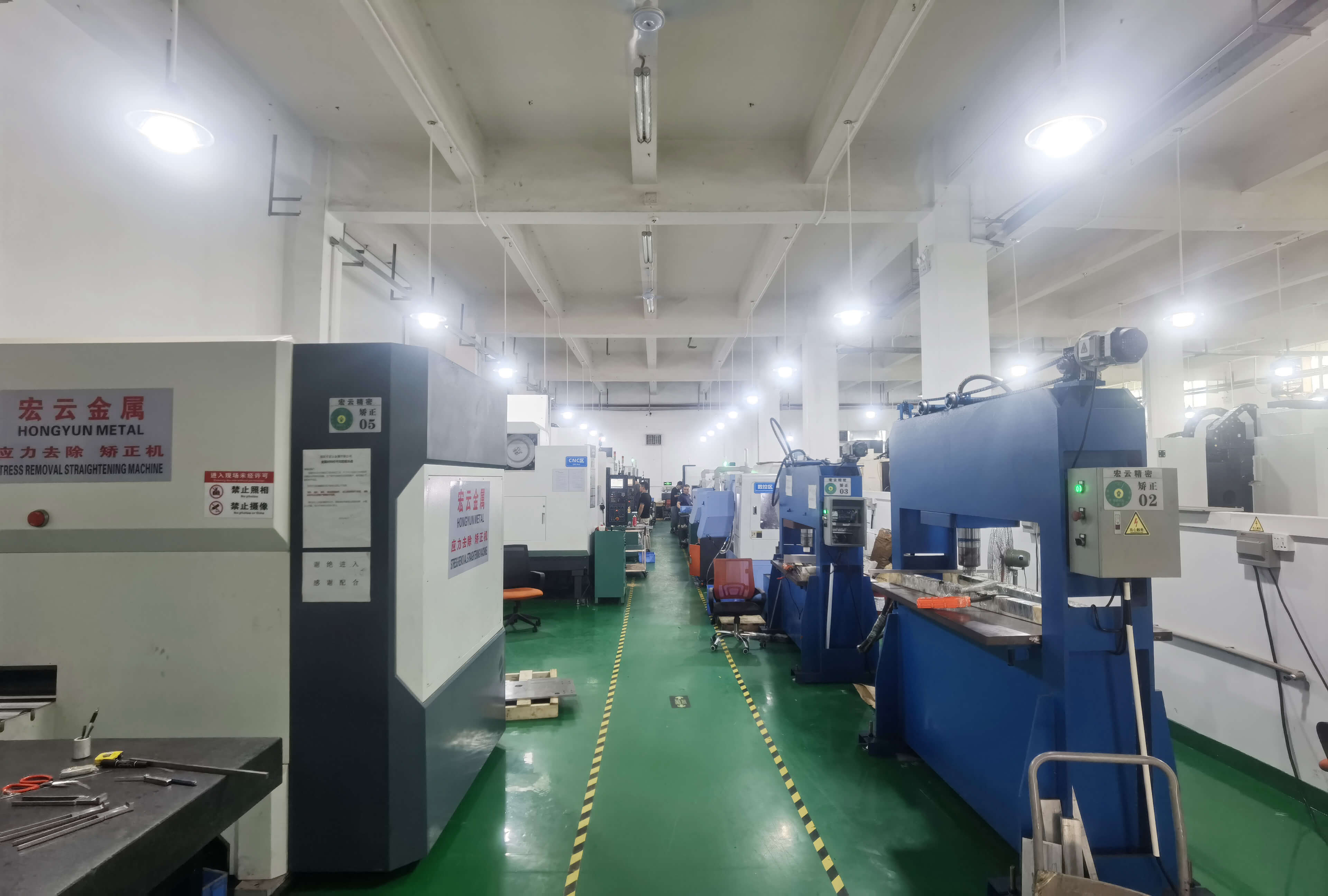
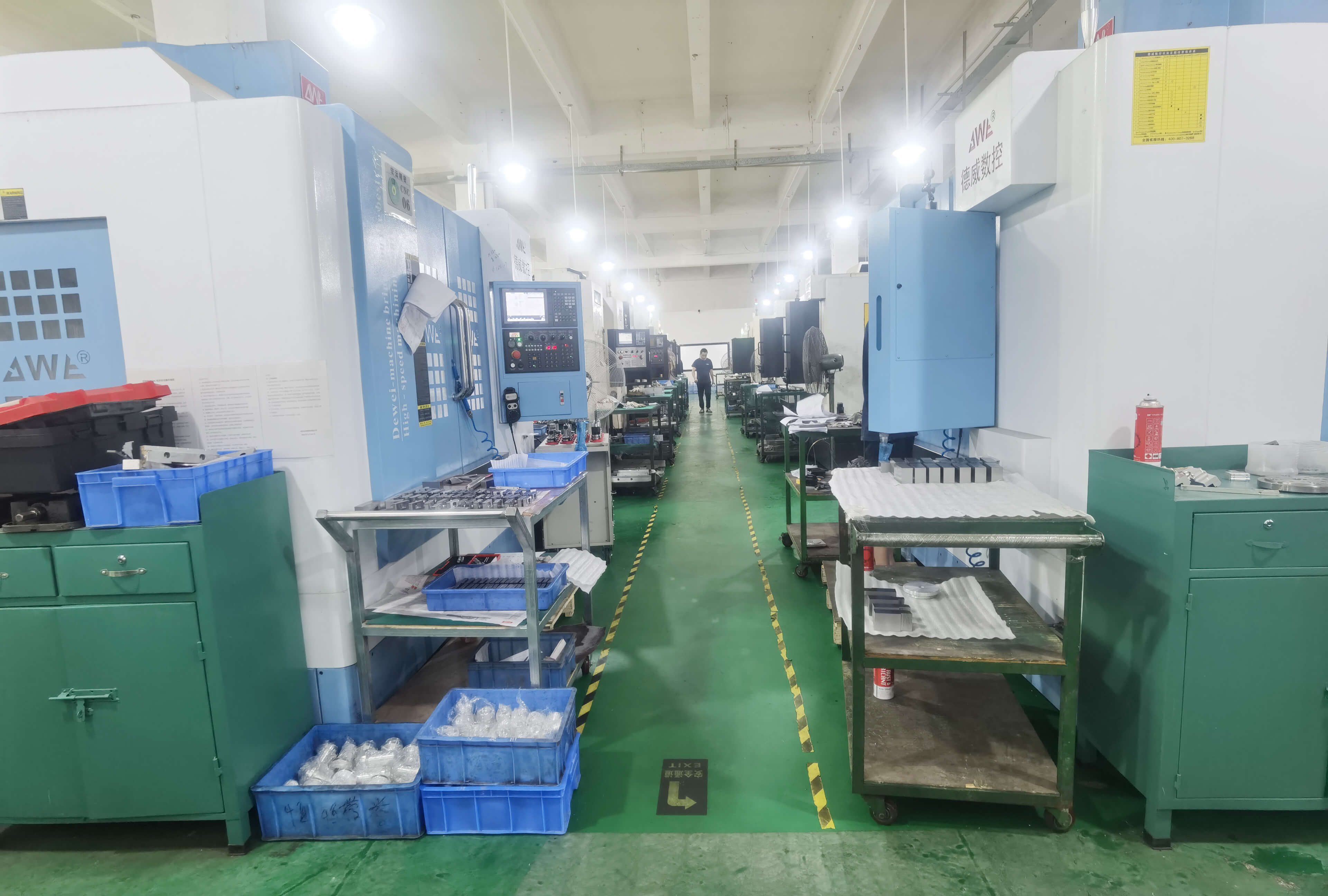
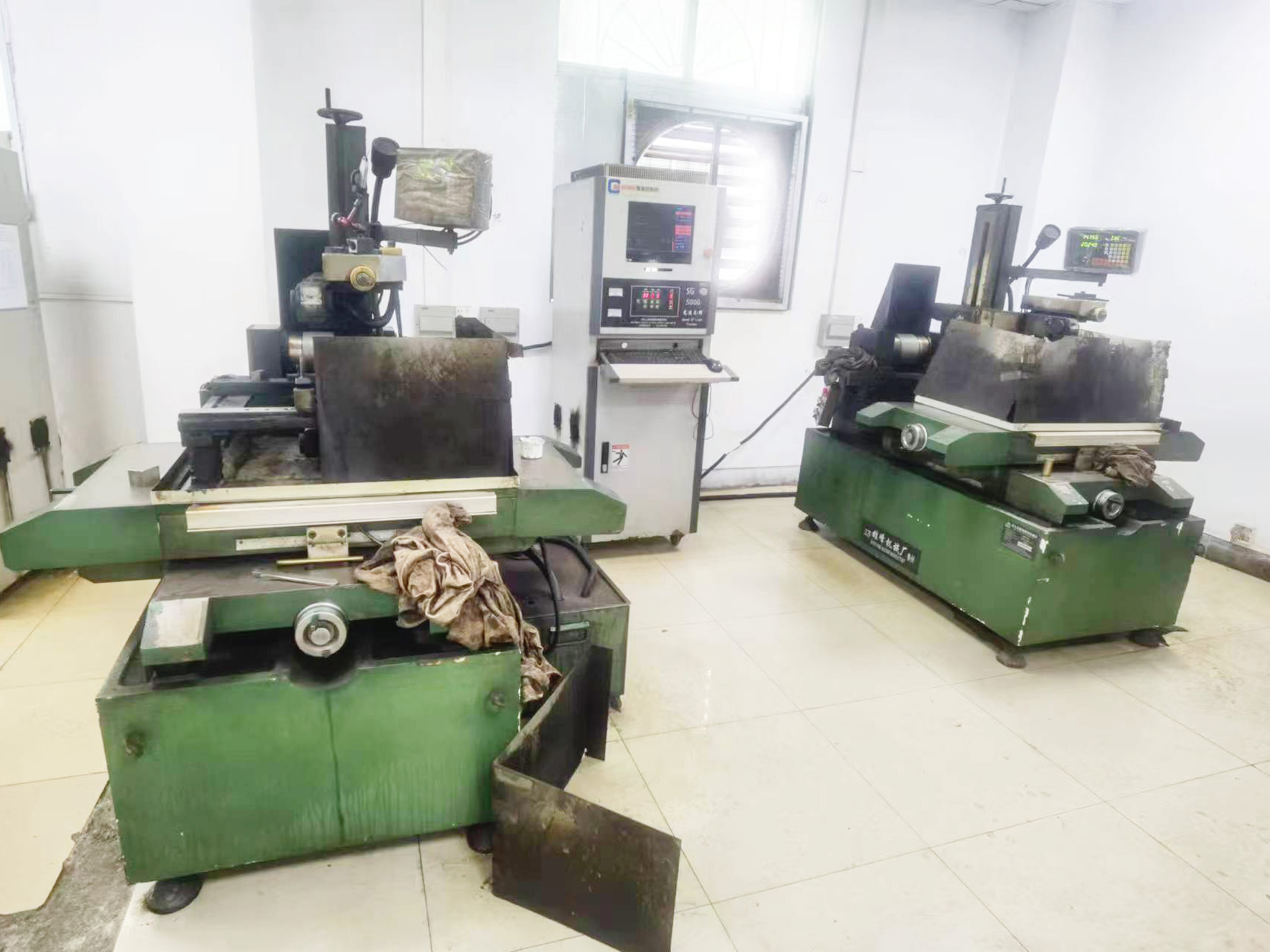
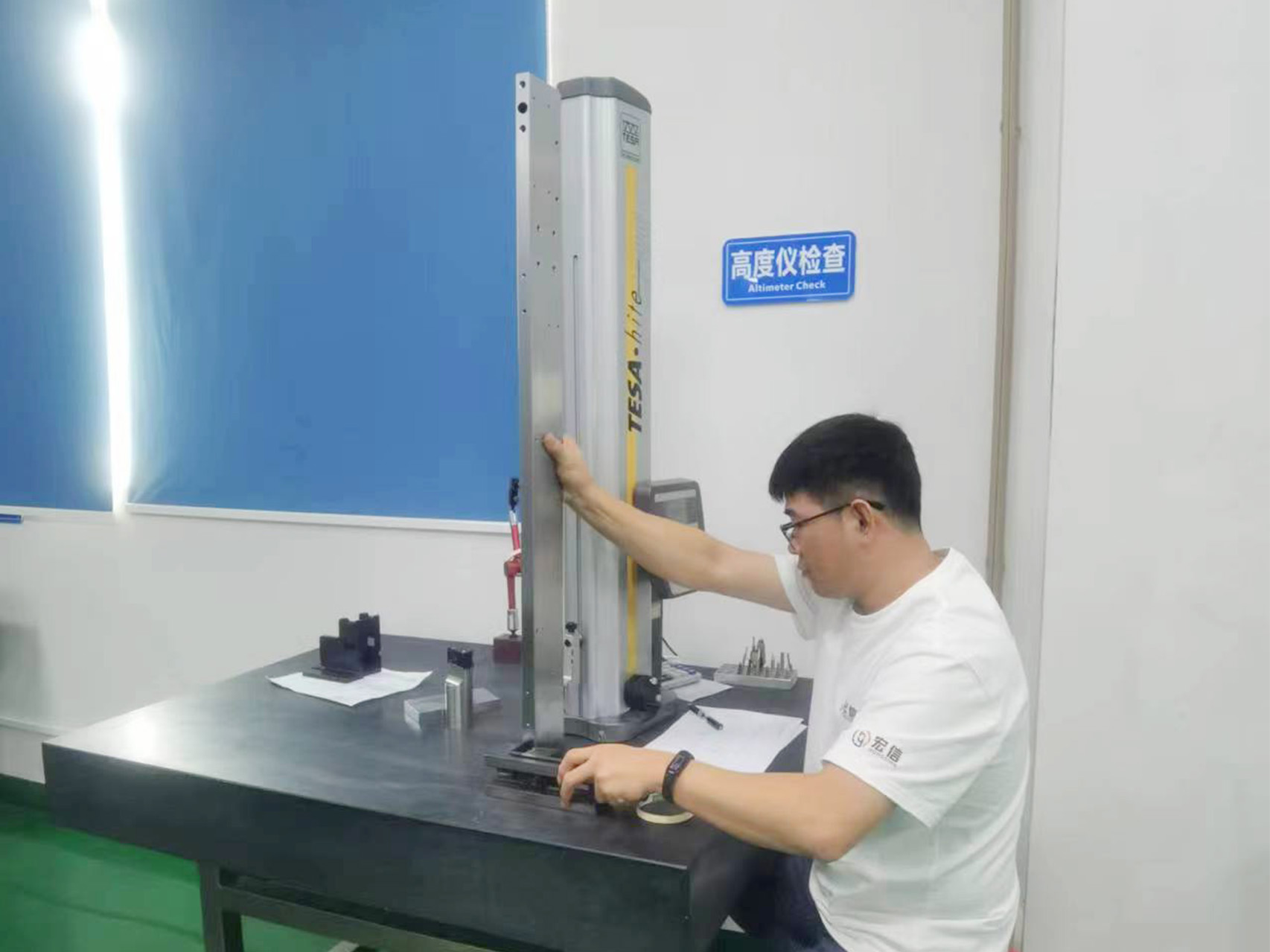
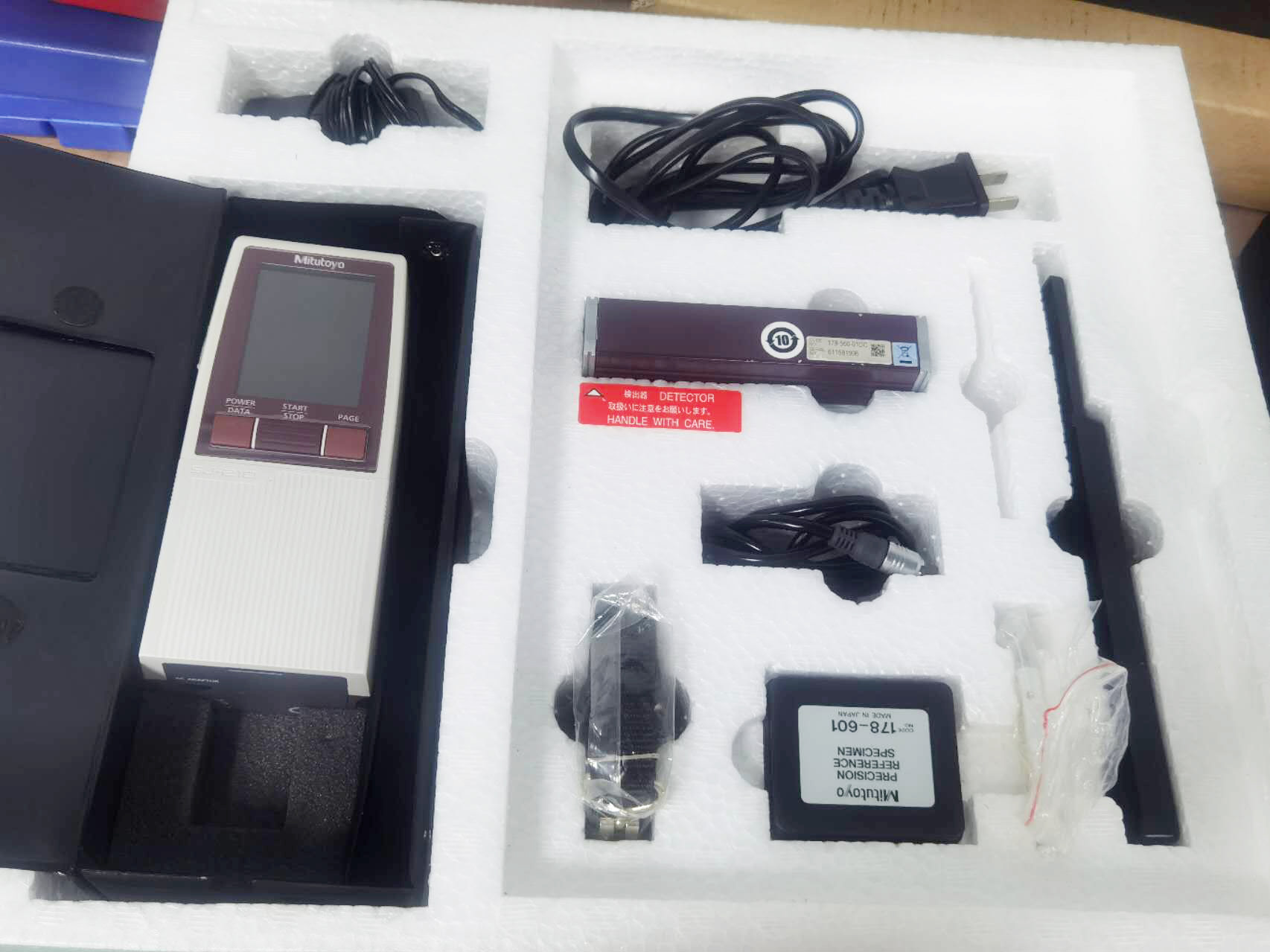
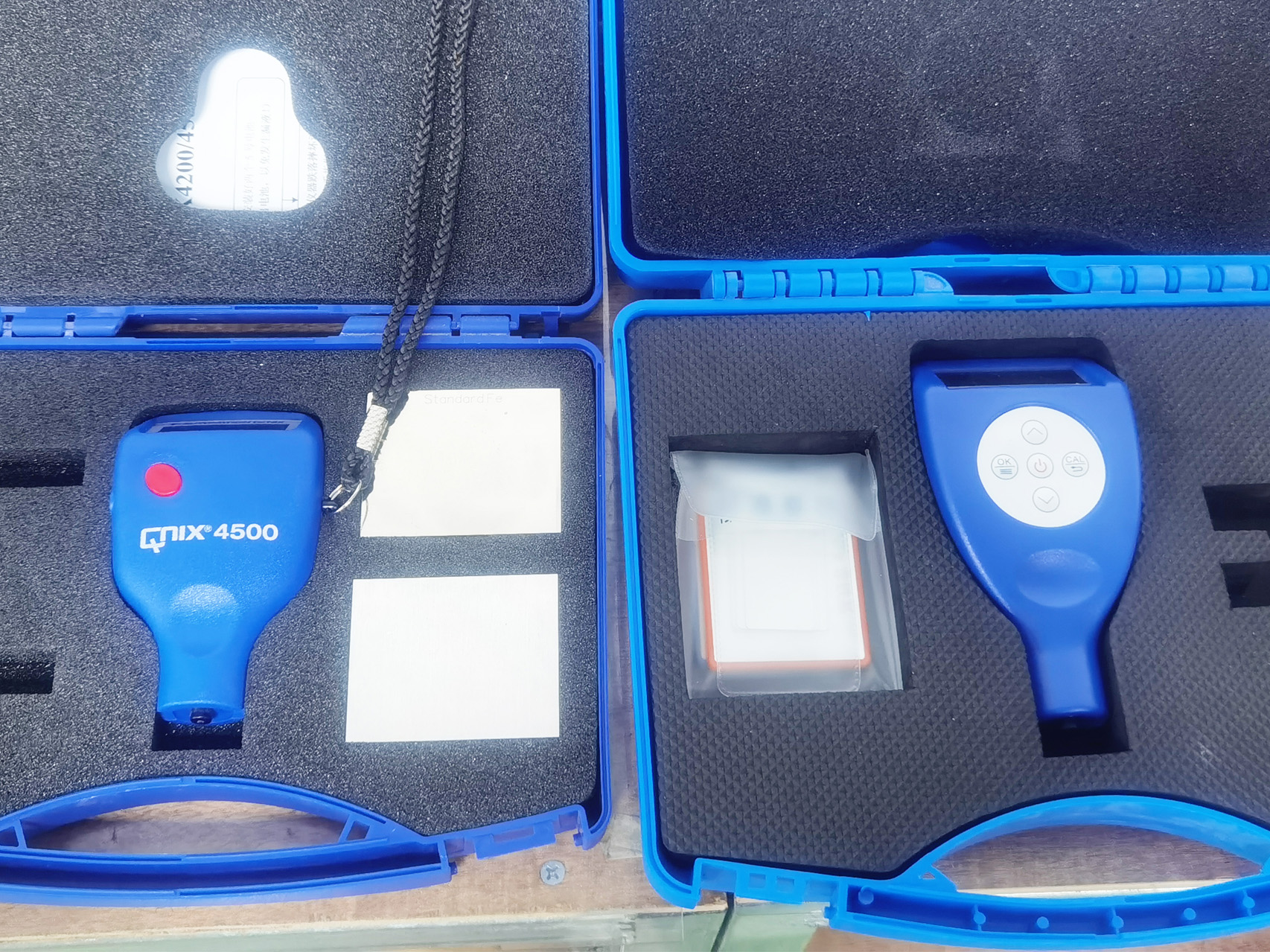
2.Complete produce equipment and test equipment. Independent Engineer team, to check drawings, provide quotation, write machining process, guide production.
3.Independent PMC department, to make production plan and manage delivery time.
4.Quick proofing, short delivery time, usually is 3-15 days
4.Quick proofing, short delivery time, usually is 3-15 days
5 .The company has gathered a rich group of technologicallyadvanced modern talents, which has laid a stable foundationfor the long-term development of the company.
6.Complex and difficult surface and functional structureof the hand plate model, We can all mold quickly.xxx
Five-Axis CNC Machining
In addition to side-to-side, front-to-back, and up-and-down motion, five-axis CNC machines also offer the ability to rotate the tool around two other axes (A and B). With a full five-axis range of motion, these machines can operate at multiple angles, precisely producing parts with smooth surfaces, complex angles, and contours.
Five-axis CNC machines are capable of continuous milling, saving significant time and requiring no manual intervention because they automatically rotate the workpiece. These high-tech CNC machines, milling machines, or routers, are capable of producing complex components such as turbine blades, molds, and impellers, and are widely used in aerospace, automotive, and other high-precision industries.
3-Axis vs. 5-Axis: Pros and Cons
The main difference between these two types of CNC machines is the number of ways they can move their tool: one has three, and one has five. This seemingly small factor, however, makes a world of difference, as you can see in the side-by-side comparison table below.
| Factor | 3-Axis | 5-Axis |
|---|---|---|
Cutting tool movement | Along X, Y, and Z axes | Along X, Y, Z axes, and also along A and B rotational axes |
Efficiency | Good | Excellent, quick |
Tool changes | Need multiple setups for complex parts (re-clamping, repositioning, etc.) | Minimal, can work on part from different angles without repositioning |
Capabilities | Limited, no complex shapes, undercuts, or multi-sided features | Can make deep cuts on all sides of workpiece, intricate shapes and undercuts |
Accuracy | Good | Excellent |
Ease of operation | Minimal training needed, simple to use and program (CNC programming skills needed) | Needs specialized training and expertise and more advanced CAD/CAM programming |
Cost | $25,000 to $50,000 | $80,000 to over $500,000 |
Maintenance/operating costs | Low | Higher |
Cost per part | Lower | Higher, although faster production could lower cost of more complex parts |
Maintenance needs | Low due to fewer moving parts | High, needs regular maintenance to run smoothly |
Wear and tear | Less prone | More prone due to additional moving parts |
Applications | Simpler parts for automotive, aerospace, and electronics (housings, panels, flat surfaces) | Many different sizes and shapes, aircraft engine parts, medical implants and prosthetics |
3-Axis vs. 5-Axis: Pros and Cons