


Specializing in CNC copper machining, milling, and turning services, including precision turning of medical parts.
Specializing in CNC copper machining, milling, and turning services, including precision turning of medical parts.
In today's demanding manufacturing environment, CNC copper machining, precision milling and turning, and specialized turning of medical parts have become essential processes for industries requiring exacting standards.

Copper CNC Machining
Copper (chemical symbol Cu, atomic number 29) is a superior conductor of electricity and heat, second only to silver, and is widely used in electronics, electrical equipment, and heat exchange. Commercially available copper typically exceeds 99% purity, with the remaining 1% often consisting of impurities such as oxygen, lead, or silver. This high purity makes copper excellent for CNC machining, enabling the production of high-precision, high-quality parts suitable for a variety of industrial applications.
Copper C101, also known as oxygen-free copper, is an extremely pure metal with a purity of approximately 99.99%. This high purity gives it excellent electrical conductivity, often referred to as HC (high conductivity) copper. Copper C101 is also commonly used as a base material for brass and bronze alloys. Its excellent conductivity makes it an ideal choice for applications such as busbars, waveguides, and coaxial cables, ensuring efficient performance in a variety of electrical and electronic devices.
| Tensile Strength, Yield (MPa) | Fatigue Strength (MPa) | Elongation at Break (%) | Hardness (Brinell) | Density (g/cm^3) |
|---|---|---|---|---|
69 to 365 | 76-90 | 5-55 | 65-90 | 8.89 to 8.94 |
* Generalized values. For reference only. Values vary greatly depending on tempering.
Processing | CNC Turning, CNC Milling, Laser Cutting, Bending, Spinning, Wire Cutting, Stamping, Electric Discharge Machining (EDM), Injection Molding | |||
Materials | Aluminum: 2000 series, 6000 series, 7075, 5052, etc. | |||
Stainless steel: SUS303, SUS304, SS316, SS316L, 17-4PH, etc. | ||||
Steel: 1214L/1215/1045/4140/SCM440/40CrMo, etc. | ||||
Brass: 260, C360, H59, H60, H62, H63, H65, H68, H70, Bronze, Copper | ||||
Titanium: Grade F1-F5 | ||||
Plastic: Acetal/POM/PA/Nylon/PC/PMMA/PVC/PU/Acrylic/ABS/PTFE/PEEK etc. | ||||
Surface Treatment | Anodized, Bead Blasted, Silk Screen, PVD Plating, Zinc/Nickel/Chrome/Titanium Plating, Brushing, Painting, Powder Coated, Passivation, Electrophoresis, Electro Polishing, Knurl, Laser/Etch/Engrave etc. | |||
Tolerance | ±0.002 ~ ±0.005mm | |||
Surface Roughness | Min Ra 0.1~3.2 | |||
4.Quick proofing, short delivery time, usually is 3-15 days
Copper C110
Copper C110, also known as electrolytic pitch (ETP) copper, is another high-purity copper option. With a purity of 99.90%, while not as high as copper C101, it's still well-suited for electrical applications. Due to its cost-effectiveness, copper C110 has become one of the most widely used copper alloys. Furthermore, this grade of copper is easier to process than copper C101, making it suitable for a variety of electrical components and connectors, ensuring an optimal balance between performance and affordability.
| Tensile Strength, Yield (MPa) | Fatigue Strength (MPa) | Elongation at Break (%) | Hardness (Brinell) | Density (g/cm^3) |
|---|---|---|---|---|
69-365 | 76-90 | 5-50 | 65-90 | 8.89 |
* Generalized values. For reference only. Values vary greatly depending on tempering.
Copper is often chosen for its excellent thermal and electrical conductivity. Therefore, many surface treatments used for other metals are not suitable for copper, as they may affect these properties. Below are some surface treatment options suitable for copper.
Electropolishing is a process that produces a very smooth and lustrous copper surface. This process removes a very small layer of material, typically between 0.0001 inches (0.00254 mm) and 0.0025 inches (0.0635 mm). Electropolishing not only improves copper's corrosion resistance but also maintains its electrical conductivity, ensuring it maintains excellent performance in electrical applications.
Metal plating is commonly used to prevent copper's external surface oxidation while maintaining its electrical and thermal conductivity. Plating with precious metals such as silver or gold is particularly effective in providing low contact resistance, thereby maintaining excellent electrical conductivity and solderability. This treatment not only extends the copper's lifespan but also ensures its performance in electrical connections.

Conclusion: Precision Machining for Critical Applications
The combination of CNC copper machining, advanced milling and turning capabilities, and specialized medical part manufacturing represents the pinnacle of precision manufacturing. For industries where performance, reliability, and compliance are non-negotiable, these advanced machining techniques deliver solutions that meet the most demanding requirements.

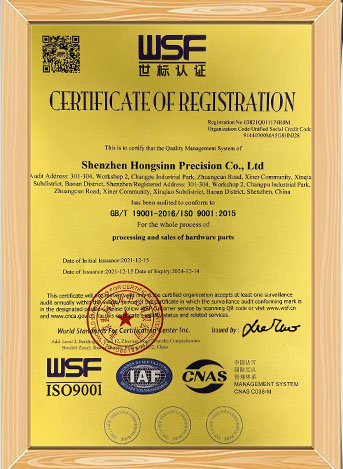

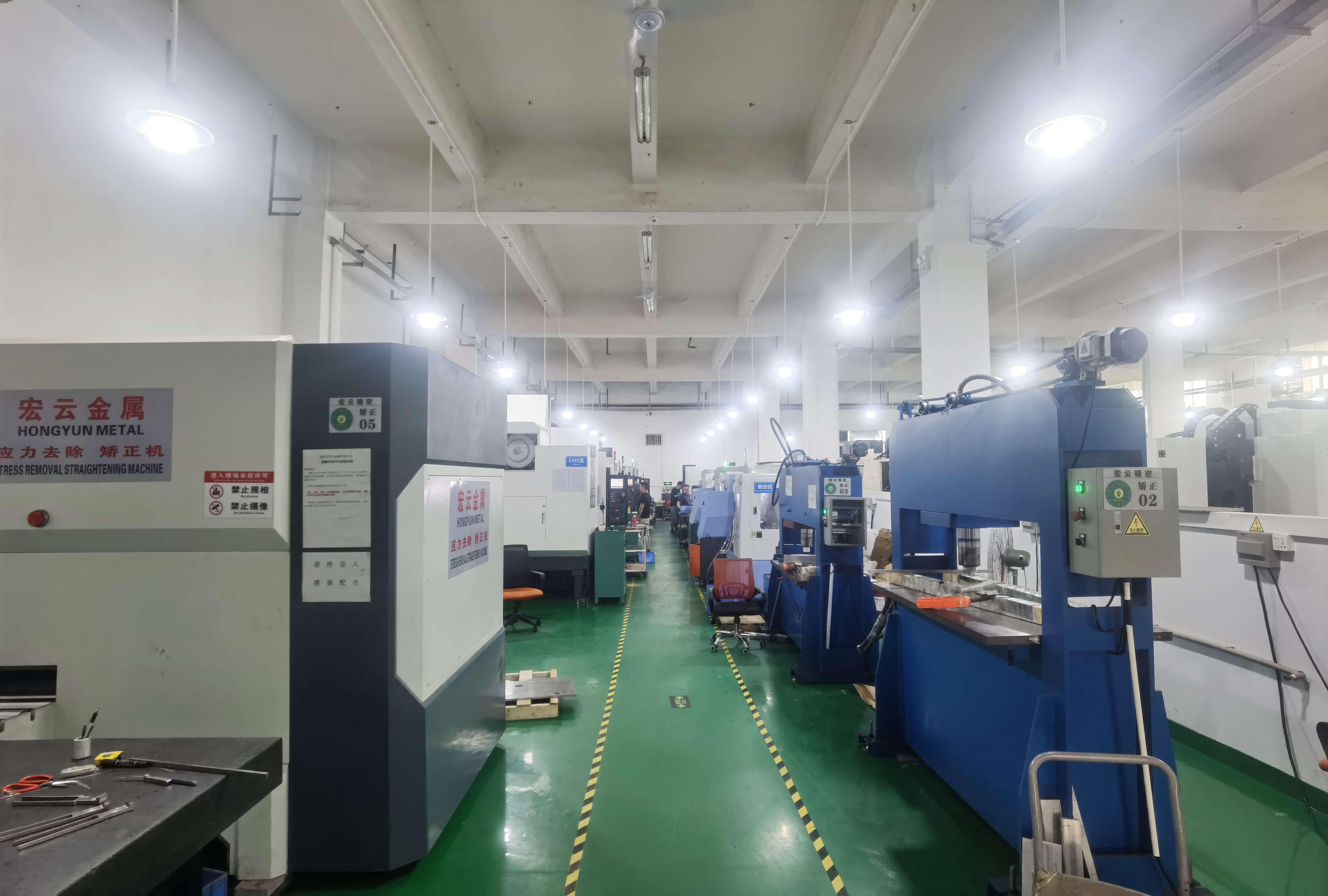
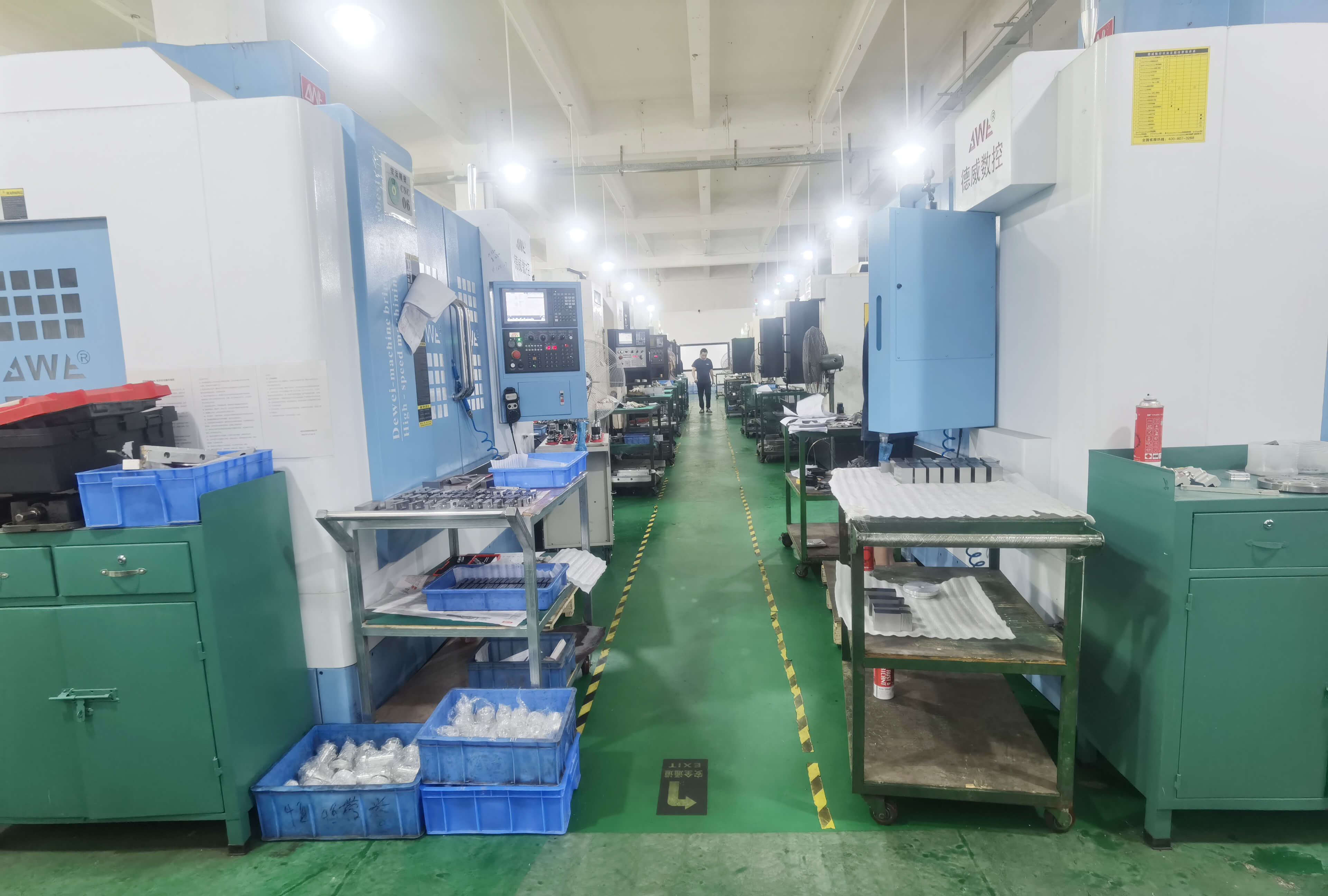


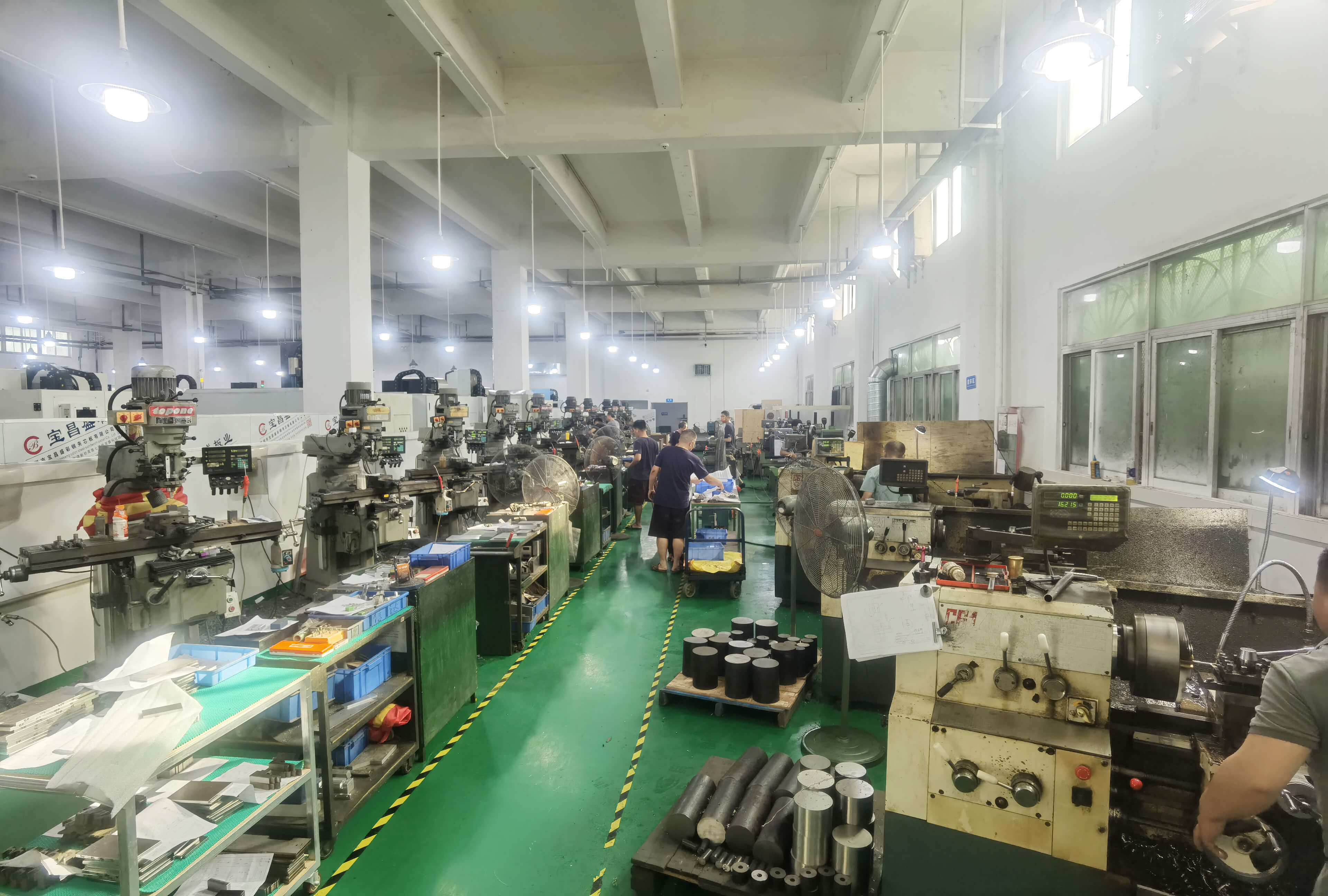
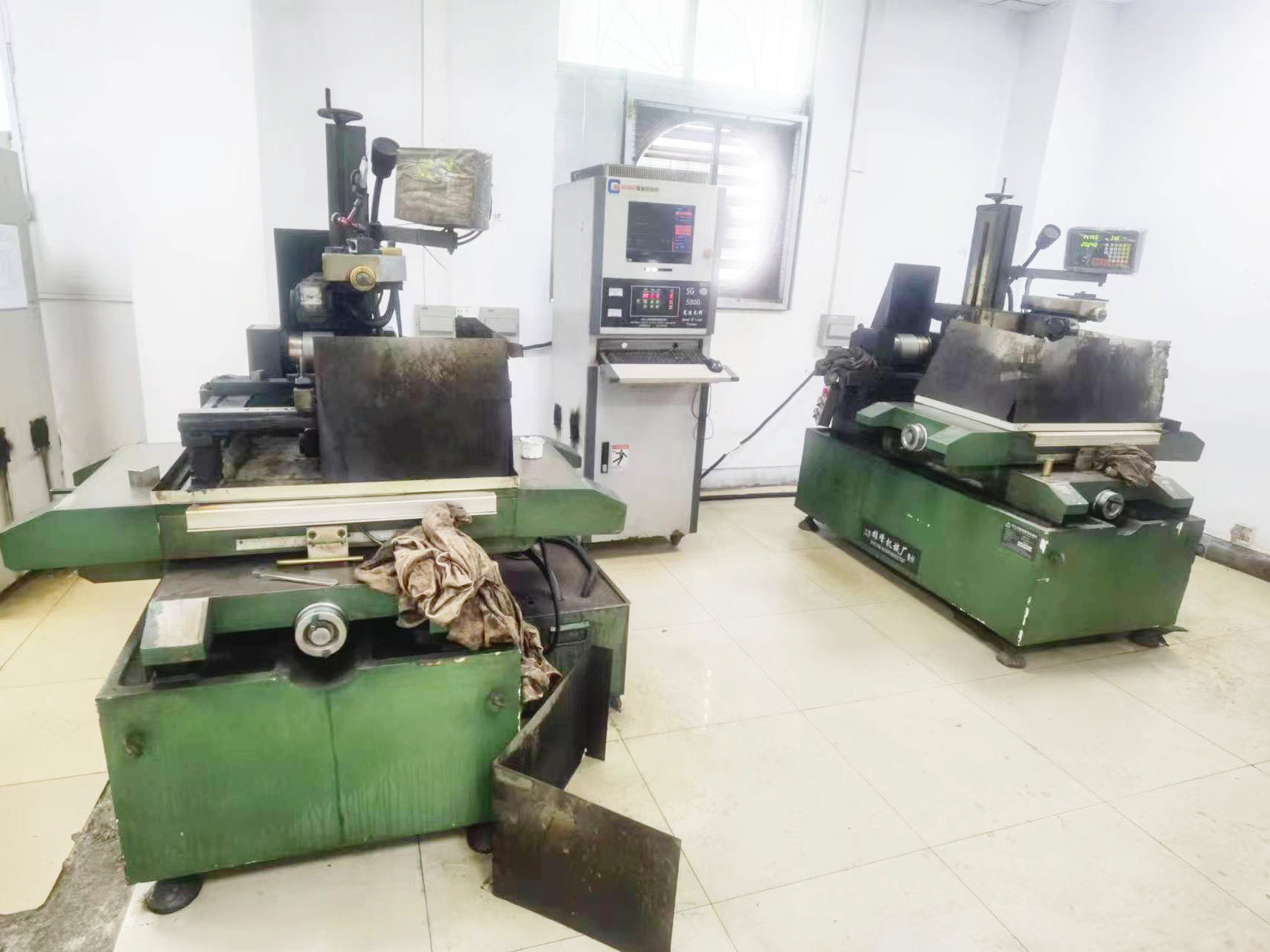


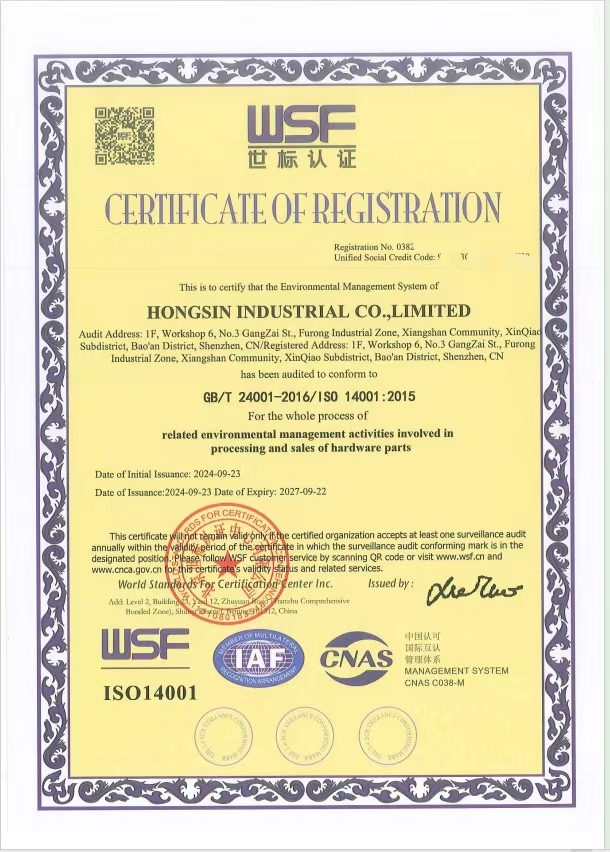

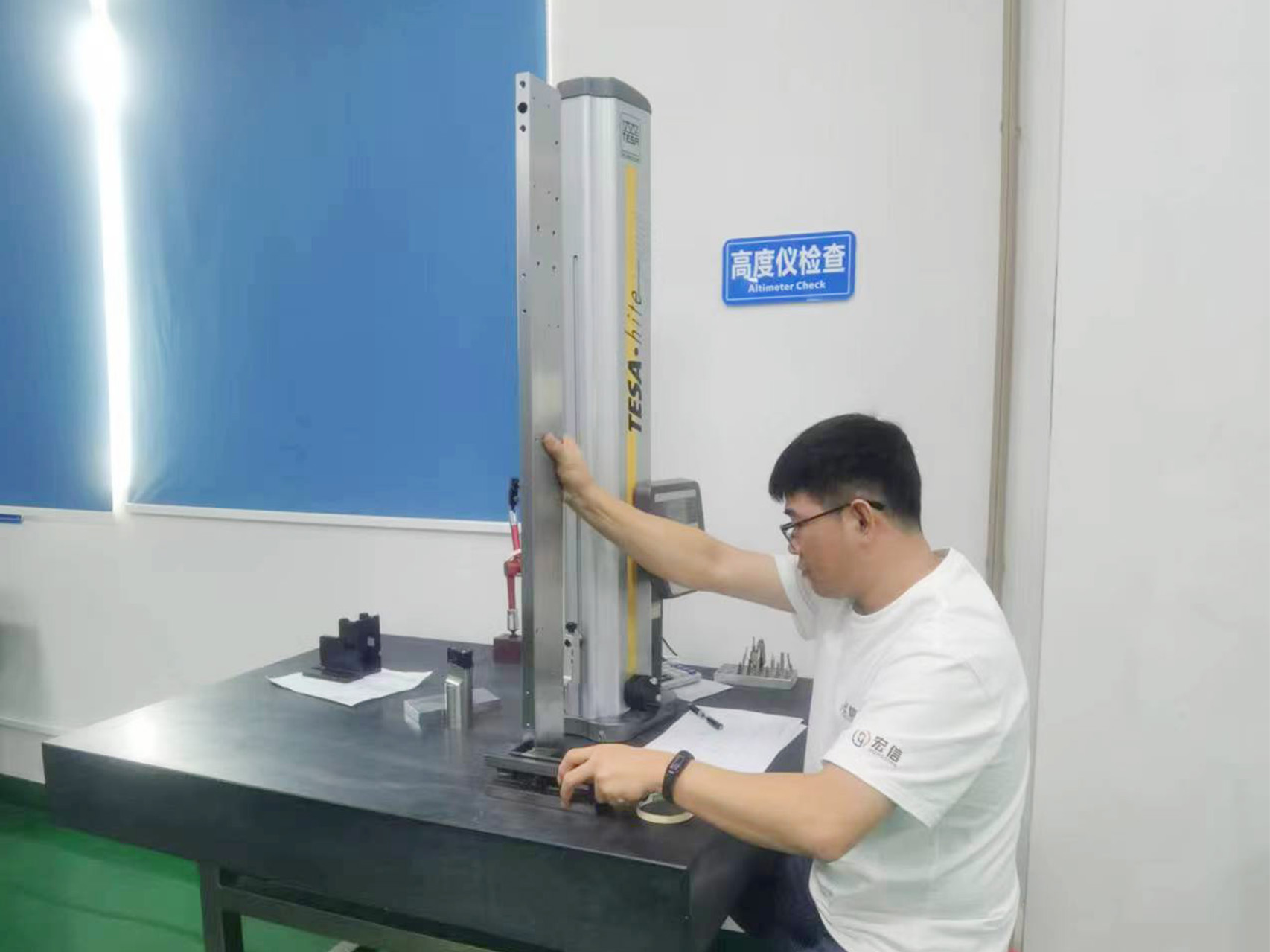


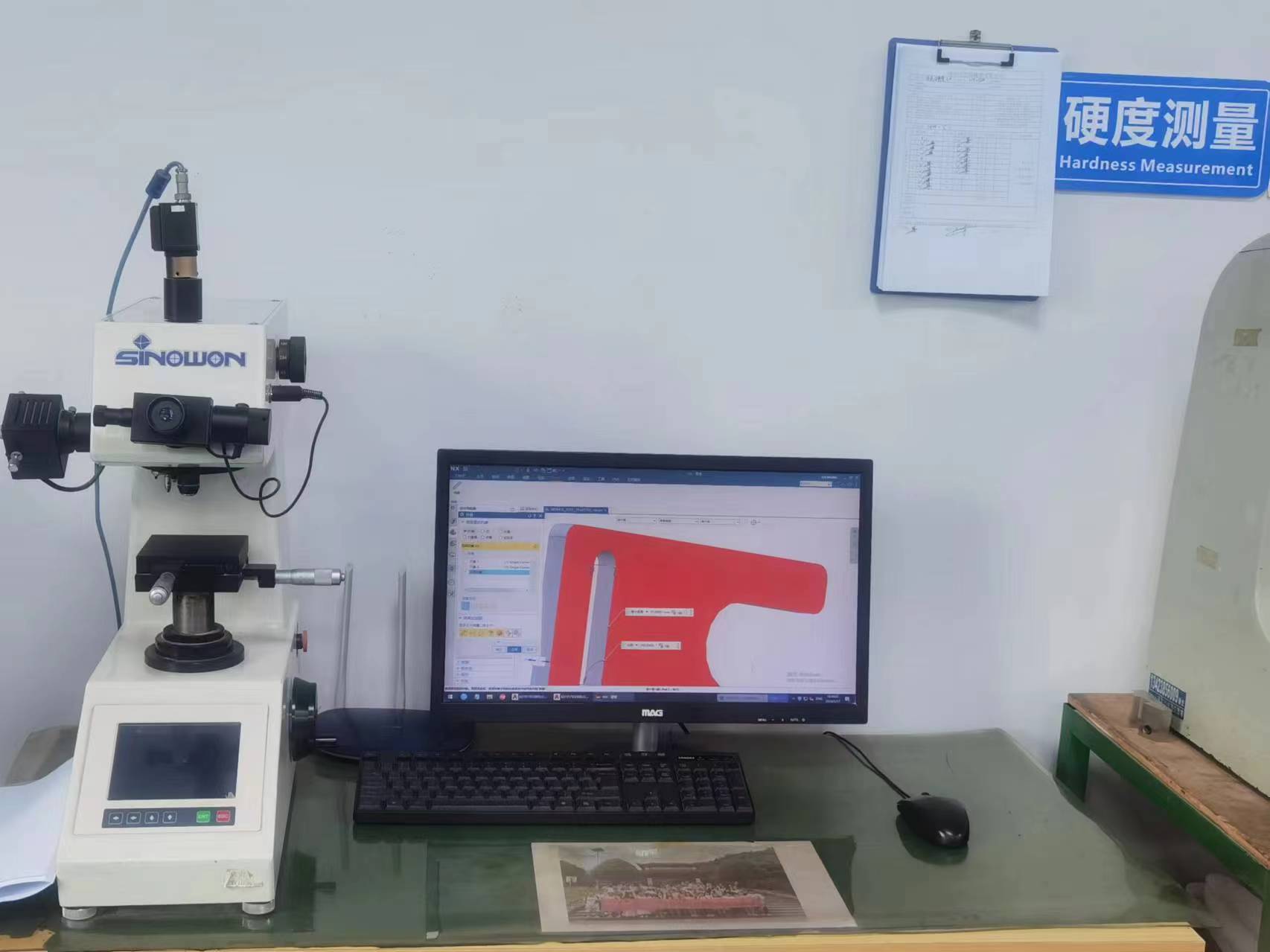
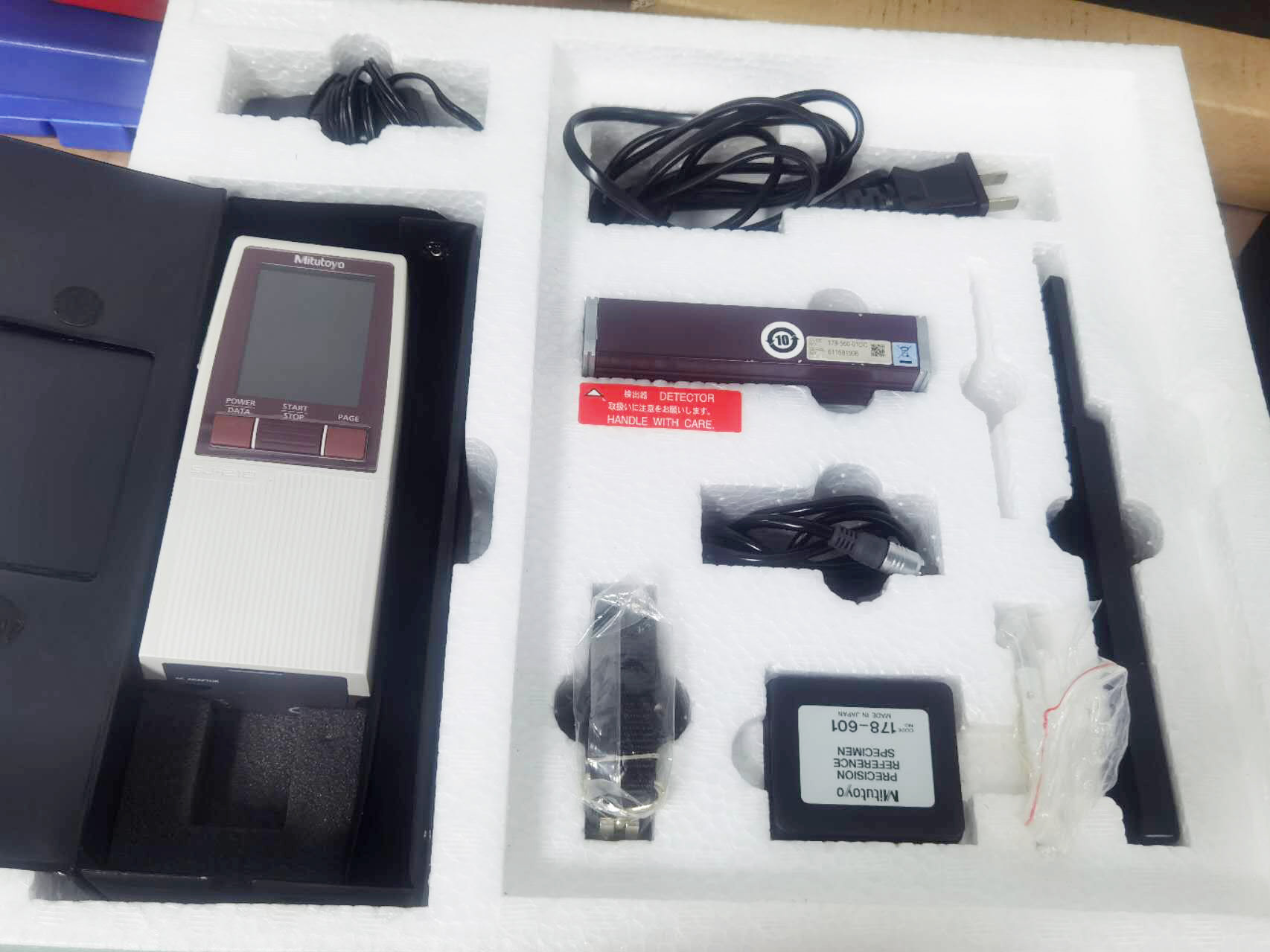
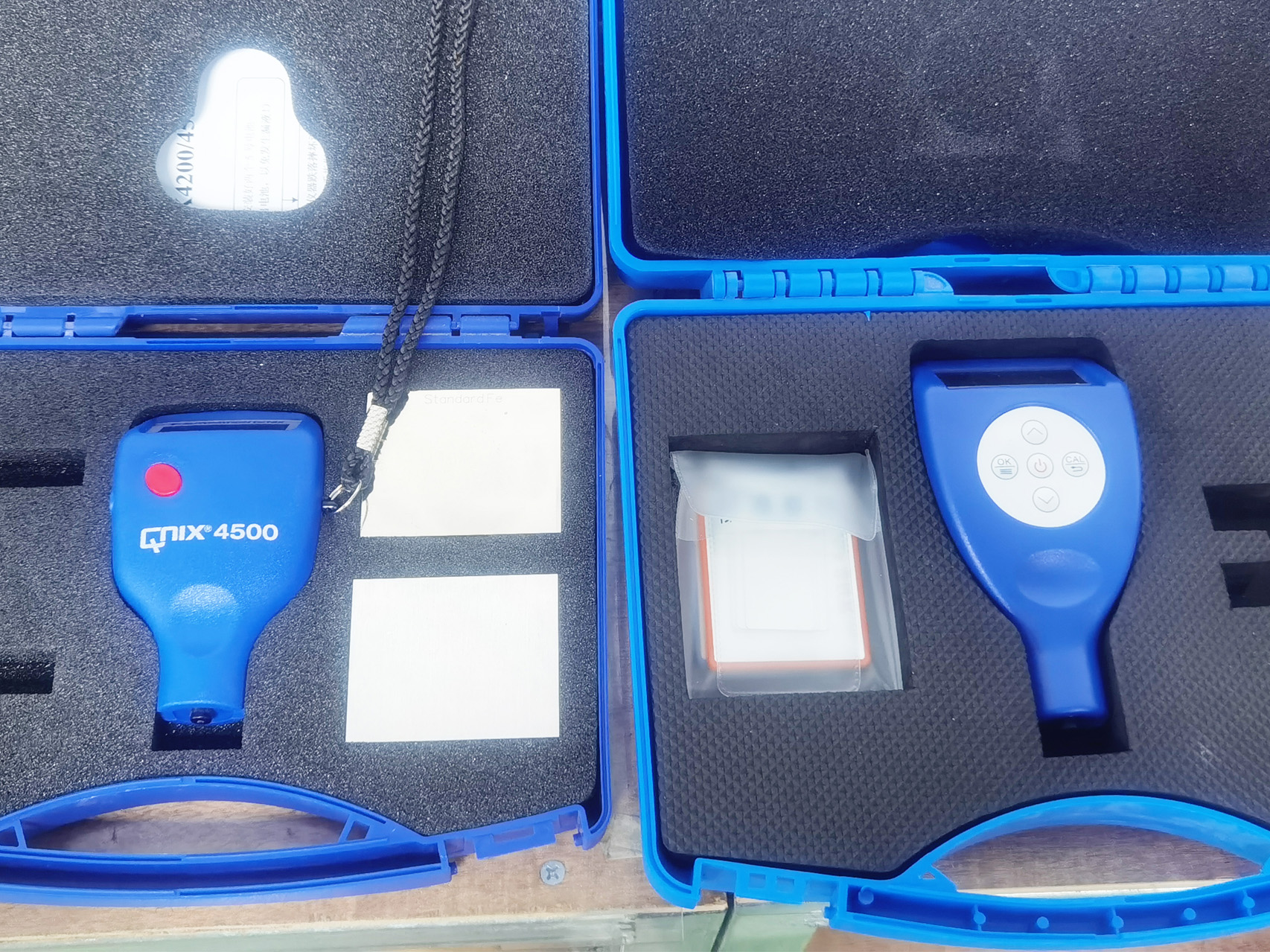
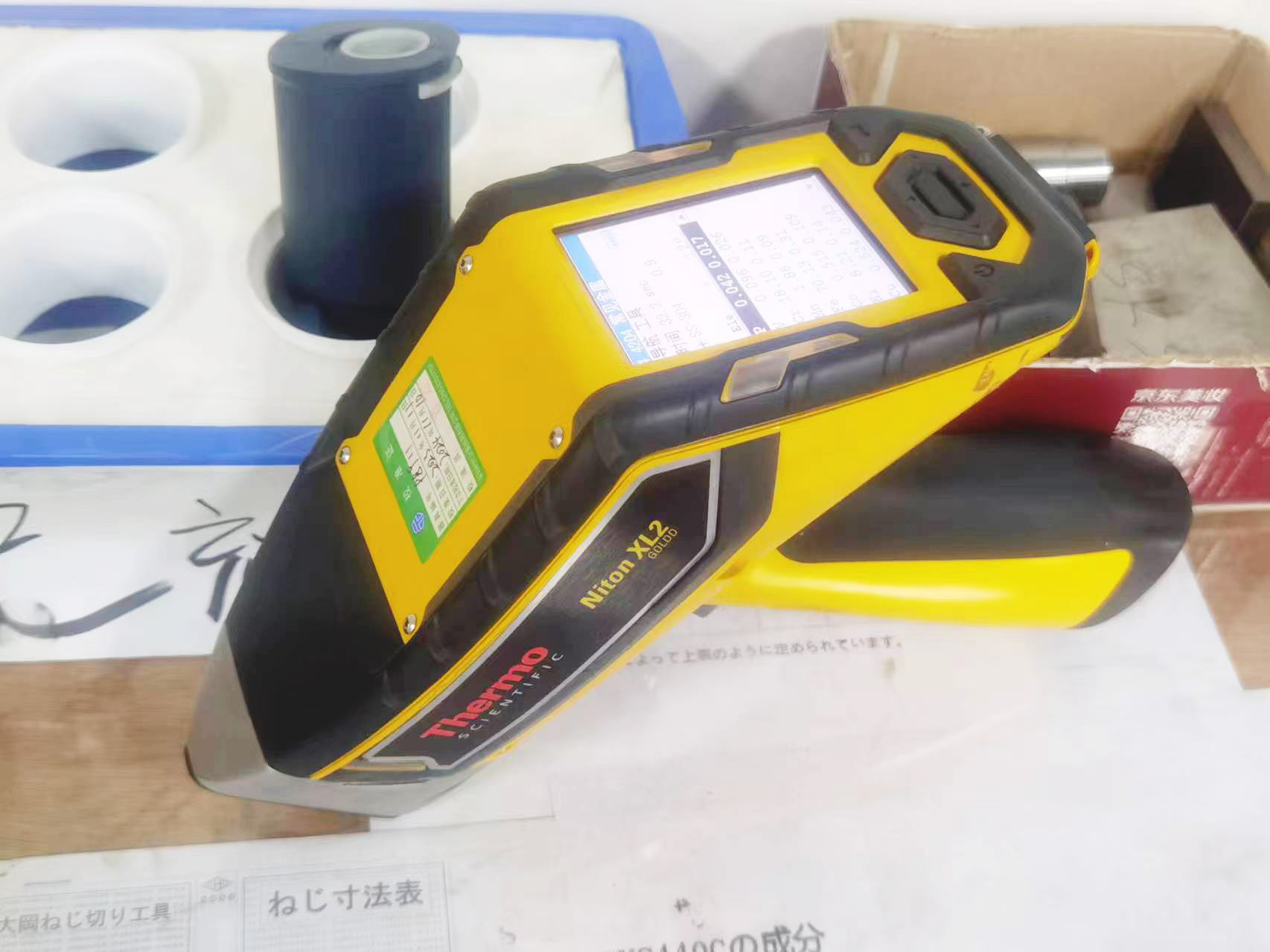
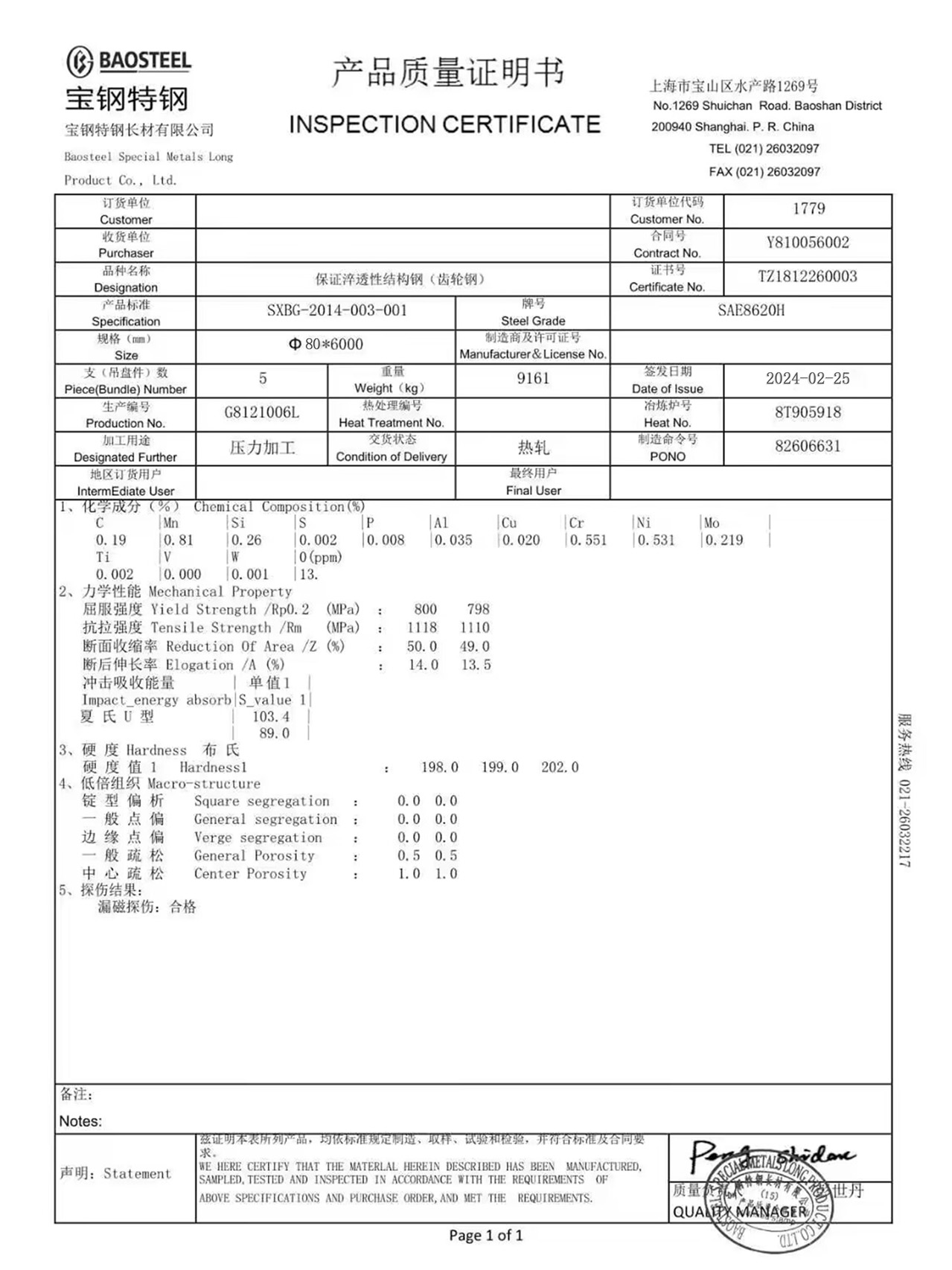



 Providing precision engineering machining services including CNC turning and milling services, CNC lathe components. cnc turning service
 Precision CNC parts for motorcycles and automotive machinery.
 CNC Machining Services in China for High Precision Parts
 Specializing in precision CNC machining for plastic components and tool steel.