


Specializing in OEM precision CNC lathe parts, including complex components.
Hongsinn-652
Unlock Precision Excellence with Our OEM CNC Lathe Parts. Complex Designs Crafted to Perfection. Order Now!
Delivery
FOB
minimum order
1 piece
Supply Ability
5000piece / Week
Country of Origin
Shenzhen
Stock Time
7~15Day
Quantity:
US $0.59 - US $10.68 / piece
Specializing in OEM precision CNC lathe parts, including complex components.
At Shenzhen Hongsinn Precision Co., Ltd. we specialize in manufacturing CNC lathe parts OEM, producing complex CNC lathe parts, and delivering ultra-precise precision lathe parts for industries demanding exacting standards. Our advanced turning capabilities combine Swiss-type precision with multi-axis functionality to meet your most challenging component requirements.

Basics of CNC Lathes
CNC lathes are a low-cost solution for manufacturing parts with simple cylindrical geometries. They increase production efficiency by automating the machining process through CNC systems.
For more complex geometries, real-time tools can be used, which are evaluated and adjusted according to the specific machining situation. This flexibility allows CNC lathes to meet different machining needs and adapt to a variety of production environments.
How CNC Turning Works
CNC turning uses a single-point cutting tool to remove material from a rotating workpiece. In this process, a CNC machine (usually a lathe) moves linearly along the surface of the rotating workpiece, feeding the tool into the workpiece and removing material around the circumference until the desired diameter is reached.
Most CNC lathes consist of two main axes:
X-axis: controls the movement of the tool in the horizontal plane and adjusts the depth of cut.
Z-axis: controls the movement of the tool in the vertical direction and adjusts the length of cut.
By precisely controlling the movement of these two axes, CNC lathes are able to achieve high-precision machining and meet the manufacturing needs of complex parts.
Processing | CNC Turning, CNC Milling, Laser Cutting, Bending, Spinning, Wire Cutting, Stamping, Electric Discharge Machining (EDM), Injection Molding | |||
Materials | Aluminum: 2000 series, 6000 series, 7075, 5052, etc. | |||
Stainless steel: SUS303, SUS304, SS316, SS316L, 17-4PH, etc. | ||||
Steel: 1214L/1215/1045/4140/SCM440/40CrMo, etc. | ||||
Brass: 260, C360, H59, H60, H62, H63, H65, H68, H70, Bronze, Copper | ||||
Titanium: Grade F1-F5 | ||||
Plastic: Acetal/POM/PA/Nylon/PC/PMMA/PVC/PU/Acrylic/ABS/PTFE/PEEK etc. | ||||
Surface Treatment | Anodized, Bead Blasted, Silk Screen, PVD Plating, Zinc/Nickel/Chrome/Titanium Plating, Brushing, Painting, Powder Coated, Passivation, Electrophoresis, Electro Polishing, Knurl, Laser/Etch/Engrave etc. | |||
Tolerance | ±0.002 ~ ±0.005mm | |||
Surface Roughness | Min Ra 0.1~3.2 | |||
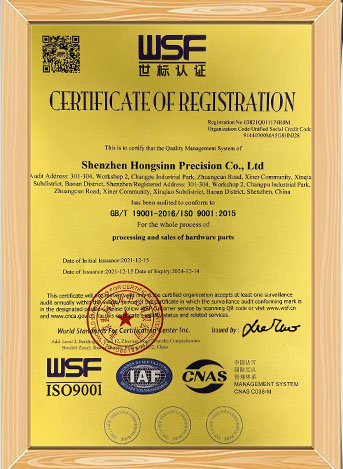
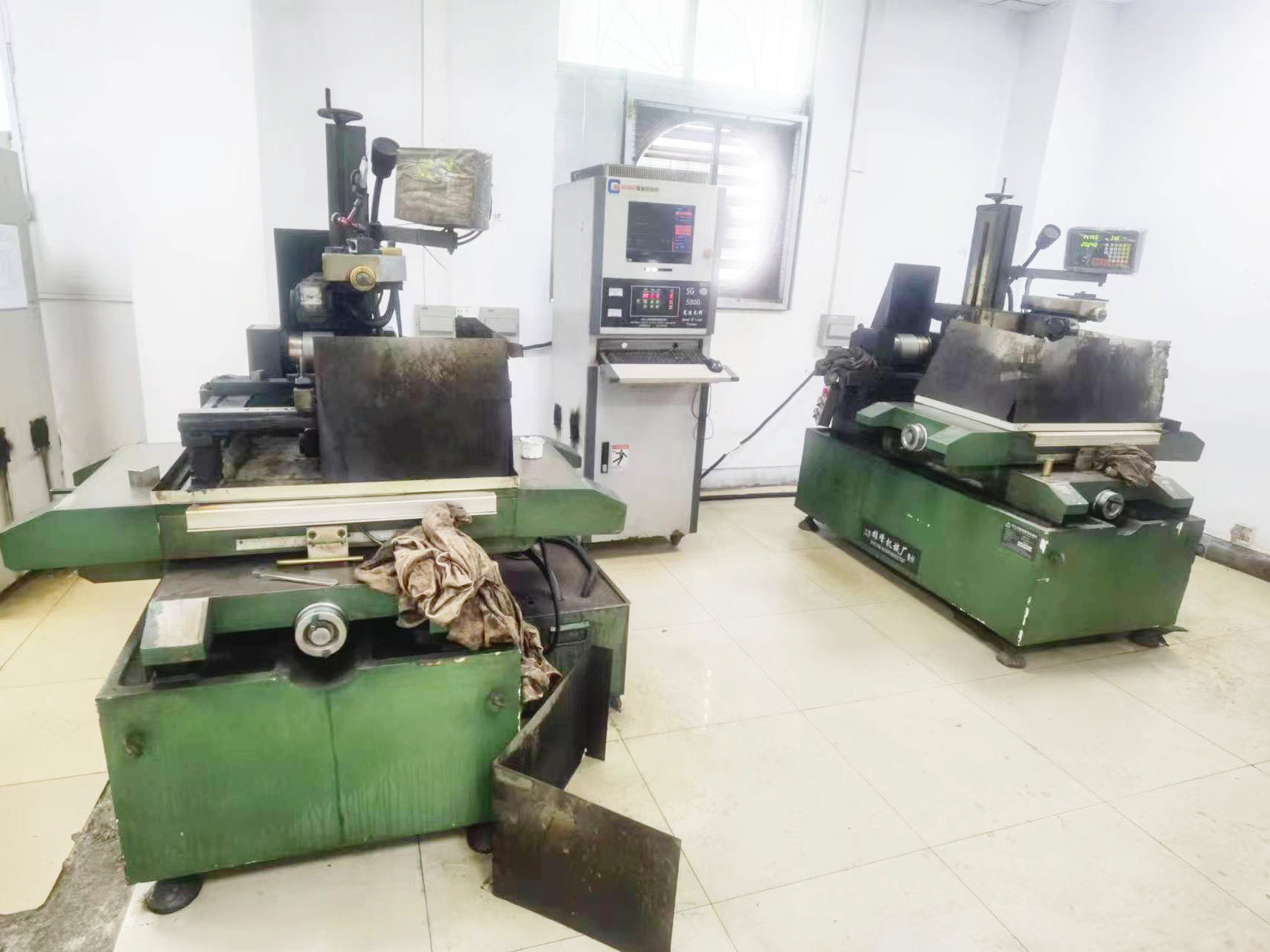
1.Direct OEM/0DM manufacturer, advanced produce technical,the highest tolerance we can reach to ±0.005mm;
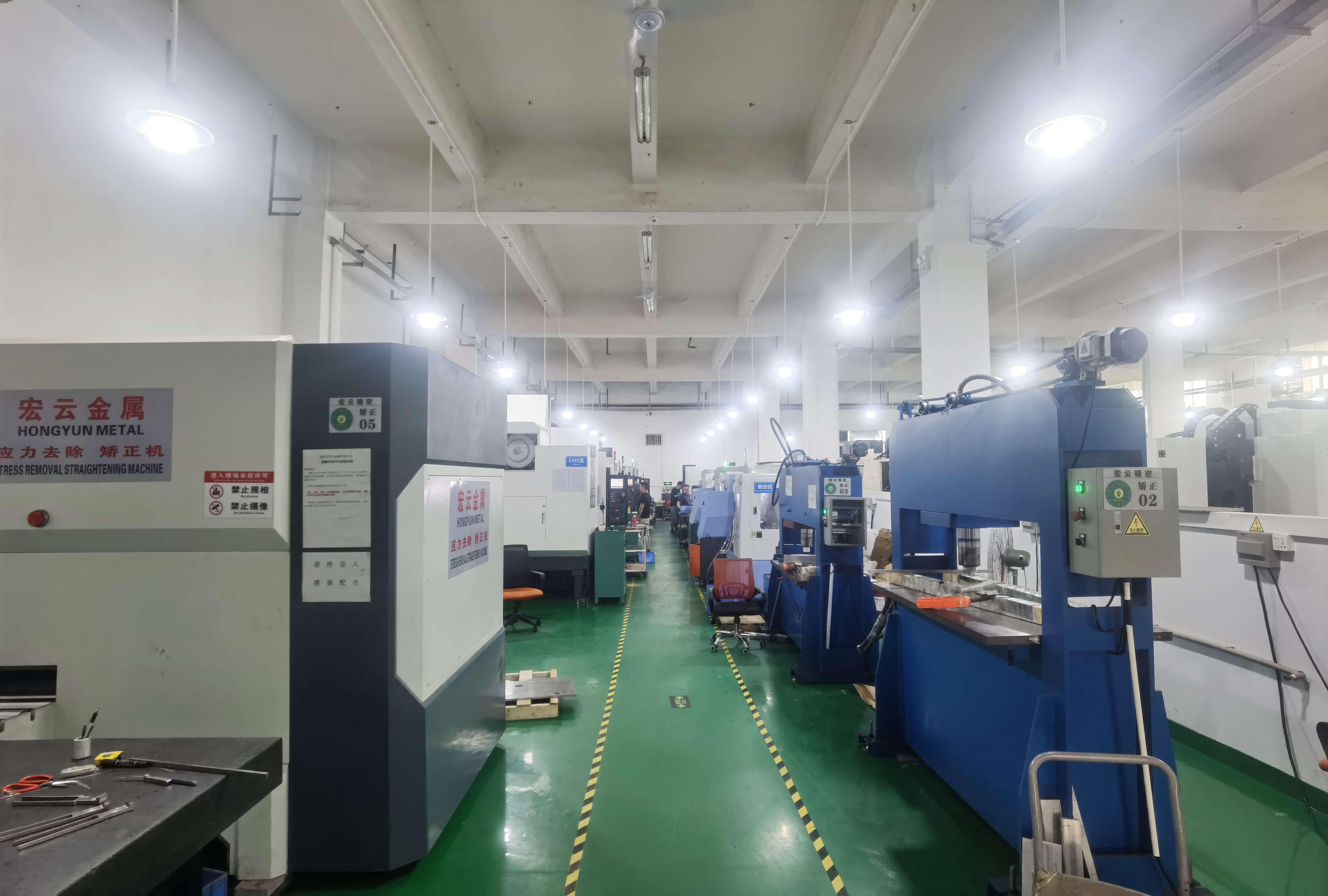
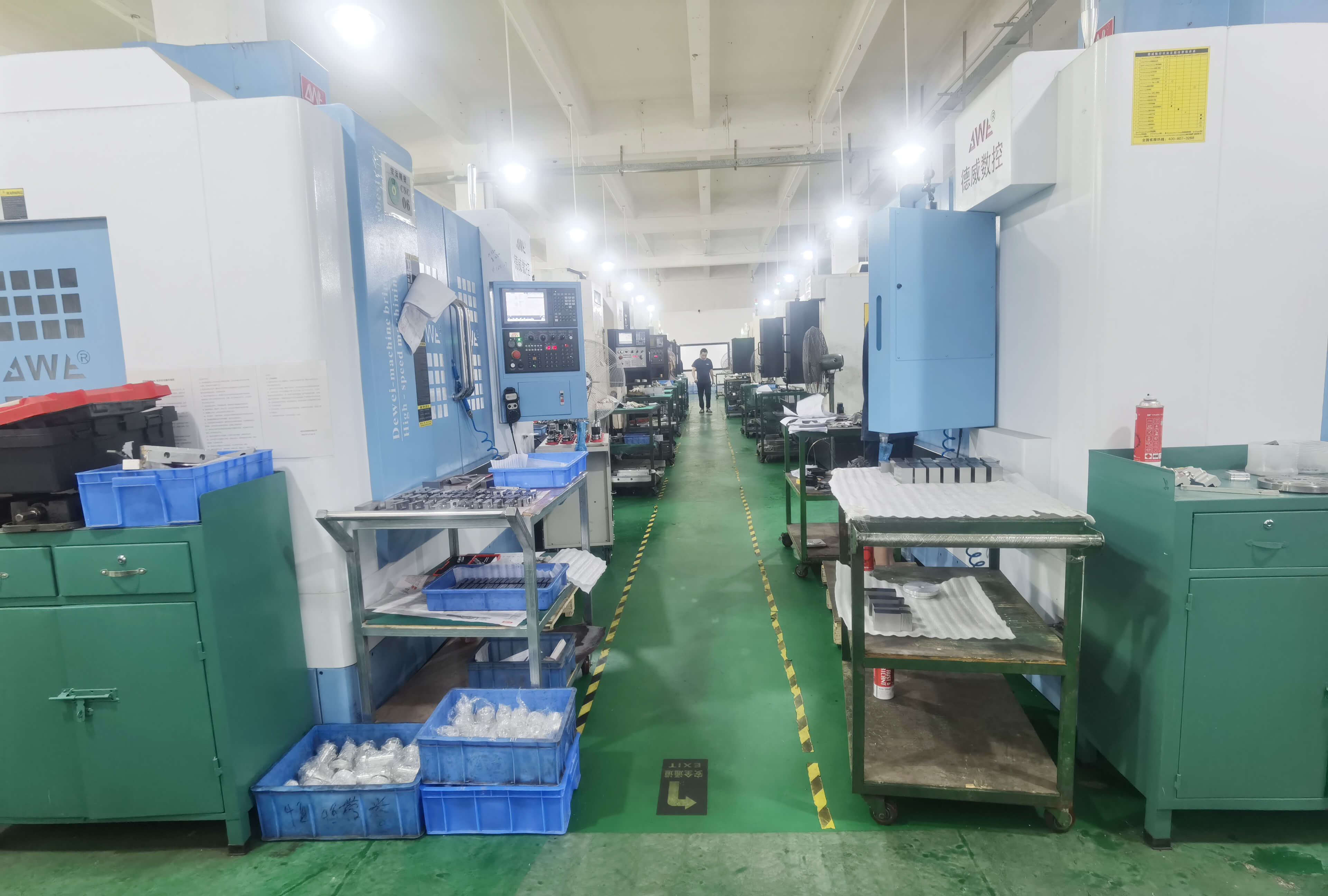
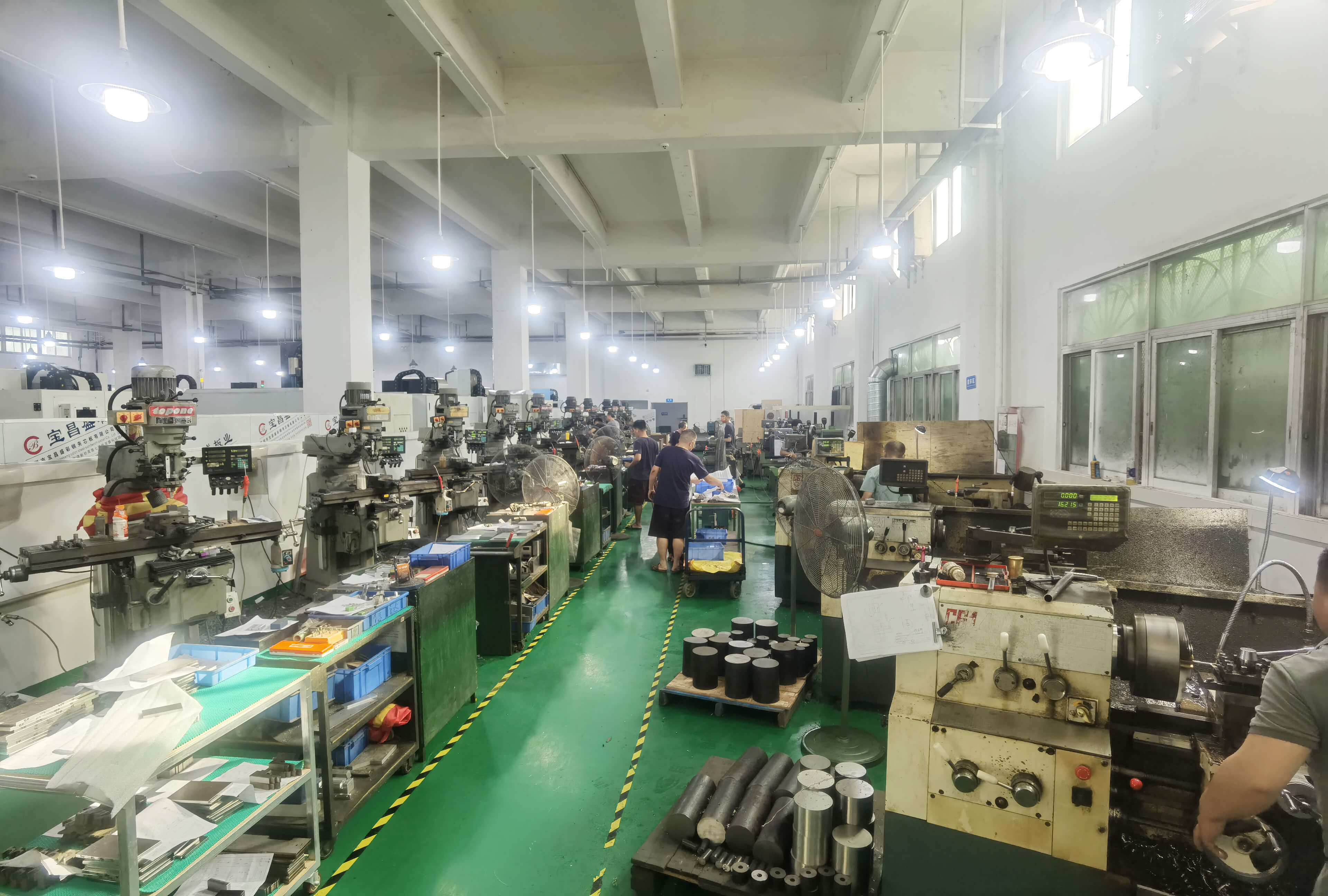
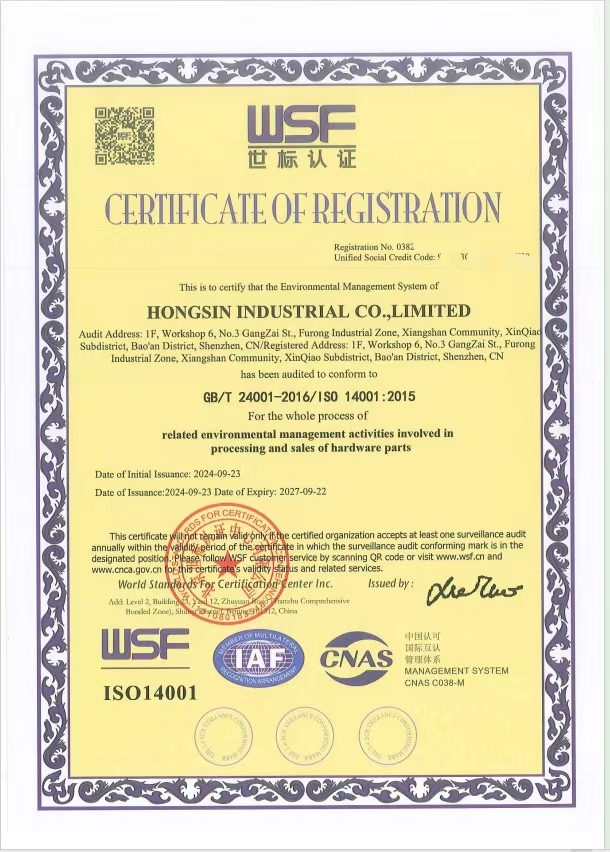
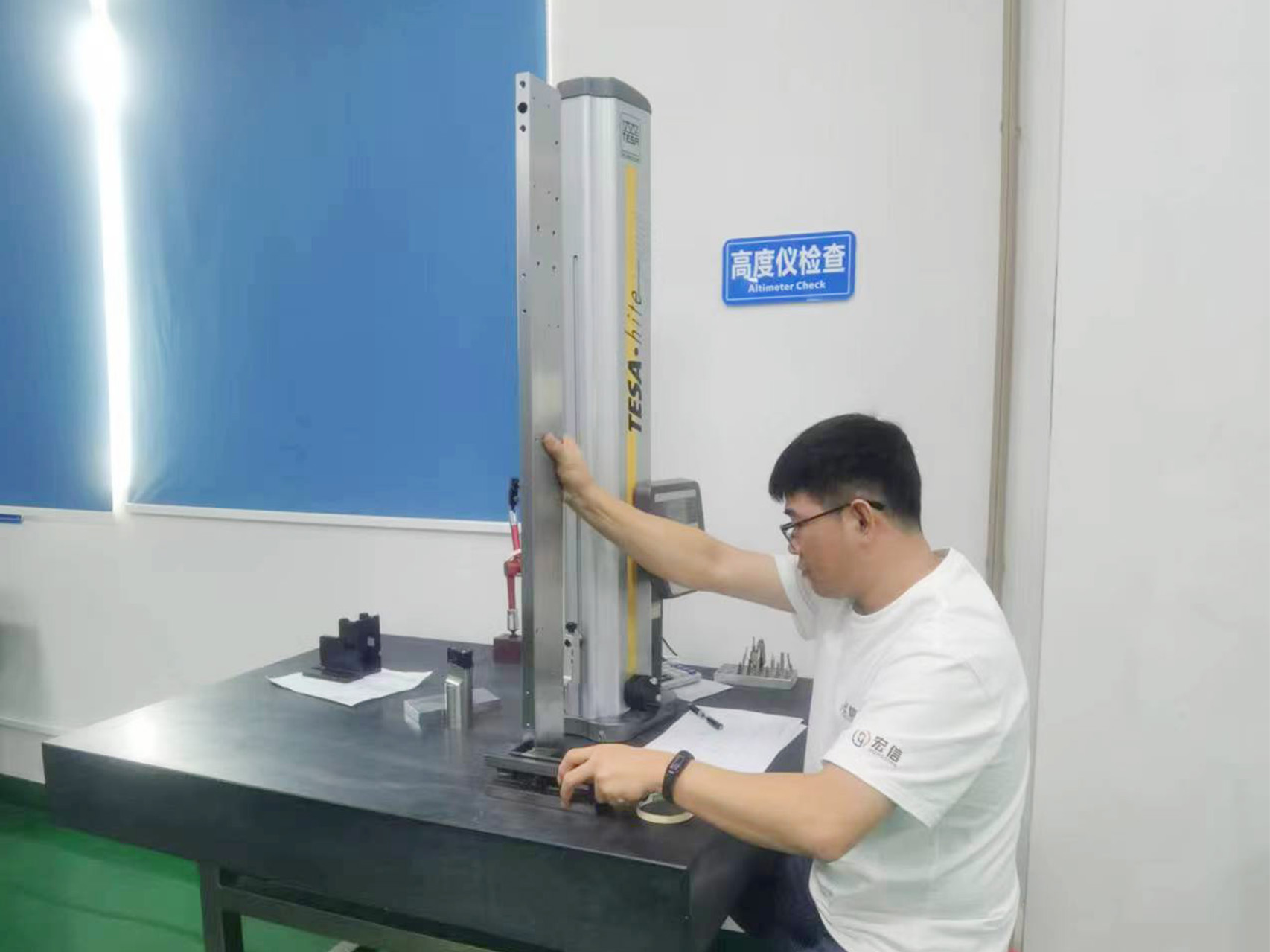
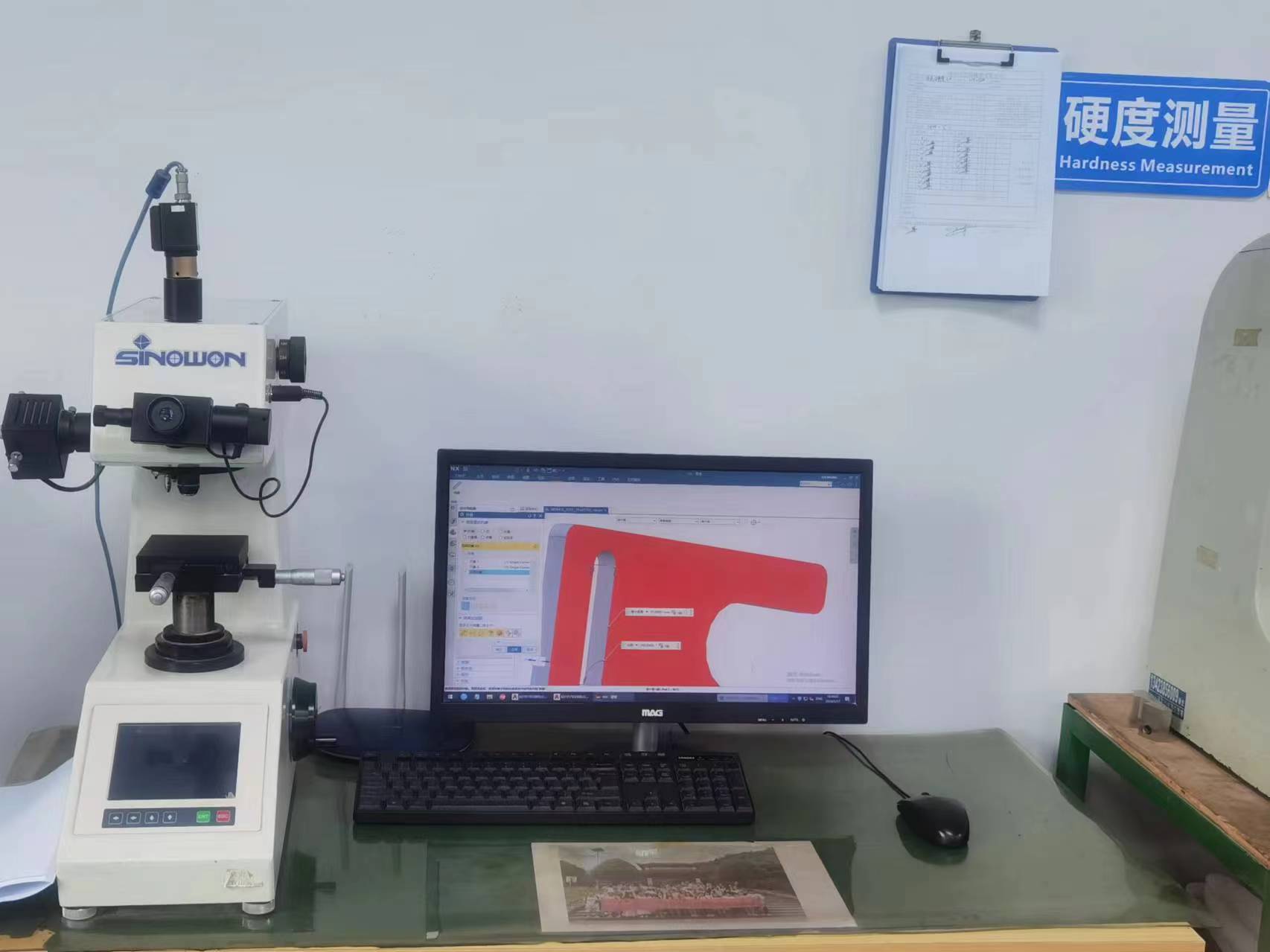
2.Complete produce equipment and test equipment. Independent Engineer team, to check drawings, provide quotation, write machining process, guide production.
3.Independent PMC department, to make production plan and manage delivery time.
4.Quick proofing, short delivery time, usually is 3-15 days
4.Quick proofing, short delivery time, usually is 3-15 days
5 .The company has gathered a rich group of technologicallyadvanced modern talents, which has laid a stable foundationfor the long-term development of the company.
6.Complex and difficult surface and functional structureof the hand plate model, We can all mold quickly.xxx
Common Applications
- functional prototypes and end-use parts
- parts with cylindrical features
- parts with axial and radial holes, flats, grooves, and slots
Types of CNC Turning
There are a wide variety of CNC turning operations that can be performed on the on-site tooling lathes at a CNC turning shop, including hard turning, parting, facing, boring, reaming, taper turning, drilling, knurling, threading, and slotting. These operations use different tools and have their own costs and setup times.
1. Taper Turning: Used to make cylindrical parts with a diameter that tapers from one end.
2. Hard Turning: Applicable to materials with a Rockwell hardness of more than 45, usually performed after heat treatment to ensure machining accuracy and surface quality.
3. Spherical generation: used to produce a spherical finished product, by rotating it around a fixed rotation axis.
4. End turning: machining the end face of a workpiece to its center, ensuring flatness and precision.
5. Parting: creating deep grooves to remove a completed or partially completed part from its parent stock.

6. Grooving: similar to parting, but only cuts to a specific depth from the outside or inside of the workpiece to form a notch.
7. Drilling: using a drill fixed to the lathe tailstock or tool turret, removes material from the inside of the workpiece to drill a hole, and can also enlarge or smooth existing holes.
8. Knurling: Using a knurling tool to cut a serrated pattern into the surface of a workpiece to change or enhance the visual effect and grip of the hand.
9. Reaming: Removing a small amount of material on the basis of drilling to obtain a higher precision hole diameter.
10. Threading: Used to spin standard and non-standard threads, usually refers to the processing of single-point threads.
11. Polygon turning: A machining operation that performs non-circular shapes without stopping the rotation of the raw material, capable of producing a variety of complex shapes.












Recommend Products
 Providing precision engineering machining services including CNC turning and milling services, CNC lathe components. cnc turning service
 Precision CNC parts for motorcycles and automotive machinery.
 CNC Machining Services in China for High Precision Parts
 Specializing in precision CNC machining for plastic components and tool steel.