


Leading provider of rapid prototyping CNC machining services and solutions.
Leading provider of rapid prototyping CNC machining services and solutions.
|
Traditional vs. Rapid Prototyping
Traditional product development prototyping typically involves the following steps:
Spending days or weeks designing the product using solid modeling software, creating a 3D CAD model and a set of 2D drawings.
Obtaining quotes from multiple manufacturers to produce the necessary components.
Waiting weeks or months to receive machine prototypes, often with a lack of effective communication during this period.

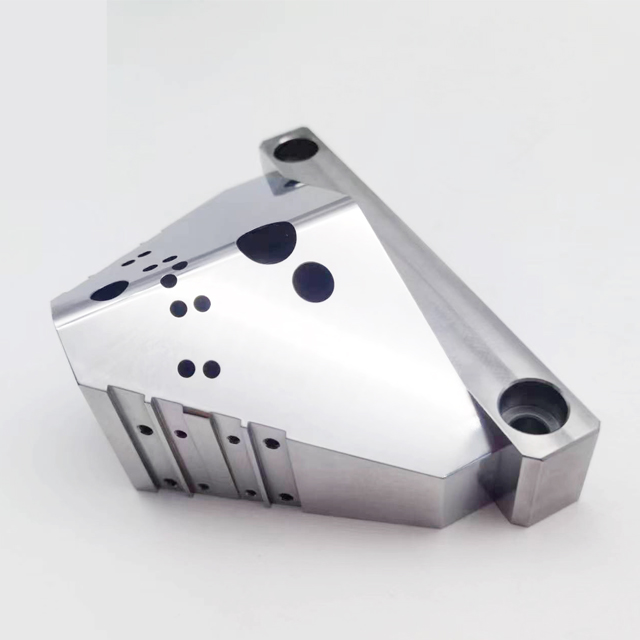
CNC Rapid Prototyping Processes
With the increasing prevalence of digital manufacturing, CNC machining has become an excellent choice for rapid prototyping, especially for the precision machining of prototypes. Here are some common CNC machining rapid prototyping processes:
Used to machine the most complex geometric shapes and achieve rapid material removal.
Specifically used for machining cylindrical parts, such as shafts or pins.
Used to manufacture components with precise and complex geometric shapes.
Industries That Can Benefit from Rapid CNC Machining Prototyping
Many industries can utilize CNC machining for the development of functional or rapid precision prototypes. Here are some of the most common industries that rely on CNC machining processes:
Manufacturing complex parts and components to meet stringent safety and performance standards.
Developing and testing parts for new vehicle models, allowing for rapid design iterations.
Producing precise prototypes of medical devices and implants to meet specific patient needs.
Manufacturing efficient components for agricultural machinery and equipment to improve productivity.
Rapidly developing and producing prototypes of everyday consumer products to adapt to market changes.
Precisely manufacturing housings and internal components for electronic devices, ensuring compatibility and functionality.


