


Precision CNC machining services tailored for medical device manufacturing.
Hongsinn-536
Experience excellence in medical device manufacturing with our specialized CNC machining services. Trust our precision engineering for top-quality components that meet the rigorous standards of the medical industry. Elevate your production with our cutting-edge CNC solutions today.
Delivery
FOB
minimum order
1 piece
Supply Ability
5000piece / Week
Country of Origin
Shenzhen
Stock Time
7~15Day
Quantity:
US $0.59 - US $10.68 / piece
Precision CNC machining services tailored for medical device manufacturing.
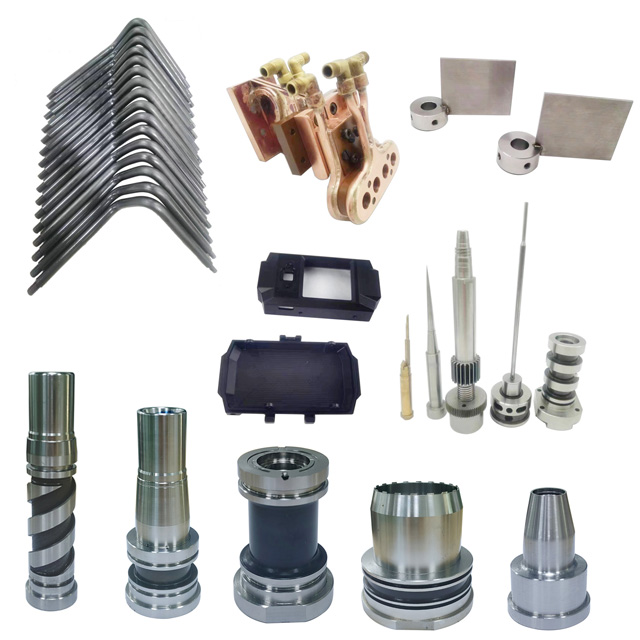
CNC machining plays a critical role in medical device manufacturing, offering high precision, repeatability, and material versatility. From surgical instruments to implants, CNC-machined components must meet stringent regulatory standards.
What is CNC machining?
Computer numerical control (CNC) machining is a production technology that uses computer-controlled machines to precisely cut, shape, and form parts. It can create complex geometric shapes using materials such as metal (such as aluminum, steel, and titanium), plastic, or wood.
The term CNC machining encompasses multiple processes, including cutting, milling, turning, drilling, grinding, routing, and polishing. By following preprogrammed instructions, CNC machines ensure a high level of consistency, accuracy, and reliability.
CNC machining is a highly cost-effective production method because it minimizes scrap, defects, manual labor, and setup time. This makes it suitable for both high-volume and low-volume production, as well as for creating one-off custom parts.
Modern CNC machine tools feature multi-axis capabilities, automated tool changes, and advanced automation, further optimizing production efficiency. The versatility of CNC machining has led to its widespread adoption across various manufacturing sectors, including automotive, aerospace, electronics, and medical. Furthermore, the emergence of desktop-sized CNC machines has made this technology accessible to hobbyists and small manufacturers. These miniaturized machines are generally easier to operate and suitable for smaller-scale projects.
Processing | CNC Turning, CNC Milling, Laser Cutting, Bending, Spinning, Wire Cutting, Stamping, Electric Discharge Machining (EDM), Injection Molding | |||
Materials | Aluminum: 2000 series, 6000 series, 7075, 5052, etc. | |||
Stainless steel: SUS303, SUS304, SS316, SS316L, 17-4PH, etc. | ||||
Steel: 1214L/1215/1045/4140/SCM440/40CrMo, etc. | ||||
Brass: 260, C360, H59, H60, H62, H63, H65, H68, H70, Bronze, Copper | ||||
Titanium: Grade F1-F5 | ||||
Plastic: Acetal/POM/PA/Nylon/PC/PMMA/PVC/PU/Acrylic/ABS/PTFE/PEEK etc. | ||||
Surface Treatment | Anodized, Bead Blasted, Silk Screen, PVD Plating, Zinc/Nickel/Chrome/Titanium Plating, Brushing, Painting, Powder Coated, Passivation, Electrophoresis, Electro Polishing, Knurl, Laser/Etch/Engrave etc. | |||
Tolerance | ±0.002 ~ ±0.005mm | |||
Surface Roughness | Min Ra 0.1~3.2 | |||
1.Direct OEM/0DM manufacturer, advanced produce technical,the highest tolerance we can reach to ±0.005mm;
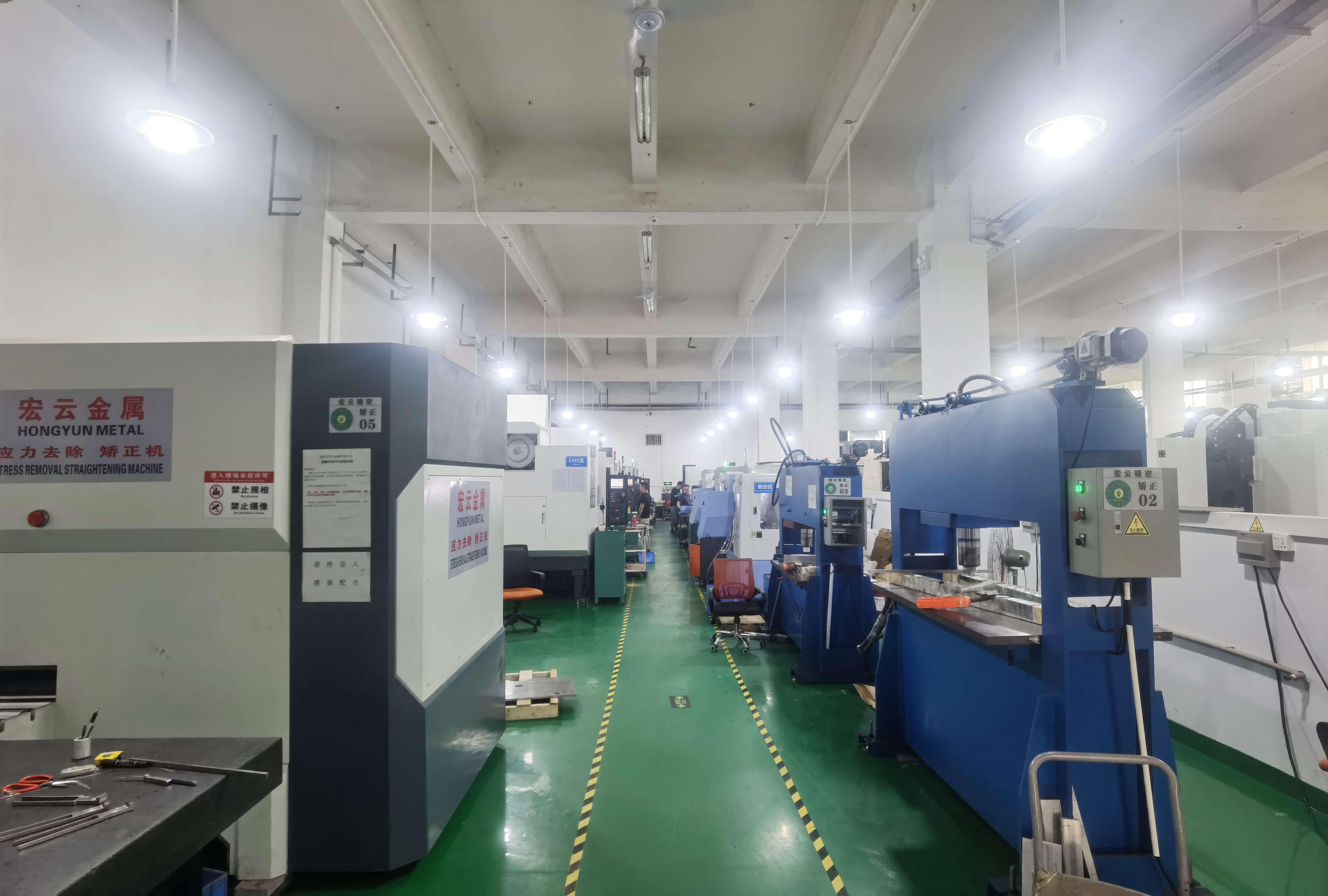
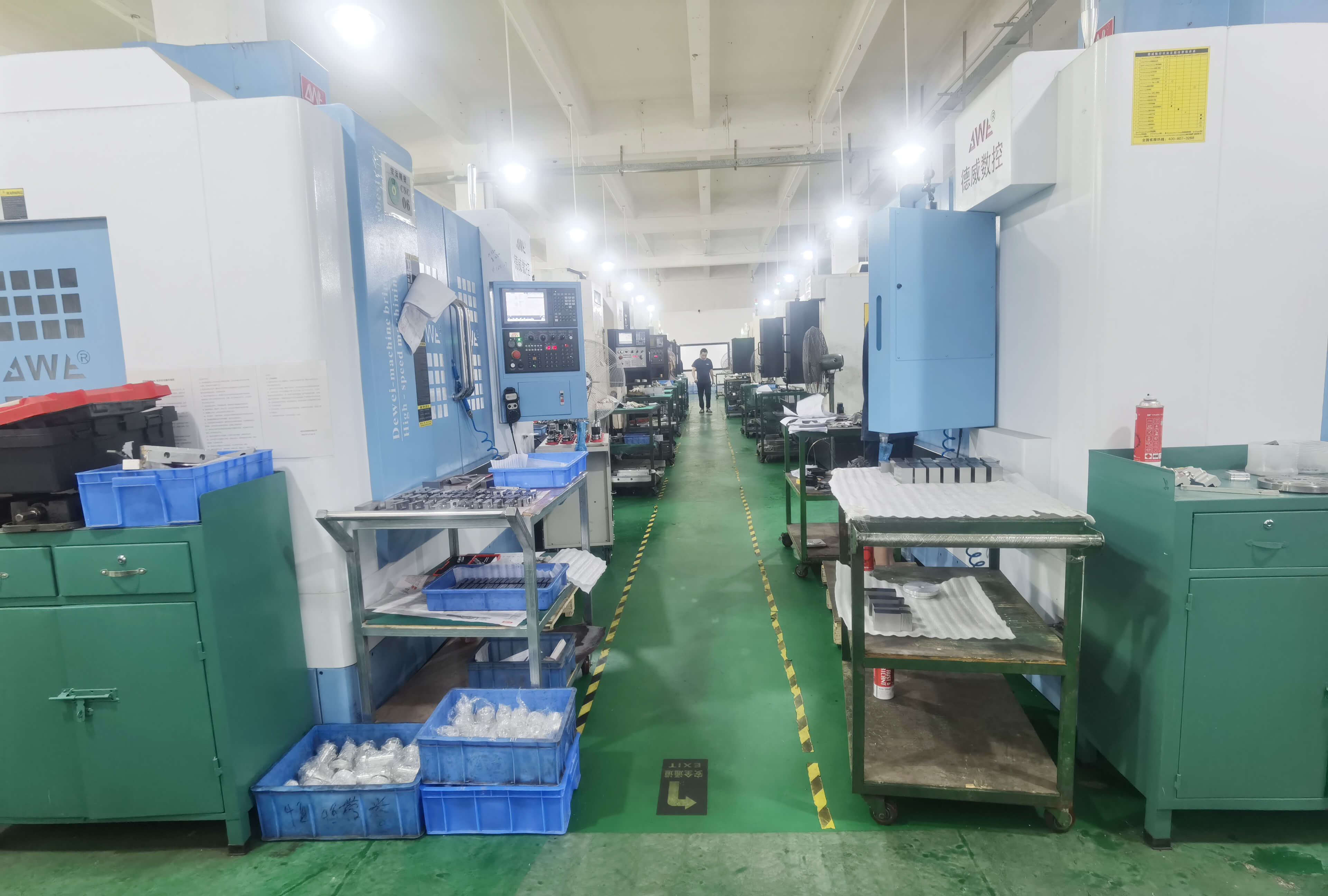
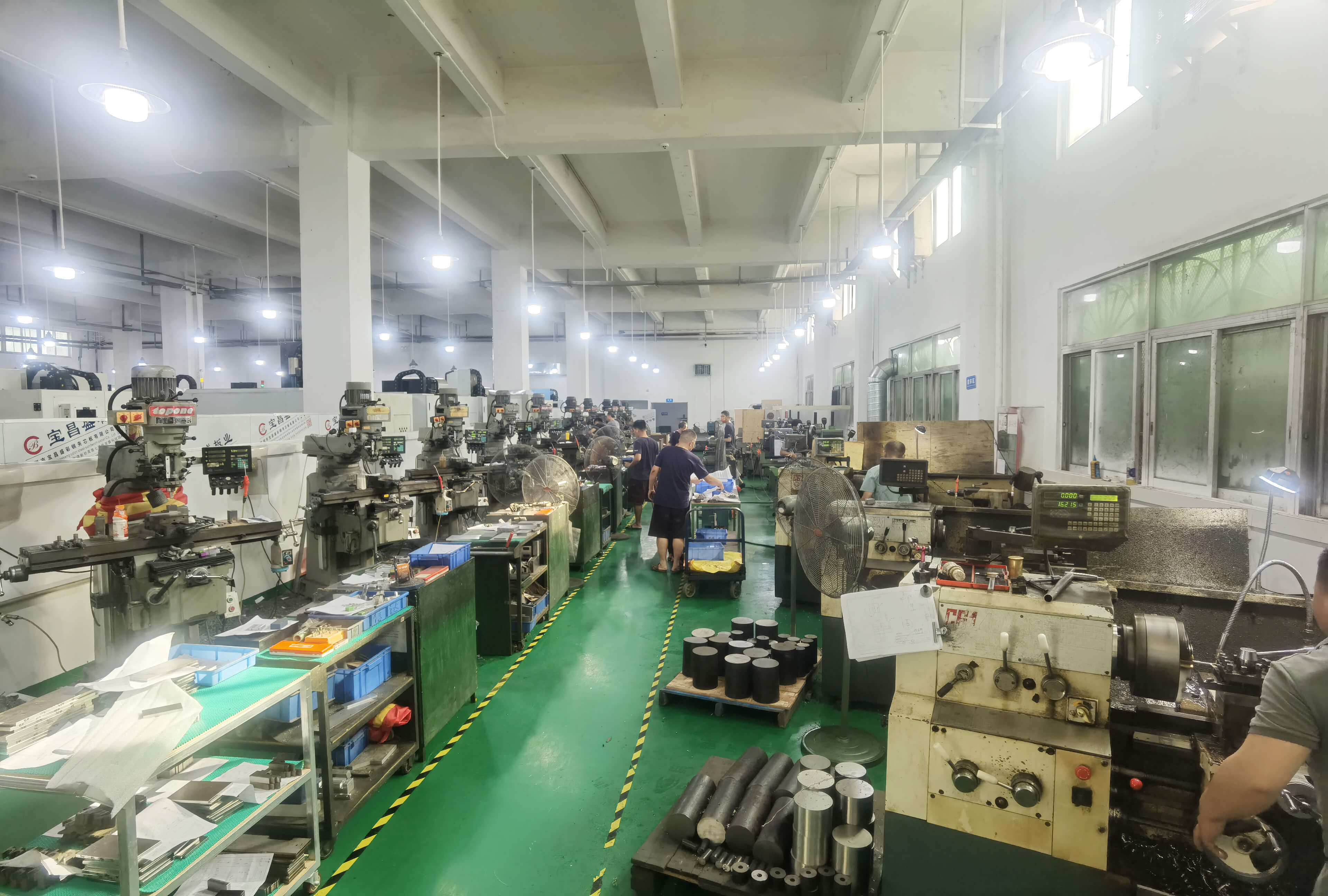
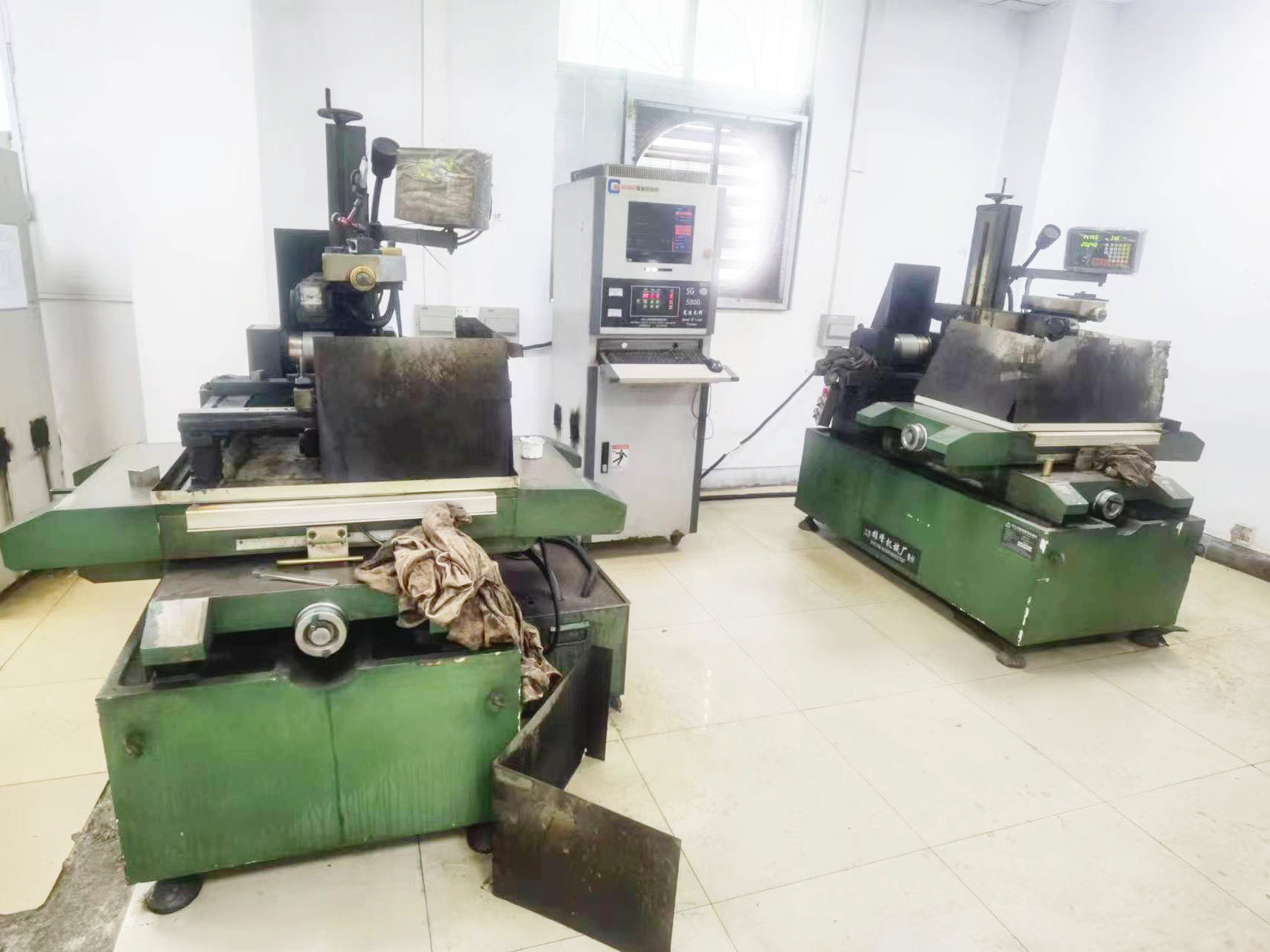
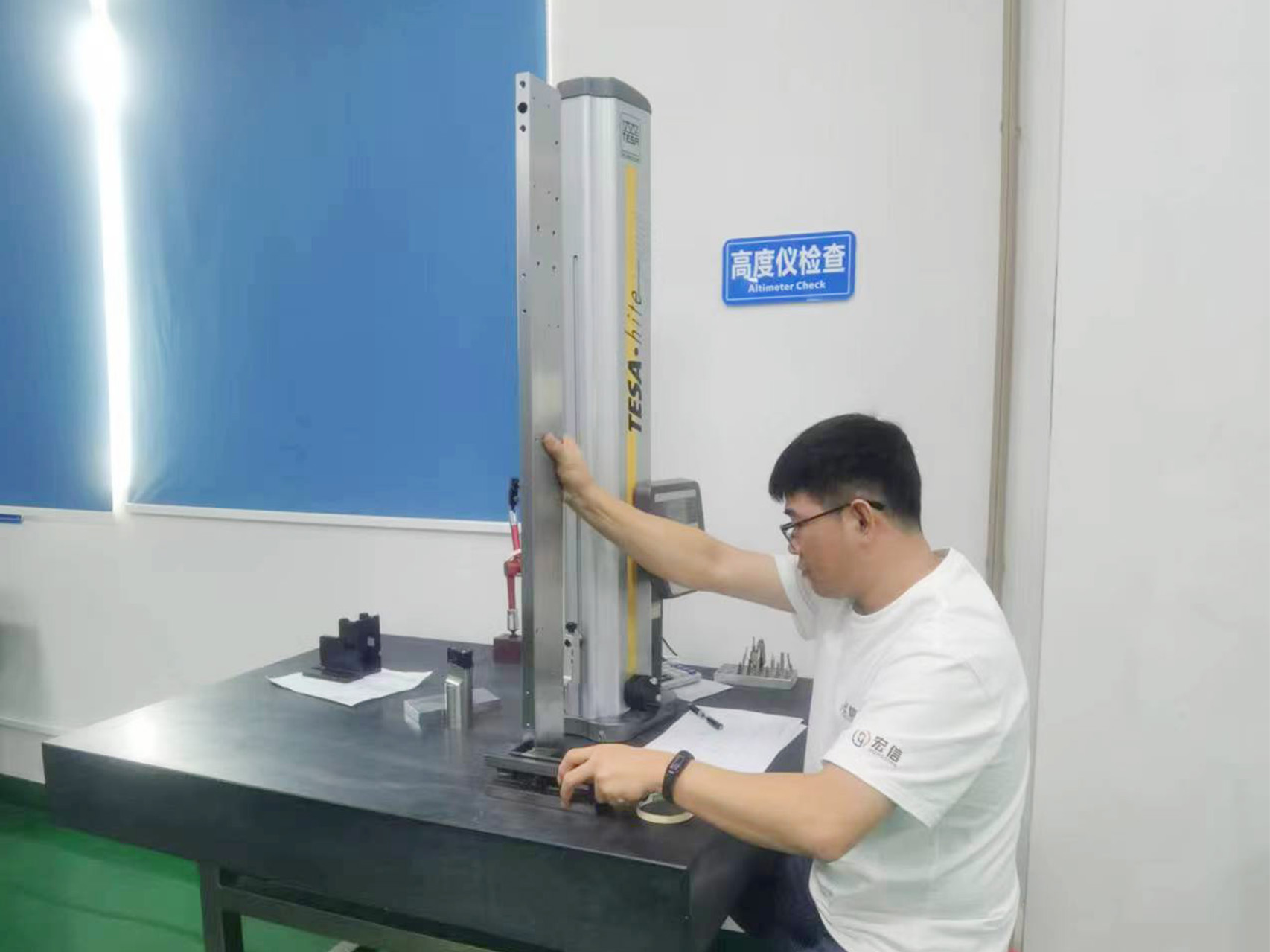
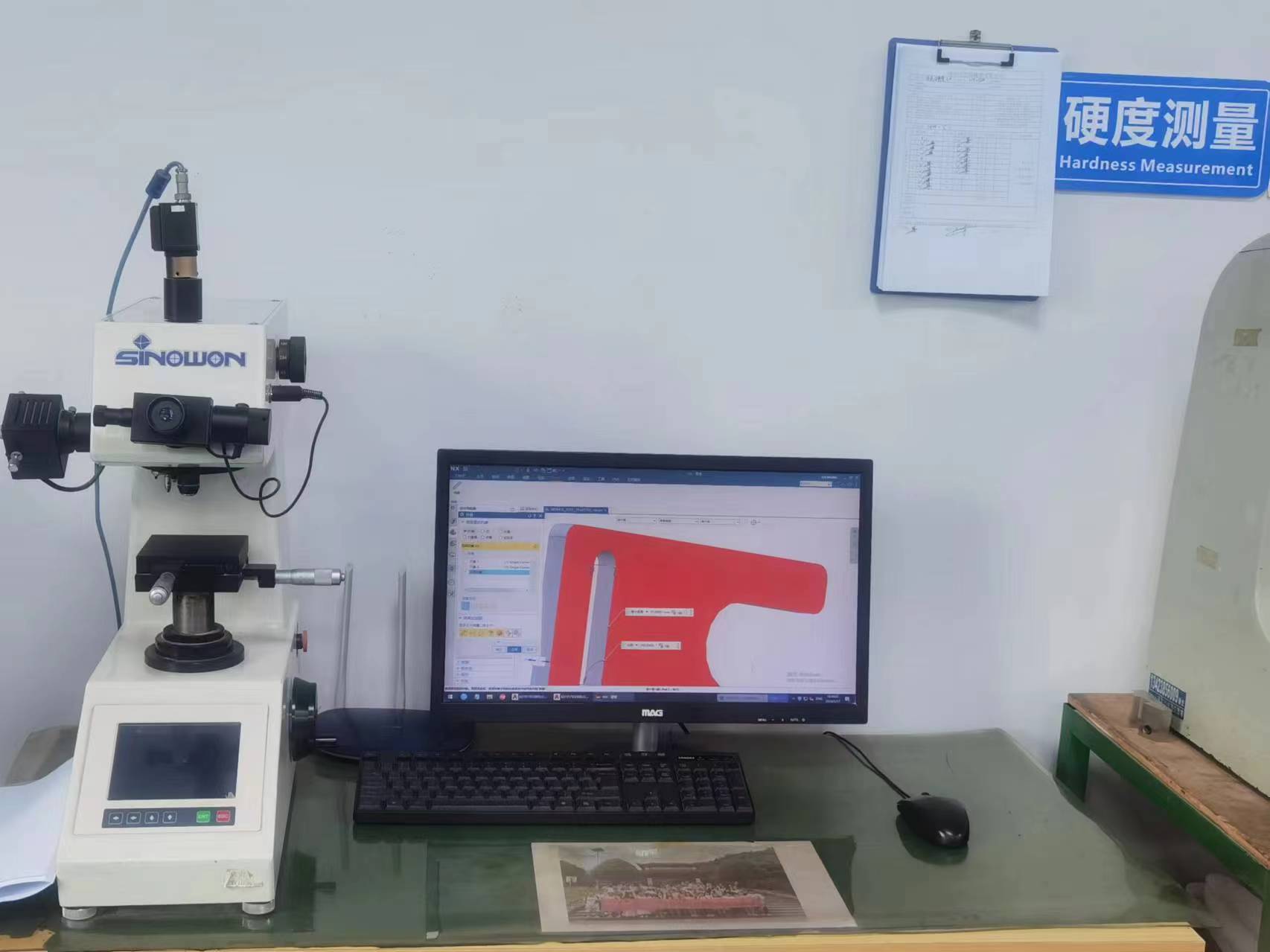
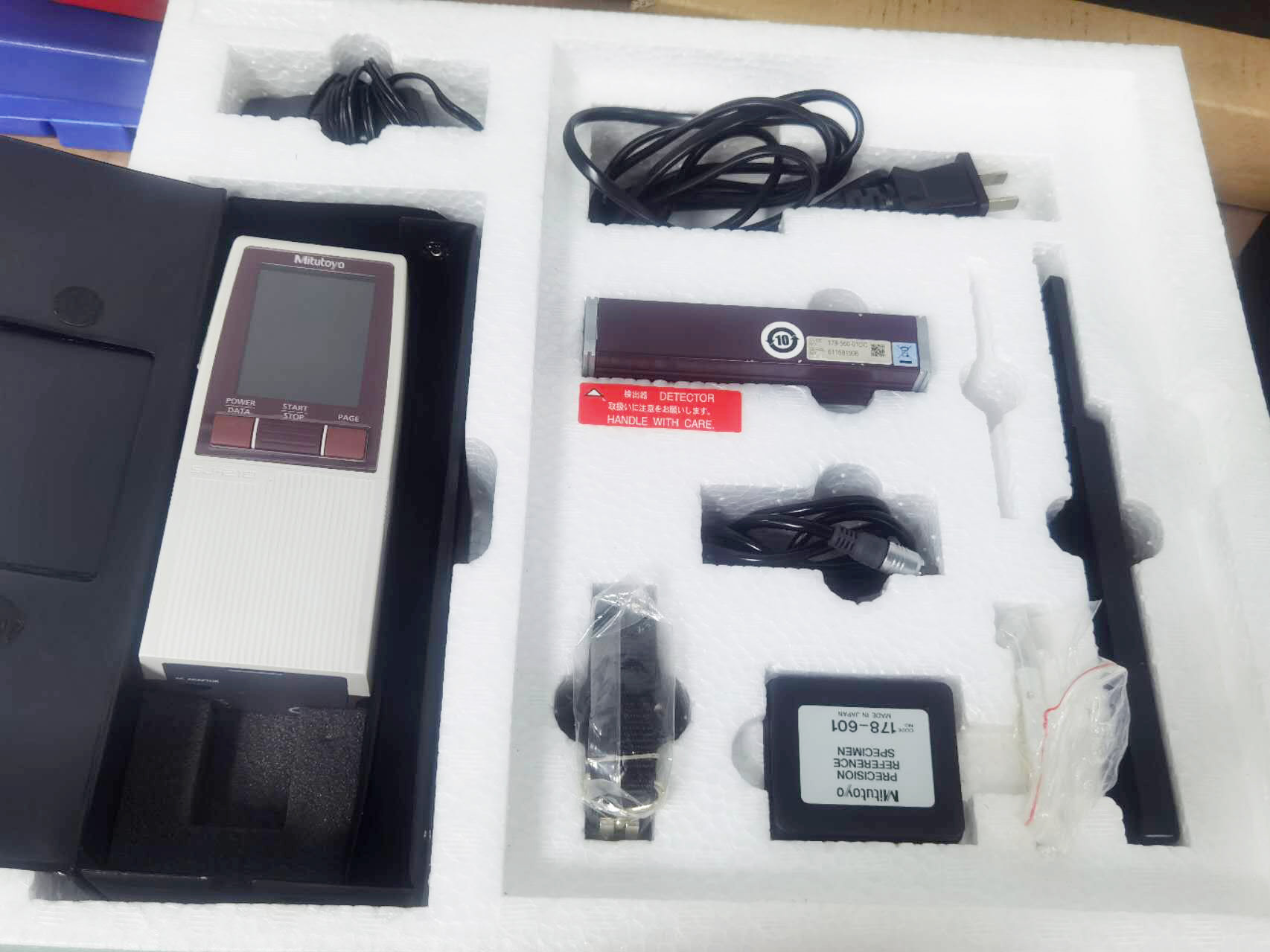
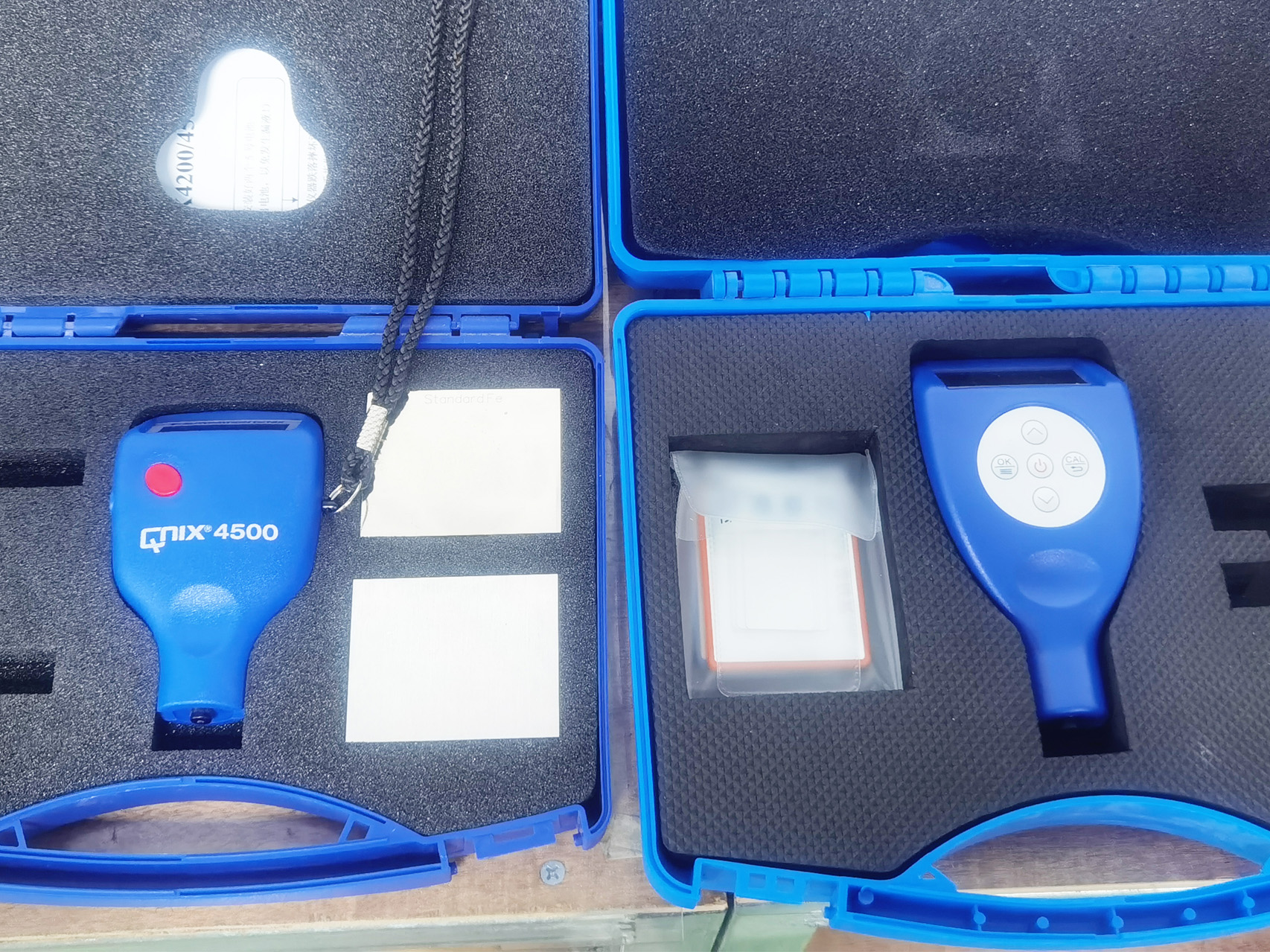
2.Complete produce equipment and test equipment. Independent Engineer team, to check drawings, provide quotation, write machining process, guide production.
3.Independent PMC department, to make production plan and manage delivery time.
4.Quick proofing, short delivery time, usually is 3-15 days
4.Quick proofing, short delivery time, usually is 3-15 days
5 .The company has gathered a rich group of technologicallyadvanced modern talents, which has laid a stable foundationfor the long-term development of the company.
6.Complex and difficult surface and functional structureof the hand plate model, We can all mold quickly.xxx
The Future of CNC Machining in the Medical Field
The future of CNC machining in the medical field holds great promise. With advancements in automation, materials science, the integration of additive manufacturing, digital technologies, customization, and quality assurance, innovation will continue to drive the development of medical devices. These advances will lead to safer, more efficient, and patient-centric medical solutions, further enhancing the overall effectiveness and quality of care within the healthcare industry.
Increased Automation and Digitalization
Automation is playing an increasingly important role in CNC machining in the medical field. The application of robotics, artificial intelligence (AI), and machine learning (ML) will further automate tasks such as material handling and tool changing. This will significantly improve the efficiency of medical device manufacturing, shorten build times, and increase productivity.
At the same time, CNC machining will be more seamlessly integrated with digital technologies such as computer-aided design (CAD), computer-aided manufacturing (CAM), and simulation tools. This will streamline the design-to-production workflow, enabling faster prototyping and testing, iterative design improvements, and enhanced quality control. Real-time data analysis, monitoring, and feedback will ensure the highest quality standards, reduce errors, and optimize machining parameters, thereby improving efficiency and precision.
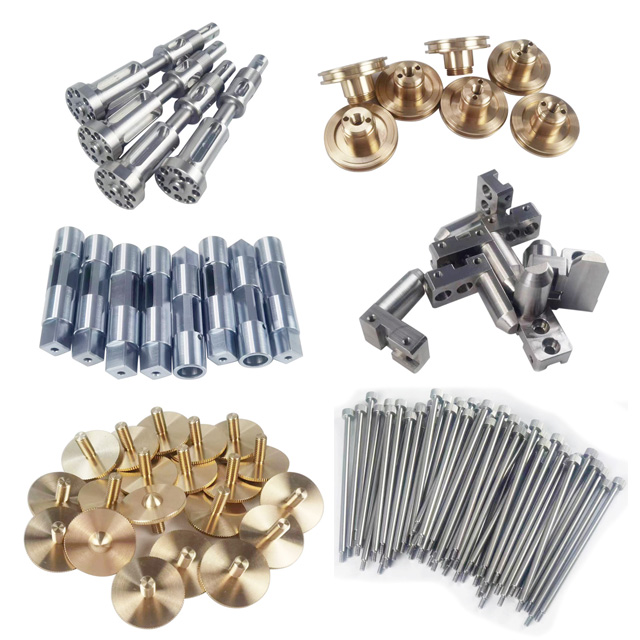
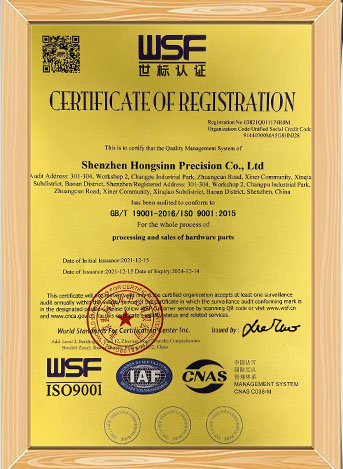
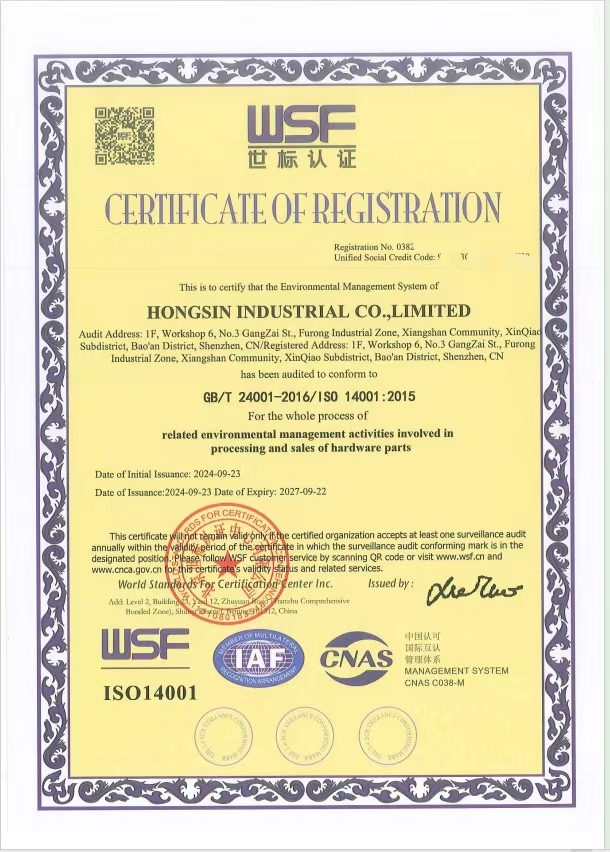
CNC machining is indispensable in medical device manufacturing, offering unmatched precision, material flexibility, and compliance with regulatory requirements. By partnering with certified CNC machining providers, medical companies can ensure high-quality, reliable components for life-saving applications.












Recommend Products
 Providing precision engineering machining services including CNC turning and milling services, CNC lathe components. cnc turning service
 Precision CNC parts for motorcycles and automotive machinery.
 CNC Machining Services in China for High Precision Parts
 Specializing in precision CNC machining for plastic components and tool steel.