


Specializing in CNC turning and milling parts for precision machining.
Hongsinn-658
Precision CNC Turning & Milling Parts - Elevate Your Projects with Expert Machining Solutions Today!
Delivery
FOB
minimum order
1 piece
Supply Ability
5000piece / Week
Country of Origin
Shenzhen
Stock Time
7~15Day
Quantity:
US $0.59 - US $10.68 / piece
Specializing in CNC turning and milling parts for precision machining.
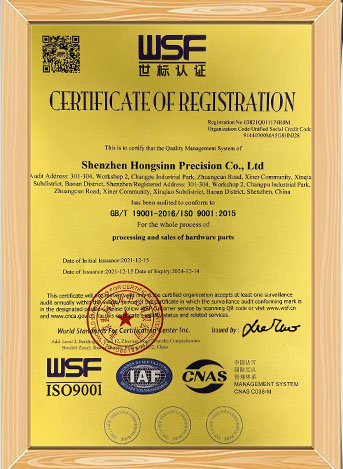
At Shenzhen Hongsinn Precision Co., Ltd. we specialize in manufacturing precision CNC turning milling parts, providing comprehensive CNC milling and turning parts solutions, and delivering high-quality turning and milling parts for industries demanding exacting standards. Our integrated machining capabilities combine advanced turning and milling technologies to produce complex components with unmatched precision.

Types of Turning
Linear turning (also known as cylindrical turning) is a type of machining that reduces the working diameter in a uniform motion to prevent diameter variation. Linear turning is often considered a"roughing"operation because a large amount of material needs to be removed before precision cutting can be performed.
Taper Turning: This process produces cylindrical parts with decreasing diameters.
Sphering: This process occurs when the program creates a shape around a fixed axis of rotation, or when a specific half-circle tool is used to reduce the diameter to zero to make a perfect sphere.
Grooving: Grooving is accomplished when a forming tool is pressed into a component to gouge a groove, creating a narrow cavity.
Parting: This process is used to chisel deep into a component to remove a complete part from the original stock piece.
Knurling:This is done by cutting a sawtooth pattern into the surface of the material, usually used for materials that need extra grip.
Threading: This is done by cutting in a spiral path to create grooves that can be screwed into other objects.
Processing | CNC Turning, CNC Milling, Laser Cutting, Bending, Spinning, Wire Cutting, Stamping, Electric Discharge Machining (EDM), Injection Molding | |||
Materials | Aluminum: 2000 series, 6000 series, 7075, 5052, etc. | |||
Stainless steel: SUS303, SUS304, SS316, SS316L, 17-4PH, etc. | ||||
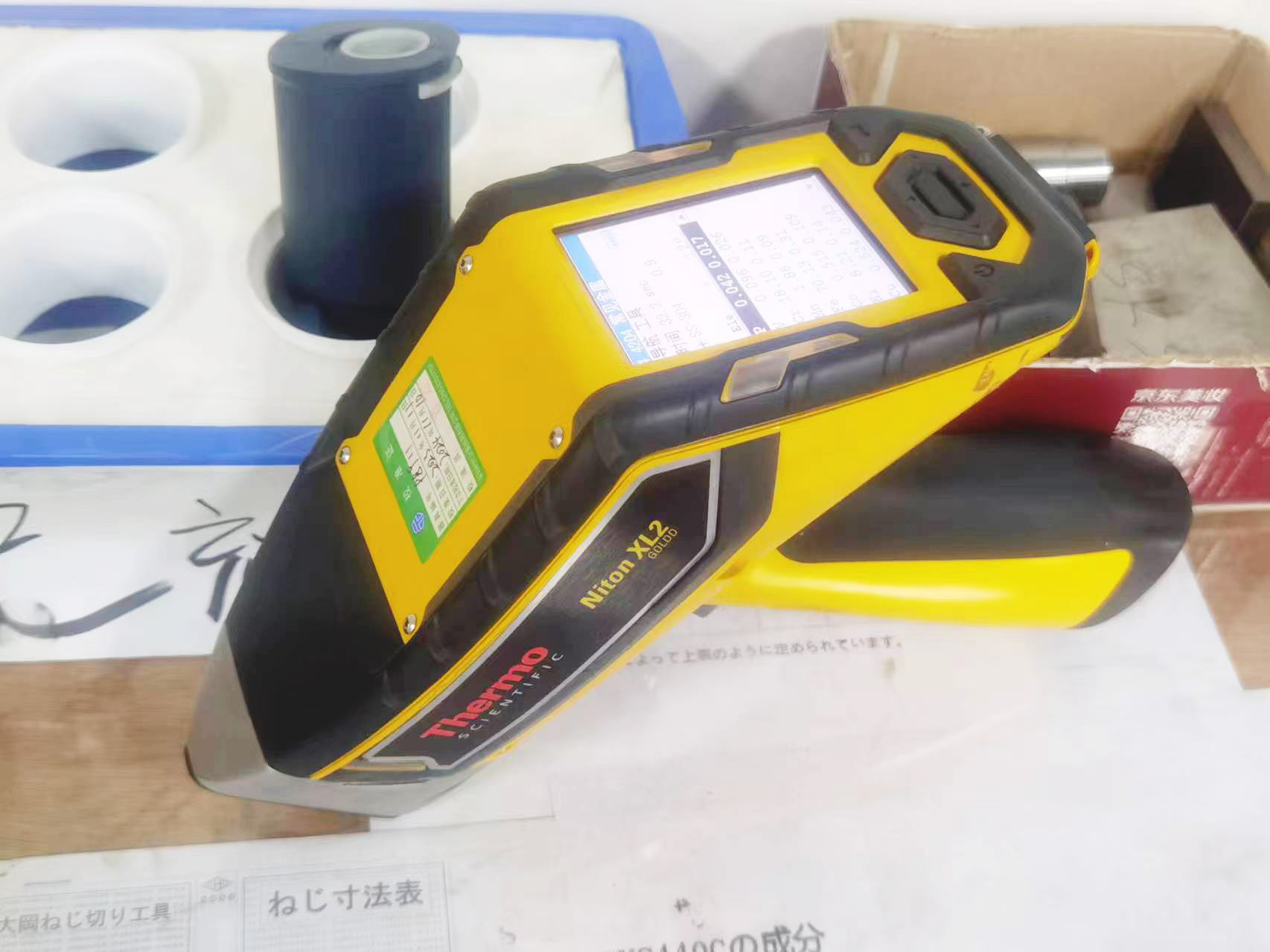
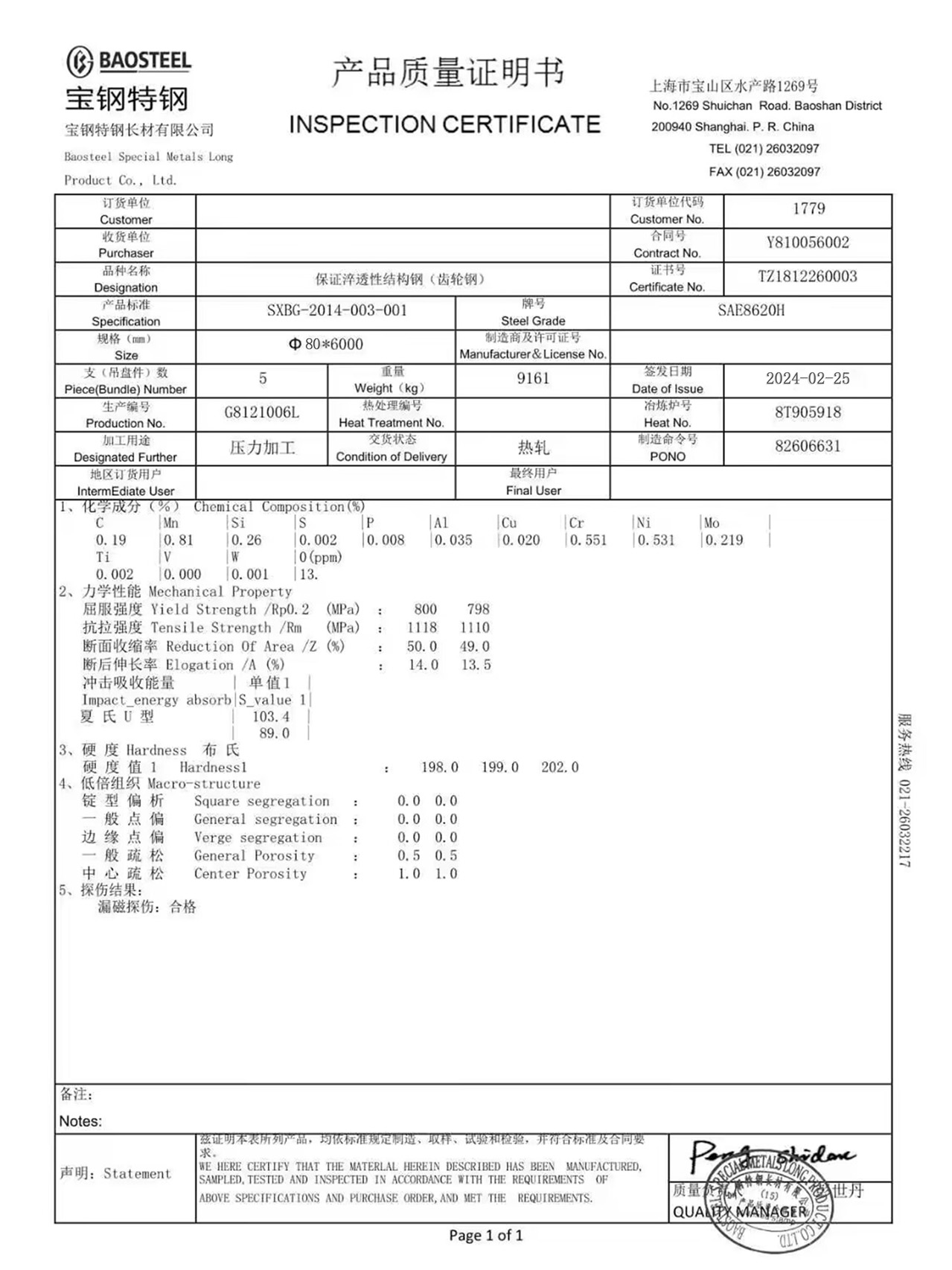
Steel: 1214L/1215/1045/4140/SCM440/40CrMo, etc. | ||||
Brass: 260, C360, H59, H60, H62, H63, H65, H68, H70, Bronze, Copper | ||||
Titanium: Grade F1-F5 | ||||
Plastic: Acetal/POM/PA/Nylon/PC/PMMA/PVC/PU/Acrylic/ABS/PTFE/PEEK etc. | ||||
Surface Treatment | Anodized, Bead Blasted, Silk Screen, PVD Plating, Zinc/Nickel/Chrome/Titanium Plating, Brushing, Painting, Powder Coated, Passivation, Electrophoresis, Electro Polishing, Knurl, Laser/Etch/Engrave etc. | |||
Tolerance | ±0.002 ~ ±0.005mm | |||
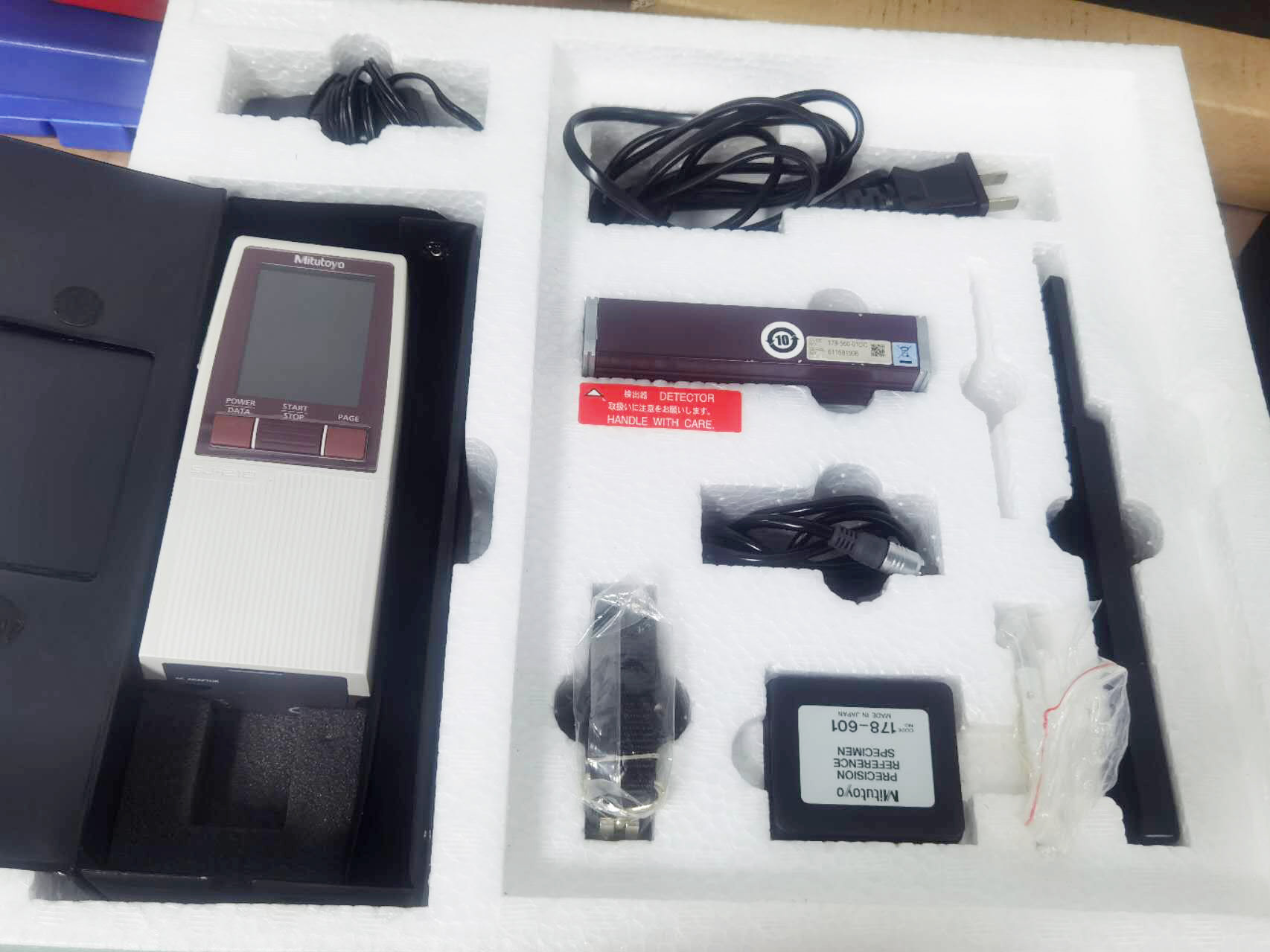
Surface Roughness | Min Ra 0.1~3.2 | |||
1.Direct OEM/0DM manufacturer, advanced produce technical,the highest tolerance we can reach to ±0.005mm;
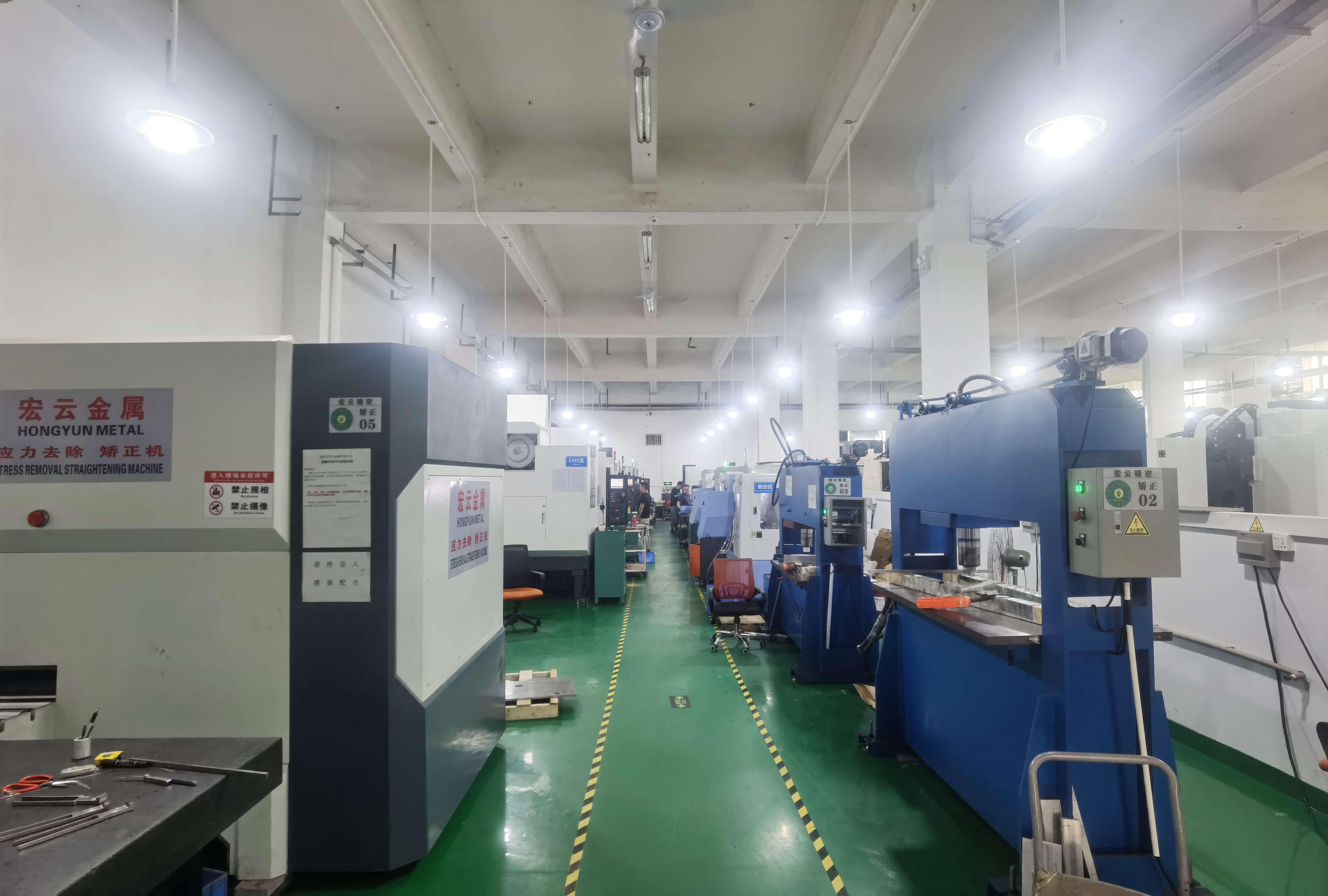
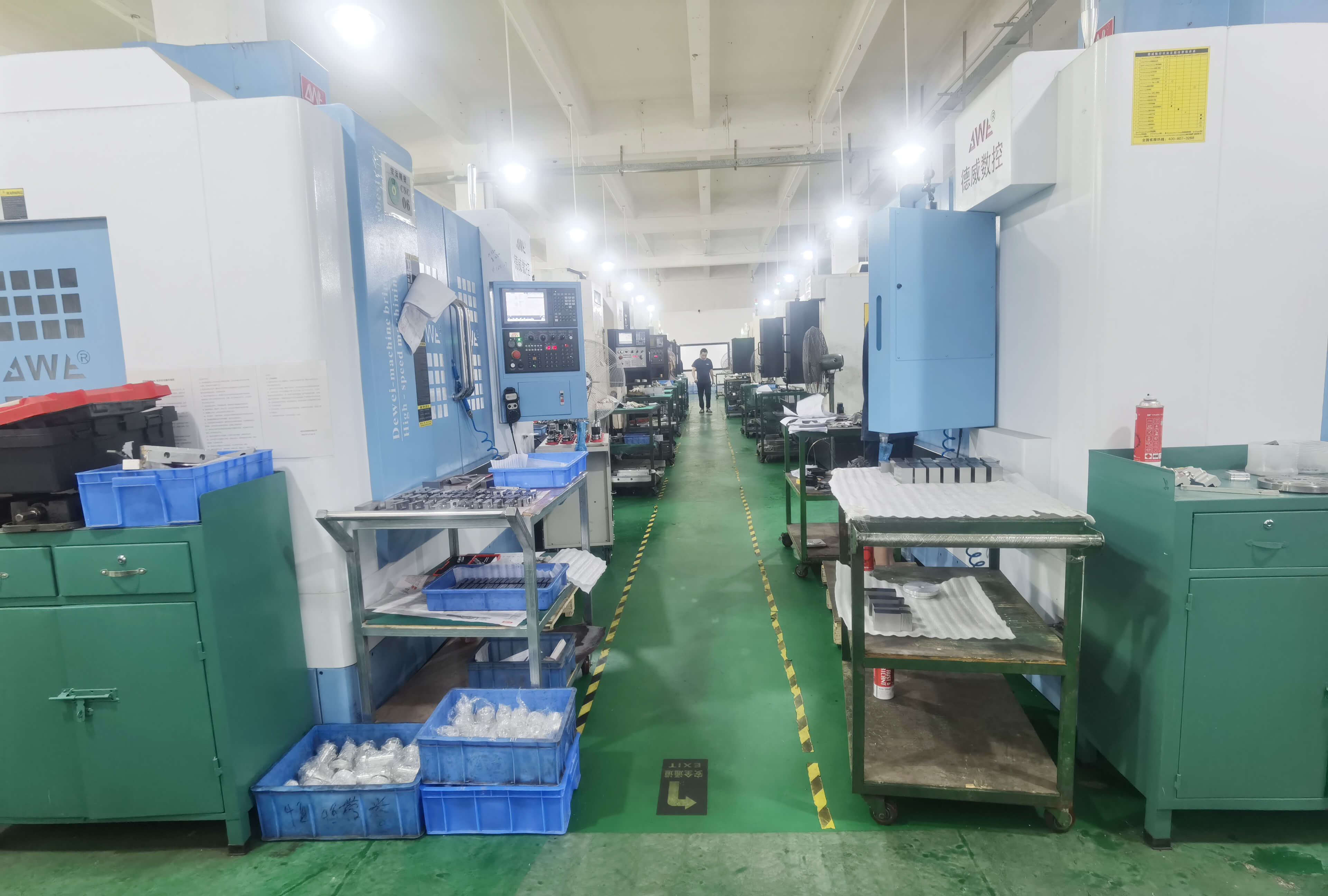
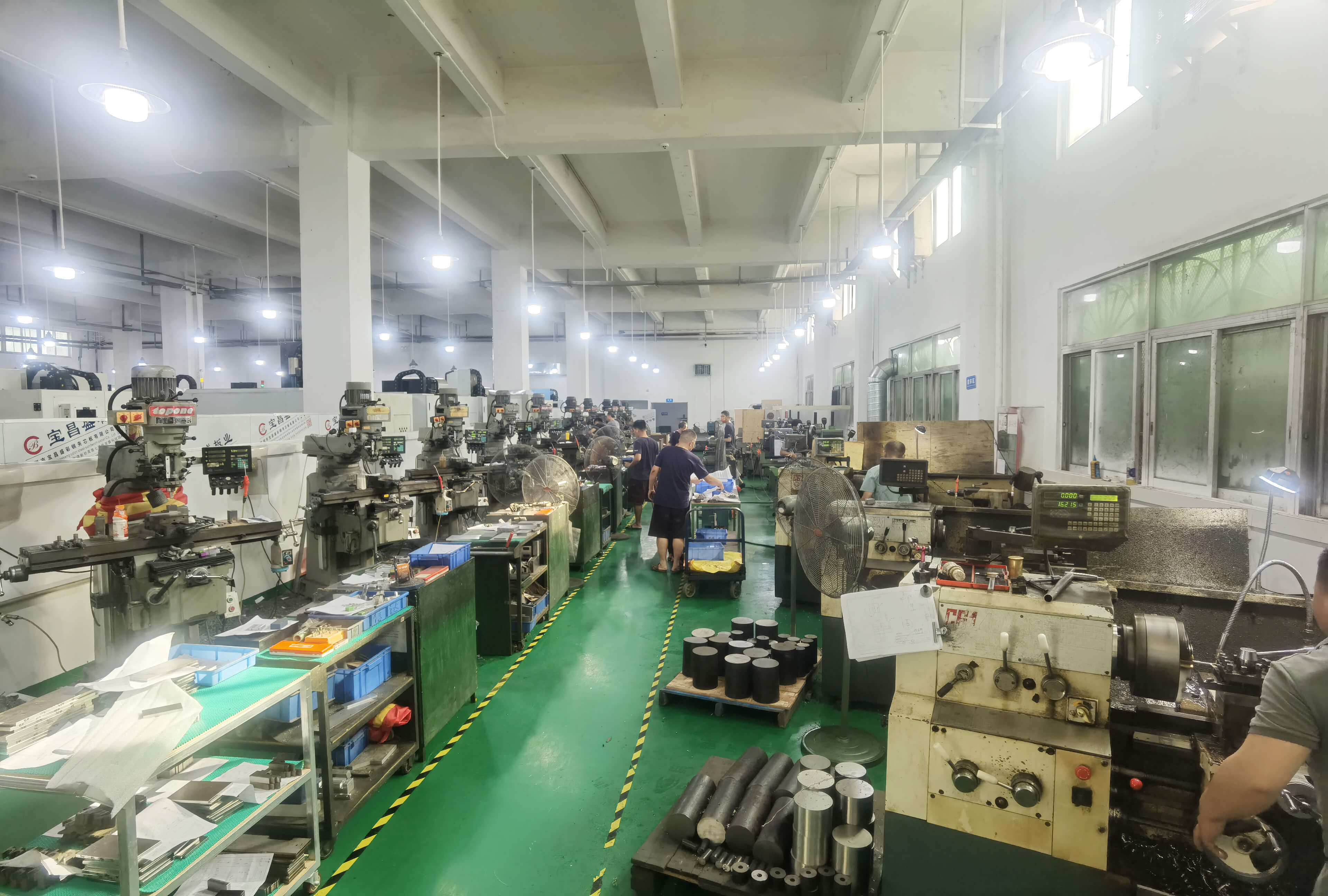
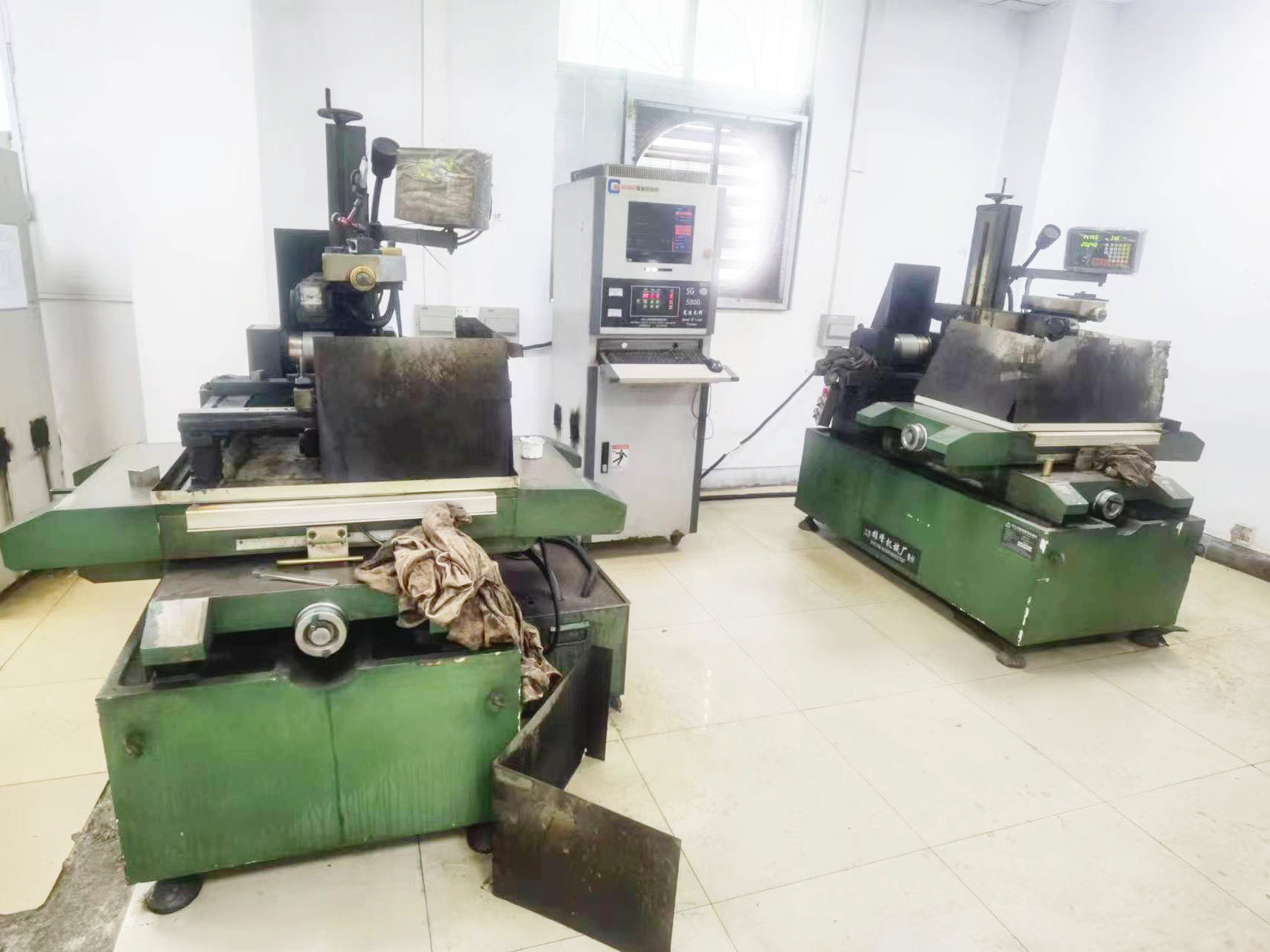
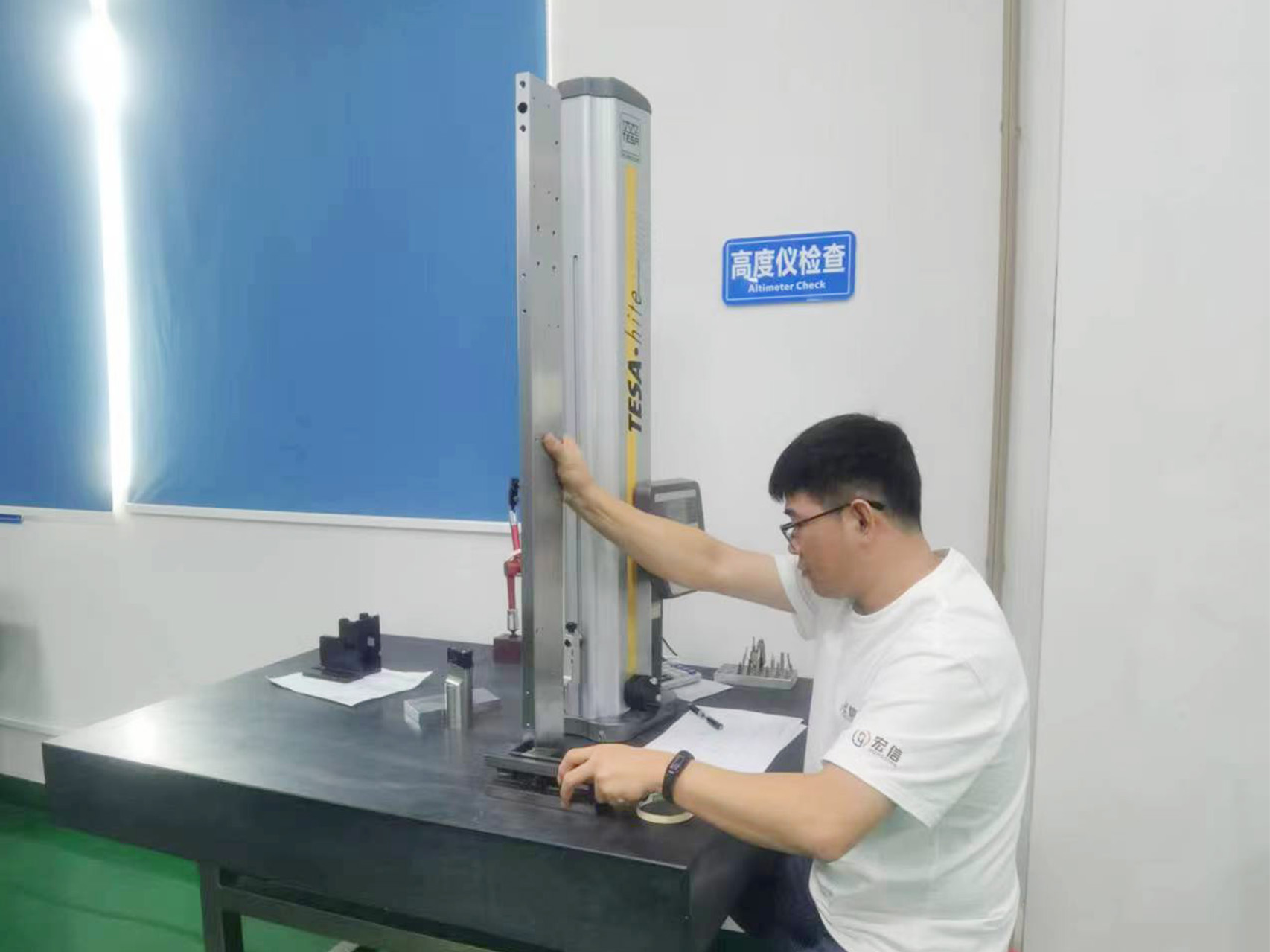
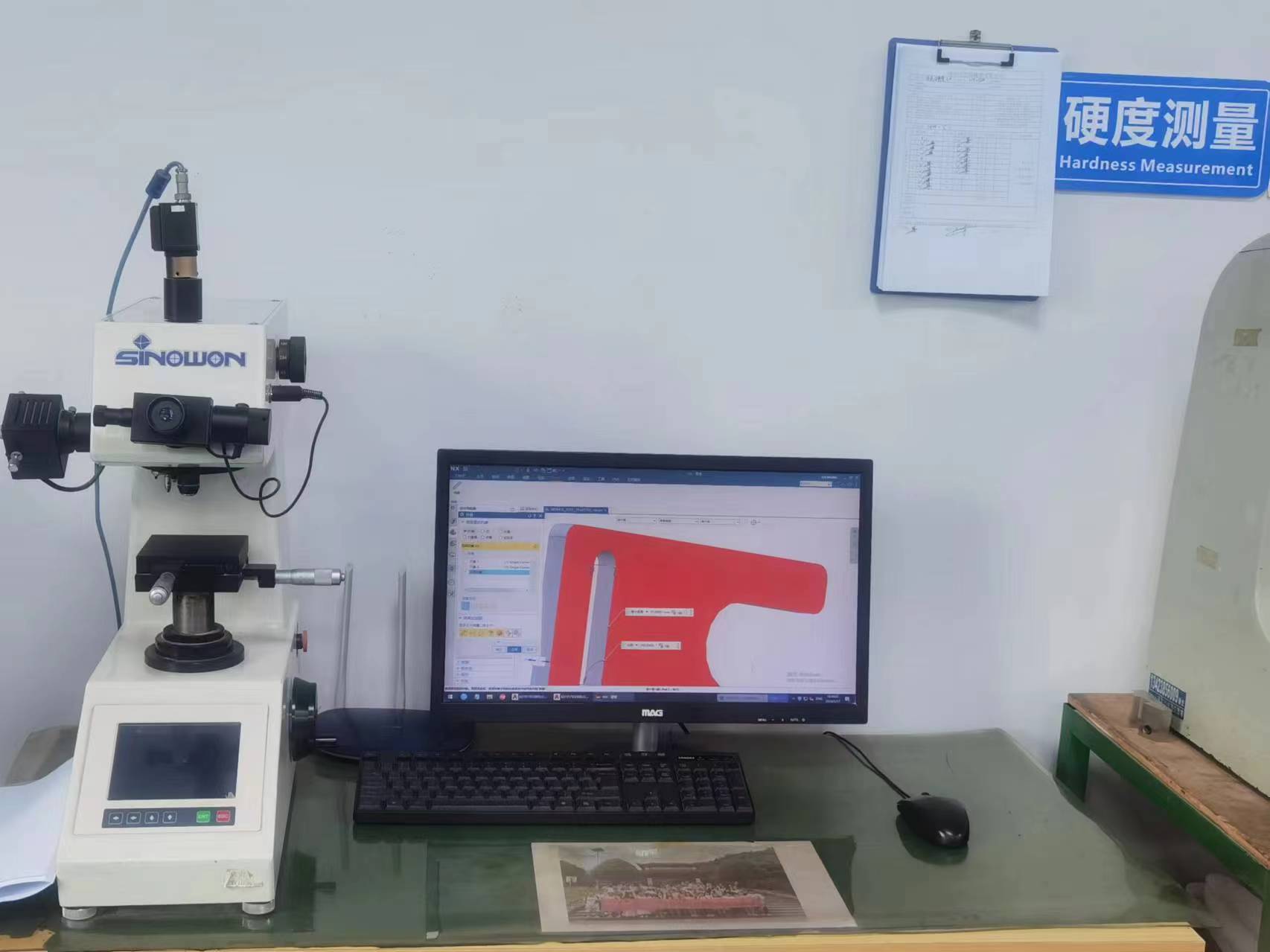
2.Complete produce equipment and test equipment. Independent Engineer team, to check drawings, provide quotation, write machining process, guide production.
3.Independent PMC department, to make production plan and manage delivery time.
4.Quick proofing, short delivery time, usually is 3-15 days
4.Quick proofing, short delivery time, usually is 3-15 days
5 .The company has gathered a rich group of technologicallyadvanced modern talents, which has laid a stable foundationfor the long-term development of the company.
6.Complex and difficult surface and functional structureof the hand plate model, We can all mold quickly.xxx
Advantages of Turning
Wide range of materials: Although turning is primarily used in metalworking, almost all materials, such as wood and plastic, can be turned, making the process very flexible.
Excellent tolerances: The turning process is capable of producing parts with extremely tight tolerances. Because it provides precise tolerances and excellent surface finish, turning is often used to add precise rotating features to basic shapes formed by other methods.
Short lead times: Turning has a short lead time, which refers to the time from when a customer places an order to when the final goods are delivered. Because the turning process is relatively fast, production can be completed quickly and delivered in a timely manner.
Low operator skill requirements: The turning process does not require a highly skilled operator. Although machinists who operate CNC lathes must complete certain courses and obtain certification, the overall skill requirements are relatively low.
Adjustable material removal speed: Another advantage of turning is the adjustable speed at which material is removed. The lathe can run at different speeds, depending on the material being processed or the desired end product, giving it the flexibility to respond to different processing needs.













Recommend Products
 Providing precision engineering machining services including CNC turning and milling services, CNC lathe components. cnc turning service
 Precision CNC parts for motorcycles and automotive machinery.
 CNC Machining Services in China for High Precision Parts
 Specializing in precision CNC machining for plastic components and tool steel.