CNC Captions and Solutions for Precision Machining
Hongsinn-904
We provide comprehensive CNC mechanical services, ensuring high-quality results and accurate machining for your specific project needs.
Delivery
FOB
minimum order
1 piece
Supply Ability
5000piece / Week
Country of Origin
Shenzhen
Stock Time
7~15Day
Quantity:
US $0.59 - US $10.68 / piece
We provide comprehensive CNC mechanical services, ensuring high-quality results and accurate machining for your specific project needs.
Numerical control (NC) machining, or computer numerical control (CNC) machining, is an automated process that uses computer technology to remove material from a workpiece to manufacture parts. It achieves high-precision machining by translating digital models into computer instructions that guide the machining tool.
This machining method can be applied to a variety of materials, including metals, wood, and stone, and the machine tools vary in size. NC machining is valued for its efficiency, precision, and versatility, and is widely used in various industries.
NC machining technology was initially developed by John Parsons at MIT in 1949 for the U.S. Air Force, and improved by Richard Keger in 1952, eventually evolving into the CNC milling machine. Initially, the technology used punched paper tape, but with the development of digital computing technology in the 1960s, computer control gradually transformed the entire industry.
The working principle of NC machining is to plan the machine tool's operation through computer programs. Users interact with the system using computer-aided design (CAD) and computer-aided manufacturing (CAM) software.
CAD software generates detailed two-dimensional and three-dimensional models of the parts to be machined, providing accurate blueprints for the final product. CAM software performs the necessary calculations to remove material from the workpiece in the most efficient way, ensuring that the machining conforms to the specifications and appearance of the CAD design drawings.
The integration of CAD/CAM software enables a seamless conversion from digital models to actual parts, thereby improving the accuracy and efficiency of the machining process.
|
CNC Machining: Engineering provides the necessary foundational knowledge and skills for the effective utilization and development of CNC machining technology.
The Role of Engineers in CNC Machining: Engineers play a crucial role in the efficient production and manufacturing of precision, high-quality parts using CNC machine tools, involved in every stage from initial design and material selection to process optimization and quality control.
Design and Development: Engineers use CAD software to create the required accurate 3D models and select appropriate materials based on material properties and application requirements.
Manufacturing Process Planning: Using CAM software, engineers convert CAD models into CNC programs, determine toolpaths and machining strategies, and design custom tools and fixtures to ensure the safety and accuracy of the machining process.
Mechanical Analysis: Stress, strain, and thermal analysis simulations are performed to help engineers design parts that meet safety and performance standards, thereby ensuring part quality.
Precision and Accuracy: Engineers establish tolerance standards and quality control specifications to ensure the correct assembly and function of parts, while programming CNC machine tools to meet these requirements.
Process Optimization: By analyzing and adjusting machining operations, engineers continuously improve machining efficiency, shorten cycle times, extend tool life, and develop cost reduction strategies.
Innovation and Development: Engineers integrate advanced tooling materials and high-speed machining technologies to achieve sustainable development by optimizing processes through waste reduction and improved energy efficiency.
Interdisciplinary Collaboration: Engineers collaborate with experts from other fields to develop advanced CNC systems, ensuring seamless technology integration.
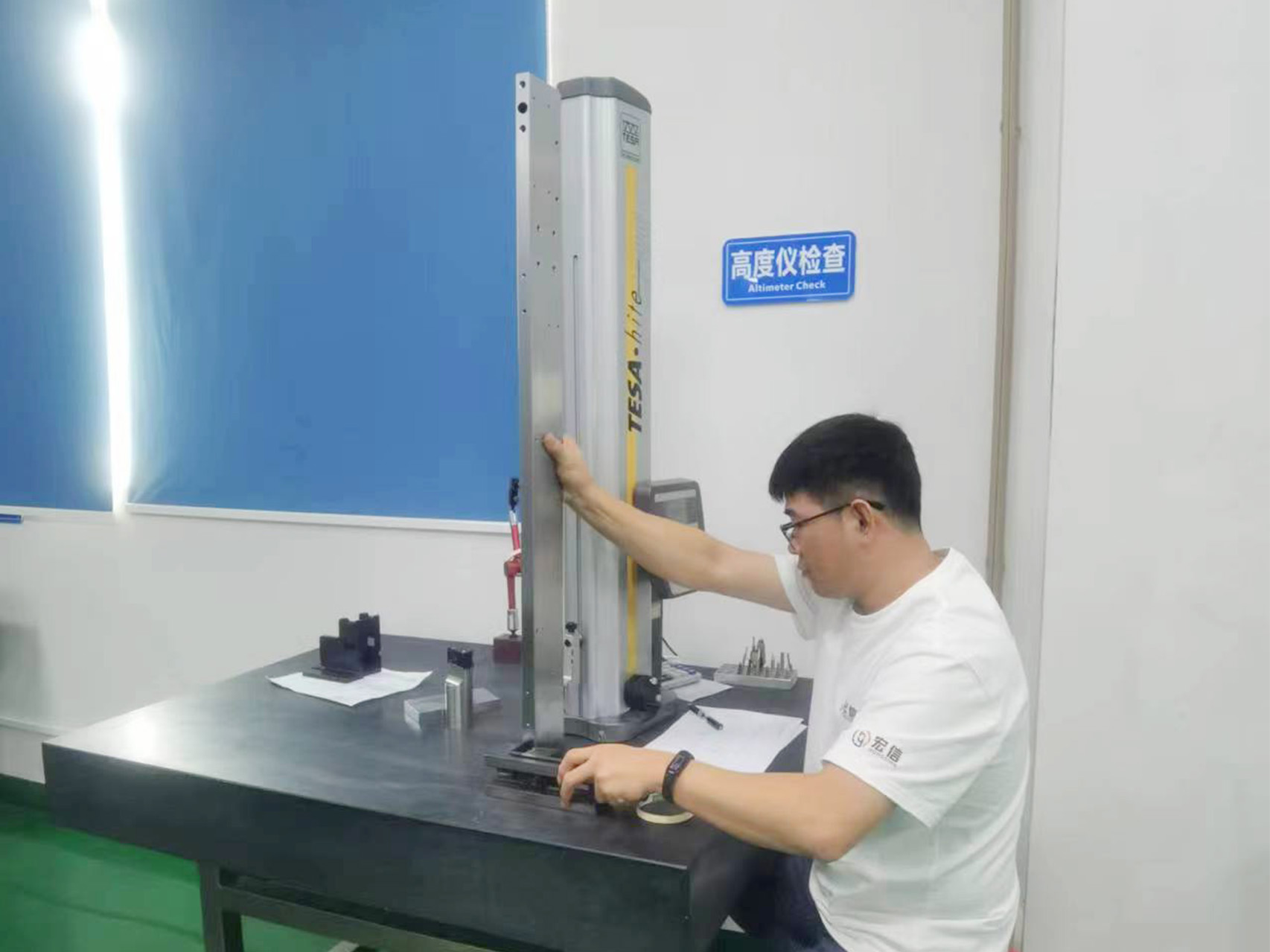
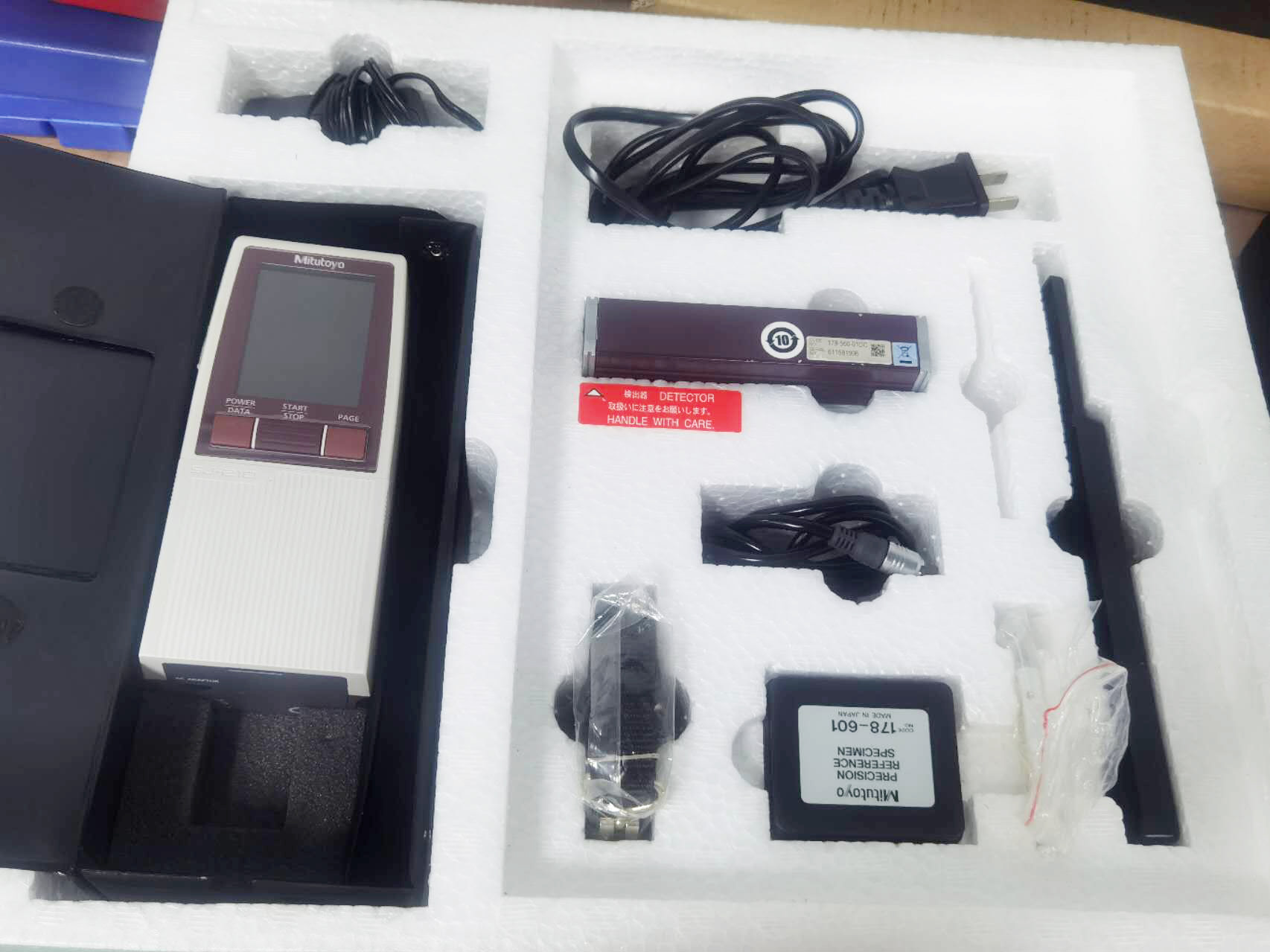
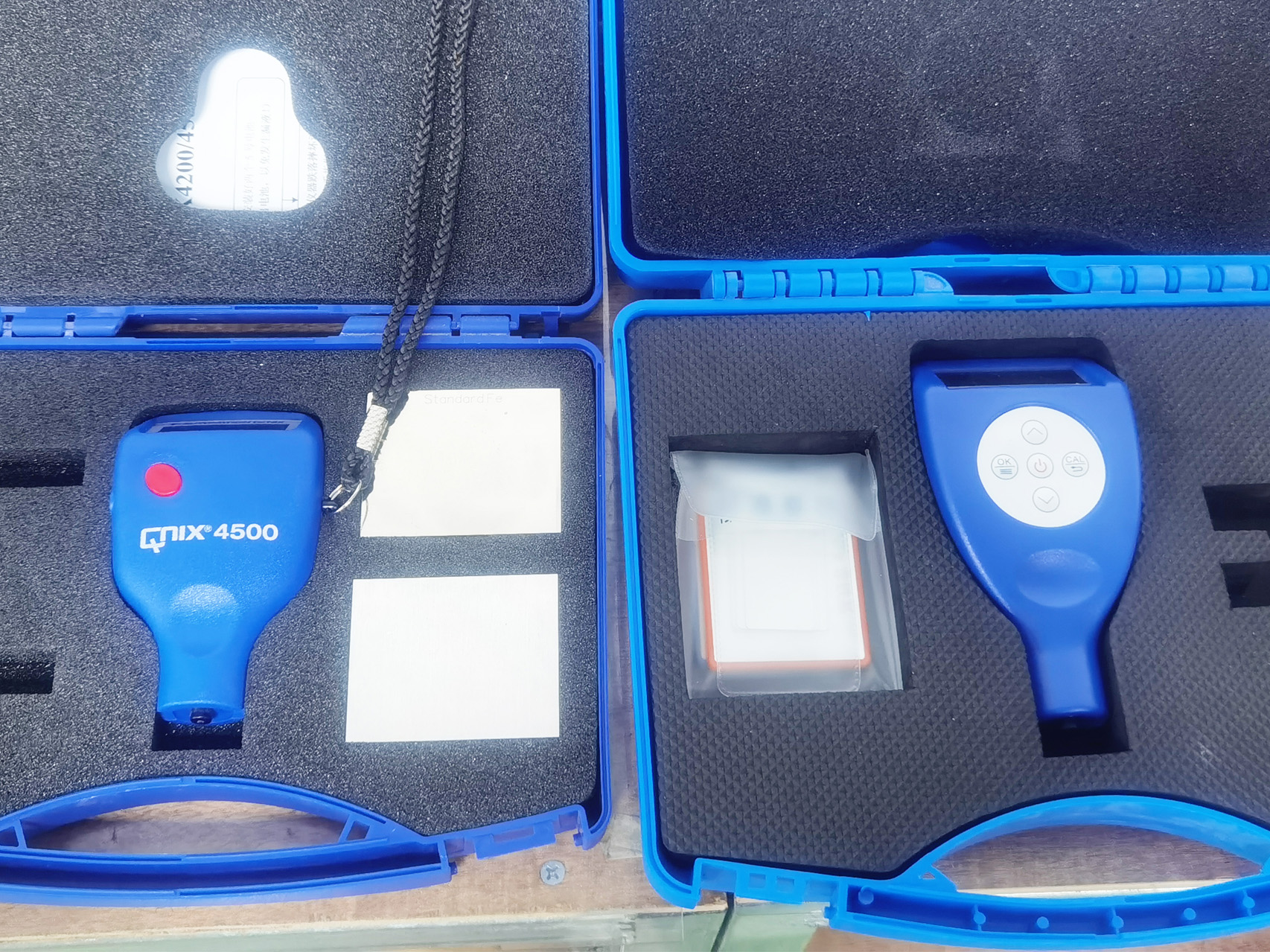
Quality Control and Inspection of CNC Machine Tools: Engineers play a crucial role in the quality control and inspection of CNC machine tools. They set precise tolerance specifications, perform stress-strain analysis, and develop detailed inspection procedures.
Engineers are also responsible for calibrating machine tools, verifying dimensional accuracy, and conducting comprehensive quality checks to ensure that manufactured parts meet standards. Their expertise guarantees the efficient operation of CNC machine tools and the continuous output of high-quality parts.