


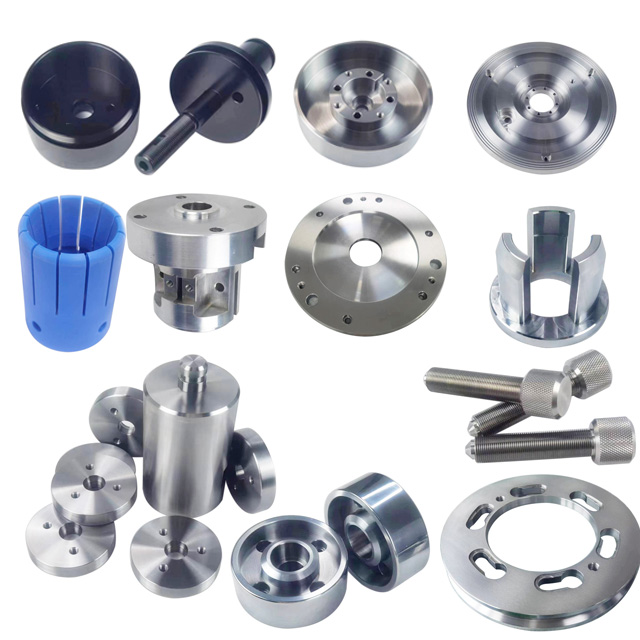
Specializing in CNC manufacturing of stainless steel parts, including precision aerospace components.
Specializing in CNC manufacturing of stainless steel parts, including precision aerospace components.
In the aerospace industry, precision and durability are non-negotiable. CNC stainless steel parts play a critical role in ensuring the reliability and performance of aircraft components. At Shenzhen Hongsinn Precision Co., Ltd., we specialize in high-precision aerospace parts CNC machining manufacturing, delivering top-quality stainless steel CNC machining parts that meet stringent industry standards.
Why Choose Stainless Steel for Aerospace CNC Machining?
Stainless steel is a preferred material in aerospace manufacturing due to its:
High Strength & Durability – Resists extreme temperatures and mechanical stress.
Corrosion Resistance – Ideal for harsh environments, including high humidity and chemical exposure.
Precision Machinability – Allows for tight tolerances and complex geometries.
Longevity – Ensures extended service life with minimal maintenance.

Machining stainless steel parts requires some preparation and a deep understanding of the material. Here are some of our stainless steel machining tips.
1. End mill
Roughing steel can be done effectively using an end mill with 4-5 flutes. Keep in mind that higher RPMs allow room for higher feed rates.
When grooving steel, pay special attention to chip control to avoid tool seizure or damage to the finished product. Try using a 4-flute end mill, which will more effectively move chips away from the cutting area.
For finishing steel parts, it is recommended to use a large number of flutes or a high helix tool above 40 degrees, which will give better results.
Processing | CNC Turning, CNC Milling, Laser Cutting, Bending, Spinning, Wire Cutting, Stamping, Electric Discharge Machining (EDM), Injection Molding | |||
Materials | Aluminum: 2000 series, 6000 series, 7075, 5052, etc. | |||
Stainless steel: SUS303, SUS304, SS316, SS316L, 17-4PH, etc. | ||||
Steel: 1214L/1215/1045/4140/SCM440/40CrMo, etc. | ||||
Brass: 260, C360, H59, H60, H62, H63, H65, H68, H70, Bronze, Copper | ||||
Titanium: Grade F1-F5 | ||||
Plastic: Acetal/POM/PA/Nylon/PC/PMMA/PVC/PU/Acrylic/ABS/PTFE/PEEK etc. | ||||
Surface Treatment | Anodized, Bead Blasted, Silk Screen, PVD Plating, Zinc/Nickel/Chrome/Titanium Plating, Brushing, Painting, Powder Coated, Passivation, Electrophoresis, Electro Polishing, Knurl, Laser/Etch/Engrave etc. | |||
Tolerance | ±0.002 ~ ±0.005mm | |||
Surface Roughness | Min Ra 0.1~3.2 | |||
4.Quick proofing, short delivery time, usually is 3-15 days
After selecting the right tool, it is also important to make sure your cutting speed is right. While some fine-tuning may be required, a good starting point is 100 to 300 surface feet per minute (SFM). Chip load will depend on the size of the tool, so make sure to adjust it accordingly to optimize the machining results.
During steel machining, temperatures can get very high, so it is vital to take precautions to reduce their effects. Always use cutting fluid. Keeping heat away from the cutting area is critical to maintaining optimal tool performance when machining hardened and low thermal conductivity materials. If the heat in the cutting area is too high, it can cause deformation and reduced corrosion resistance. Cutting fluid not only provides lubrication, but also cleans chips, reduces tool wear, and effectively cools the end mill. Common cutting fluids include mineral oil and emulsified oil. Make sure to use enough coolant, as any interruption in the coolant will cause temperature fluctuations that will affect the life of the tool.
Many steels have a high tendency to work harden, so ensuring that tools remain sharp is essential. Also, try to keep the tool moving continuously to avoid pauses during the cut, which reduces heat build-up and the risk of work hardening.
The strength of stainless steel and the speed required of the cutting tool can cause significant vibration. Vibration of the work surface not only damages the finish but also increases tool wear. Therefore, it is necessary to select strong and hard tools that can be used for high-speed cutting. Make sure the workpiece is firmly fixed in place and use clamps to reduce any tool overhang. In addition, you can try using tools with a small nose radius to further reduce vibration and improve machining results.
Each steel alloy has its own unique characteristics, so it is important to understand the properties of the material you are using. This will help you better adjust your machine to the requirements of your specific material. For example, the addition of sulfur can help the tool edge remain consistent by affecting the hardening of the chips, allowing for higher feed rates. Whereas the addition of lead can increase cutting speeds because it provides lubricating properties that help reduce heat. A deep understanding of the material's characteristics will help optimize the cutting process and improve machining efficiency.

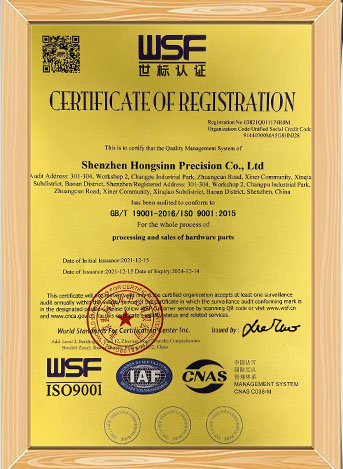

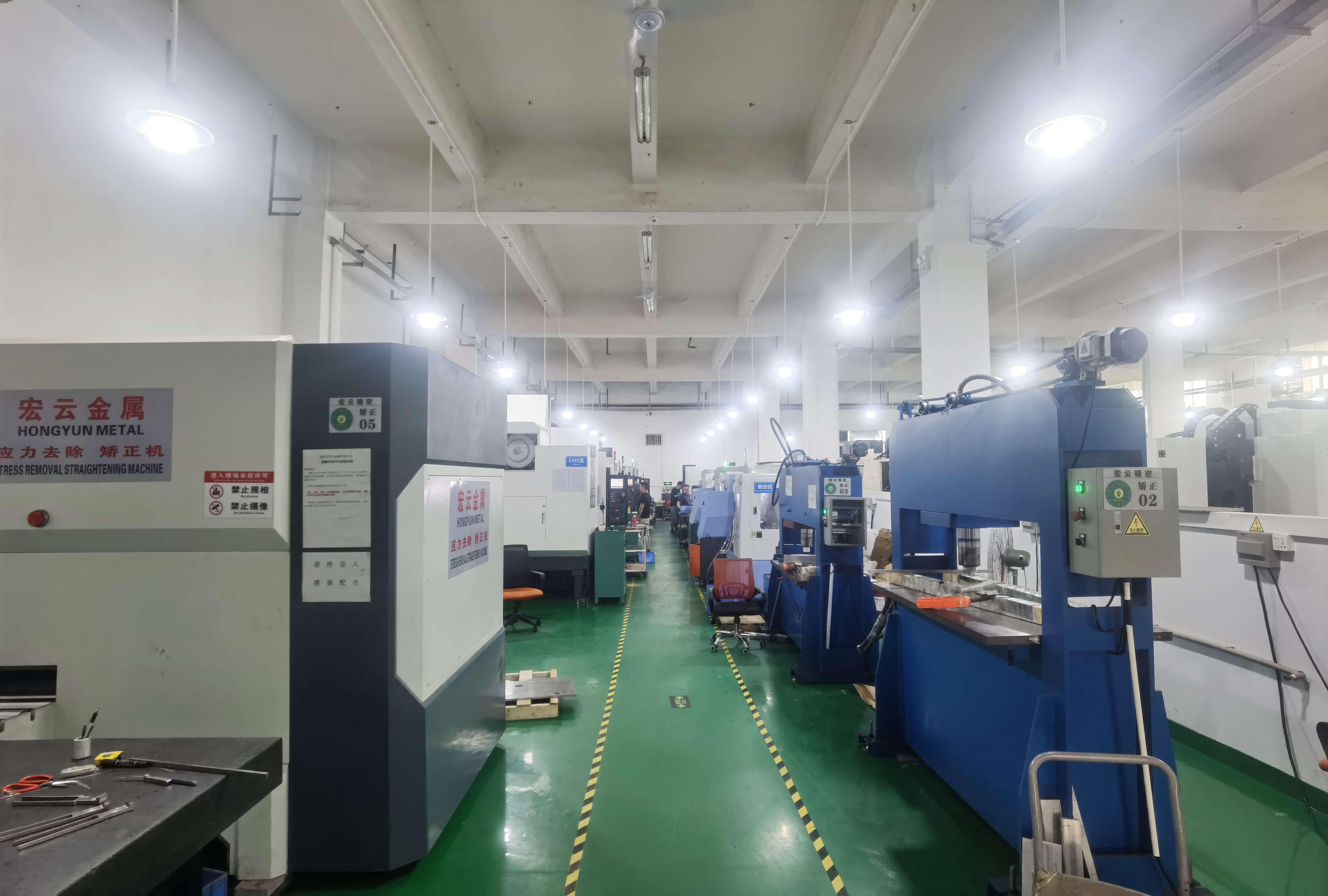
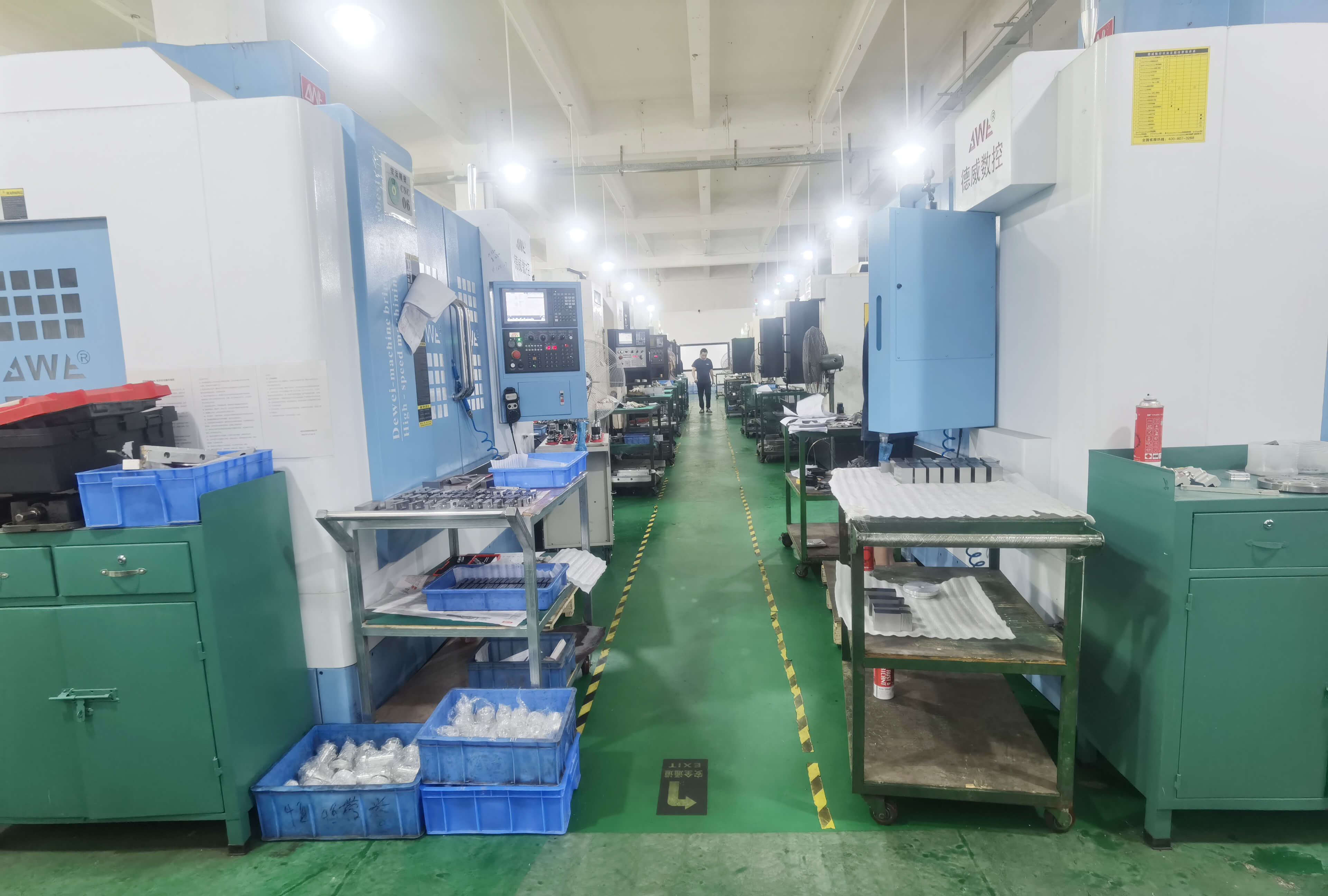


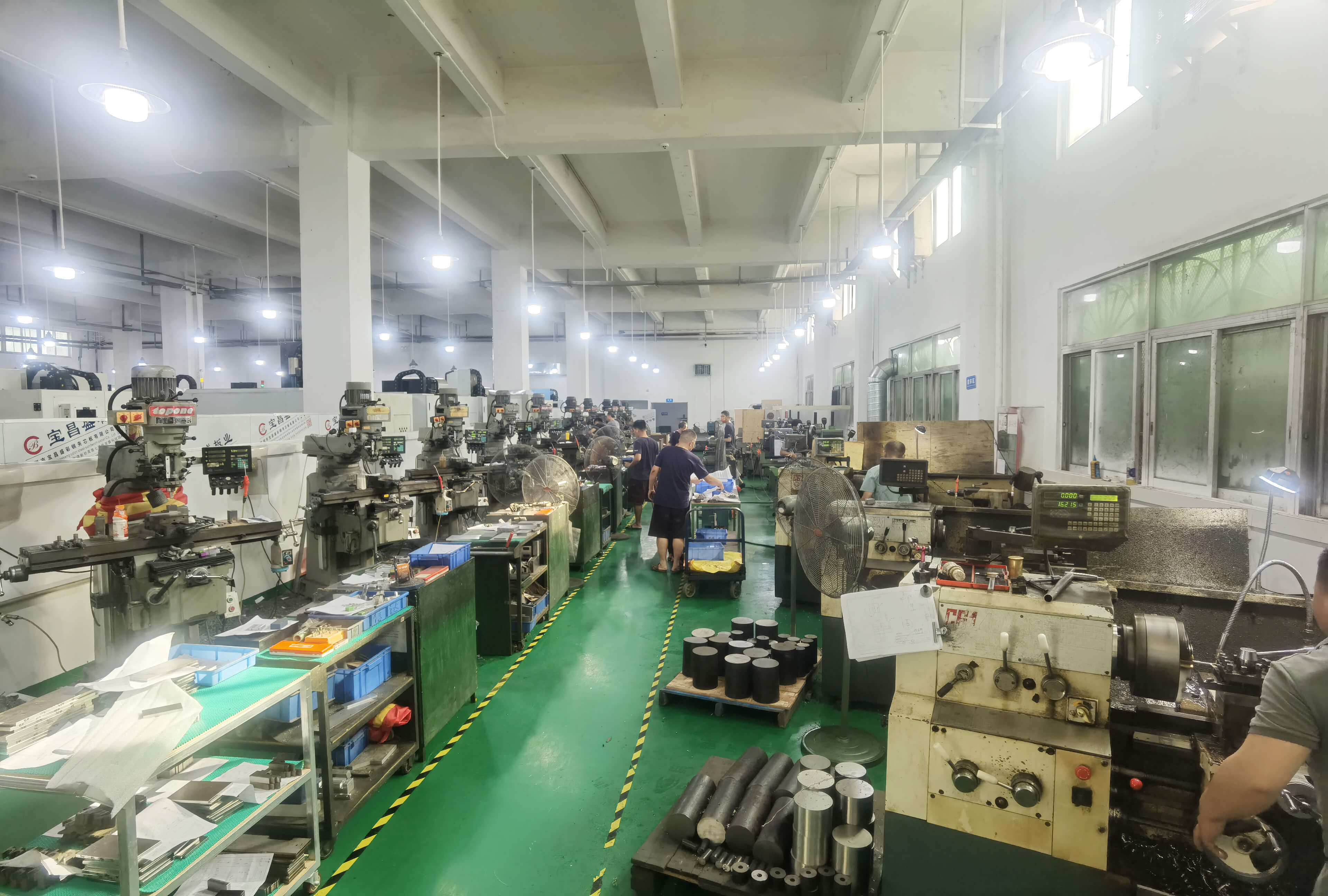
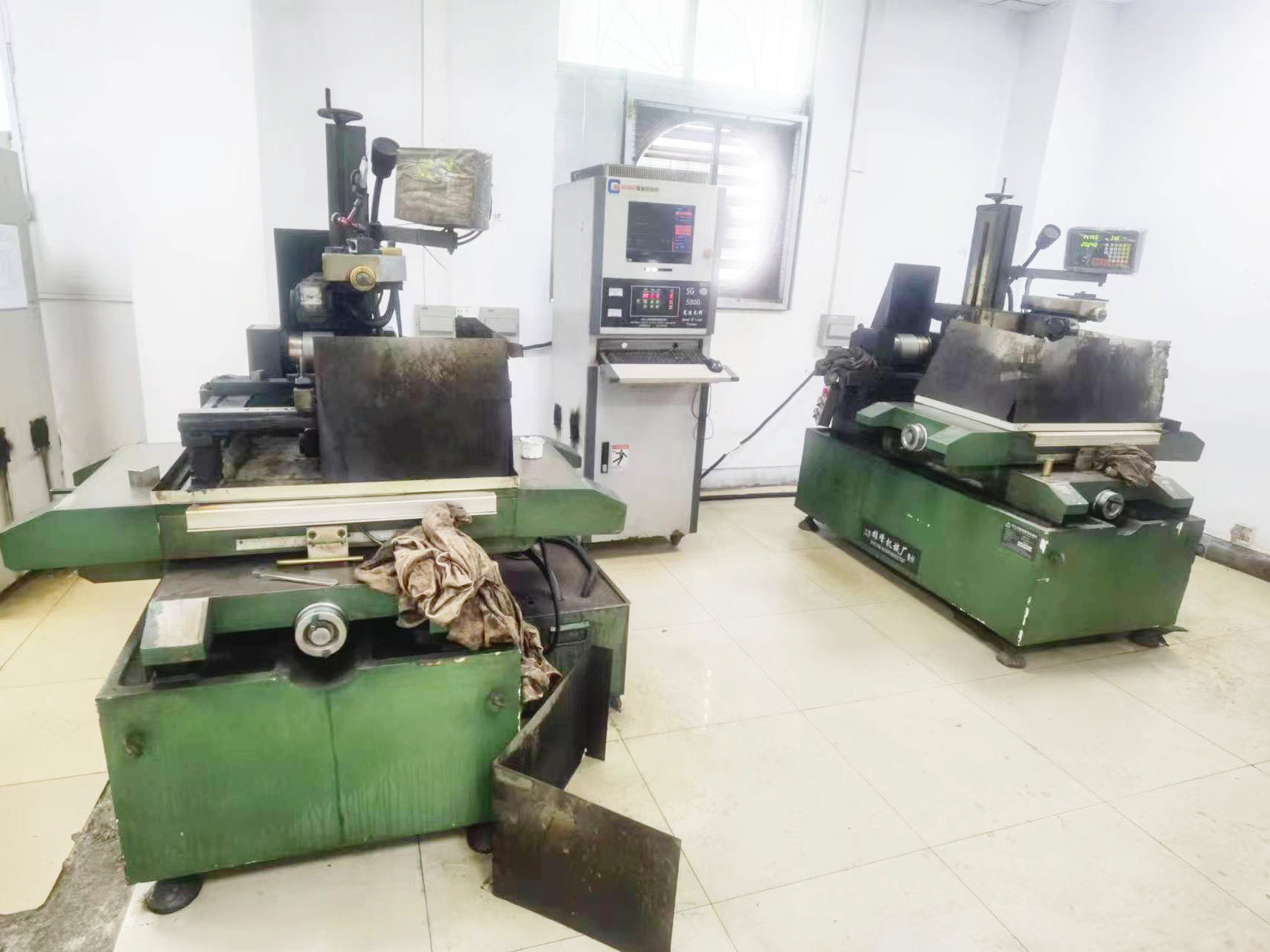



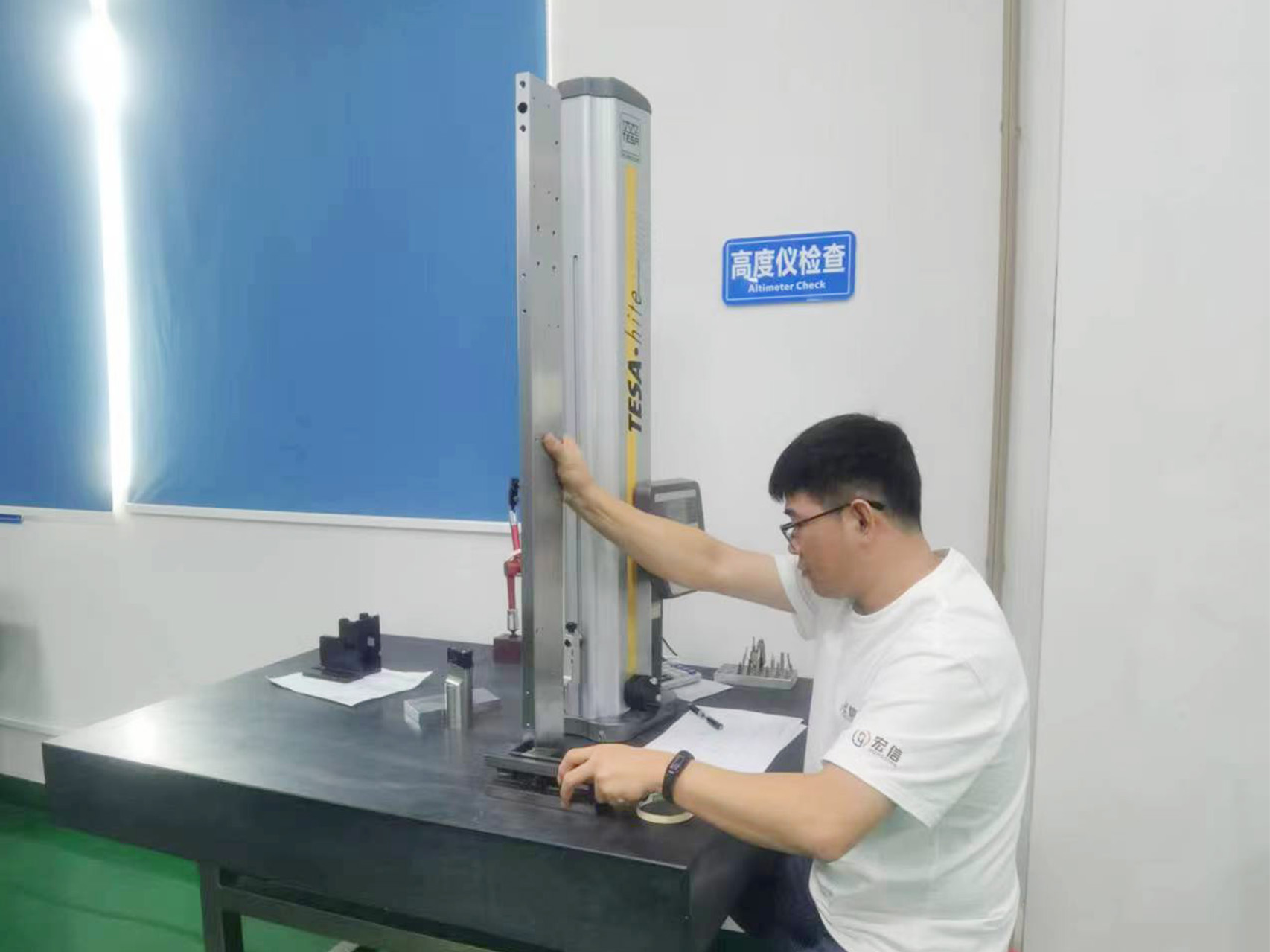


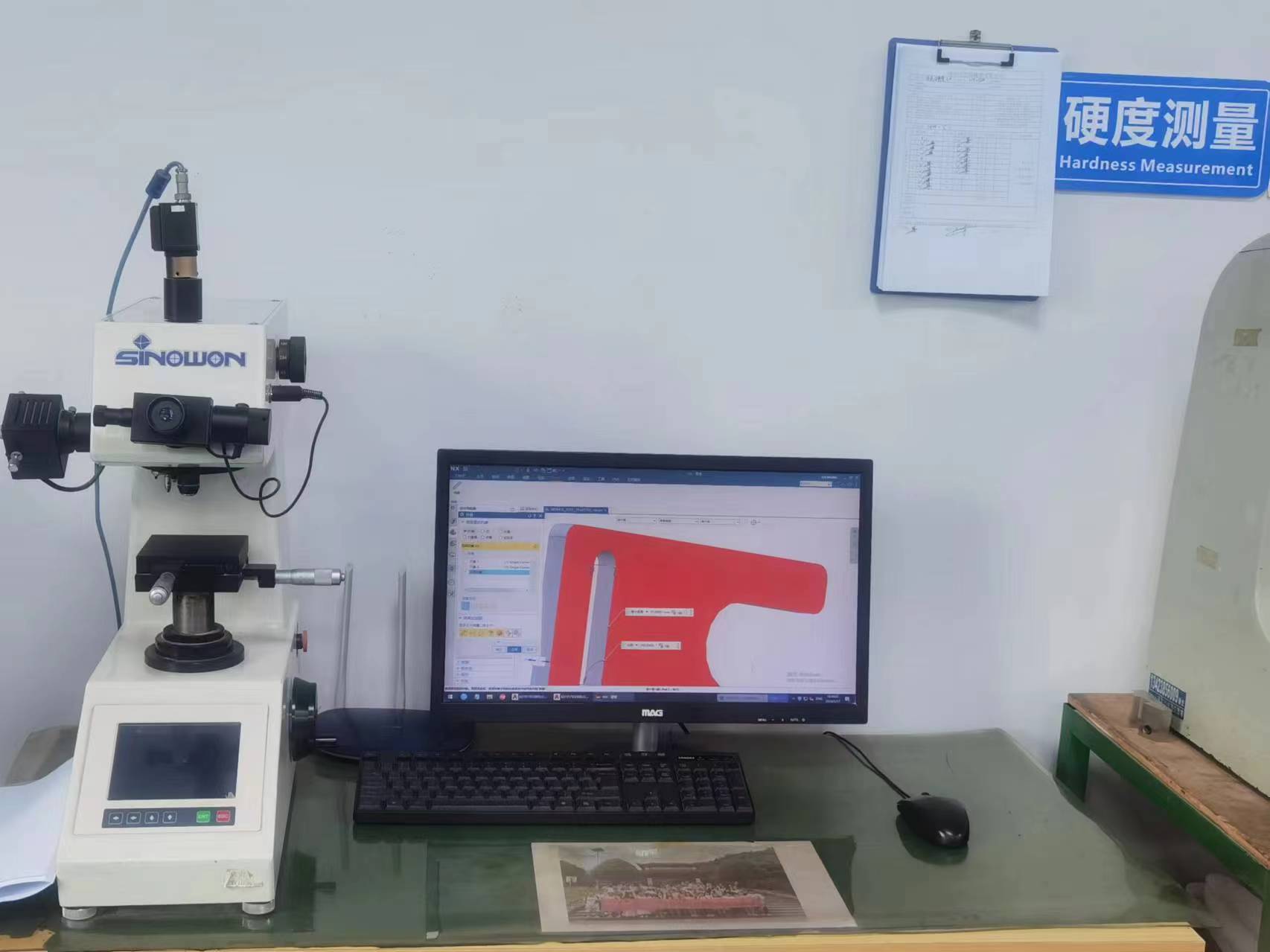



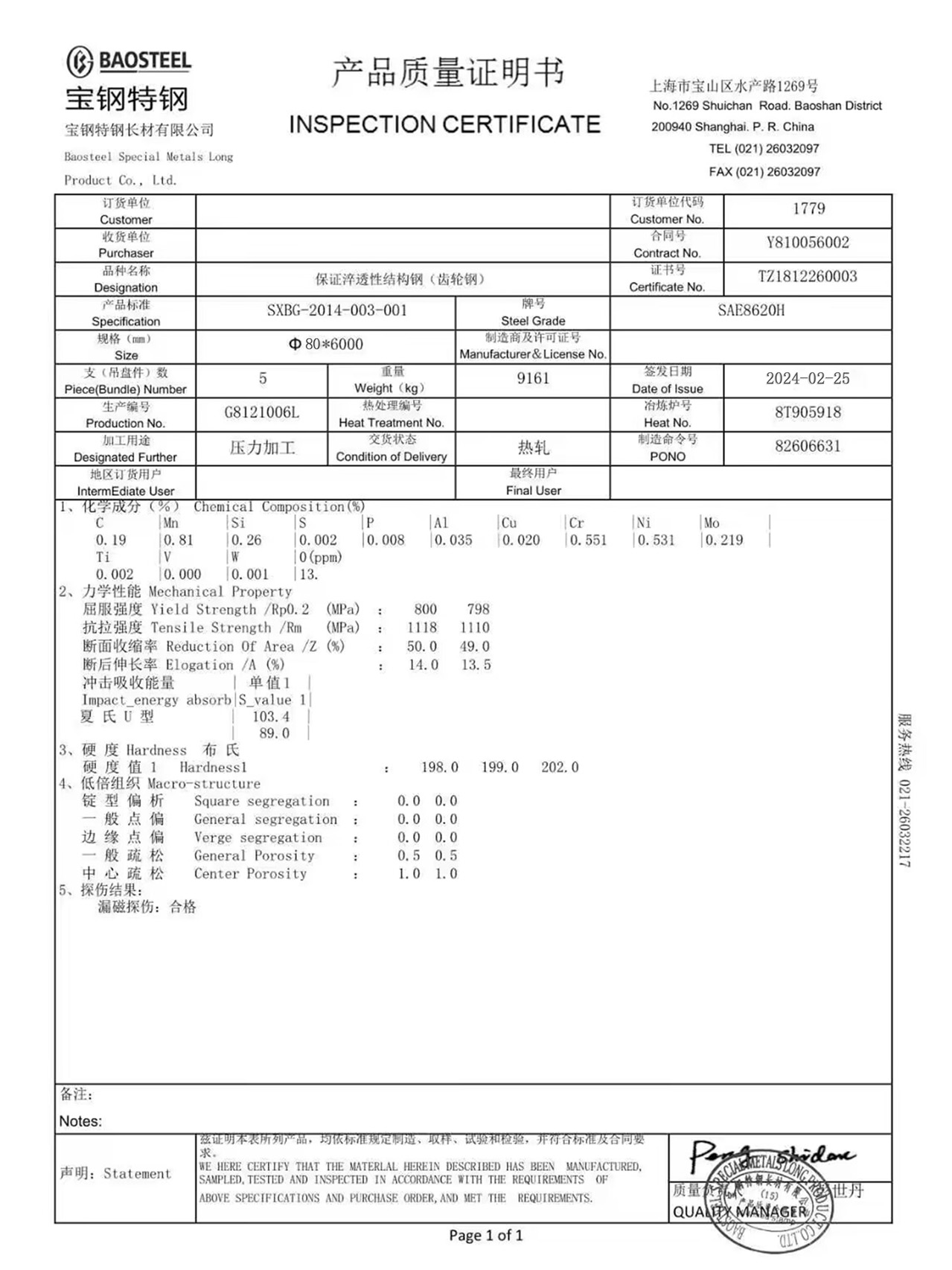





 Providing precision engineering machining services including CNC turning and milling services, CNC lathe components. cnc turning service
 Precision CNC parts for motorcycles and automotive machinery.
 CNC Machining Services in China for High Precision Parts
 Specializing in precision CNC machining for plastic components and tool steel.