


Specializing in CNC turning and milling for defense and medical sectors, producing precision mechanical parts.
Specializing in CNC turning and milling for defense and medical sectors, producing precision mechanical parts.
In high-stakes industries like defense and medical manufacturing, precision is non-negotiable. CNC turning for defense applications demands ultra-reliable components, while mechanical turned parts for the medical sector require biocompatibility and micron-level accuracy.

CNC Lathe Basics
A CNC lathe uses subtractive machining to create the desired shape. After the G-code is generated, a blank bar of stock is loaded into the lathe spindle's chuck. As the spindle rotates, the chuck holds the workpiece securely in place. Once the spindle reaches the set speed, a stationary tool engages the workpiece and begins removing material until the desired geometry is achieved.
Processing | CNC Turning, CNC Milling, Laser Cutting, Bending, Spinning, Wire Cutting, Stamping, Electric Discharge Machining (EDM), Injection Molding | |||
Materials | Aluminum: 2000 series, 6000 series, 7075, 5052, etc. | |||
Stainless steel: SUS303, SUS304, SS316, SS316L, 17-4PH, etc. | ||||
Steel: 1214L/1215/1045/4140/SCM440/40CrMo, etc. | ||||
Brass: 260, C360, H59, H60, H62, H63, H65, H68, H70, Bronze, Copper | ||||
Titanium: Grade F1-F5 | ||||
Plastic: Acetal/POM/PA/Nylon/PC/PMMA/PVC/PU/Acrylic/ABS/PTFE/PEEK etc. | ||||
Surface Treatment | Anodized, Bead Blasted, Silk Screen, PVD Plating, Zinc/Nickel/Chrome/Titanium Plating, Brushing, Painting, Powder Coated, Passivation, Electrophoresis, Electro Polishing, Knurl, Laser/Etch/Engrave etc. | |||
Tolerance | ±0.002 ~ ±0.005mm | |||
Surface Roughness | Min Ra 0.1~3.2 | |||
4.Quick proofing, short delivery time, usually is 3-15 days
There are many types of lathes, but the most common are two-axis CNC lathes and Swiss-type lathes. Swiss-type lathes are unique in that the stock material is fed through a guide bushing, allowing the tool to cut closer to the fulcrum. This design is particularly suitable for long, slender CNC lathe parts and micromachining.
Similar to CNC milling machines, CNC lathes can be easily set up for high repeatability, making them ideal for a wide range of products, from rapid prototyping to low- and high-volume production.

5. Future Trends in CNC Turning for Defense & Medical
AI-Driven Machining – Predictive tool wear monitoring for zero defects
Additive + Subtractive Hybrid Manufacturing – 3D printing + CNC finishing
Nanotechnology in Medical Parts – Ultra-fine surface treatments
Secure Cloud-Based CNC Programming – For defense IP protection
From CNC turning for defense to mechanical turned parts for the medical field, precision machining plays a vital role in mission-critical applications. By leveraging CNC turning & milling, manufacturers achieve unmatched accuracy, durability, and compliance with industry standards.
Need high-precision CNC machining for defense or medical applications? Contact us today for a quote on custom-machined components!



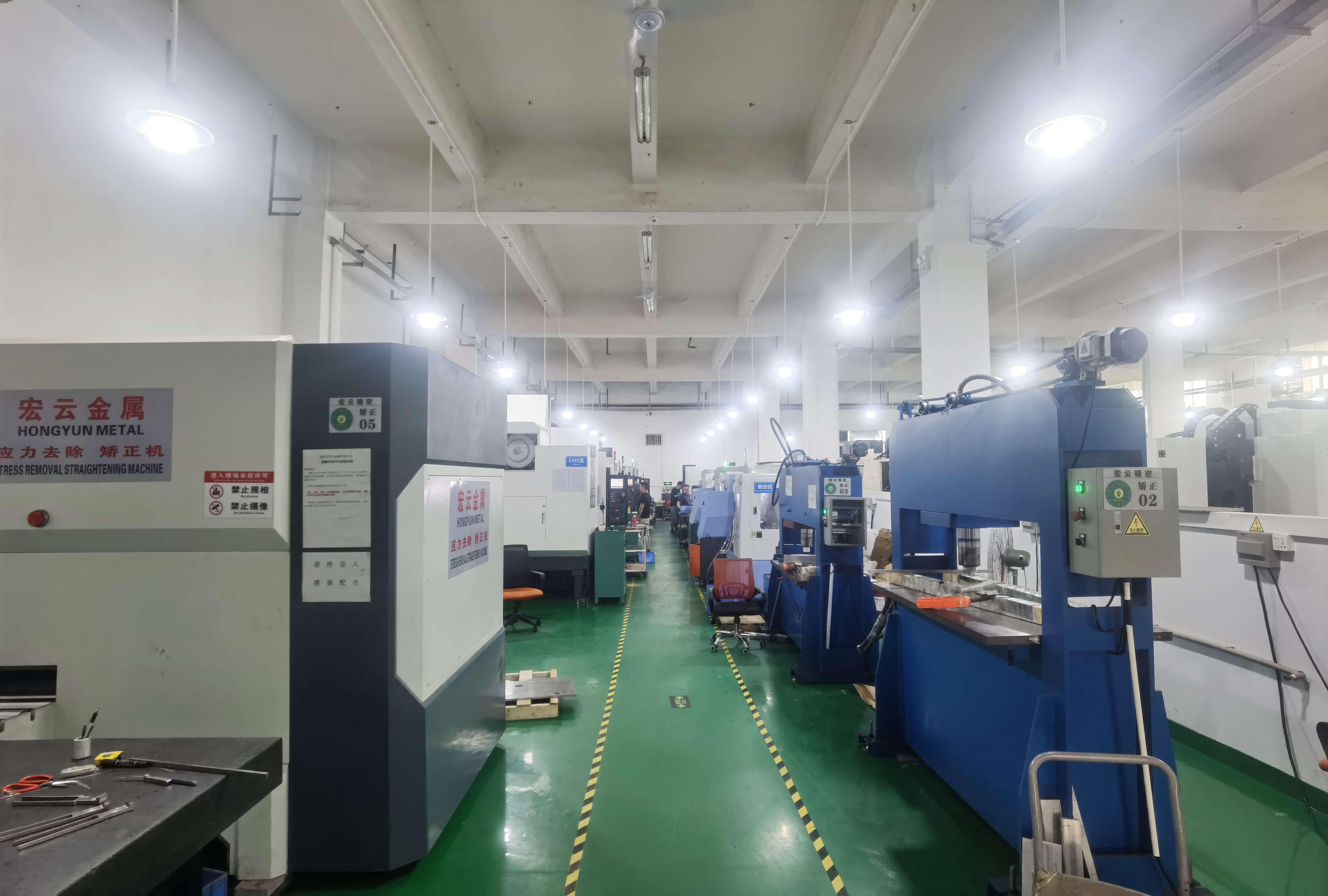
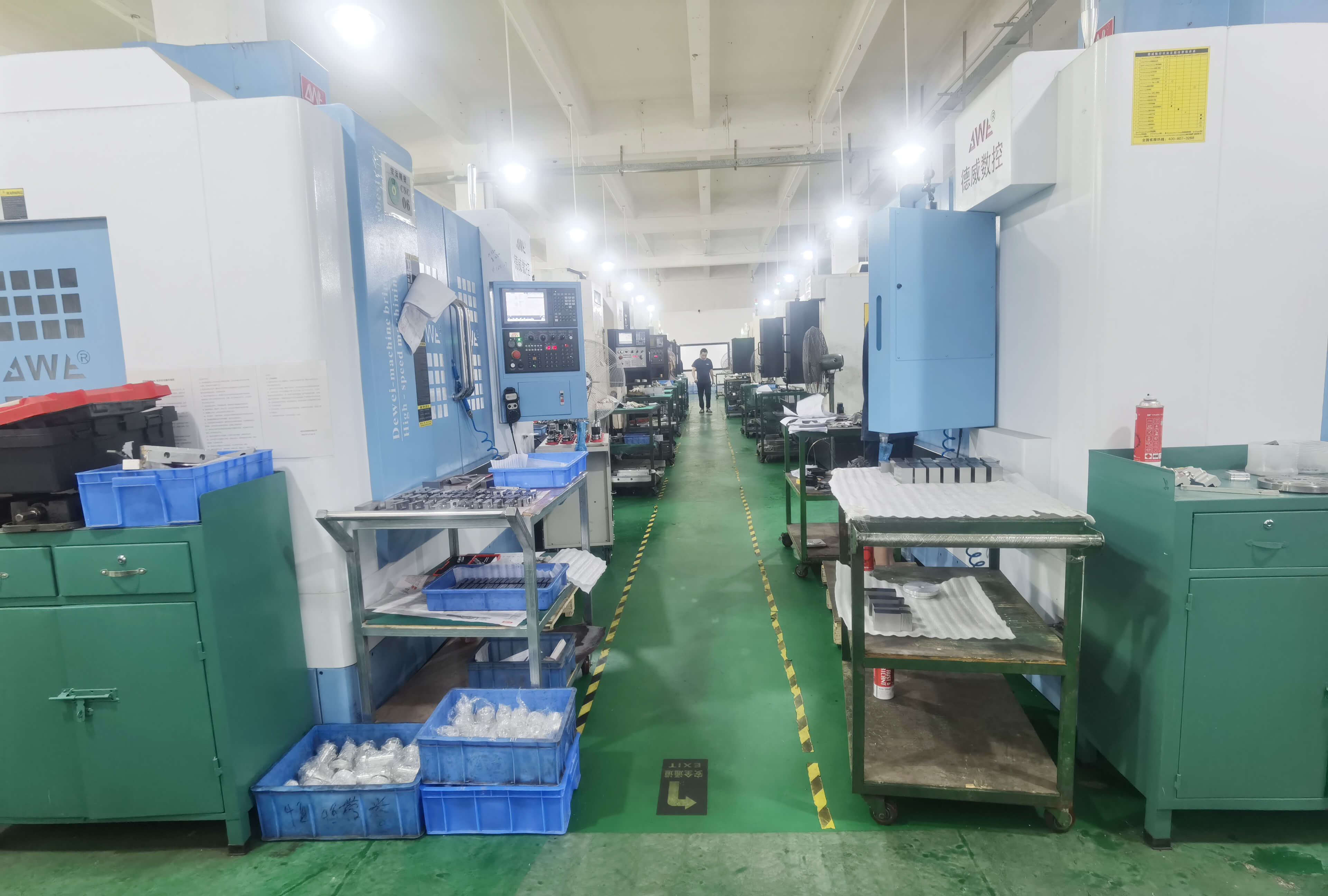


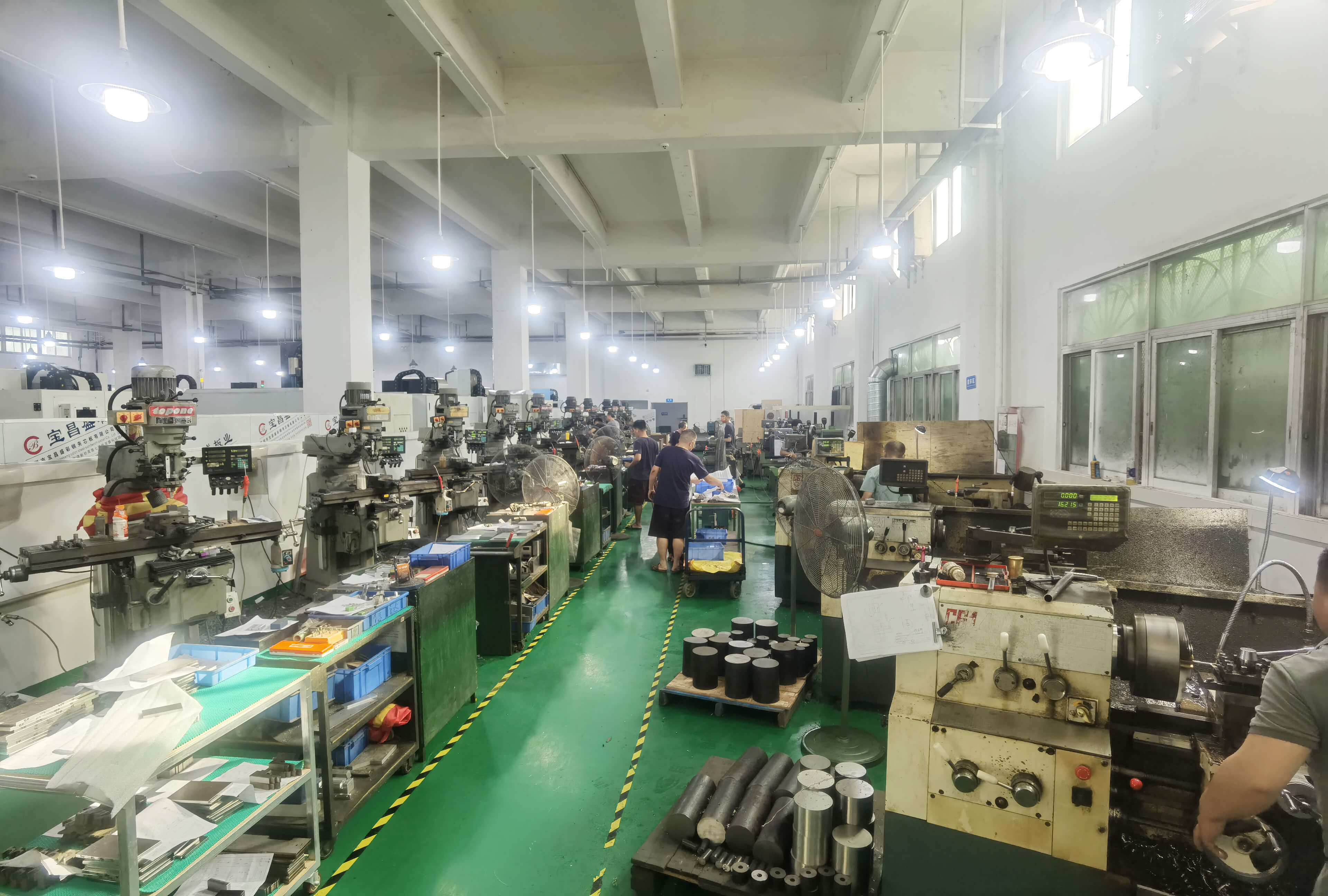
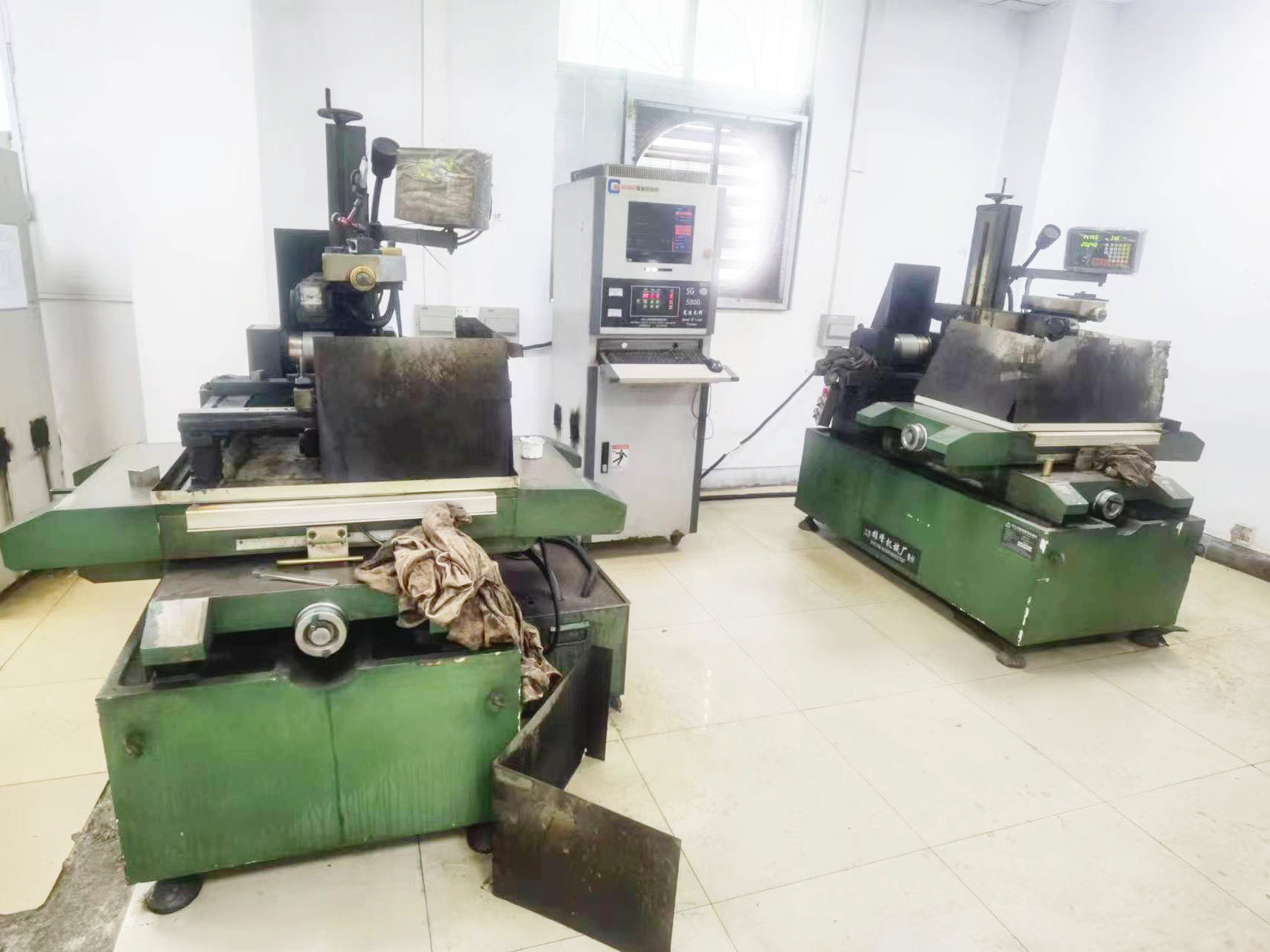




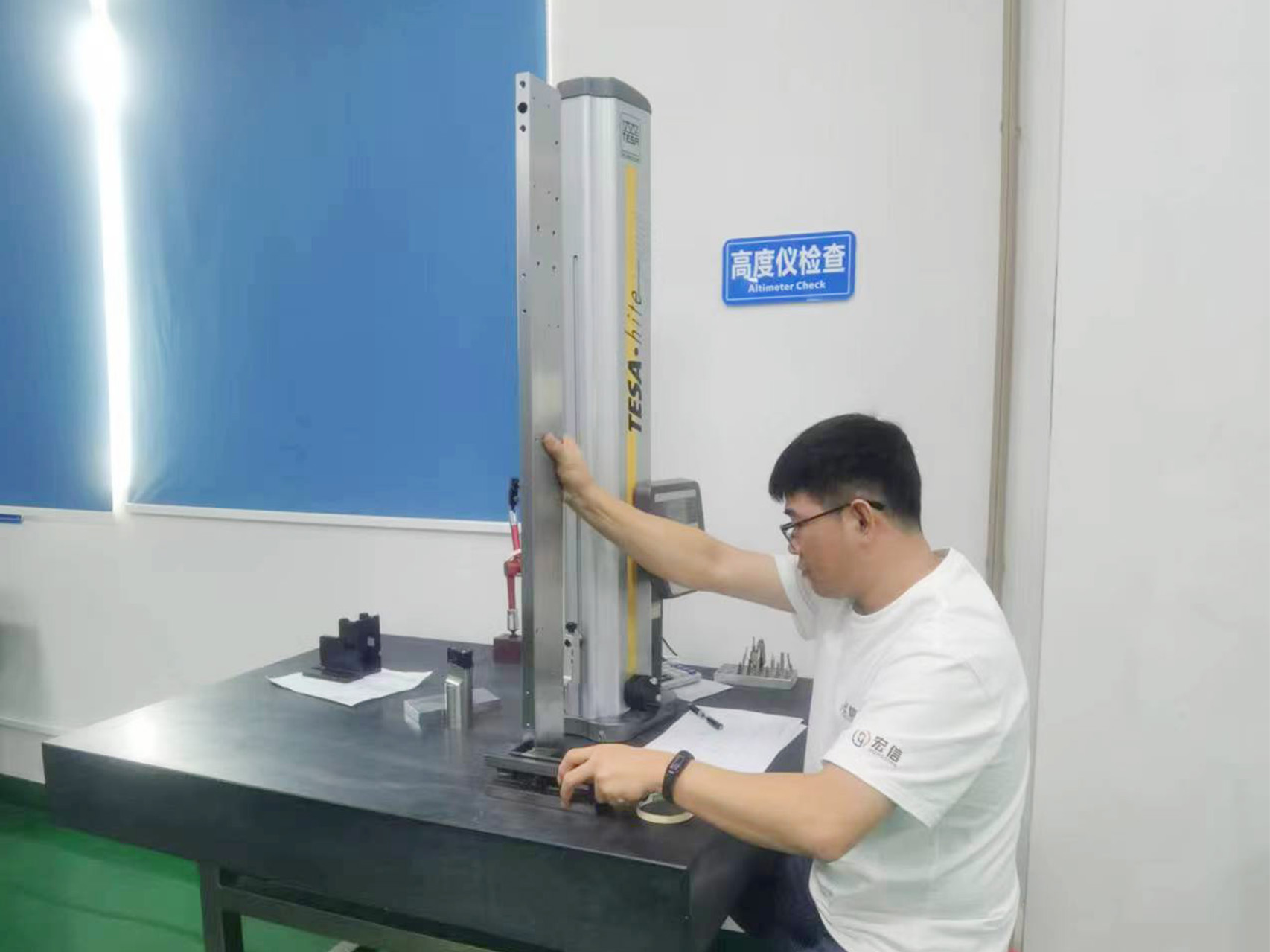


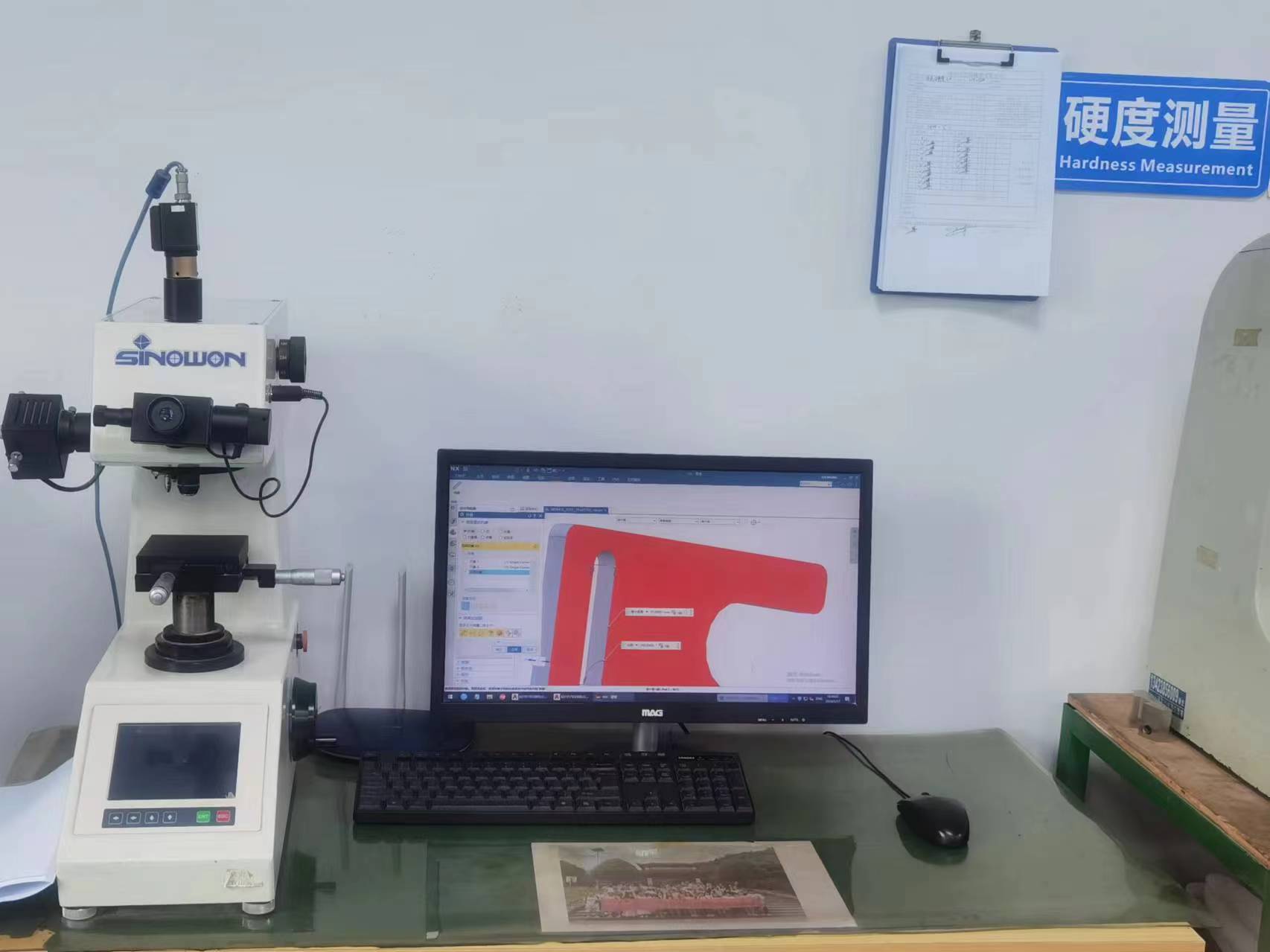
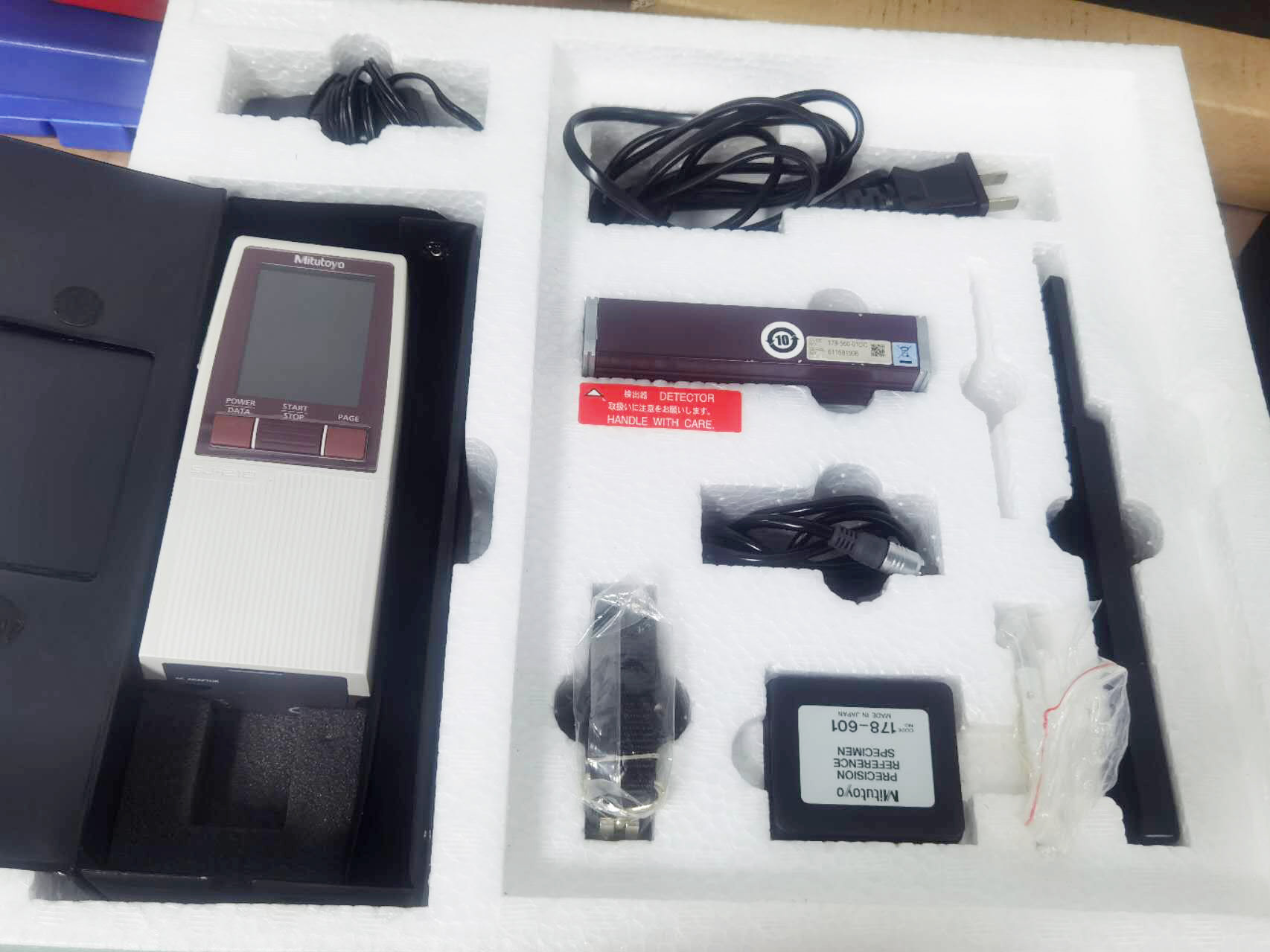
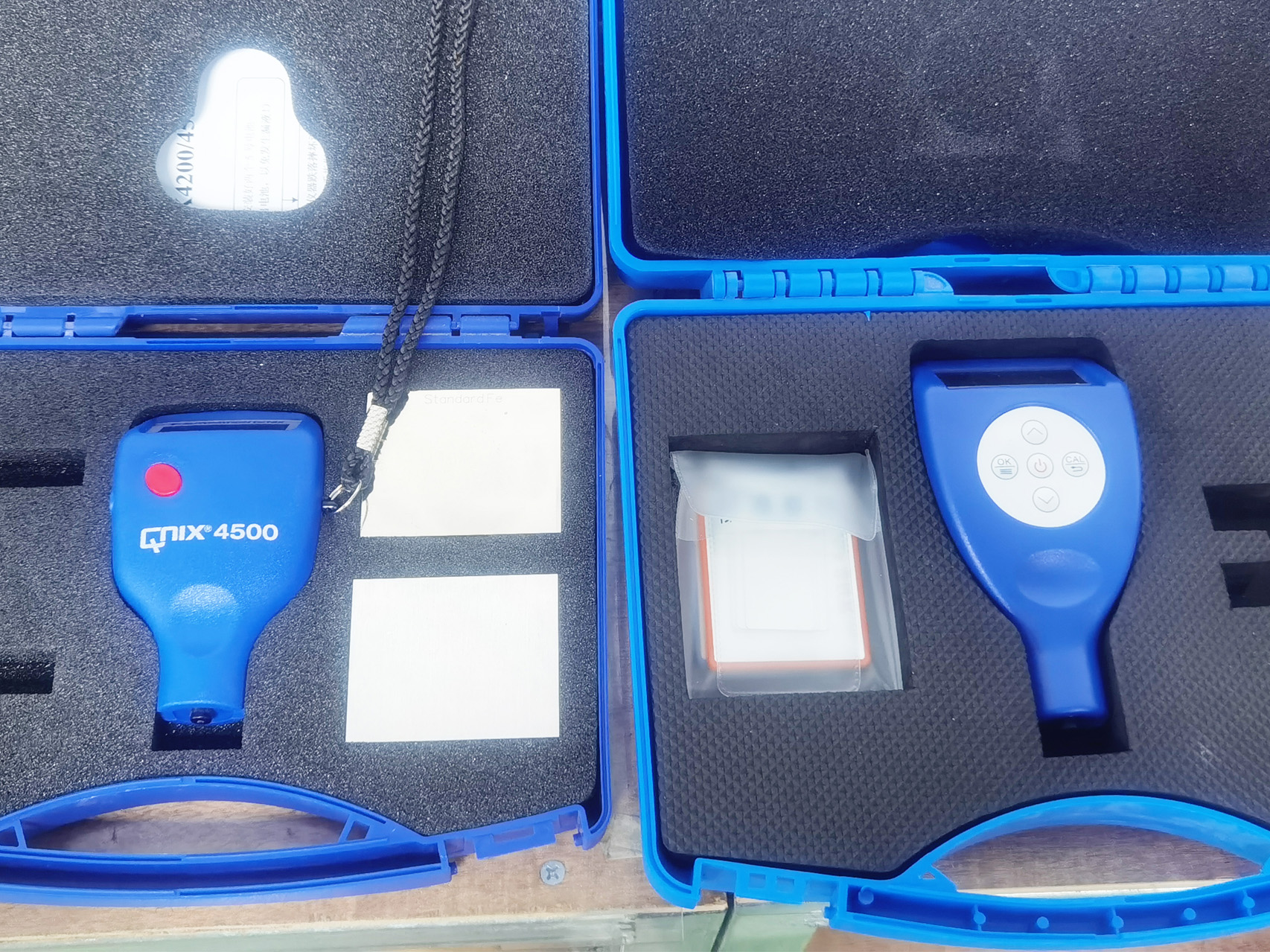





 Providing precision engineering machining services including CNC turning and milling services, CNC lathe components. cnc turning service
 Precision CNC parts for motorcycles and automotive machinery.
 CNC Machining Services in China for High Precision Parts
 Specializing in precision CNC machining for plastic components and tool steel.