


Specializing in custom CNC turning with advanced CNC turning machine centers.
Specializing in custom CNC turning with advanced CNC turning machine centers.
In modern manufacturing, CNC turning plays a crucial role in producing high-precision components. Whether you need custom CNC turning services or are looking to invest in a CNC turning machine center, understanding the technology and its benefits is essential.
What Is CNC Turning?
CNC turning is a subtractive manufacturing process where a cutting tool removes material from a rotating workpiece to create cylindrical parts. A CNC turning machine center automates this process with computer numerical control (CNC), ensuring high precision and repeatability.
Key Features of CNC Turning Machines:
Automated Precision: CNC lathes follow programmed instructions for consistent accuracy.
Versatility: Capable of machining metals, plastics, and composites.
High Efficiency: Faster production compared to manual turning.
Complex Geometries: Can produce intricate shapes with tight tolerances.

A CNC machine is a programmable machine capable of autonomously performing numerically controlled machining operations. CNC stands for"computer numerical control."CNC machining is a subtractive manufacturing process that typically uses computer-controlled machine tools to remove layers of material from a stock part (called a blank or workpiece) to produce custom-designed parts.
CNC drill machines use a rotating drill bit to create cylindrical holes in workpieces. The drill bit is designed to allow for smooth removal of chips (waste metal). There are several types of drill bits, each suited to specific machining needs. These include:
The turning process uses a single-point cutting tool to remove material from a rotating workpiece. Turning tool designs vary depending on the specific application and are suitable for a variety of operations, including roughing, finishing, facing, threading, forming, undercutting, parting, and grooving.
Processing | CNC Turning, CNC Milling, Laser Cutting, Bending, Spinning, Wire Cutting, Stamping, Electric Discharge Machining (EDM), Injection Molding | |||
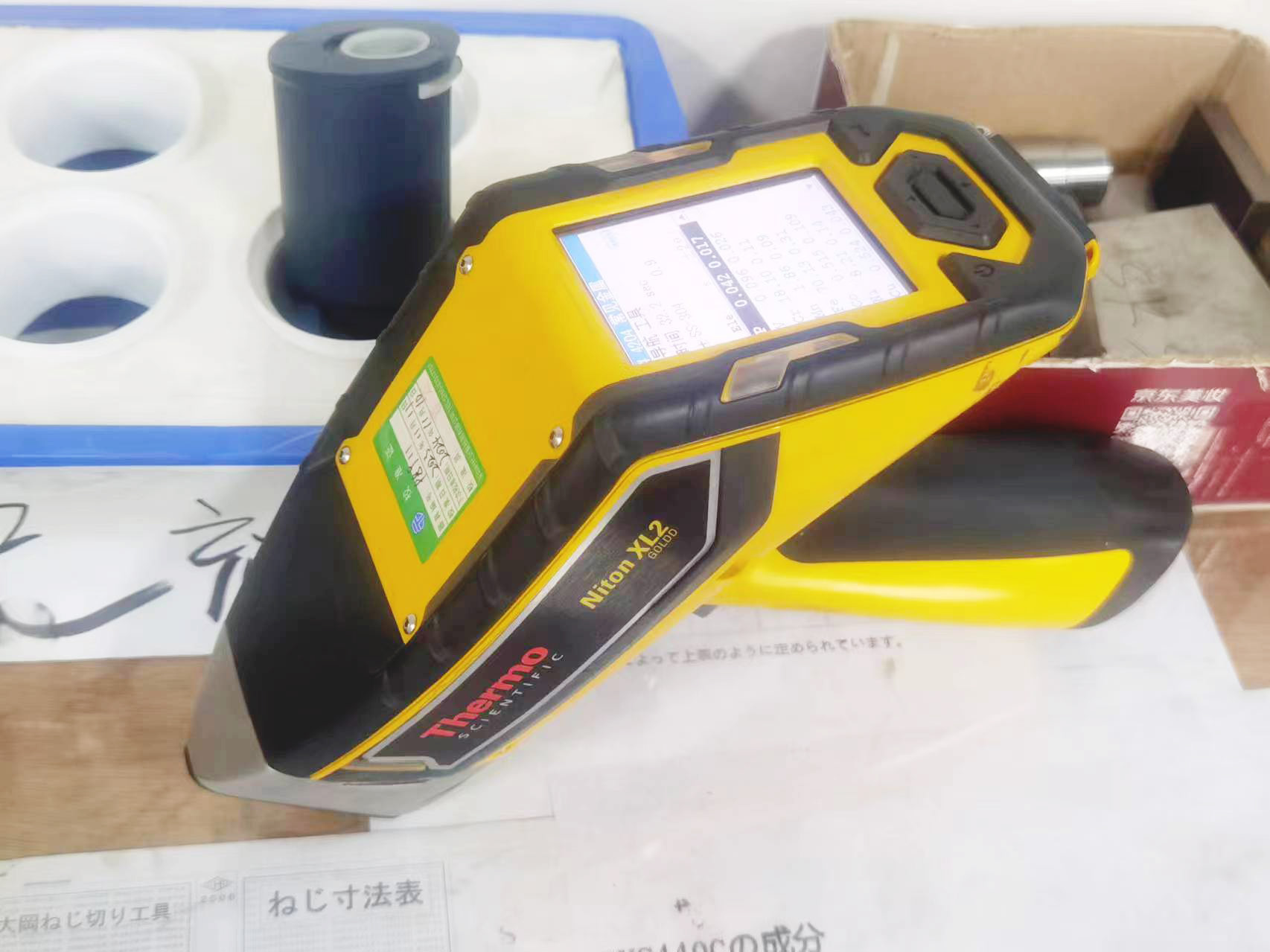
Materials | Aluminum: 2000 series, 6000 series, 7075, 5052, etc. | |||
Stainless steel: SUS303, SUS304, SS316, SS316L, 17-4PH, etc. | ||||
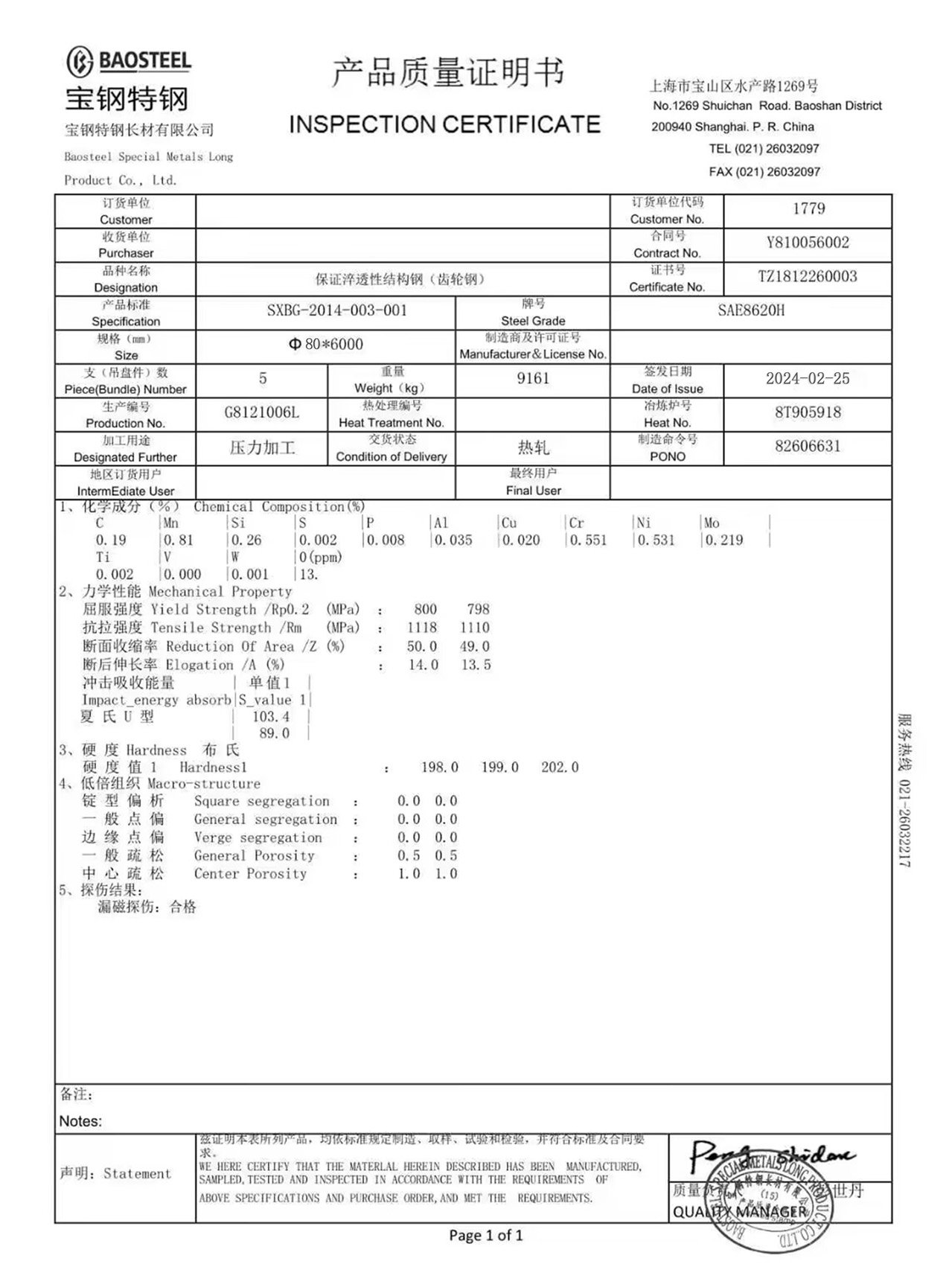
Steel: 1214L/1215/1045/4140/SCM440/40CrMo, etc. | ||||
Brass: 260, C360, H59, H60, H62, H63, H65, H68, H70, Bronze, Copper | ||||
Titanium: Grade F1-F5 | ||||
Plastic: Acetal/POM/PA/Nylon/PC/PMMA/PVC/PU/Acrylic/ABS/PTFE/PEEK etc. | ||||
Surface Treatment | Anodized, Bead Blasted, Silk Screen, PVD Plating, Zinc/Nickel/Chrome/Titanium Plating, Brushing, Painting, Powder Coated, Passivation, Electrophoresis, Electro Polishing, Knurl, Laser/Etch/Engrave etc. | |||
Tolerance | ±0.002 ~ ±0.005mm | |||
Surface Roughness | Min Ra 0.1~3.2 | |||
4.Quick proofing, short delivery time, usually is 3-15 days
Five-axis CNC machines add two rotary axes to the traditional three-axis linear motion (X, Y, and Z), enabling the machine to access five of the six sides in a single operation. By adding a tilting and rotating workholding fixture (or axis) to the worktable, the milling machine becomes a so-called 3+2 machine, capable of accessing all five sides of a prismatic workpiece at 90° angles without requiring the operator to reposition the workpiece for machining different sides.
The milling process uses a rotating, multi-point cutting tool to shape a workpiece. Milling cutters can operate in either a horizontal or vertical orientation; common types include end mills, spiral mills, and chamfer mills.

Conclusion
Custom CNC turning and advanced CNC turning machines revolutionize manufacturing by delivering precision, efficiency, and scalability. Whether you need bespoke turned parts or a high-performance CNC turning machine center, understanding these technologies ensures optimal production results.
Looking for a reliable CNC turning solution? Contact us today for expert custom CNC turning services or machine recommendations tailored to your needs!

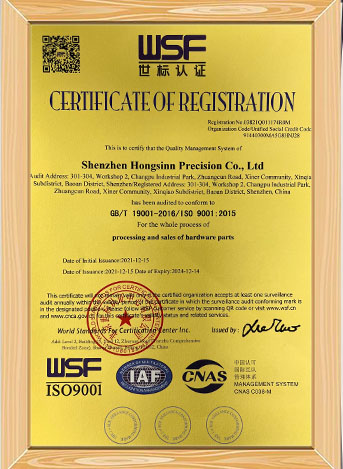

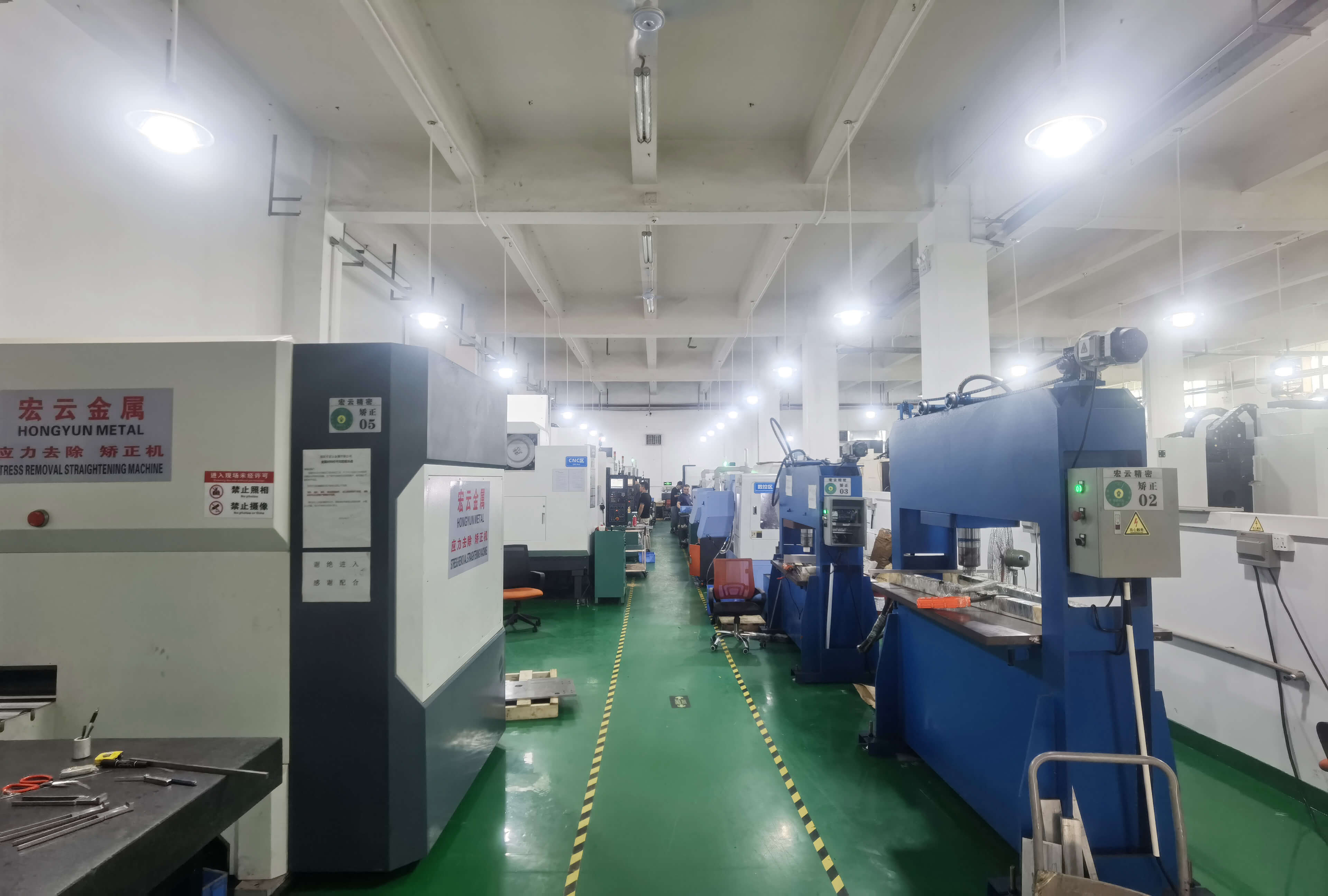
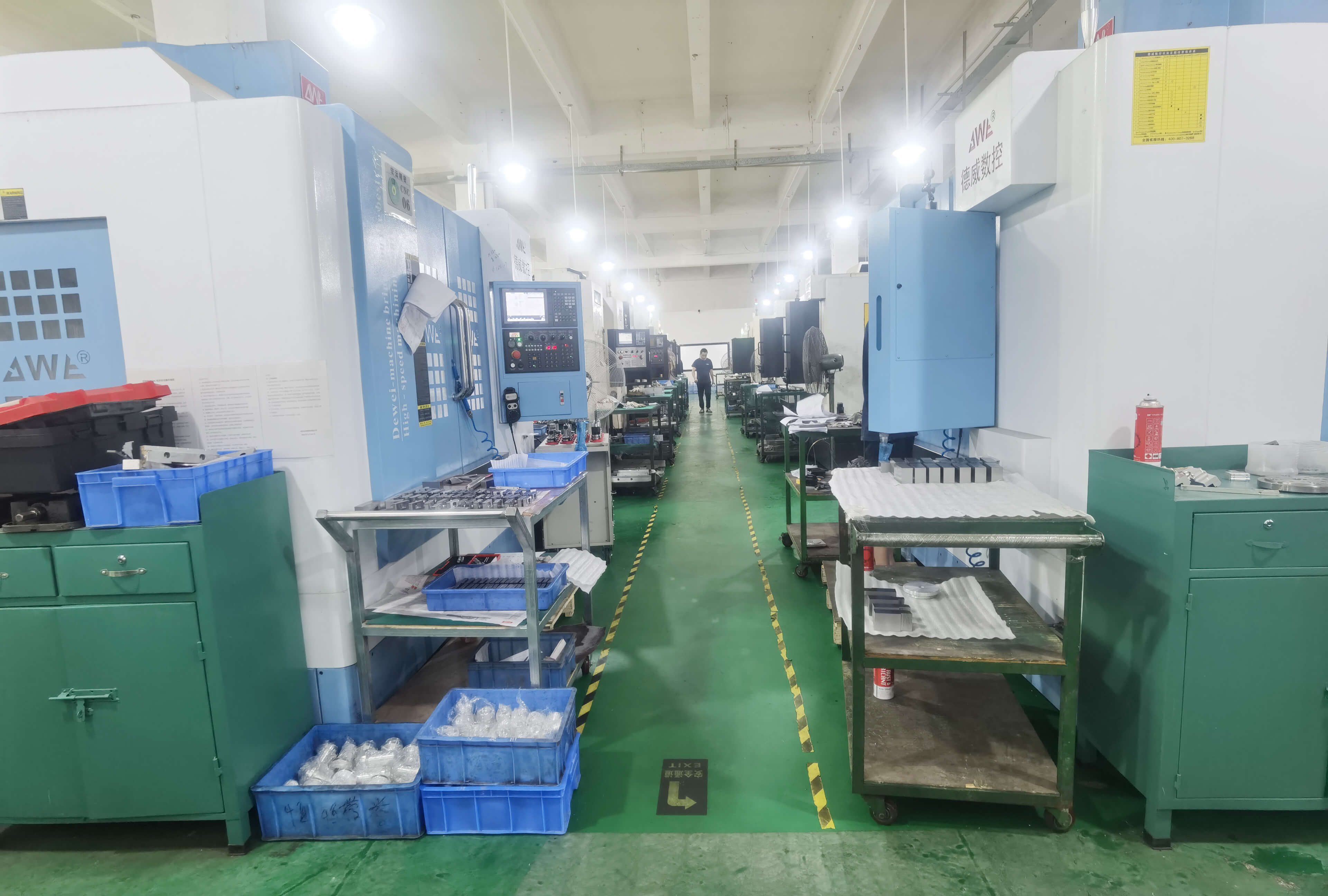


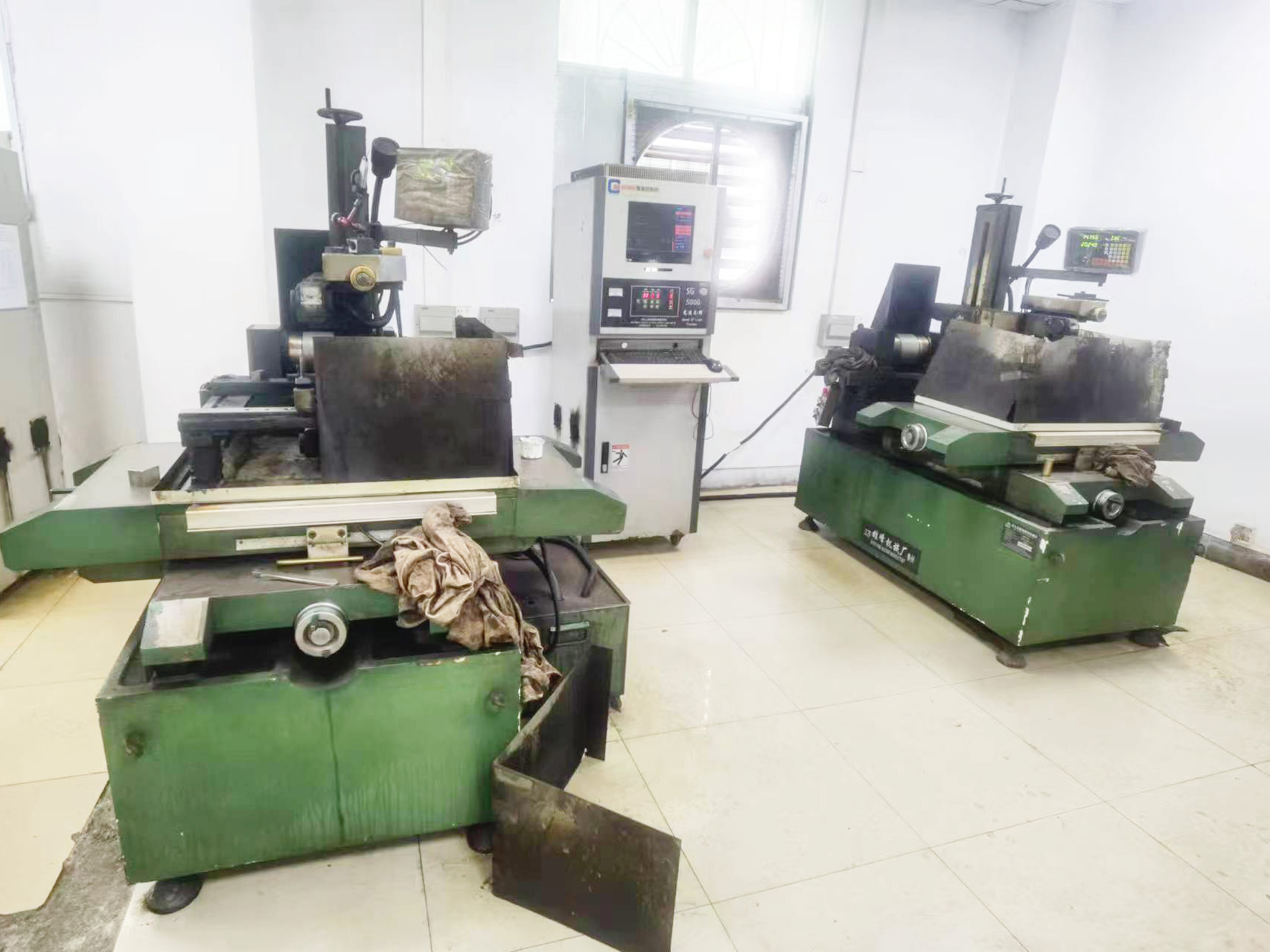


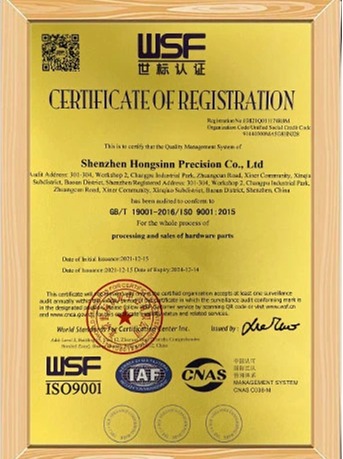


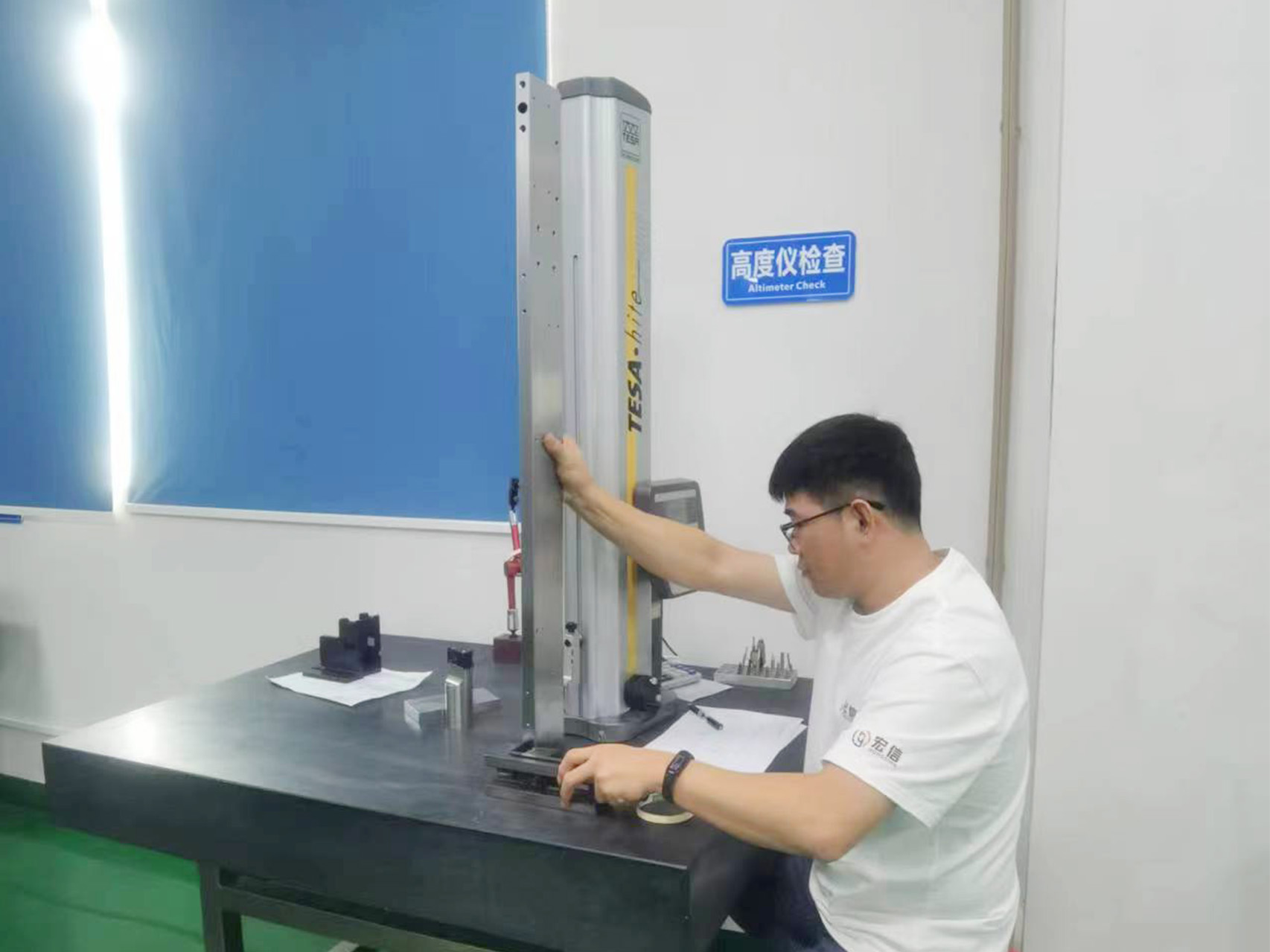


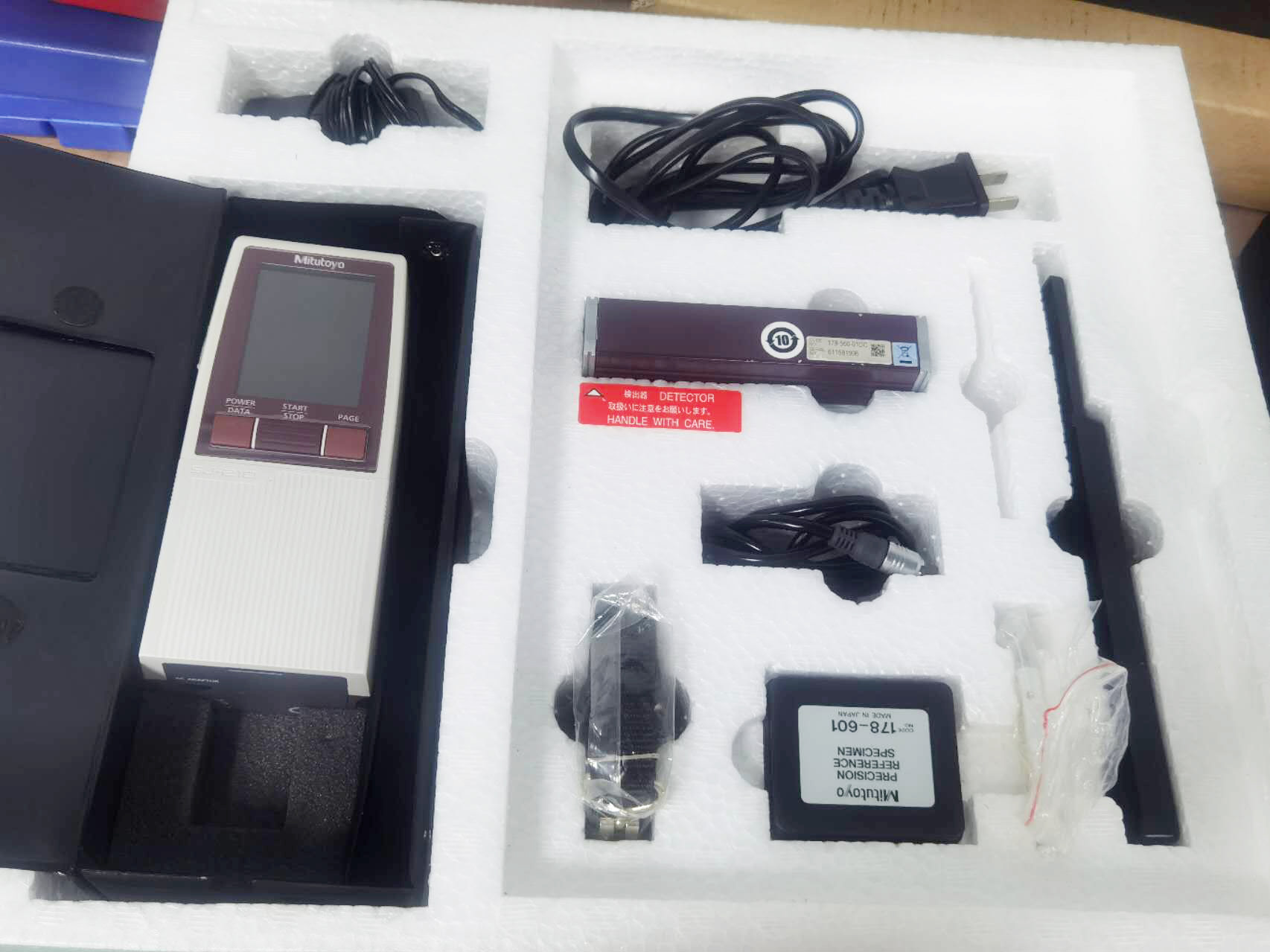
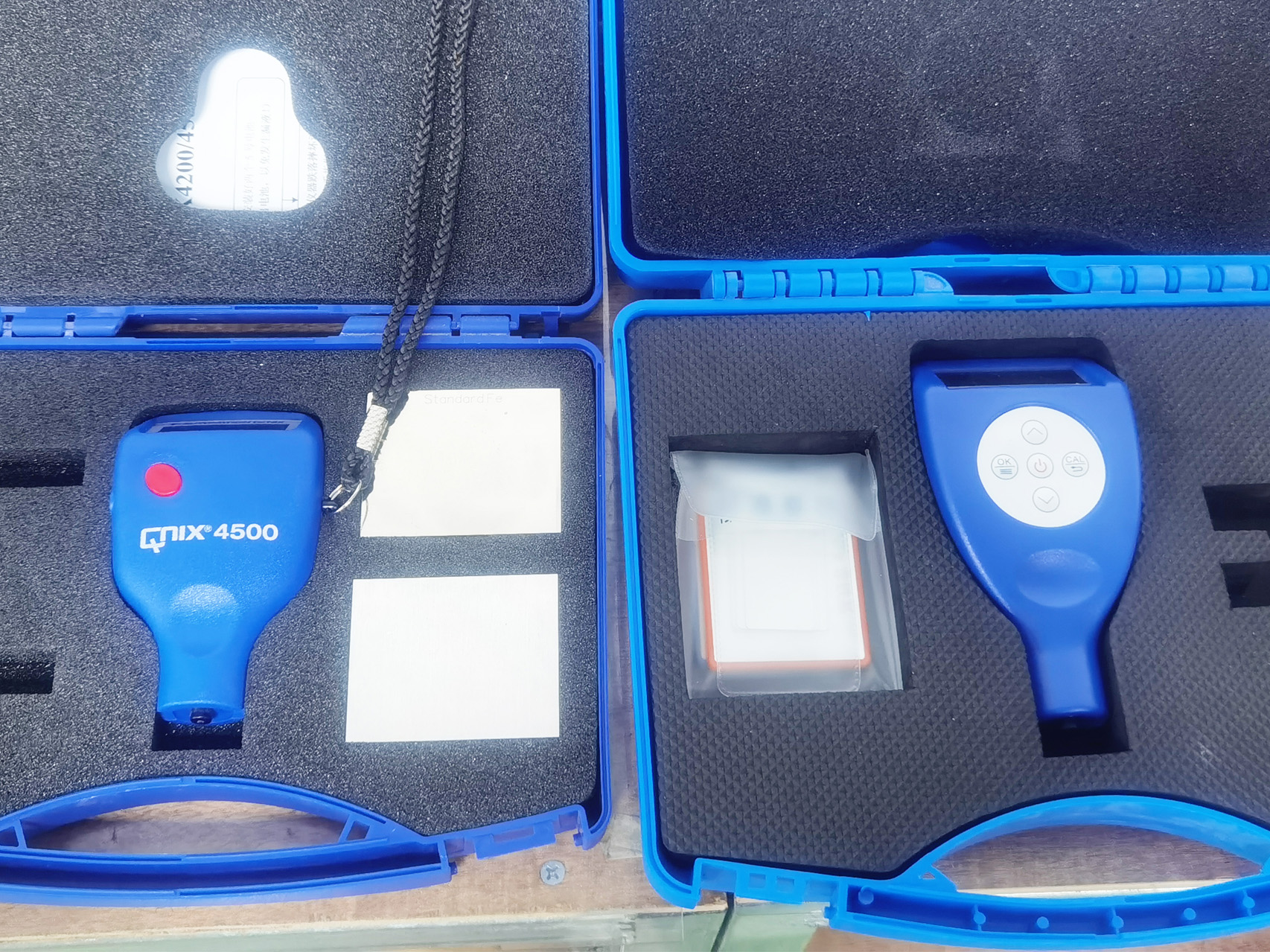


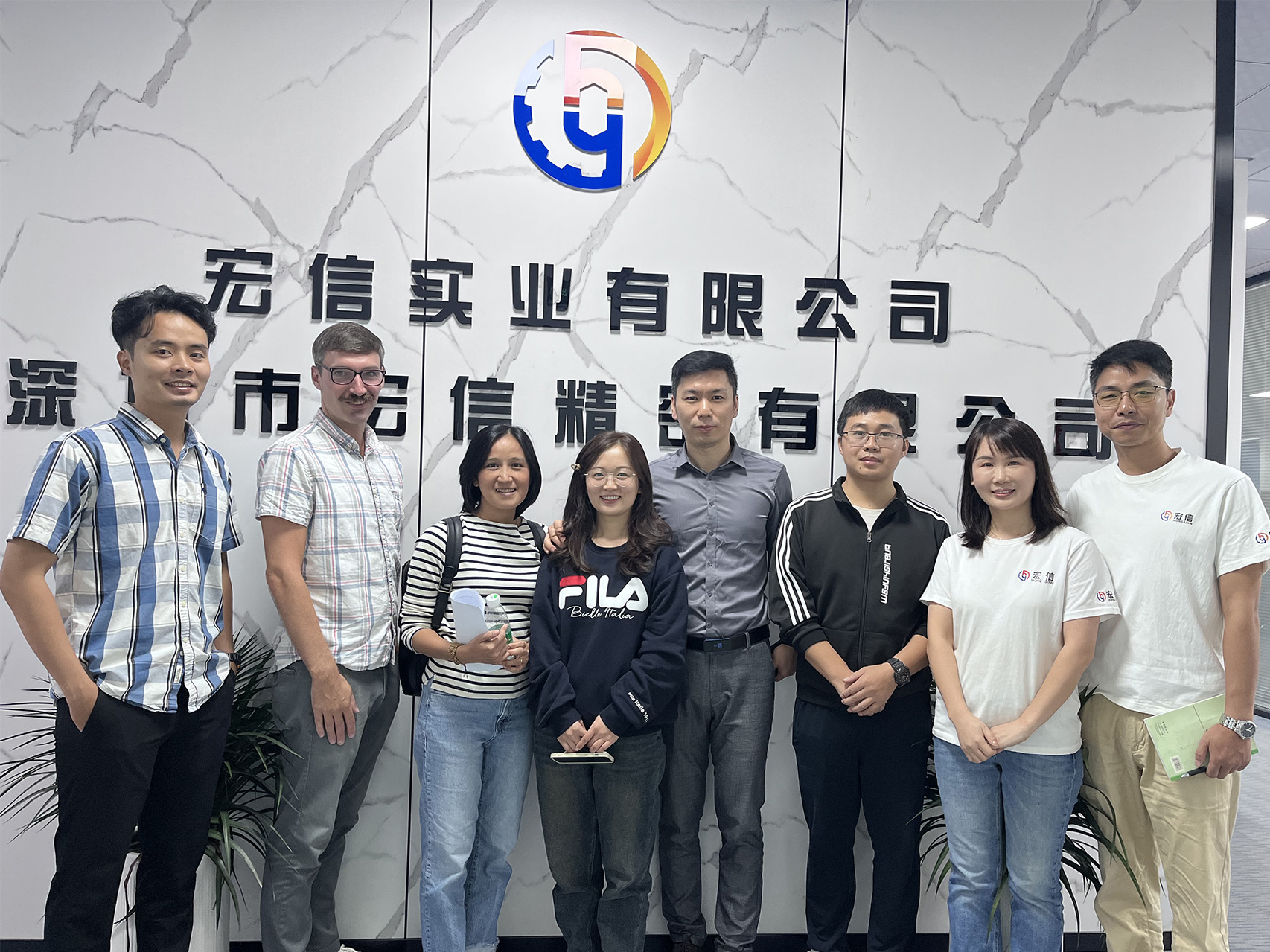

 Providing precision engineering machining services including CNC turning and milling services, CNC lathe components. cnc turning service
 Precision CNC parts for motorcycles and automotive machinery.
 CNC Machining Services in China for High Precision Parts
 Specializing in precision CNC machining for plastic components and tool steel.