Steel Fabrication Jobs and Solutions
Hongsinn-885
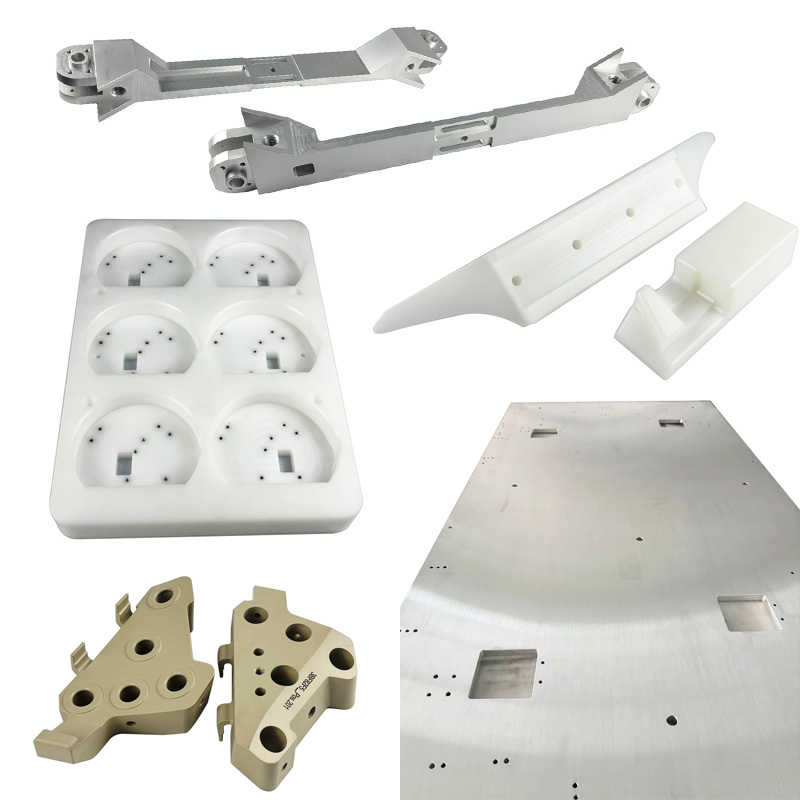
Our steel fabrication jobs ensure high-quality results, providing reliable and efficient services for various industrial applications.
Delivery
FOB
minimum order
1 piece
Supply Ability
5000piece / Week
Country of Origin
Shenzhen
Stock Time
7~15Day
Quantity:
US $0.59 - US $10.68 / piece
Our steel fabrication jobs ensure high-quality results, providing reliable and efficient services for various industrial applications.
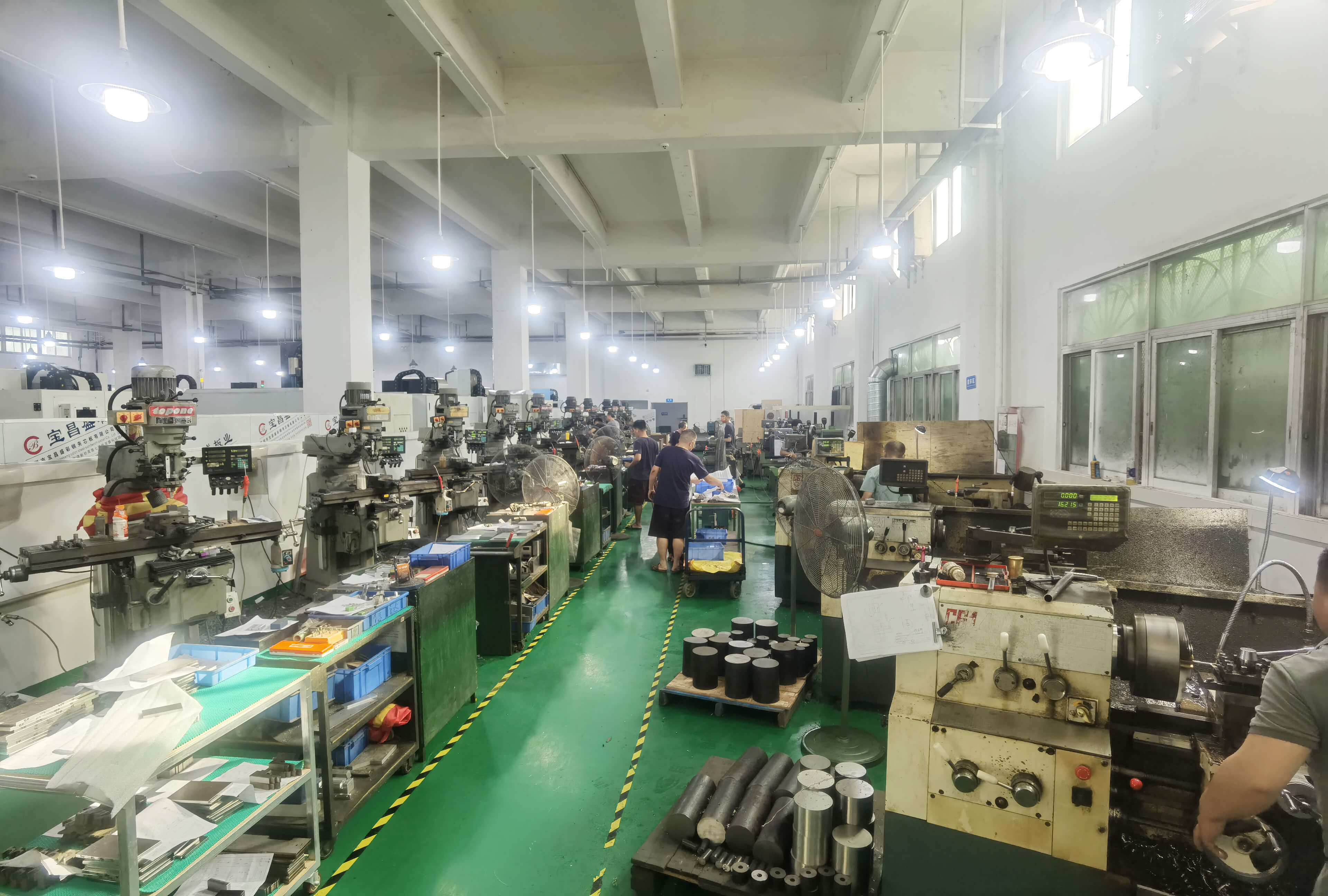
The interconnected fields of prototype manufacture, comprehensive general machining services, and specialized steel fabrication jobs form the foundation of the modern metalworking industry.
|
CNC milling is a machining process that uses a computerized, multi-point cutting tool to shape a workpiece into the desired form and size. During operation, the CNC milling machine feeds the workpiece into a rotating tool, typically in the same direction as the tool's rotation.
CNC milling can perform a variety of machining operations, including:
Face milling: Used for machining shallow, flat surfaces or flat-bottomed cavities.
Adhesive milling: Depending on the tool used, it can perform deep or wide cuts.
Peripheral milling: Specifically used for machining deep cavities, such as grooves or threads.
Angle milling: Used for machining angular elements, such as chamfers, slots, or serrations.
Form milling: Used for machining parts with curved surfaces and flat or fully curved surfaces.
CNC drilling is a machining process that uses a computer-controlled multi-point drill bit to create smooth or threaded holes in a workpiece. During operation, the tool typically rotates and moves perpendicular to the fixed workpiece surface to produce vertically aligned holes. Corner holes can also be created using special machine configurations and work fixtures.
CNC drilling is widely used in various machining operations, including:
Reaming: Enlarging the diameter of an existing hole to meet component or mating requirements.
Piercing: Forming a hole by penetrating through a workpiece.
Reaming: Fine-tuning a hole to improve dimensions and surface smoothness.
Tapping: Machining threads within a hole to facilitate subsequent assembly.
CNC boring is a machining process used to enlarge existing pre-drilled, forged, or cast holes. In CNC boring operations, excess material within the target hole is precisely removed until the desired dimensions, shape, surface roughness, and position are achieved.
This process can be performed by various machining units, such as lathes, jig boring machines, or boring machines. Generally, larger workpieces are machined using boring machines, while smaller parts are better suited for lathes. The high precision and consistency of CNC boring make it play a vital role in mechanical manufacturing.
This process can be performed by various machining units, such as lathes, jig boring machines, or boring machines. Generally, larger workpieces are machined using boring machines, while smaller parts are better suited for lathes. The high precision and consistency of CNC boring make it play a vital role in mechanical manufacturing.