


Specializing in machining medical components and hardened stainless steel.
Hongsinn-670
Precision Perfected: Expert Machining Services for Medical Components and Hardened Stainless Steel. Elevate Your Standards with Unrivaled Quality and Craftsmanship. Your Partner in Precision Machining Excellence!
Delivery
FOB
minimum order
1 piece
Supply Ability
5000piece / Week
Country of Origin
Shenzhen
Stock Time
7~15Day
Quantity:
US $0.59 - US $10.68 / piece
Specializing in machining medical components and hardened stainless steel.
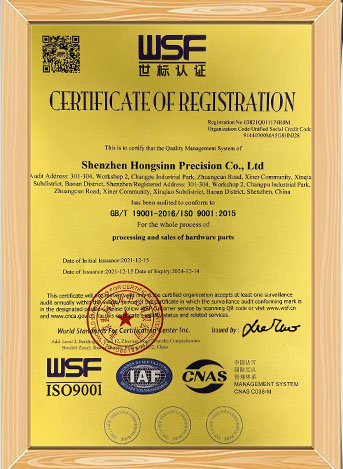
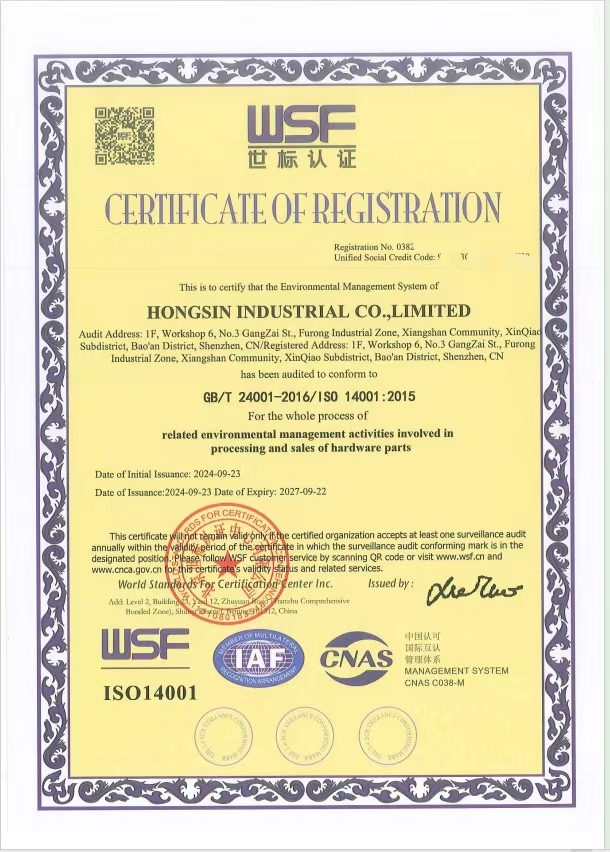
At Shenzhen Hongsinn Precision Co., Ltd. we specialize in high-precision machining medical components, machining hardened metal, and machining hardened stainless steel for industries demanding exceptional quality and reliability. Our ISO 13485-certified facility combines advanced CNC technologies with specialized material expertise to serve the medical, aerospace, and industrial sectors.

The term medical device covers a wide range of applications, including tongue depressors, latex gloves, X-ray machines, custom hearing aids, and biomedical implants such as heart valves. Traditional manufacturing processes, such as CNC machining and injection molding, are commonly used for many existing medical devices, such as prosthetics, surgical tools, and general equipment and tools used by medical professionals. The precision and reliability of these processes are critical to the quality and safety of medical devices.
The field of medical device manufacturing is developing rapidly, and additive manufacturing (3D printing) has attracted much attention due to its highly customizable geometry, low cost and a variety of material options. These advantages make additive manufacturing very suitable for meeting the new needs of medical device manufacturing, and can flexibly respond to personalized and complex design requirements while reducing production costs and time.
Processes used to manufacture medical devices
Whether additive manufacturing or traditional manufacturing processes are the best solution for medical devices depends on many factors, including overall schedule and application. The following key questions should be considered:
- Is this a unique or low volume part?
- Is the part geometry complex or custom for each patient?
- Is this a [prototype](https://www.hubs.com/blog/rapid-prototyping/), proof-of-concept, or final product?
- What is the expected material to be used?
Processing | CNC Turning, CNC Milling, Laser Cutting, Bending, Spinning, Wire Cutting, Stamping, Electric Discharge Machining (EDM), Injection Molding | |||
Materials | Aluminum: 2000 series, 6000 series, 7075, 5052, etc. | |||
Stainless steel: SUS303, SUS304, SS316, SS316L, 17-4PH, etc. | ||||
Steel: 1214L/1215/1045/4140/SCM440/40CrMo, etc. | ||||
Brass: 260, C360, H59, H60, H62, H63, H65, H68, H70, Bronze, Copper | ||||
Titanium: Grade F1-F5 | ||||
Plastic: Acetal/POM/PA/Nylon/PC/PMMA/PVC/PU/Acrylic/ABS/PTFE/PEEK etc. | ||||
Surface Treatment | Anodized, Bead Blasted, Silk Screen, PVD Plating, Zinc/Nickel/Chrome/Titanium Plating, Brushing, Painting, Powder Coated, Passivation, Electrophoresis, Electro Polishing, Knurl, Laser/Etch/Engrave etc. | |||
Tolerance | ±0.002 ~ ±0.005mm | |||
Surface Roughness | Min Ra 0.1~3.2 | |||
1.Direct OEM/0DM manufacturer, advanced produce technical,the highest tolerance we can reach to ±0.005mm;
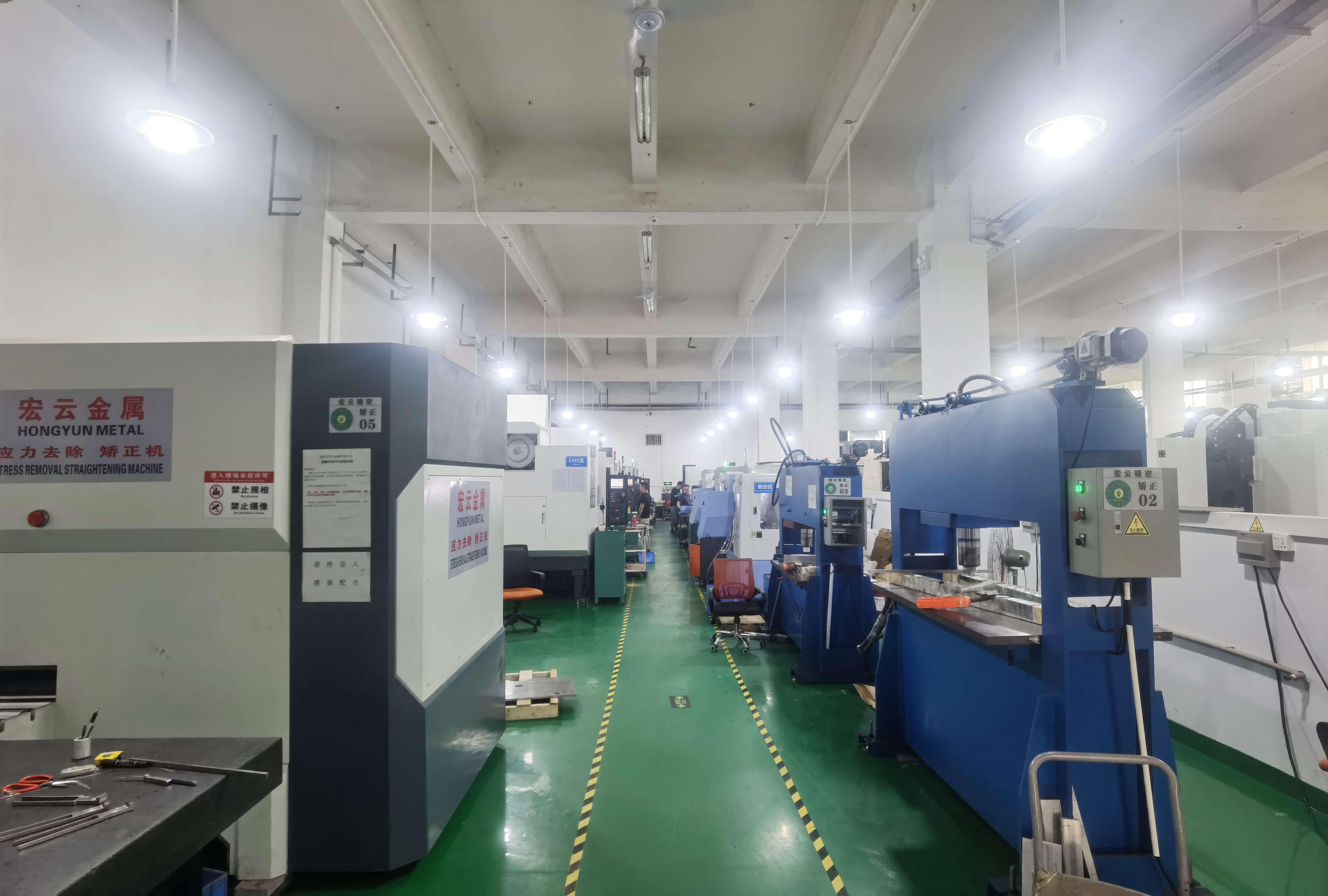
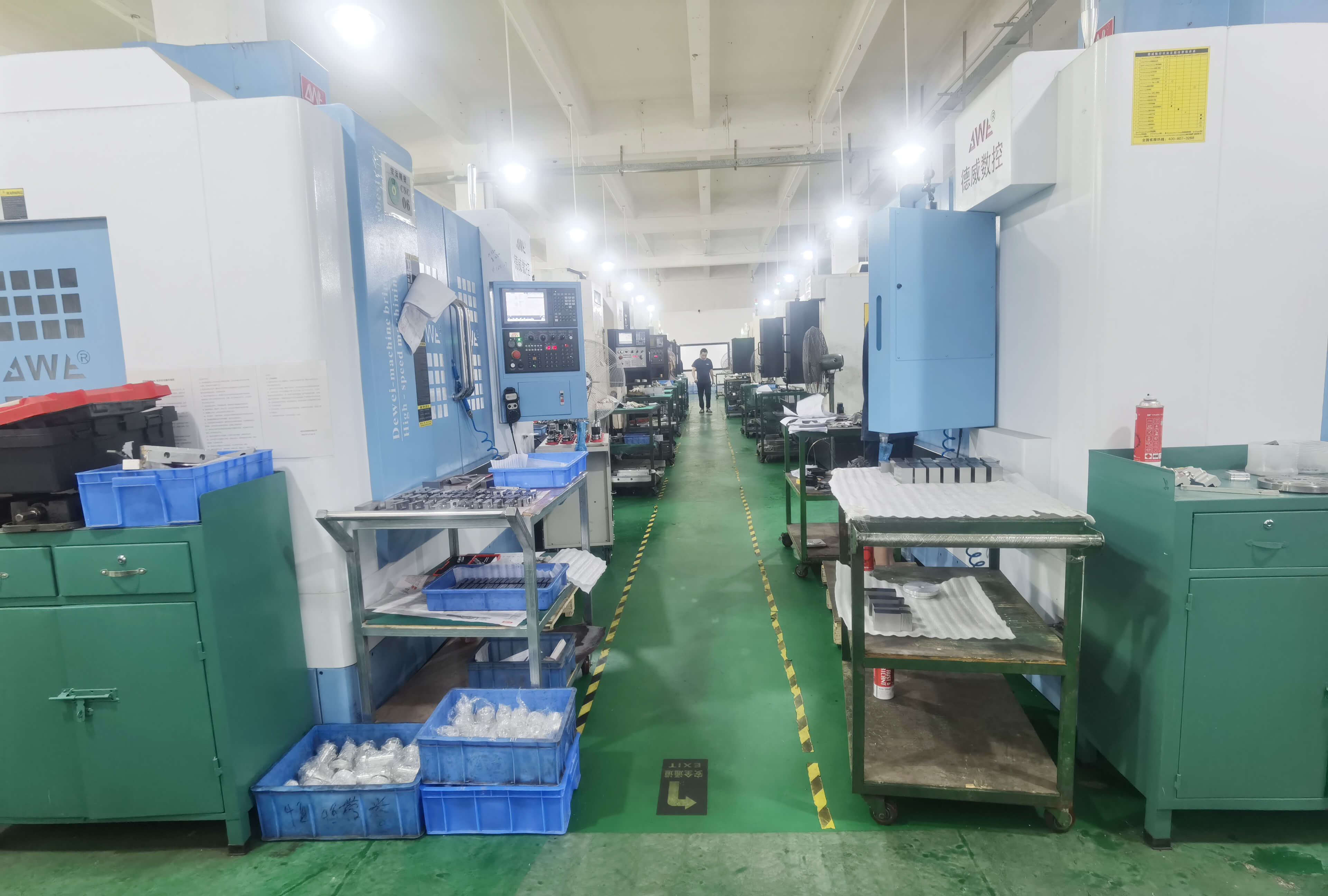
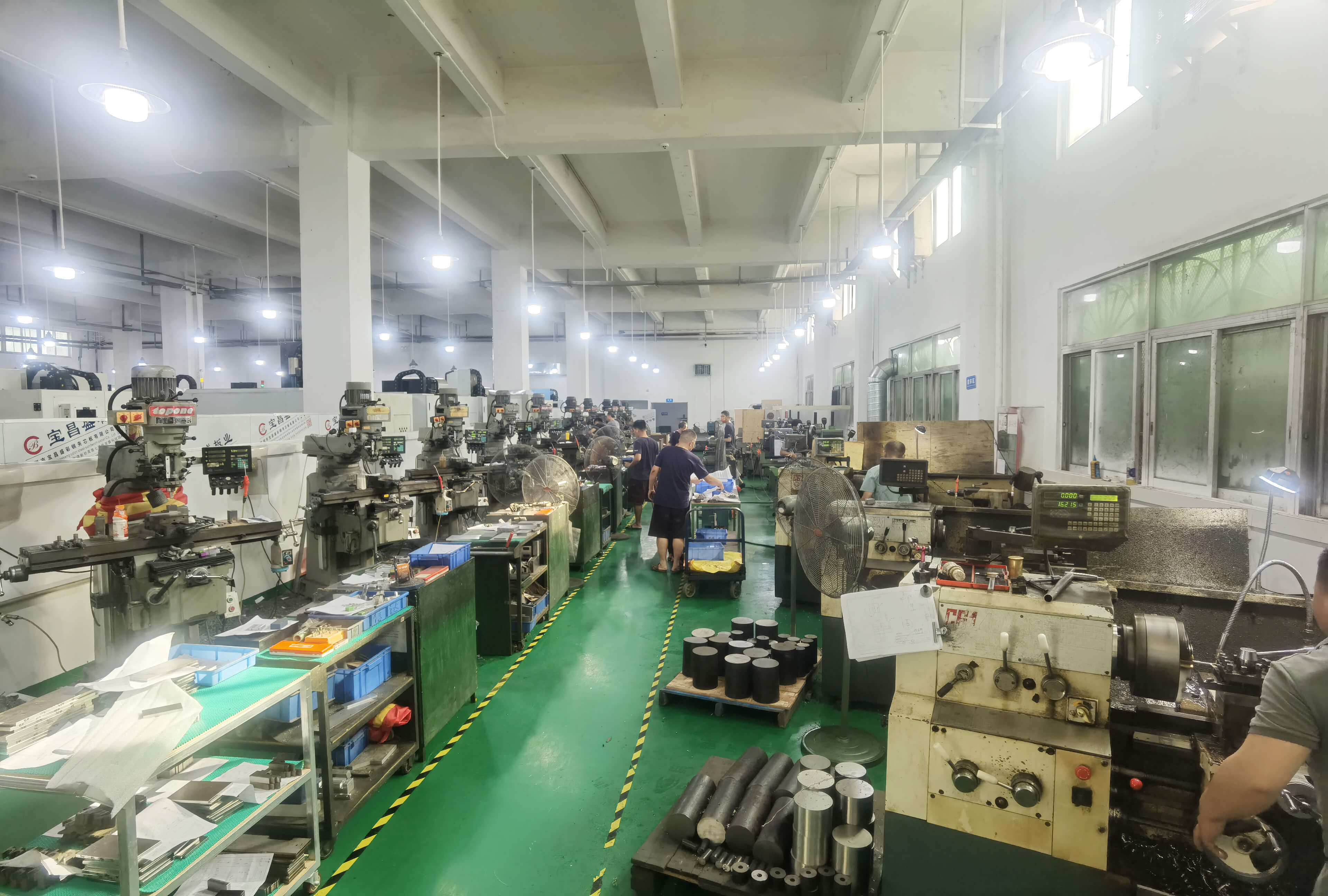
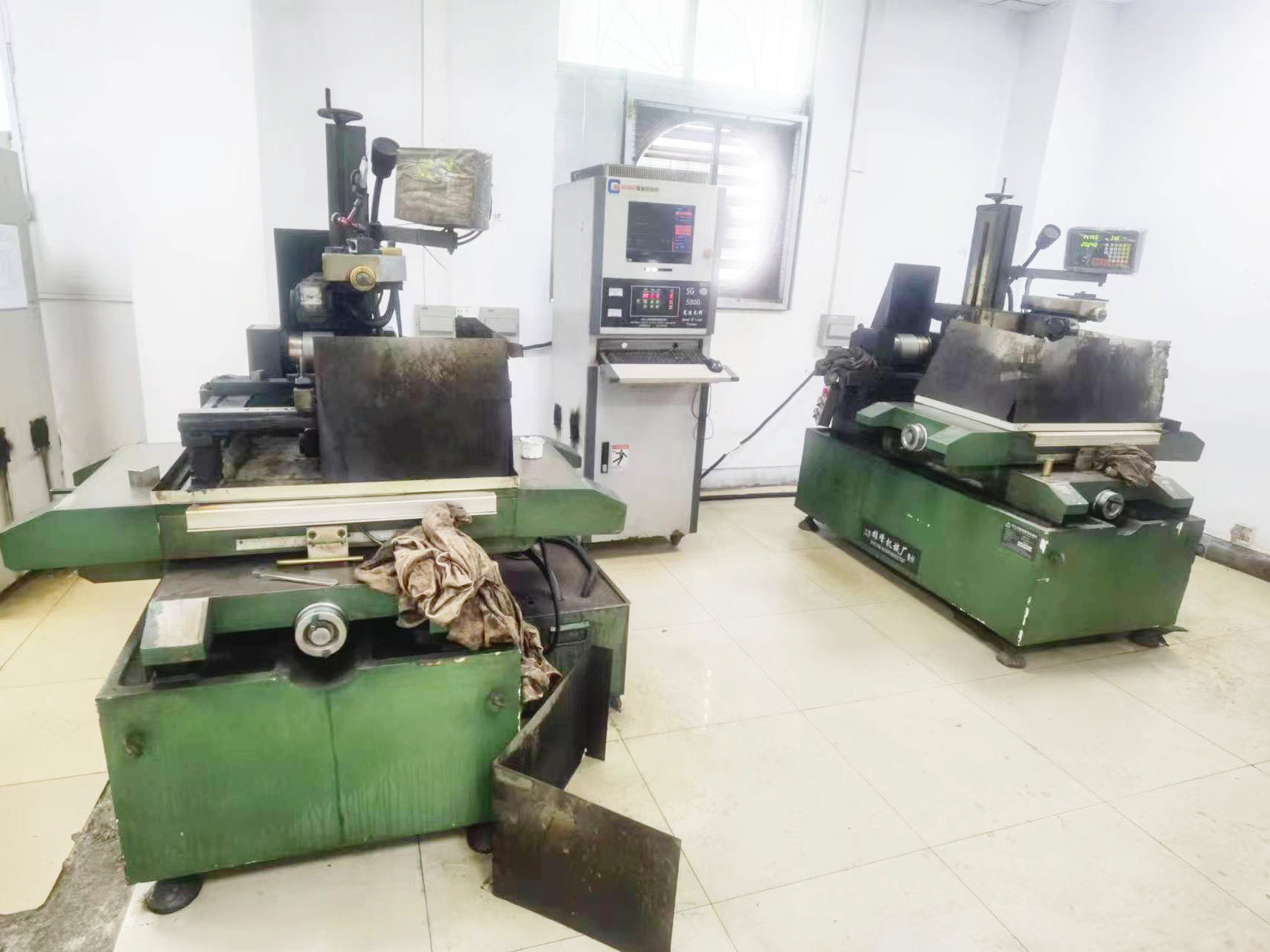
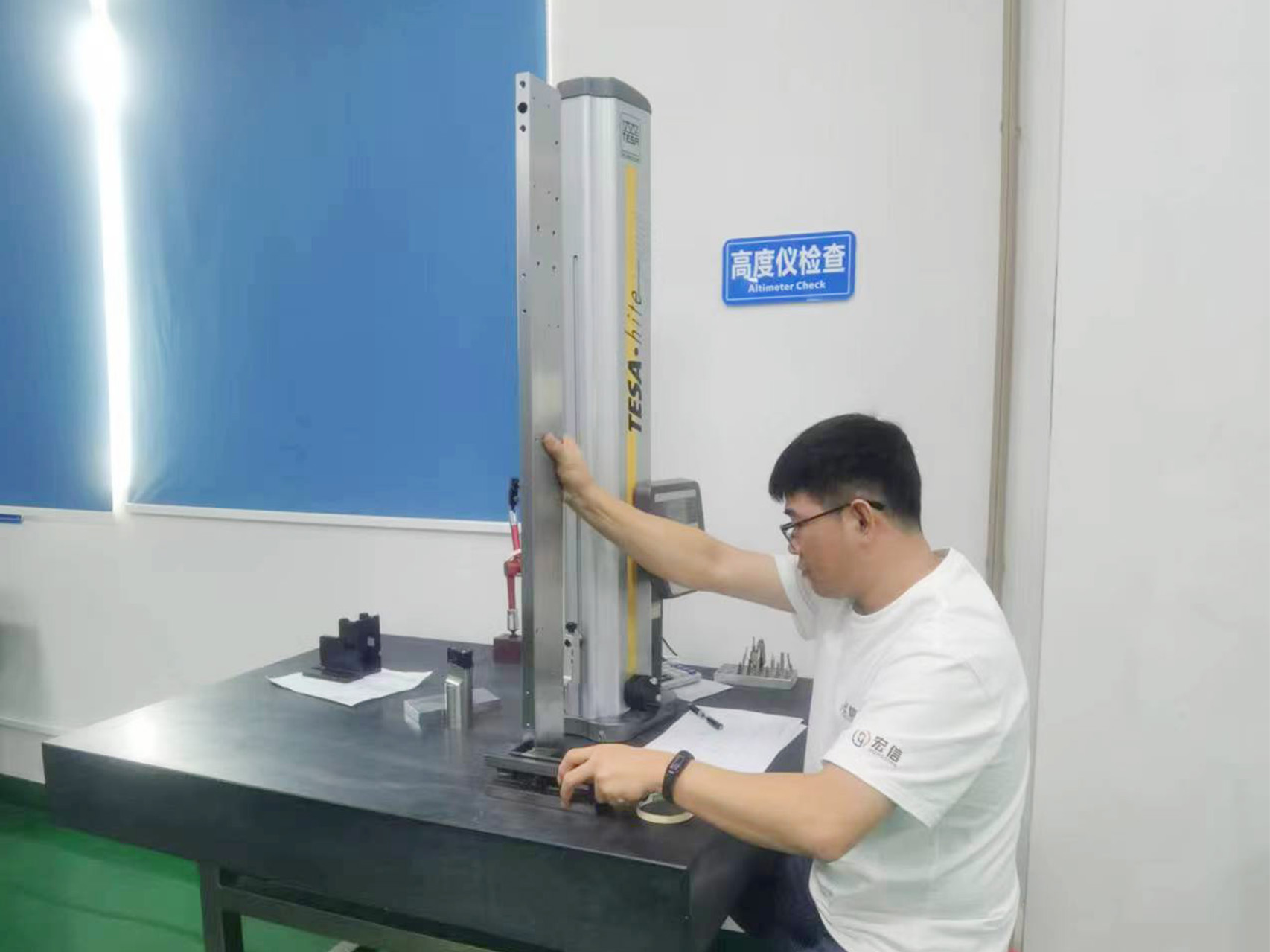
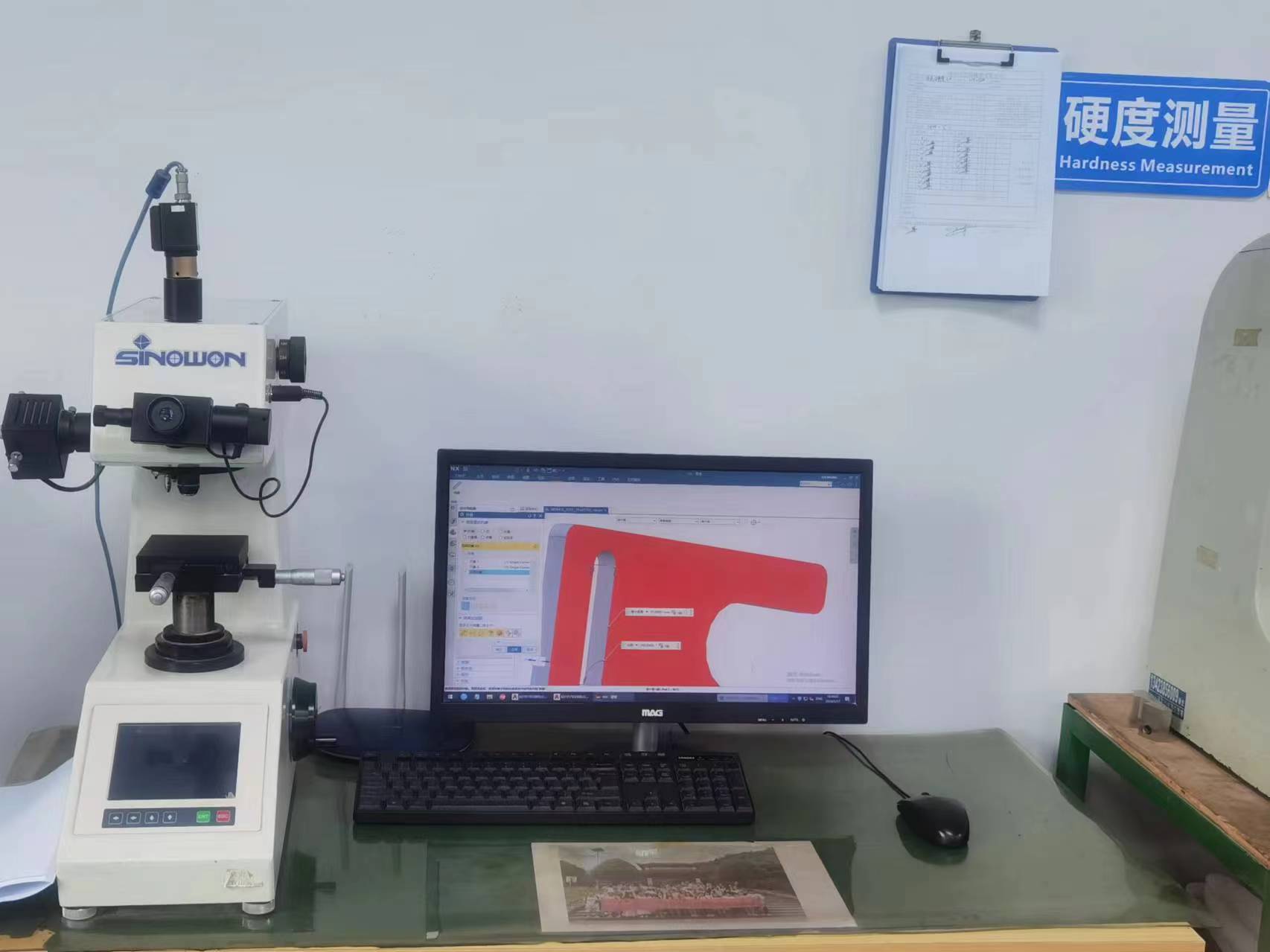
2.Complete produce equipment and test equipment. Independent Engineer team, to check drawings, provide quotation, write machining process, guide production.
3.Independent PMC department, to make production plan and manage delivery time.
4.Quick proofing, short delivery time, usually is 3-15 days
4.Quick proofing, short delivery time, usually is 3-15 days
5 .The company has gathered a rich group of technologicallyadvanced modern talents, which has laid a stable foundationfor the long-term development of the company.
6.Complex and difficult surface and functional structureof the hand plate model, We can all mold quickly.xxx
Best practices for designing and manufacturing medical devices
Following best practices is always an important part of the manufacturing process for all types of manufactured products, but even more so for medical devices, which are directly related to the health and safety of patients. Therefore, regulations for medical devices are often more stringent than for general manufacturing. In addition, best practices often improve a company's performance by increasing quality and reducing waste, rework, and accidents. The following examples are best practices for manufacturing medical devices.
Know and understand the applicable regulatory standards and guidelines
Research the U.S. Food and Drug Administration (FDA) regulations to avoid violations of applicable laws and unnecessary redesign or rework. FDA regulations are detailed in Title 21 of the Code of Federal Regulations (CFR) Part 800, and more information is available on the FDA website. If manufacturing outside the United States or shipping to another country, also understand the laws of that jurisdiction.
Consider design controls for product development
Design controls are standards that need to be met before moving on to the next design stage and final approval of the design. They are critical to medical device manufacturing because certification requires a multi-step process and ensures that the medical device design complies with the strict manufacturing regulations that apply to medical devices. Standards should be established - usually for the product - and can include internal/customer requirements and applicable laws and regulations.
Design reviews can be used to evaluate designs against design control criteria based on design maturity - design team members and other stakeholders are often involved in design reviews, and this is a good opportunity to collect feedback from all team members. Design controls are an effective way to track major design milestones and ensure that the design meets applicable requirements throughout the design process.














Recommend Products
 Providing precision engineering machining services including CNC turning and milling services, CNC lathe components. cnc turning service
 Precision CNC parts for motorcycles and automotive machinery.
 CNC Machining Services in China for High Precision Parts
 Specializing in precision CNC machining for plastic components and tool steel.