0
image
image
image
machining cutting

Specializing in machining magnesium and alumina for precision cutting services.

Hongsinn-592
Experience precision like never before with our specialized machining services for magnesium and alumina cutting. Elevate your projects with top-tier precision and quality in every detail.
Delivery
FOB
minimum order
1 piece
Supply Ability
5000piece / Week
Country of Origin
Shenzhen
Stock Time
7~15Day
Quantity:
US $0.59 - US $10.68 / piece
Contact Now
add to cart

Specializing in machining magnesium and alumina for precision cutting services.

Precision machining of advanced materials like magnesium and alumina (aluminum oxide) requires specialized techniques to achieve optimal results while maintaining safety and efficiency.

machining magnesium
Magnesium alloys are renowned for their exceptional strength-to-weight ratio, whether cast or forged, making them highly useful and attractive in many engineering applications. Compared to other materials such as stainless steel and aluminum, magnesium alloys can be up to 70% and 33% lighter, respectively.

Among structural metals, magnesium alloys not only offer the highest damping capacity but are also cost-effective and extremely easy to process and work with. These properties make magnesium alloys a highly attractive choice for modern engineering design.
 
This is why magnesium alloys are commonly used in a wide range of industries, including aerospace, automotive, electronics, defense, biomedical, green energy technology, and manufacturing. Below, we will explore various aspects related to magnesium alloys, including their composition, applications, chemical and physical properties, as well as their advantages and limitations.


What is Magnesium?

Magnesium (Mg) is a silvery-white alkaline earth metal with atomic number 12 in the periodic table. It resembles aluminum in appearance, is solid at room temperature, and has a high density. Its name derives from Magnesia, a region east of Thessaly, Greece. Originally, magnesium was primarily identified by compounds such as Epsom salt (magnesium sulfate), magnesium oxide, white magnesium (magnesium oxide), and magnesite (magnesium carbonate).
 
A closer look at magnesium's formation reveals its hexagonal close-packed (HCP) crystal structure. Compared to other metals with the same structure, magnesium exhibits less ductility at lower temperatures during processing. Interestingly, pure magnesium lacks sufficient strength for most structural applications. This is why magnesium is often alloyed with other elements to improve its mechanical properties, making it well-suited for lightweight, durable applications.
For example, magnesium alloys are highly favored in industries such as automotive, electronics, and aerospace.
 
Processing
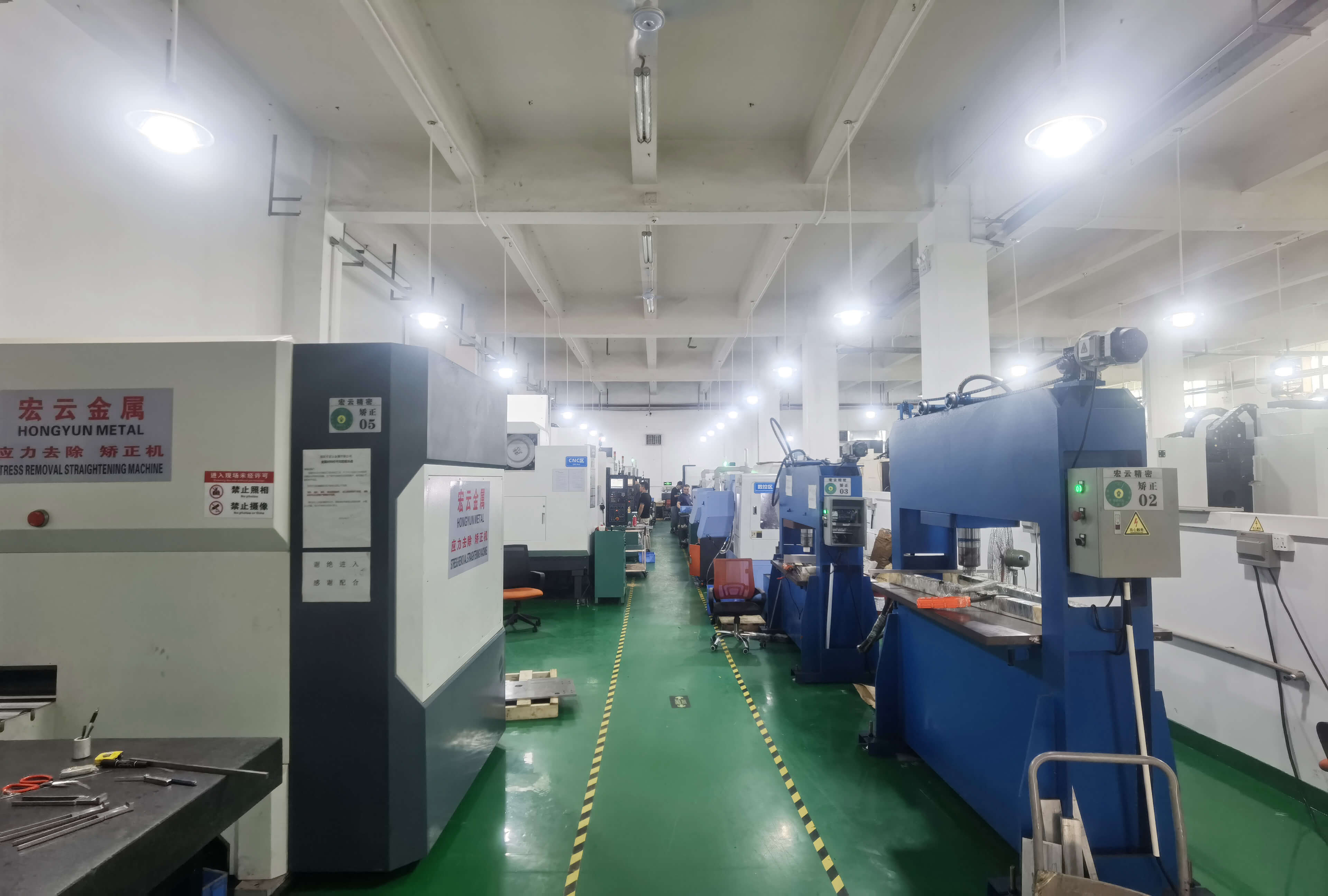
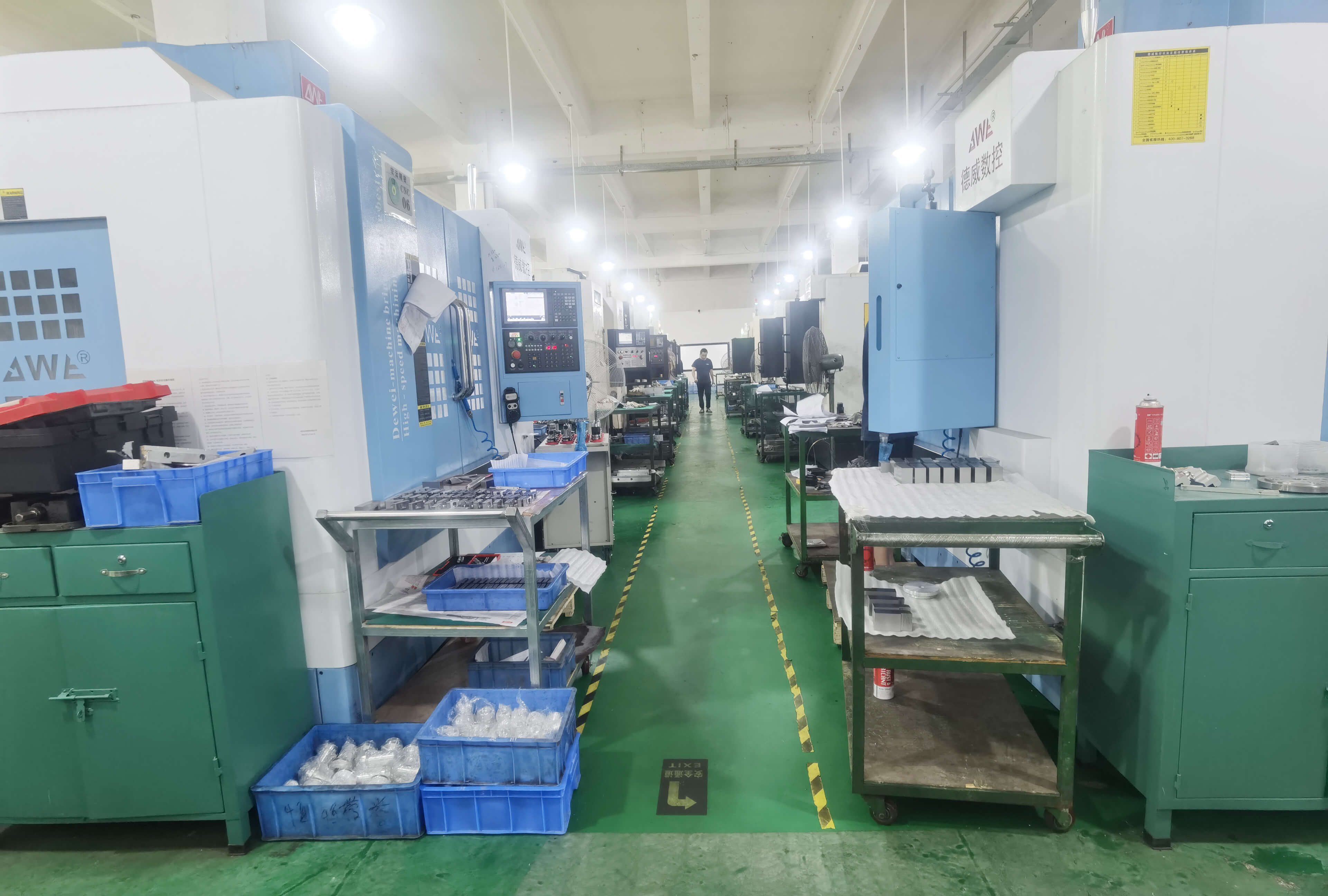
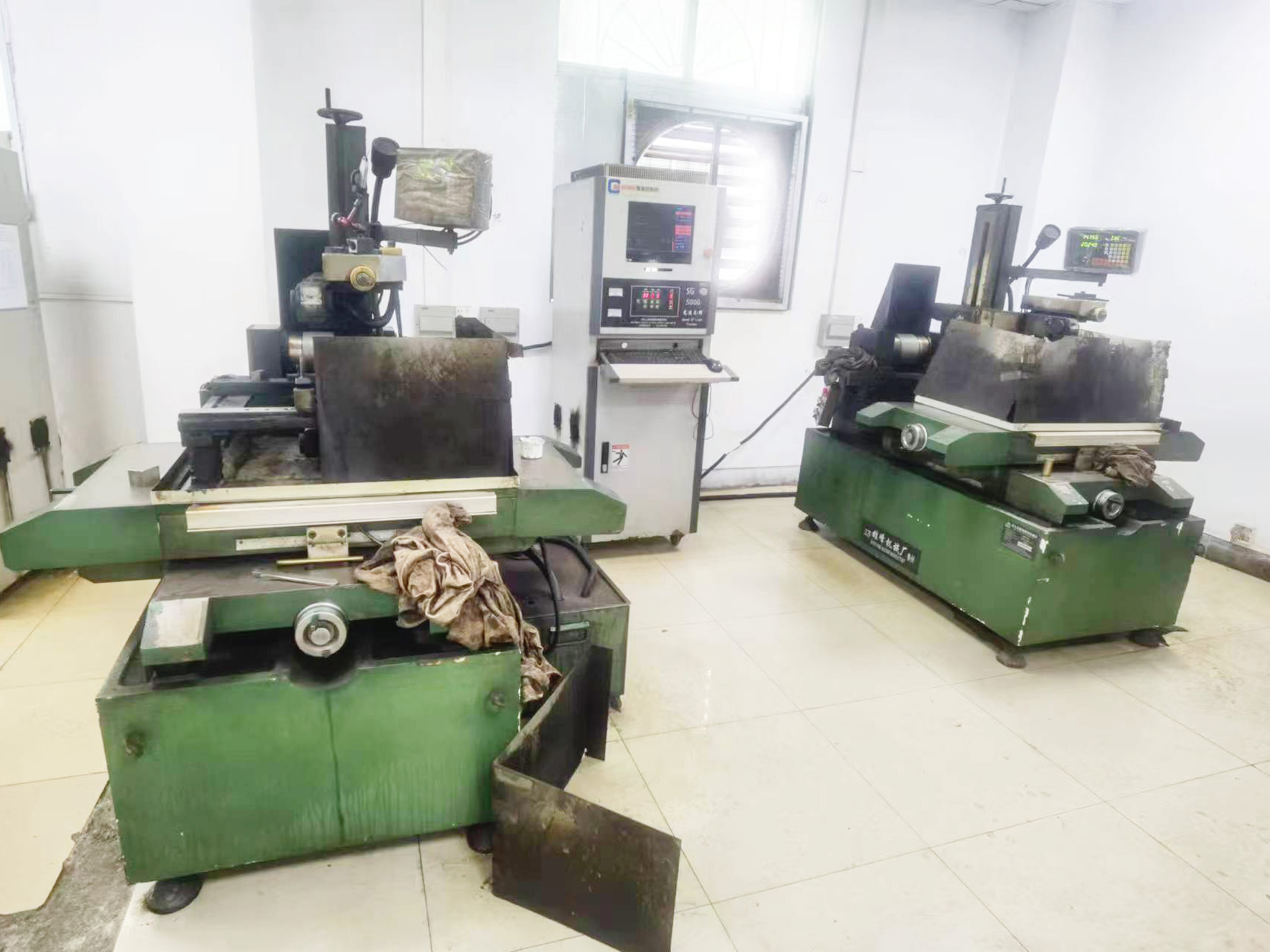
CNC Turning, CNC Milling, Laser Cutting, Bending, Spinning, Wire Cutting, Stamping, Electric Discharge Machining (EDM), Injection Molding


Materials
Aluminum: 2000 series, 6000 series, 7075, 5052, etc.
Stainless steel: SUS303, SUS304, SS316, SS316L, 17-4PH, etc.
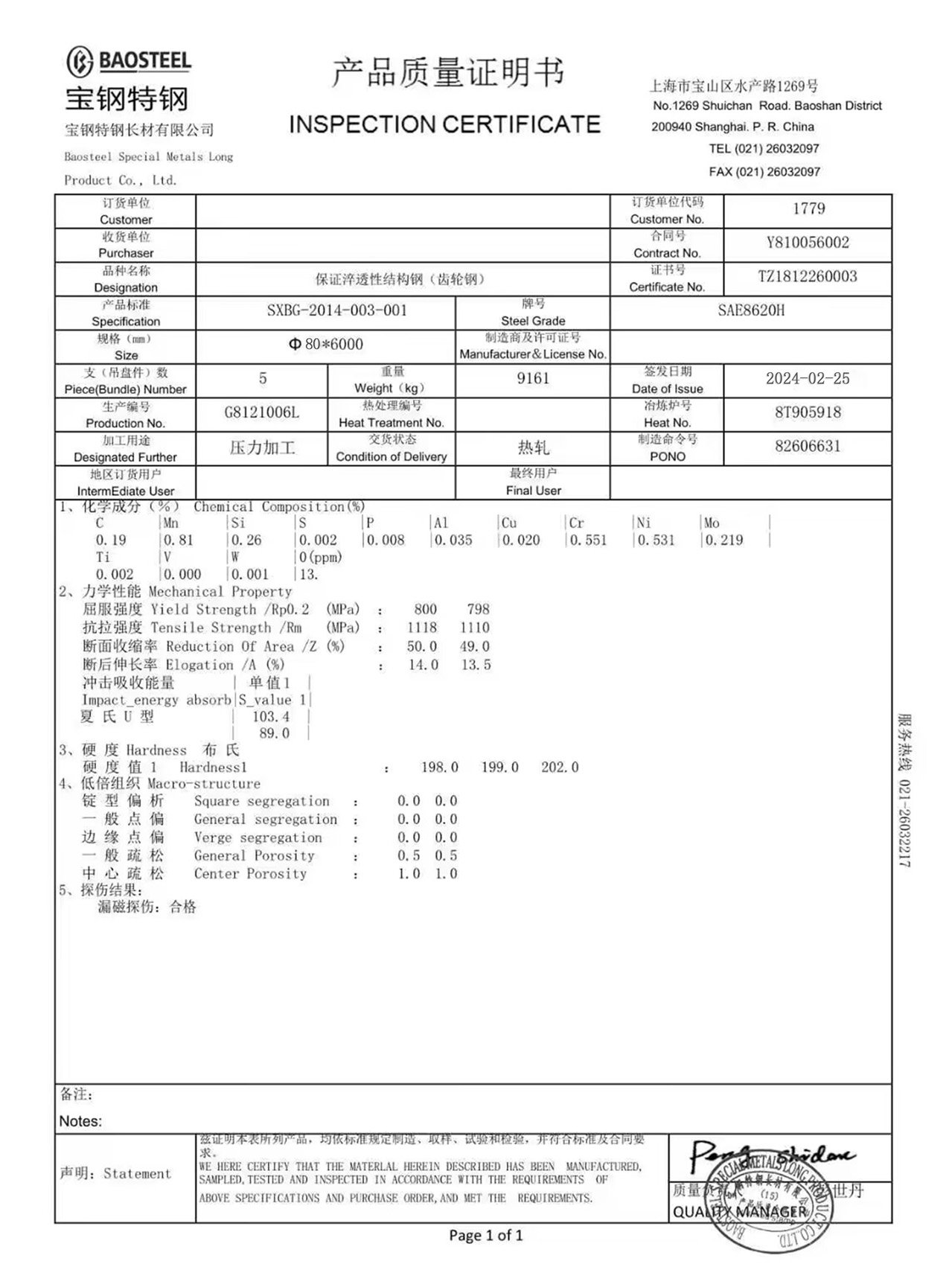
Steel: 1214L/1215/1045/4140/SCM440/40CrMo, etc.
Brass: 260, C360, H59, H60, H62, H63, H65, H68, H70, Bronze, Copper
Titanium: Grade F1-F5
Plastic: Acetal/POM/PA/Nylon/PC/PMMA/PVC/PU/Acrylic/ABS/PTFE/PEEK etc.
 
Surface Treatment
Anodized, Bead Blasted, Silk Screen, PVD Plating, Zinc/Nickel/Chrome/Titanium Plating, Brushing, Painting, Powder Coated, Passivation, Electrophoresis, Electro Polishing, Knurl, Laser/Etch/Engrave etc.
Tolerance
±0.002 ~ ±0.005mm
Surface Roughness
Min Ra 0.1~3.2
 
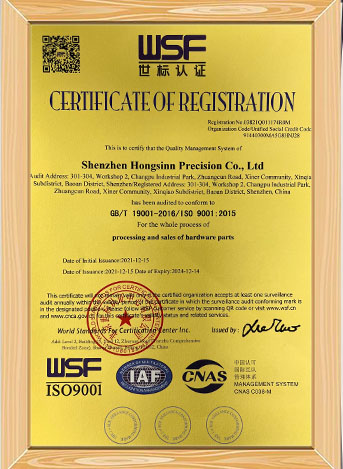
1.Direct OEM/0DM manufacturer, advanced produce technical,the highest tolerance we can reach to ±0.005mm;
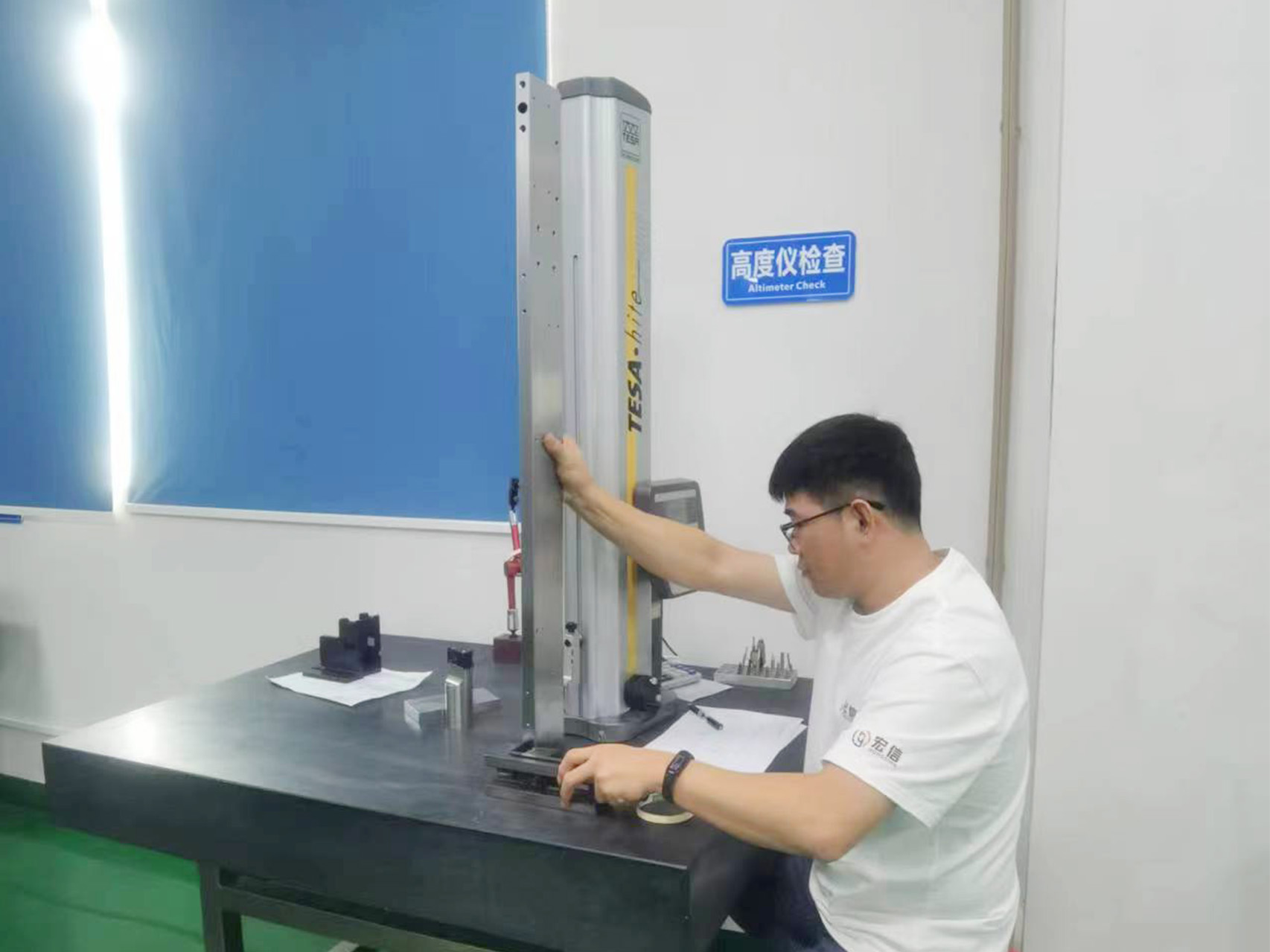
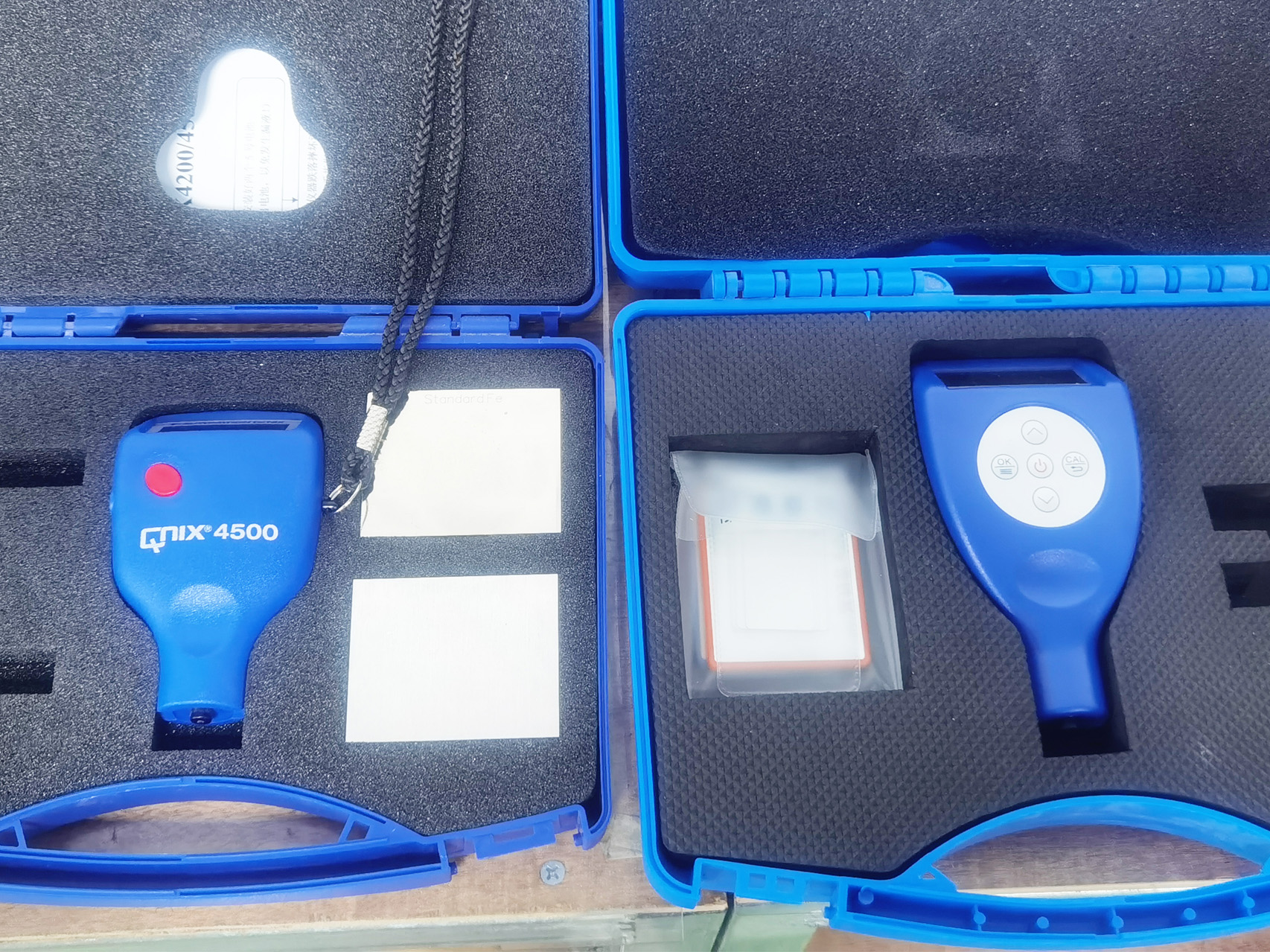
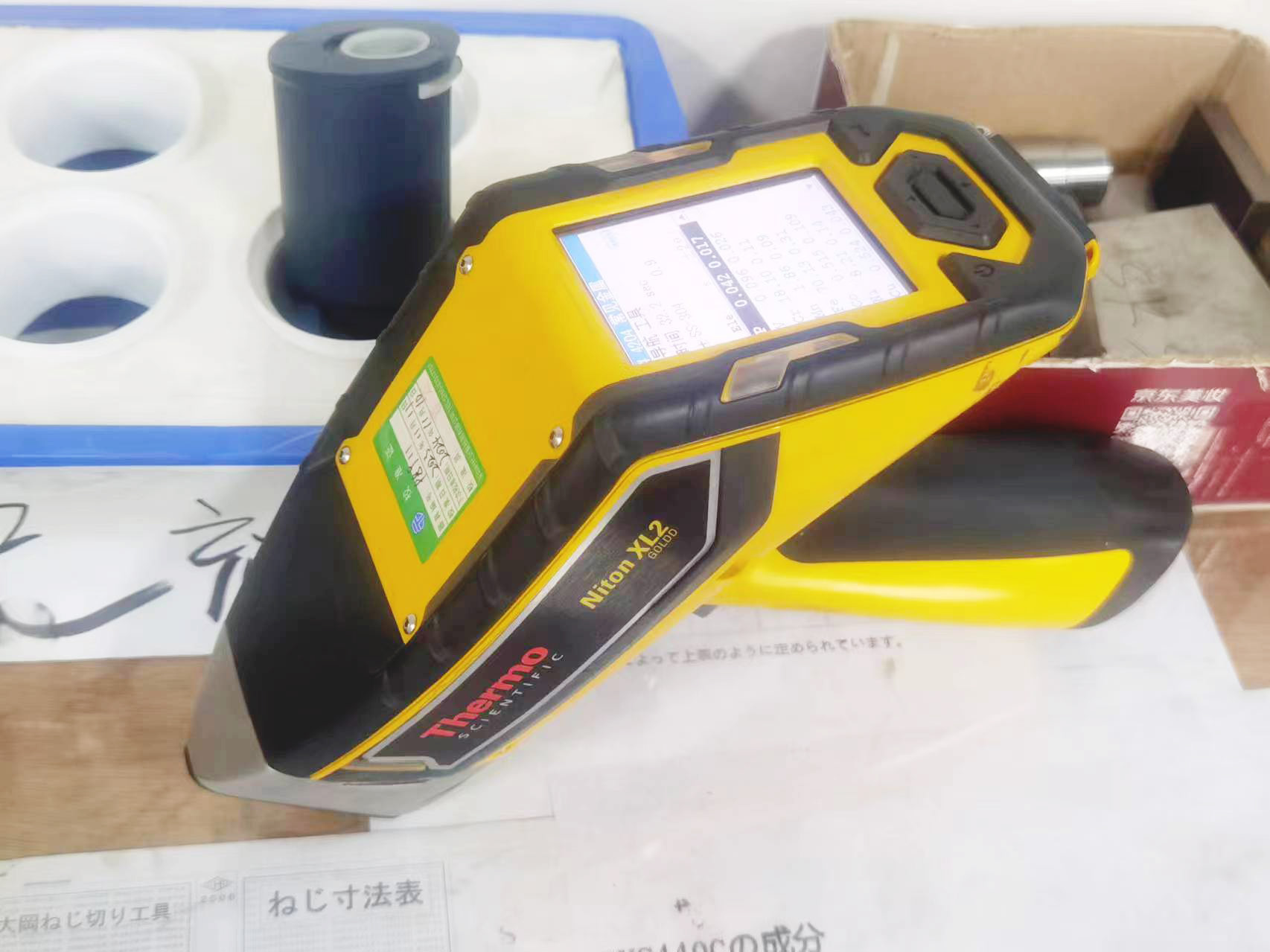
2.Complete produce equipment and test equipment. Independent Engineer team, to check drawings, provide quotation, write machining process, guide production. 
3.Independent PMC department, to make production plan and manage delivery time.
4.Quick proofing, short delivery time, usually is 3-15 days
5 .The company has gathered a rich group of technologicallyadvanced modern talents, which has laid a stable foundationfor the long-term development of the company.
6.Complex and difficult surface and functional structureof the hand plate model, We can all mold quickly.xxx
 
Magnesium Production

Pure magnesium does not occur in nature and must be produced through specialized chemical processes. The main sources of magnesium include seawater and natural brines, which contain approximately 1.3 kg/m³ of dissolved magnesium. Additionally, magnesium can be extracted from minerals such as magnesite and dolomite. These sources provide the basis for industrial magnesium production.
 
Extracting magnesium from raw materials requires significant energy. First, the raw materials must be concentrated into a form suitable for use in one of two methods: thermal reduction (also known as the Pidgeon process) or electrolysis. We'll explore both methods in detail below.
 
Pidgeon Process

The Pidgeon process involves crushing dolomite ore and heating it in a kiln, producing a mixture of magnesium oxide and calcium oxide. This mixture is then mixed with crushed ferrosilicon and formed into briquettes. Next, the briquettes are heated in a vacuum until the silicon in the ferrosilicon reduces the magnesium oxide to metallic magnesium. This process efficiently extracts magnesium while utilizing the ferrosilicon as a reducing agent.
 
The process needs to be performed at a temperature above the evaporation temperature of magnesium to ensure good extraction. Once the process is complete, the pure element is collected as a gas, which is then condensed, cooled, and cast into ingots. The Pidgeon process can produce magnesium with a purity of up to 99.99%, which is slightly higher than the electrolytic process.
machining magnesium

Successful machining magnesium and machining alumina requires understanding each material's unique properties and challenges. While magnesium offers excellent machinability but significant fire risks, alumina demands specialized tooling and processes due to its extreme hardness. Mastering these machining cutting techniques enables manufacturers to produce high-performance components for aerospace, medical, and industrial applications.

By implementing proper tooling, safety protocols, and advanced machining strategies, manufacturers can achieve precision results while maintaining operational safety and efficiency.