Efficient Rapid Prototyping Factories
Hongsinn-802
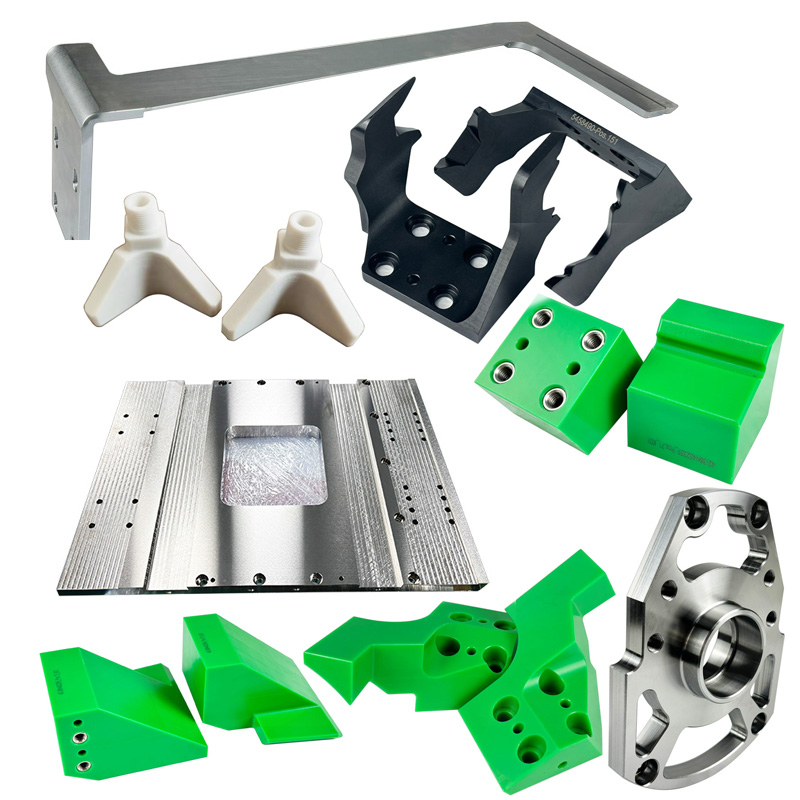
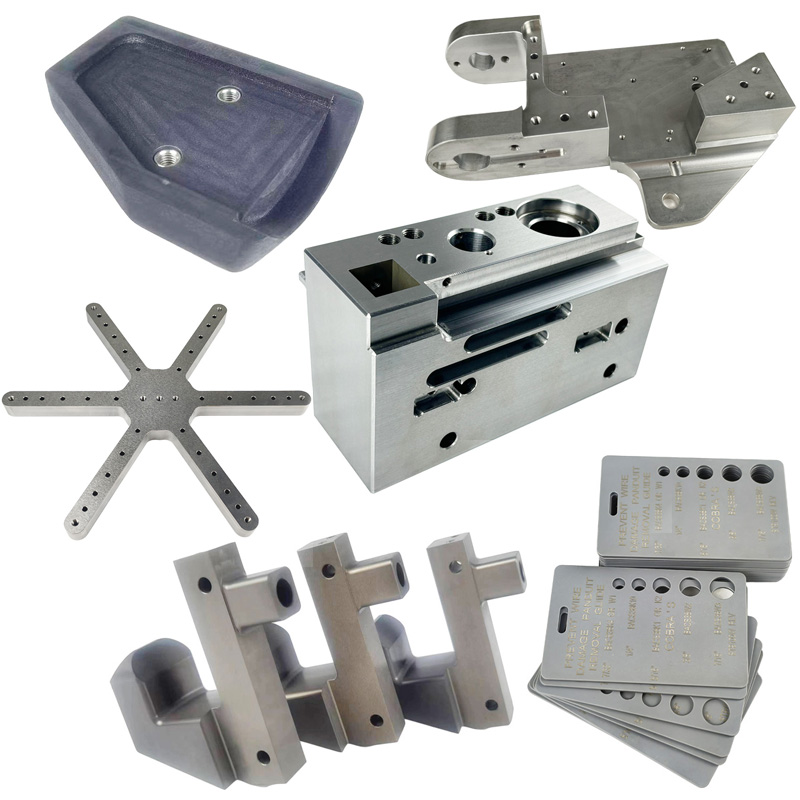
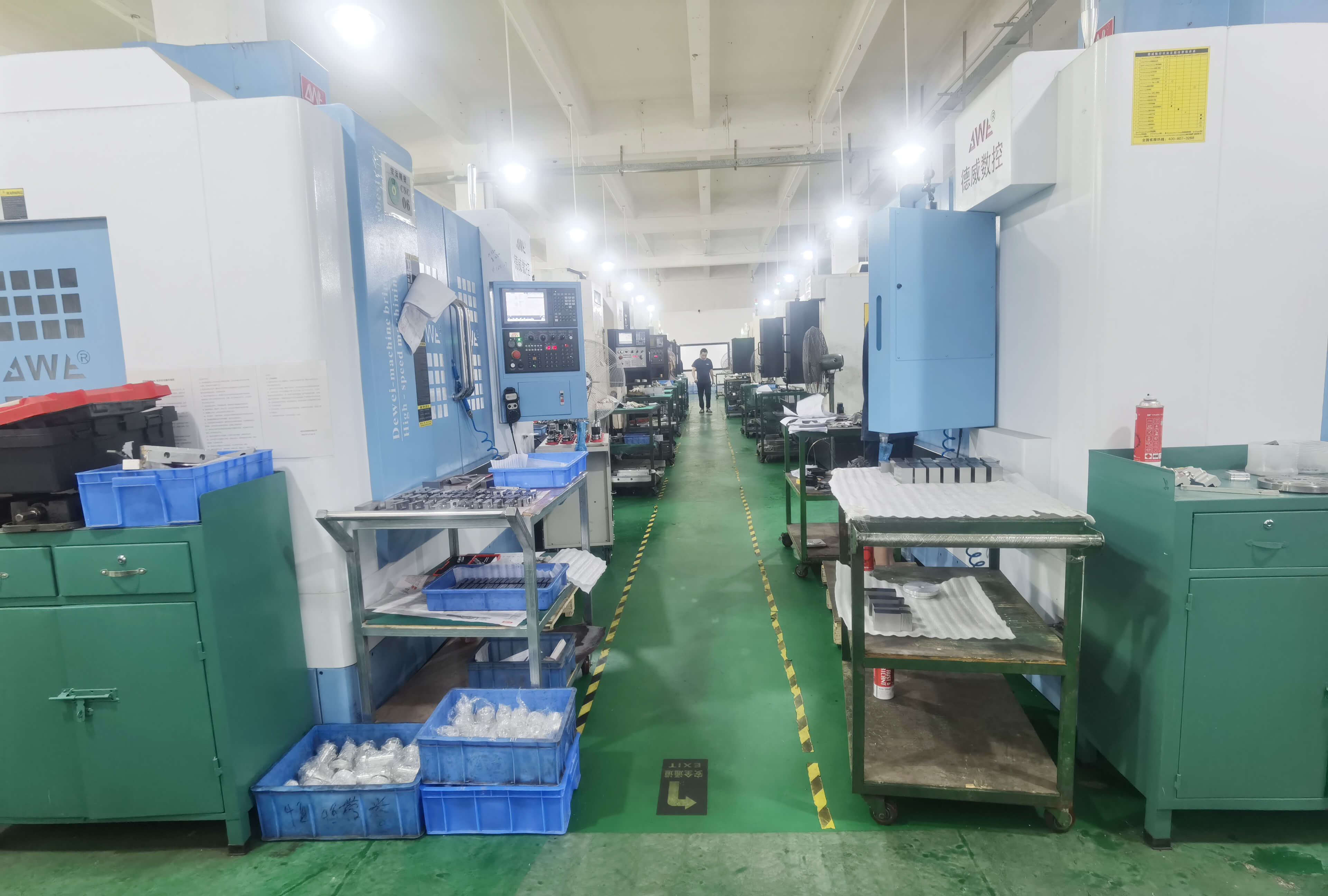
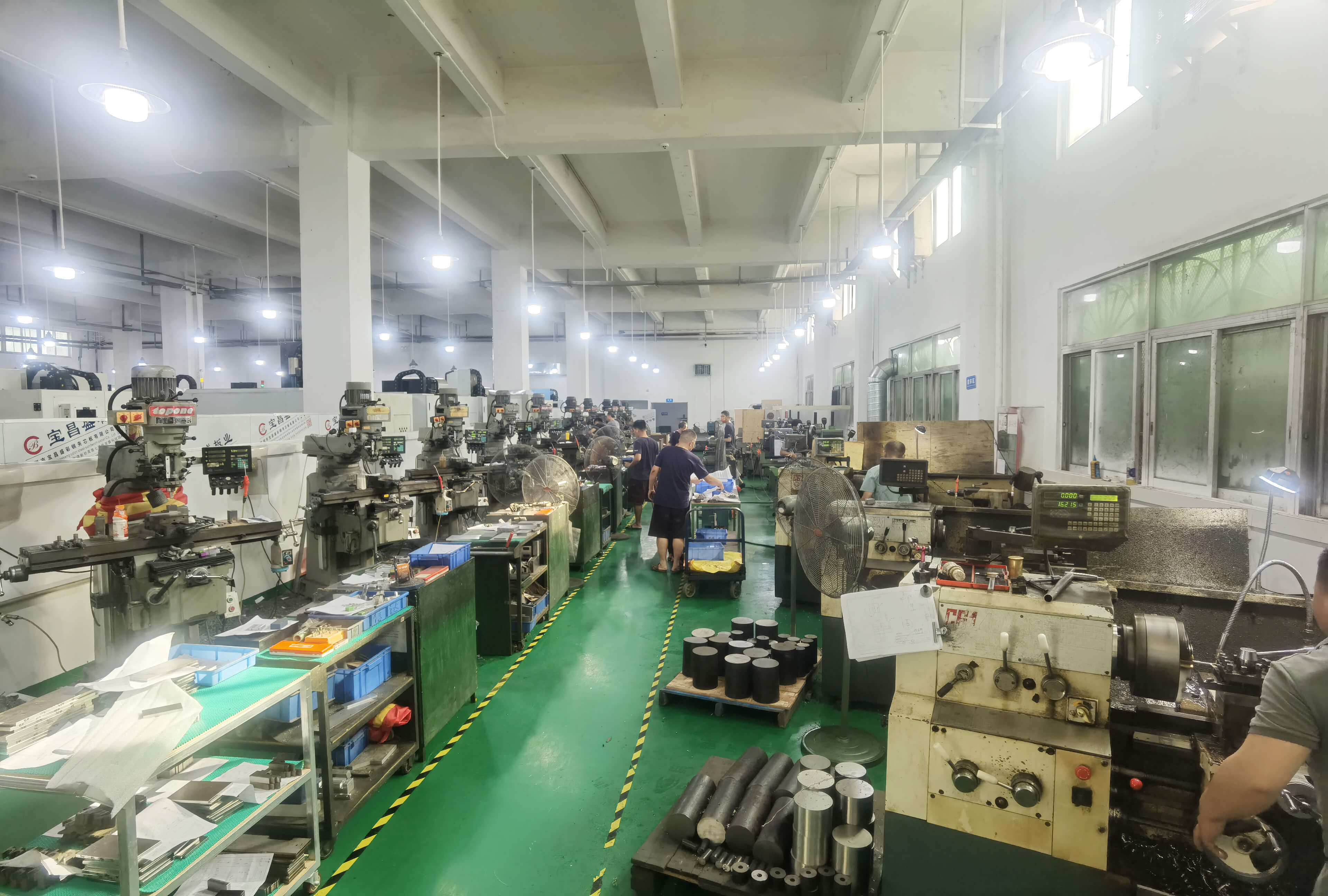
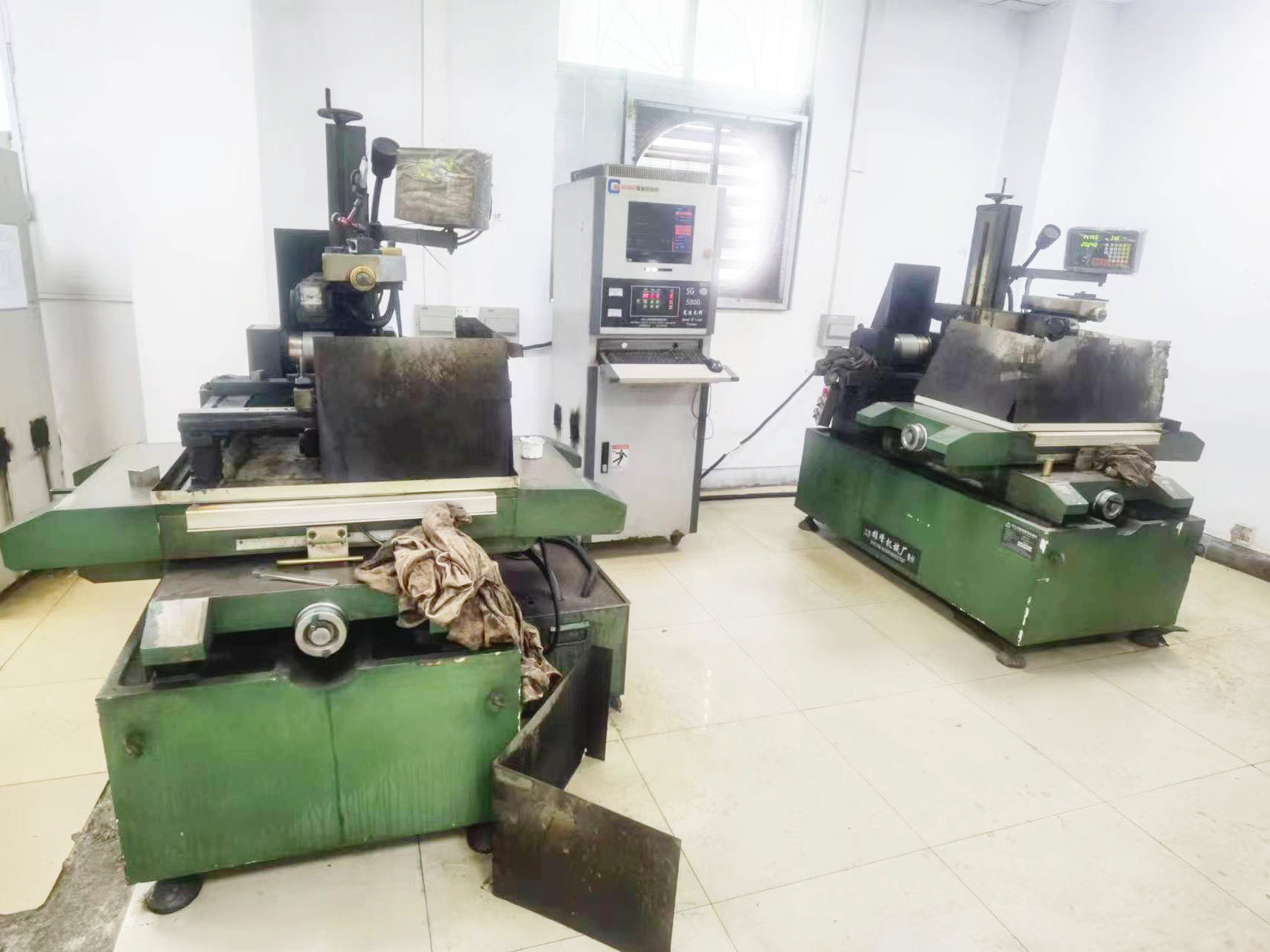
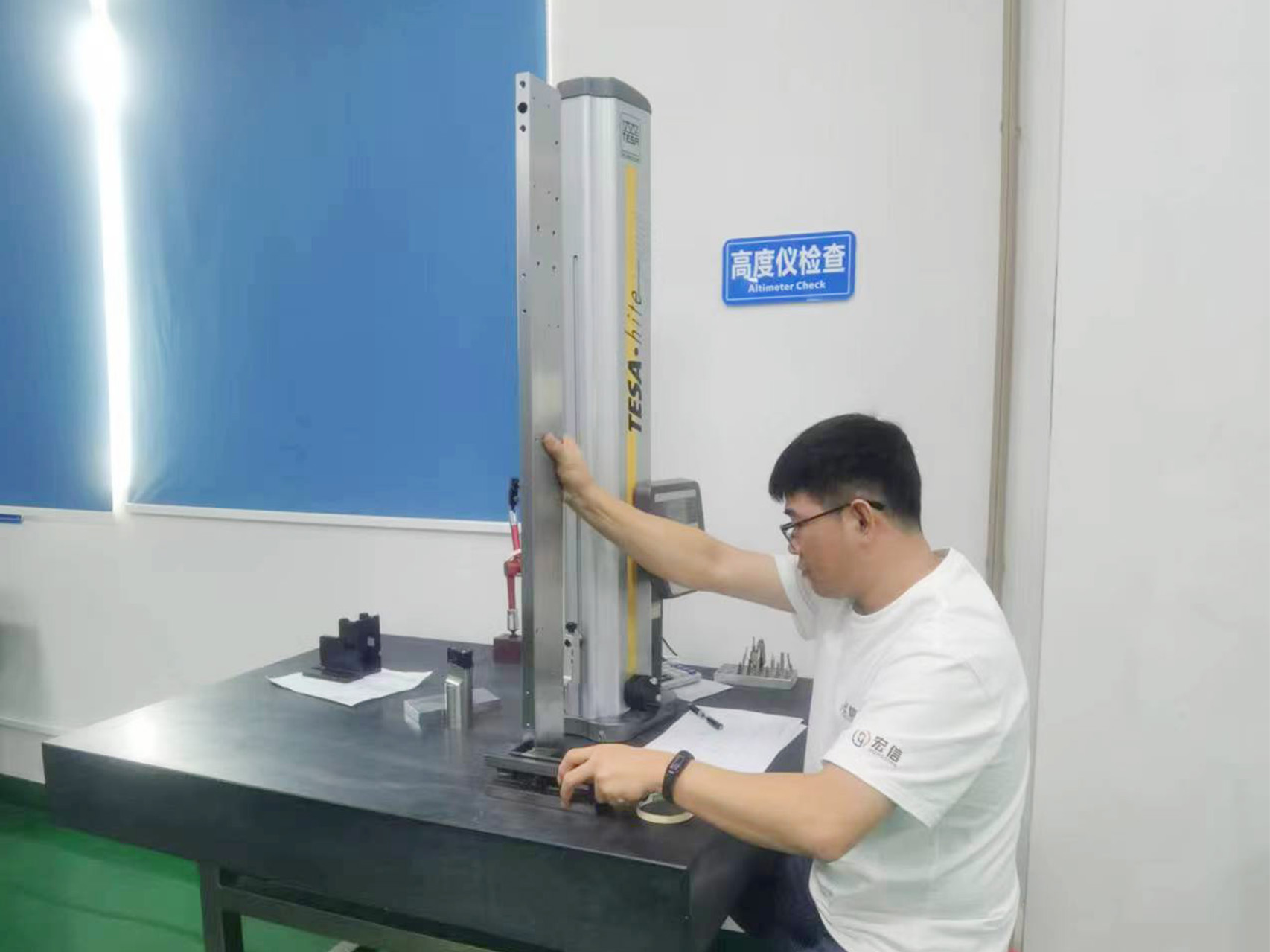
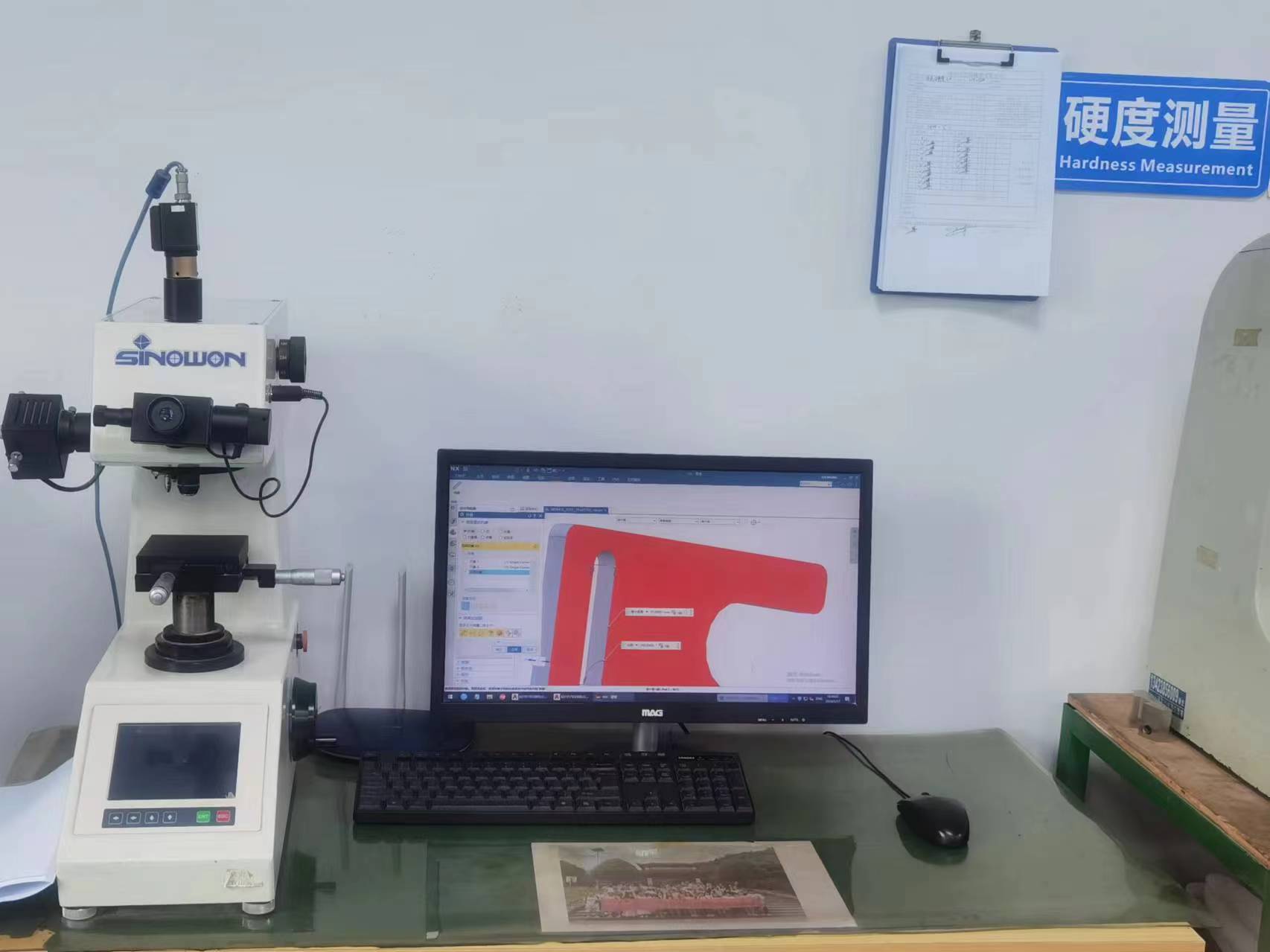
Our rapid prototyping factories deliver high-quality metal parts quickly, ensuring precision and efficiency in every project.
Delivery
FOB
minimum order
1 piece
Supply Ability
5000piece / Week
Country of Origin
Shenzhen
Stock Time
7~15Day
Quantity:
US $0.59 - US $10.68 / piece
Our rapid prototyping factories deliver high-quality metal parts quickly, ensuring precision and efficiency in every project.
The manufacturing ecosystem thrives on the synergy The manufacturing ecosystem thrives on the synergy between reliable machining parts suppliers, innovative rapid prototyping metal parts technologies, and efficient rapid prototyping factories., innovative rapid prototyping metal parts technologies, and efficient rapid prototyping factories.
|
CNC Machining
Computer Numerical Control (CNC) machining is a versatile manufacturing technology and our preferred method for metal prototyping. This process uses computer-controlled machines to precisely cut and shape metal to achieve the desired form.
Computer Numerical Control (CNC) machining is a versatile manufacturing technology and our preferred method for metal prototyping. This process uses computer-controlled machines to precisely cut and shape metal to achieve the desired form.
Key Features:
High Precision: CNC machining offers extremely high precision, meeting stringent design standards.
High Precision: CNC machining offers extremely high precision, meeting stringent design standards.
Multiple Materials: Can machine various grades of metal to suit diverse production needs.
Functional Prototyping: Particularly suitable for producing functional metal prototypes, helping companies quickly validate designs.
Cost-Effectiveness: CNC machining is generally more economical than metal 3D printing.
Fast Delivery: Compared to other tooling-based manufacturing processes, CNC machining offers faster delivery times; you can have prototypes within days.
Metal 3D Printing is particularly valuable for creating lightweight, one-off parts and prototypes, effectively eliminating the need for multi-component manufacturing. This process simplifies the creation of complex shapes in a single assembly.
Key Features:
Material Selection: Metal prototypes are typically made of aluminum or steel, but when using Direct Metal Laser Sintering (DMLS) technology, customers can choose from a variety of materials such as cobalt-chromium, titanium, and chromium-nickel-iron alloys.
Material Selection: Metal prototypes are typically made of aluminum or steel, but when using Direct Metal Laser Sintering (DMLS) technology, customers can choose from a variety of materials such as cobalt-chromium, titanium, and chromium-nickel-iron alloys.
Mechanical Performance Simulation: Metal 3D printing is particularly effective when simulating the mechanical properties of manufactured parts, producing parts that exhibit similar performance to traditionally manufactured parts in real-world applications.
Cost Considerations: While additive manufacturing technology has developed rapidly in recent years and has become a viable alternative to traditional manufacturing methods, it is worth noting that metal printing still has a significant cost gap compared to plastic 3D printing, and greater affordability is still needed.
Sheet metal forming is another viable option for manufacturing metal prototypes, enabling the creation of high-quality prototypes using thin sheets of metal. This process involves a variety of manufacturing techniques, including cutting, bending, forming, and laser cutting, shaping the metal into the desired form.
Key Features:
Cost-effective: Sheet metal fabrication provides a cost-effective approach to prototyping, particularly suitable for applications such as housings.
Cost-effective: Sheet metal fabrication provides a cost-effective approach to prototyping, particularly suitable for applications such as housings.
Material Selection: A variety of metal materials are available, including low-carbon steel, cold-rolled steel (CRS), and spring steel, to meet the needs of different projects.
Thickness Requirements: Sheet metal fabrication must adhere to specific thickness requirements, typically between 0.006 inches and 0.25 inches, to ensure processability and structural strength.
Contact Us
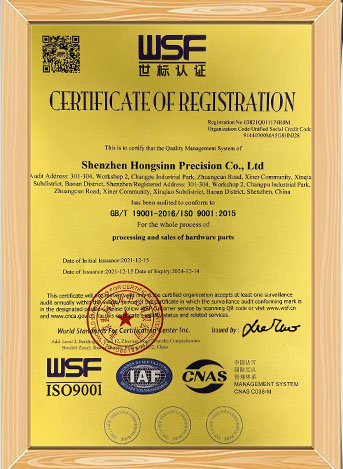
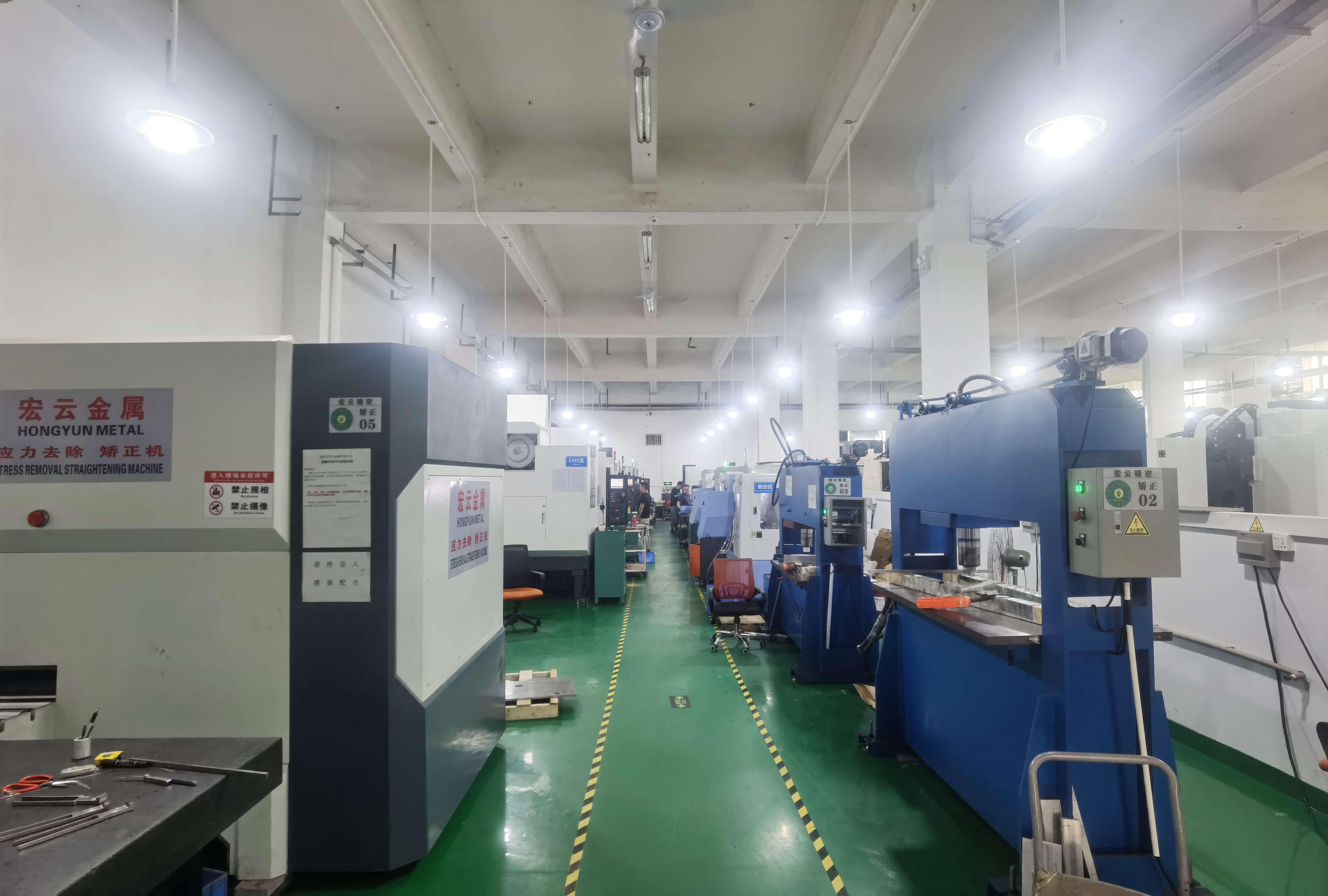
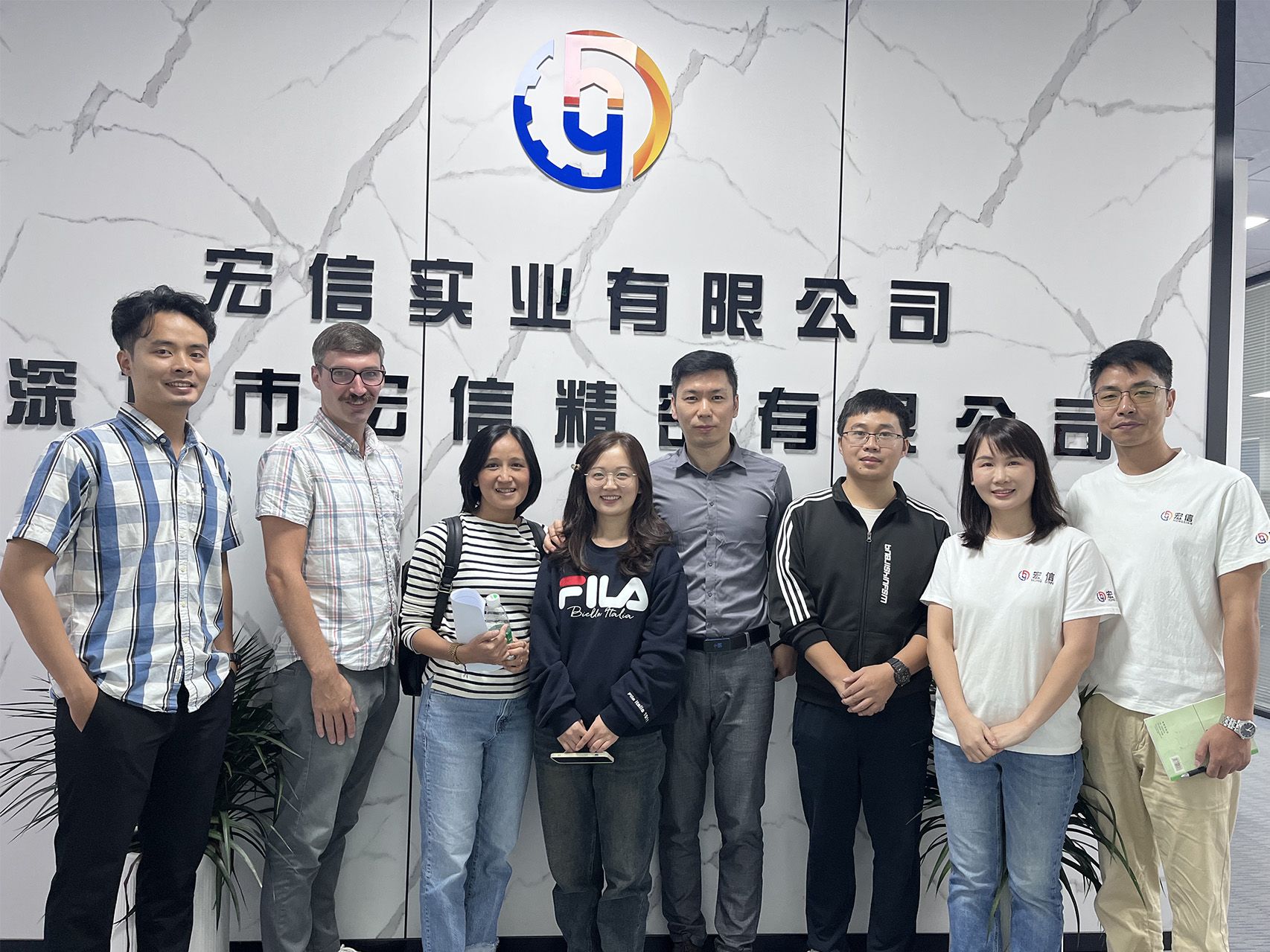
Headquartered in Shenzhen, China, we are renowned for our timely service, especially in precision-machined parts. We have a team of certified experts who are always focused on providing excellent customer service.
If you are interested in our services and high-precision machined parts, please feel free to contact us for more information. You can also get a quote online; we are happy to serve you. We look forward to cooperating with you!