


Specializing in trace and orbit machining, including precision thread cutting.
Specializing in trace and orbit machining, including precision thread cutting.
Modern manufacturing demands increasingly sophisticated machining techniques to produce complex, high-precision components. trace machining for intricate patterns, orbit machining for circular precision, and advanced machining thread techniques.
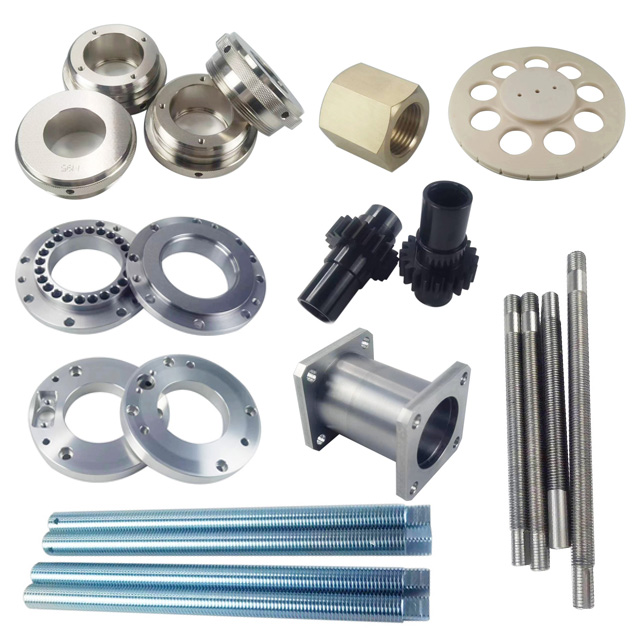
Threading is an essential step in the production process, directly impacting the functionality and integrity of a product. Screws and threads are crucial in metalworking, and for manufacturers striving to maximize profits, this shouldn't be taken for granted.
What is Thread Machining?
Internal threads are formed by cutting a hole in a workpiece, allowing for the insertion of a threaded bolt or similar component. These threads are crucial in applications requiring strength and alignment. They are commonly used in automotive and aerospace components, ensuring a reliable and secure connection.
Processing | CNC Turning, CNC Milling, Laser Cutting, Bending, Spinning, Wire Cutting, Stamping, Electric Discharge Machining (EDM), Injection Molding | |||
Materials | Aluminum: 2000 series, 6000 series, 7075, 5052, etc. | |||
Stainless steel: SUS303, SUS304, SS316, SS316L, 17-4PH, etc. | ||||
Steel: 1214L/1215/1045/4140/SCM440/40CrMo, etc. | ||||
Brass: 260, C360, H59, H60, H62, H63, H65, H68, H70, Bronze, Copper | ||||
Titanium: Grade F1-F5 | ||||
Plastic: Acetal/POM/PA/Nylon/PC/PMMA/PVC/PU/Acrylic/ABS/PTFE/PEEK etc. | ||||
Surface Treatment | Anodized, Bead Blasted, Silk Screen, PVD Plating, Zinc/Nickel/Chrome/Titanium Plating, Brushing, Painting, Powder Coated, Passivation, Electrophoresis, Electro Polishing, Knurl, Laser/Etch/Engrave etc. | |||
Tolerance | ±0.002 ~ ±0.005mm | |||
Surface Roughness | Min Ra 0.1~3.2 | |||
4.Quick proofing, short delivery time, usually is 3-15 days
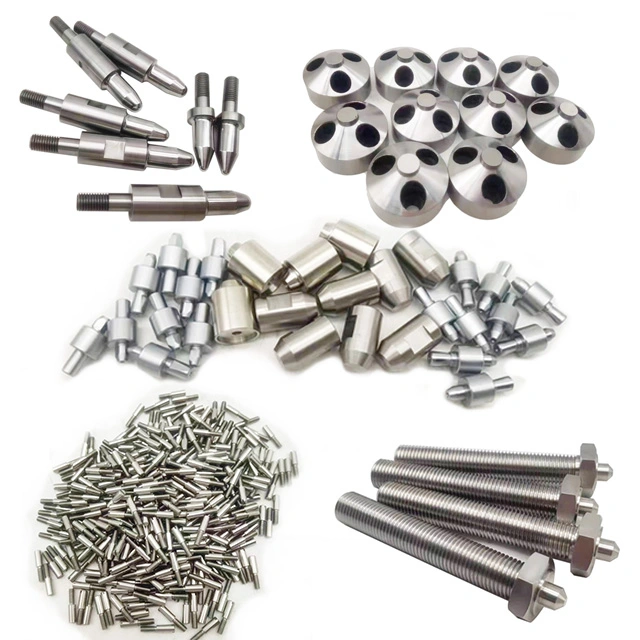
External Threads
External threads are an integral component of many mechanical assemblies, allowing mating components to connect with corresponding internal threads. These threads are typically machined onto the outside of rods, bolts, screws, and other cylindrical components to ensure secure fastening in a variety of applications.
Machine threads are evenly spaced threads commonly used in precision fastening applications. They feature blunt start and end sections, a design that provides strength and ease of alignment during assembly of mechanical components. This makes machine threads particularly valuable in applications requiring high precision and reliability.
The Unified Coarse thread is a standard American thread form with a coarse pitch, facilitating quick assembly and disassembly. This design makes the UNC thread more tolerant of dirt and damage, making it suitable for applications exposed to the elements. Its durability and practicality have led to its widespread use in many industrial fields.
Unified Fine (UNF) thread is a standard thread configuration used primarily in precision applications where strength and fine adjustment are critical. UNF threads are characterized by a smaller thread pitch, which provides higher tensile strength than coarse (UNC) threads. This gives UNF threads greater load-bearing capacity in smaller diameter fasteners, making them suitable for applications requiring high precision and high loads.
Conclusion
The evolution of trace machining, orbit machining, and advanced thread machining techniques continues to push the boundaries of manufacturing precision. By understanding these processes' unique capabilities and applications, manufacturers can select the optimal approach for their specific requirements, ensuring superior quality, reduced production times, and enhanced component performance.
Ready to elevate your machining capabilities? Contact our precision engineering team today for a consultation on implementing these advanced techniques in your production processes.


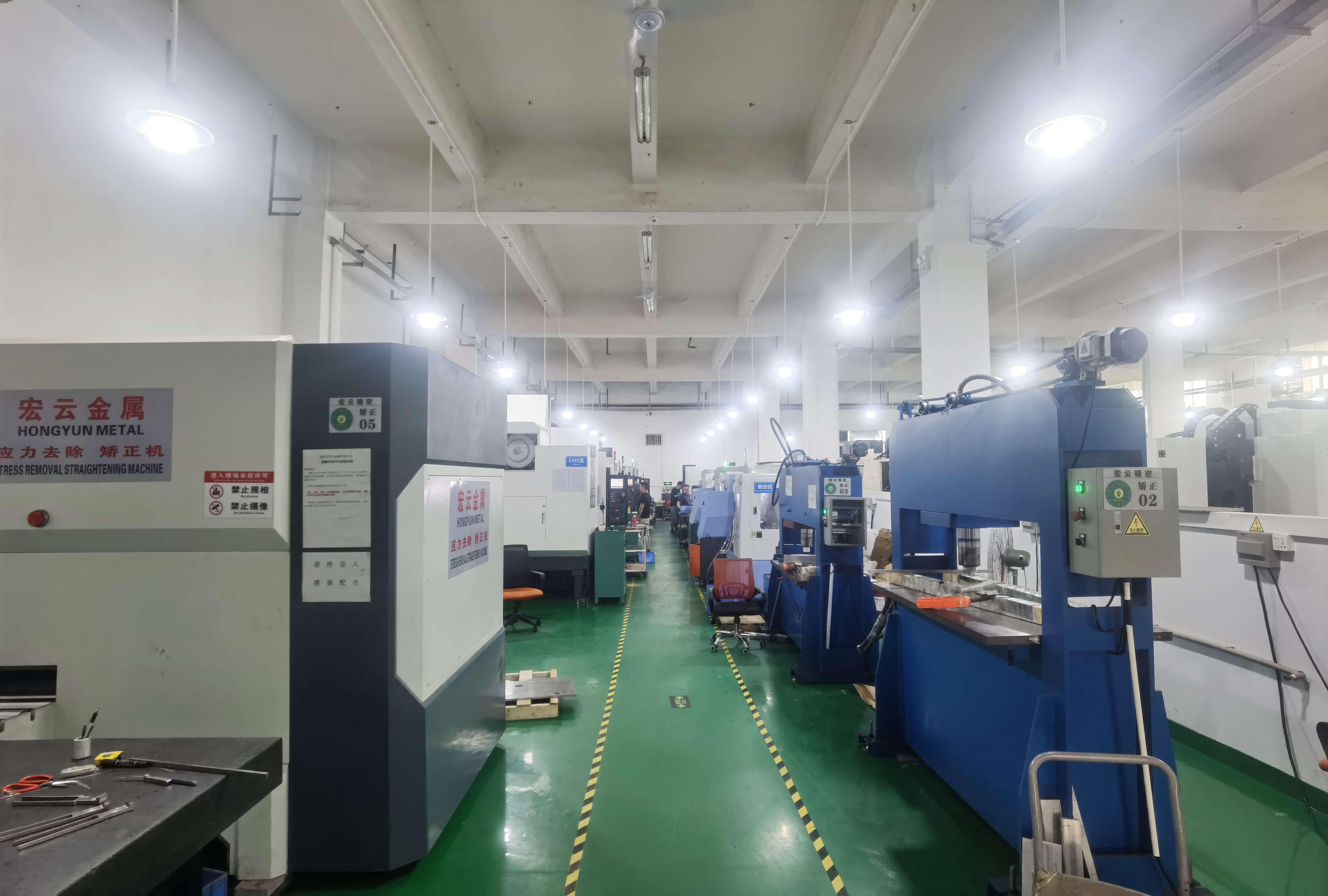
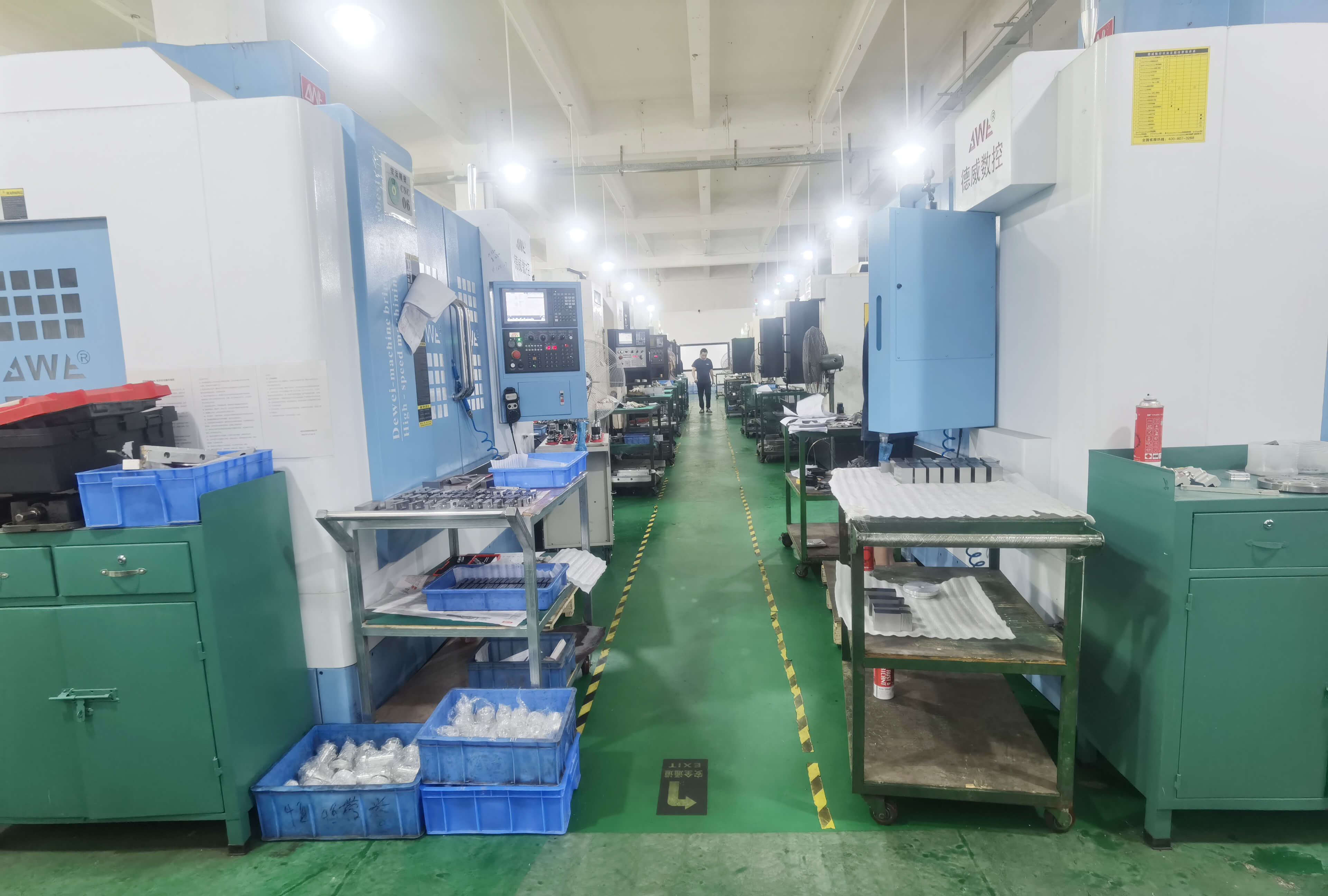


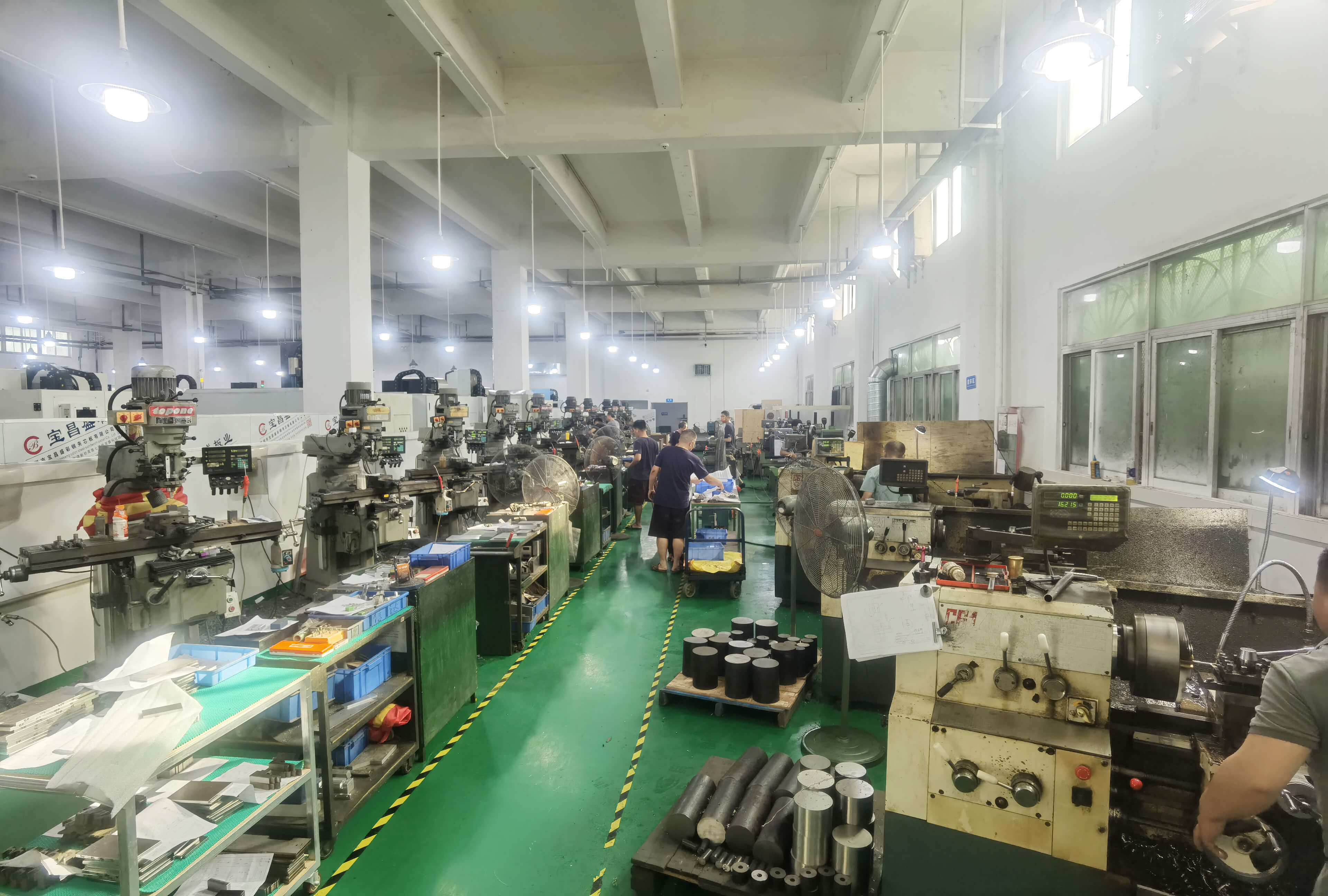
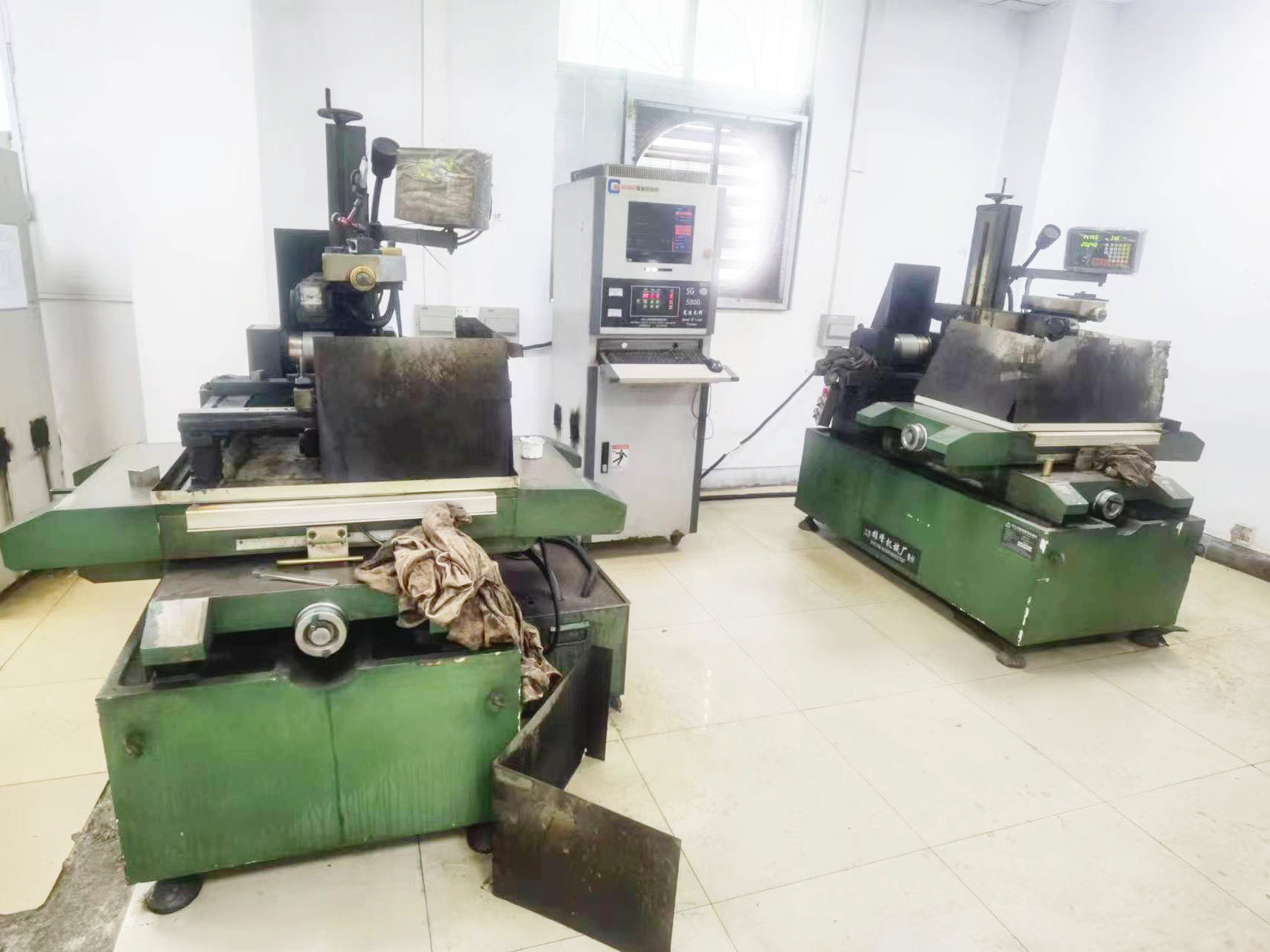



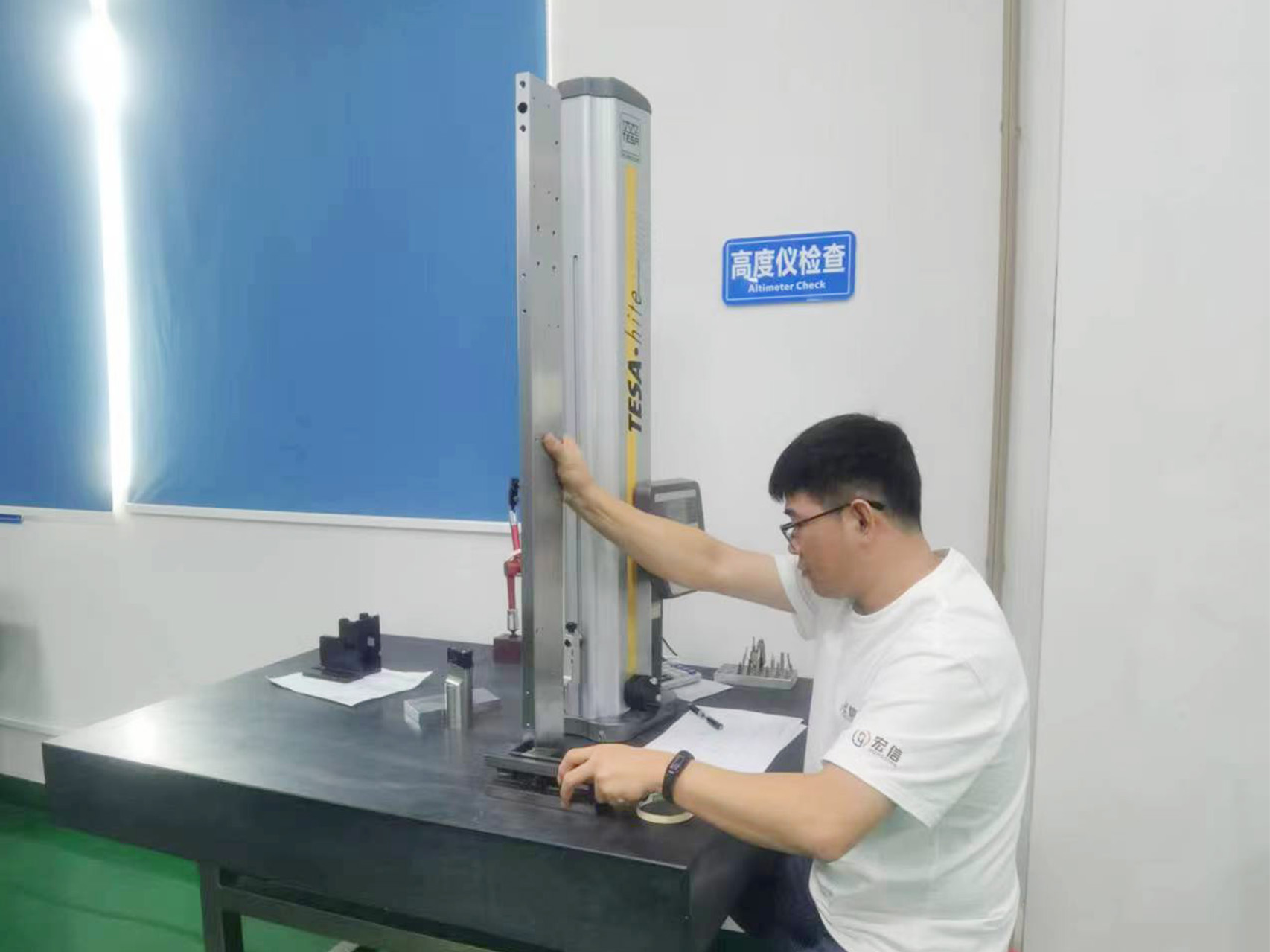


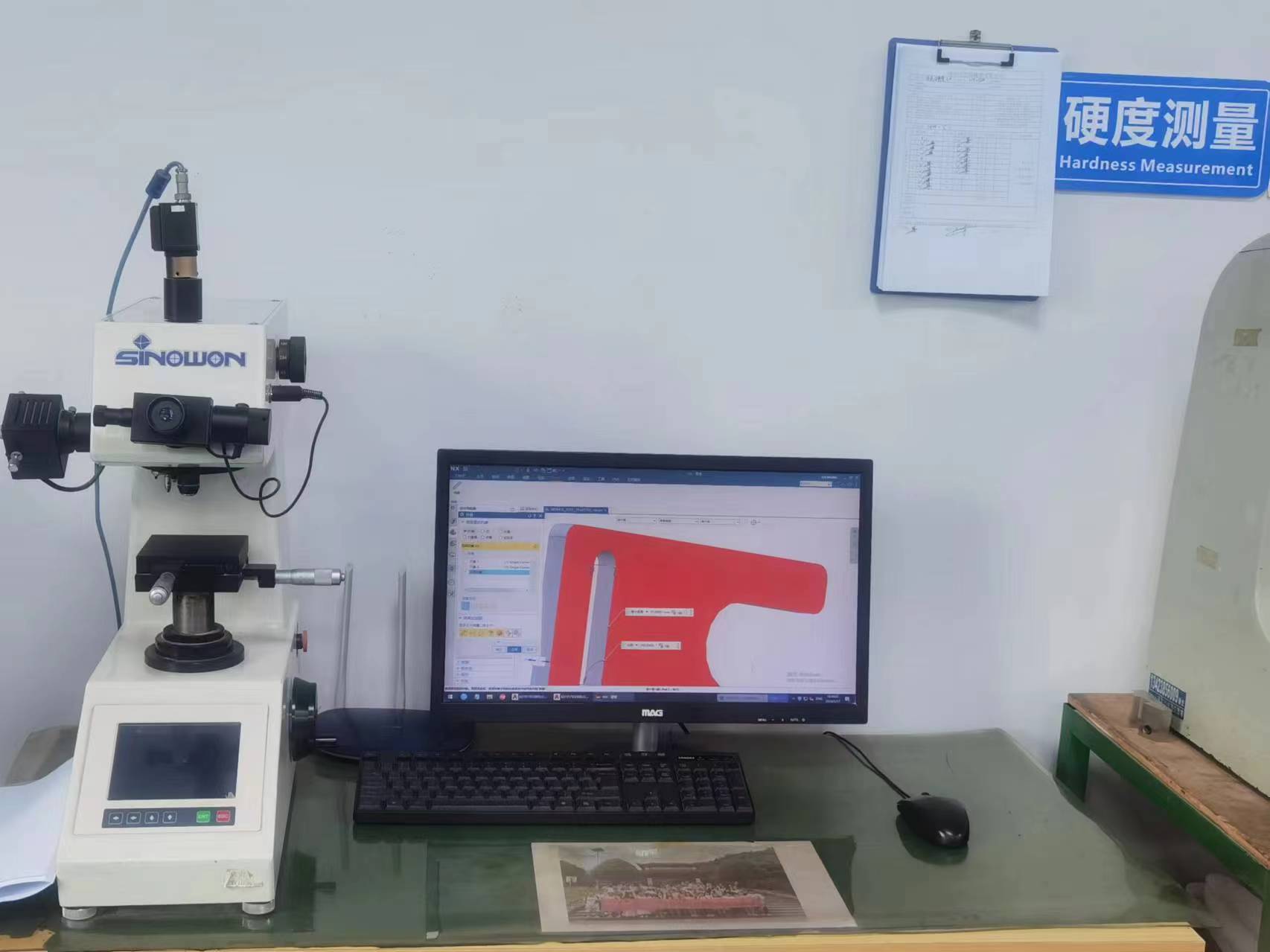
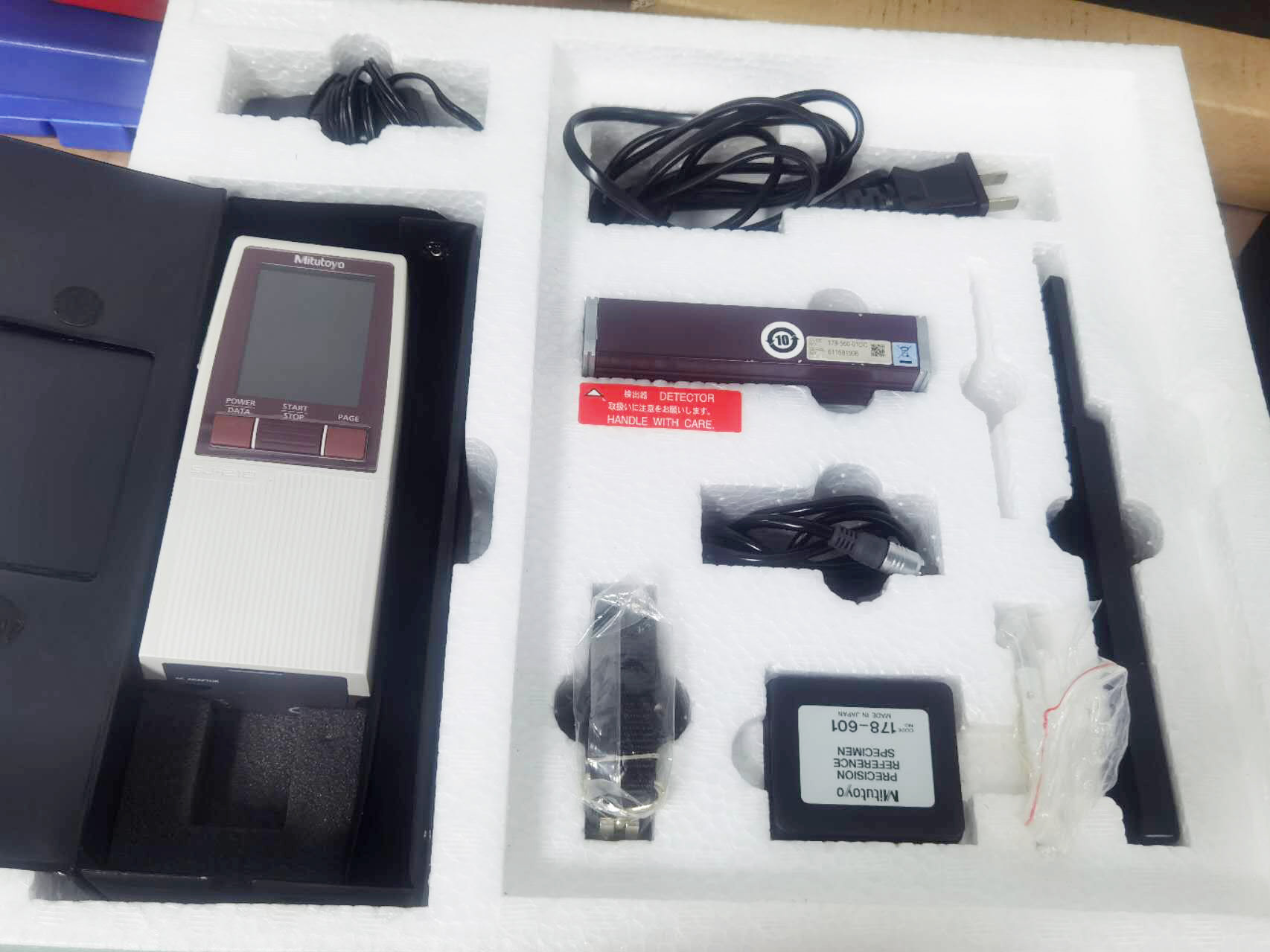
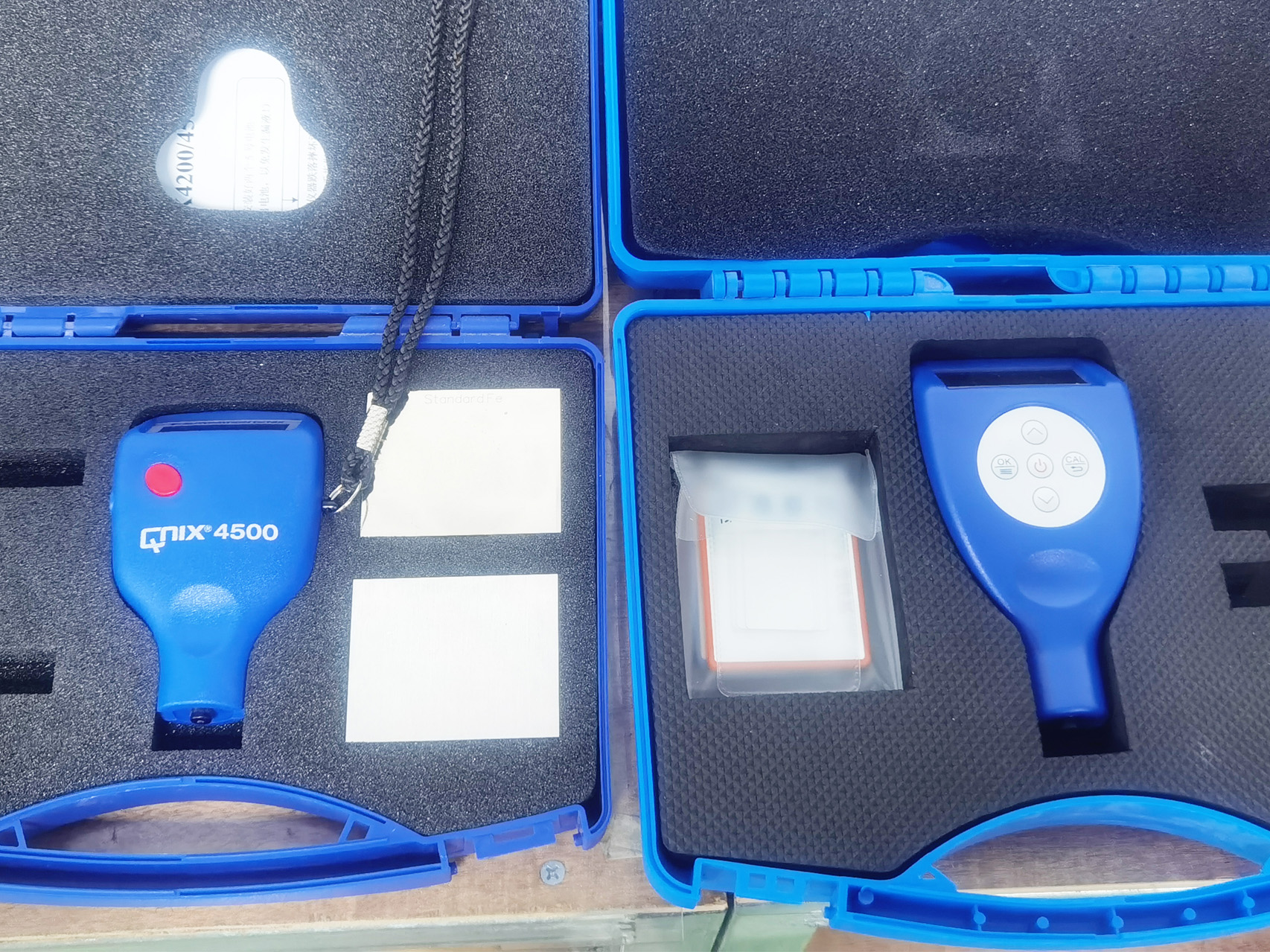



 Providing precision engineering machining services including CNC turning and milling services, CNC lathe components. cnc turning service
 Precision CNC parts for motorcycles and automotive machinery.
 CNC Machining Services in China for High Precision Parts
 Specializing in precision CNC machining for plastic components and tool steel.