


Specializing in CNC milling and turning parts for precision machining services.
Hongsinn-659
Expert CNC Milling & Turning Services - Elevate Your Manufacturing with Precision Machining Solutions!
Delivery
FOB
minimum order
1 piece
Supply Ability
5000piece / Week
Country of Origin
Shenzhen
Stock Time
7~15Day
Quantity:
US $0.59 - US $10.68 / piece
Specializing in CNC milling and turning parts for precision machining services.
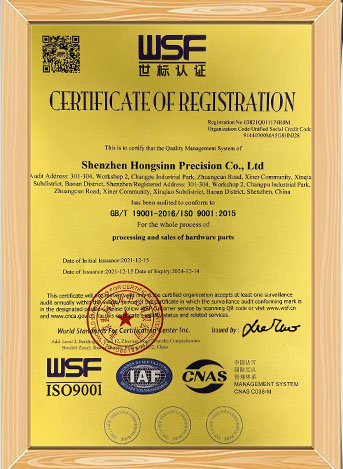
At Shenzhen Hongsinn Precision Co., Ltd. we specialize in manufacturing high-precision CNC milling parts turning solutions, producing CNC turning milling parts, and delivering comprehensive machining turning services for industries requiring exacting standards. Our integrated approach combines advanced milling and turning technologies to create complex components with exceptional accuracy.

What is Turning in Machining?
Turning is a machining process in which a lathe is used to rotate the metal material while the cutting tool moves in a straight line along the diameter to remove the metal and form a cylindrical shape. The angle of the cutting tool can be varied in order to create different shapes. The process can be done manually or automatically with a CNC lathe. CNC machining is often used when very precise measurements of the part are required.
Turning can be done by a manually operated lathe, which usually requires constant supervision by an operator, or by an automatic lathe. Today, the most common type of automation is computer numerical control (CNC).
During turning, the workpiece (a relatively hard material such as wood) is rotated and the cutting tool can be moved along one, two or even three axes of motion to achieve precise diameter and depth machining. Turning can form tubular components of various geometries on the outside of a cylindrical body.
Processing | CNC Turning, CNC Milling, Laser Cutting, Bending, Spinning, Wire Cutting, Stamping, Electric Discharge Machining (EDM), Injection Molding | |||
Materials | Aluminum: 2000 series, 6000 series, 7075, 5052, etc. | |||
Stainless steel: SUS303, SUS304, SS316, SS316L, 17-4PH, etc. | ||||
Steel: 1214L/1215/1045/4140/SCM440/40CrMo, etc. | ||||
Brass: 260, C360, H59, H60, H62, H63, H65, H68, H70, Bronze, Copper | ||||
Titanium: Grade F1-F5 | ||||
Plastic: Acetal/POM/PA/Nylon/PC/PMMA/PVC/PU/Acrylic/ABS/PTFE/PEEK etc. | ||||
Surface Treatment | Anodized, Bead Blasted, Silk Screen, PVD Plating, Zinc/Nickel/Chrome/Titanium Plating, Brushing, Painting, Powder Coated, Passivation, Electrophoresis, Electro Polishing, Knurl, Laser/Etch/Engrave etc. | |||
Tolerance | ±0.002 ~ ±0.005mm | |||
Surface Roughness | Min Ra 0.1~3.2 | |||
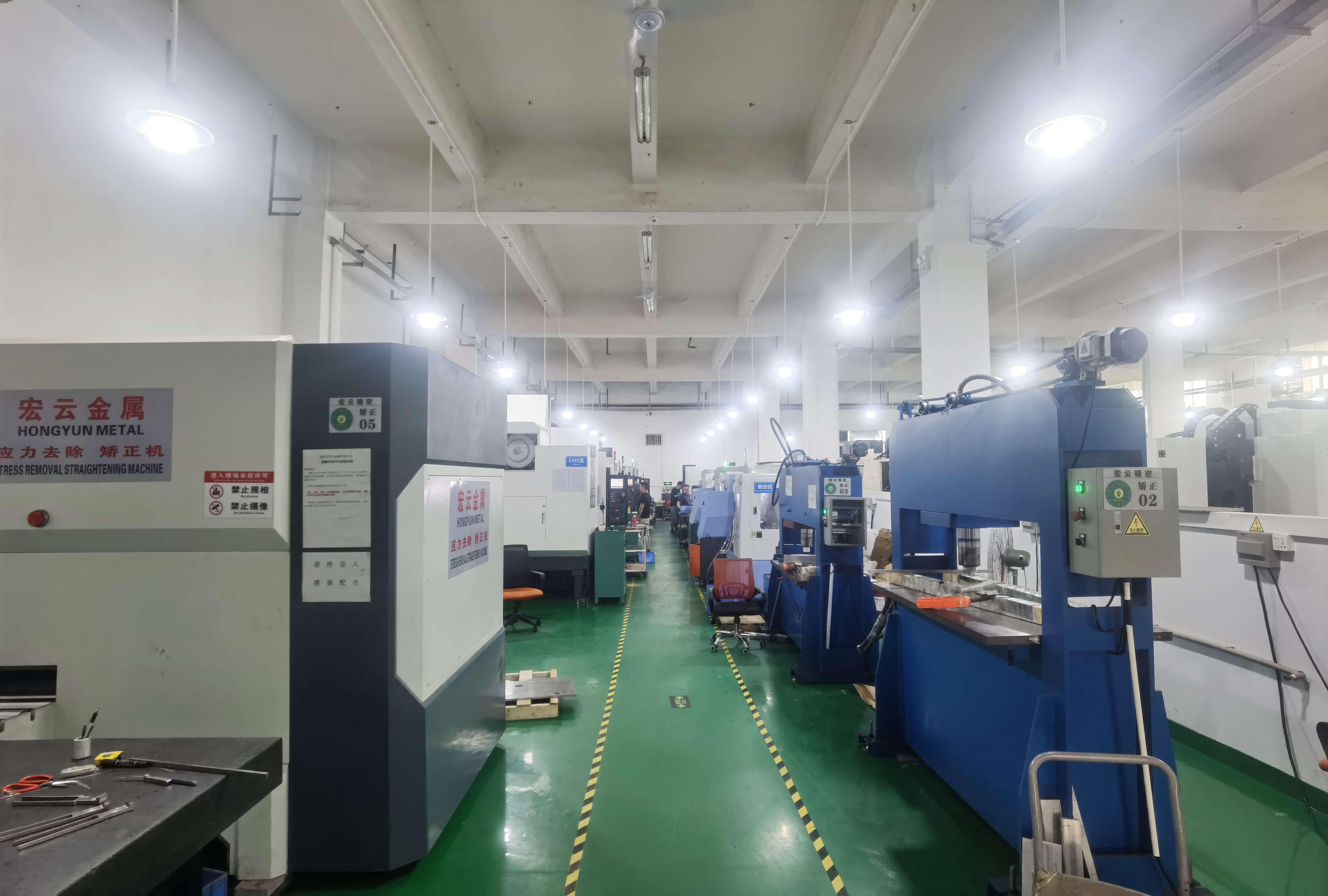
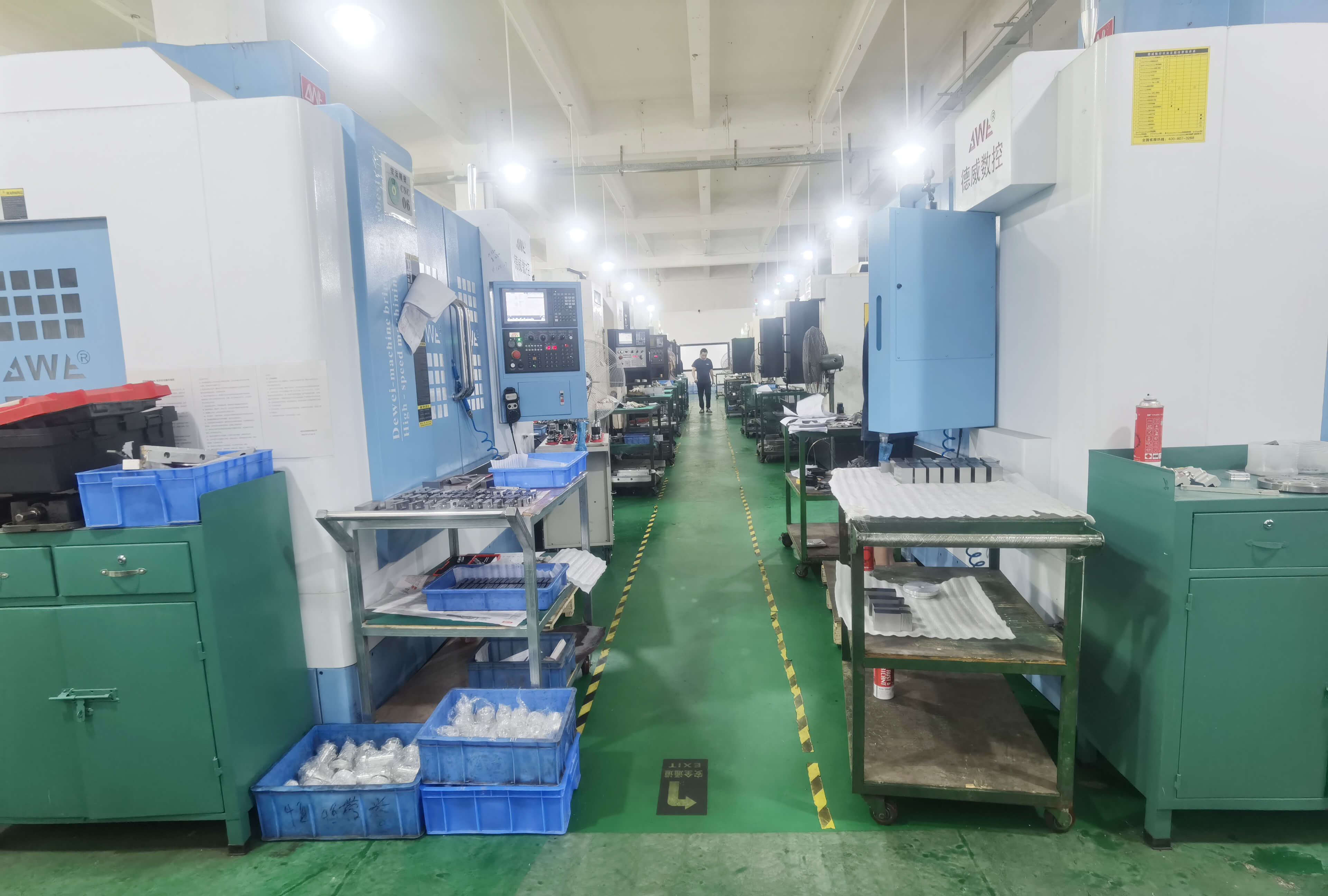
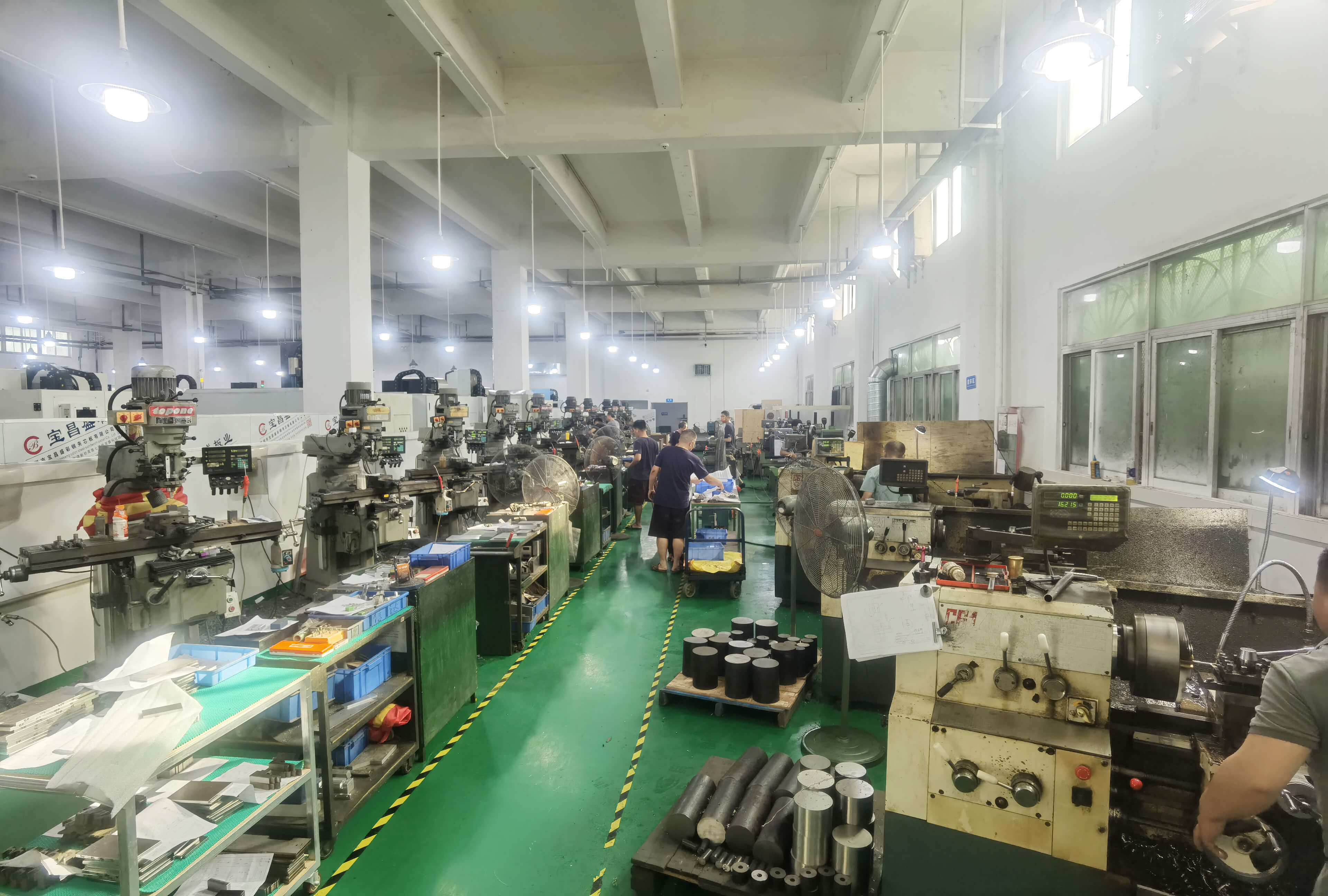
1.Direct OEM/0DM manufacturer, advanced produce technical,the highest tolerance we can reach to ±0.005mm;
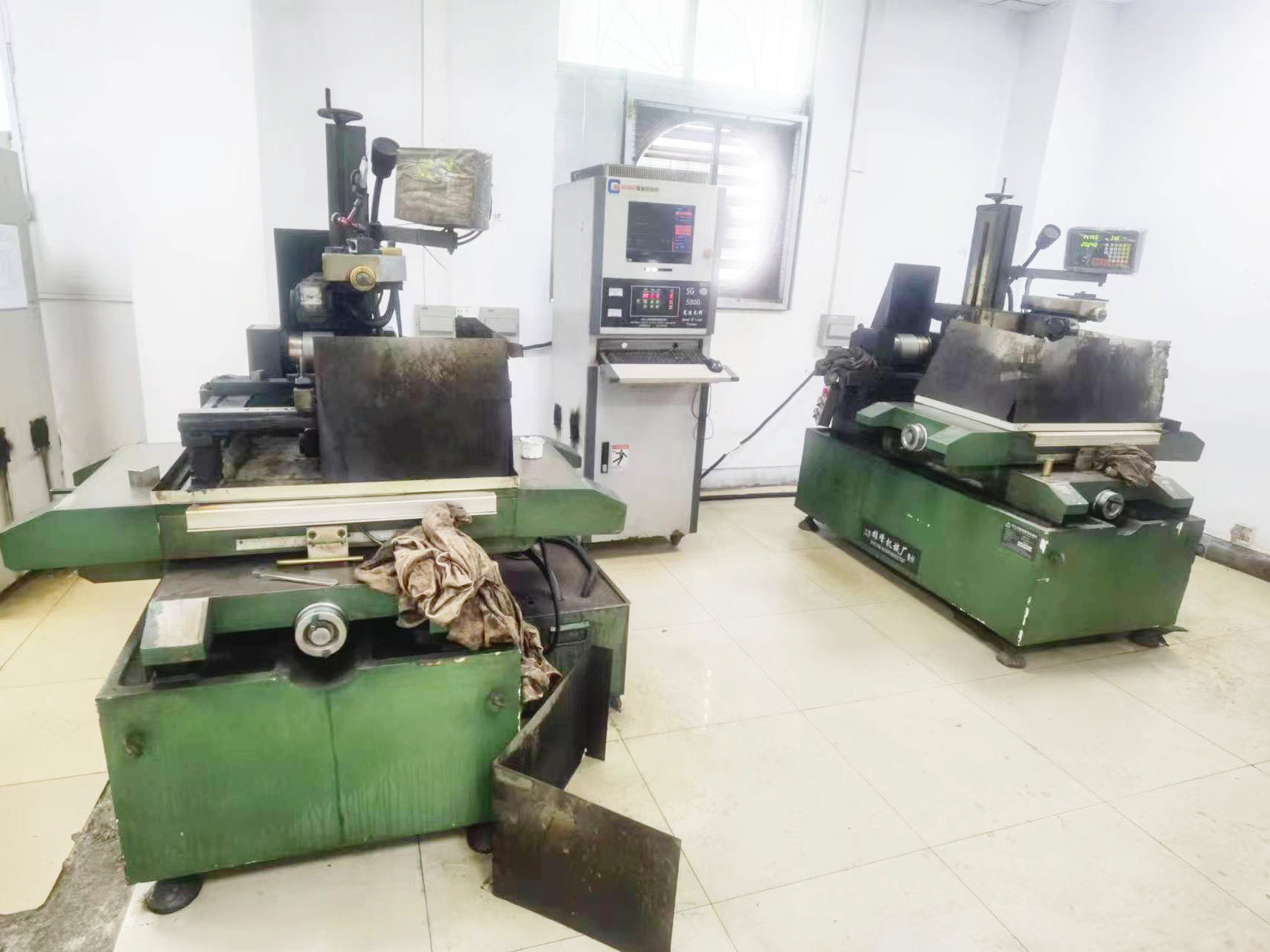
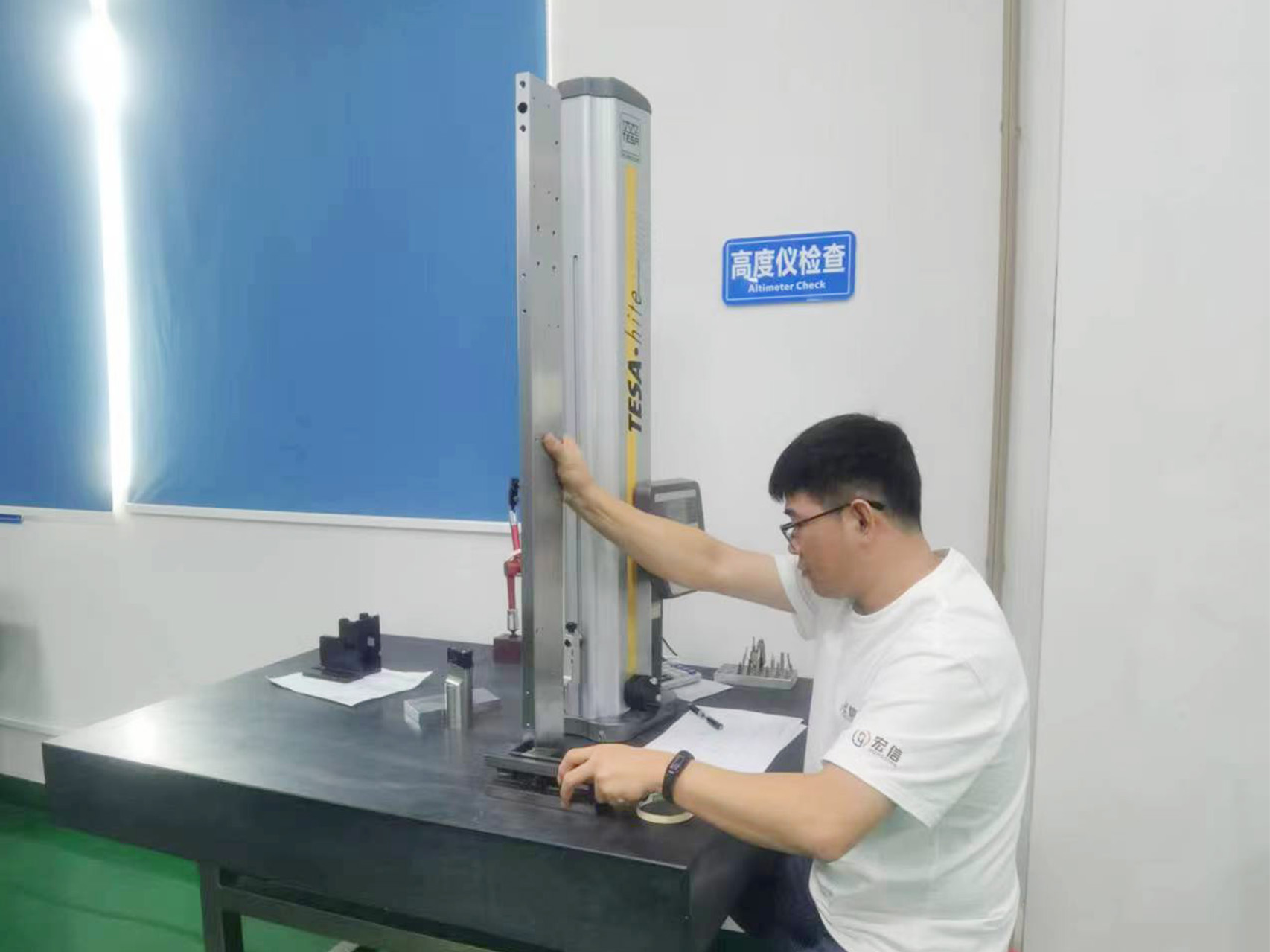
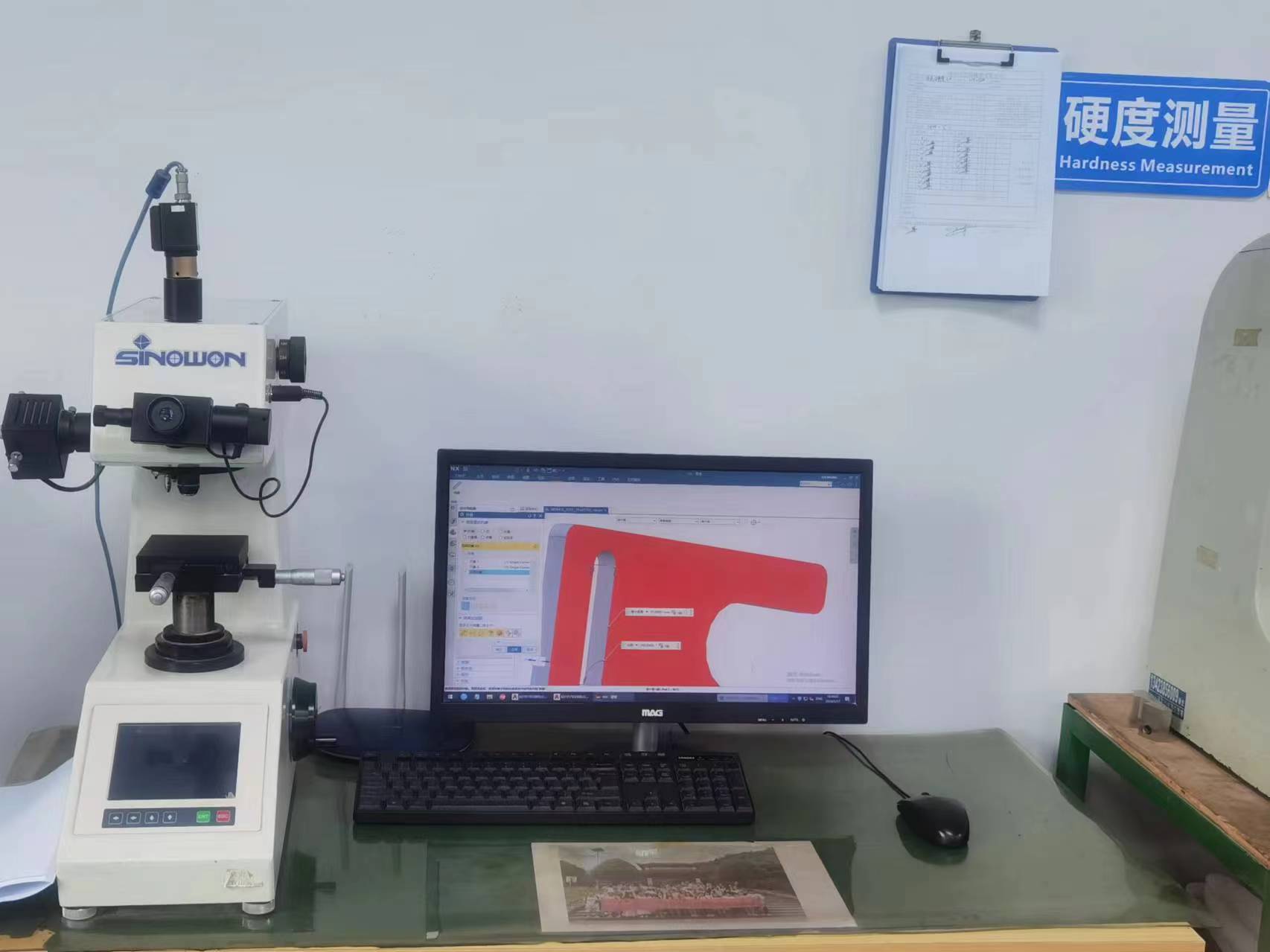
2.Complete produce equipment and test equipment. Independent Engineer team, to check drawings, provide quotation, write machining process, guide production.
3.Independent PMC department, to make production plan and manage delivery time.
4.Quick proofing, short delivery time, usually is 3-15 days
4.Quick proofing, short delivery time, usually is 3-15 days
5 .The company has gathered a rich group of technologicallyadvanced modern talents, which has laid a stable foundationfor the long-term development of the company.
6.Complex and difficult surface and functional structureof the hand plate model, We can all mold quickly.xxx
Materials used in turning
The primary materials used in the turning process are metals, including alloy steels, carbon steels, cast iron, stainless steel, aluminum, copper, magnesium, and zinc. However, the process can also machine plastic parts and is used with other materials such as ceramics, composites, thermoplastics, and thermosets.
How the Turning Process Works
The turning process utilizes a lathe to make linear motions along the surface of a rotating workpiece, moving the tool to remove material around the circumference until the desired diameter is reached. This process is capable of machining cylindrical parts with external and internal features such as grooves, tapers and threads.
The turning process uses a single-point cutting tool to remove material from a rotating workpiece. The design of the turning tool depends on the specific application. The tools can be used for roughing, finishing, facing, threading, parting, forming, undercutting and grooving.
Turned Products
Turning production can produce many parts with rotational features, usually axisymmetric, such as holes, slots, threads, tapers, steps of different diameters, and even contoured surfaces. Products manufactured entirely by turning usually include limited quantities of parts and are particularly suitable for prototyping, such as custom-designed shafts and fasteners.
Turning is also often used as a secondary process to add or improve features on a part that was manufactured using a different method.
Some examples of products manufactured using turning are camshafts, crankshafts, baseball bats, bowls, clubs, signs, musical instruments, and table and chair legs.














Recommend Products
 Providing precision engineering machining services including CNC turning and milling services, CNC lathe components. cnc turning service
 Precision CNC parts for motorcycles and automotive machinery.
 CNC Machining Services in China for High Precision Parts
 Specializing in precision CNC machining for plastic components and tool steel.