


Discover the essence of thermal machining, precision elements, and marine machining.
Hongsinn-507
Unlock Precision Mastery: Dive into Thermal, Marine, and Essential Machining Techniques. Elevate Your Craft Today!
Delivery
FOB
minimum order
1 piece
Supply Ability
5000piece / Week
Country of Origin
Shenzhen
Stock Time
7~15Day
Quantity:
US $0.59 - US $10.68 / piece
Discover the essence of thermal machining, precision elements, and marine machining.
thermal machining for high-temperature applications, fundamental elements of machining that form the basis of all subtractive manufacturing, and marine machining solutions built to withstand harsh ocean environments.
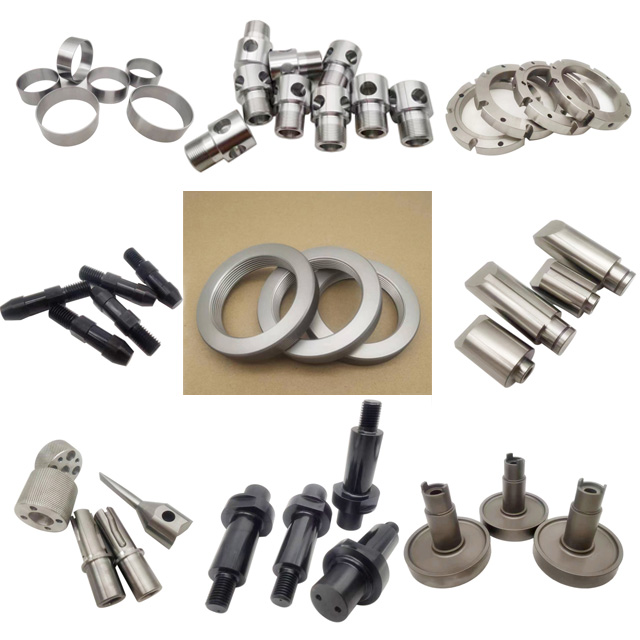
Turning
Turning is a machining process that can create a wide variety of shapes. At its core, a lathe rotates the material while a cutting tool shapes it and removes excess material. You can choose from a variety of lathe types, such as turret lathes, engine lathes, or specialized lathes.
This process can create a variety of holes, slots, threads, and tapers. This is why many manufacturers use turning to create products such as bats, camshafts, clubs, signs, and musical instruments.
Originally, turning was a manual process, but it is now most commonly performed using computer numerical control (CNC) turning, which allows for greater precision and efficiency.
Drilling
Drilling is a machining process ideal for creating holes in workpieces, typically using multiple drill bits. The machine pushes the drill bit into the material you're working on, creating vertically aligned holes while simultaneously ejecting waste material. Specialized machines can even drill holes at angles.
Depending on the specific application, there are various drill bit types to choose from. For example, you might need a shallow pilot hole (using a spot drill) or a drill that reduces chipping (try a peck drill). Additionally, there are drill bits that can enlarge existing holes, like chuck reamers.
This machining process is widely used in industries such as medical, construction, transportation, and electronics.
Processing | CNC Turning, CNC Milling, Laser Cutting, Bending, Spinning, Wire Cutting, Stamping, Electric Discharge Machining (EDM), Injection Molding | |||
Materials | Aluminum: 2000 series, 6000 series, 7075, 5052, etc. | |||
Stainless steel: SUS303, SUS304, SS316, SS316L, 17-4PH, etc. | ||||
Steel: 1214L/1215/1045/4140/SCM440/40CrMo, etc. | ||||
Brass: 260, C360, H59, H60, H62, H63, H65, H68, H70, Bronze, Copper | ||||
Titanium: Grade F1-F5 | ||||
Plastic: Acetal/POM/PA/Nylon/PC/PMMA/PVC/PU/Acrylic/ABS/PTFE/PEEK etc. | ||||
Surface Treatment | Anodized, Bead Blasted, Silk Screen, PVD Plating, Zinc/Nickel/Chrome/Titanium Plating, Brushing, Painting, Powder Coated, Passivation, Electrophoresis, Electro Polishing, Knurl, Laser/Etch/Engrave etc. | |||
Tolerance | ±0.002 ~ ±0.005mm | |||
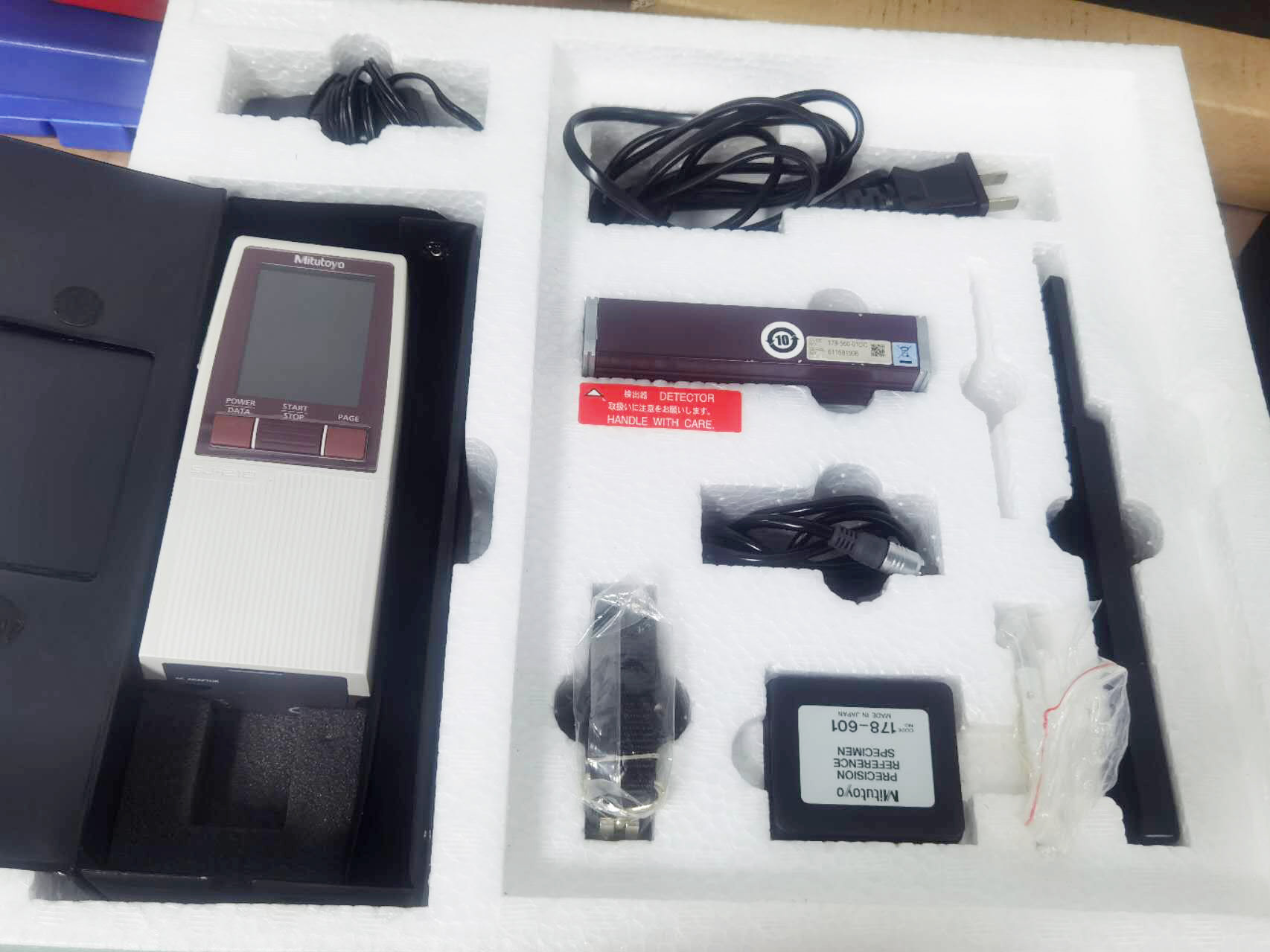
Surface Roughness | Min Ra 0.1~3.2 | |||
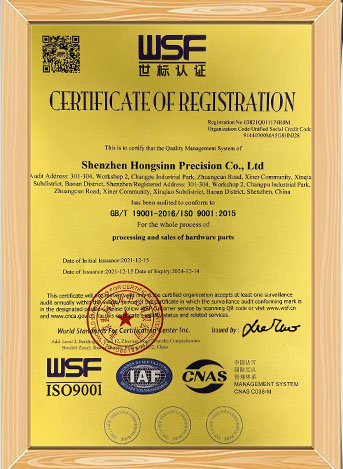
1.Direct OEM/0DM manufacturer, advanced produce technical,the highest tolerance we can reach to ±0.005mm;
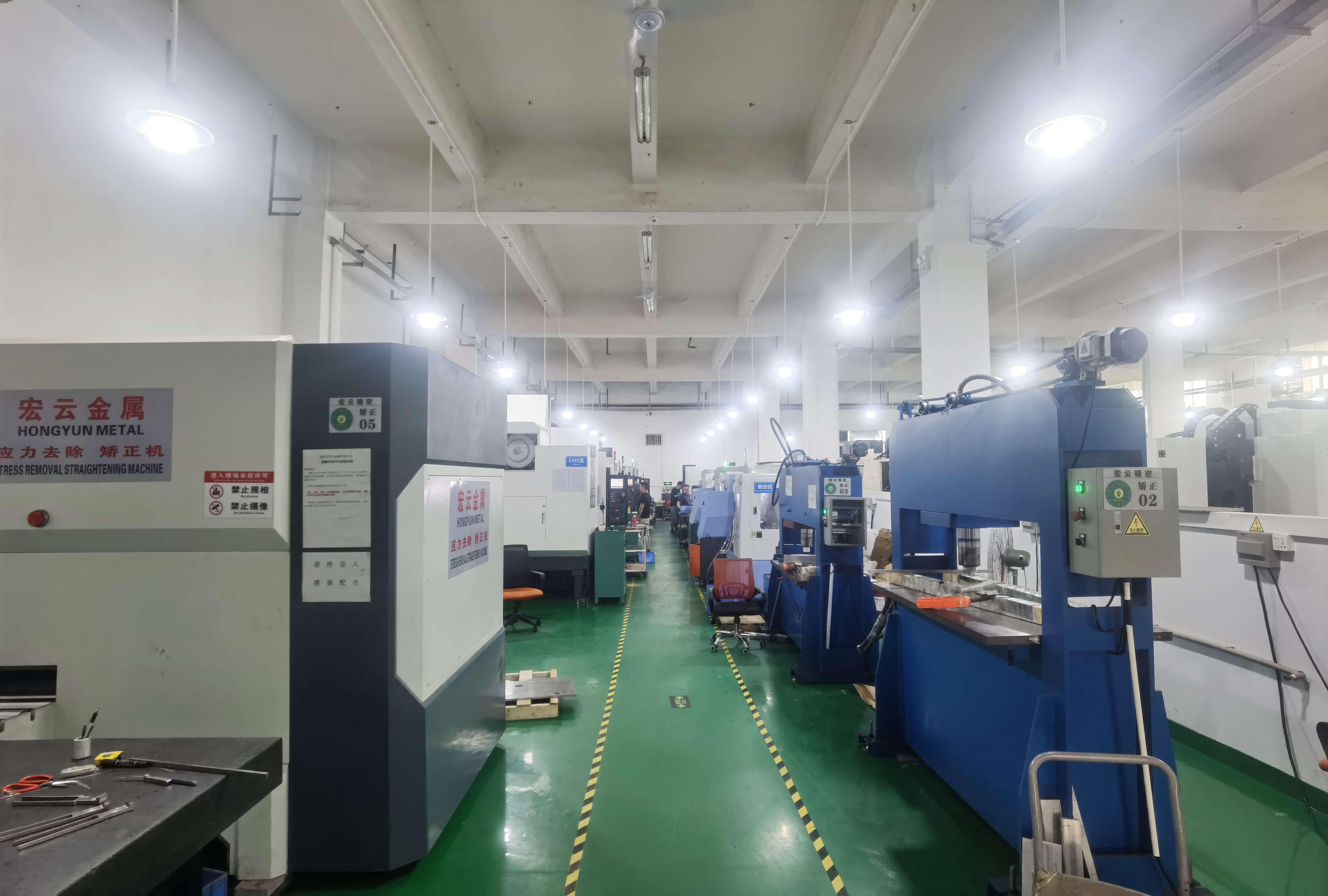
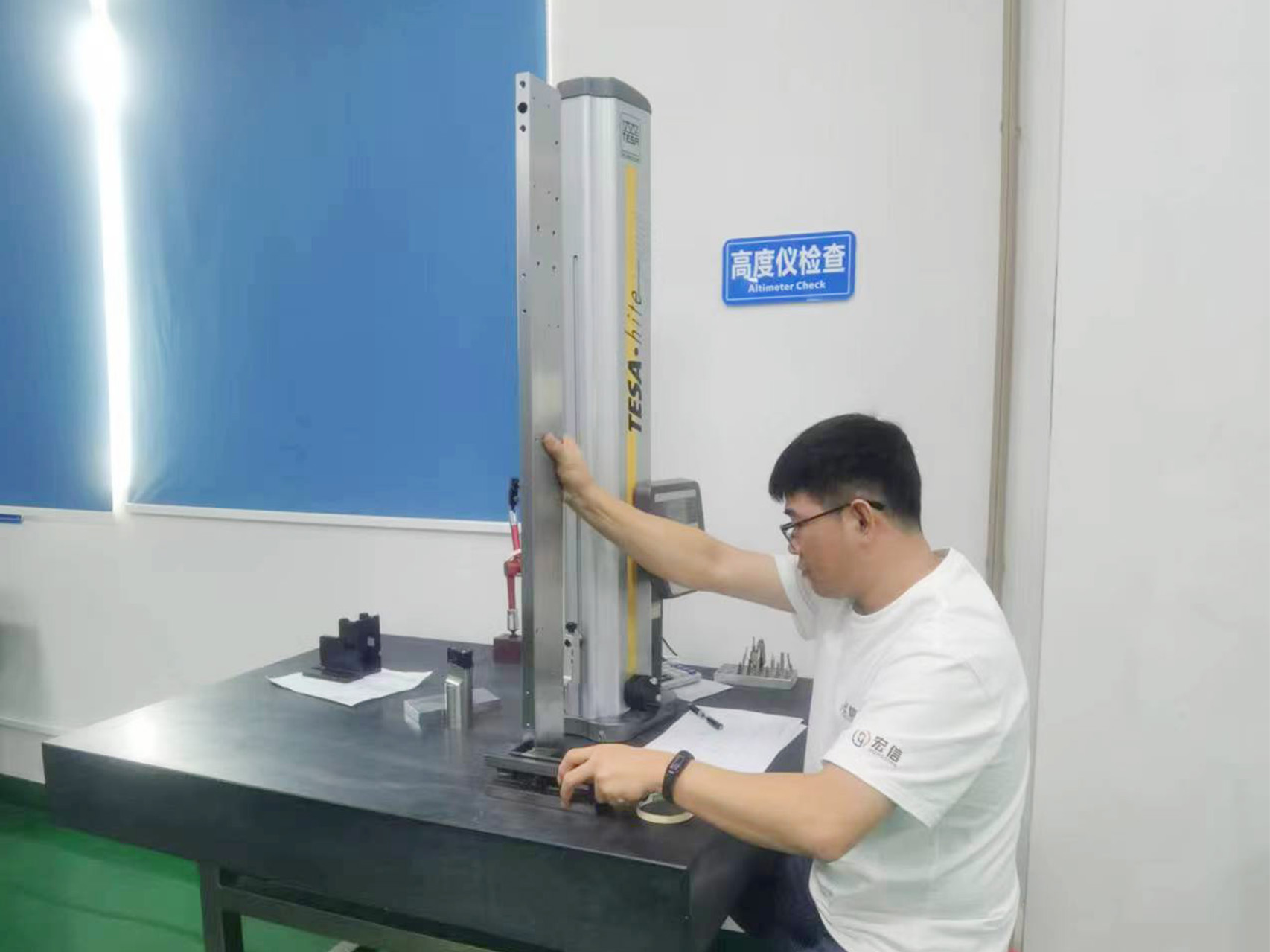
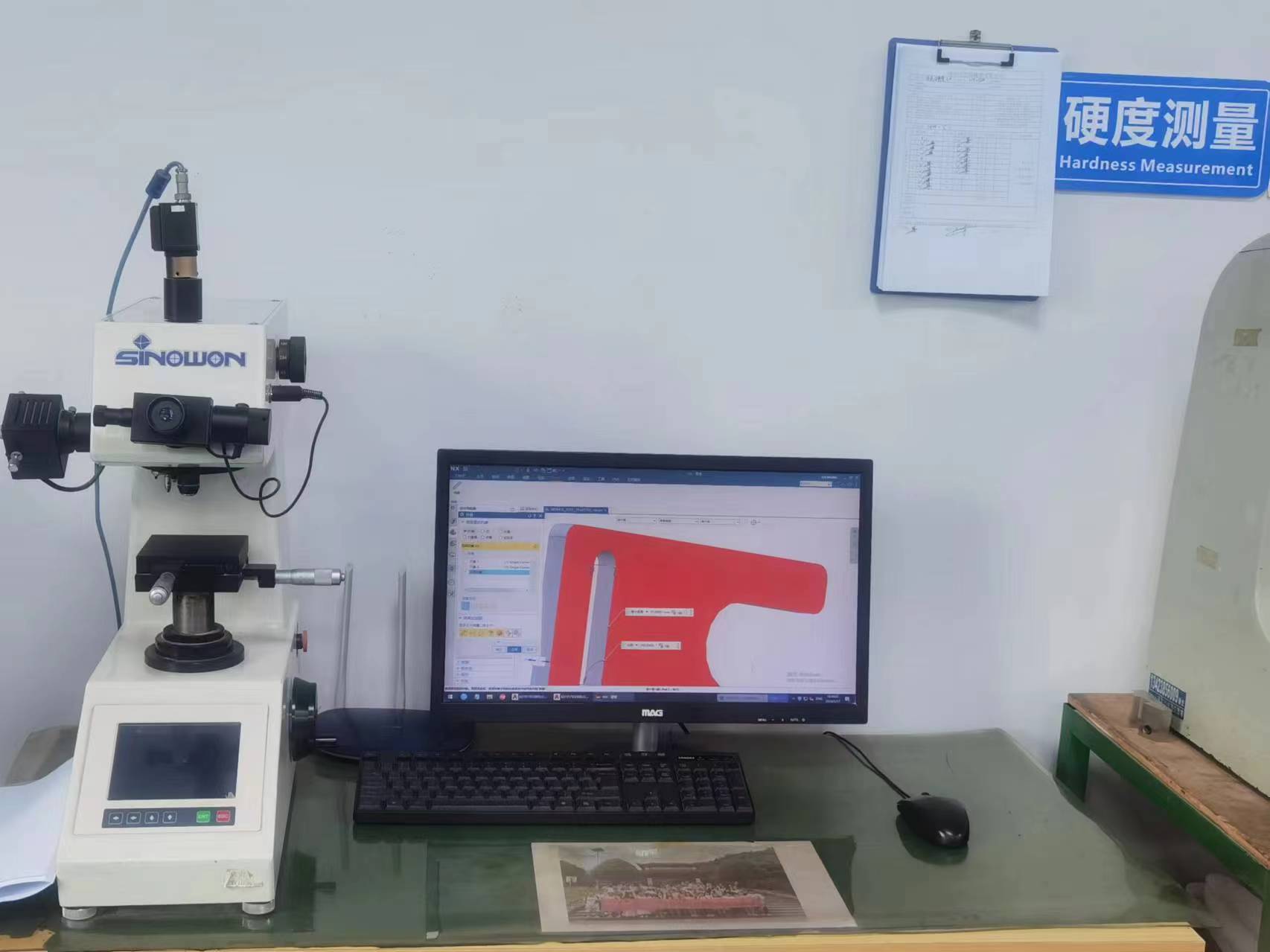
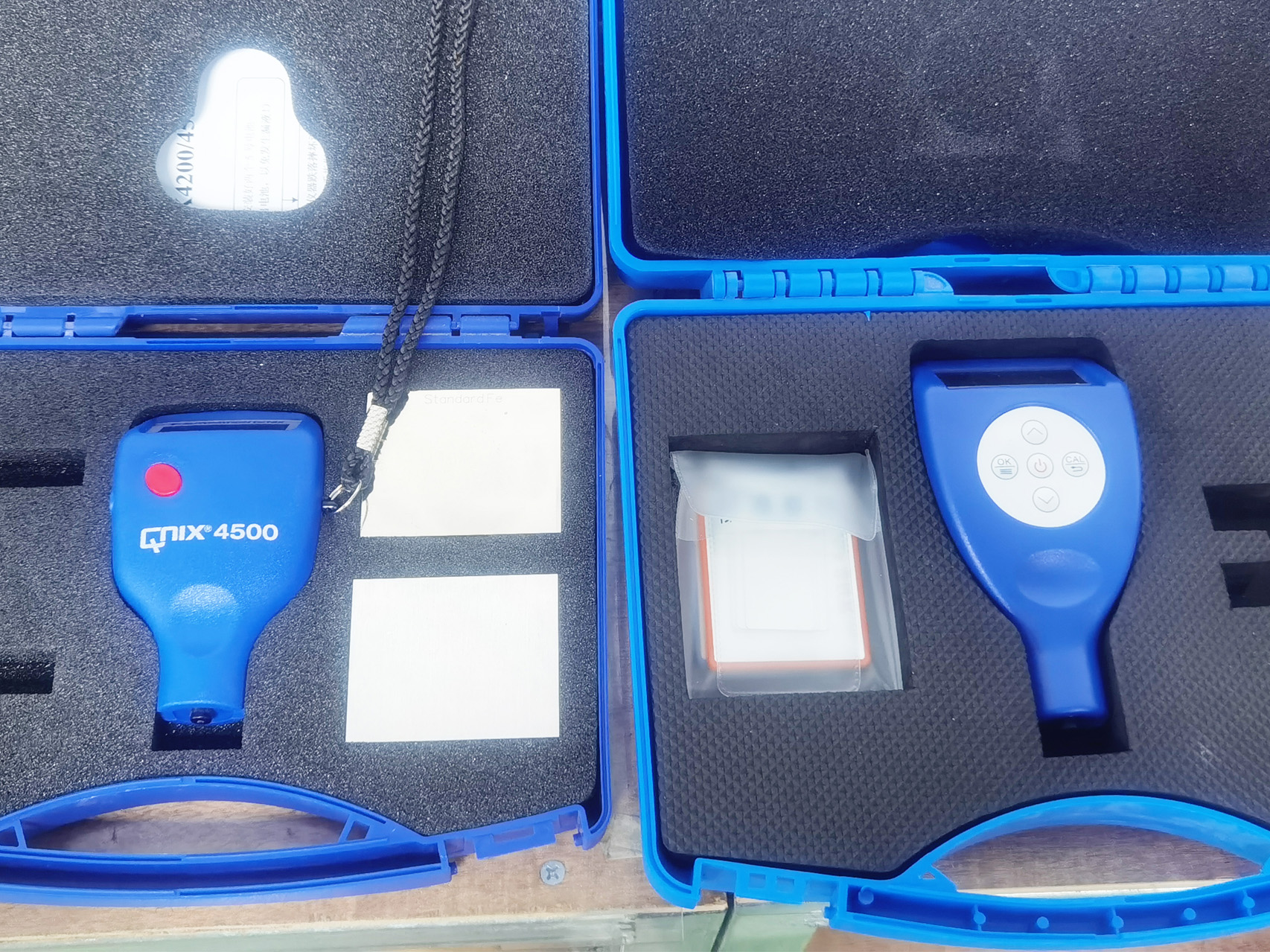
2.Complete produce equipment and test equipment. Independent Engineer team, to check drawings, provide quotation, write machining process, guide production.
3.Independent PMC department, to make production plan and manage delivery time.
4.Quick proofing, short delivery time, usually is 3-15 days
4.Quick proofing, short delivery time, usually is 3-15 days
5 .The company has gathered a rich group of technologicallyadvanced modern talents, which has laid a stable foundationfor the long-term development of the company.
6.Complex and difficult surface and functional structureof the hand plate model, We can all mold quickly.xxx
End Milling
End milling is a machining technique similar to turning that uses a multi-point cutting tool to remove material from a workpiece. In CNC milling, the tool and workpiece typically rotate in the same direction; in manual milling, the workpiece rotates in opposite directions.
You can choose from different types of milling machines, such as end mills, spiral mills, and chamfer mills. These milling machines can be horizontal or vertical and have multiple axes, depending on the type of machining you are doing.
There are also many types of milling machines, including manual milling machines, standard milling machines, and general-purpose milling machines. These milling machines are ideal for making gears, cutting slots and grooves, and creating more complex shapes.
Grinding
Grinding is a type of machining used to begin the product manufacturing process. It uses a grinding wheel with an abrasive surface to smooth the workpiece. This is a popular machining method, often used to finish products and bring their surface to an acceptable level before grinding, honing, and superfinishing.
In cylindrical grinding, the workpiece is placed in the center of the machine, which rotates the workpiece while the outer surface of the grinding wheel grinds it. With centerless grinding, centering is unnecessary, making it a better choice for processing large quantities of workpieces. Grinding provides high precision and smooth surfaces, making it suitable for a variety of industrial applications.
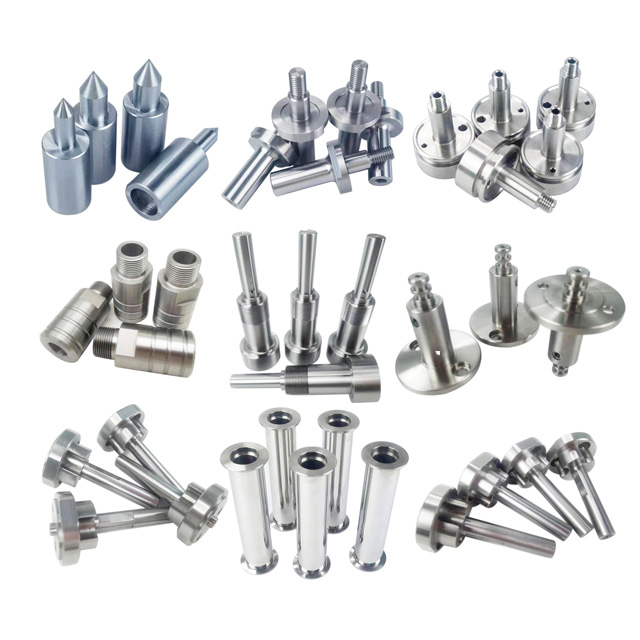














Recommend Products
 Providing precision engineering machining services including CNC turning and milling services, CNC lathe components. cnc turning service
 Precision CNC parts for motorcycles and automotive machinery.
 CNC Machining Services in China for High Precision Parts
 Specializing in precision CNC machining for plastic components and tool steel.