


Specializing in machining PTFE and plastic parts on a lathe, including medical CNC lathe parts.
Hongsinn-650
Precision Machining Experts: Specializing in PTFE, Plastic, and Medical Lathe Parts. Get Your Custom Parts Today!
Delivery
FOB
minimum order
1 piece
Supply Ability
5000piece / Week
Country of Origin
Shenzhen
Stock Time
7~15Day
Quantity:
US $0.59 - US $10.68 / piece
Specializing in machining PTFE and plastic parts on a lathe, including medical CNC lathe parts.
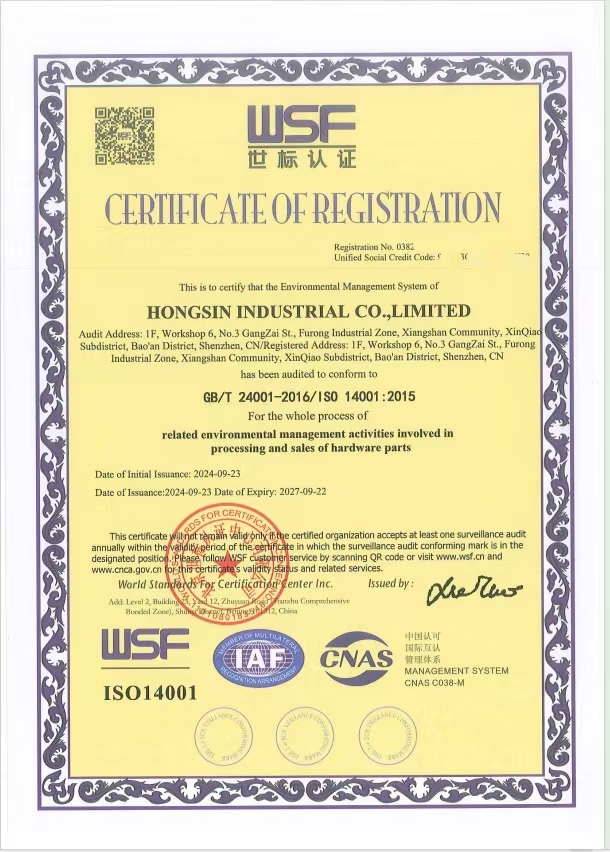
At Shenzhen Hongsinn Precision Co., Ltd. we excel in three specialized turning services: machining PTFE on lathe, machining plastic parts on lathe, and production of medical CNC lathe parts. Our ISO 13485-certified facility combines advanced Swiss-type lathes with material expertise to deliver precision components for medical, pharmaceutical, and high-purity industries.

What is CNC machining
CNC is the abbreviation of"computer numerical control". CNC machining is a manufacturing process that uses computer programming to command equipment and tools to operate. This technology can control a variety of complex mechanical equipment, such as CNC milling machines, CNC lathes, CNC laser machines, water jet machines and electric spark machines (EDM) to complete three-dimensional cutting tasks.
How CNC machining works
After activating the CNC system, the product files are programmed into the software and assigned to the corresponding tools and machines. These tools and machines will perform the specified cutting tasks. The CNC machining process includes the following stages:
Design CAD model: Use computer-aided design software (CAD) to create a three-dimensional model of the product.
Convert CAD file to CNC program: Convert the designed CAD file to a CNC program (usually G-code) that instructs the machine tool how to operate.
Prepare CNC machine: Set up and calibrate the CNC machine, including installing tools and adjusting parameters to ensure machining accuracy.
CNC machining operation: Start the CNC machine tool, perform cutting tasks, and automatically complete the material removal and shape forming process.
Through these steps, CNC machining enables efficient and precise manufacturing processes.
Processing | CNC Turning, CNC Milling, Laser Cutting, Bending, Spinning, Wire Cutting, Stamping, Electric Discharge Machining (EDM), Injection Molding | |||
Materials | Aluminum: 2000 series, 6000 series, 7075, 5052, etc. | |||
Stainless steel: SUS303, SUS304, SS316, SS316L, 17-4PH, etc. | ||||
Steel: 1214L/1215/1045/4140/SCM440/40CrMo, etc. | ||||
Brass: 260, C360, H59, H60, H62, H63, H65, H68, H70, Bronze, Copper | ||||
Titanium: Grade F1-F5 | ||||
Plastic: Acetal/POM/PA/Nylon/PC/PMMA/PVC/PU/Acrylic/ABS/PTFE/PEEK etc. | ||||
Surface Treatment | Anodized, Bead Blasted, Silk Screen, PVD Plating, Zinc/Nickel/Chrome/Titanium Plating, Brushing, Painting, Powder Coated, Passivation, Electrophoresis, Electro Polishing, Knurl, Laser/Etch/Engrave etc. | |||
Tolerance | ±0.002 ~ ±0.005mm | |||
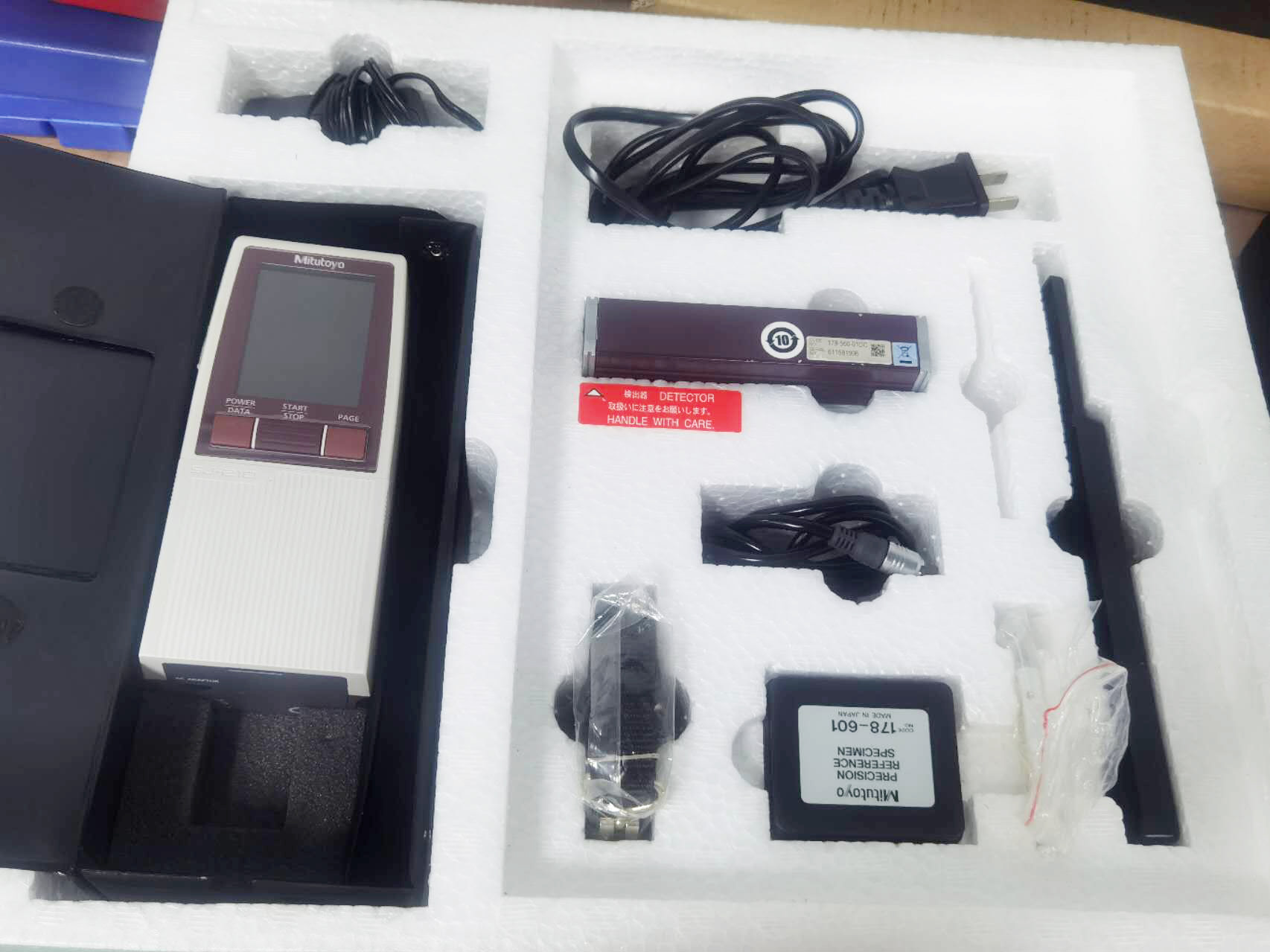
Surface Roughness | Min Ra 0.1~3.2 | |||
1.Direct OEM/0DM manufacturer, advanced produce technical,the highest tolerance we can reach to ±0.005mm;
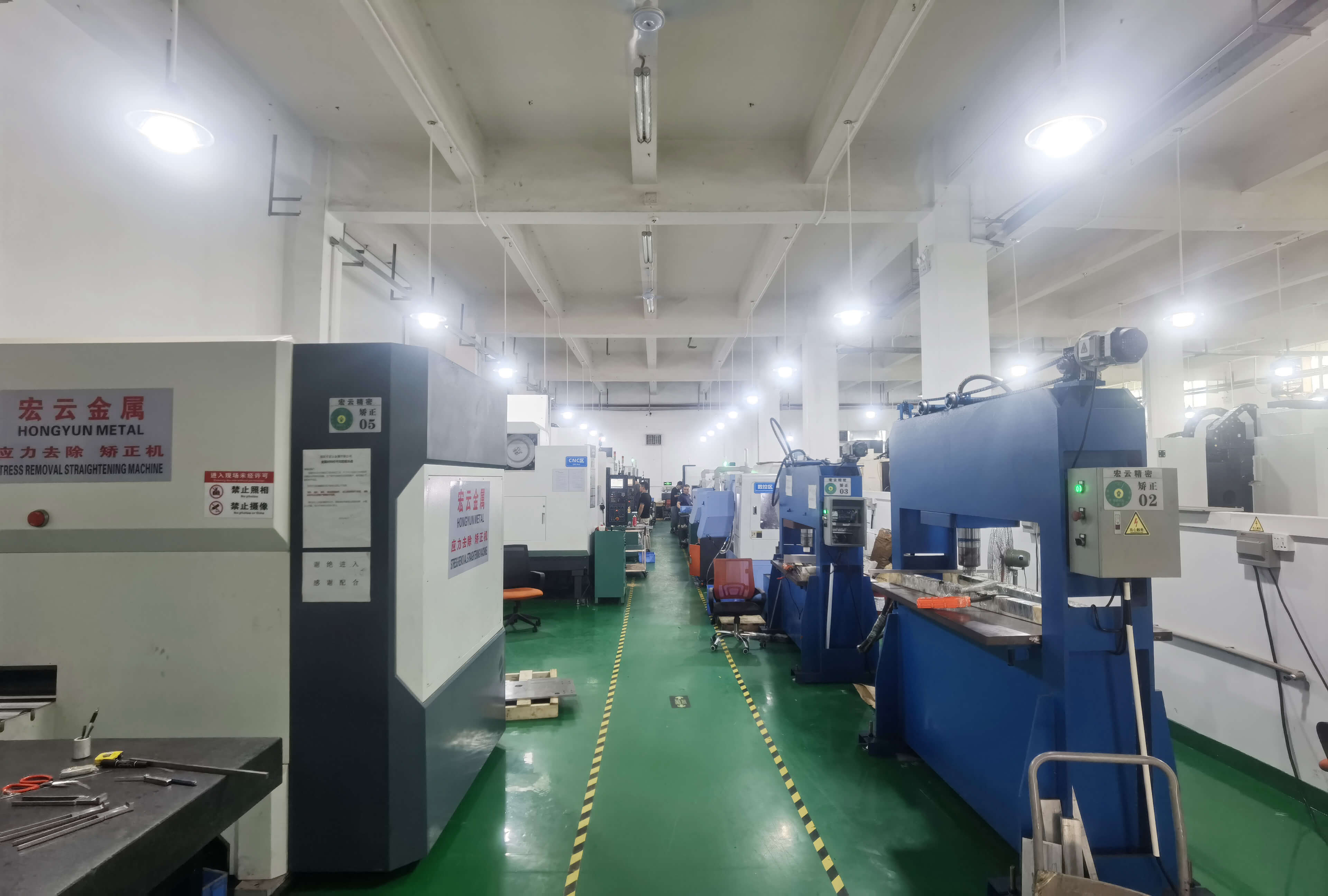
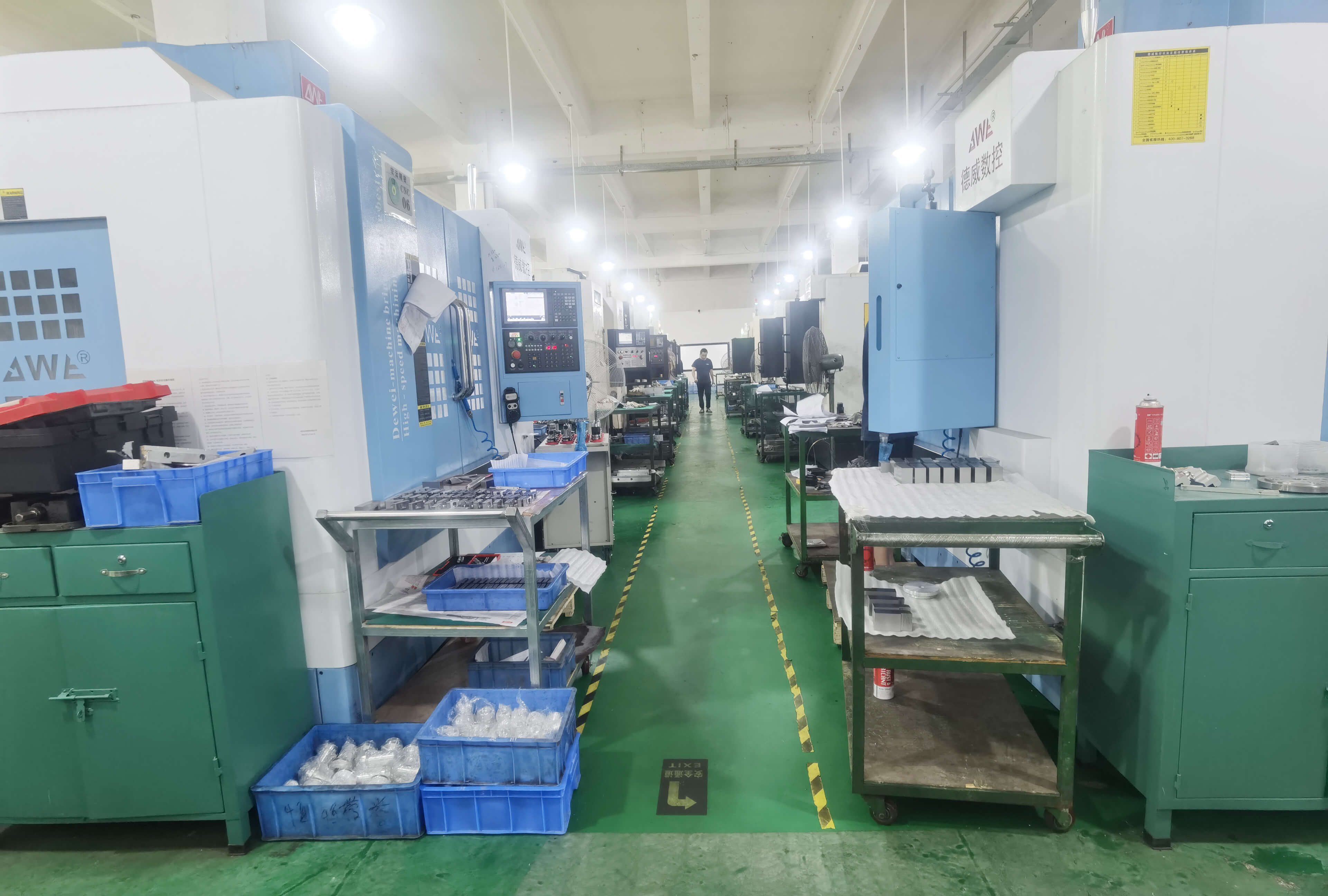
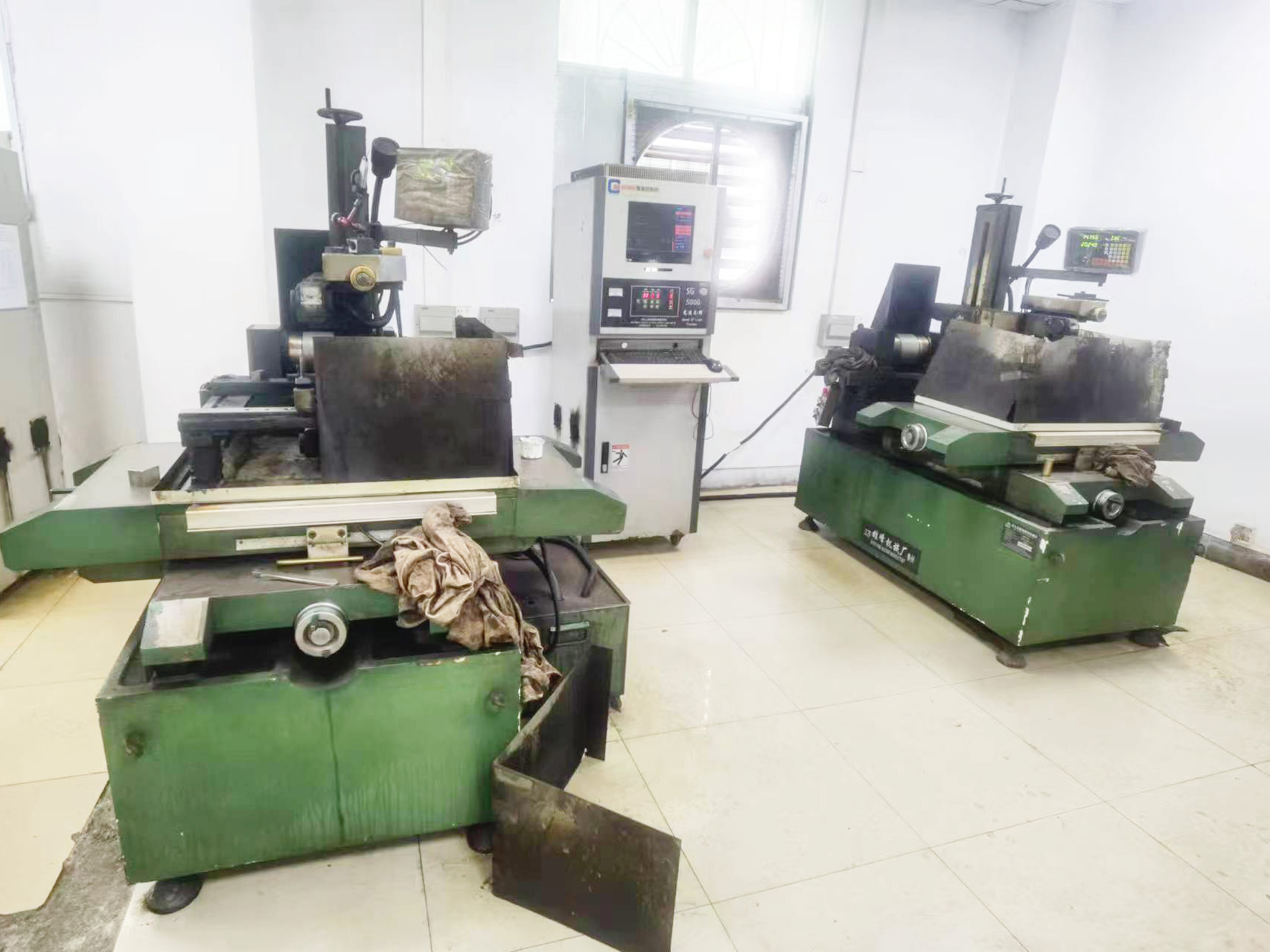
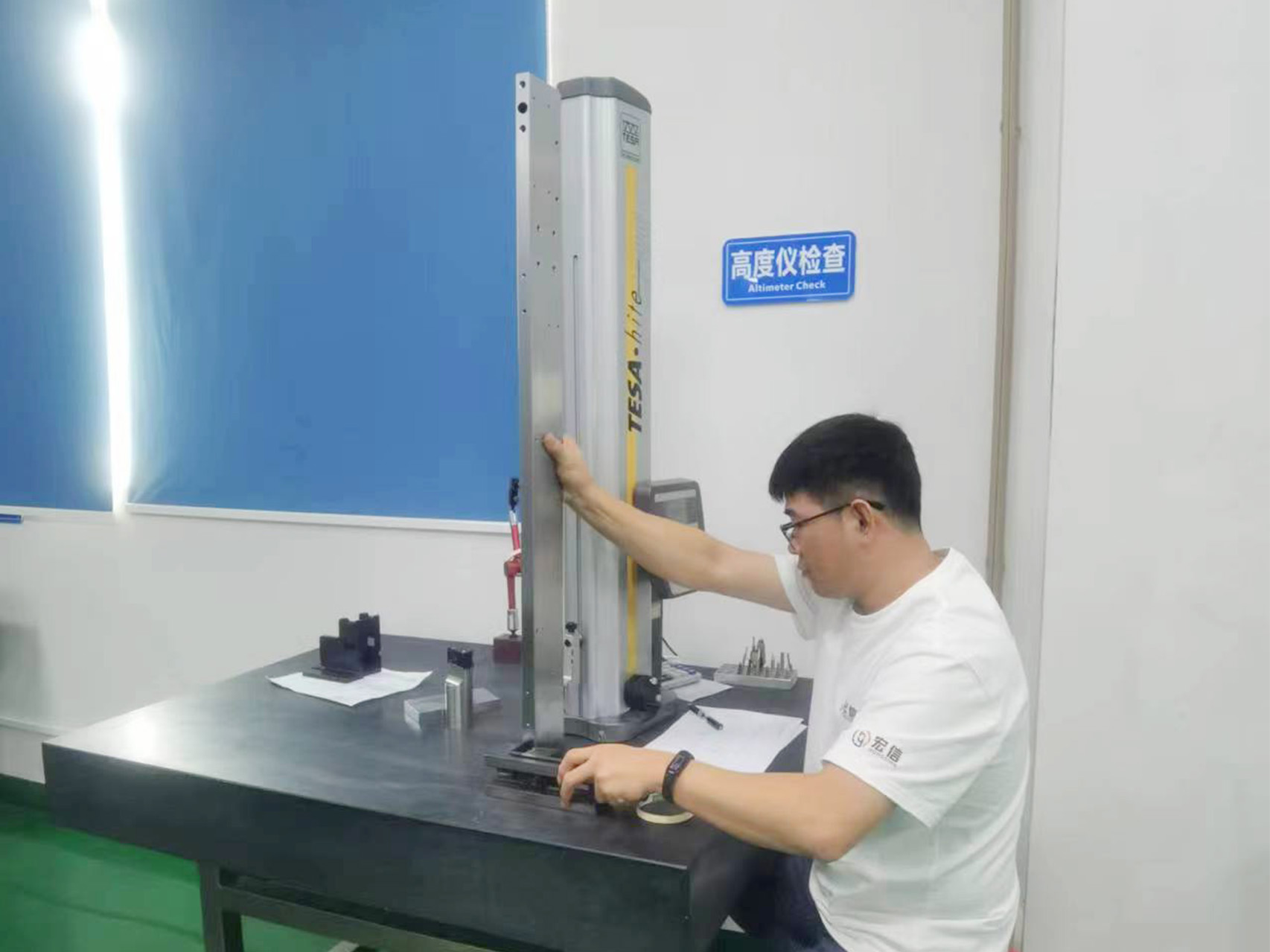
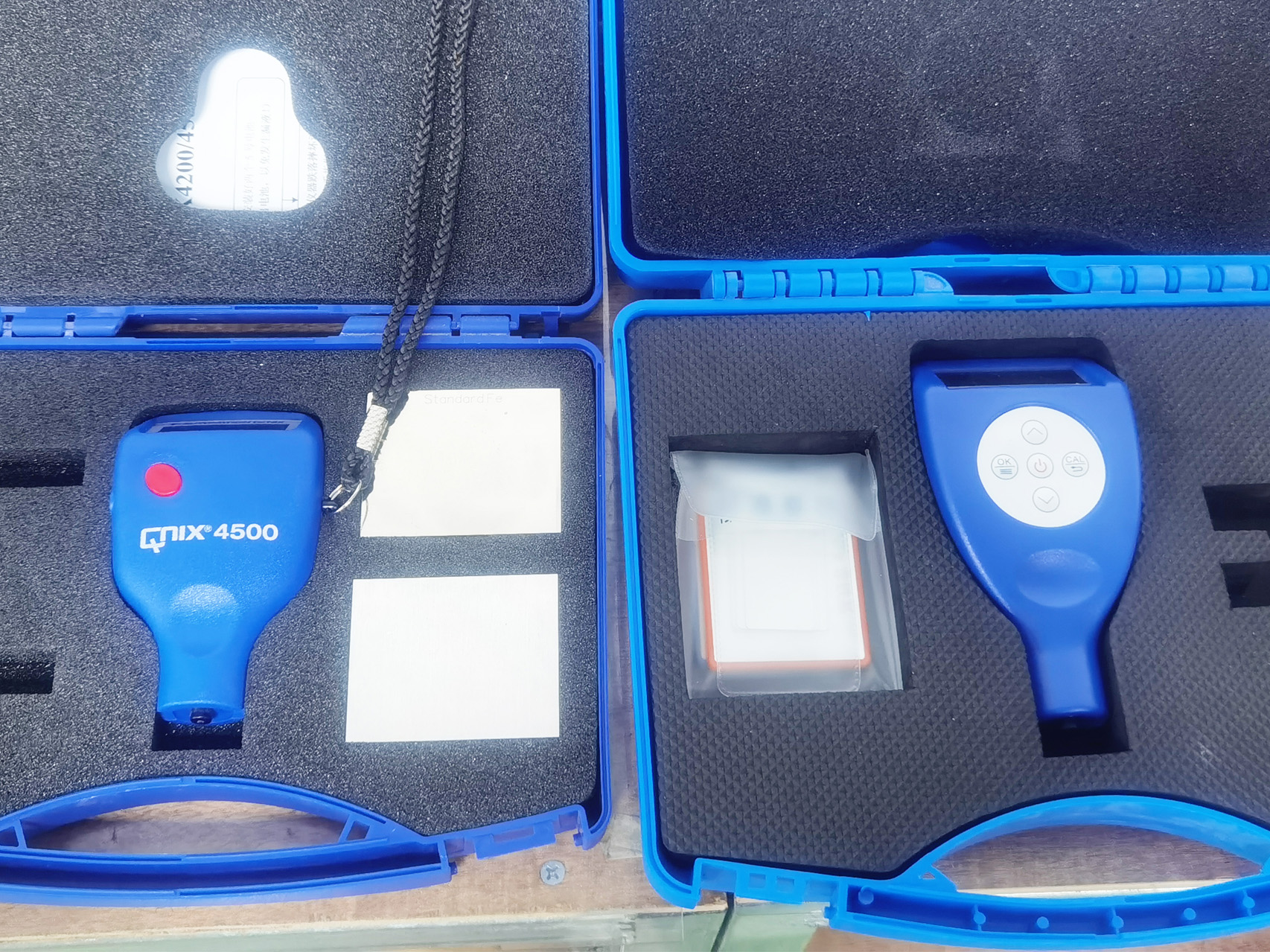
2.Complete produce equipment and test equipment. Independent Engineer team, to check drawings, provide quotation, write machining process, guide production.
3.Independent PMC department, to make production plan and manage delivery time.
4.Quick proofing, short delivery time, usually is 3-15 days
4.Quick proofing, short delivery time, usually is 3-15 days
5 .The company has gathered a rich group of technologicallyadvanced modern talents, which has laid a stable foundationfor the long-term development of the company.
6.Complex and difficult surface and functional structureof the hand plate model, We can all mold quickly.xxx
Main processes of CNC machining
CNC milling: removes material from a workpiece by using a multi-point rotating tool. Basic milling machines are usually composed of a three-axis system (X, Y and Z), which is still one of the most common and widely used machining processes. In three-axis machining, the workpiece remains fixed and the rotating tool cuts along the X, Y and Z axes. In addition, many modern milling machines are able to support two additional axes. 4-axis and 5-axis CNC machining provide greater flexibility and are often used in the manufacture of high-precision parts.
CNC Turning: Removing material from a rotating workpiece by using a single-point cutting tool. During CNC turning, a CNC machine (usually a lathe) moves linearly along the surface of a rotating workpiece, feeding the tool into the workpiece and removing material around the circumference until the desired diameter is reached. Most CNC lathes consist of two main axes: the X-axis and the Z-axis.













Recommend Products
 Providing precision engineering machining services including CNC turning and milling services, CNC lathe components. cnc turning service
 Precision CNC parts for motorcycles and automotive machinery.
 CNC Machining Services in China for High Precision Parts
 Specializing in precision CNC machining for plastic components and tool steel.