


Specializing in manufacturing medical devices, metal anodizing, and bead blasting metal.
Hongsinn-627
Elevate your medical device production with our specialized manufacturing services. From precision metal anodizing to expert bead blasting, we ensure top-quality results for your projects. Contact us today for exceptional metal finishing solutions.
Delivery
FOB
minimum order
1 piece
Supply Ability
5000piece / Week
Country of Origin
Shenzhen
Stock Time
7~15Day
Quantity:
US $0.59 - US $10.68 / piece
Specializing in manufacturing medical devices, metal anodizing, and bead blasting metal.
The manufacturing of medical devices requires unparalleled precision, strict regulatory compliance, and advanced surface treatments like metal anodizing and bead blasting metal to ensure safety, durability, and performance.

What is anodizing?
Anodizing is an electrochemical process used to improve the functionality and appearance of non-ferrous metals. It is most commonly used on aluminum and its alloys. Other materials, such as copper, titanium, manganese, magnesium, zinc, and stainless steel, can also be anodized (with varying responses depending on the material, but all yielding benefits).
Anodizing is unique in that a thin, porous oxide layer forms on the metal surface through a controlled electrochemical process. This layer effectively protects the metal from corrosion, oxidation, and wear, extending its lifespan and improving its appearance. Anodizing can also be enhanced through dyeing or other treatments to enhance the metal's aesthetics and functionality.
The anodizing process involves immersing the metal in an acidic solution and applying an electric current to drive a chemical reaction, forcing the formation of a protective layer. More technically, the treated metal acts as the anode in an electrochemical circuit.
When current flows through the system, negatively charged oxygen ions (anions) from the acidic electrolyte are attracted to the anode. These oxygen ions bind to the metal surface, forming an oxide layer. This oxide layer not only protects the metal from the environment but also improves its corrosion and wear resistance. Precise control of the entire process allows the thickness and properties of the oxide layer to be tailored to specific needs, achieving diverse application effects.
During the anodizing process, positively charged hydrogen ions (cations) in the electrolyte are reduced (gaining electrons) at the cathode. The cathode is typically made of T-6063 aluminum alloy or other inert conductive materials. Both the cathode and anode are connected to an external power source, which provides the necessary driving force for the reaction and completes the circuit.
By varying the acid type, voltage, temperature, and process duration, the thickness and properties of the oxide layer can be tailored to meet specific needs. This flexibility enables anodizing to be used in a wide range of industries, from aerospace to construction materials, ensuring excellent protective properties and aesthetics for metal surfaces.
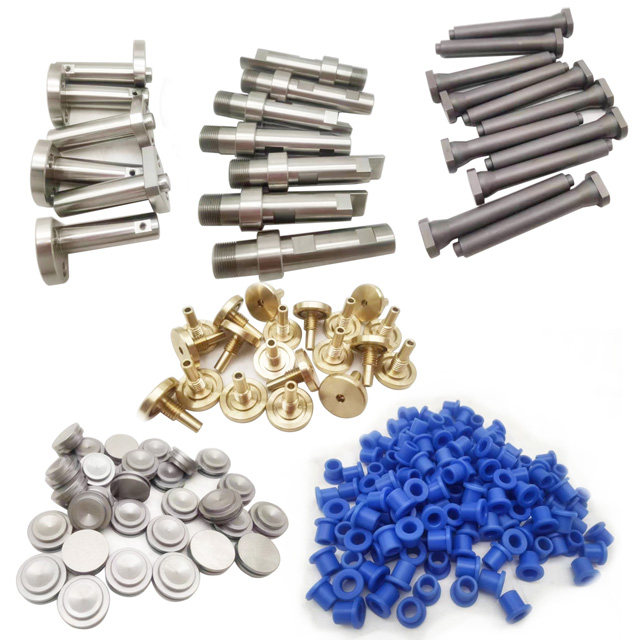
Processing | CNC Turning, CNC Milling, Laser Cutting, Bending, Spinning, Wire Cutting, Stamping, Electric Discharge Machining (EDM), Injection Molding | |||
Materials | Aluminum: 2000 series, 6000 series, 7075, 5052, etc. | |||
Stainless steel: SUS303, SUS304, SS316, SS316L, 17-4PH, etc. | ||||
Steel: 1214L/1215/1045/4140/SCM440/40CrMo, etc. | ||||
Brass: 260, C360, H59, H60, H62, H63, H65, H68, H70, Bronze, Copper | ||||
Titanium: Grade F1-F5 | ||||
Plastic: Acetal/POM/PA/Nylon/PC/PMMA/PVC/PU/Acrylic/ABS/PTFE/PEEK etc. | ||||
Surface Treatment | Anodized, Bead Blasted, Silk Screen, PVD Plating, Zinc/Nickel/Chrome/Titanium Plating, Brushing, Painting, Powder Coated, Passivation, Electrophoresis, Electro Polishing, Knurl, Laser/Etch/Engrave etc. | |||
Tolerance | ±0.002 ~ ±0.005mm | |||
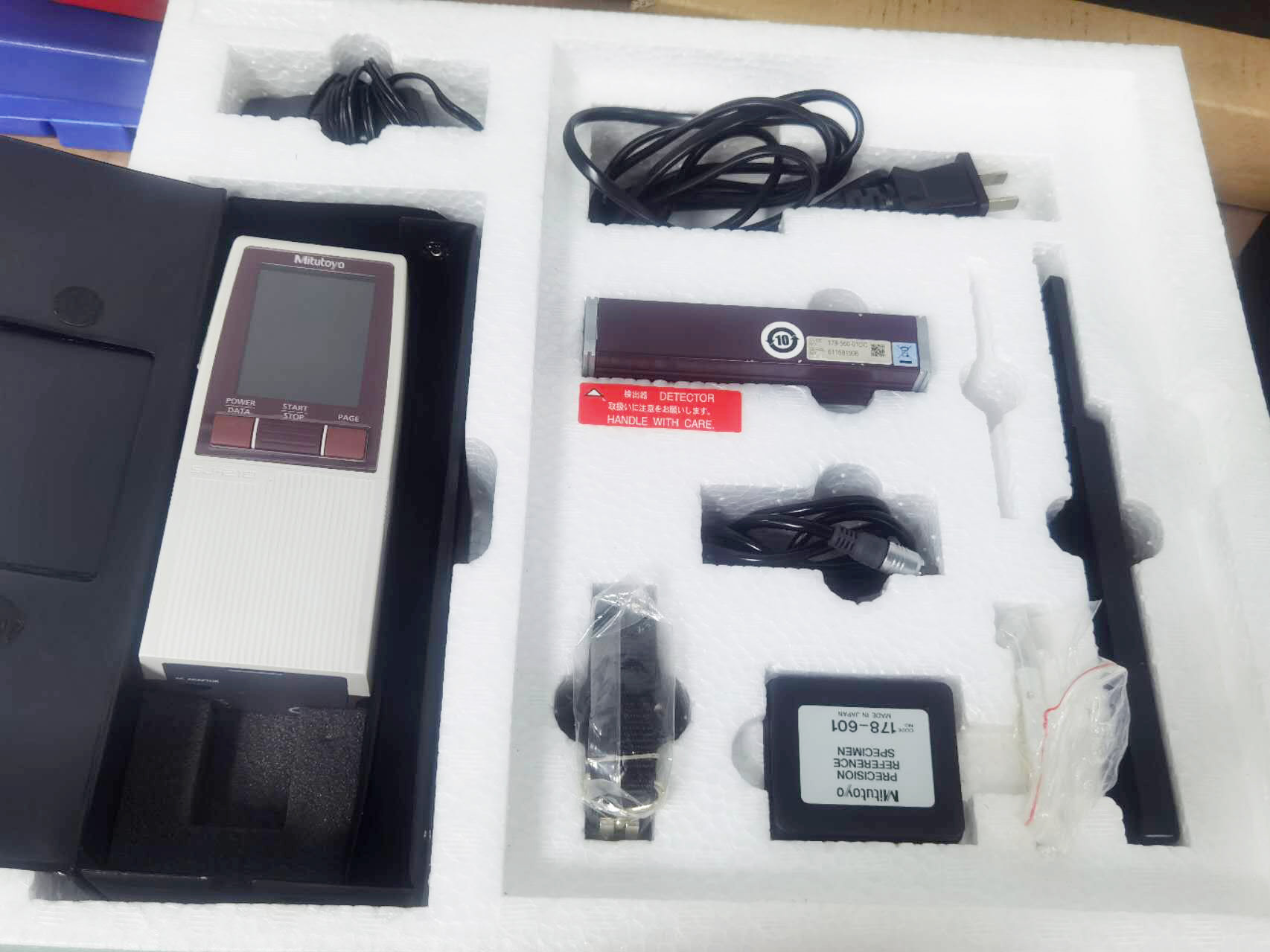
Surface Roughness | Min Ra 0.1~3.2 | |||
1.Direct OEM/0DM manufacturer, advanced produce technical,the highest tolerance we can reach to ±0.005mm;
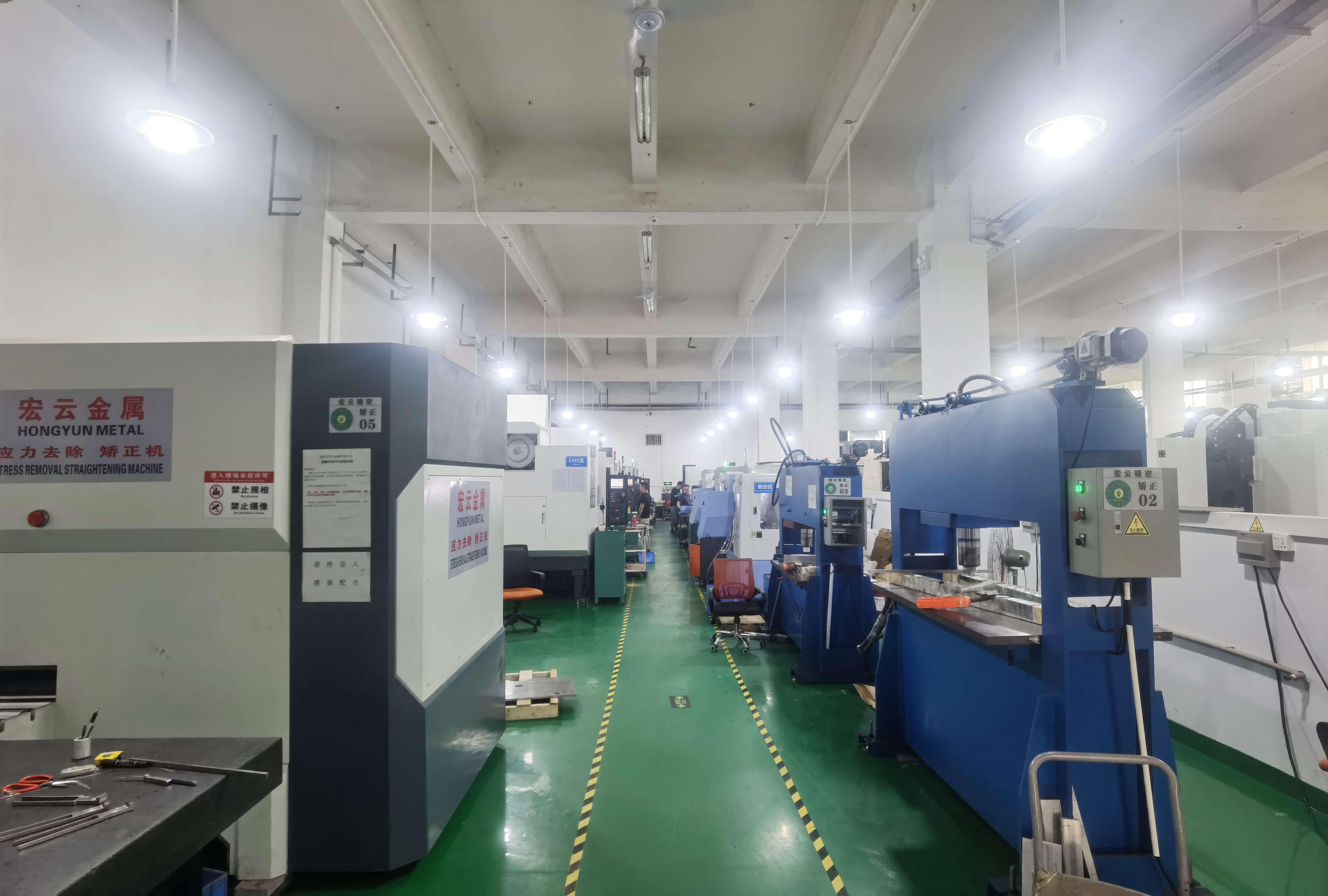
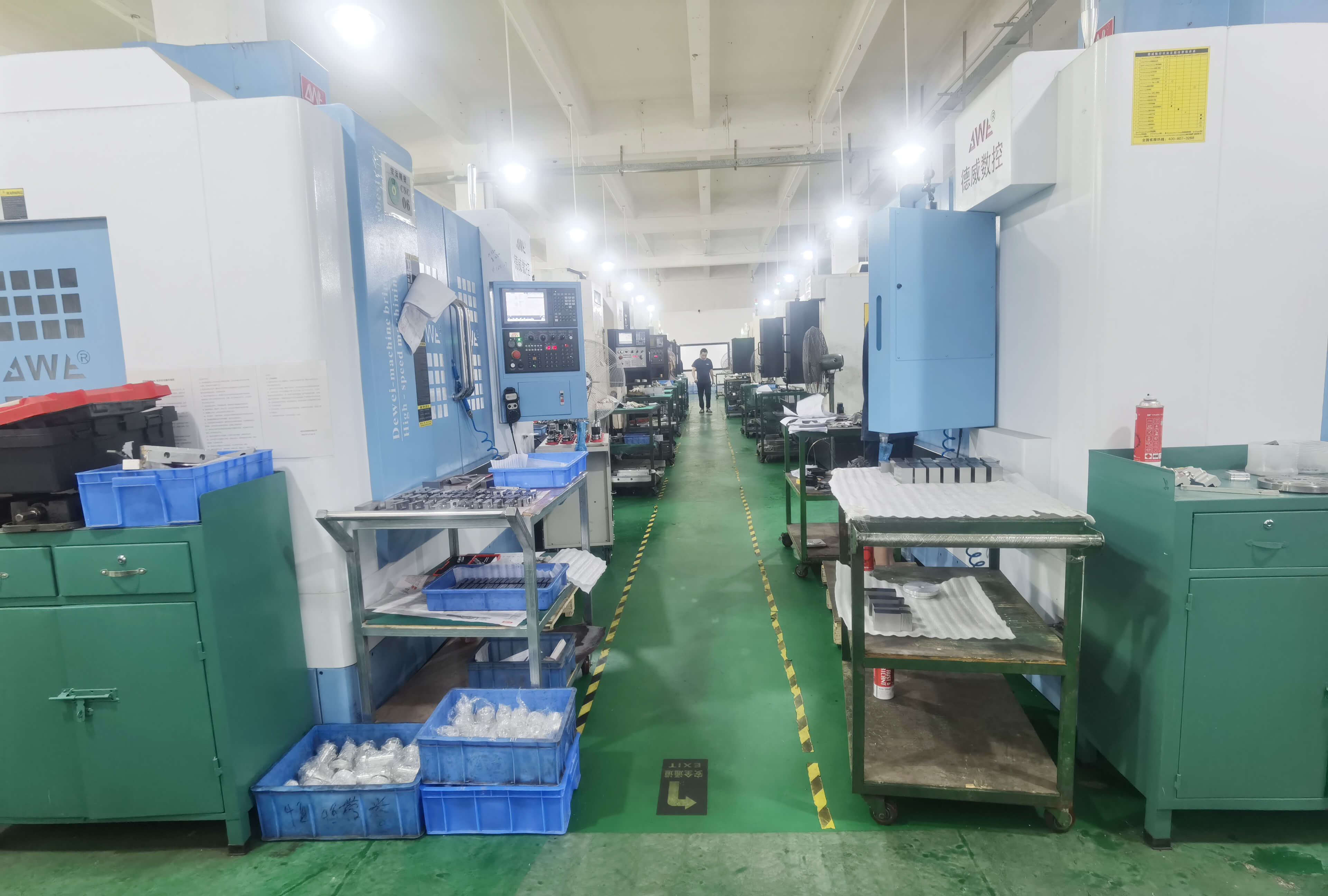
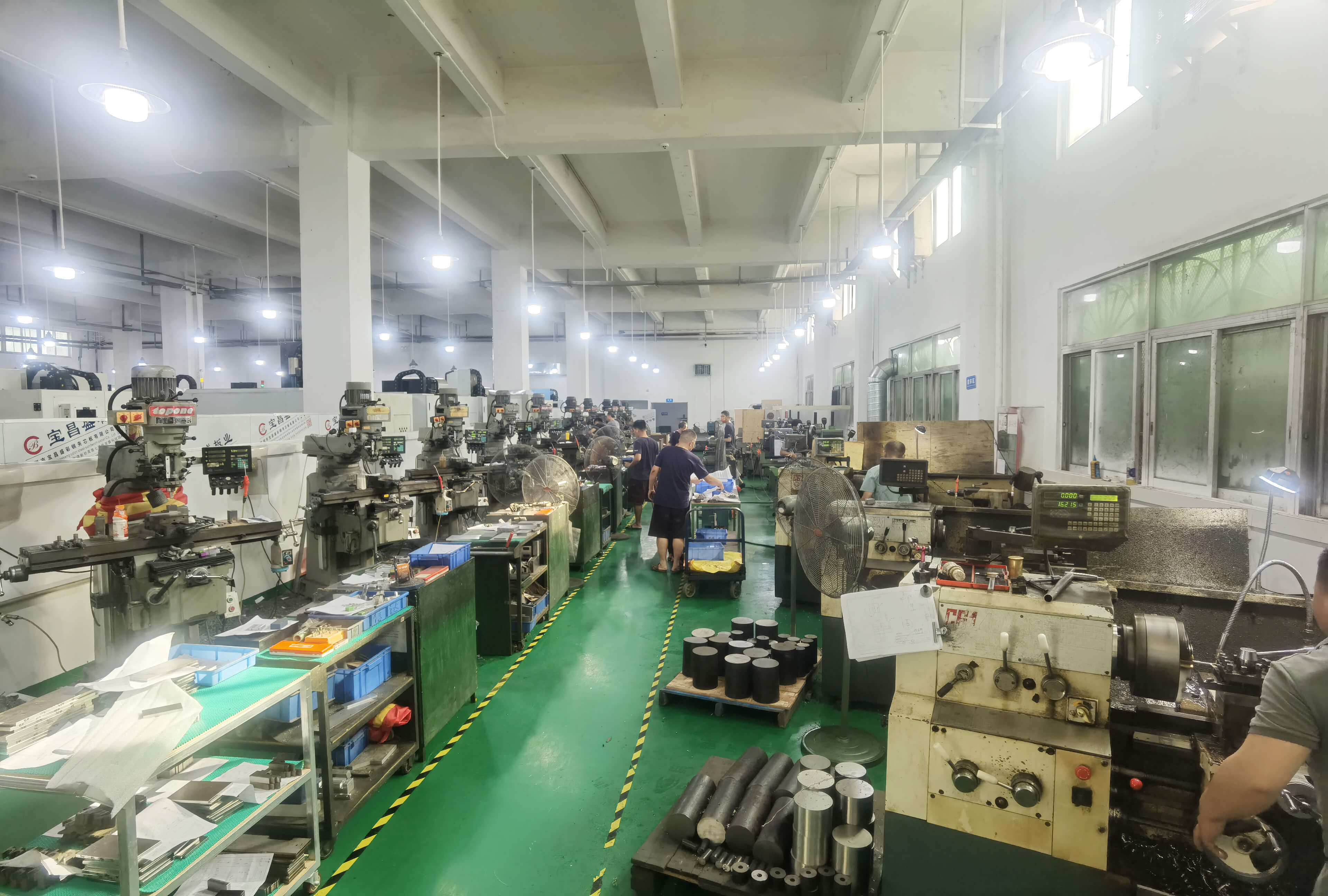
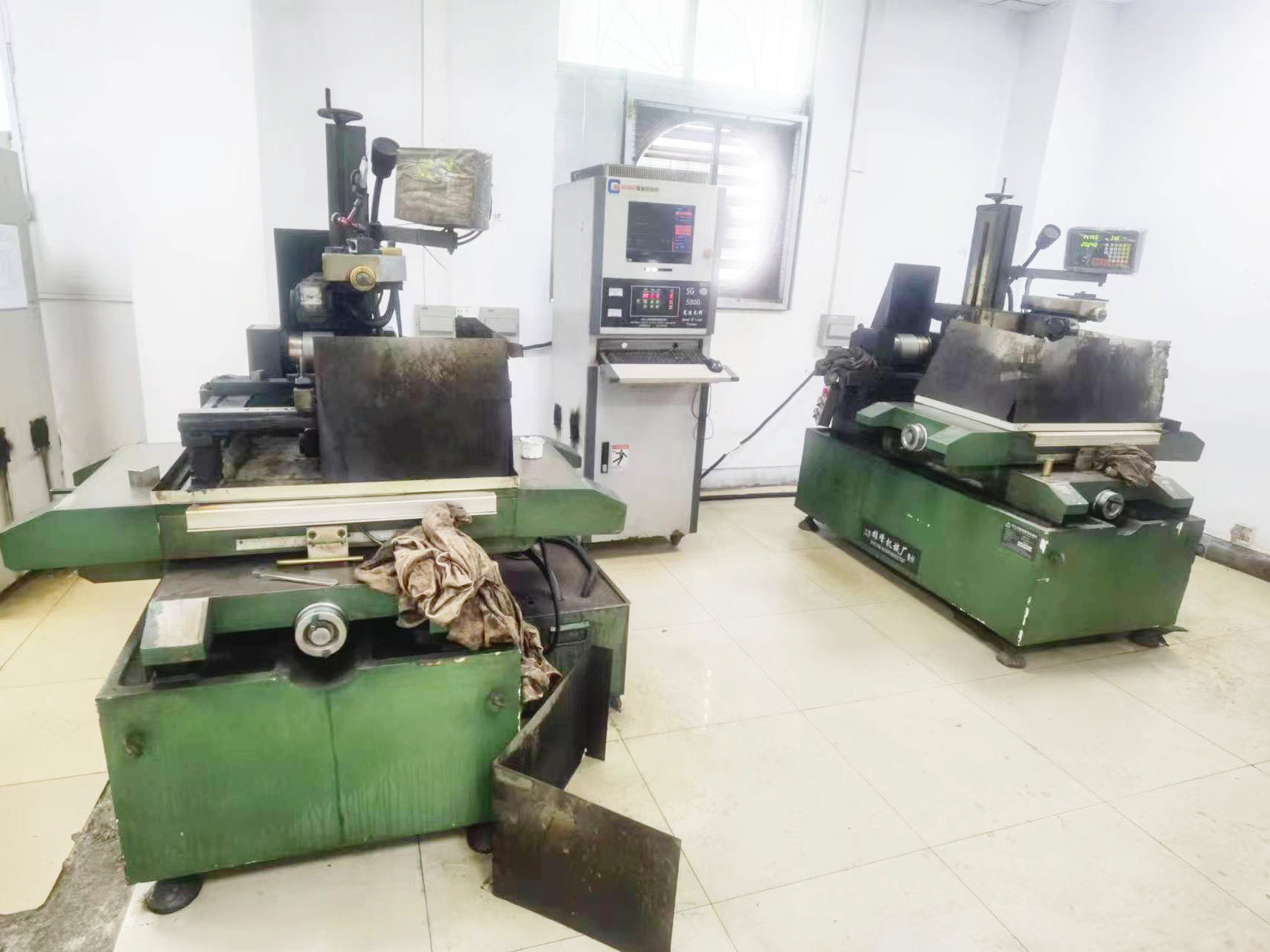
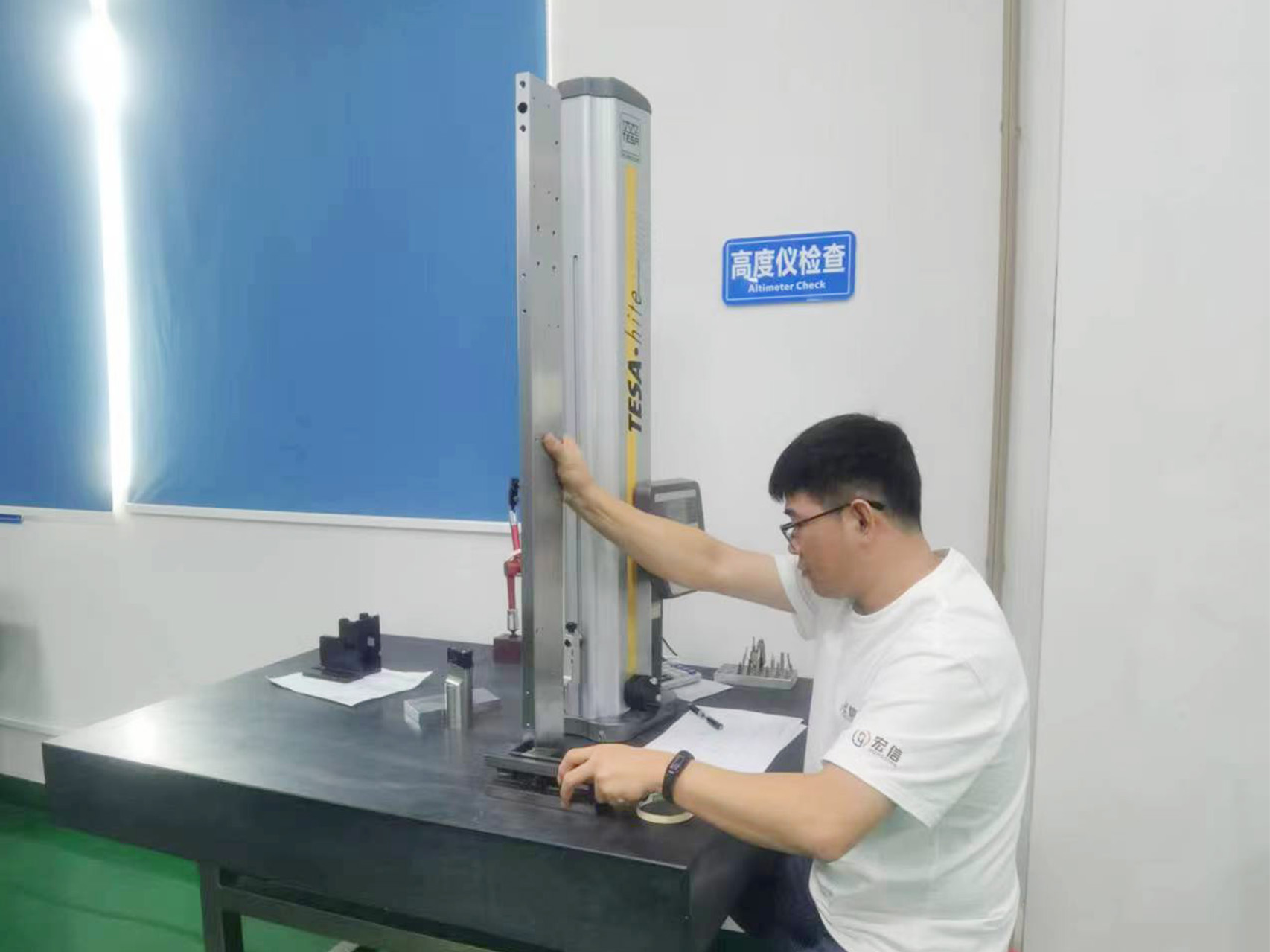
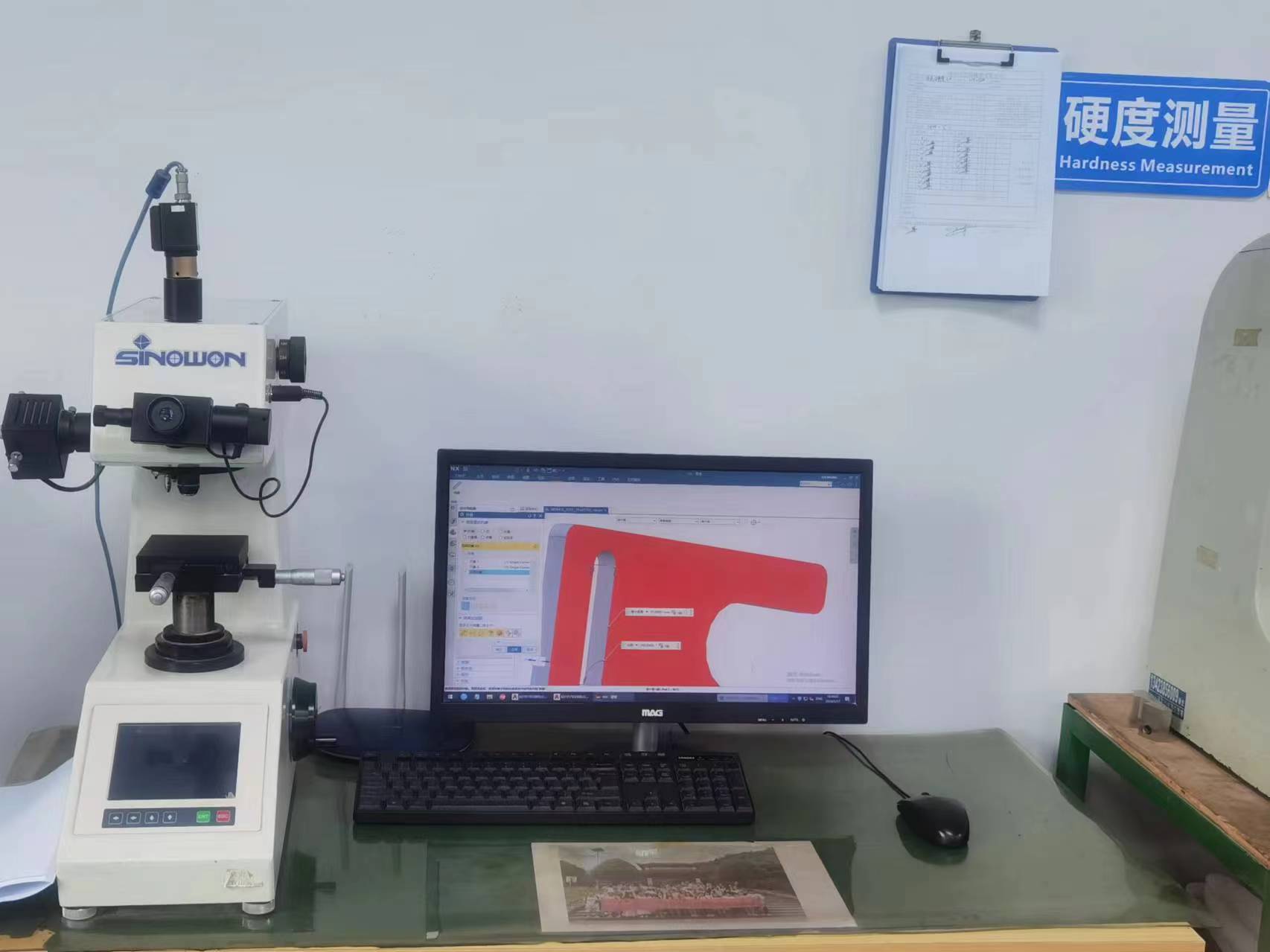
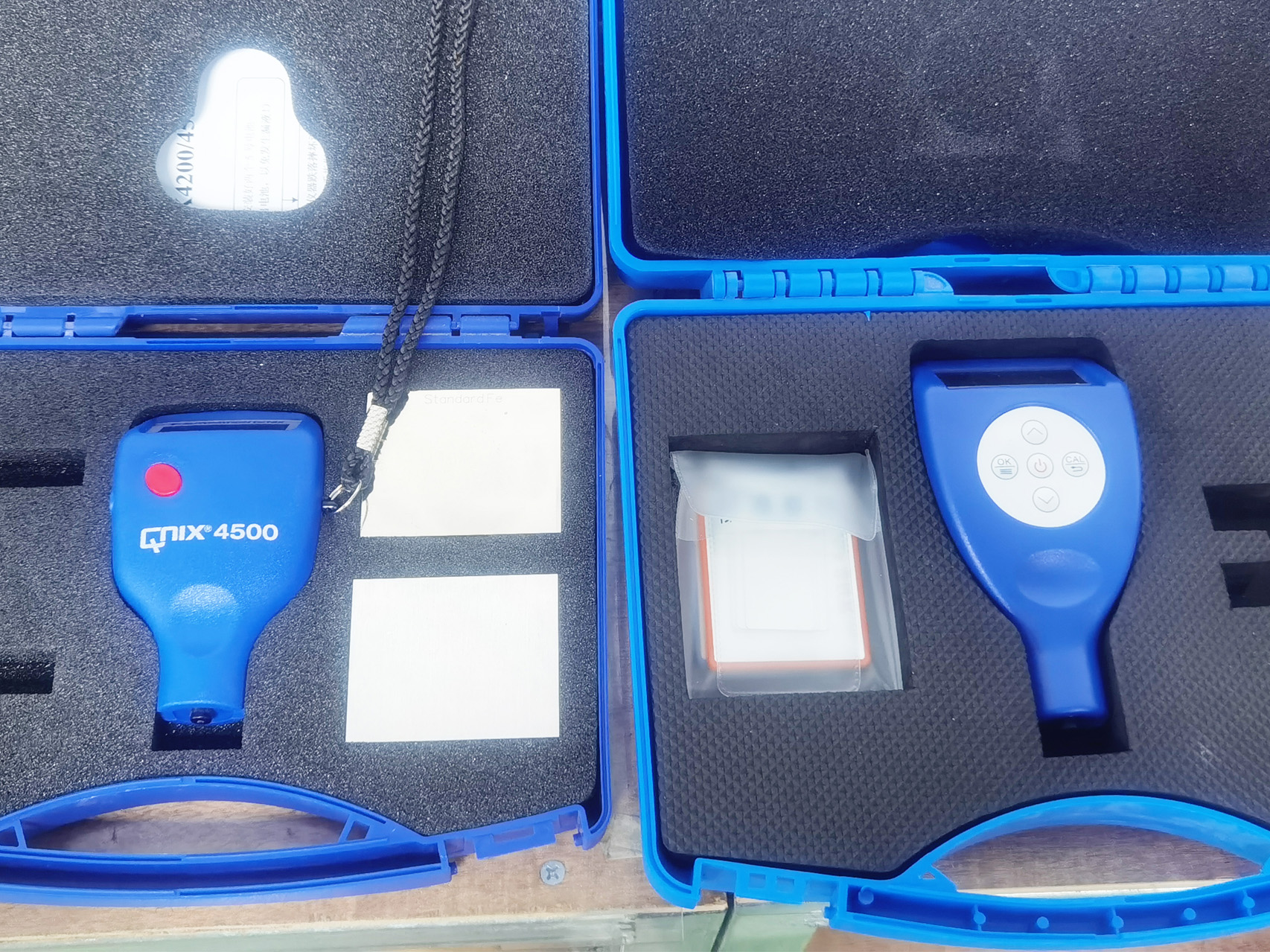
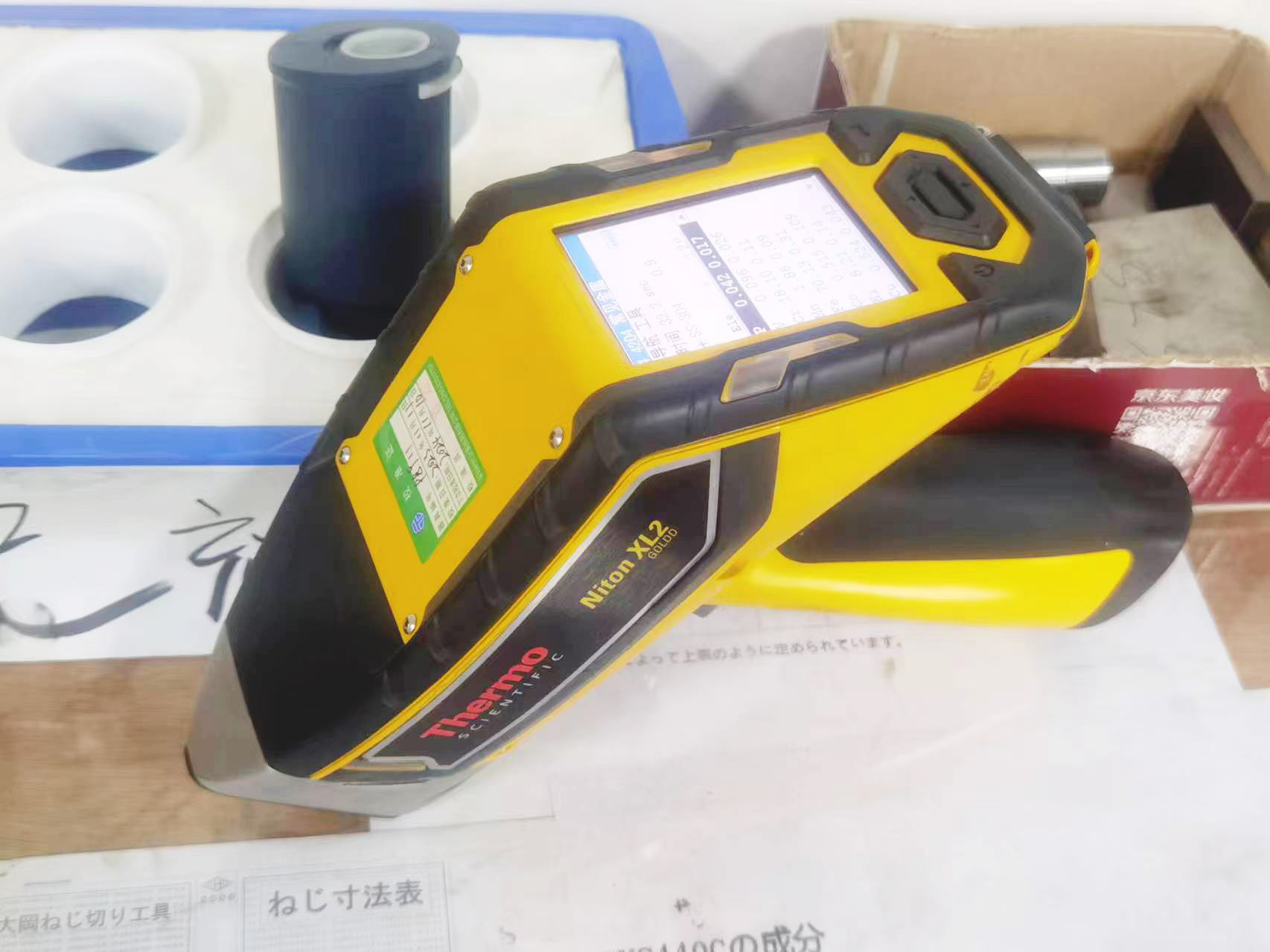
2.Complete produce equipment and test equipment. Independent Engineer team, to check drawings, provide quotation, write machining process, guide production.
3.Independent PMC department, to make production plan and manage delivery time.
4.Quick proofing, short delivery time, usually is 3-15 days
4.Quick proofing, short delivery time, usually is 3-15 days
5 .The company has gathered a rich group of technologicallyadvanced modern talents, which has laid a stable foundationfor the long-term development of the company.
6.Complex and difficult surface and functional structureof the hand plate model, We can all mold quickly.xxx
A Brief History
The anodizing method dates back to 1923, when two British inventors, G.D. Bengough and J.M. Stuart, patented the technology. Early applications primarily involved the manufacture of seaplane components using an early aluminum alloy called Duralumin, which exhibited excellent resistance to saltwater corrosion.
In 1927, a new method based on sulfuric acid was patented and remains the most commonly used anodizing method today. Starting in the 1930s and 1940s, anodizing became widely used in the military, aerospace, and marine industries, meeting the heavy-duty demands of these industries. As the technology evolved, its applications gradually expanded to other fields, such as construction and electronics, becoming a crucial process for strengthening metal surfaces.












Recommend Products
 Providing precision engineering machining services including CNC turning and milling services, CNC lathe components. cnc turning service
 Precision CNC parts for motorcycles and automotive machinery.
 CNC Machining Services in China for High Precision Parts
 Specializing in precision CNC machining for plastic components and tool steel.