Industrial Metal Fabrication Services & Custom Steel
Hongsinn-806
Our industrial metal fabrication services include custom steel fabrications, delivering precision and durability for various applications.
Delivery
FOB
minimum order
1 piece
Supply Ability
5000piece / Week
Country of Origin
Shenzhen
Stock Time
7~15Day
Quantity:
US $0.59 - US $10.68 / piece
Our industrial metal fabrication services include custom steel fabrications, delivering precision and durability for various applications.
The manufacturing landscape thrives on the seamless integration of creative vision and technical execution. Metal fabrication and design represents this powerful combination, where innovative concepts meet industrial precision through comprehensive industrial metal fabrication services to create exceptional custom steel fabrications.
|
What is the metalworking design process?
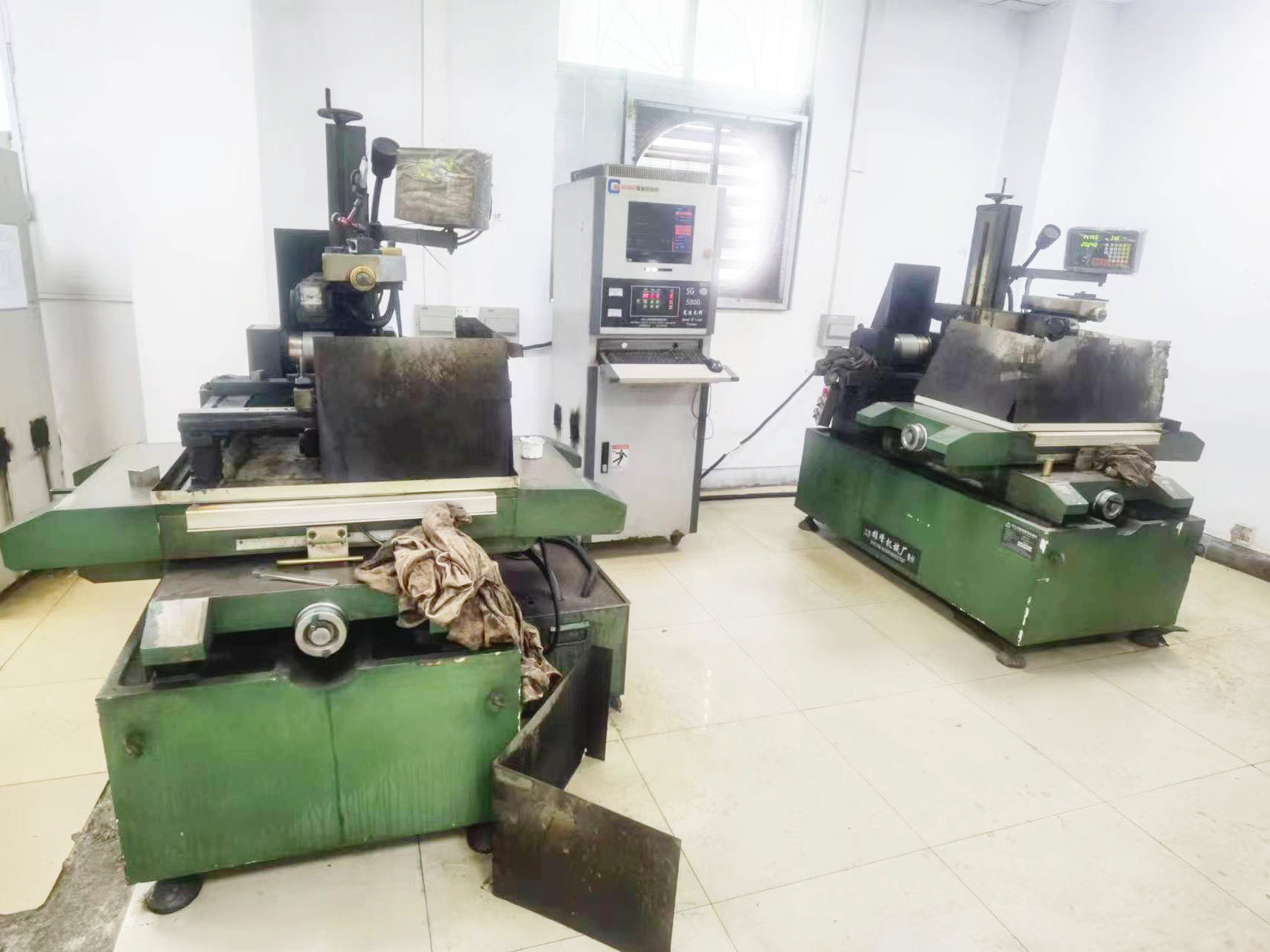
Metalworking is the process of transforming raw materials into metal parts through cutting, bending, welding, machining, and assembly. Today, many machining steps are automated, and the precision of machining by precision machinery often exceeds that of human labor.
Main Steps:
* **Design Phase:** In the initial stage of metalworking, designers create detailed CAD (Computer-Aided Design) drawings, specifying the shape, dimensions, and material requirements of the parts.
* **Design Phase:** In the initial stage of metalworking, designers create detailed CAD (Computer-Aided Design) drawings, specifying the shape, dimensions, and material requirements of the parts.
* **Material Selection:** Metalworking typically begins with sheet metal, but thicker sheets, hard materials, or welding materials can also be used. Choosing the right material is crucial to ensuring the quality of the finished product.
* **Machining Processes:**
* **Cutting:** Cutting the metal material into the required shape according to the design drawings.
* **Bending:** Bending the metal to a specified angle using specialized equipment.
* **Welding:** Joining two parts of metal together, ensuring structural integrity.
* **Machining:** Performing fine machining to ensure that dimensions and surface finish meet standards.
* **Assembly:** Assembling the machined parts into the final product.
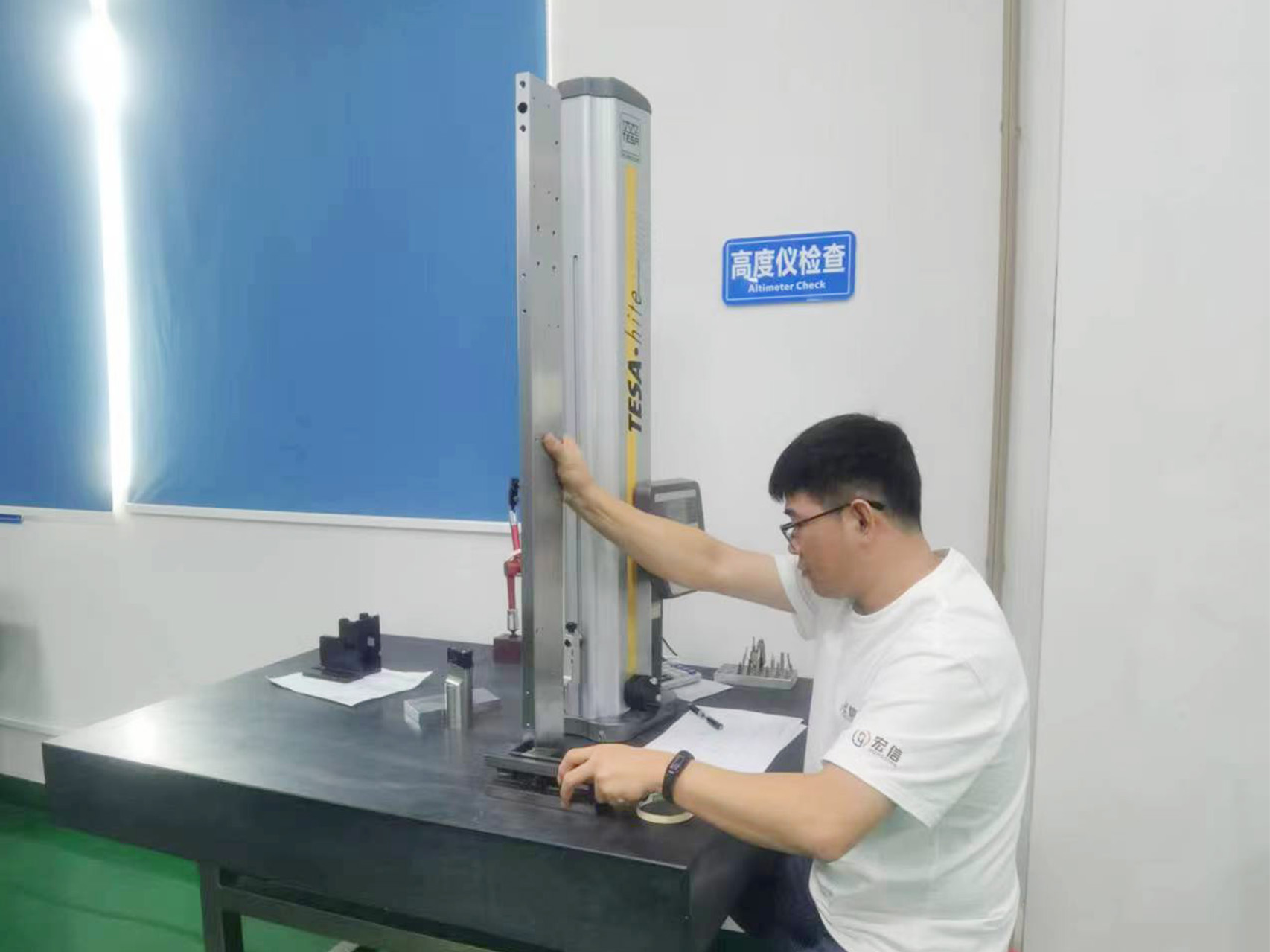
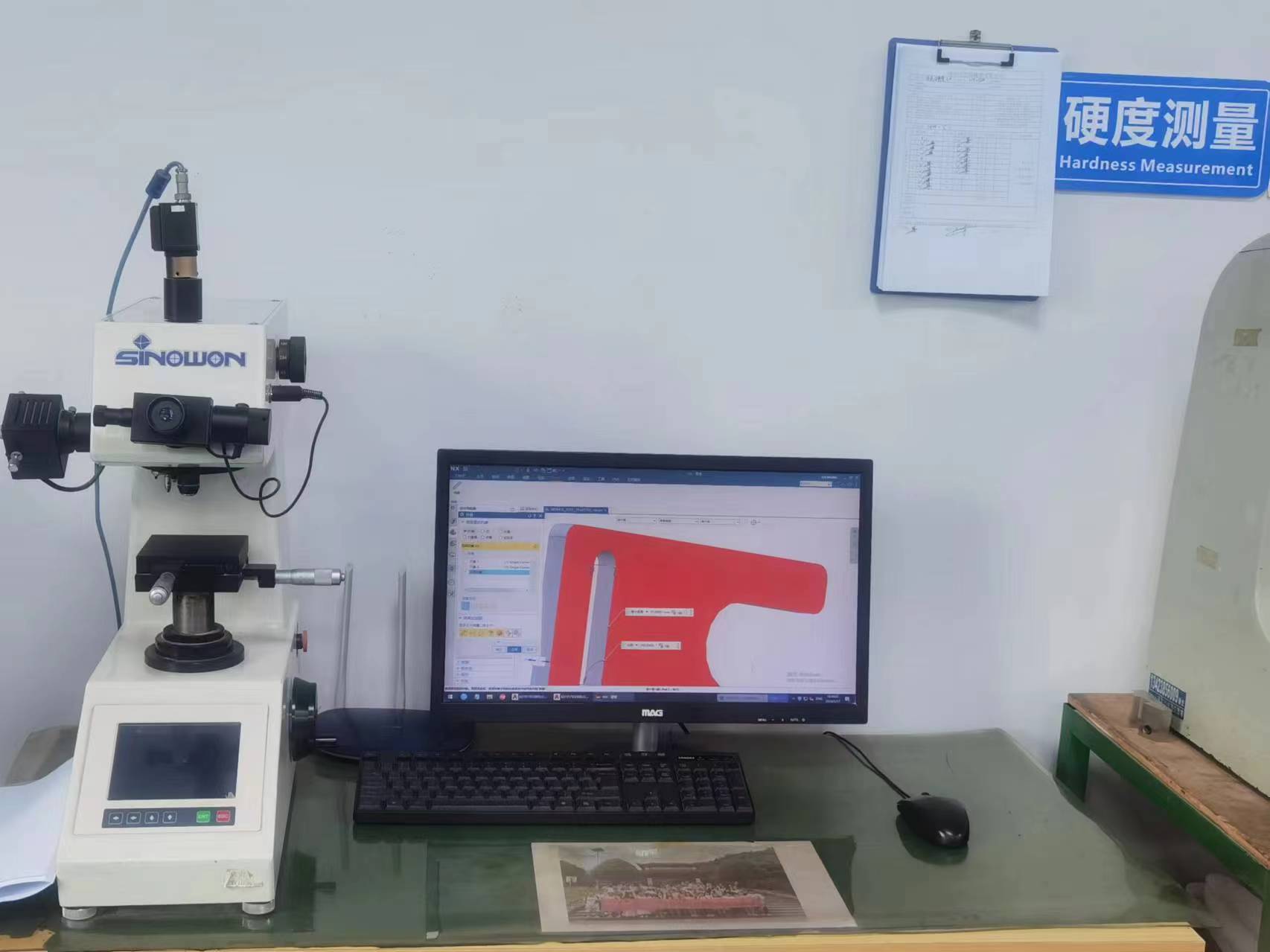
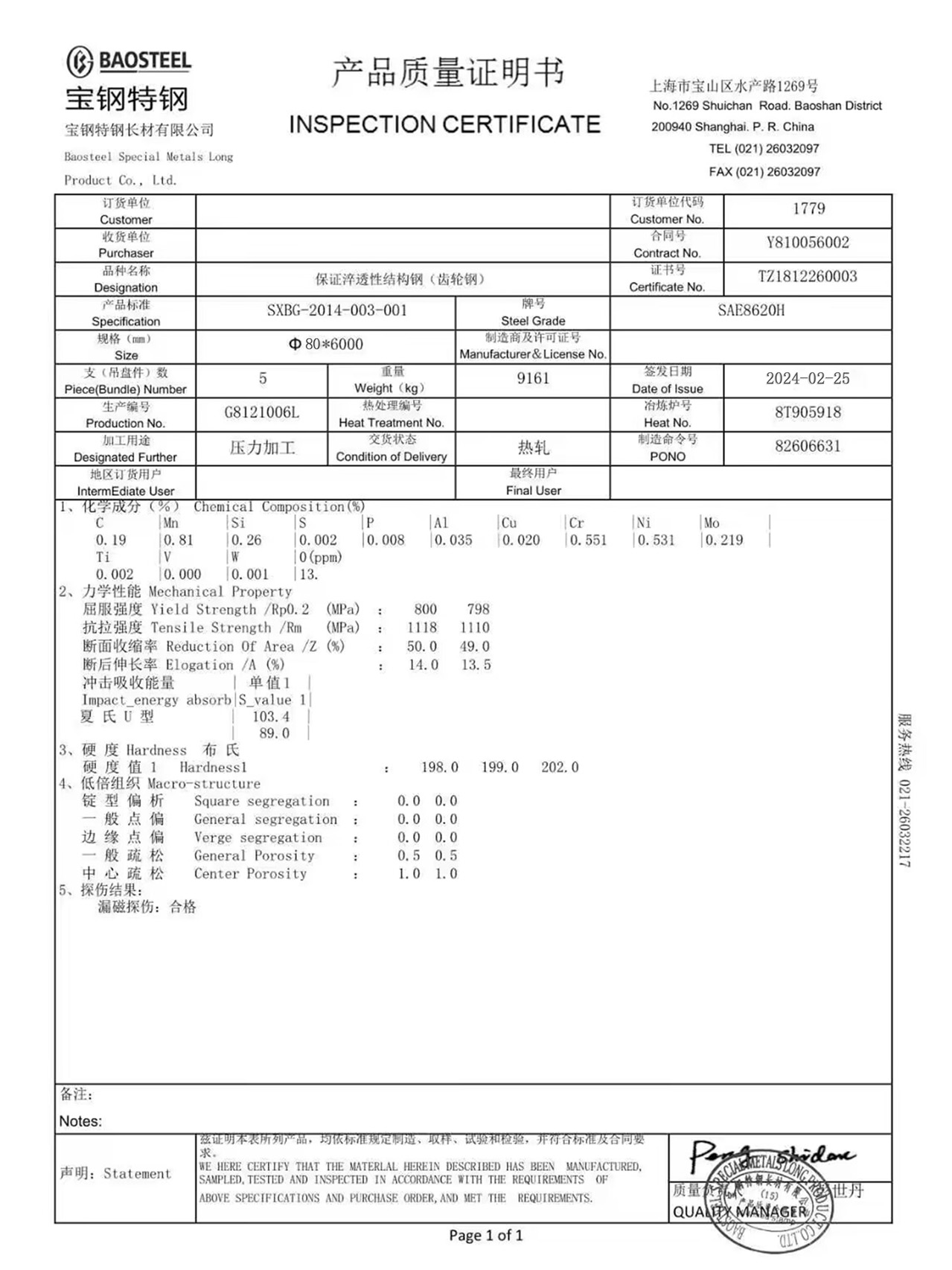
* **Quality Control:** Throughout the machining process, quality checks are conducted to ensure that each component meets design requirements and performance standards.
Types of Metalworking
Metalworking involves a variety of methods and steps, ranging from sheet metal to parts and even complete products, with the appropriate processing method chosen based on requirements. Here are some common types of metalworking:
Surface Cleaning: Removing oil, grease, or chemicals from metal surfaces. Cleaning methods include abrasion, chemical solvents, and electrolytic applications to ensure the quality of subsequent processing.
Cutting and Machining: Metalworkers can cut metal into desired shapes manually or using machines. Common tools include saws, laser cutters, and waterjet cutters to meet both simple and complex needs.
Punching and Drilling: Punching is used to cut holes in metal surfaces or extract smaller parts for different uses. Drilling is a hole-making method, often used as the first step in processes such as drilling or reaming.
Shaping: By processing metal into different shapes, workers can create desired angles and curvatures. Common processes include folding, bending, stamping, and punching.
Shearing: Shearing removes excess material by cutting metal sheets, reducing waste without cutting the material into fragments.
Fastening: Metals can be temporarily or permanently joined together using hardware components such as screws or rivets to meet structural requirements.
Welding: Welding is a method for permanently joining metals, suitable for large-scale applications, and provides a robust connection.
You can contact us in the following situations:
When you want to order high-precision aluminum parts: We offer excellent aluminum machining services, ensuring that every part meets stringent specifications.
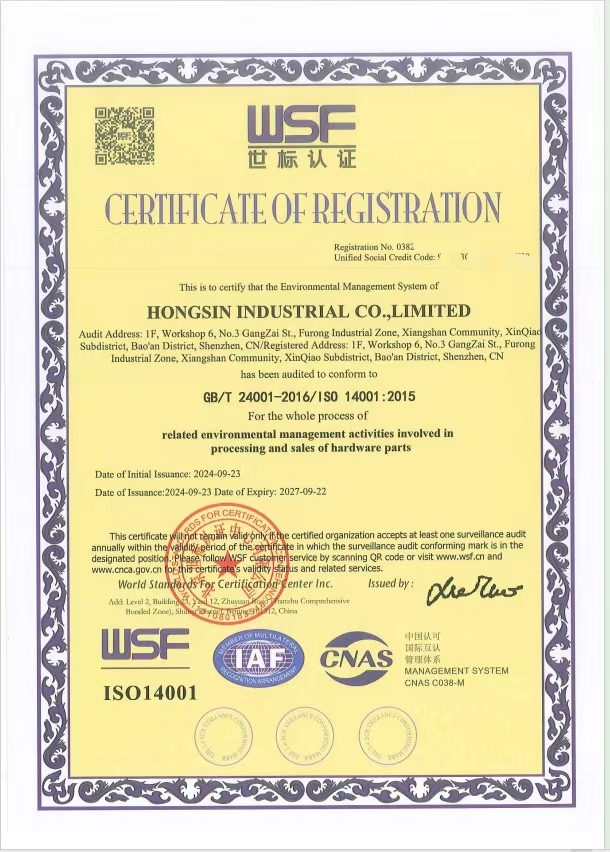
When you want to order 100% quality-guaranteed products: Our quality control system ensures that all products meet high standards, giving you confidence.
When you want one-stop service: We provide comprehensive services from material procurement to processing and inspection, simplifying your procurement process.
When you want comprehensive after-sales support: We are committed to providing excellent after-sales service to ensure your satisfaction and project success.