Metal Parts Supplier Offering Anodizing and Nickel Electroplating Services.
Hongsinn-555
Elevate Your Metal Projects: Premium Plating Services Available from Leading Parts Supplier!
Delivery
FOB
minimum order
1 piece
Supply Ability
5000piece / Week
Country of Origin
Shenzhen
Stock Time
7~15Day
Quantity:
US $0.59 - US $10.68 / piece
Metal Parts Supplier Offering Anodizing and Nickel Electroplating Services.
As industries demand higher performance and durability from metal components, partnering with a metal parts supplier offering anodizing and nickel electroplating services becomes crucial.

Electroplating is a widely used surface treatment technology that is critical to the functionality and performance of parts across a wide range of industries. This cost-effective process allows manufacturers to incorporate hardness, electrical properties, wear resistance, temperature resistance, and corrosion resistance into materials, while also imparting the desired aesthetic properties of specific metals. A variety of electroplating methods, such as barrel plating, rack plating, and reel-to-reel plating, can be used to achieve the desired combination of product properties. The electroplating process is versatile and covers many different applications, such as plating integrated circuit components for enhanced conductivity, plating aerospace components such as landing gear for improved corrosion resistance, and plating metals to achieve the appearance of precious metals in the jewelry industry.
About Electroplating
Electroplating is a technique for coating objects with a metallic layer through an electrolytic process. Engineers use this method to transfer a metallic coating from an anode to a cathode. The process takes place in an electrolyte solution, which is immersed in a cathode to facilitate the transfer of metal ions from the anode to the cathode.
Process Details
The bath typically consists of a salt and the metal to be plated. A DC power supply generates an electric current, driving the metal ions from the anode to the cathode. The cathode can be a conductive metal or a non-conductive material treated to make its surface conductive, such as plastic. This conductive surface attracts the metal ions from the anode. Once the ions attach to the cathode surface, they transform into atoms, forming a thin layer of metal on the substrate.
This process ensures uniform and adherent coatings and is widely used across various industries to provide desired functionality and aesthetics.
Processing | CNC Turning, CNC Milling, Laser Cutting, Bending, Spinning, Wire Cutting, Stamping, Electric Discharge Machining (EDM), Injection Molding | |||
Materials | Aluminum: 2000 series, 6000 series, 7075, 5052, etc. | |||
Stainless steel: SUS303, SUS304, SS316, SS316L, 17-4PH, etc. | ||||
Steel: 1214L/1215/1045/4140/SCM440/40CrMo, etc. | ||||
Brass: 260, C360, H59, H60, H62, H63, H65, H68, H70, Bronze, Copper | ||||
Titanium: Grade F1-F5 | ||||
Plastic: Acetal/POM/PA/Nylon/PC/PMMA/PVC/PU/Acrylic/ABS/PTFE/PEEK etc. | ||||
Surface Treatment | Anodized, Bead Blasted, Silk Screen, PVD Plating, Zinc/Nickel/Chrome/Titanium Plating, Brushing, Painting, Powder Coated, Passivation, Electrophoresis, Electro Polishing, Knurl, Laser/Etch/Engrave etc. | |||
Tolerance | ±0.002 ~ ±0.005mm | |||
Surface Roughness | Min Ra 0.1~3.2 | |||
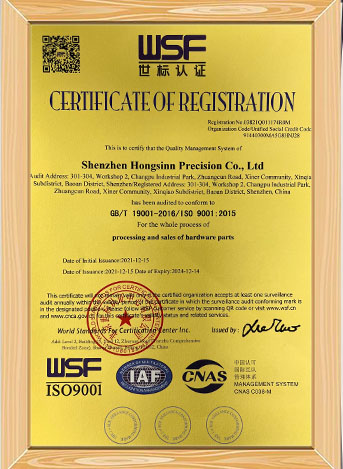
1.Direct OEM/0DM manufacturer, advanced produce technical,the highest tolerance we can reach to ±0.005mm;
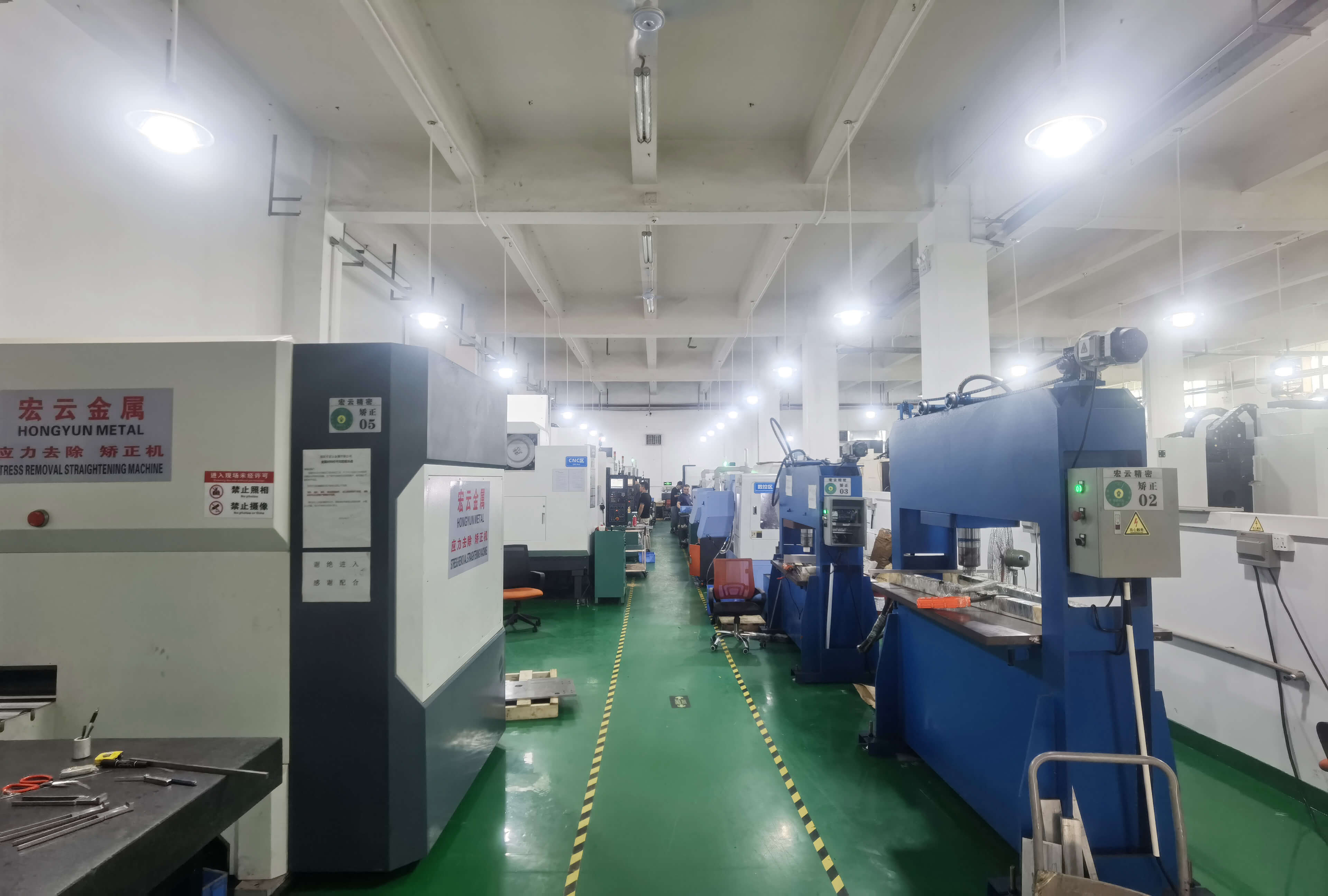
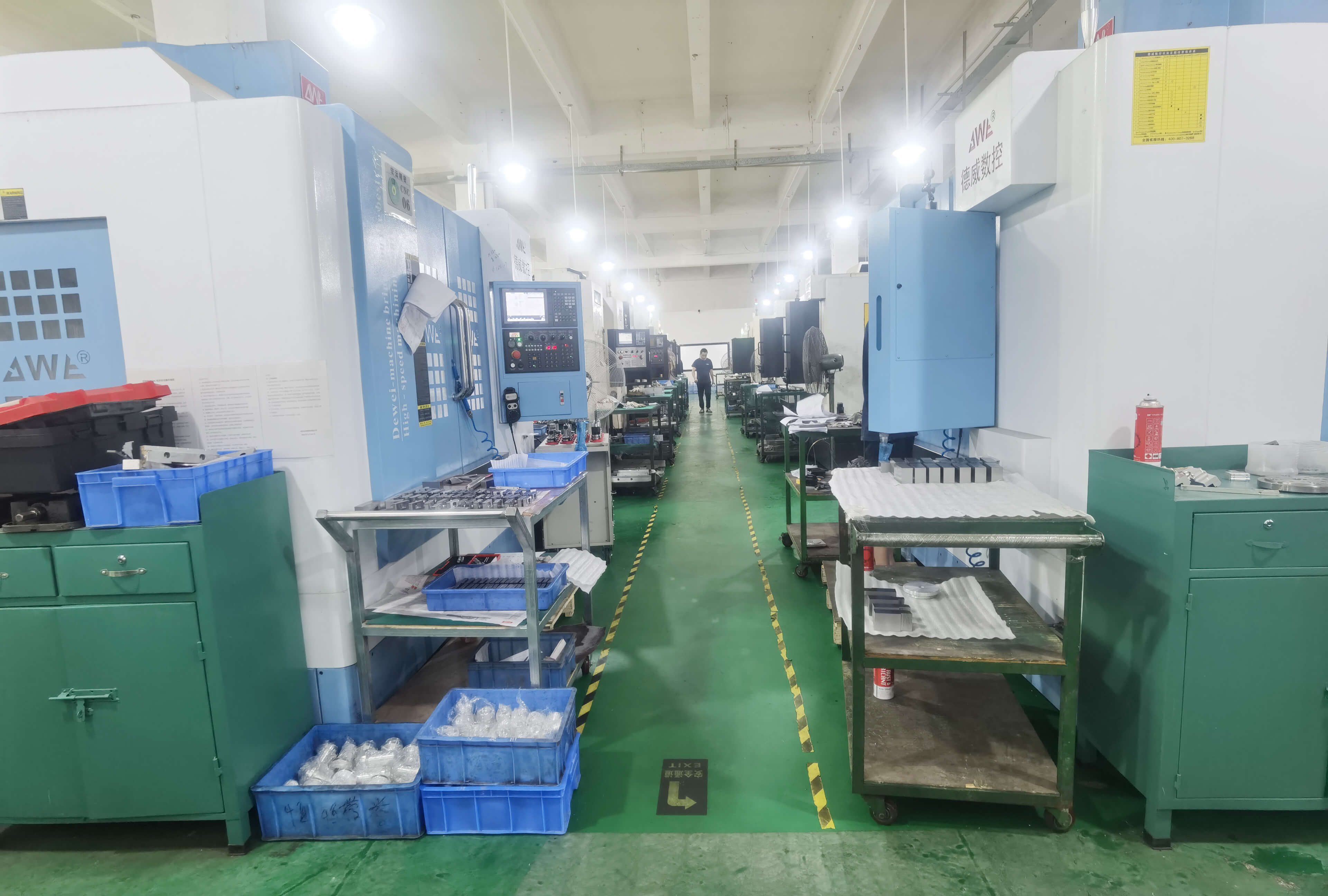
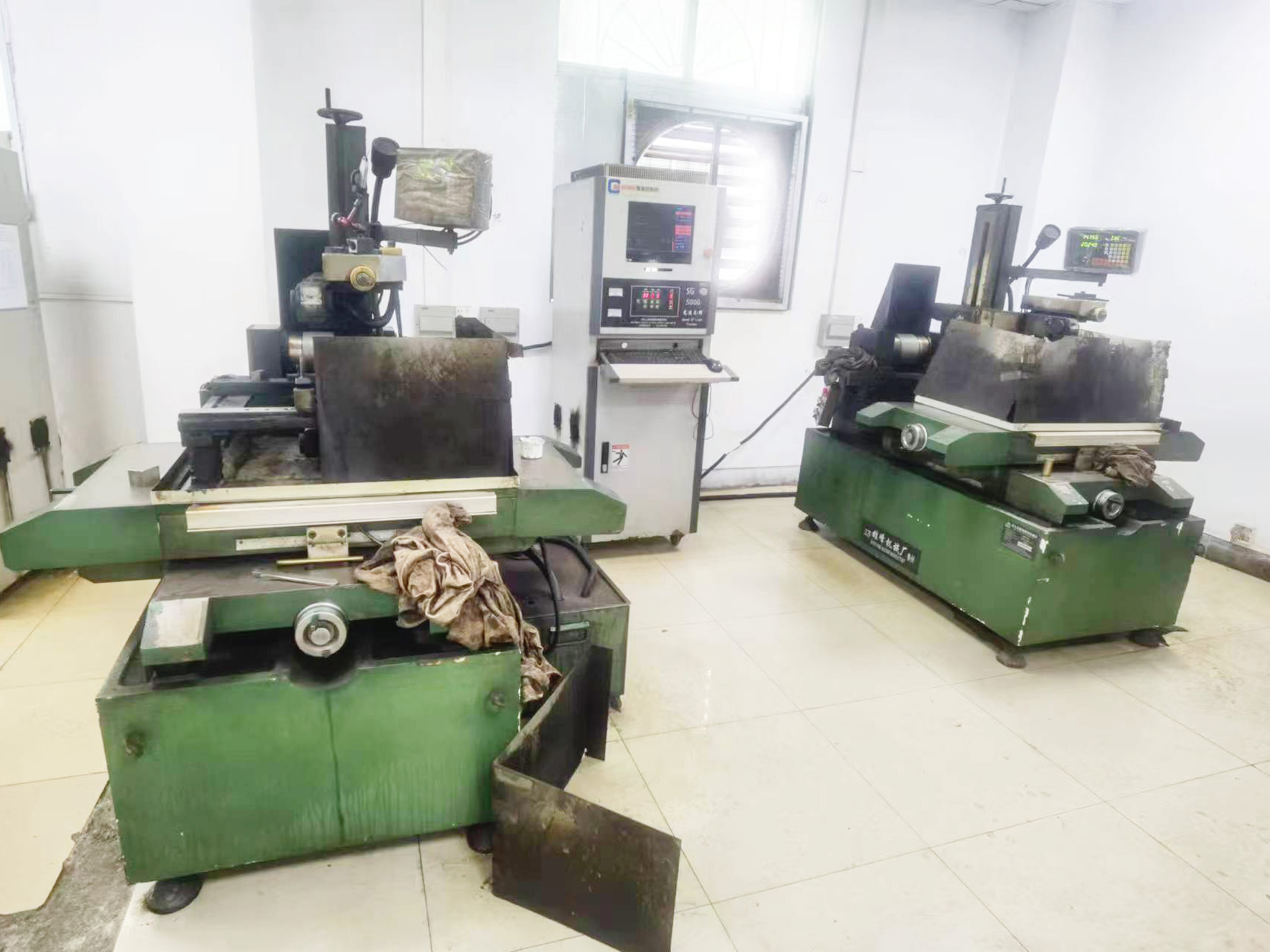
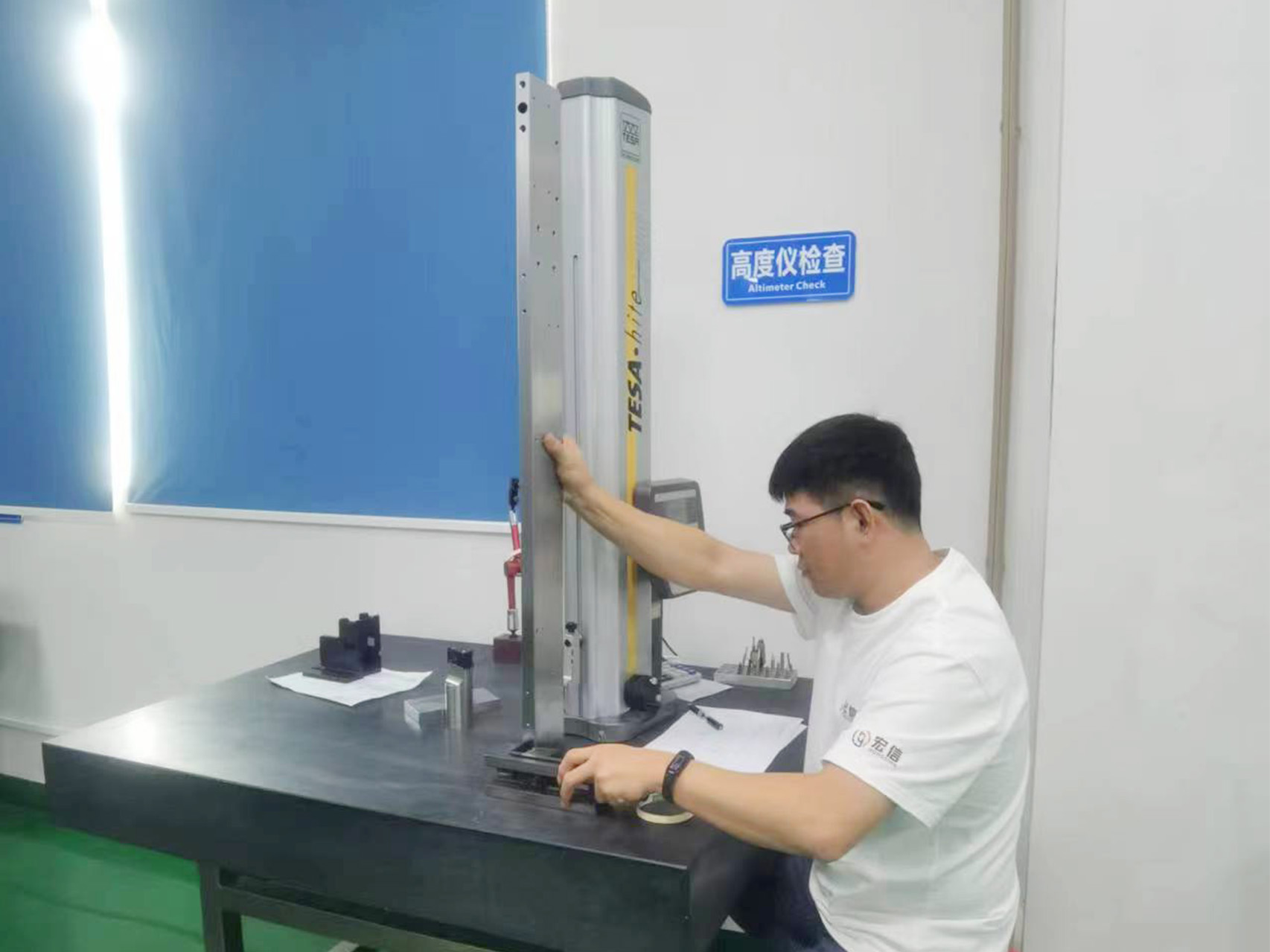
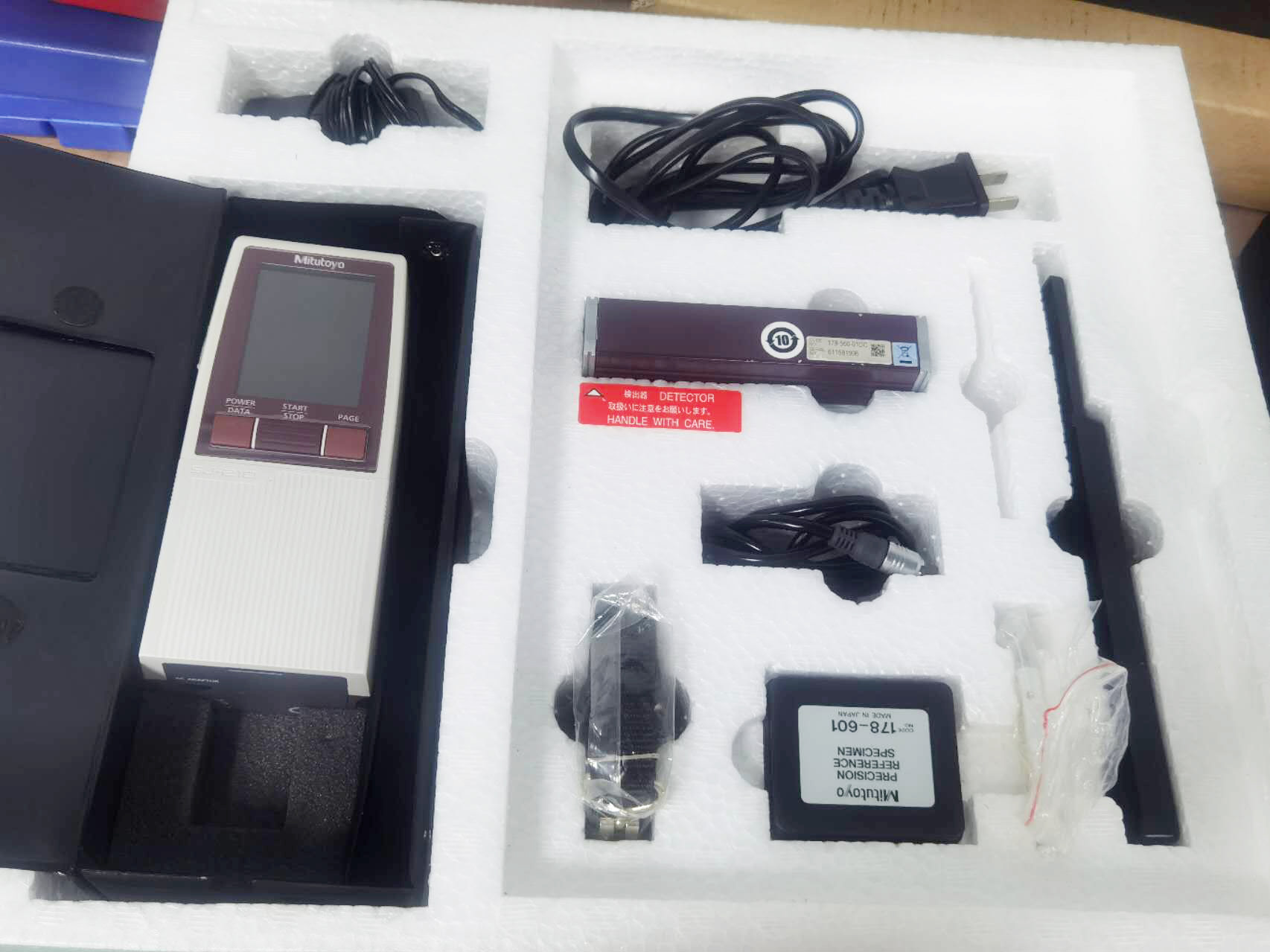
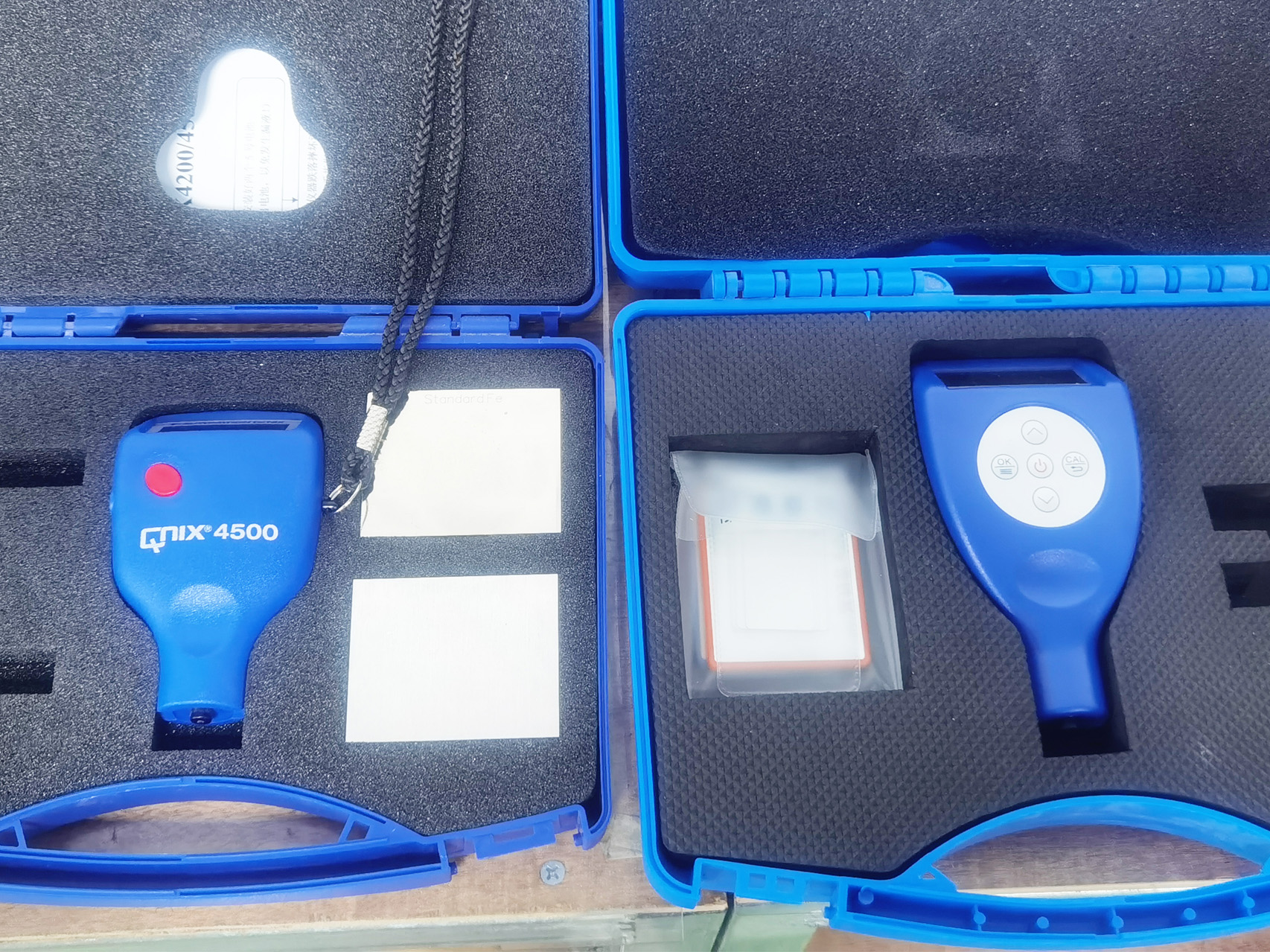
2.Complete produce equipment and test equipment. Independent Engineer team, to check drawings, provide quotation, write machining process, guide production.
3.Independent PMC department, to make production plan and manage delivery time.
4.Quick proofing, short delivery time, usually is 3-15 days
4.Quick proofing, short delivery time, usually is 3-15 days
5 .The company has gathered a rich group of technologicallyadvanced modern talents, which has laid a stable foundationfor the long-term development of the company.
6.Complex and difficult surface and functional structureof the hand plate model, We can all mold quickly.xxx
Electroplating Methods
There are several electroplating methods used to deposit metal onto substrates, and the choice depends on the application requirements and part geometry. The following are some common electroplating methods:
Barrel Plating
Barrel plating is an electroplating method designed to provide uniform plating coverage to a large number of parts. During this process, parts are placed in a barrel immersed in a plating solution composed of salt and the metal to be plated. As the parts are immersed in the liquid, an electric current is applied, transferring ions from the anode to the cathode as the barrel slowly rotates. This constant contact between the parts ensures an effective electrical connection.
While parts must be cleaned and descaled before plating, the rotating mechanism of barrel plating further facilitates this cleaning and descaling process. However, for applications requiring precise or decorative finishes, constant contact between parts may not be optimal, as friction can affect plating quality and result in uneven surfaces.
Rack Plating
Rack plating is a common electroplating process. In this method, parts are suspended on a frame and immersed in the plating solution. Compared to barrel plating, rack-plated parts do not come into contact with each other during the plating process; each part maintains an independent electrical connection to the cathode.
This configuration provides a more consistent current density for each part, making it possible to plate complex contours and deep crevices while avoiding potential damage caused by excessive contact between parts. These characteristics of rack plating allow for tighter control of the plated surface.
Although rack plating is not as fast as barrel plating, it is often a better choice for parts that need to meet specific dimensional or aesthetic requirements.

Reel-to-Reel Plating
Reel-to-Reel plating is an electroplating process designed to plate raw materials before they are processed into finished parts through processes such as stamping. During reel-to-reel plating, the raw material is unwound from one reel, immersed in the plating solution, and then reflowed onto another reel.
This process is repeated until the desired plating quality is achieved or a different material is deposited. Due to the small size of the parts used, reel-to-reel plating is particularly well-suited for applications in the electronics and semiconductor industries.
This plating method can efficiently and uniformly coat materials produced in large quantities, meeting the quality and efficiency requirements of modern industry.
Conclusion
A metal parts supplier offering anodizing and nickel electroplating services provides complete solutions for high-performance components. By integrating precision manufacturing with advanced surface treatments, we ensure parts meet strict industry requirements for durability, conductivity, and corrosion resistance.
Start Your Project Today:
Request a quote or consult our engineers about your specific finishing needs.