Comprehensive Metal Fabrication Websites
Hongsinn-779
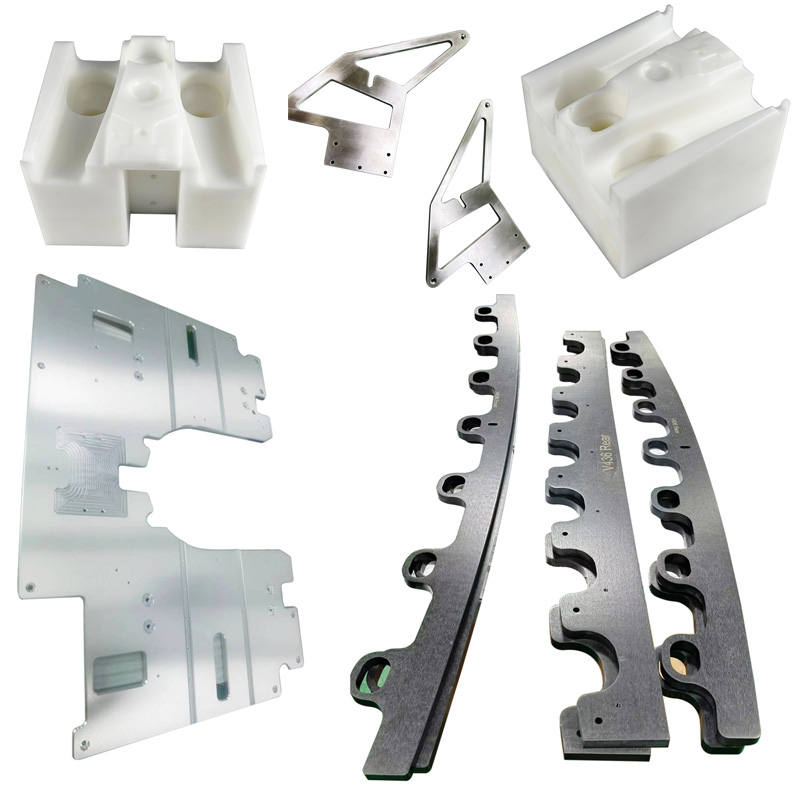
Explore our metal fabrication websites for a range of services, including prototypes and plate fabrication tailored to your specifications.
Delivery
FOB
minimum order
1 piece
Supply Ability
5000piece / Week
Country of Origin
Shenzhen
Stock Time
7~15Day
Quantity:
US $0.59 - US $10.68 / piece
Explore our metal fabrication websites for a range of services, including prototypes and plate fabrication tailored to your specifications.
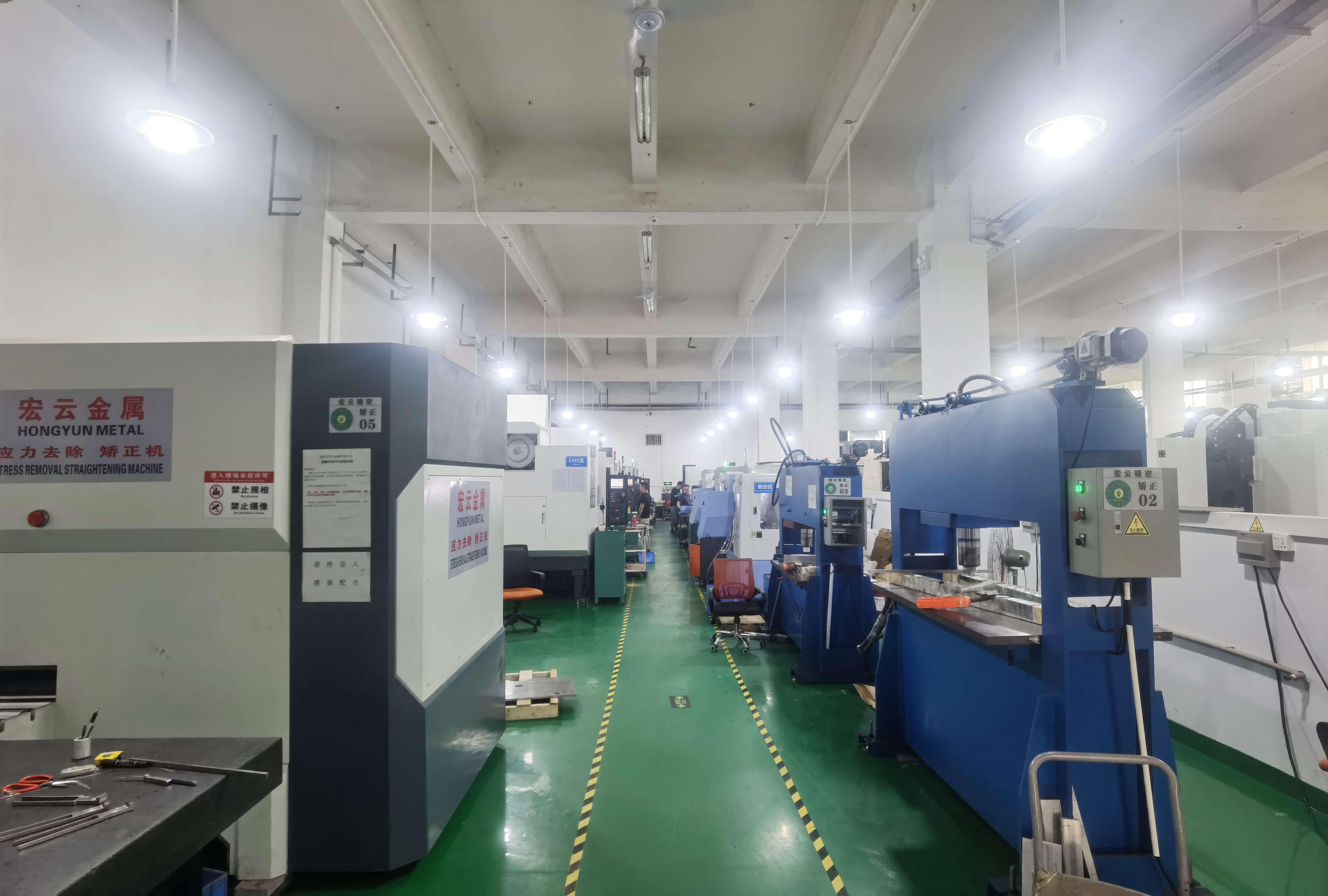
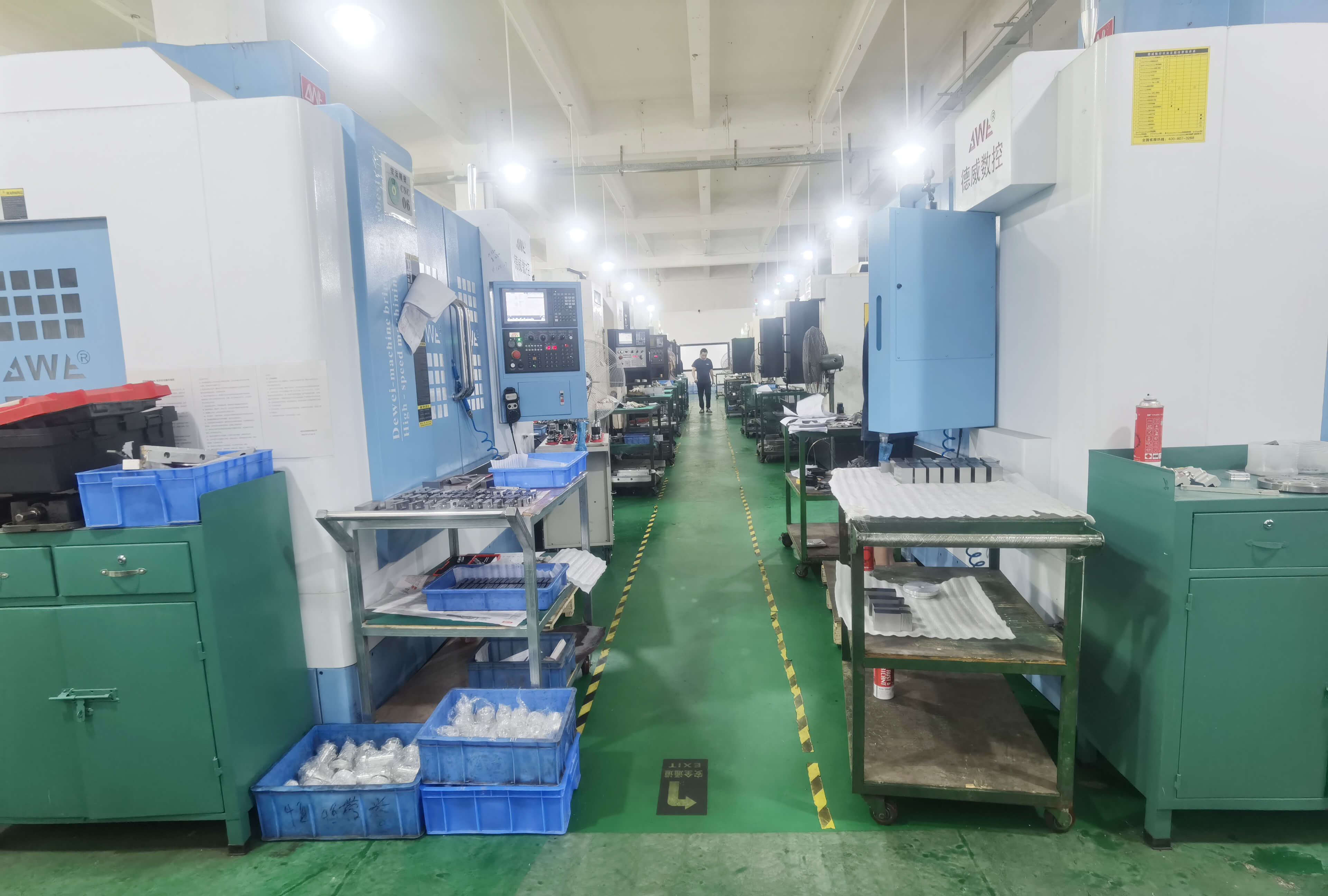
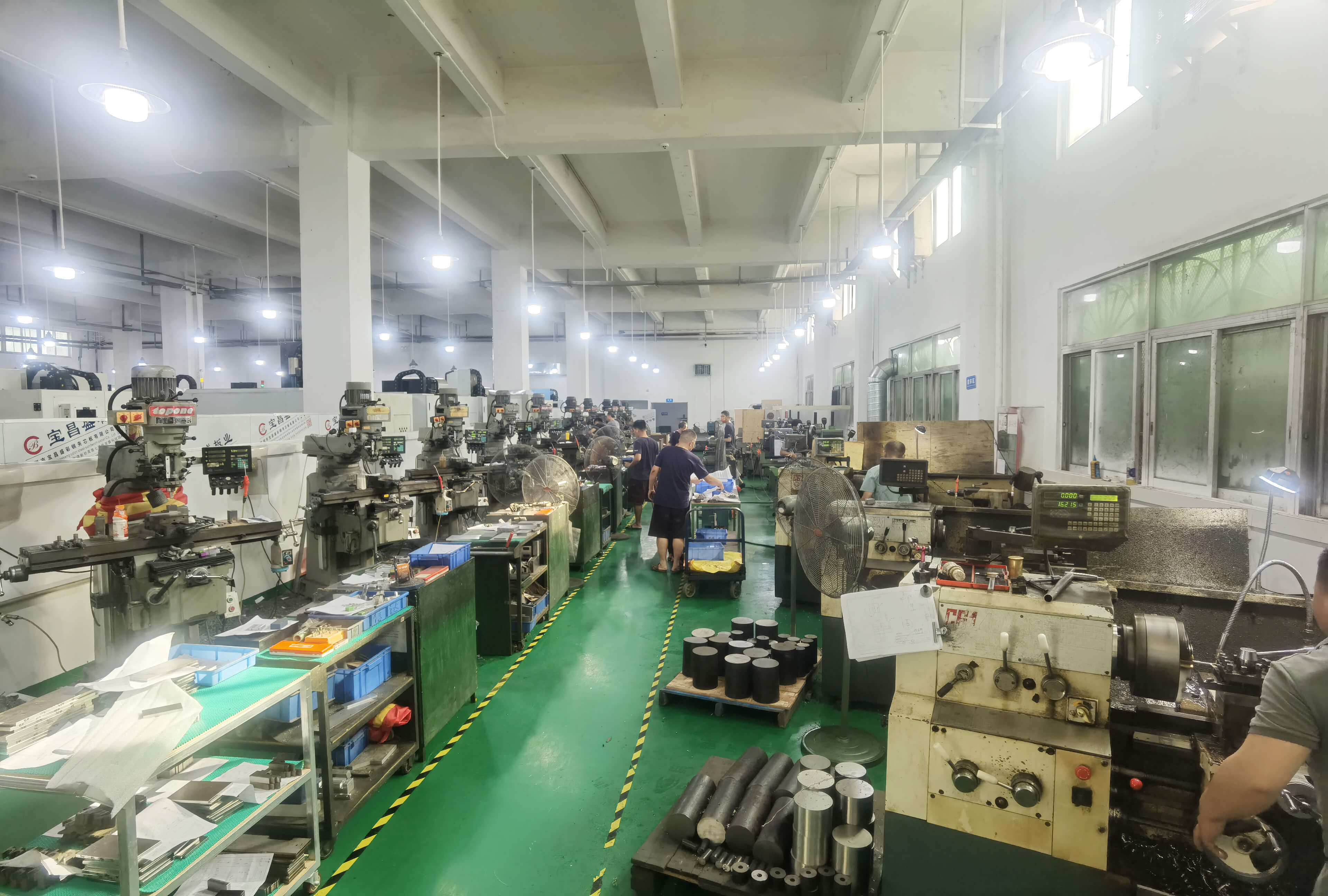
The metal manufacturing industry has evolved into a complex digital ecosystem in which metal prototyping capabilities, advanced sheet metal manufacturing services, and integrated metal manufacturing websites work together to provide precision components to the global market.
The Value of Metal Prototyping
Engineers benefit greatly from metal prototyping because it supports functional testing capabilities, component compatibility verification, and necessary design improvements before mass production. Metal prototyping serves a wide range of applications, from aerospace and automotive to medical and other industrial needs, by providing accurate and reliable results.
|
Why You Need a Metal Prototype?
Metal prototyping is a critical component of new product development in the manufacturing and engineering process. This approach allows designers and manufacturers to validate the feasibility of designs and product performance standards before full-scale production.
By creating functional prototypes, companies can test durability and material properties, thereby enhancing product reliability and performance while improving efficiency. This process not only helps identify potential problems but also provides valuable feedback for subsequent improvements.
Regulatory Compliance
Prototyping of metallic materials enables manufacturers to meet various regulatory requirements, ensuring compliance with standards in the aerospace, automotive, and medical industries. This process includes several key testing and validation steps:
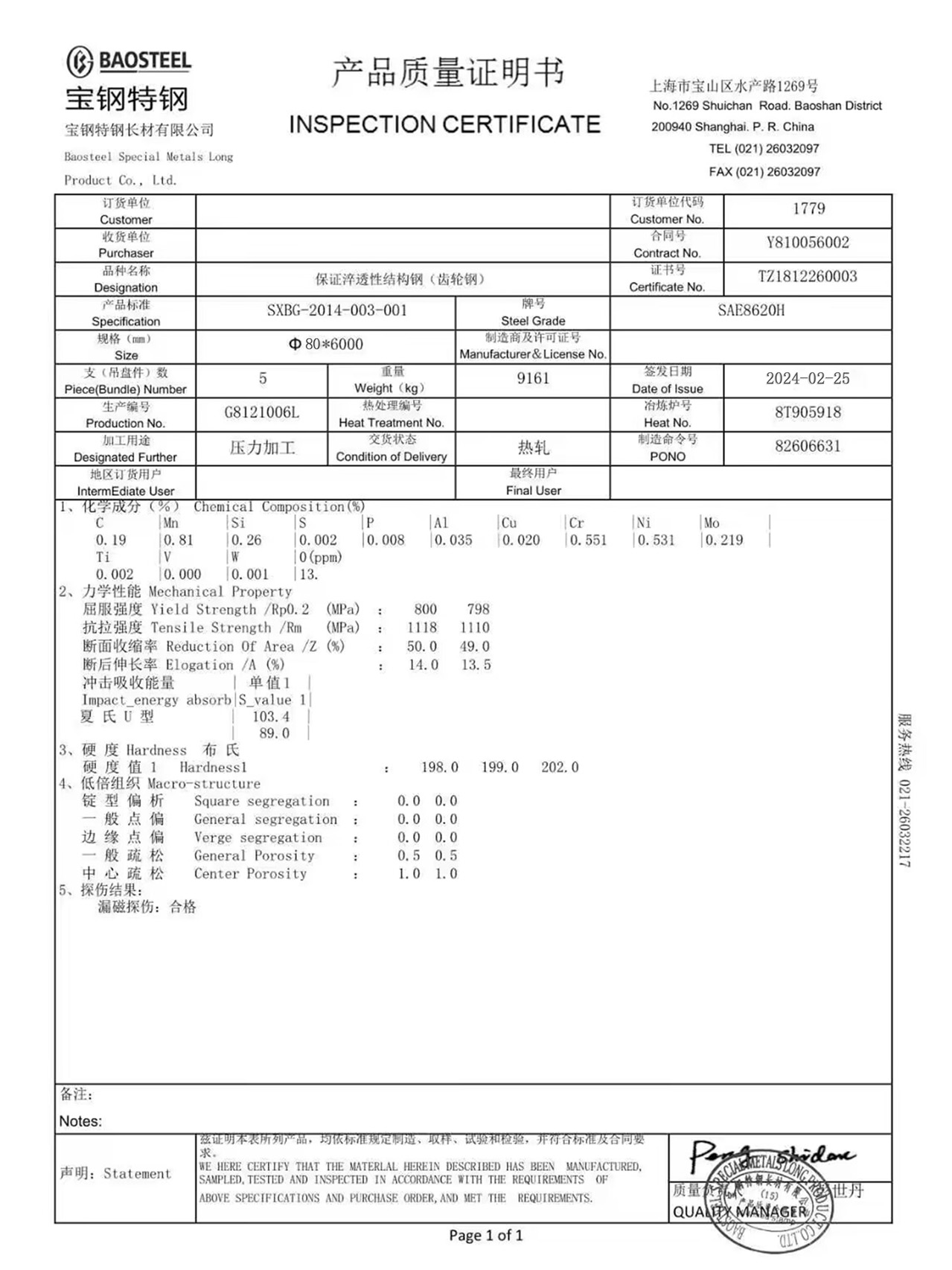
- Material Property Testing: Engineers use tensile testing machines to evaluate the material's yield strength, ultimate tensile strength, and elongation.
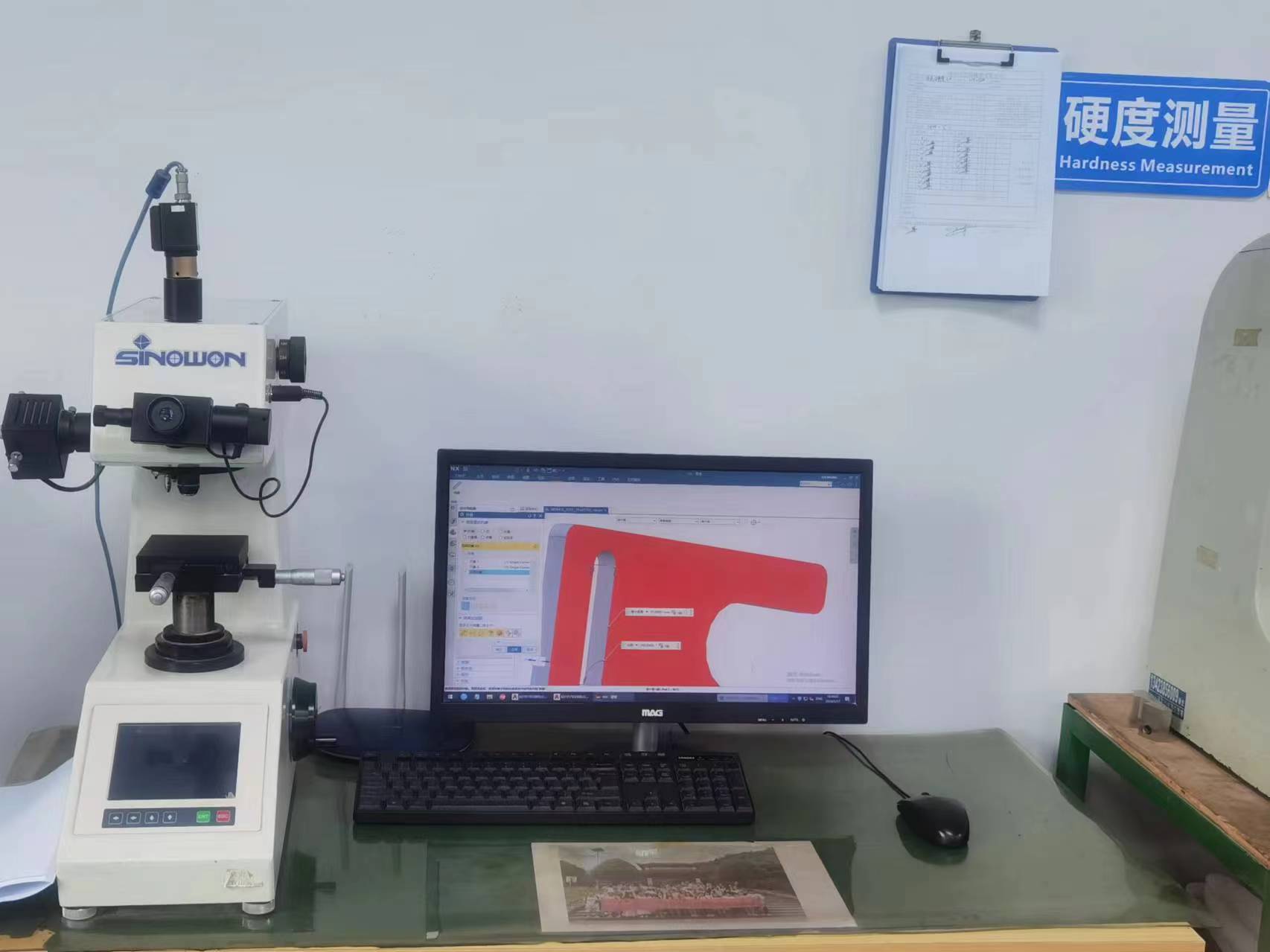
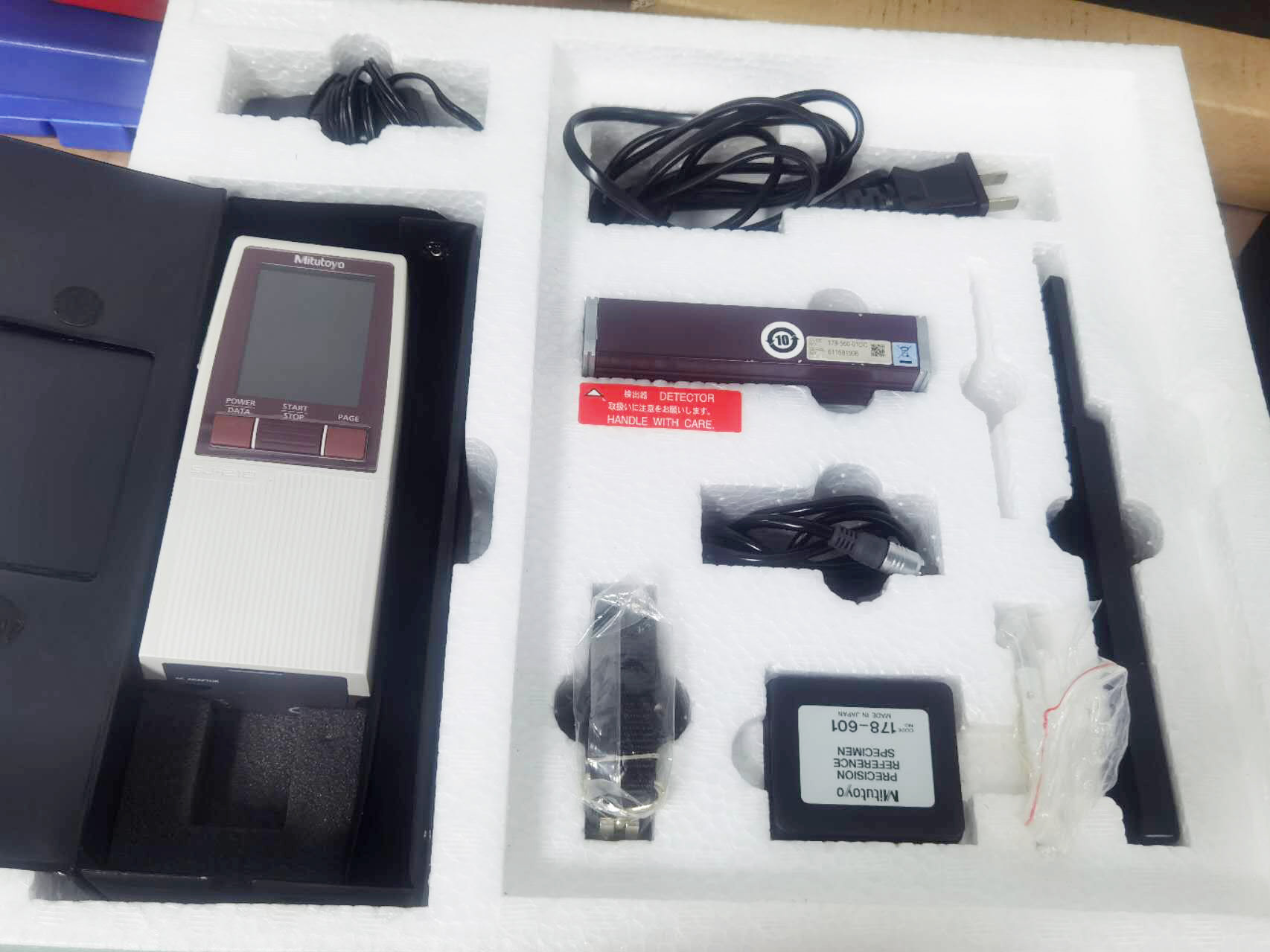
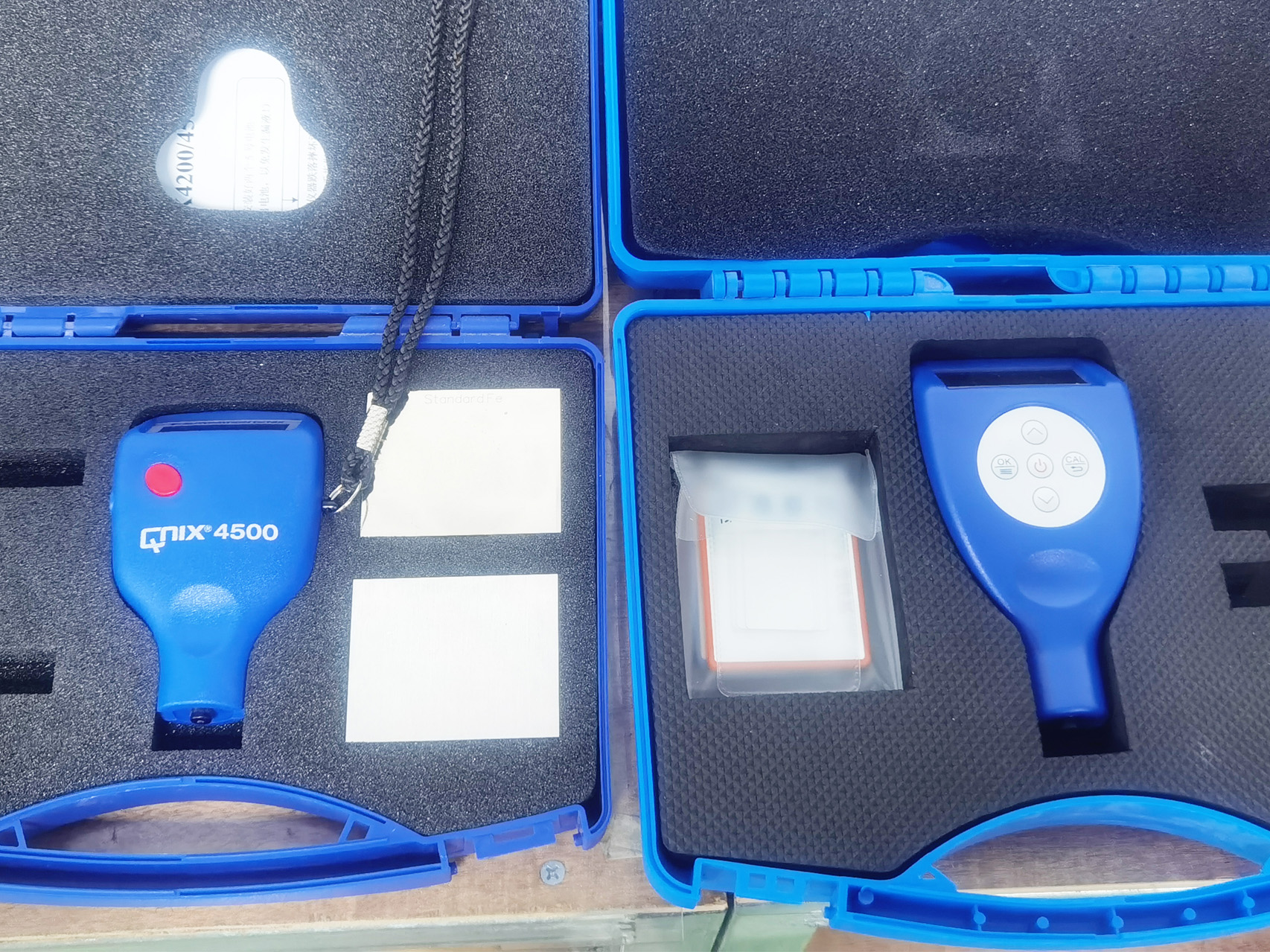
- Surface Durability Validation: The surface durability of the material is validated against ISO and ASTM standards using Rockwell and Vickers hardness testers.
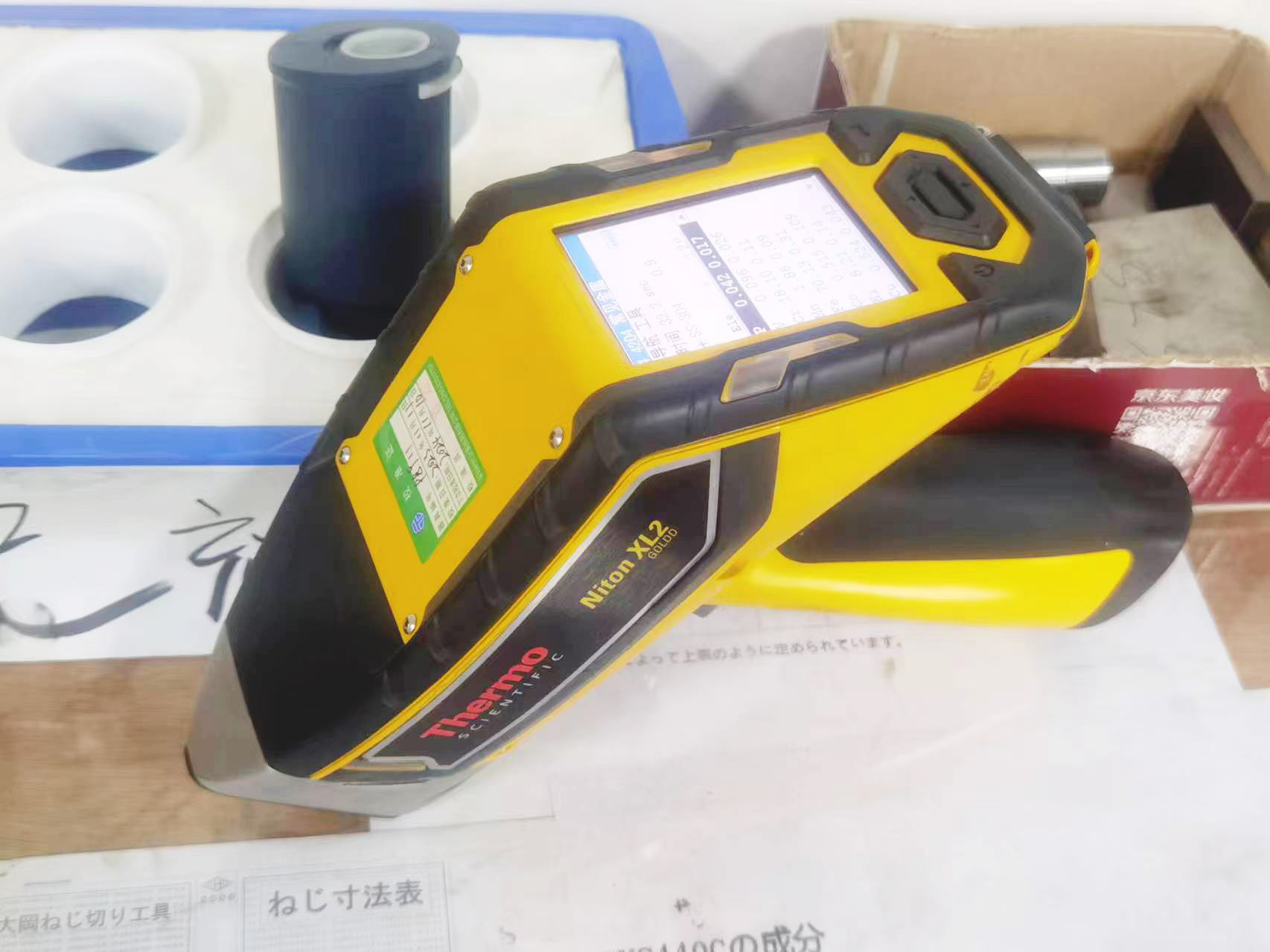
- Alloy Component Evaluation: XRF analyzers are used to confirm that alloy components meet the specifications of aerospace-grade metals such as Ti-6Al-4V and Inconel 718.
- Automotive Stress Monitoring: Stress monitoring via fatigue testing benches ensures the performance of parts under realistic conditions. Manufacturing quality relies on precise verification of parts using a coordinate measuring machine (CMM).
- Biocompatibility Assessment: In the medical field, the cytotoxicity of the metallic prototype is tested, and its corrosion resistance in simulated organic solutions is evaluated to confirm its biocompatibility.
- Internal Defect Detection: Engineers identify internal defects in components using non-destructive testing (NDT) methods, particularly ultrasonic testing and eddy current testing.
Applications of Metal Prototyping
The use of metal prototyping is crucial in many industries because engineers need to examine, refine, and validate designs before production runs. These functional models enable testing to check performance levels, regulatory requirements, and manufacturing capabilities.
Through advanced manufacturing methods such as CNC machining, metal 3D printing, casting, and sheet metal forming, engineers can create prototypes that perfectly replicate the final product. These prototypes not only help identify potential problems in the design but also validate its performance in real-world applications.
In various industries, manufacturers must meet specific requirements, including:
- Aerospace: The need for robust yet lightweight components to ensure reliability under extreme conditions.
- Medical: The requirement for biocompatible medical devices and supplies to ensure safety within the human body.
- Electronics: The need for effective thermal management solutions to guarantee device performance and durability.