


Specializing in metal turned parts, including turning and milling 316 stainless steel with grinding services.
Hongsinn-655
Enhance Your Projects with Precision Metal Turned Parts - Expert Turning, Milling, and Grinding Services Available!
Delivery
FOB
minimum order
1 piece
Supply Ability
5000piece / Week
Country of Origin
Shenzhen
Stock Time
7~15Day
Quantity:
US $0.59 - US $10.68 / piece
Specializing in metal turned parts, including turning and milling 316 stainless steel with grinding services.
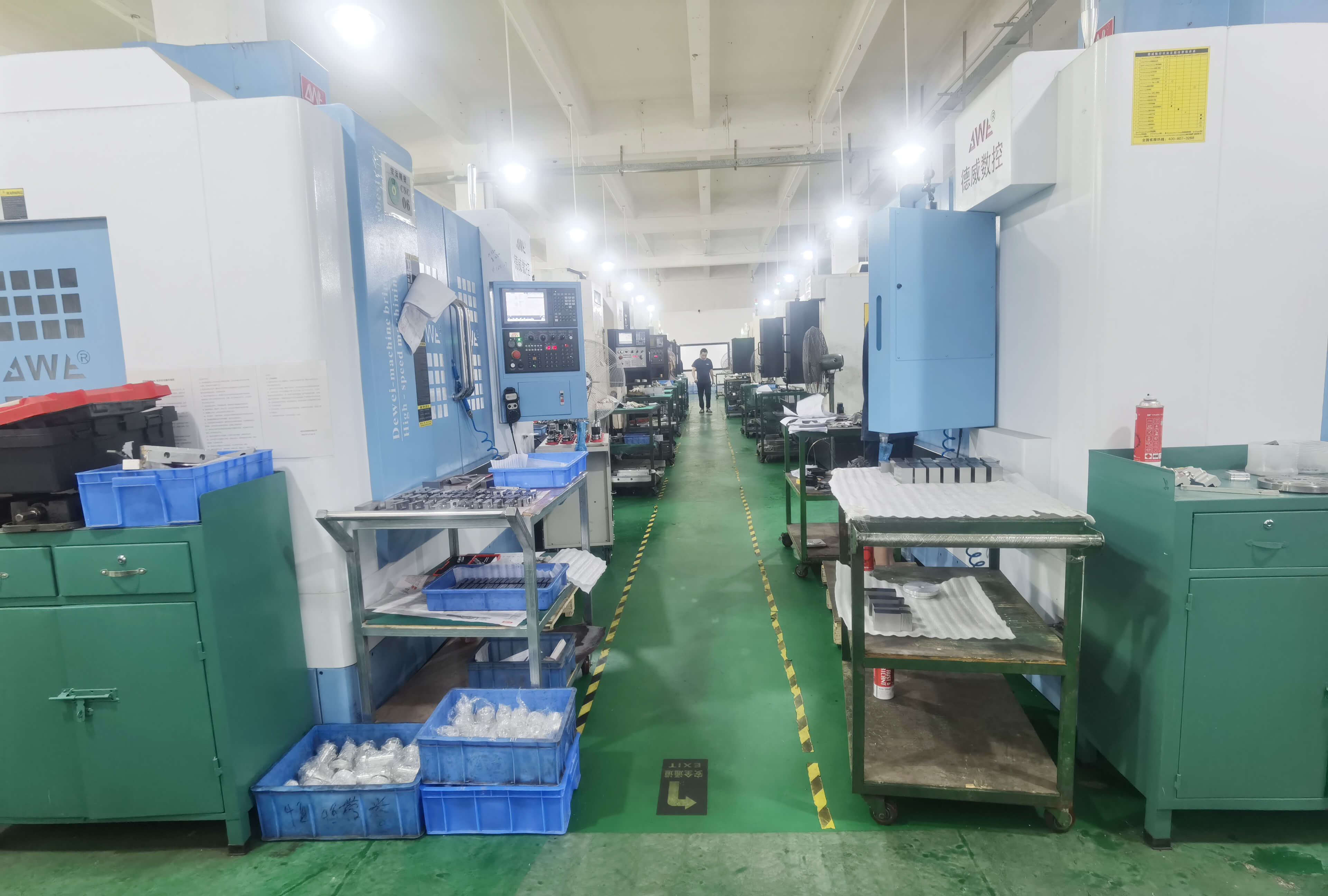
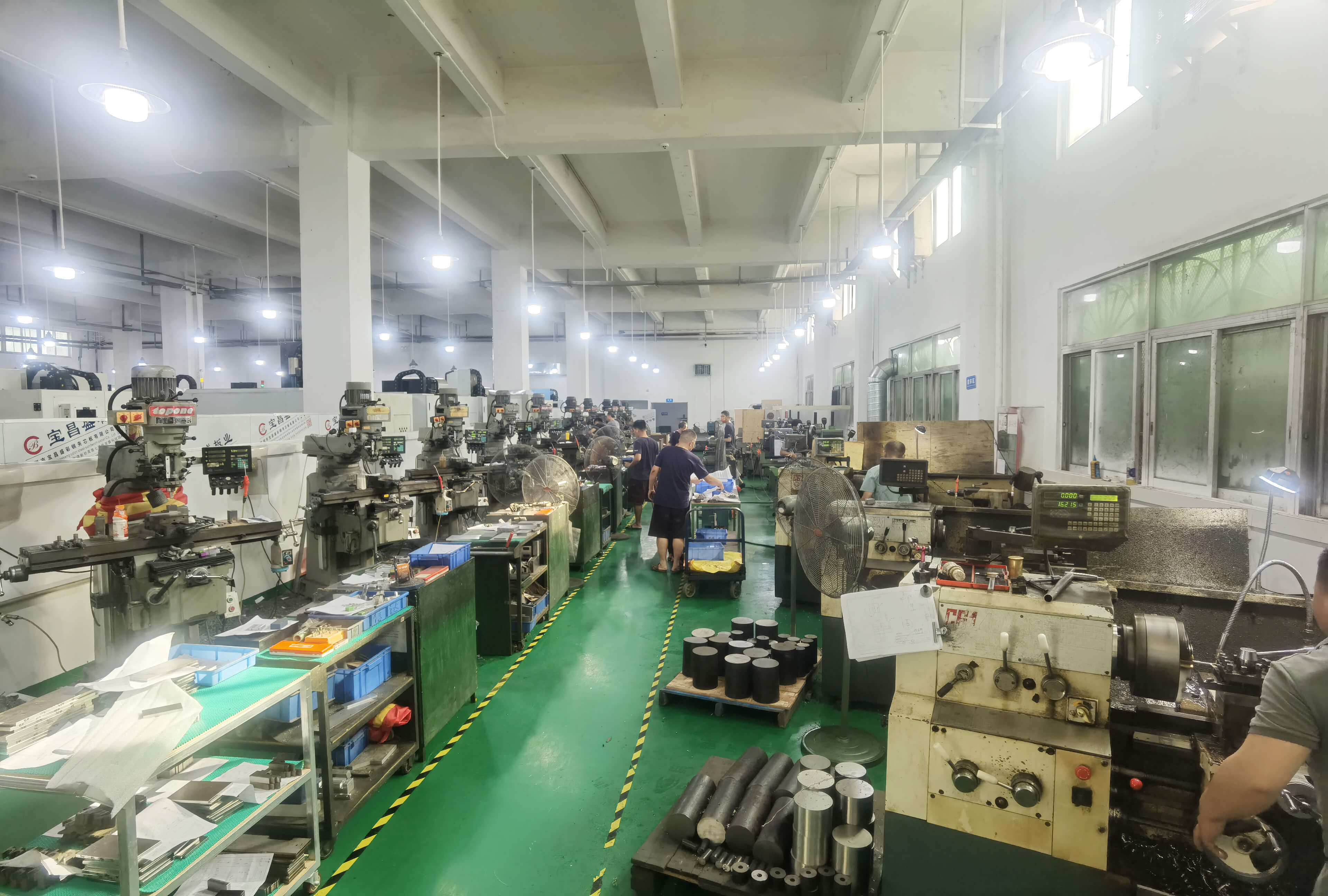
At Shenzhen Hongsinn Precision Co., Ltd. we specialize in manufacturing precision metal turned parts, expert turning 316 stainless steel components, and comprehensive turning milling grinding services for industries demanding exacting standards. Our advanced machining capabilities deliver superior components that meet the most stringent requirements across medical, marine, aerospace, and industrial sectors.
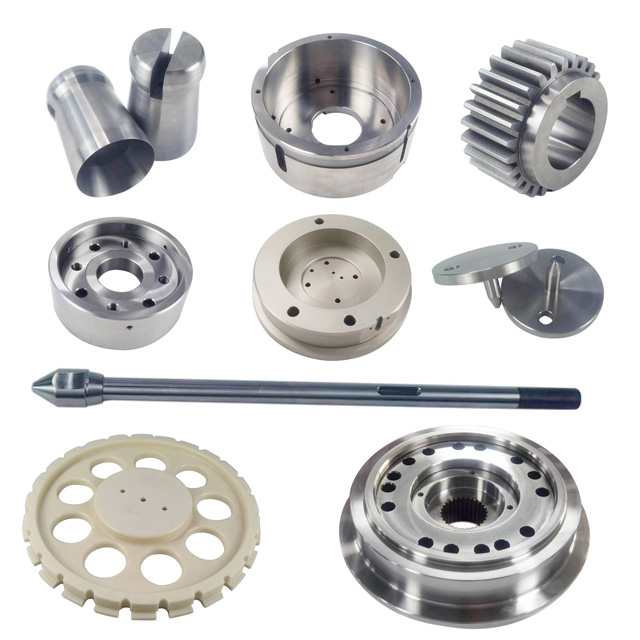
CNC Turning and Hongsinn
Hongsinn provides you with the capacity and capabilities you need for your project while ensuring the most competitive prices and delivery times. Our machine learning training technology platform provides instant manufacturability feedback, ensuring that your parts are optimized during the CNC turning process to meet all the requirements you need. This combination will help you achieve your project goals more efficiently.
Our on-demand manufacturing platform delivers high-quality metal and plastic CNC turned parts for rapid prototyping or low-volume production. Get an instant quote from your 3D CAD file today, ensuring a fast response to your project needs.
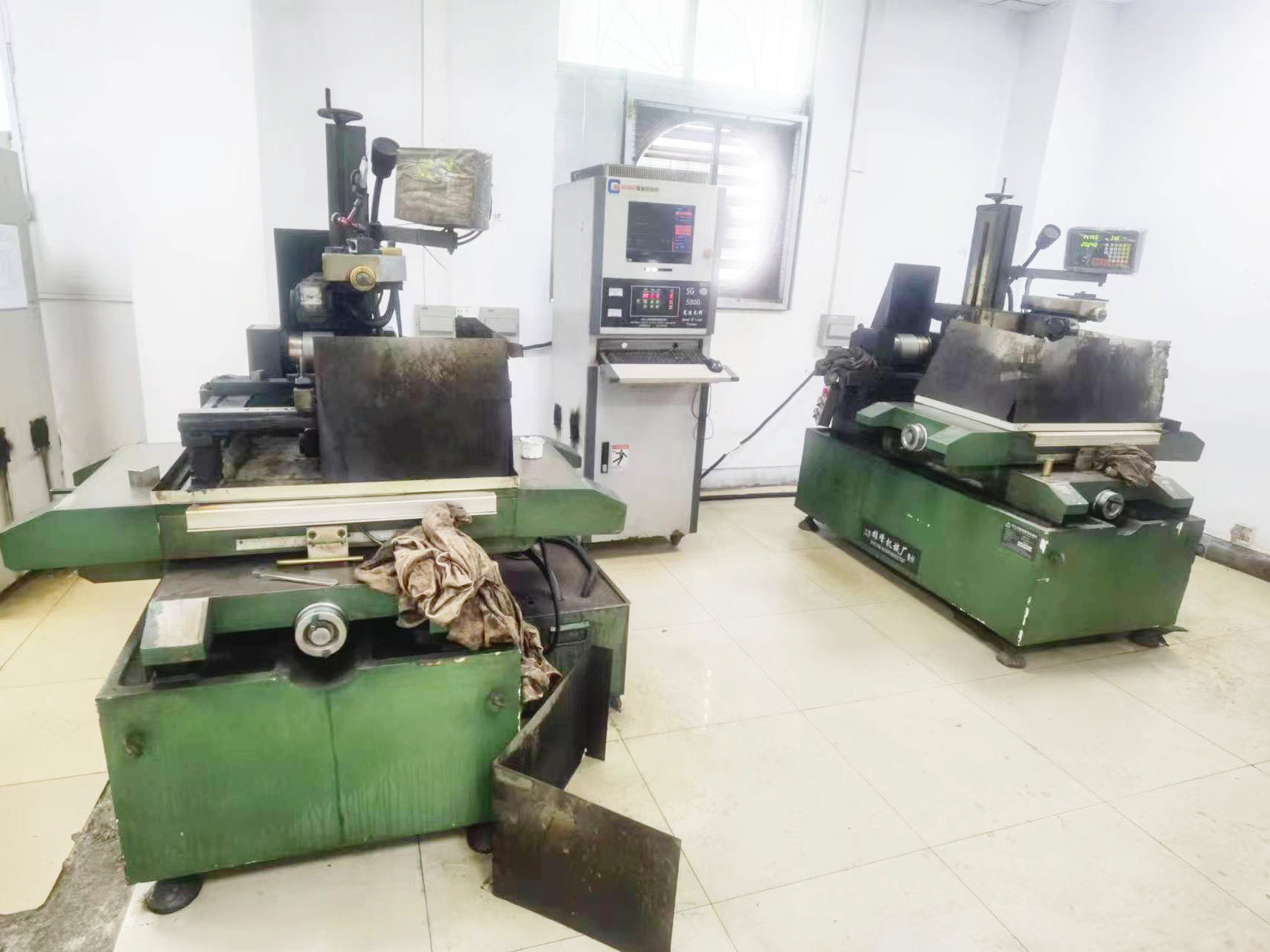
Processing | CNC Turning, CNC Milling, Laser Cutting, Bending, Spinning, Wire Cutting, Stamping, Electric Discharge Machining (EDM), Injection Molding | |||
Materials | Aluminum: 2000 series, 6000 series, 7075, 5052, etc. | |||
Stainless steel: SUS303, SUS304, SS316, SS316L, 17-4PH, etc. | ||||
Steel: 1214L/1215/1045/4140/SCM440/40CrMo, etc. | ||||
Brass: 260, C360, H59, H60, H62, H63, H65, H68, H70, Bronze, Copper | ||||
Titanium: Grade F1-F5 | ||||
Plastic: Acetal/POM/PA/Nylon/PC/PMMA/PVC/PU/Acrylic/ABS/PTFE/PEEK etc. | ||||
Surface Treatment | Anodized, Bead Blasted, Silk Screen, PVD Plating, Zinc/Nickel/Chrome/Titanium Plating, Brushing, Painting, Powder Coated, Passivation, Electrophoresis, Electro Polishing, Knurl, Laser/Etch/Engrave etc. | |||
Tolerance | ±0.002 ~ ±0.005mm | |||
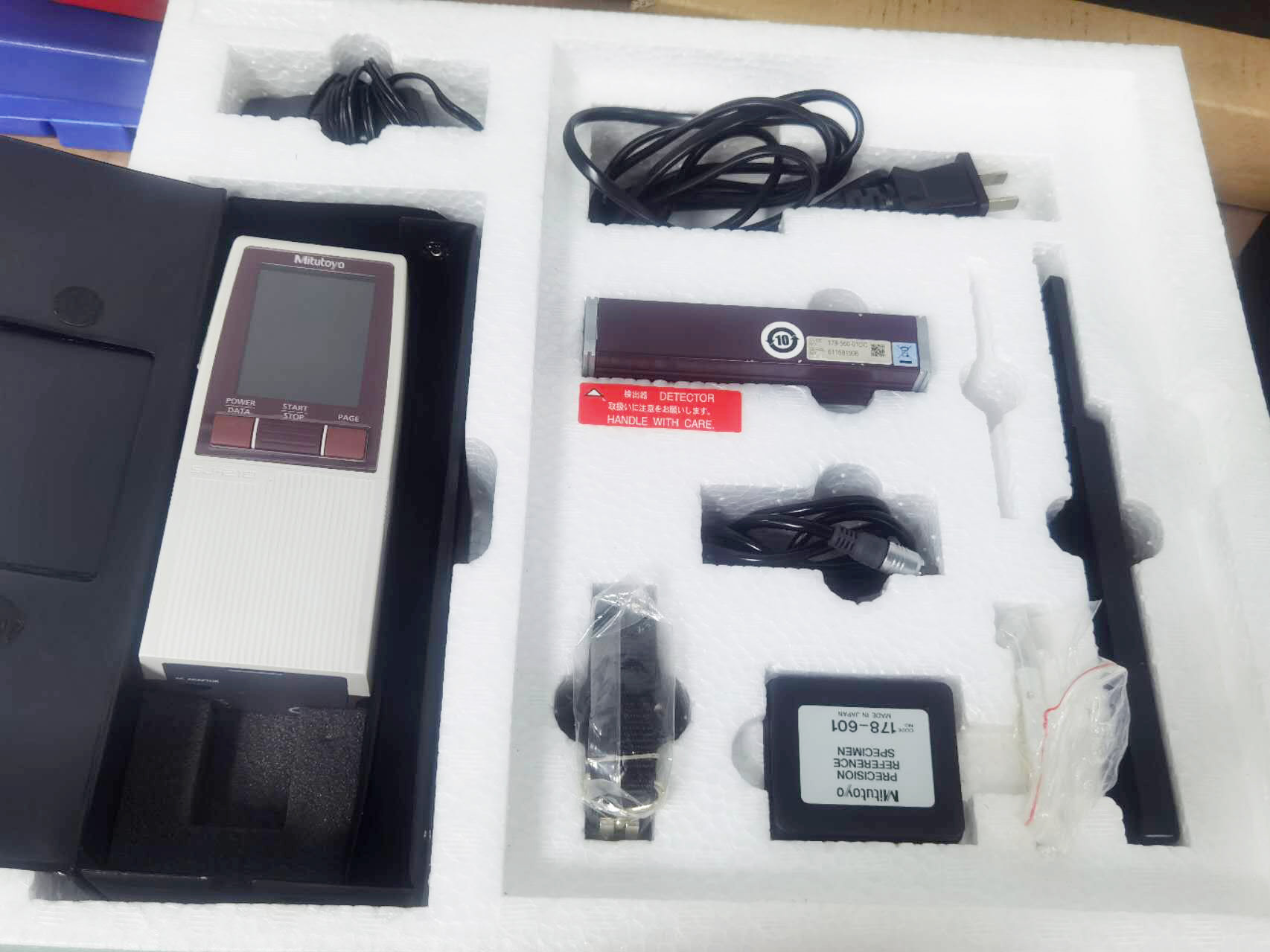
Surface Roughness | Min Ra 0.1~3.2 | |||
1.Direct OEM/0DM manufacturer, advanced produce technical,the highest tolerance we can reach to ±0.005mm;
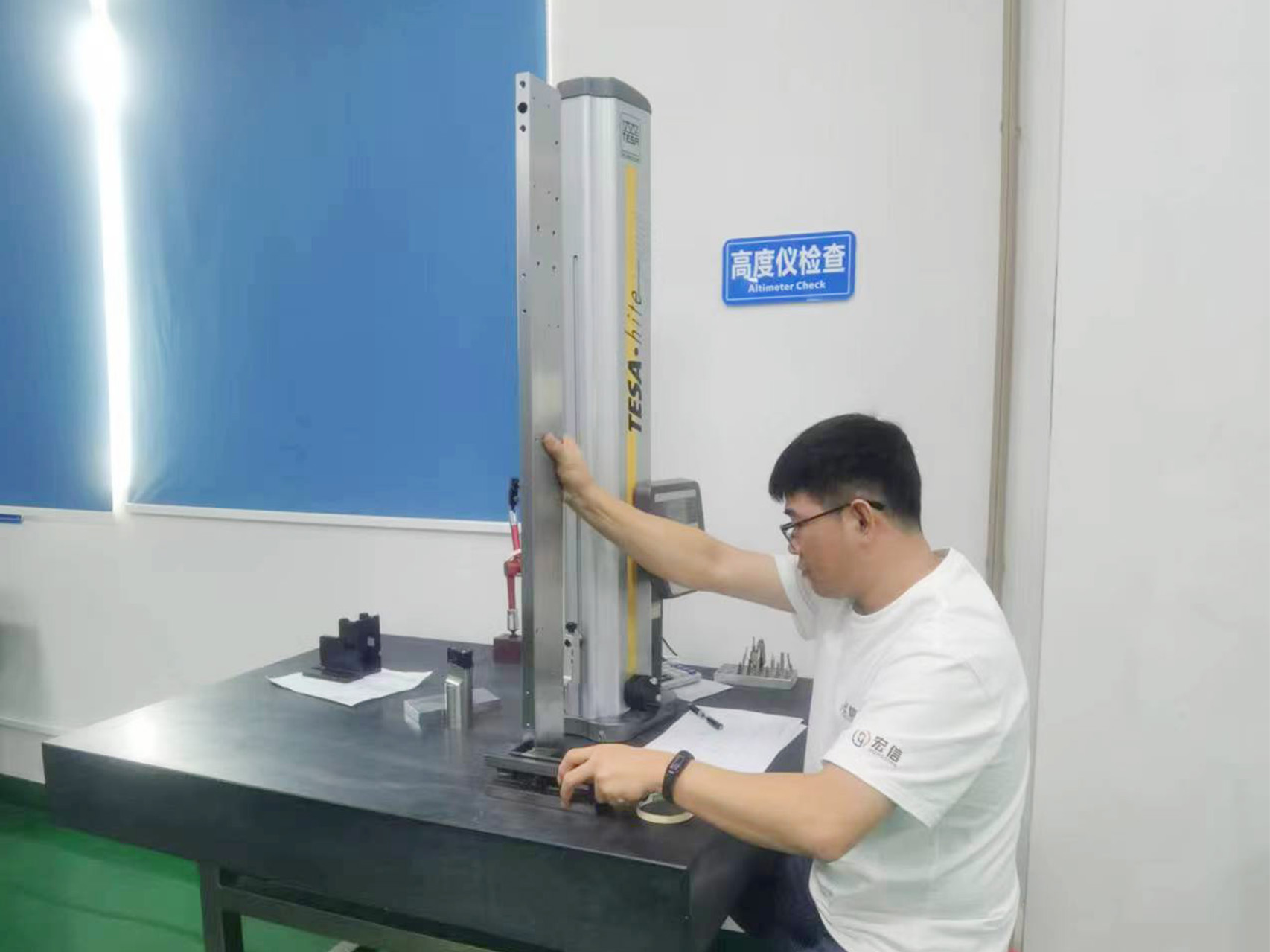
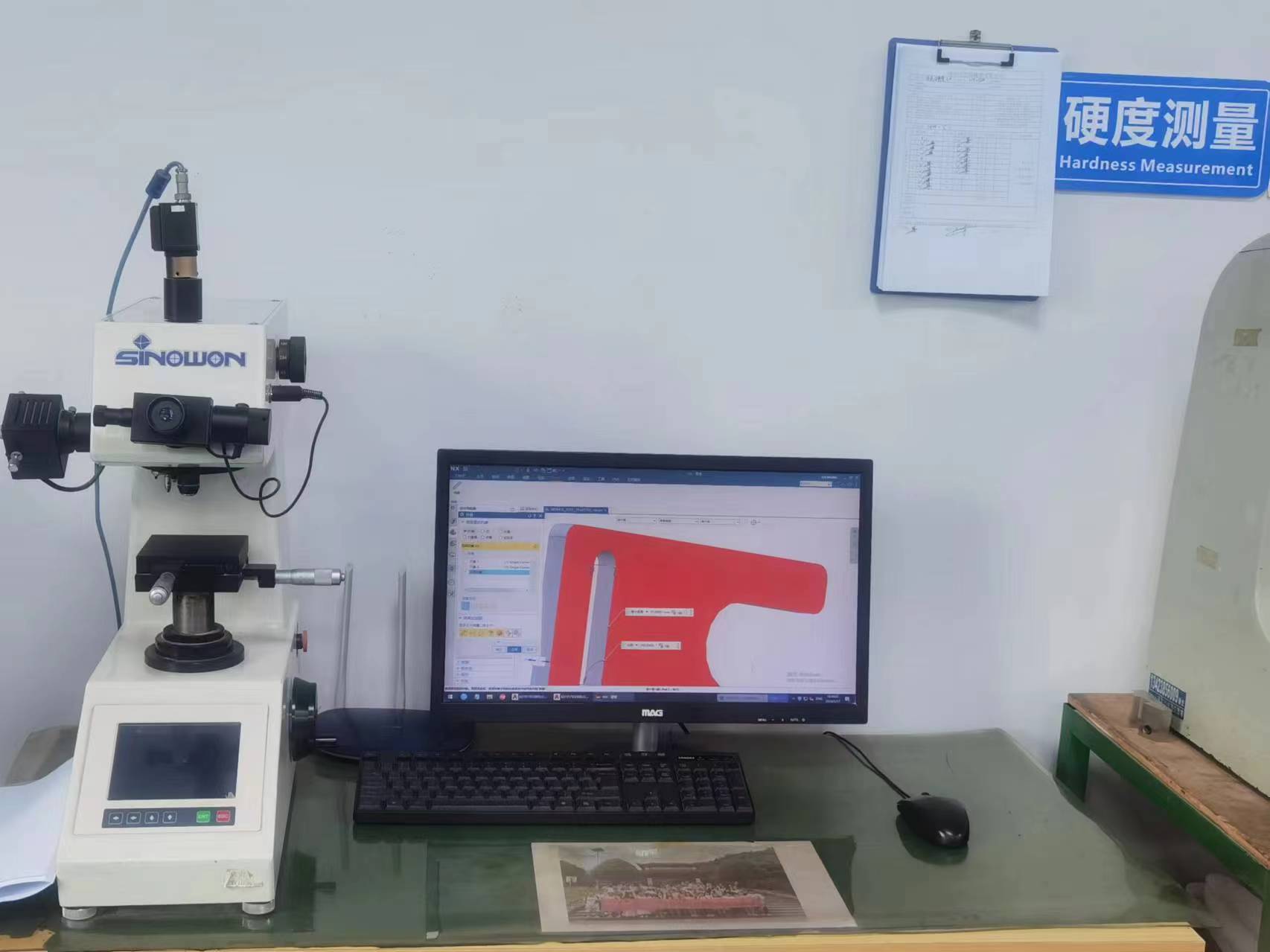
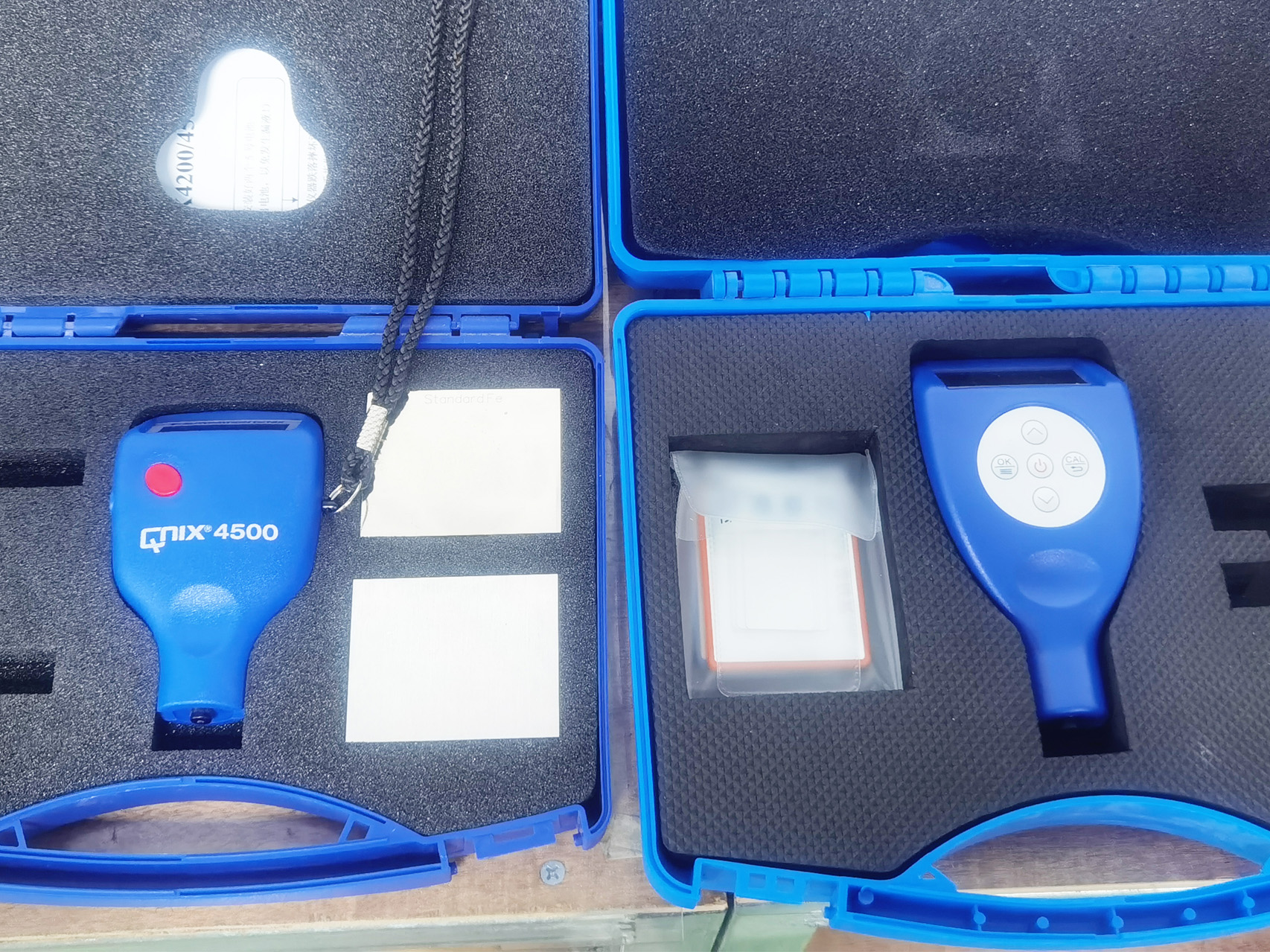
2.Complete produce equipment and test equipment. Independent Engineer team, to check drawings, provide quotation, write machining process, guide production.
3.Independent PMC department, to make production plan and manage delivery time.
4.Quick proofing, short delivery time, usually is 3-15 days
4.Quick proofing, short delivery time, usually is 3-15 days
5 .The company has gathered a rich group of technologicallyadvanced modern talents, which has laid a stable foundationfor the long-term development of the company.
6.Complex and difficult surface and functional structureof the hand plate model, We can all mold quickly.xxx
Overview: What is CNC Turning?
Basics of CNC Lathes
CNC lathes, also known as live die lathes, are ideal for cutting any symmetrical cylindrical or spherical parts. Typically, a lathe rotates the workpiece on a vertical or horizontal axis while a fixed forming tool moves around the workpiece or along a linear path.
The action of cutting a workpiece on a CNC lathe is called turning. This machining method is capable of achieving high precision and efficiency and is widely used in the manufacture of various mechanical parts. CNC technology makes the turning process more automated and repeatable, suitable for large-scale production.
How CNC Turning Works
CNC lathes create the desired shape through subtractive machining. Here are the basic steps of its workflow:
Create G-code: First, the designer generates G-code, which is a set of instructions that controls the operation of the CNC machine.
Load the workpiece: The blank bar of the stock is loaded into the chuck of the lathe spindle.
Secure the workpiece: The chuck holds the workpiece firmly in place as the spindle rotates.
Spin and cut: Once the spindle reaches the set speed, the fixed tool contacts the workpiece and begins to remove material.
Form the shape: By continuously cutting until the workpiece reaches the desired geometry.
This precise control and automation makes CNC turning an efficient and high-precision manufacturing method.
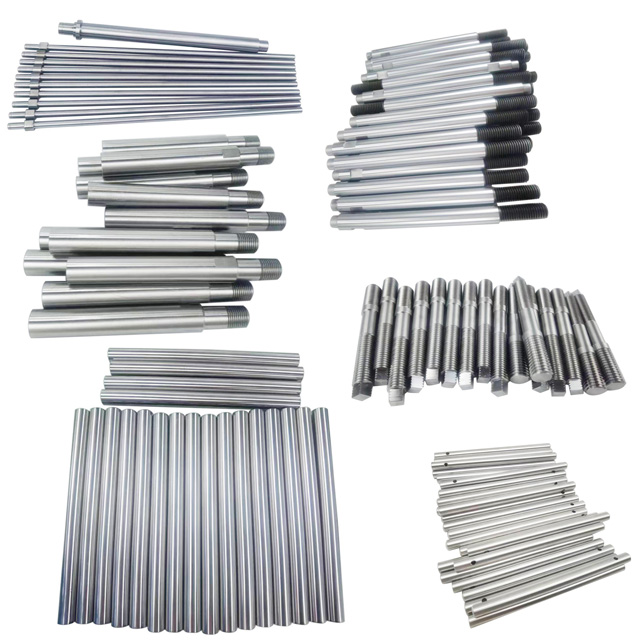
A wide variety of operations can be performed on a live die lathe, including facing, threading, knurling, drilling, boring, reaming and taper turning. Different operations often require tooling changes, which can result in increased costs and setup time.
After all machining operations are completed, the parts are cut from stock for further post-processing. Subsequently, the CNC lathe is ready to repeat the operation with almost no setup time between the two processes. This efficient process ensures production continuity and efficiency.












Recommend Products
 Providing precision engineering machining services including CNC turning and milling services, CNC lathe components. cnc turning service
 Precision CNC parts for motorcycles and automotive machinery.
 CNC Machining Services in China for High Precision Parts
 Specializing in precision CNC machining for plastic components and tool steel.