Precision Steel Parts Manufacturing
Precision Steel Parts Manufacturing
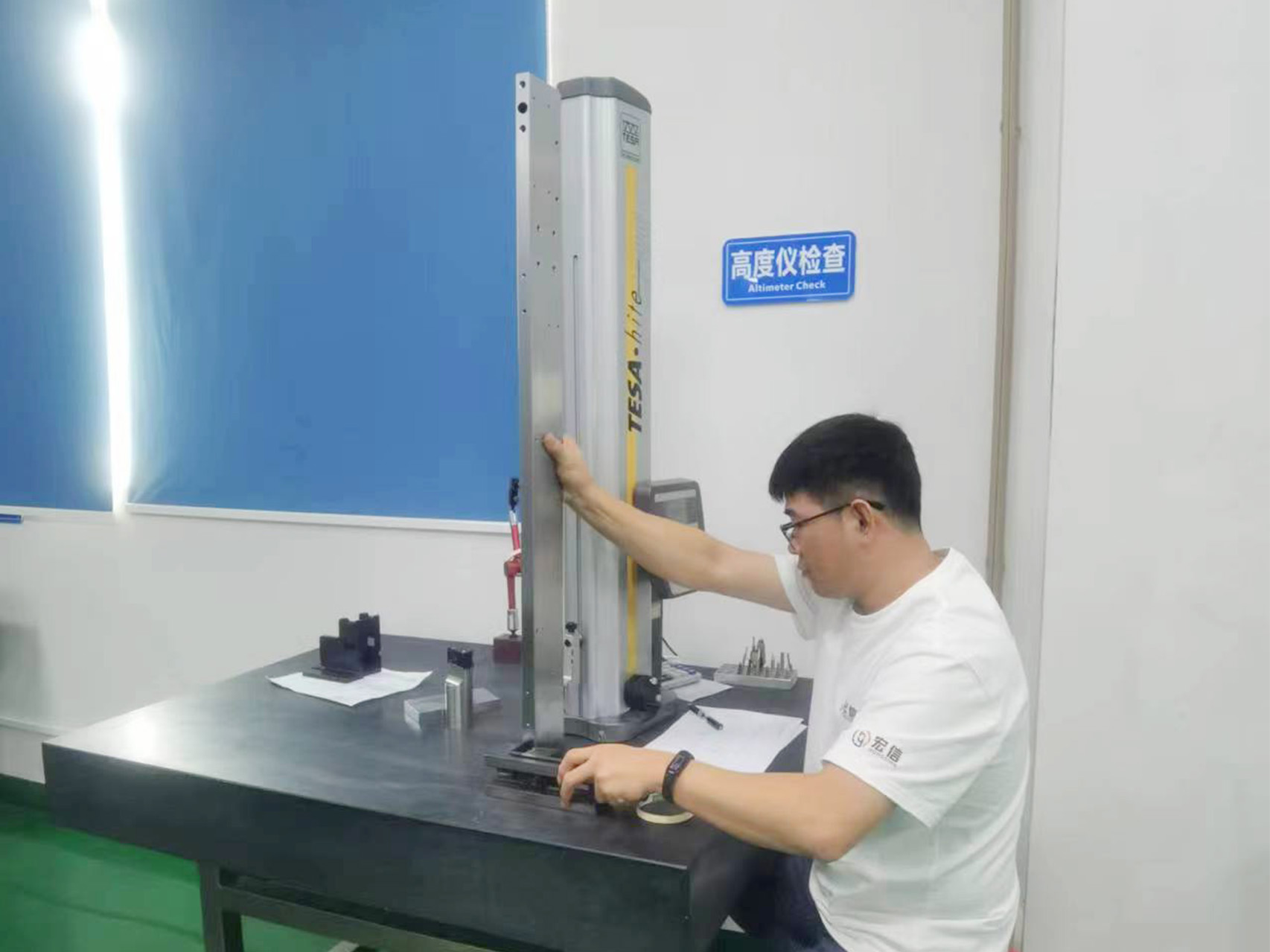
In the world's advanced manufacturing, precision machining is the cornerstone of quality and reliability. This process, often referred to as machining accuracy, is especially critical in steel part manufacturing, where tolerances are tight and performance is non-negotiable.
Features | CNC Turning Parts | |
Maximum Part Size | 236"x 118"x 24" (6,000 x 3,000 x 610 mm) | 62"Length x 32"Diameter (1,575 mm Length x 813 mm Diameter) |
Minimum Feature Size | 0.020″ (0.50 mm) | 0.020″ (0.50 mm) |
Estimated Delivery Time | 3-7 working days | 3-7 working days |
Standard Tolerance | ISO 2768 MK | ISO 2768 MK |
Precision Tolerance | ±0.0002"(±0.005mm) | ±0.0002"(±0.005mm) |
Threads and Threaded Hole | Standard threads and holes available, also customizable. | Standard threads and holes available, also customizable. |
Edge Conditions | Deburring by default. | Deburring by default. |
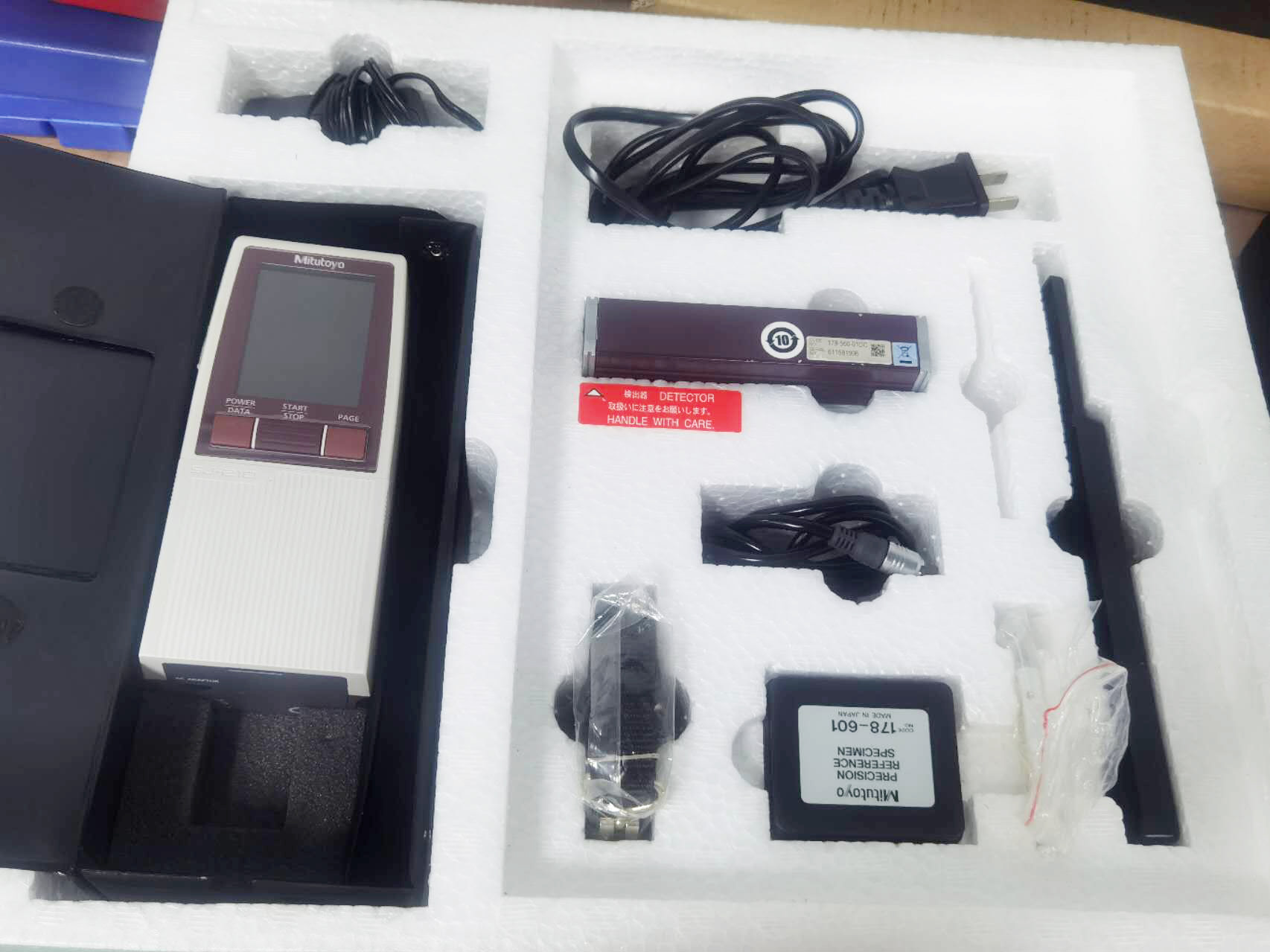
Surface Smooth | Ra 0.4 - 1.6μm | Ra 0.4 - 1.6μm |
Manufacturing parts for production—also known as end-use parts—is the process of using raw materials to create components that are specifically designed and manufactured for use in a final product, rather than for use in prototypes or models.
To ensure your parts function properly in their real-world environments—whether as machine parts, vehicle components, consumer products, or other functional applications—the manufacturing process must fully account for these factors. Successfully and efficiently producing end-use parts requires a focus on materials, design, and production methods to ensure necessary functional, safety, and quality requirements are met.
Design for Manufacturability and Production Part Design
Design for Manufacturing (DFM) is an engineering methodology that prioritizes design, aiming to create more efficient and cost-effective parts or tools. Hongsinn's automated DFM analysis helps engineers and designers create, iterate, simplify, and optimize parts before they're manufactured, thereby improving the efficiency of the entire manufacturing process. By designing parts that are easier to manufacture, production time and costs can be effectively reduced, and the risk of errors and defects in the final part is mitigated.
Metal Forming
In metal forming, forces are applied mechanically or thermally to transform metal into the desired shape. This process can be hot or cold, depending on the properties of the metal used and the desired shape. Parts produced by metal forming typically possess good strength and durability. Furthermore, this method typically reduces material waste compared to other manufacturing methods.

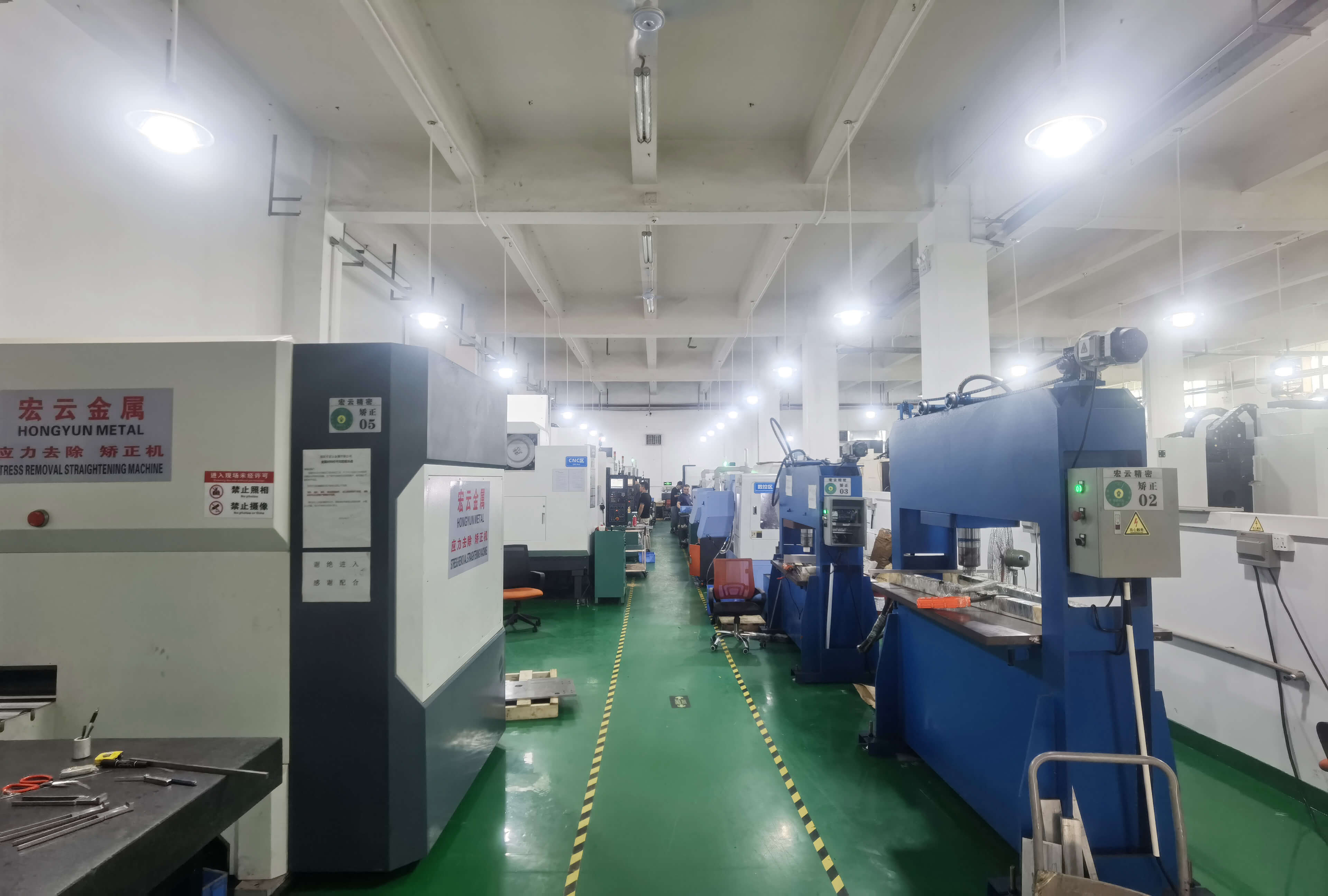
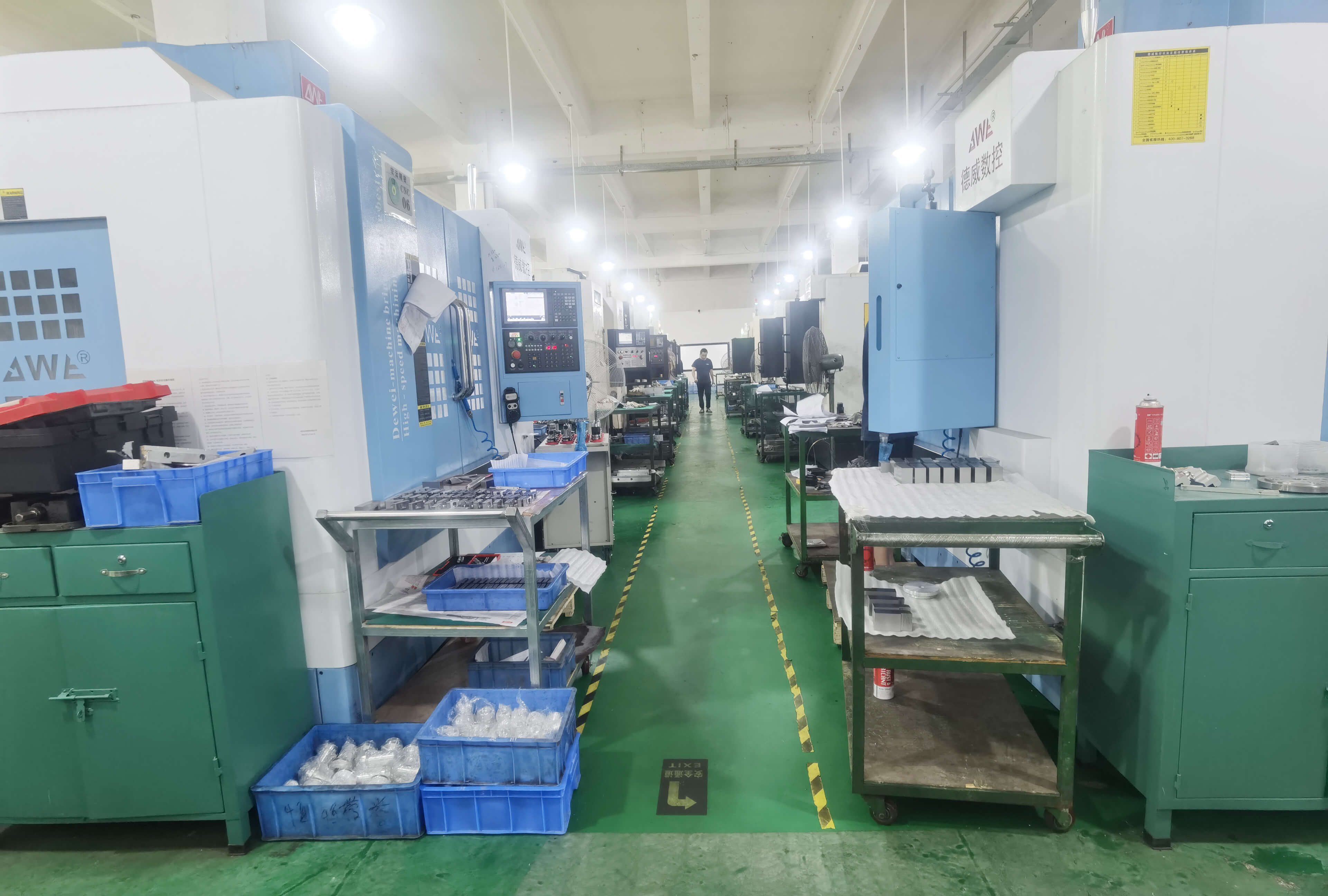
Precision machining often relies on computer numerical control (CNC) programming, enabling custom designs to be converted to precise shapes in multiple dimensions. These precision-machined components are typically supplied to OEM customers and system integrators, and the finished parts are used in a wide range of end markets.