Precision metal parts washer for manufacturing by a small metal parts manufacturer.
Hongsinn-731
Elevate Your Manufacturing Process with Our Precision Metal Parts Washer. Quality Craftsmanship by a Leading Small Metal Parts Manufacturer!
Delivery
FOB
minimum order
1 piece
Supply Ability
5000piece / Week
Country of Origin
Shenzhen
Stock Time
7~15Day
Quantity:
US $0.59 - US $10.68 / piece
Precision metal parts washer for manufacturing by a small metal parts manufacturer.
In today's demanding industrial environments, precision metal shops require advanced solutions for parts cleaning, fabrication of metal parts and specialized small metal part fabrication capabilities.
Features | CNC Turning Parts | |
Maximum Part Size | 236"x 118"x 24" (6,000 x 3,000 x 610 mm) | 62"Length x 32"Diameter (1,575 mm Length x 813 mm Diameter) |
Minimum Feature Size | 0.020″ (0.50 mm) | 0.020″ (0.50 mm) |
Estimated Delivery Time | 3-7 working days | 3-7 working days |
Standard Tolerance | ISO 2768 MK | ISO 2768 MK |
Precision Tolerance | ±0.0002"(±0.005mm) | ±0.0002"(±0.005mm) |
Threads and Threaded Hole | Standard threads and holes available, also customizable. | Standard threads and holes available, also customizable. |
Edge Conditions | Deburring by default. | Deburring by default. |
Surface Smooth | Ra 0.4 - 1.6μm | Ra 0.4 - 1.6μm |
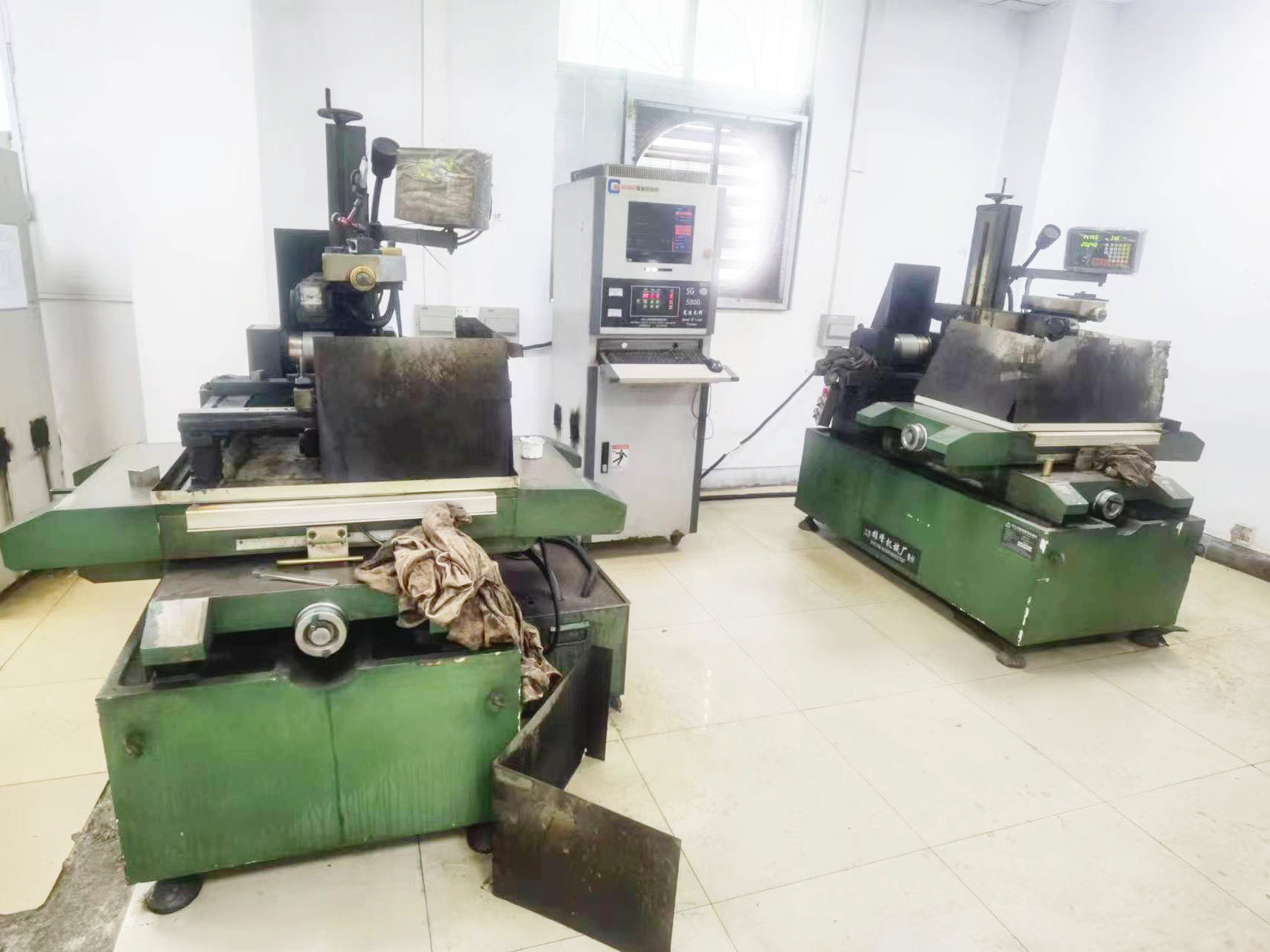
Main products: non-standard parts customization, rotating shafts, CNC processing, machining, hardware processing, positioning pins, rivet studs, precision parts processing, electrical hardware, electronic hardware.
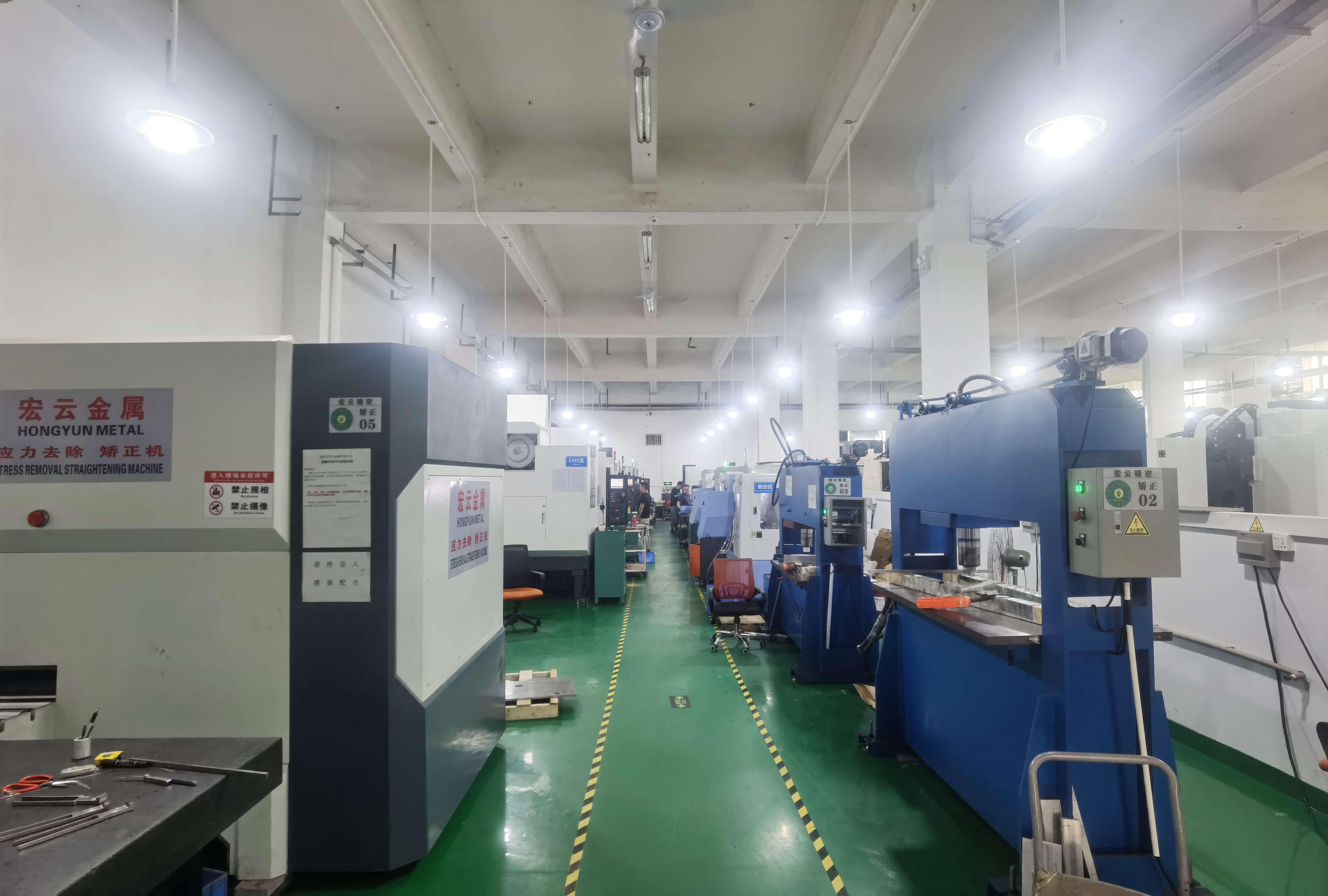
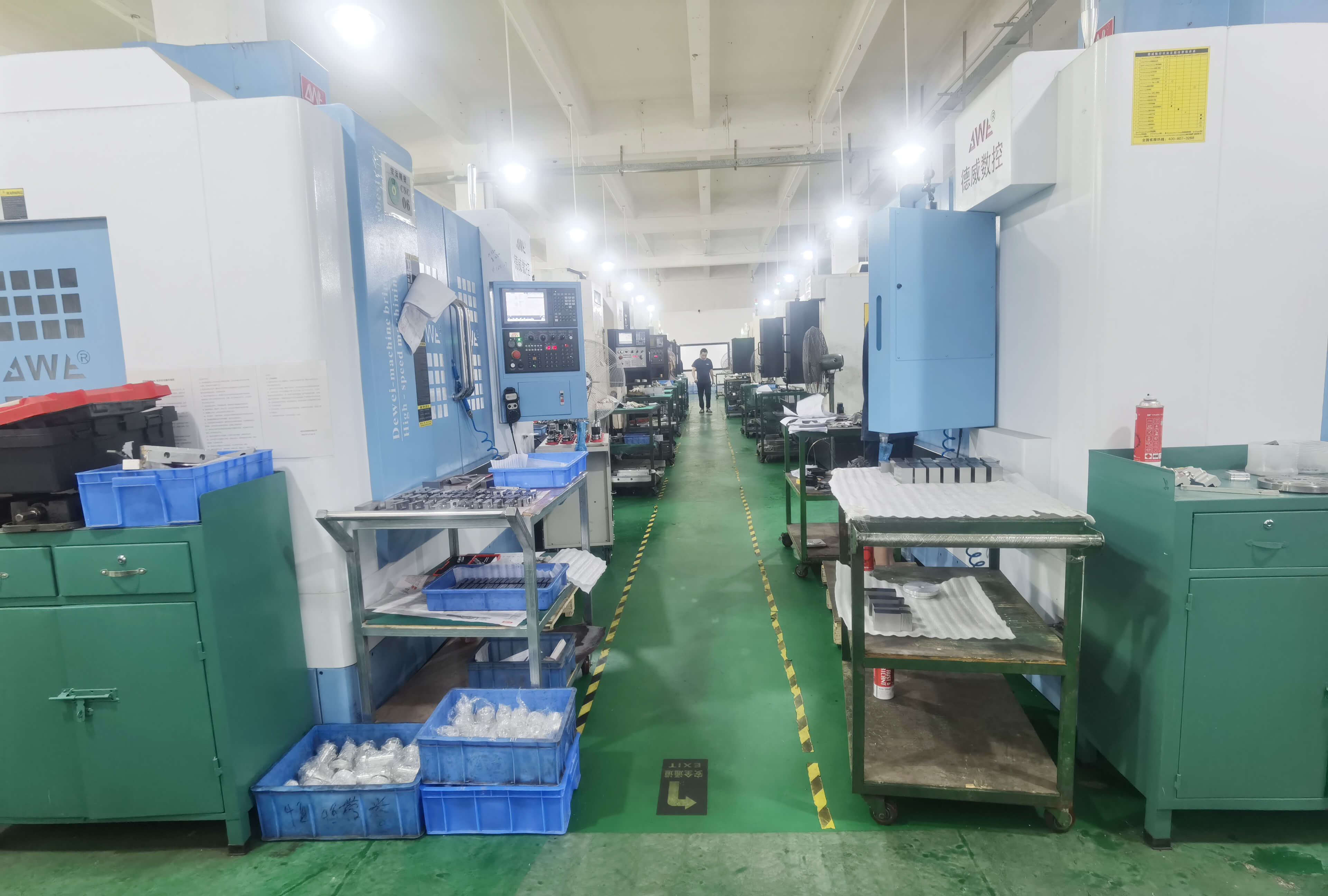
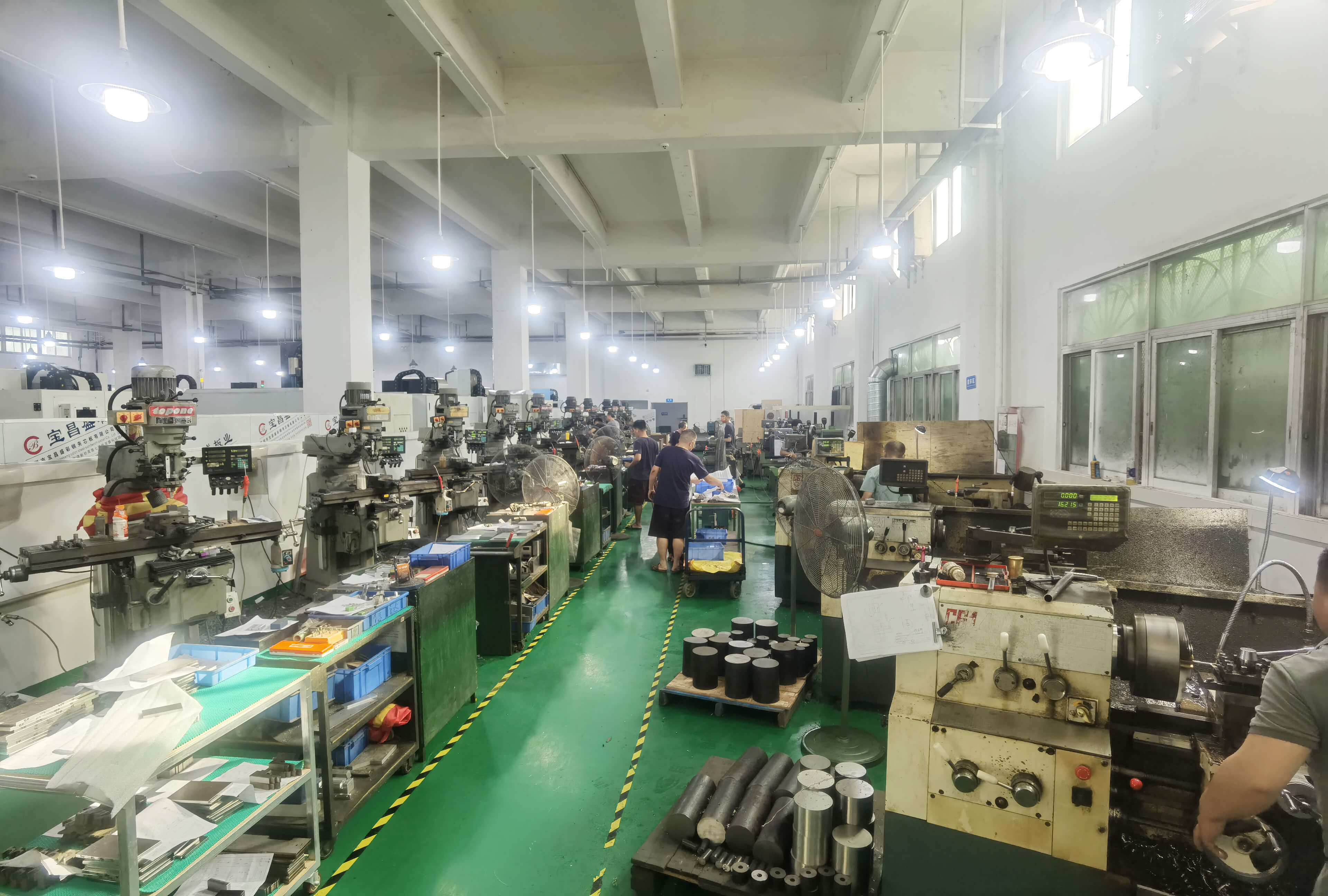
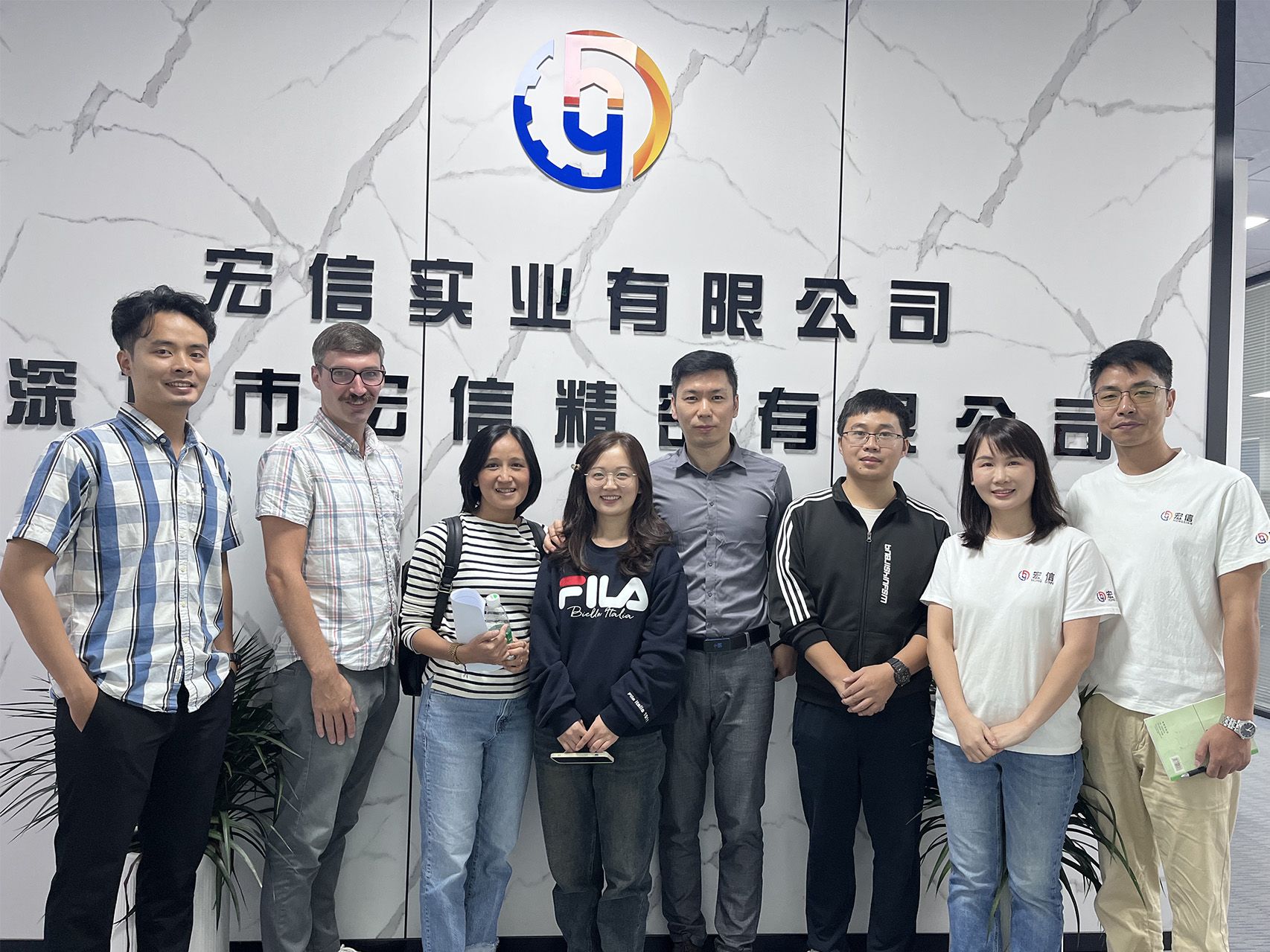
Company Profile: Founded in 2010, located in Shenzhen, Guangdong, the factory area is more than 3,000 square meters, with nearly 15 years of accumulation and precipitation, focusing on quality and service.


1. Cast iron
Both cast iron and steel are iron-carbon alloys. The main difference between them is the carbon content. Iron-carbon alloys with a carbon content of less than 2% are called steel, and those with a carbon content of more than 2% are called cast iron.
2. Steel
Compared with cast iron, steel has high strength, toughness and plasticity, and its mechanical properties and processing properties can be improved by heat treatment. The blanks of steel parts can be obtained by forging, stamping, welding or casting, so it is widely used. According to the purpose, steel can be divided into structural steel, tool steel and special steel.
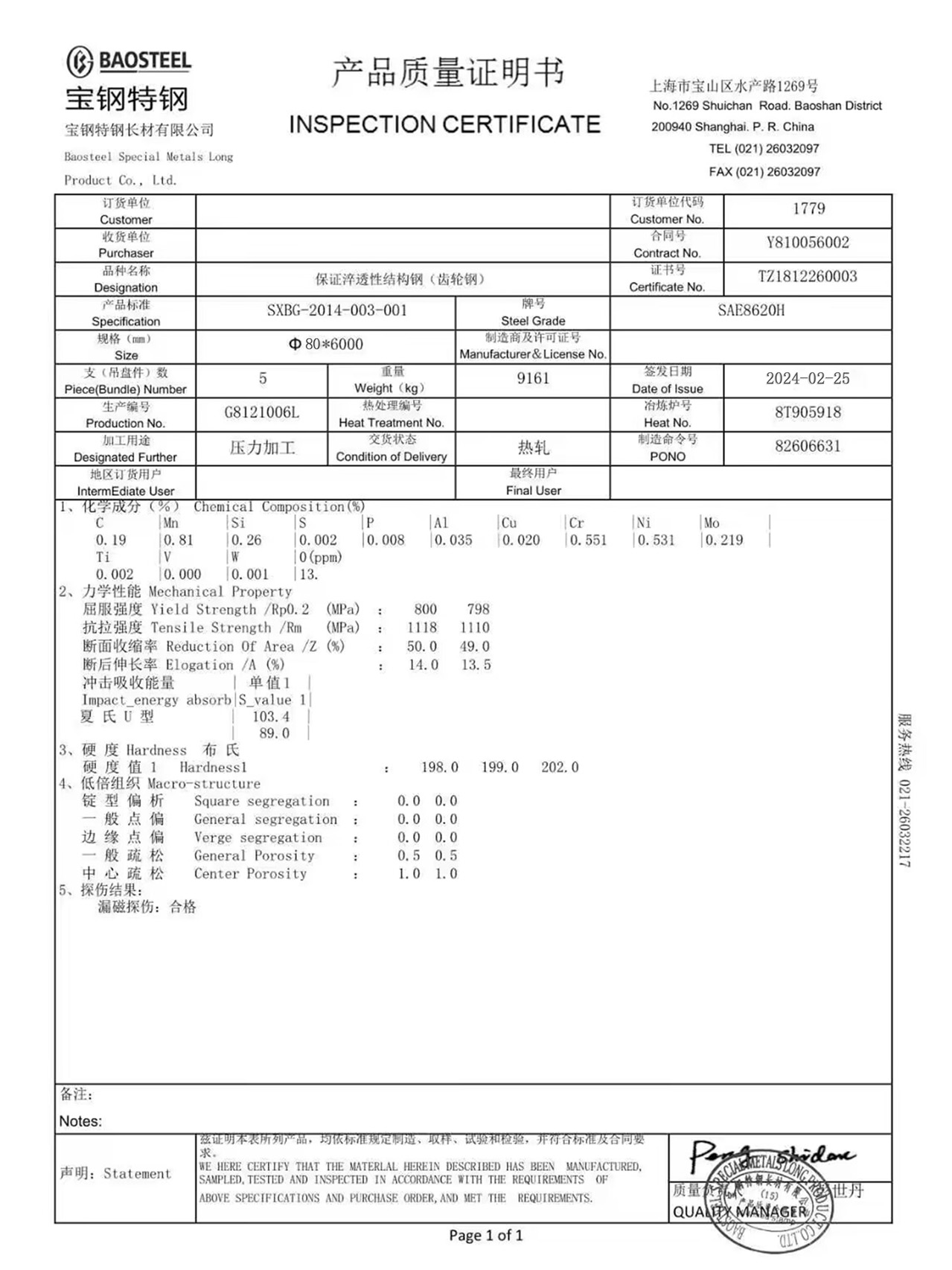
1) Carbon structural steel The carbon content of this type of steel generally does not exceed 0.7%. Low carbon steel with a carbon content of less than 0.25% has a low strength limit and yield limit, high plasticity, and good weldability. It is suitable for stamping and welding, and is often used to make screws, nuts, washers, shafts, valve guides and welded components.
2) Alloy structural steel
The role of adding alloy elements to steel is to improve the performance of steel.
3) Cast steel
The liquid fluidity of cast steel is worse than that of cast iron, so when using ordinary sand casting, the wall thickness is usually not less than 10mm. The shrinkage rate of steel castings is greater than that of iron castings, so the fillet of steel castings and the transition part of different wall thickness should be larger than that of iron castings.
3. Copper alloy
Copper alloys are divided into bronze and brass. Brass is an alloy of copper and zinc, and contains a small amount of manganese, aluminum, nickel, etc. It has good plasticity and fluidity, so it can be rolled and cast.